Photo credit: Tex Mex/YouTube
Every old place I’ve spent time on had a “default” revolver. Not a safe queen. Not a range toy. The one that lived in a dresser drawer, behind the seat, in a tackle box, or on a nail in the mudroom—because it worked, because it was familiar, and because nobody felt like arguing with it.
Before everyone started logging serial numbers, making spreadsheets, and arguing over carry optics online, these were the handguns that quietly handled snakes, dispatched a trapped critter, rode along for fence checks, and sat close by when the dogs went crazy at 2 a.m. Some of them are classics, some are ugly, and a few are only “good” because they were there. But they all earned their place the hard way.
1. Smith & Wesson Model 10
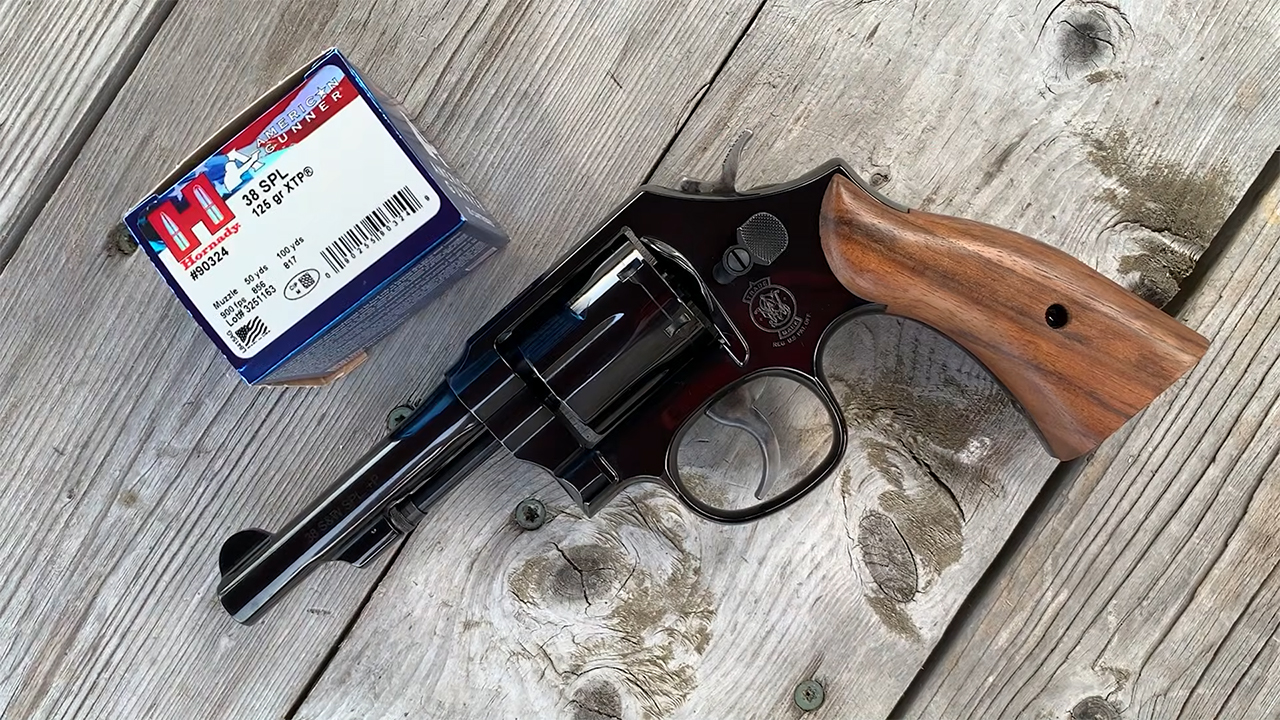
If you want a picture of “default rural revolver,” it’s a Model 10 with honest holster wear and a set of grips that don’t match. Most of them lived a previous life as a service gun, then got adopted by a farm family like an old hound dog.
It points naturally, the trigger is usually better than it has any right to be, and .38 Special is still one of the easiest handgun rounds to live with. It’s not flashy, but it’s the one a lot of folks shoot well under stress because they’ve been shooting it forever.
2. Smith & Wesson Model 36 (Chief’s Special)

Lots of rural properties had a small-frame Smith somewhere, and the Model 36 is a common one. It’s what rode in a coat pocket during chores or went into town on a quick supply run.
They’re not fun with hot loads, and tiny sights are tiny sights, but they carry easy and they’re simple. For “close and sudden” problems—snakes at the woodpile, a feral dog acting wrong—this one got grabbed a lot.
3. Smith & Wesson Model 19
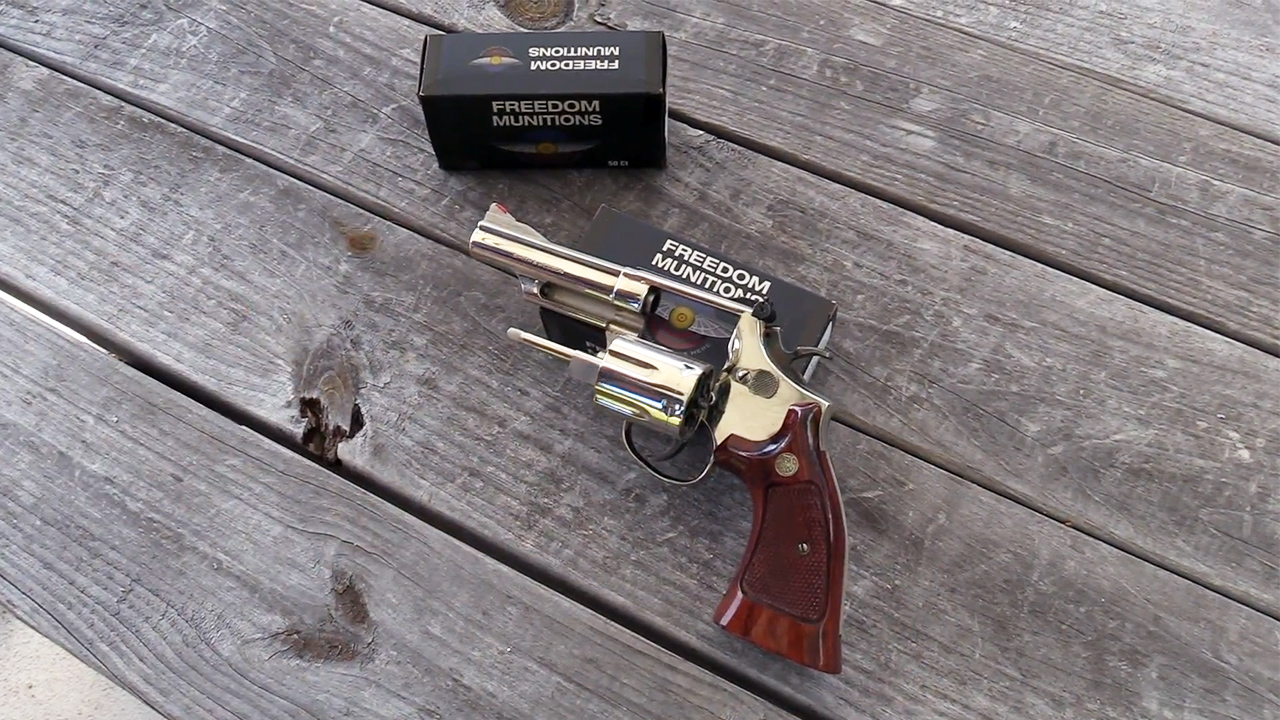
The blued, K-frame .357 with a 4-inch barrel is rural America in steel and walnut. Model 19s were the kind of revolver a guy bought once, then kept for decades because it did everything he needed.
.38s for practice, .357s for serious work. Smooth actions, good balance, and enough accuracy to make you look better than you are if you do your part. They’ve gotten pricey, but there’s a reason.
4. Smith & Wesson Model 66
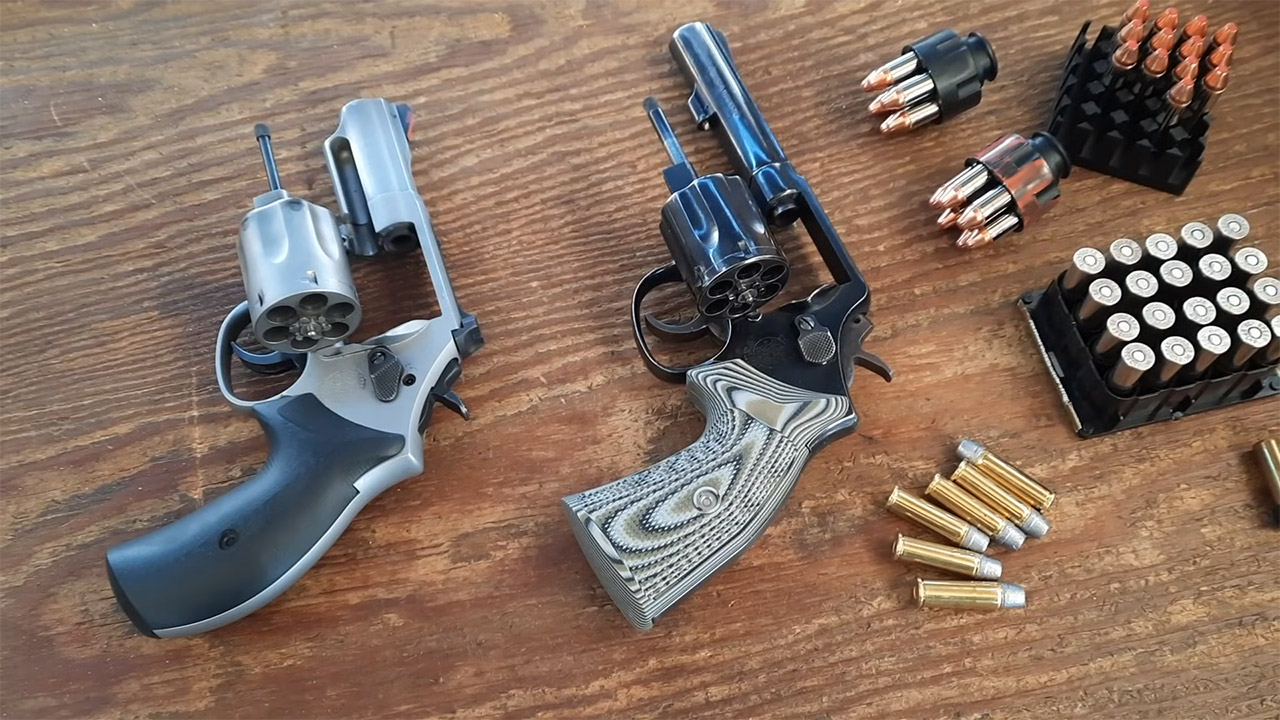
The stainless twin to the Model 19 showed up when folks got tired of blued guns rusting from sweat, rain, and riding in damp trucks. A Model 66 can take hard use and still clean up.
For rural carry, stainless is not a fashion statement—it’s common sense. Wipe it down, keep it reasonably oiled, and it’ll ride through seasons of fence fixing and creek crossings without pitting like an old boat anchor.
5. Ruger Security-Six
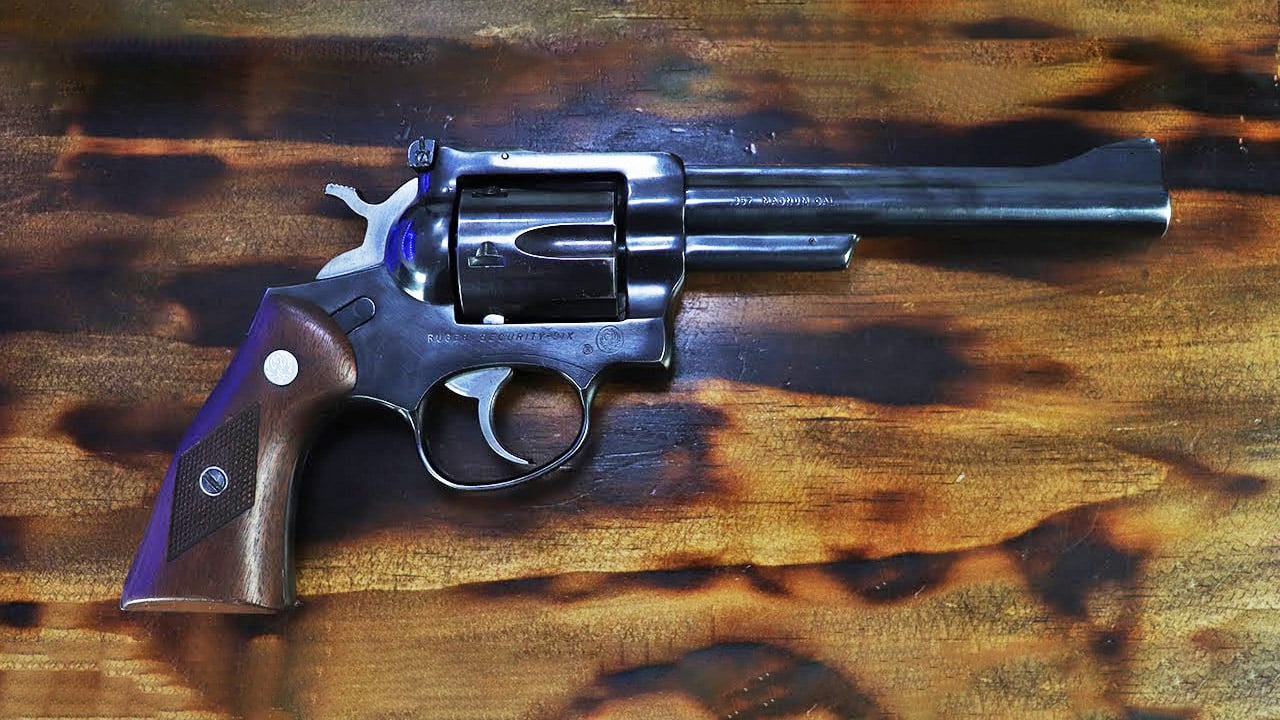
The Security-Six is one of those revolvers that never tried to be elegant. It tried to be tough. And it succeeded. You’ll still see them with worn bluing and tight lockup because Ruger built them like they expected bad habits.
The grip shape isn’t everybody’s favorite, but they shoot well and digest .357 without feeling delicate. If you find one that hasn’t been “improved” by a kitchen-table gunsmith, it’s a solid working revolver.
6. Ruger Service-Six
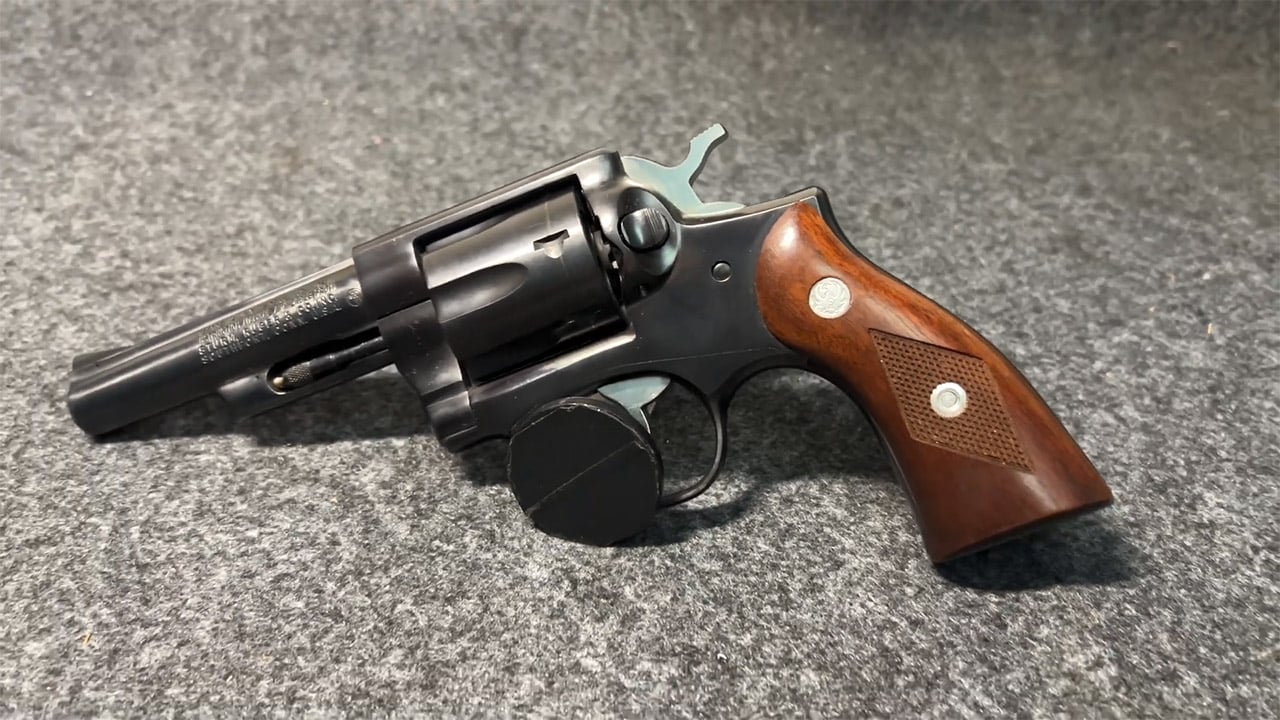
Same family as the Security-Six, with a little more duty-gun vibe. A lot of these also came off a belt somewhere and ended up on a rural property as the “just in case” handgun.
They’re plain, reliable, and usually priced more reasonably than comparable old Smiths. Not a collector’s romance piece for most buyers, which is fine, because a property gun doesn’t need romance.
7. Ruger Speed-Six
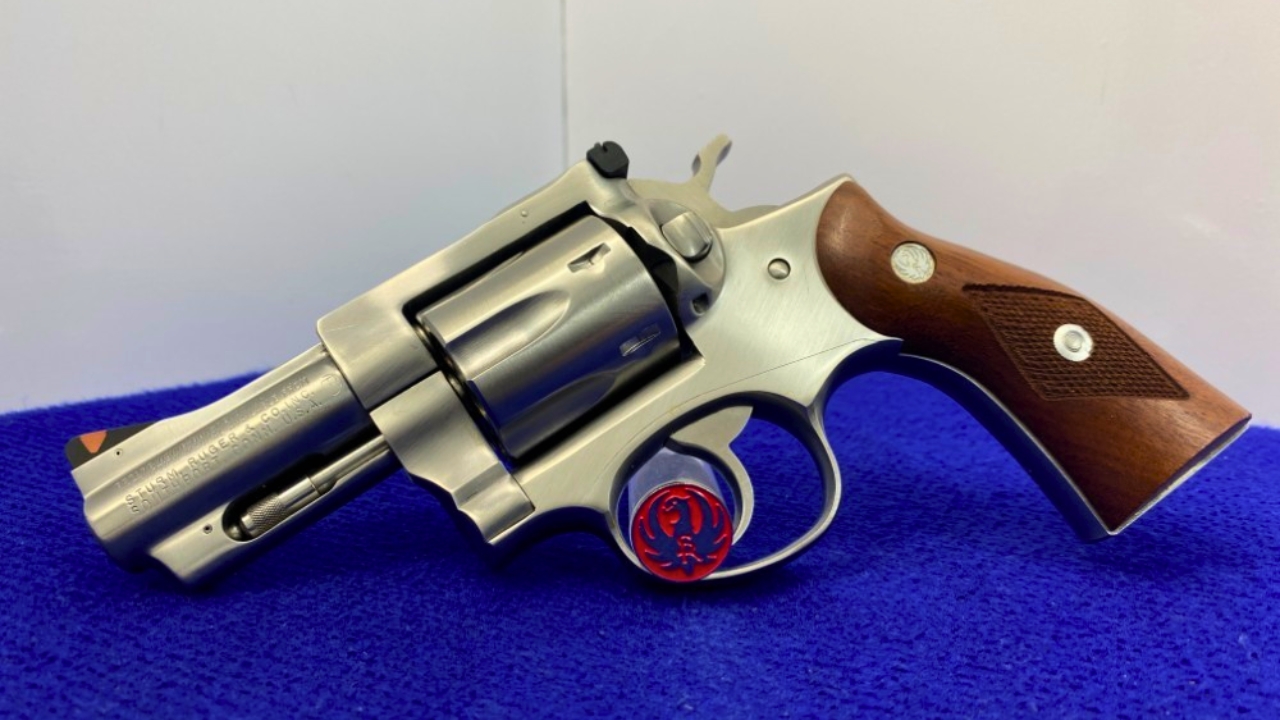
Shorter, a little handier, and easy to live with. The Speed-Six was a common “truck revolver” before that phrase got turned into internet content.
It carries well, clears a jacket easier than longer barrels, and it still gives you real .357 capability if you want it. If you’ve ever tried to crawl in and out of gates and pickups all day with a long-barreled handgun, you get why this size mattered.
8. Ruger GP100
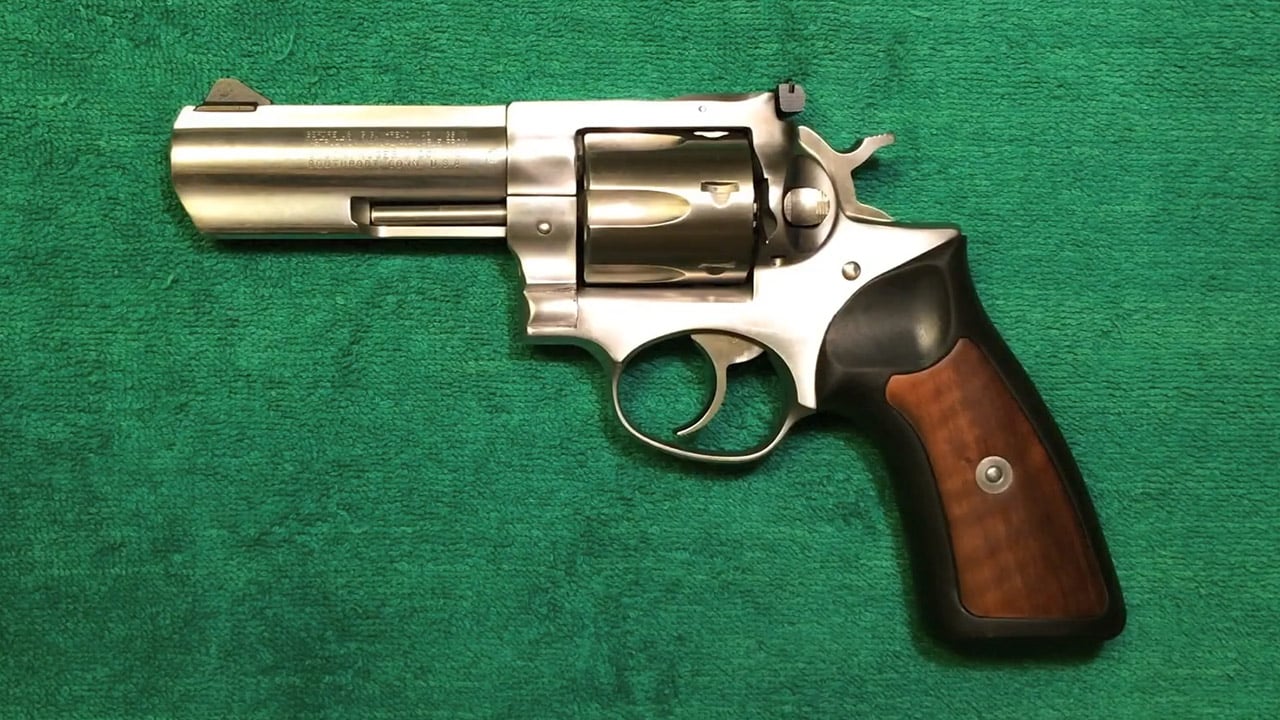
When folks wanted “stout,” they bought a GP100. It’s heavier than some prefer, but on a rural property, weight isn’t always the enemy. A heavier revolver is easier to shoot well, especially with .357 loads.
The GP100 also handles neglect better than most. Not abuse—neglect. The kind where it rides in a glove box through dust and temperature swings, and still goes bang when it’s needed.
9. Ruger SP101
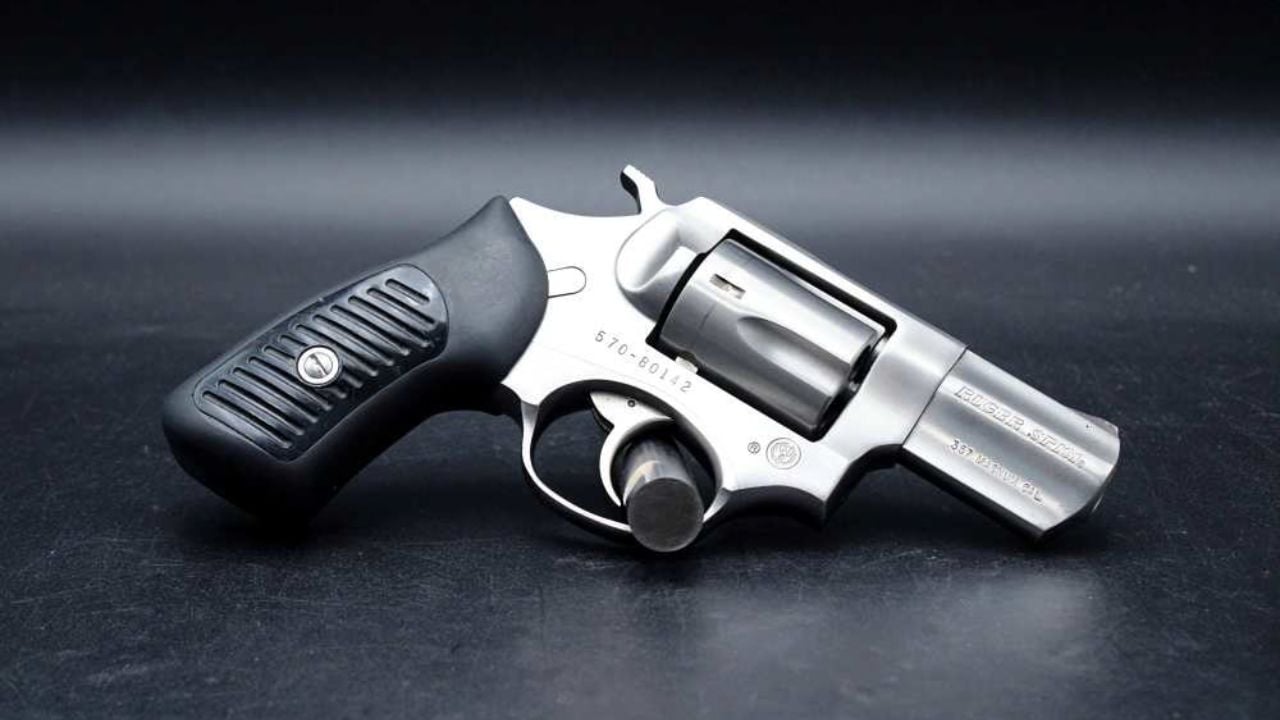
The SP101 is what happened when people wanted a small revolver that didn’t feel like it was made of soda-can aluminum. It’s a chunky little gun, but it’s durable and controllable.
As a property sidearm, it makes sense: small enough to carry without thinking about it, sturdy enough to run real loads, and simple enough that anyone in the household can understand it fast.
10. Colt Police Positive Special
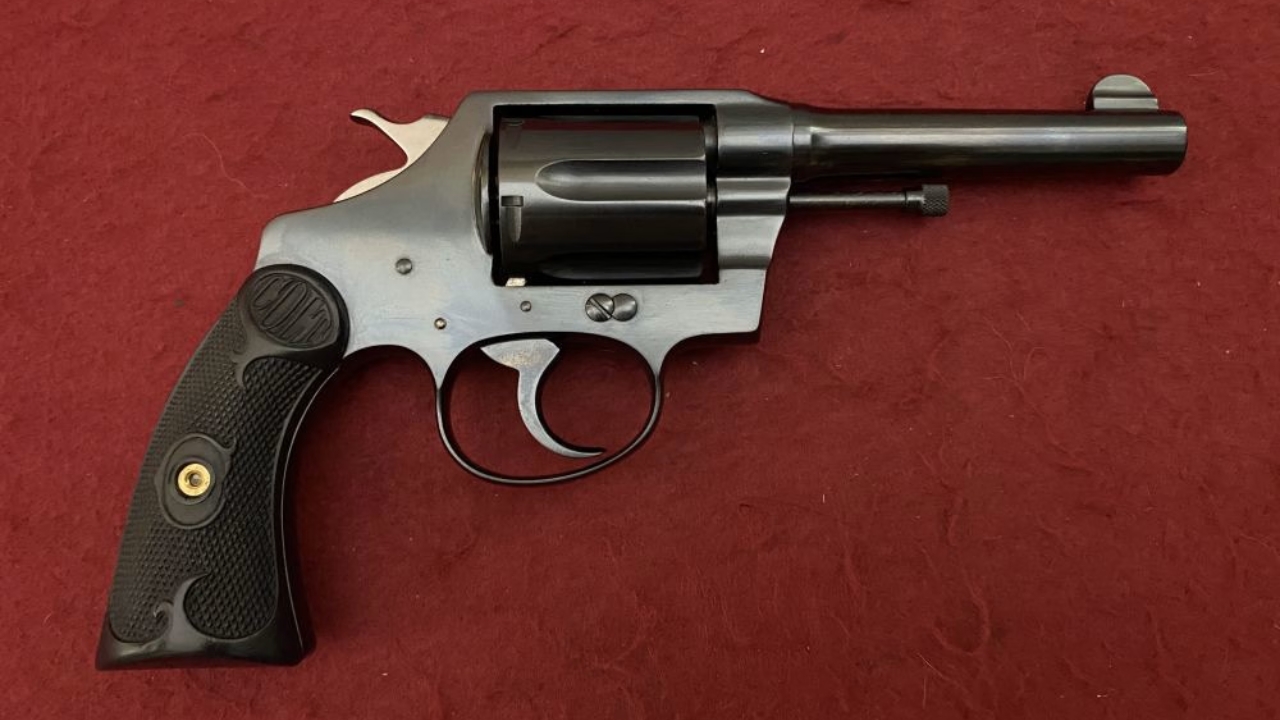
Old Colt double-actions have a feel to them that’s hard to describe until you’ve shot one that’s been cared for. The Police Positive Special ended up on rural places because they were common, and because they shot accurately enough for real work.
They aren’t the best choice for a steady diet of hot-rodded ammo, and parts aren’t as easy as they once were. Still, for .38 Special duty, these old Colts did a lot of quiet miles.
Free for gun owners: If something happened to you tomorrow, would your family know where the guns are, who has the safe combination, or what to do first? Our free Gun Owner’s Family Checklist walks them through it. It takes about 15 minutes to fill out. Get your free copy here.
11. Colt Detective Special
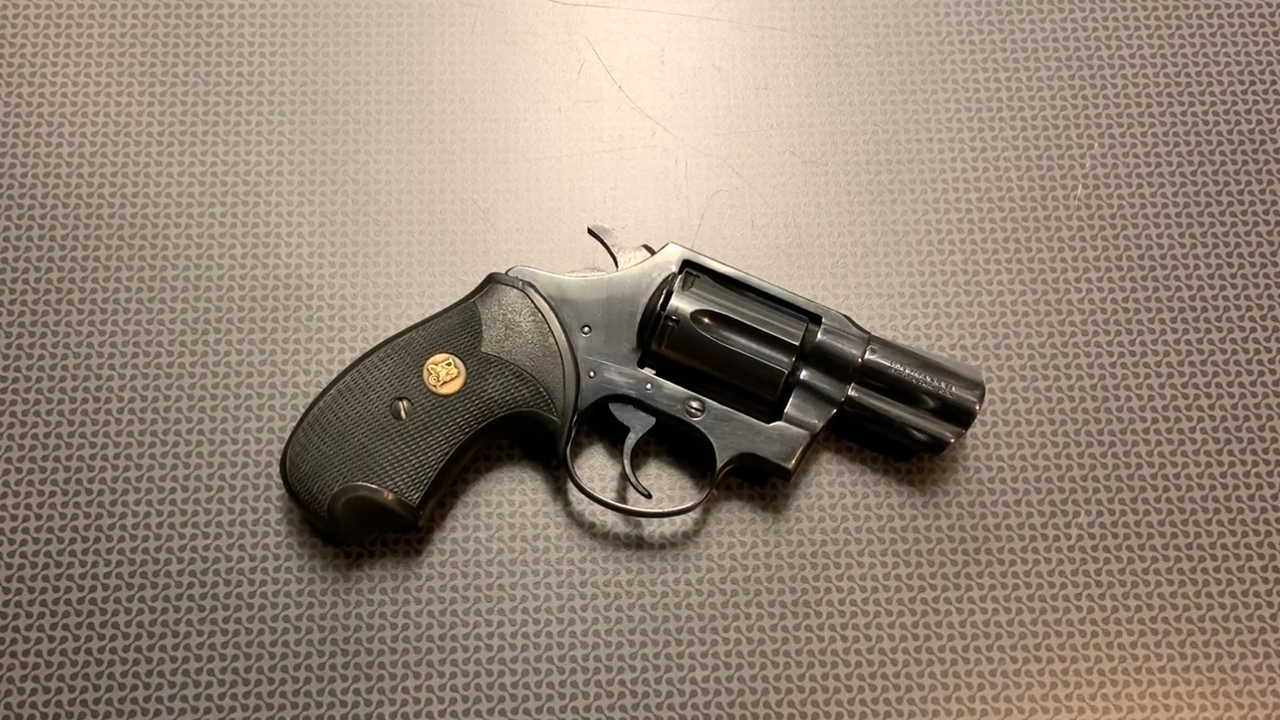
A lot of people think “snubnose” and picture five shots. The Detective Special gave you six in a compact package, and that mattered to folks who actually carried one daily.
It’s a classic for a reason, but it’s also not magic. It’s heavy for the size and the old-style sights can be a limiting factor. Even so, plenty of rural homeowners trusted one because it was a serious gun in a small space.
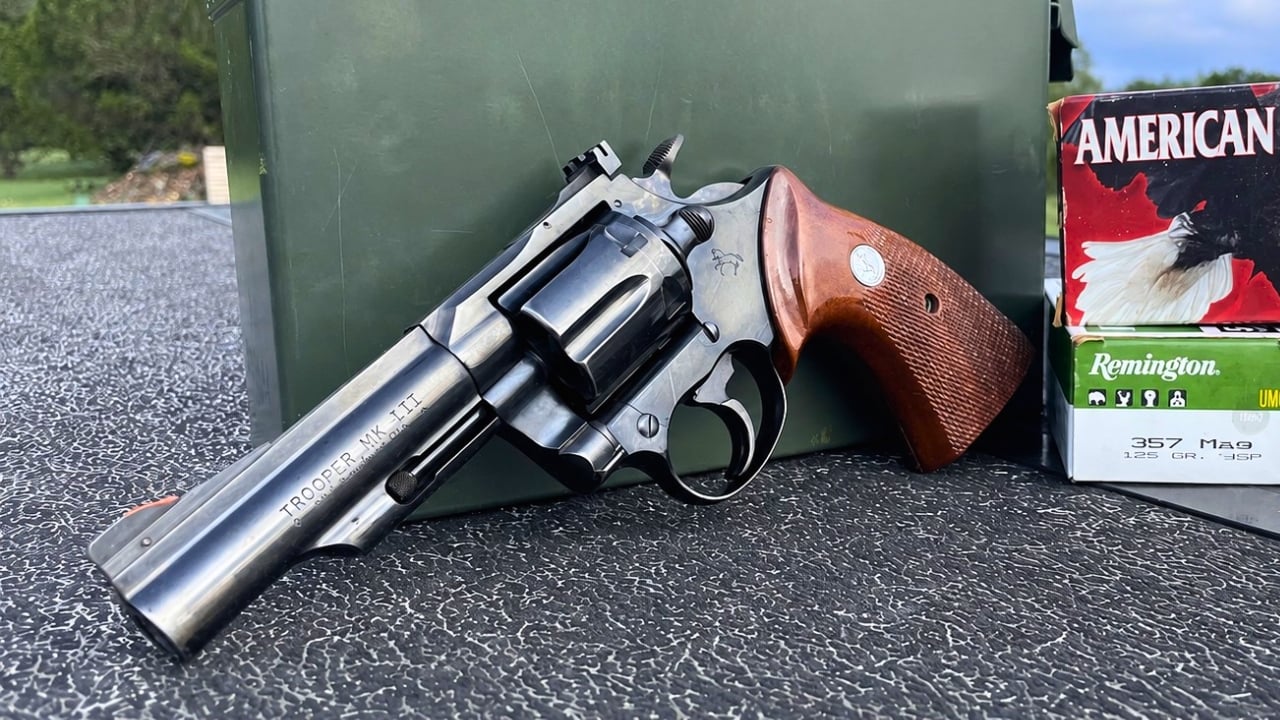
12. Colt Trooper (Mk III)

The Trooper Mk III is one of those revolvers that shows up in gun cabinets when you least expect it. Somebody’s uncle bought it new, shot it a little, then it became “the good revolver” nobody wanted to beat up.
It’s accurate, handles .357 well, and the build quality is real. If you inherit one, don’t be in a hurry to trade it for something polymer and trendy. That trade usually feels smart for about a week.
13. Colt Python (older blued models)
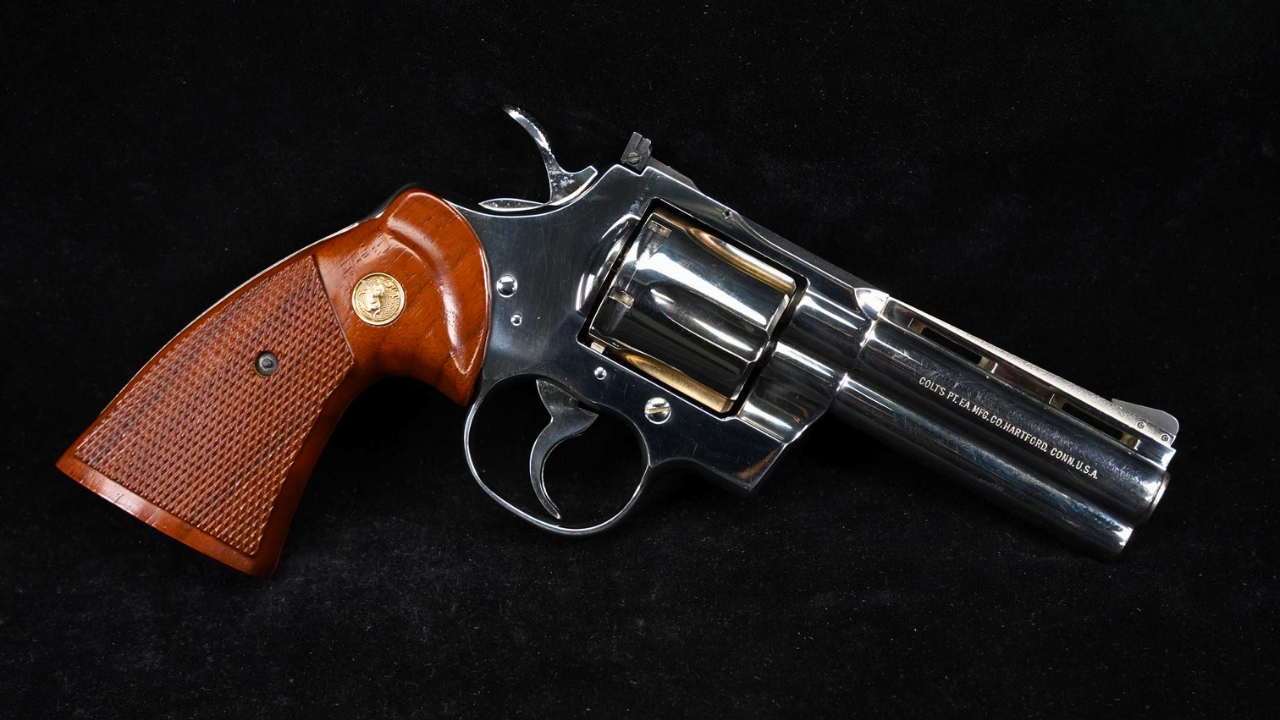
Yes, Pythons were around rural properties too—usually as the “best gun in the house.” Not everybody carried one to mend fence, but plenty of folks kept one close because it shot like a dream and looked like money.
The downside is obvious now: they’re expensive, and you’ll baby it whether you mean to or not. Still, plenty of old-timers bought a Python when it was just a very good revolver, not a social-media trophy.
14. Smith & Wesson Model 27
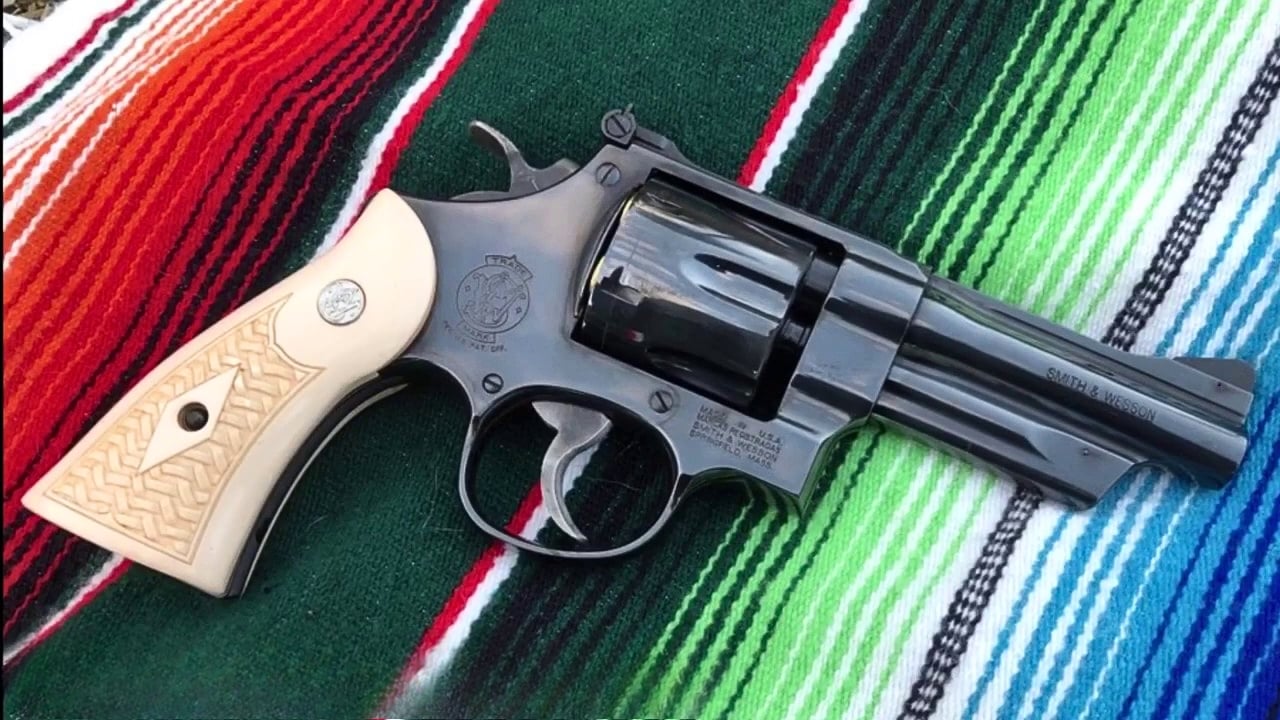
The Model 27 is what you bought when you wanted a .357 that felt like a bank vault. Big N-frame, deep bluing on many of them, and a presence that makes you want to stand up straighter.
It’s not light. It’s not discreet. But as a house gun or a property-side nightstand revolver, it’s hard to argue against the combination of shootability and durability. With full-power loads, the weight starts feeling like a feature.
15. Smith & Wesson Model 28 (Highway Patrolman)
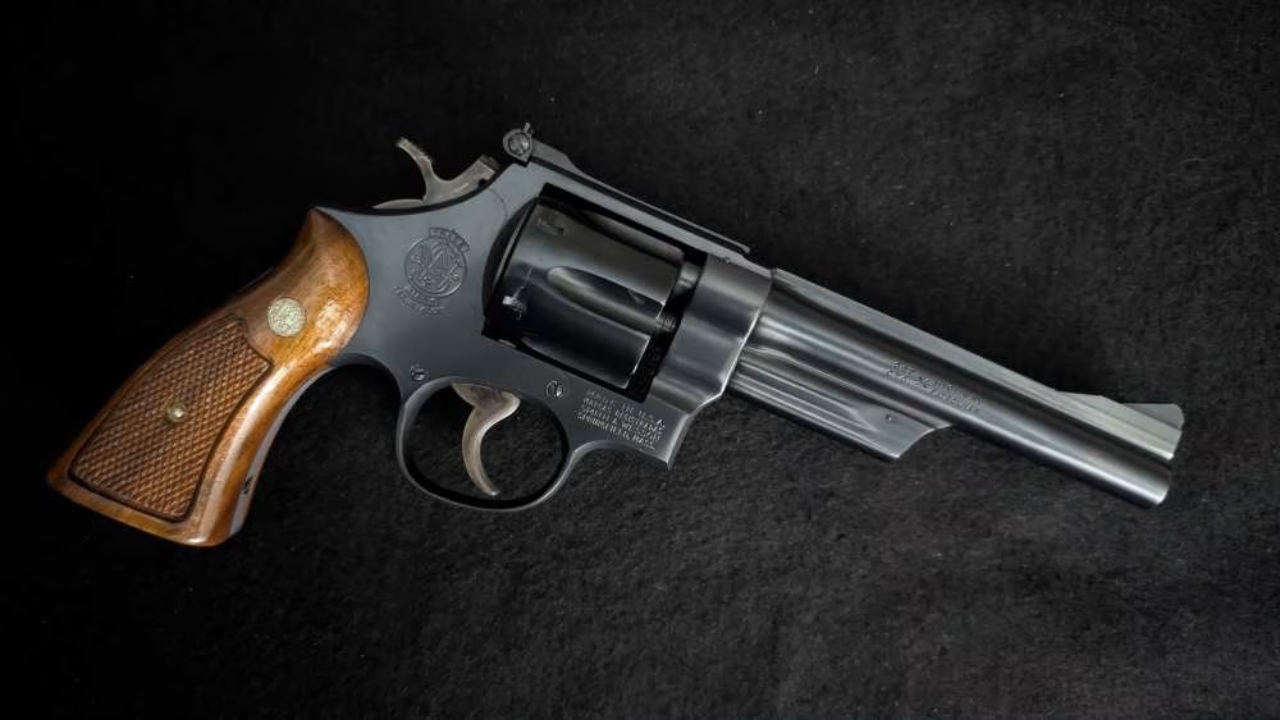
The Model 28 was the “working man’s” version of the big .357. Less polish, more purpose. And because it wasn’t marketed as fancy, plenty of them got used like tools.
These are the revolvers you’ll see with worn edges and perfect timing because they were carried a lot and shot a fair amount. If you want an old-school .357 that you can actually use without guilt, a clean Model 28 is hard to beat.
16. Smith & Wesson Model 29

Once the .44 Magnum legend took hold, Model 29s found their way into rural hands even if the owner didn’t really need a .44 Magnum for daily chores. Sometimes you buy a gun because you want it. I get it.
On a property, a .44 can make sense for certain critters and certain country, but it’s also easy to overdo it. More recoil, more muzzle blast, more cost per shot. Still, a lot of folks kept one around as the “heavy option,” and it stayed because it’s hard to forget what a .44 does.
17. Ruger Blackhawk
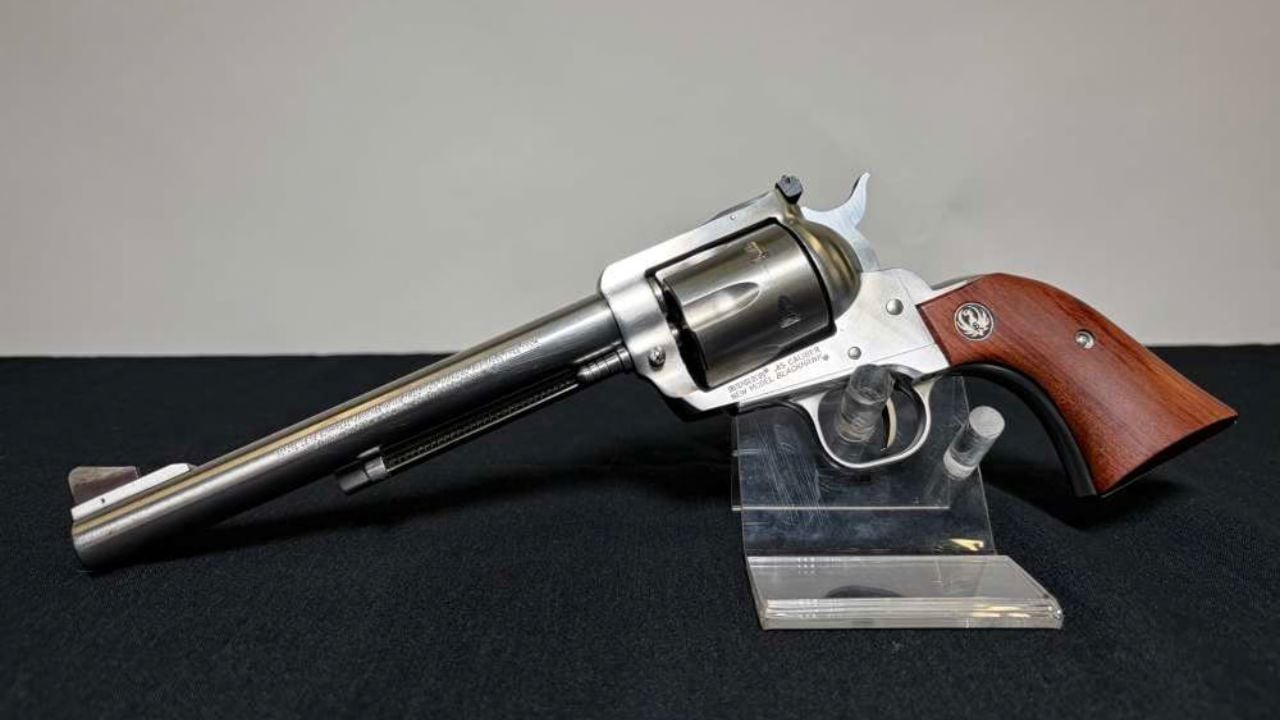
Single-actions never really left rural America. The Ruger Blackhawk is durable, accurate, and simple, and it’s been riding on hips for decades. It’s also a revolver that encourages deliberate shooting, which isn’t a bad thing.
For checking traps, walking creek bottoms, or riding in a side-by-side, a Blackhawk in .357, .41, or .45 Colt has been a steady companion. It’s not the fastest to reload, but most property problems don’t come with a timer.
18. Ruger Super Blackhawk
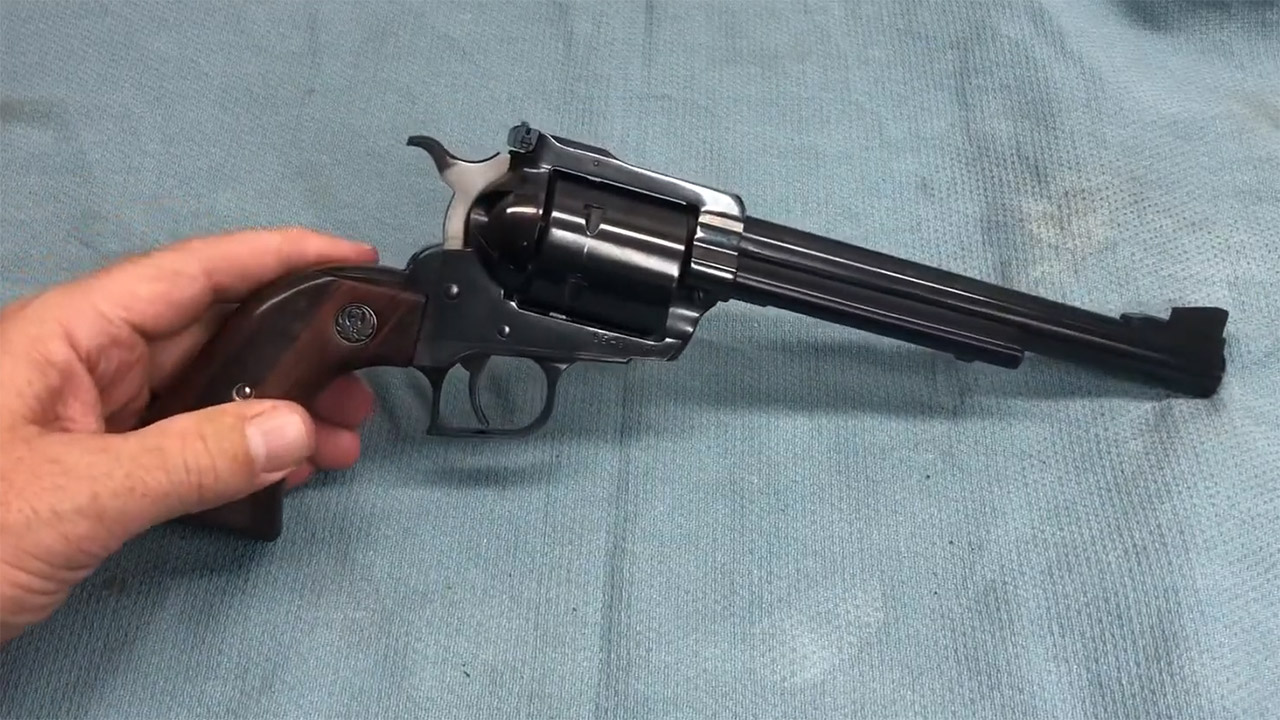
This one is here for the folks who live where “four-legged trouble” can be bigger and tougher. Super Blackhawks got picked because they’re strong and they handle heavy .44 Magnum loads without feeling fragile.
They’re not for everybody. The recoil can be real, and some grips bite hands if your technique is sloppy. But as a working revolver that can also hunt, it has put plenty of meat in freezers and ended more than a few tense walks back to the house.
19. Harrington & Richardson Model 999 Sportsman
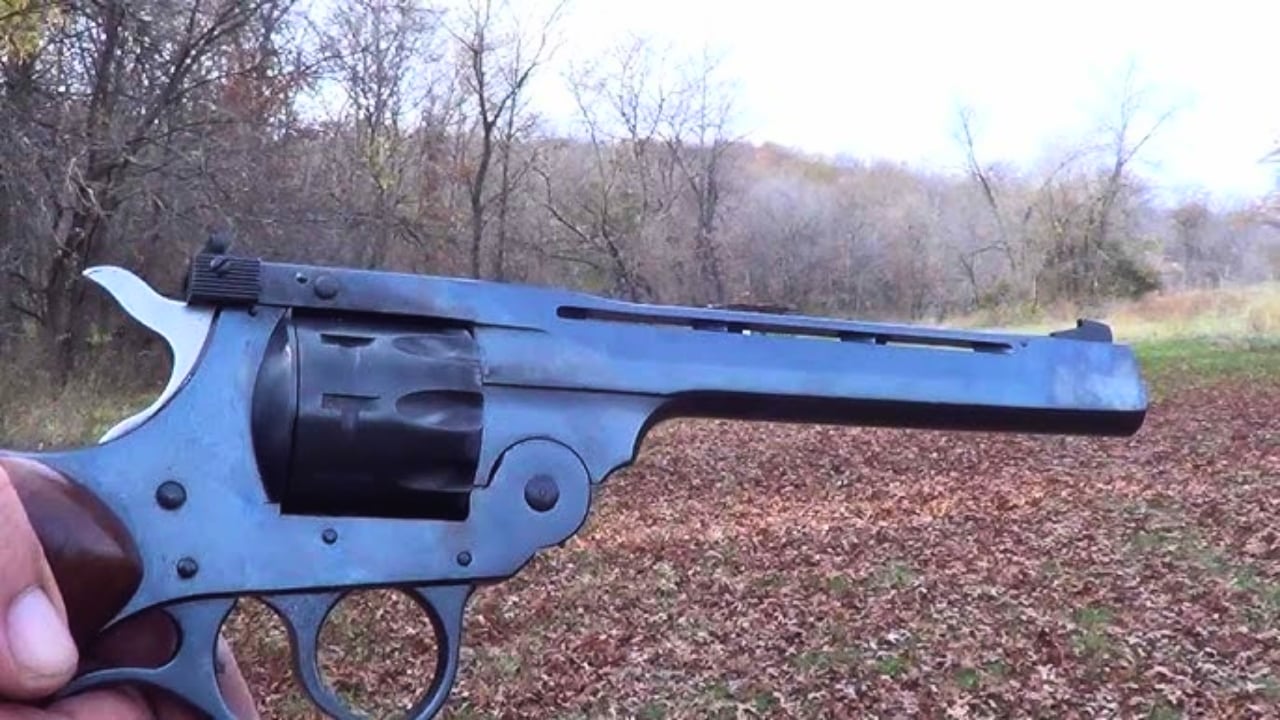
Every so often you’ll find an old nine-shot .22 revolver on a farm that has probably accounted for a lifetime of pests. The H&R 999 Sportsman is one of the better-known ones, and they can be surprisingly accurate.
It’s not the revolver you choose for social media photos, but it’s the one that lived by the back door because it was cheap to feed and easy to shoot. A .22 on a property gets used more than a lot of “better” guns, just because it’s handy.
20. Taurus Model 85
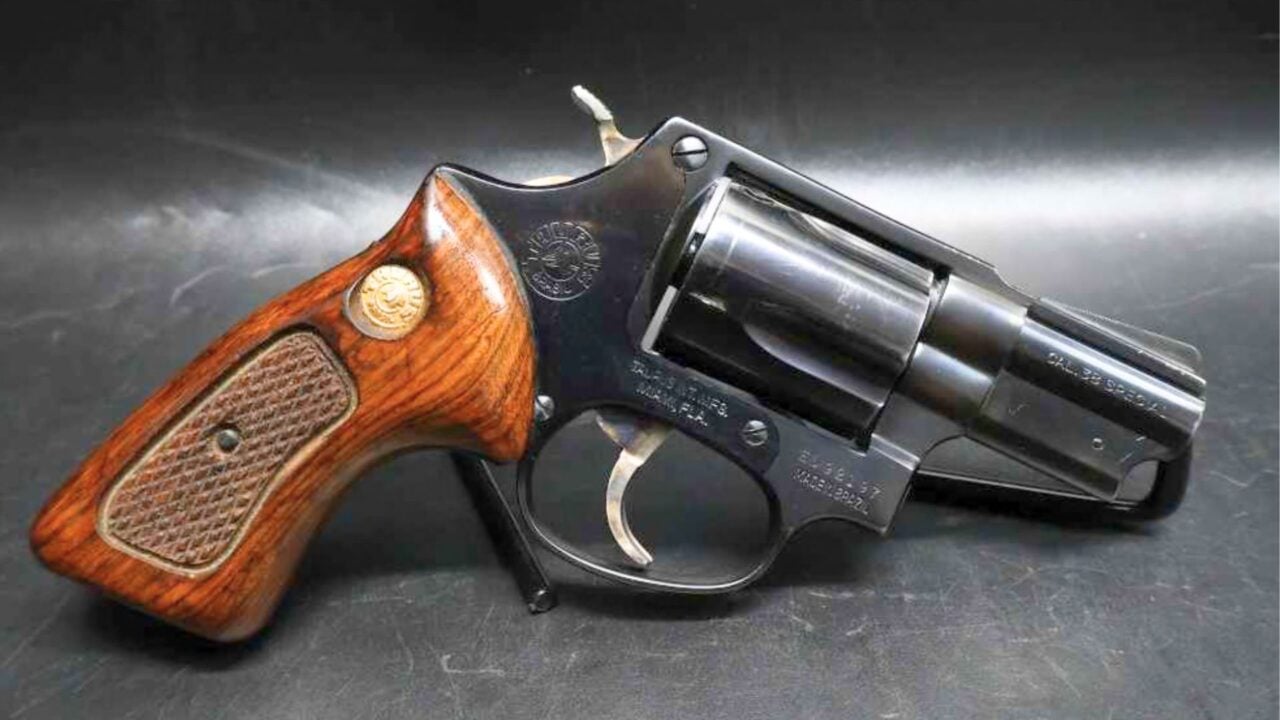
Taurus snubs show up on rural properties for the most straightforward reason on earth: they were affordable and available. The Model 85, especially in .38 Special, became a default for folks who wanted a simple defensive revolver without paying Smith money.
Are they all perfect? No. Some run great, some are rough, and quality can be uneven depending on era. But plenty of Model 85s rode in coat pockets and truck consoles for years, and a working one is better than the perfect gun you never carry.
The funny part about these “default” revolvers is most of them weren’t bought to impress anybody. They were bought to solve normal problems: snakes, coyotes, raccoons in the feed, a weird noise at night, or just peace of mind when you’re alone on a back road. If you’ve got one that runs, shoots where you point it, and you can actually hit with it under pressure, don’t let internet trends talk you out of it.
Like The Avid Outdoorsman’s content? Subscribe to our newsletter so you never miss an article.
Here’s more from us: