Photo credit: Alabama Arsenal/YouTube
A gun can look completely ready for defensive or hard field use and still fall short once you start demanding more from it. A threaded barrel, optics cut, high capacity, or aggressive styling does not automatically make something a duty-grade firearm.
For serious use, I want a gun with a mature track record, reliable magazines, strong parts availability, and very few unanswered questions. Some firearms eventually earn that trust. Others need more development, better quality control, or simply more time in shooters’ hands before I would put them in the same category as proven defensive and field guns. These 20 are firearms I would test hard before trusting them when failure matters.
Taurus GX4

The GX4 brought Taurus directly into the high-capacity micro-compact market with a pistol that looked extremely competitive on paper. It was small, light, affordable, and carried substantially more ammunition than older pocket pistols.
The problem is that a defensive pistol has to overcome more than a manufacturer’s old reputation. The GX4 line has had enough controversy and safety-related attention that I would not treat a freshly purchased example as automatically ready for carry. It may prove completely reliable after a substantial individual test, but that testing matters. When several competing micro-compacts already have enormous round counts behind them, there is little reason to give a relatively inexpensive carry pistol the benefit of the doubt.
SIG Sauer P320
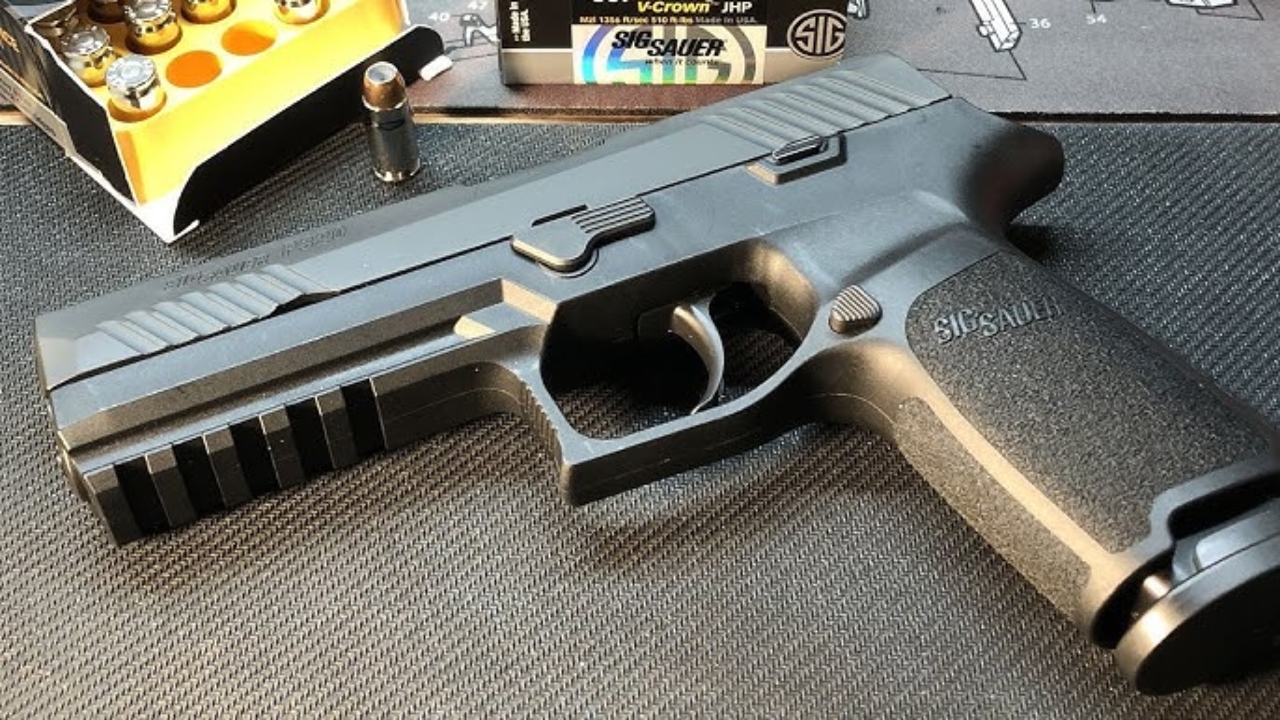
The P320 has military adoption, tremendous aftermarket support, and one of the most successful modular handgun systems ever developed. That makes including it controversial.
The concern is that a handgun intended for serious carry needs to inspire complete confidence in its safety history as well as its reliability. The P320 has been at the center of enough discharge allegations, lawsuits, design discussions, and department controversies that prospective owners should understand exactly which configuration they have and what updates have been performed. Plenty of P320s run extremely well. That does not mean I would blindly pull any used example from a dealer case and immediately trust it for duty.
Springfield Armory Prodigy

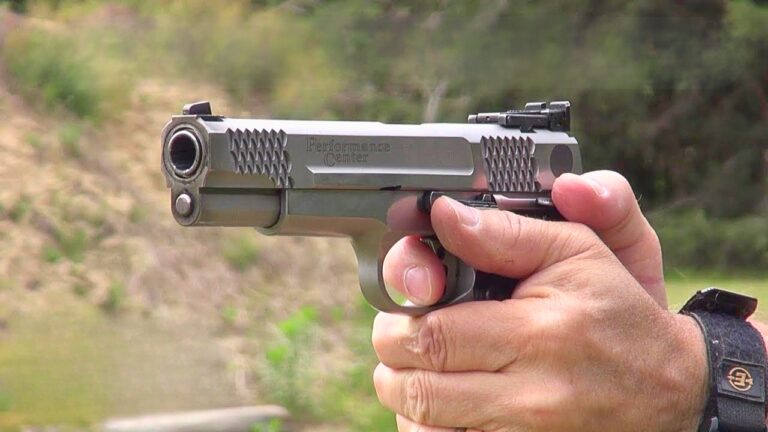
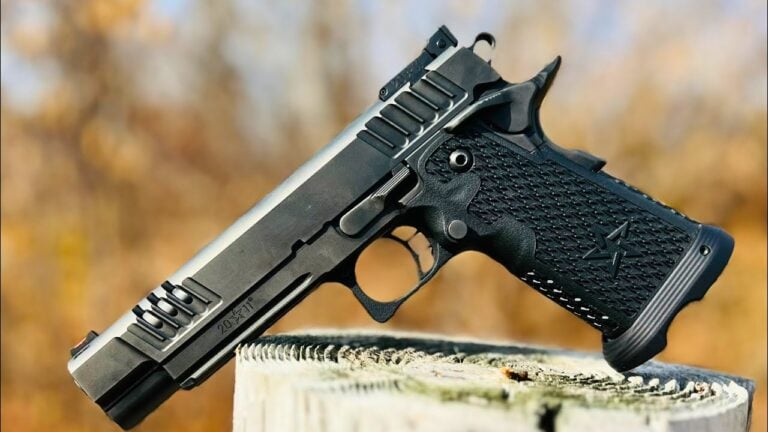
The Prodigy gave shooters a way into the double-stack 1911 world without paying traditional custom-gun money.
Early examples also showed why building this type of pistol cheaply is difficult. Reports of feeding problems, tight chambers, extractor issues, and guns requiring break-in hurt the launch badly. Later production appears to have improved, but a serious-use pistol should not require the owner to assume everything has been corrected. I would want several hundred trouble-free rounds through a specific Prodigy before even considering defensive use. A 2011-style pistol can be outstanding, but proper fitting matters.
Kimber KDS9c

The KDS9c is attractive because it combines high capacity, a metal frame, a good trigger, and compact dimensions.
What it does not yet have is the enormous hard-use history attached to older duty platforms. Kimber also carries baggage from years of inconsistent owner experiences across portions of its handgun lineup. That does not automatically condemn the KDS9c, but it raises the testing threshold. A pistol this expensive should not receive trust simply because it feels excellent at the counter. I would want to see it run dirty, hot, and through a serious defensive-ammunition test before depending on it.
Kimber R7 Mako
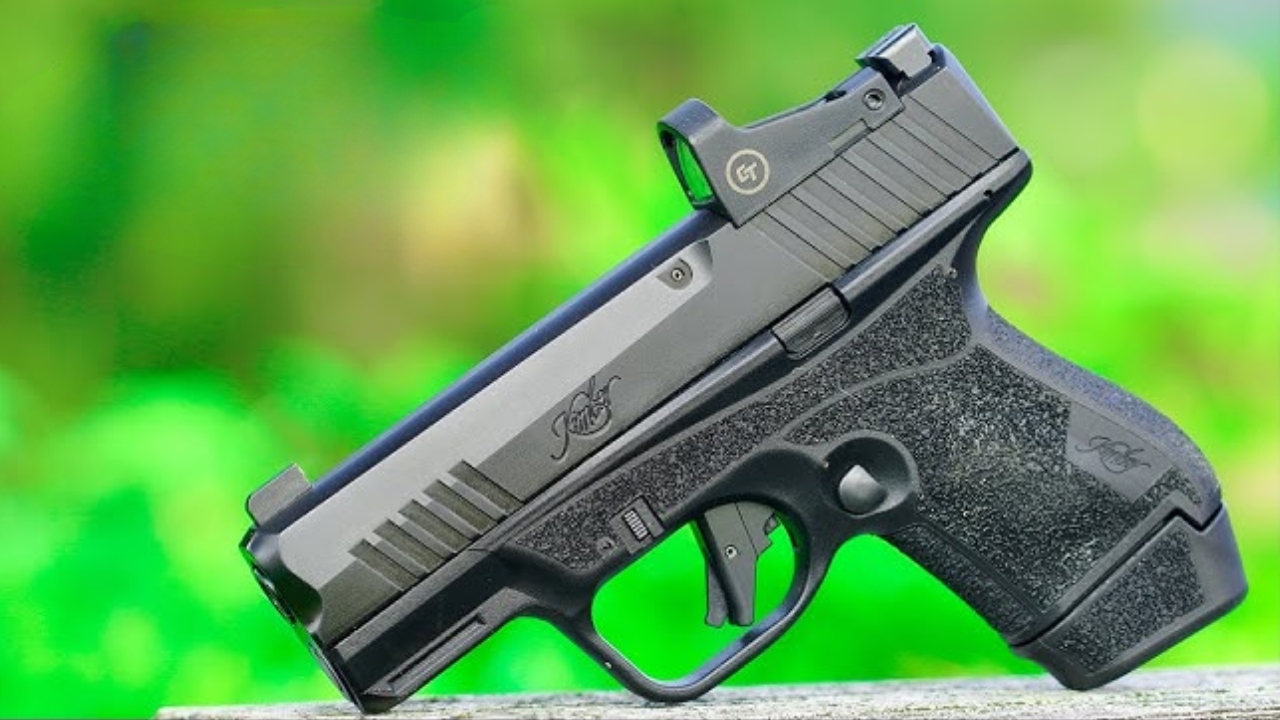
The R7 Mako has many good ideas. Its enclosed optic arrangement, comfortable grip, and compact dimensions make it competitive with the major micro-9s.
The issue is that this category already contains several deeply established pistols. A carry gun does not get extra credit for being different when the alternatives have millions of rounds of user experience behind them. The Mako may work perfectly, but aftermarket support, magazine availability, and long-term institutional history are much thinner. That makes it a pistol I would prove personally rather than assume is ready.
Mossberg MC2sc

Mossberg’s MC2sc is another micro-compact that looks much better on paper than the amount of attention it receives.
It offers competitive capacity, reasonable dimensions, and useful carry features. What it lacks is widespread adoption and the huge body of long-term user data available for the dominant compact pistols. Mossberg knows shotguns better than almost anybody, but that reputation does not automatically transfer to every handgun. For casual carry after extensive individual testing, maybe. For serious use without that testing, I would still choose a more established platform.
Stoeger STR-9 Combat
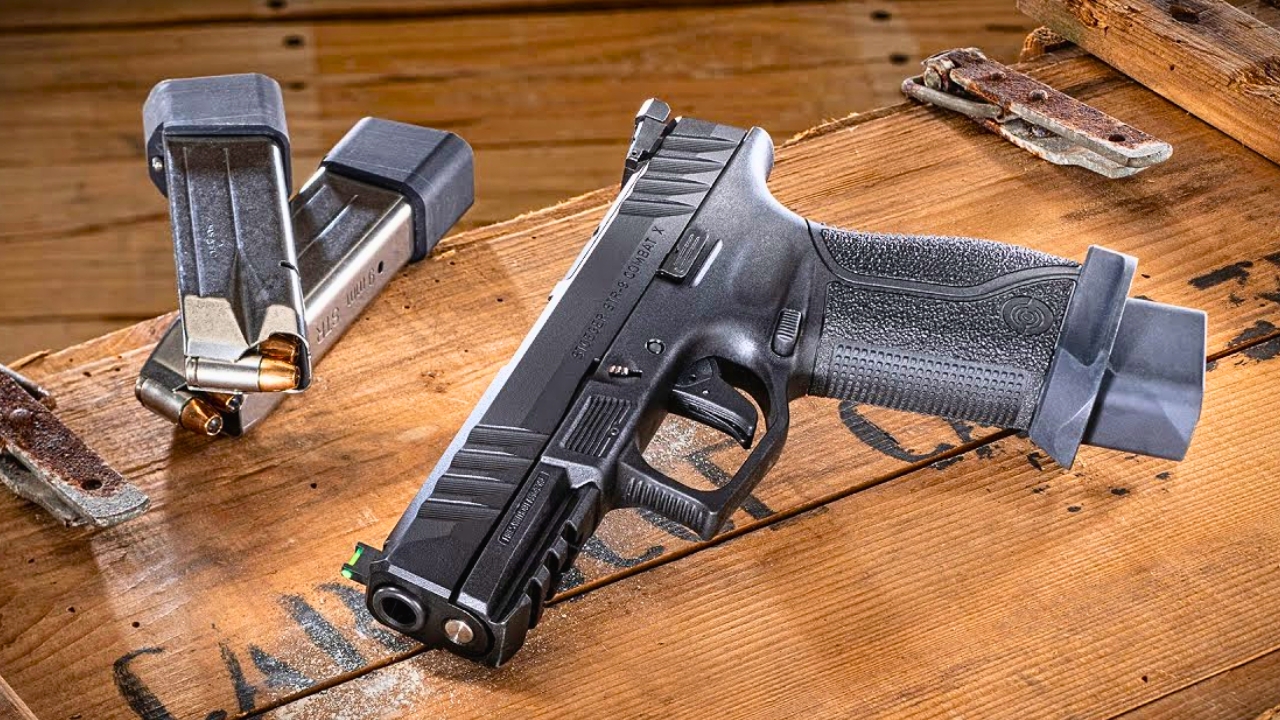
The STR-9 Combat checks almost every visual box buyers associate with a modern fighting pistol. It can come with a threaded barrel, tall sights, aggressive grip texture, and the general appearance of a duty gun.
The question is whether appearance has outrun the support structure behind it. Stoeger does not have the pistol ecosystem of Glock, Smith & Wesson, SIG, or even Canik. Magazines, replacement components, duty holsters, and experienced armorers matter once a handgun is used seriously. The STR-9 can be a perfectly decent shooter while still being a weaker choice for hard professional use.
Girsan MC P35 OPS
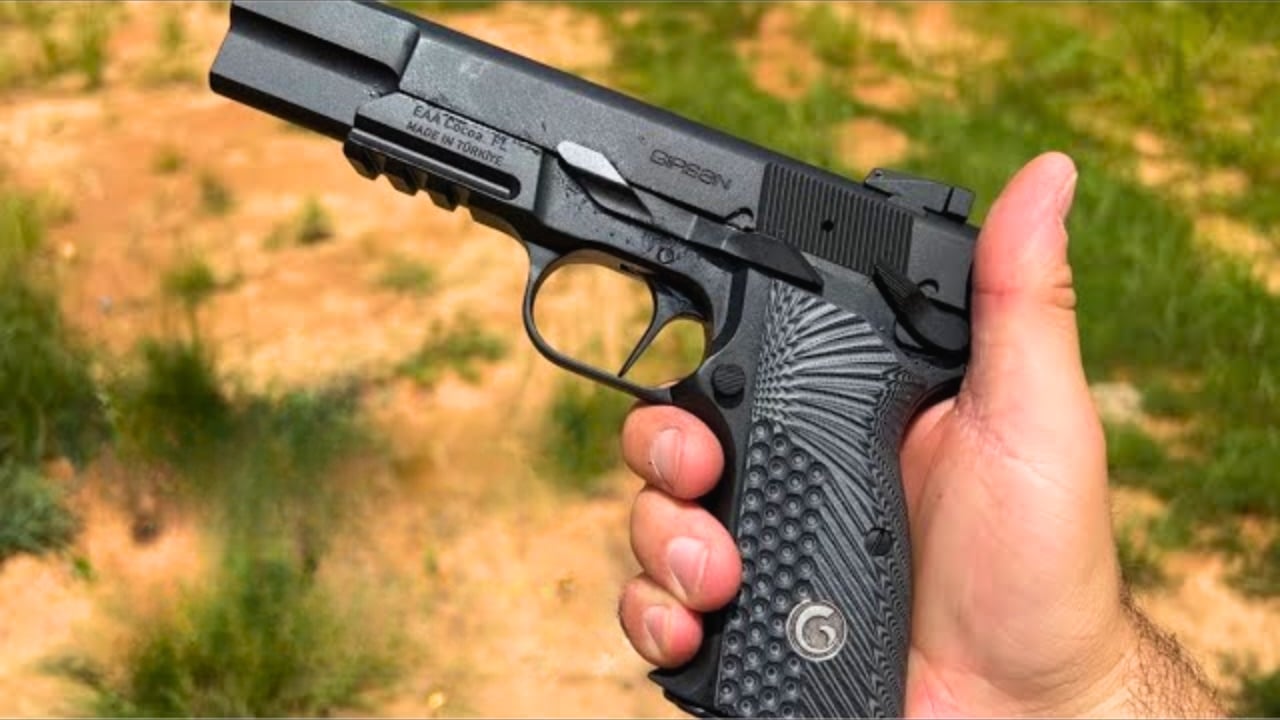
The MC P35 OPS takes the classic Hi-Power formula and adds modern sights, accessory capability, and a more contemporary appearance.
That makes it look ready to serve as a cheaper alternative to premium modernized Hi-Powers. I would be careful making that jump. Turkish manufacturers can offer impressive features for the money, but consistency from individual gun to individual gun matters enormously with a defensive pistol. Before trusting one, I would want to examine extractor tension, magazine performance, feeding with hollow points, and parts durability through a meaningful round count.
Girsan MC1911 Untouchable
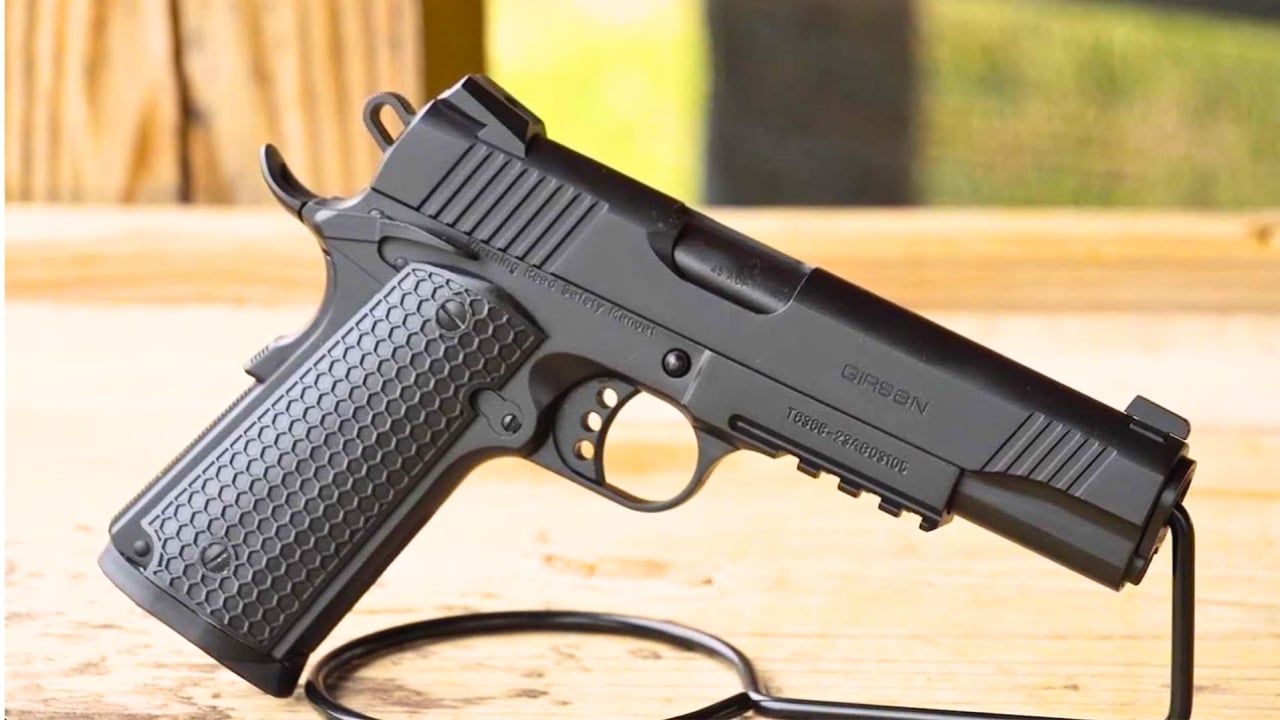
The Untouchable lineup gives buyers an incredible amount of 1911 for the asking price.
That value is also exactly why I would separate “good range purchase” from “serious-use pistol.” Reliable 1911s depend on proper relationships between the extractor, magazines, feed geometry, slide velocity, and ammunition. Expensive guns can get those things wrong too, but bargain pricing leaves less room for hand fitting and quality-control labor. If one runs flawlessly, great. I would still make it earn defensive trust one round at a time.
Tisas DS 1911 Carry

Affordable double-stack 1911s are exploding in popularity, and Tisas has been aggressive about entering the category.
The design itself can be excellent, but double-stack 1911-style guns are less forgiving than basic striker pistols when manufacturing tolerances stack up incorrectly. Magazine geometry, extractor setup, slide fit, and ammunition choice can all matter. The Tisas may become one of the better values in the category, but low price and high capacity should not be mistaken for a mature duty track record. I would run it hard before relying on it.
Rock Island Armory BBR 3.10
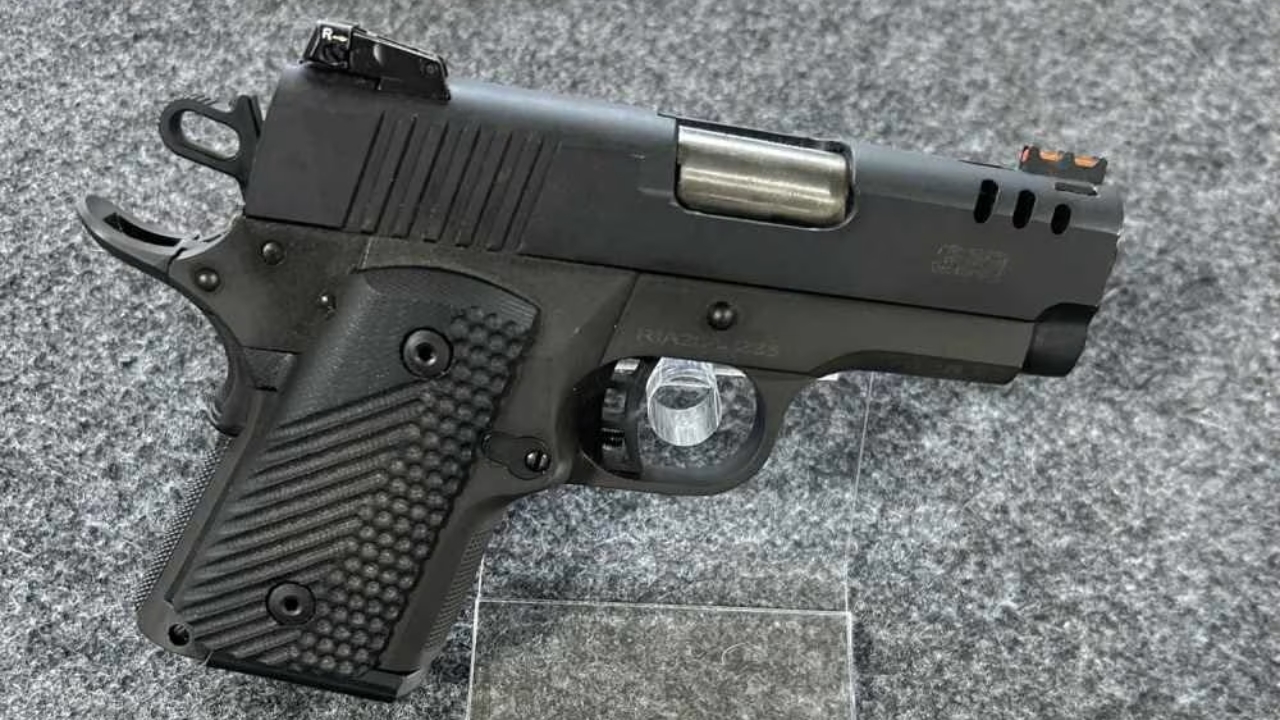
The BBR 3.10 stuffs .45 ACP capacity into an extremely compact double-stack 1911-style pistol.
That is impressive engineering, but short 1911s ask a lot from the operating system. Slide travel is reduced, timing becomes more critical, springs work harder, and the pistol has less tolerance for marginal ammunition or magazine problems. That does not mean every BBR is unreliable. It means the design starts with less margin than a full-size Government Model. For serious use, I prefer more margin, not less.
Alpha Foxtrot S15 1911
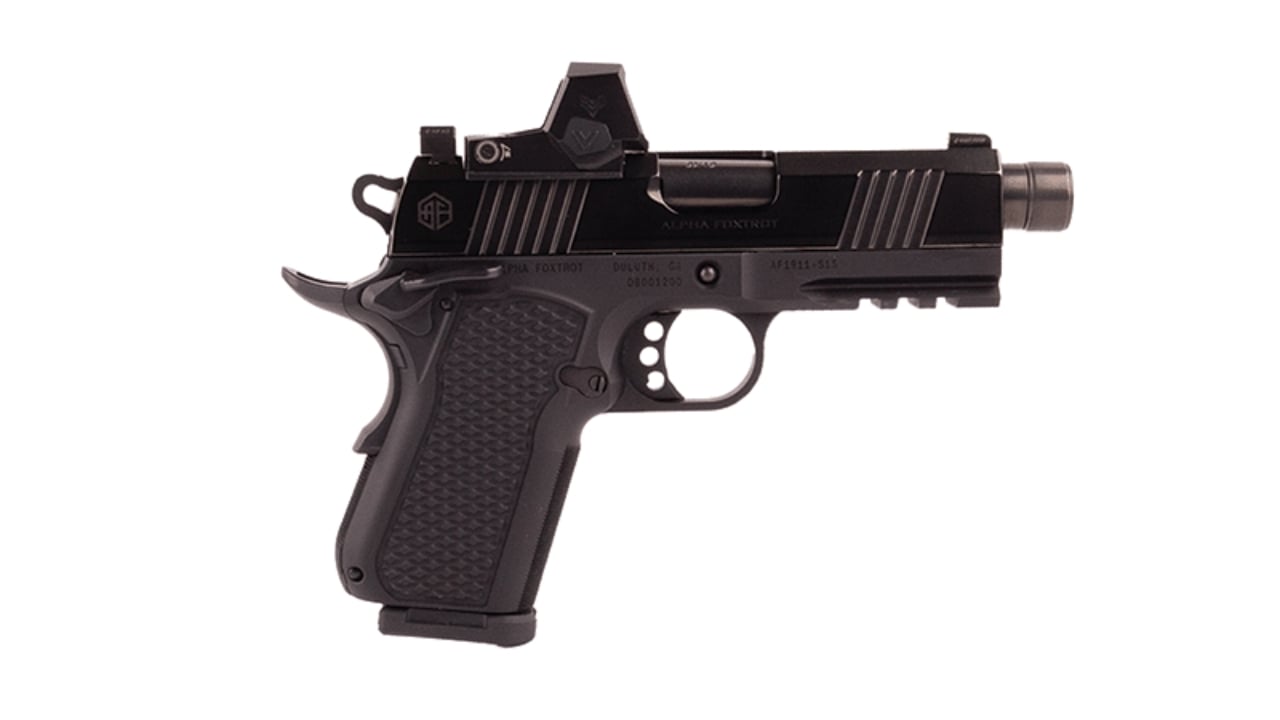
The S15 concept is extremely attractive because it gives shooters 1911 controls and trigger feel in a slim package using higher-capacity magazines.
The concern is that proprietary or less-common magazine systems and specialized small-manufacturer parts can become liabilities once a pistol moves beyond recreational use. Serious-use guns need magazines you can buy in quantity and replacement components you can obtain without searching. The Alpha Foxtrot may be an excellent pistol, but I would hesitate to build a defensive system around one until long-term support is clearer.
Oracle Arms 2311
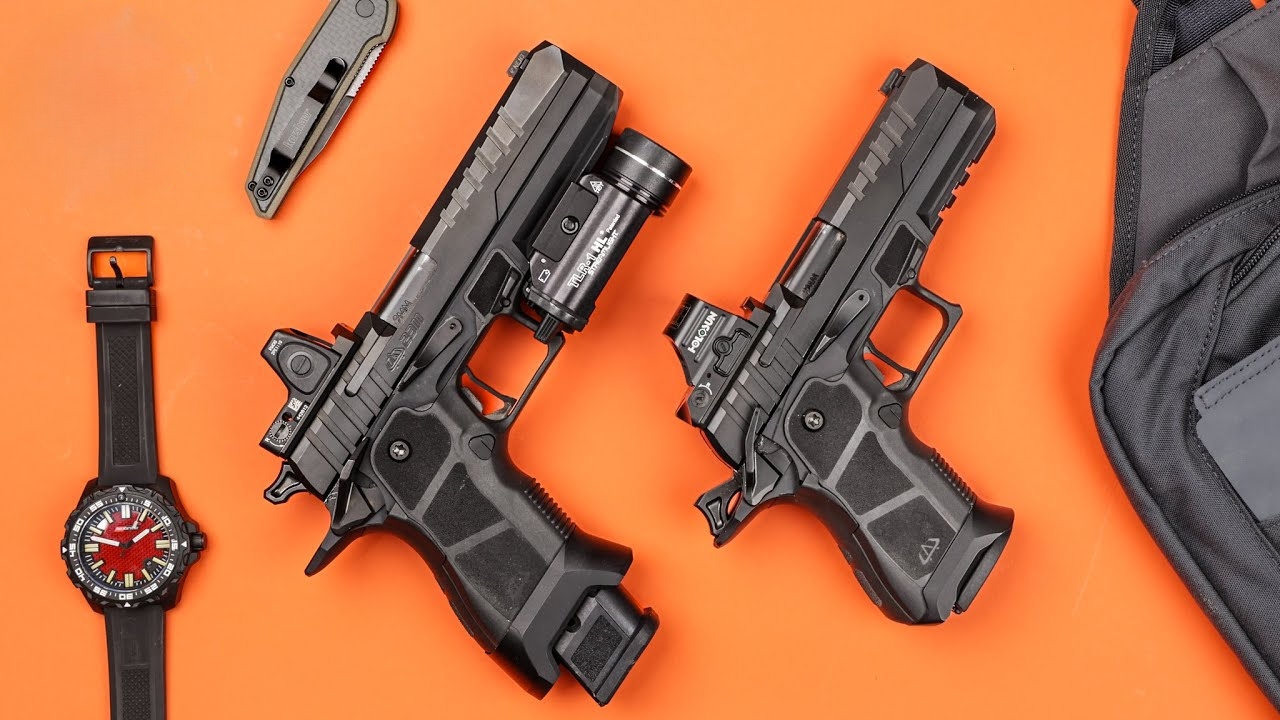
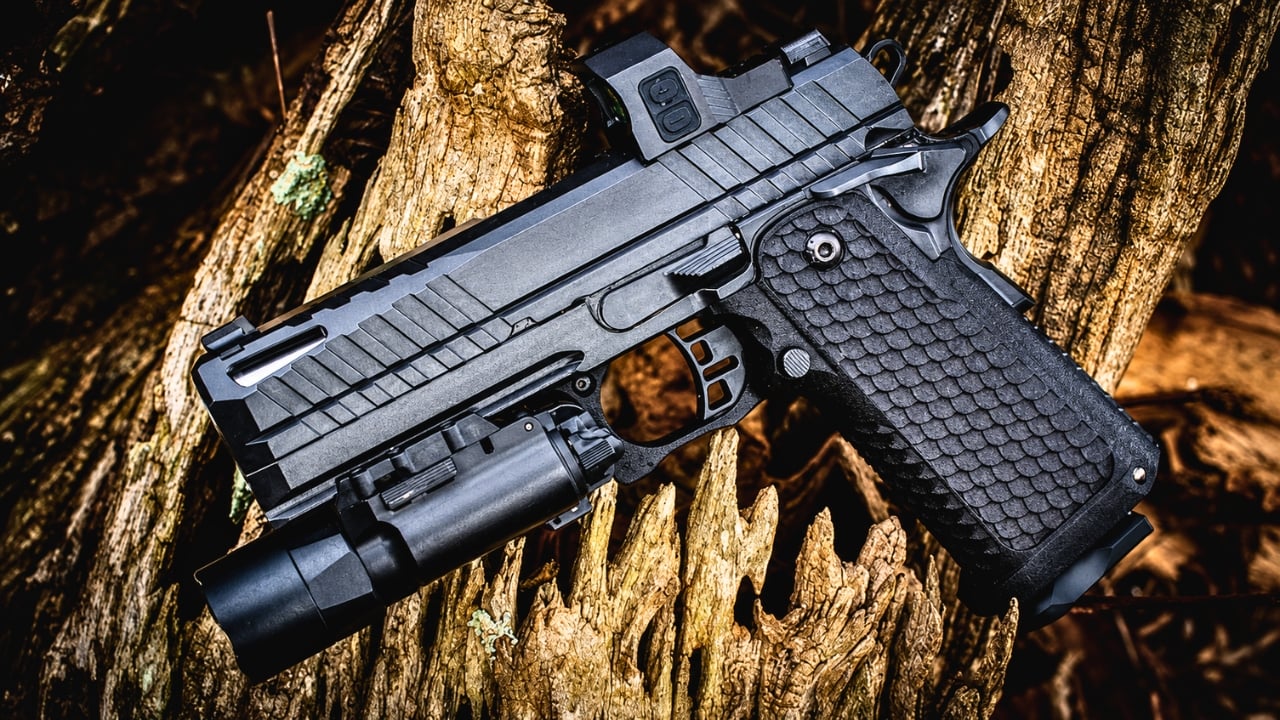
The 2311 tries to combine features shooters like about SIG-style magazines, modern modularity, and double-stack 1911 ergonomics.
That is ambitious, but ambitious designs need time. New platforms can reveal problems only after thousands of guns reach users and start accumulating high round counts. Springs, locking surfaces, magazines, small parts, and tolerance issues all take time to expose themselves. I would happily shoot and evaluate a 2311, but I would not automatically put a relatively young design beside pistols with decades of duty history.
Live Free Armory Apollo 11
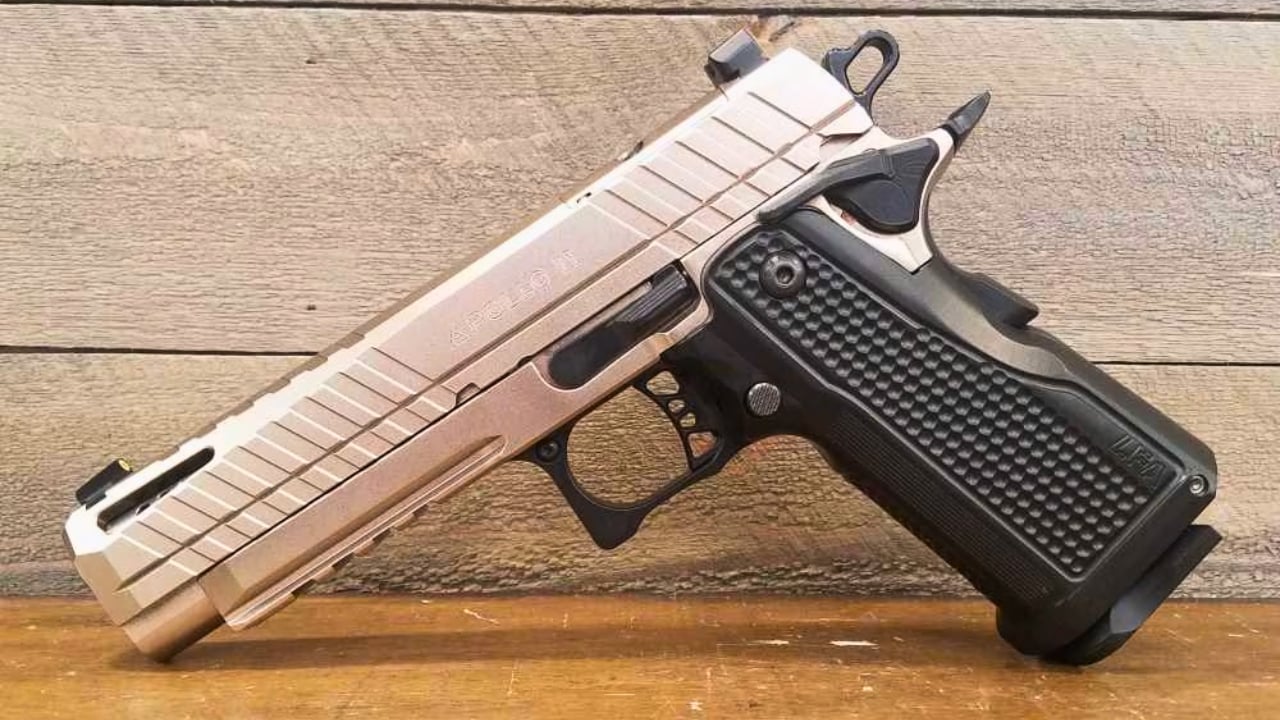
The Apollo 11 attracted attention by offering the increasingly popular double-stack 1911 format at a much lower entry price.
The same caution applies here. These guns can feel excellent and shoot flat, but the category has a much smaller reliability margin than buyers sometimes realize. A pistol that chokes once every few hundred rounds might still be enjoyable at the range. That failure rate is completely different when the pistol is being treated as defensive equipment. I would want a high round count with multiple magazines before trusting one.
KelTec KS7
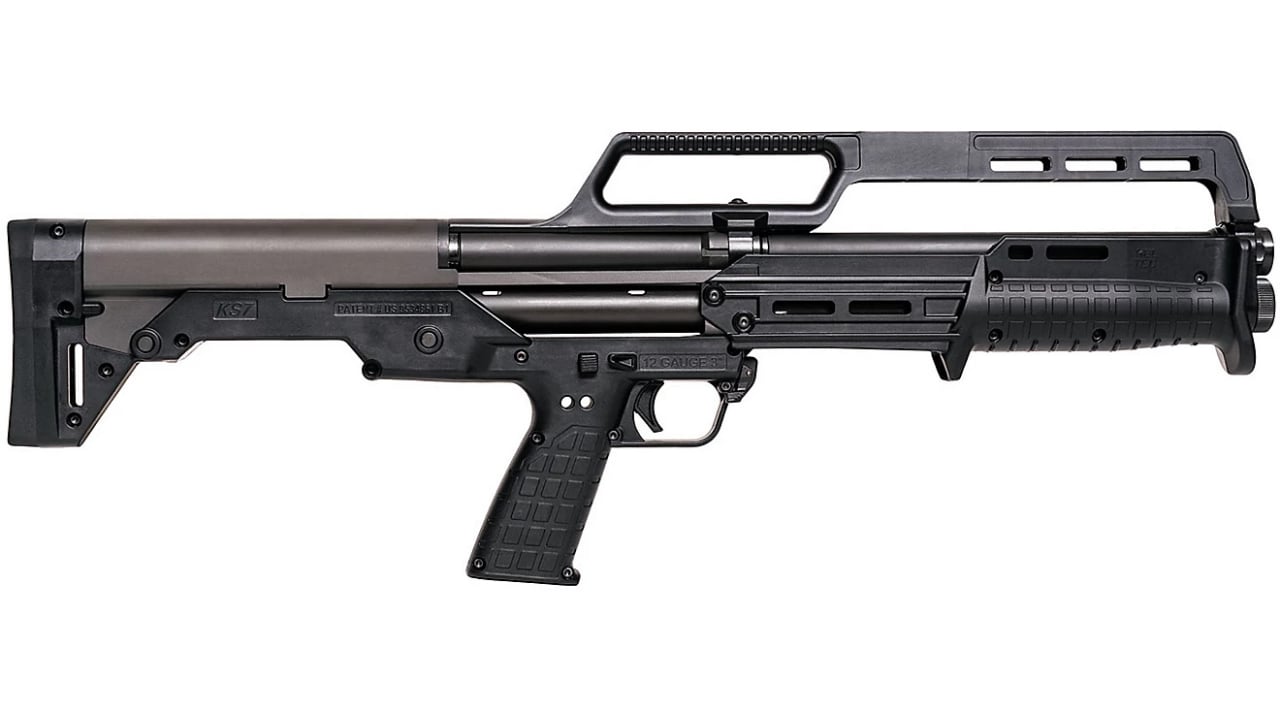
The KS7 is extremely compact for a full-power pump shotgun, and that makes it look like a nearly perfect defensive package.
Bullpup shotguns introduce handling compromises that become obvious under speed. The short layout can make the pump stroke easier to short-cycle, loading is less intuitive than on conventional pumps, and the shooter’s support hand is operating very close to the muzzle area. It can be learned, but a serious-use gun should ideally reduce opportunities for operator error. A conventional pump may be longer, yet it is often easier to run correctly when adrenaline is high.
KelTec KSG
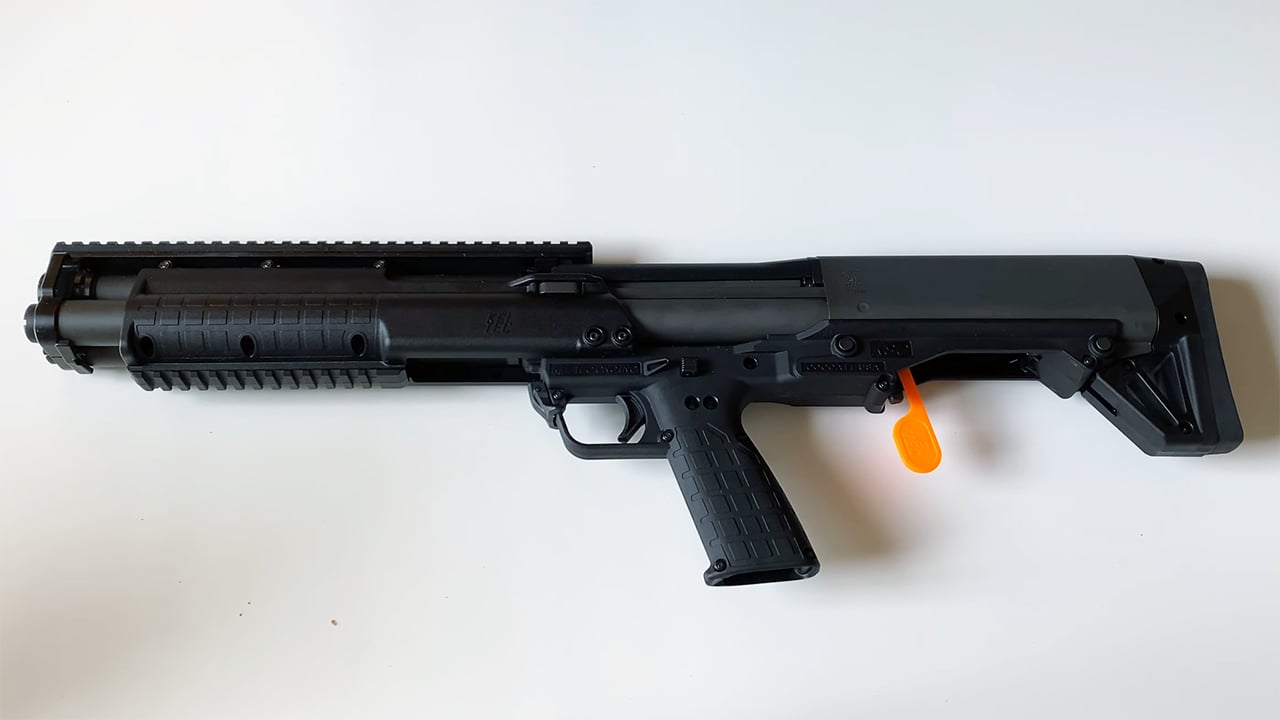
The KSG offers enormous capacity in a compact bullpup design, which made it one of the most attention-grabbing defensive shotguns of its generation.
That capacity comes with complexity. The user has two magazine tubes, a selector, unusual loading geometry, and a short pump stroke that needs to be worked decisively. Training can overcome all of that, but the platform asks more from the shooter than a traditional pump shotgun. I would rather have fewer shells in a gun I can run instinctively than more shells in a system that demands extra decisions.
Black Aces Tactical Pro Series Bullpup
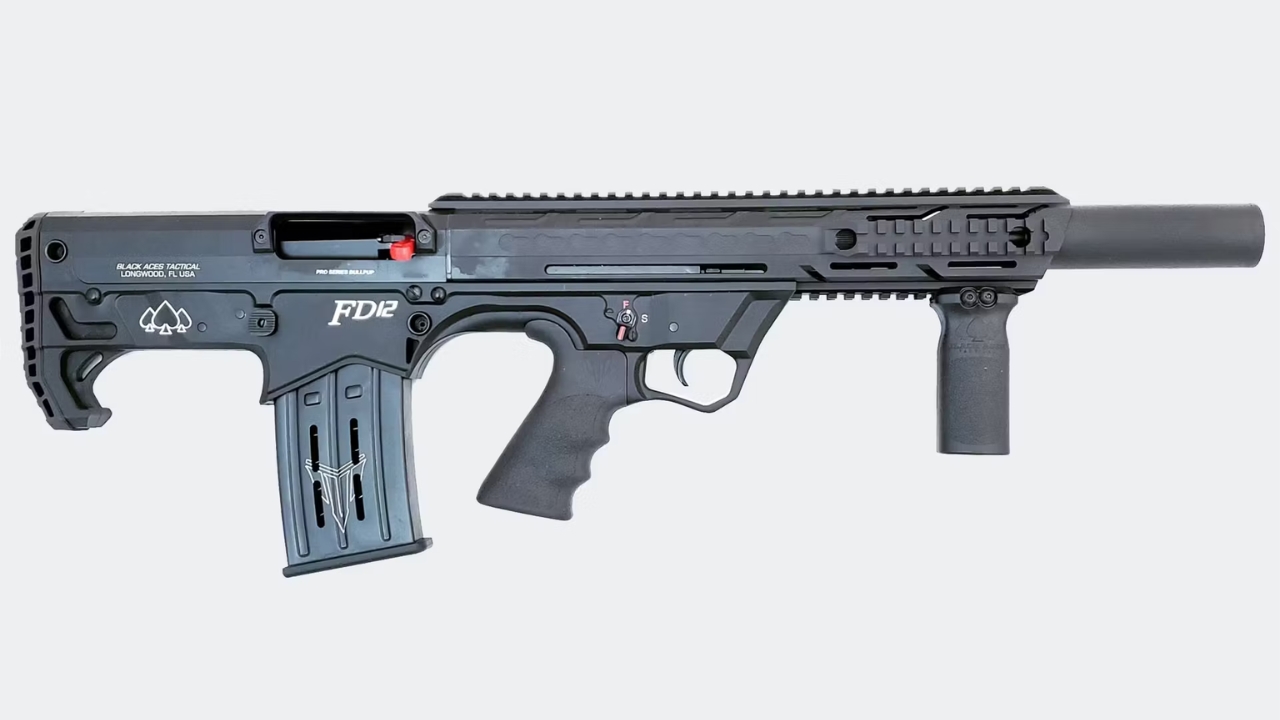
The Black Aces bullpup shotguns look like serious defensive weapons and are usually priced attractively enough to tempt buyers looking for maximum features.
This is exactly where appearance needs to be ignored. A defensive semiautomatic shotgun has to cycle a wide range of ammunition reliably, withstand substantial recoil, and have replacement parts and magazines readily available. With inexpensive imported shotguns, long-term quality control and support can be inconsistent. I would never treat one as ready for serious use until that specific shotgun had been proven extensively.
Panzer Arms AR-12

The AR-12 concept looks appealing because it gives shotgun firepower in a platform resembling an AR.
The problem is that inexpensive magazine-fed semiautomatic shotguns have historically varied considerably in reliability. Shotgun shells differ dramatically in length, power, hull construction, and crimp, making reliable box-magazine feeding harder than it looks. Add less-established parts support and the gun can become frustrating once something breaks. Range fun and serious defensive reliability are two very different standards.
JTS M12AR
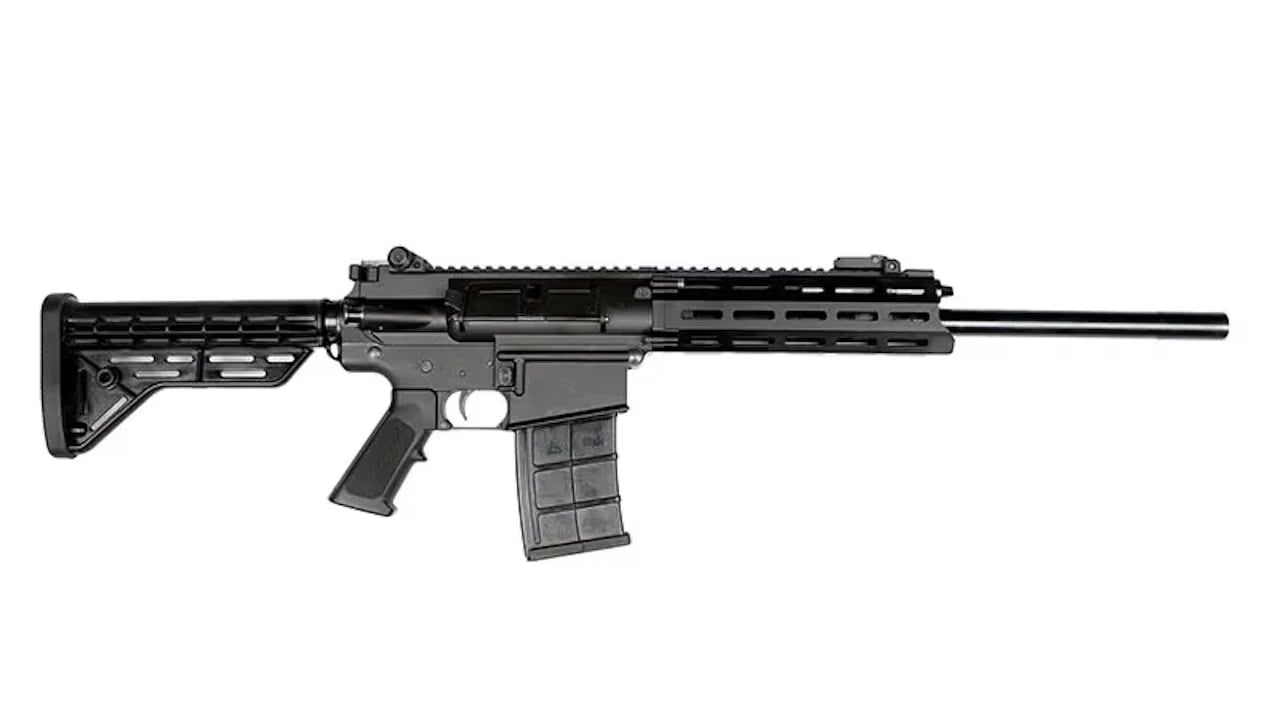
The JTS M12AR follows the same general magazine-fed shotgun formula and offers a lot of visual presence for relatively little money.
Again, serious use exposes the weaknesses that recreational shooting may not. Heavy magazines, variable shotgun ammunition, gas-system tuning, and imported replacement parts all become factors. If someone owns one that has run thousands of rounds without trouble, that individual gun has earned more confidence. Straight from the box, however, I would not put it ahead of established defensive shotgun platforms.
Citadel Boss-25

The Boss-25 is another affordable box-magazine semiautomatic shotgun marketed with the aggressive appearance buyers associate with defensive firearms.
That is precisely why it belongs here. The guns can be entertaining and some examples run well, but serious equipment needs consistency across large numbers of guns, strong spare-parts support, reliable magazines, and a long enough record that common failure points are understood. The Boss-25 does not have that same depth of history. Before trusting one beyond the range, I would make it prove itself extensively.
Like The Avid Outdoorsman’s content? Subscribe to our newsletter so you never miss an article.
Here’s more from us: