Photo credit: Miller_Eszter/Pixabay.com
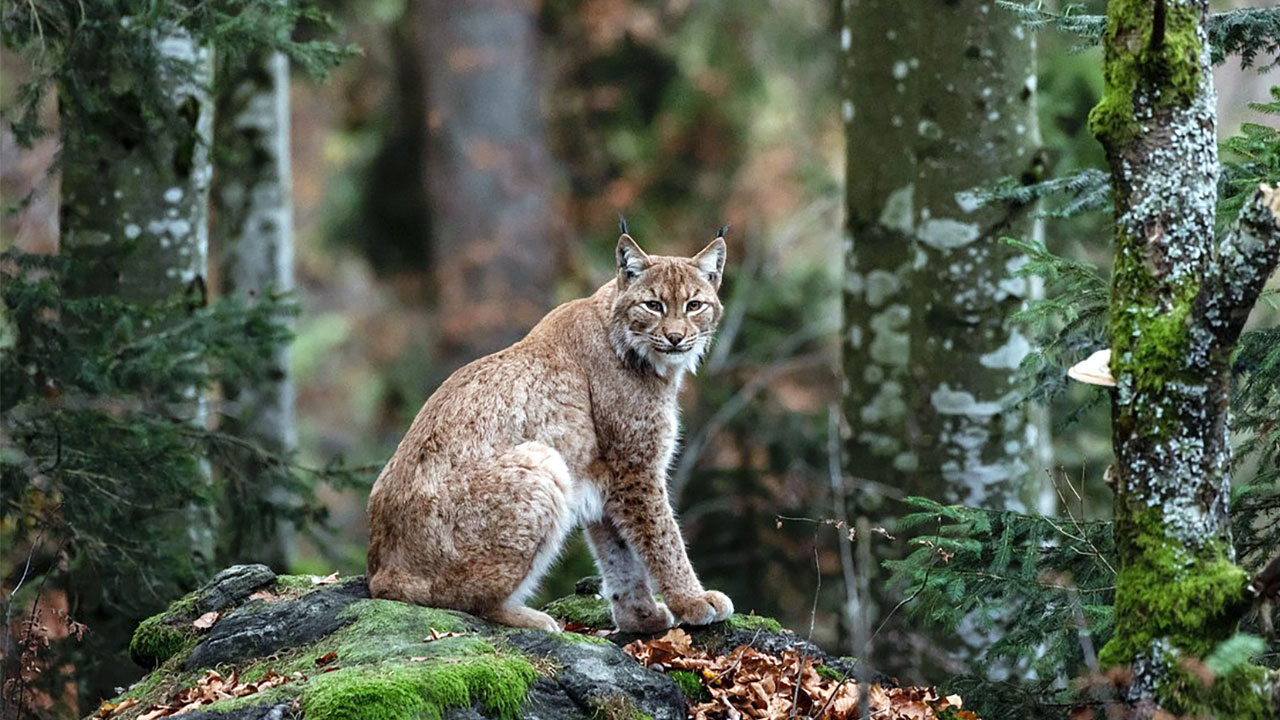
Bobcats are one of those animals people think they understand because they’re common enough to be around, but secretive enough that most folks rarely see one. They live closer to people than you’d guess, they’re tougher than they look, and they’re way more adaptable than the “deep woods cat” stereotype. Here are 15 facts that catch a lot of people off guard.
They live near people and stay hidden in plain sight

A lot of bobcats live shockingly close to neighborhoods, farms, and small towns—especially anywhere there’s a mix of brush, creek bottoms, and deer cover. They don’t need wilderness. They need food and a little cover. That’s why people sometimes catch them on trail cams behind the house and act like it’s a once-in-a-lifetime thing.
The wild part is how little sign they leave compared to other predators. They move quietly, travel smart, and don’t announce themselves. In many areas, you can have bobcats living within a mile of you for years and never know unless you run cameras or stumble into fresh tracks.
They’re not big, but they’re built for violence

Bobcats don’t look intimidating next to wolves or big cats, but they’re designed to kill efficiently. They have explosive power in short bursts, sharp claws for grip, and they’re extremely good at using cover to get close. Their hunts aren’t long chases—they’re ambush hits that end fast.
This is why they can take down prey bigger than you’d assume. A bobcat doesn’t need size if it gets the right angle and the right moment. They’re compact, athletic, and brutally effective at close range.
They can squeeze through gaps you’d never guess

People underestimate how easily a bobcat can slip through a tight space. If a cat’s head fits, the rest often follows, and bobcats are no different. They can move through brush, fence gaps, and rough terrain like they’re liquid. That’s part of why they’re hard to spot and hard to trap without solid setup.
It also explains some “how did that thing get in here?” stories around barns, outbuildings, and livestock pens. If there’s a gap, and there’s prey, they can usually find a way.
They hunt by hearing as much as by sight

Bobcats have excellent hearing, and they use it to pinpoint small prey moving under brush, leaves, or snow. That’s why they can sit still and suddenly pounce like they knew exactly where something was even when you couldn’t see it.
This also affects how they react to human activity. Loud, irregular noise can push them away, but steady, normal noise doesn’t always bother them. They adapt to a surprising amount of human sound as long as it doesn’t feel like direct pressure.
Their home range can be bigger than most people assume

A bobcat’s territory size depends heavily on habitat and food. In thick, prey-rich areas, they can live in smaller ranges. In sparse areas, they may cover big ground. Males usually range larger than females, and range boundaries shift with food availability.
This is why you can see a bobcat on a camera one week and not again for a month, then it reappears like it never left. It might be running a wide loop across multiple drainages or properties and simply cycling through.
They don’t roar like big cats, but they’re still loud when it matters

Most people think bobcats are silent. Then they hear one scream, yowl, or make mating-season noises and swear it sounded like something out of a horror movie. Bobcats can be extremely vocal during breeding season, territorial disputes, and certain high-stress encounters.
This is also why a lot of “mystery screams” in rural areas end up being bobcats or other cats. If you’ve never heard it before, it doesn’t sound like an animal you’d expect to live nearby.
They’re not strictly nocturnal

Bobcats are often described as night hunters, but they’re more accurately “crepuscular”—most active around dawn and dusk. They’ll also move in daytime, especially in quieter areas or during cold weather when prey movement shifts.
That’s why people sometimes spot them crossing a field mid-morning and assume it’s sick or displaced. It might just be moving during a natural window or repositioning between cover areas.
They’re extremely patient hunters

Bobcats can sit and wait longer than most predators that rely on chasing. They’ll watch trails, edges, and prey movement routes, then strike when the timing is right. That patience is one reason they’re effective even when prey is cautious.
It also means they don’t need constant movement like coyotes. A bobcat can “work” a small area intelligently, and that’s why you’ll find their sign near pinch points and travel corridors—places where prey has to pass.
They’re specialists at edge habitat

Bobcats love the kind of terrain humans also create: field edges, brush lines, creek corridors, and mixed cover. Those edges concentrate rabbits, rodents, and birds, and they give bobcats cover to move without being seen.
This is why bobcats can thrive in farmland and semi-developed areas. They don’t need dense forest everywhere. They need pockets of cover next to food sources, and edge habitat provides that like a buffet line.
They can be “invisible” even when they’re close

A bobcat’s coat pattern is built for breaking up its outline, especially in brush and shadows. They can sit still and become almost impossible to see. People walk right past them without knowing, especially in thick cover or low light.
That’s part of why bobcats feel rare. They’re not always rare. They’re just good at not being detected. If they choose to be unseen, you usually don’t get a vote.
They’ll prey on birds more than many people realize

A lot of folks think of bobcats as rabbit and rodent hunters, but they’ll absolutely take birds—ground-nesting birds, turkeys, and anything they can catch. They’re opportunistic enough to grab what’s available, and they’re agile enough to catch prey that surprises people.
This also explains why bobcats can hang around certain habitats that hold birds and small mammals. If there’s a steady menu, they’ll work it. They don’t need deer-sized prey to do well.
They cache food like a “save it for later” predator

Bobcats will sometimes cover kills with leaves, grass, or debris and return later. That behavior helps them protect food from scavengers and stretch a successful hunt over multiple meals.
This surprises people because it feels calculated, but it’s basic survival. If you’re a predator that doesn’t kill big prey every day, saving a meal makes sense. It also means a bobcat can stay in an area longer than you’d think if it has a cached food source.
They’re tougher than weather
Bobcats can handle cold, snow, heat, and rough weather better than most people assume. They adjust movement times, use cover, and conserve energy when conditions are harsh. They don’t need to be constantly active to survive.
That’s why they show up across such a wide range of climates. They aren’t limited to one type of region. If there’s cover and food, they can make it work—even in areas with serious seasonal swings.
Their tracks get confused with house cats more than you’d expect

Bobcat tracks are larger and more robust than domestic cats, but many people confuse them—especially when tracks are in soft ground or snow where sizing gets tricky. Bobcat tracks also typically don’t show claw marks because cats retract claws when walking, which adds to the confusion.
The “surprise” is how many people have actually seen bobcat sign and dismissed it as a big house cat. Once you learn the differences—size, stride, and track shape—you start recognizing how present they really are.
They’re more adaptable than their reputation

Bobcats have expanded or held steady in many areas because they adapt. They change prey targets, adjust activity patterns, and learn how to use fragmented habitat. They can live in brushy creek bottoms, rocky hills, pine plantations, desert washes, and even near suburban edges.
That adaptability is why they’re not going away easily in a lot of regions. They’re not a fragile specialist. They’re a stealthy generalist predator that knows how to survive where people don’t expect them to.
Like The Avid Outdoorsman’s content? Subscribe to our newsletter so you never miss an article.
Here’s more from us: