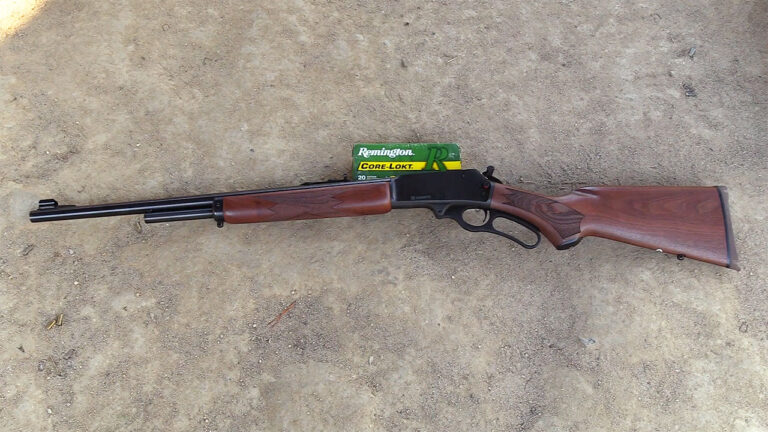
Photo credit: WHO_TEE_WHO/YouTube
Some hunting calibers disappear with a loud argument. Others just quietly fade away. Hunters stop buying rifles for them, ammo gets harder to find, gun shops stop keeping much on the shelf, and eventually the cartridge becomes something people talk about more than they actually carry into the woods.
That does not mean every faded caliber was bad. A lot of them worked fine. Some killed piles of deer, varmints, elk, and small game for decades. The problem is that hunters usually move on when something else shoots flatter, recoils less, costs less, works in better rifles, or is simply easier to find. These 20 calibers still have history behind them, but many hunters quietly stopped using them years ago.
.300 Savage

The .300 Savage was once a very practical deer cartridge, especially in rifles like the Savage 99. It gave hunters solid .30-caliber performance in a compact package and earned a good reputation long before the .308 Winchester became the standard short-action answer.
The trouble is that the .308 Winchester did almost everything people wanted with more factory support, more rifle options, and more modern load choices. The .300 Savage still works on deer just fine, but most hunters moved on because it became harder to justify when .308 rifles and ammo were everywhere.
.32 Winchester Special
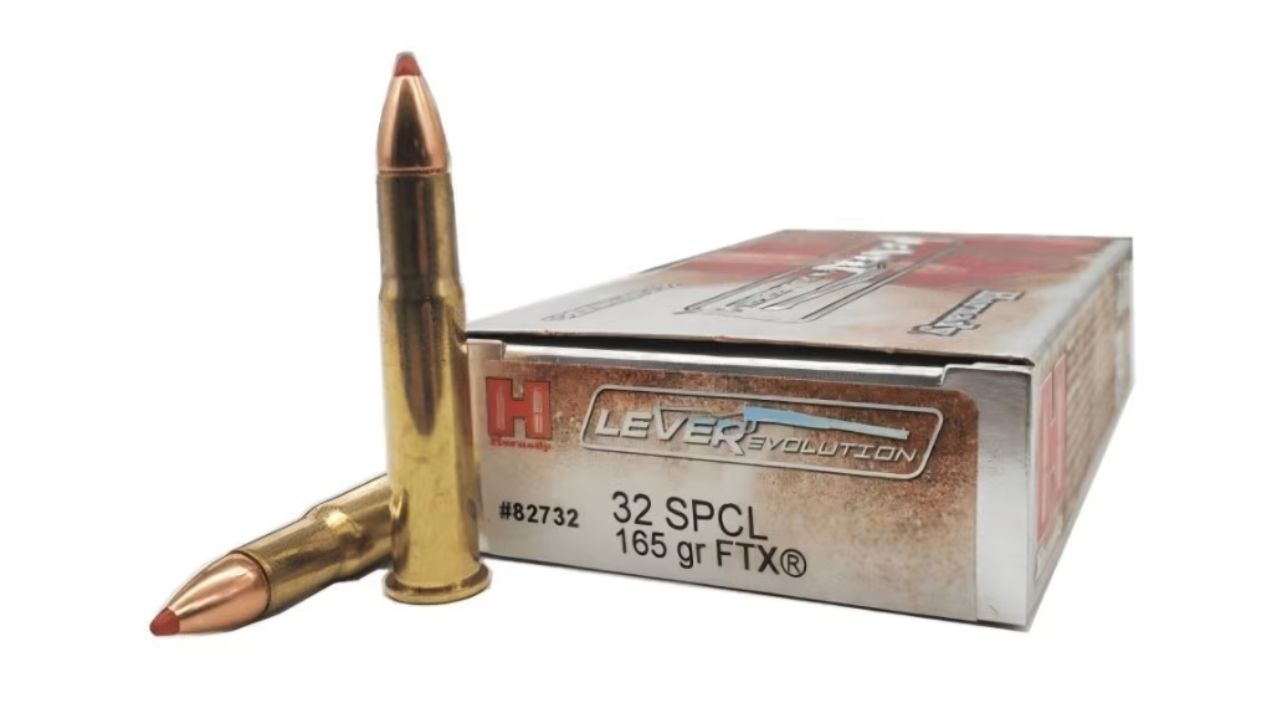
The .32 Winchester Special had a real following among lever-action deer hunters. It offered a little more bullet diameter than the .30-30 Winchester and worked well in classic woods rifles. For close-range deer hunting, it was never a useless cartridge.
But the .30-30 stayed king. Ammo availability, rifle selection, and familiarity kept the .30-30 alive while the .32 Special slowly drifted into the background. Today, plenty of older hunters remember it fondly, but most modern hunters reach for something easier to feed.
.35 Remington

The .35 Remington was a hard-hitting woods cartridge that made a lot of sense in rifles like the Marlin 336 and Remington Model 8. It hit harder than the .30-30 at close range and built a loyal following among deer and black bear hunters.
Its problem was never performance inside its range. The problem was availability and changing tastes. As bolt-action rifles, flatter-shooting cartridges, and newer lever-gun options became more common, the .35 Remington slowly lost ground. Hunters who still use it often love it, but a lot of others quietly left it behind.
.257 Roberts

The .257 Roberts is one of those cartridges that deserved better than it got. It is mild, accurate, and very useful for deer, antelope, and varmints. For hunters who appreciate low recoil and good bullet performance, it still has plenty to offer.
But it got squeezed from both sides. The .243 Winchester became the easier light-recoiling option, while the .25-06 Remington gave hunters more speed. The Roberts became a cartridge for people who already loved it, not one new hunters were likely to pick first.
.250 Savage
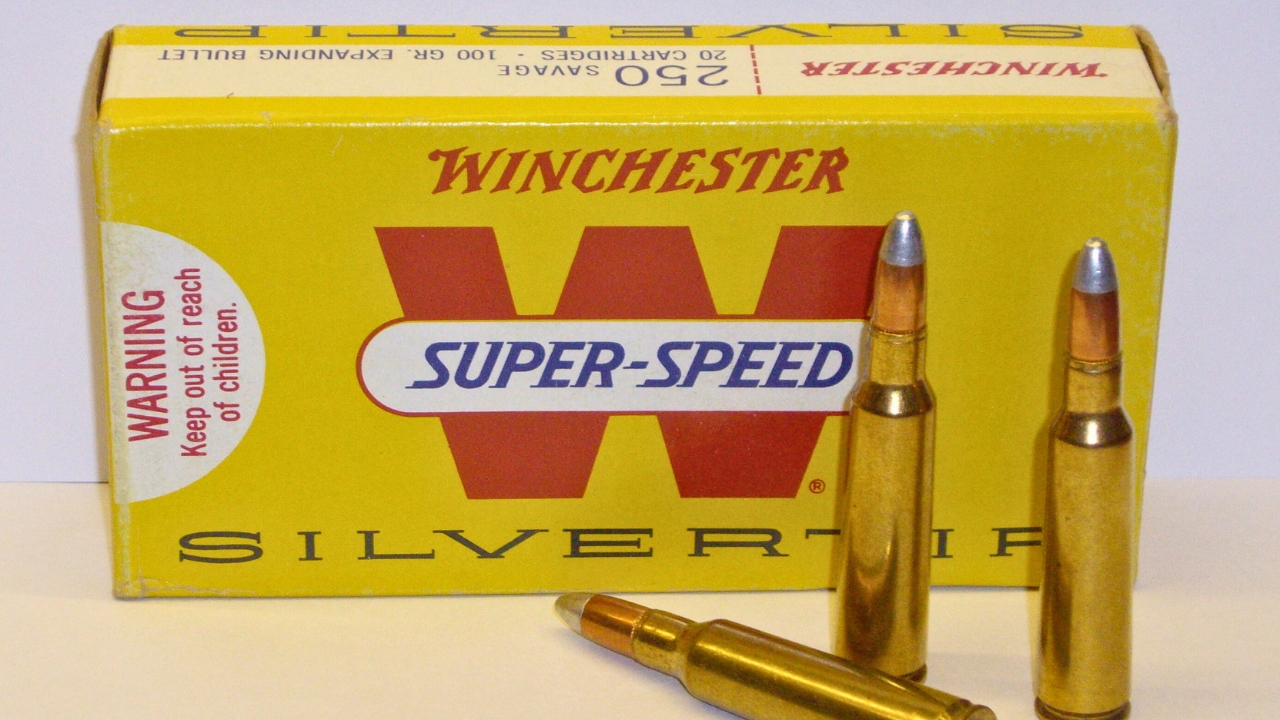
The .250 Savage was ahead of its time when it arrived. It offered mild recoil, good velocity for the era, and real usefulness on deer-sized game with the right bullets. In handy rifles, it was easy to carry and pleasant to shoot.
Over time, though, it simply lost shelf space. The .243 Winchester and later 6mm options took over the light-recoiling deer and varmint role. The .250 Savage still has charm, but charm does not keep a cartridge common when rifles and ammo dry up.
.225 Winchester

The .225 Winchester was meant to give varmint hunters a modernized centerfire option, but it never really caught fire. It had decent velocity and could do useful work on varmints and predators, especially before today’s crowded small-caliber market.
The .22-250 Remington and .223 Remington left it with very little room to breathe. Both became easier to find, easier to support, and more widely chambered. The .225 Winchester is now mostly a curiosity for cartridge fans rather than a common hunting choice.
.222 Remington
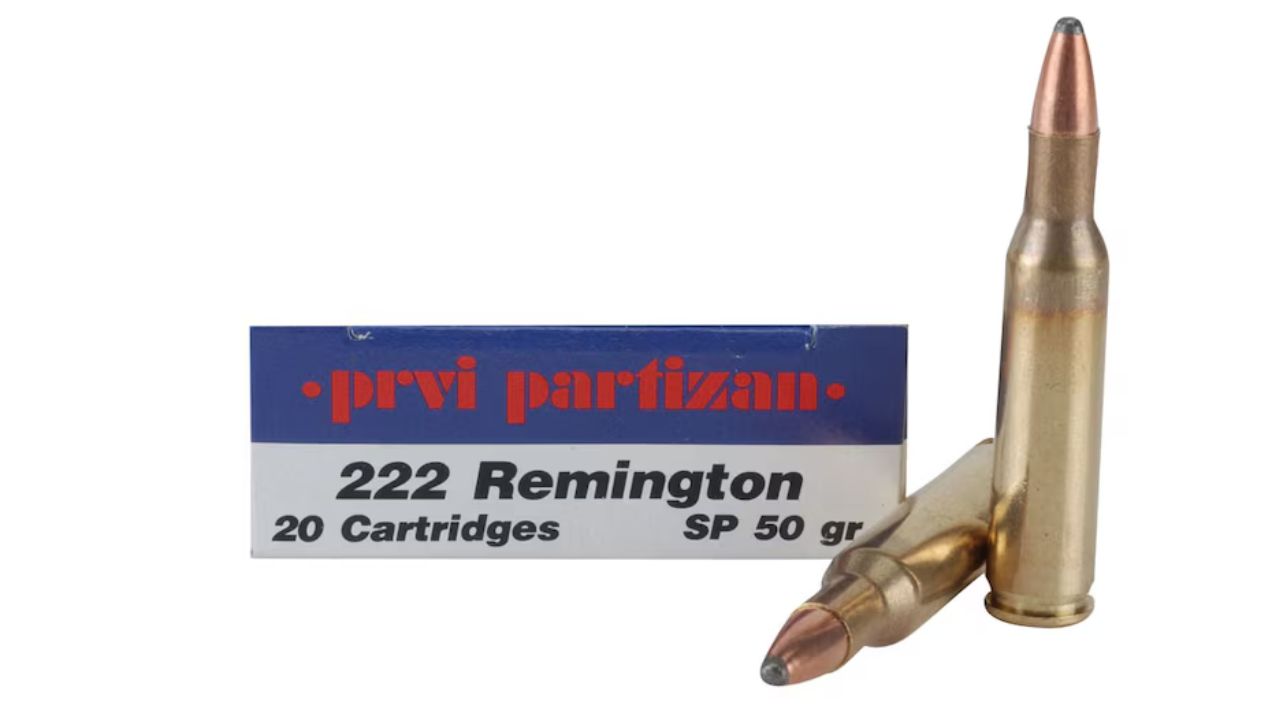
The .222 Remington was once a benchmark for accuracy. Varmint hunters and benchrest shooters respected it for good reason. It is mild, efficient, and pleasant to shoot. For foxes, coyotes, prairie dogs, and paper targets, it was a fine little cartridge.
Then the .223 Remington took over nearly everything around it. More rifles, cheaper ammo, military connection, and broad support pushed the .222 into the background. It still shoots beautifully, but most hunters who need a small centerfire reach for .223 or .22-250 instead.
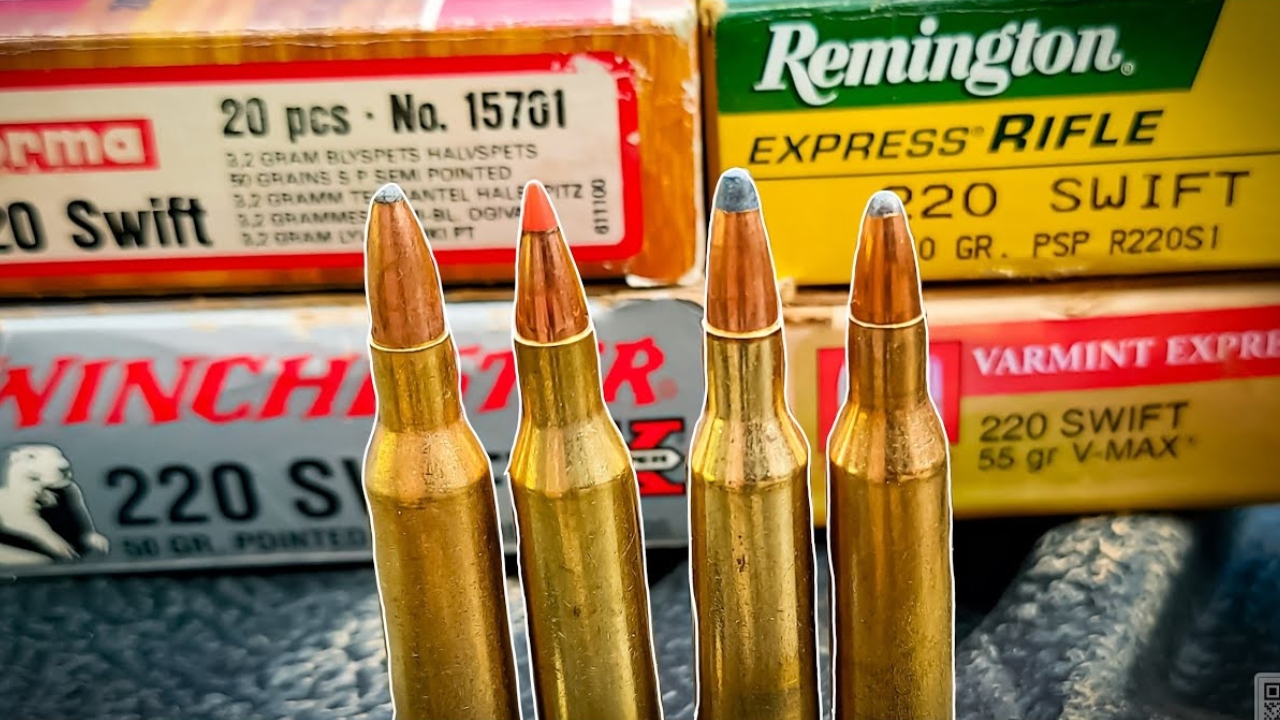
.220 Swift

The .220 Swift was once the speed king that varmint hunters talked about with real excitement. It was fast, flat, and impressive at a time when extreme velocity carried a lot of bragging rights. On varmints and predators, it could be spectacular.
The downside was barrel wear, noise, and the rise of cartridges that offered nearly the same usefulness with less fuss. The .22-250 Remington became the more common high-speed varmint round, while .223 handled the economical end. The Swift still has fans, but far fewer hunters actually use it than talk about it.
.264 Winchester Magnum

The .264 Winchester Magnum had the ingredients to be a long-range hunting favorite. It was fast, flat-shooting, and capable on deer-sized game and beyond with the right bullets. In theory, it had a lot of what modern hunters say they want.
In practice, it was hard on barrels, needed longer barrels to shine, and got overshadowed by other magnums. Later, modern 6.5 cartridges made its old appeal feel less necessary. It remains interesting, but many hunters stopped chasing it once easier and more efficient options showed up.
6.5 Remington Magnum
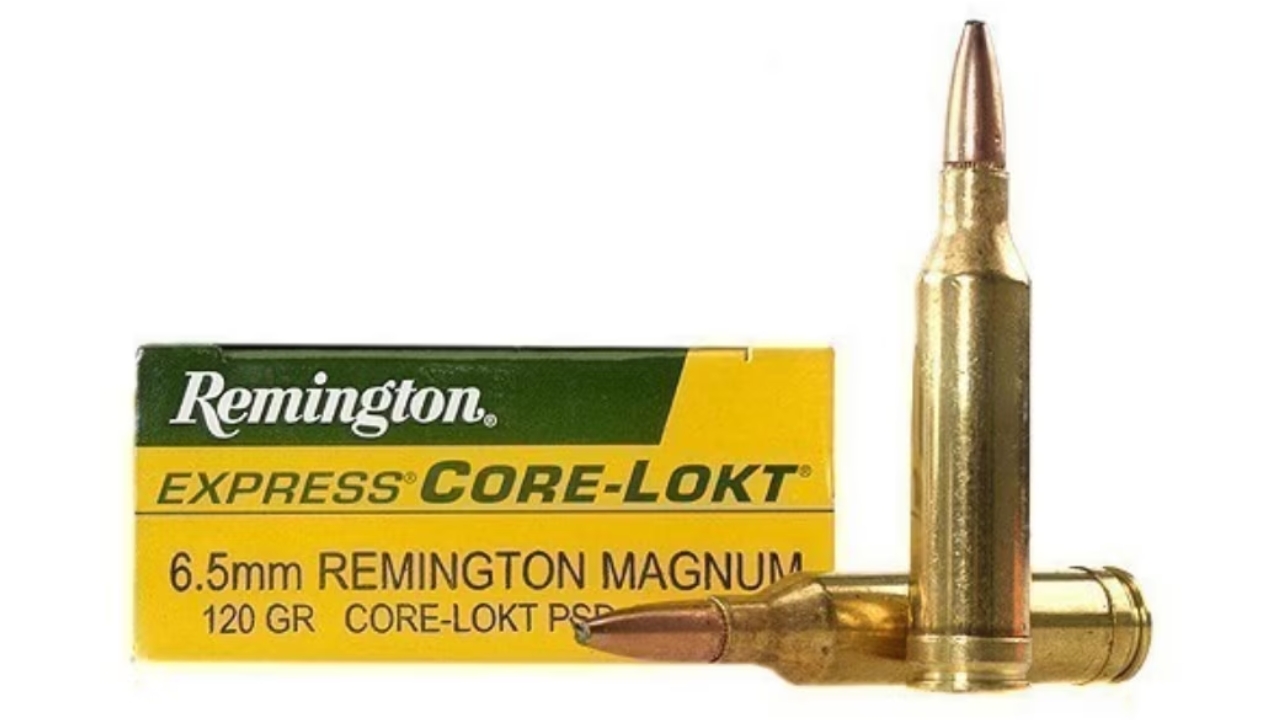
The 6.5 Remington Magnum was another cartridge that looked smart on paper but never found a lasting foothold. It offered 6.5mm performance in a short-action magnum package before the modern 6.5 craze made that sound normal. The idea was not bad.
The execution and timing hurt it. Rifle choices were limited, barrel lengths were not always ideal, and hunters never adopted it in large numbers. Today, cartridges like 6.5 Creedmoor and 6.5 PRC get the attention the old 6.5 Remington Magnum never could hold.
.284 Winchester
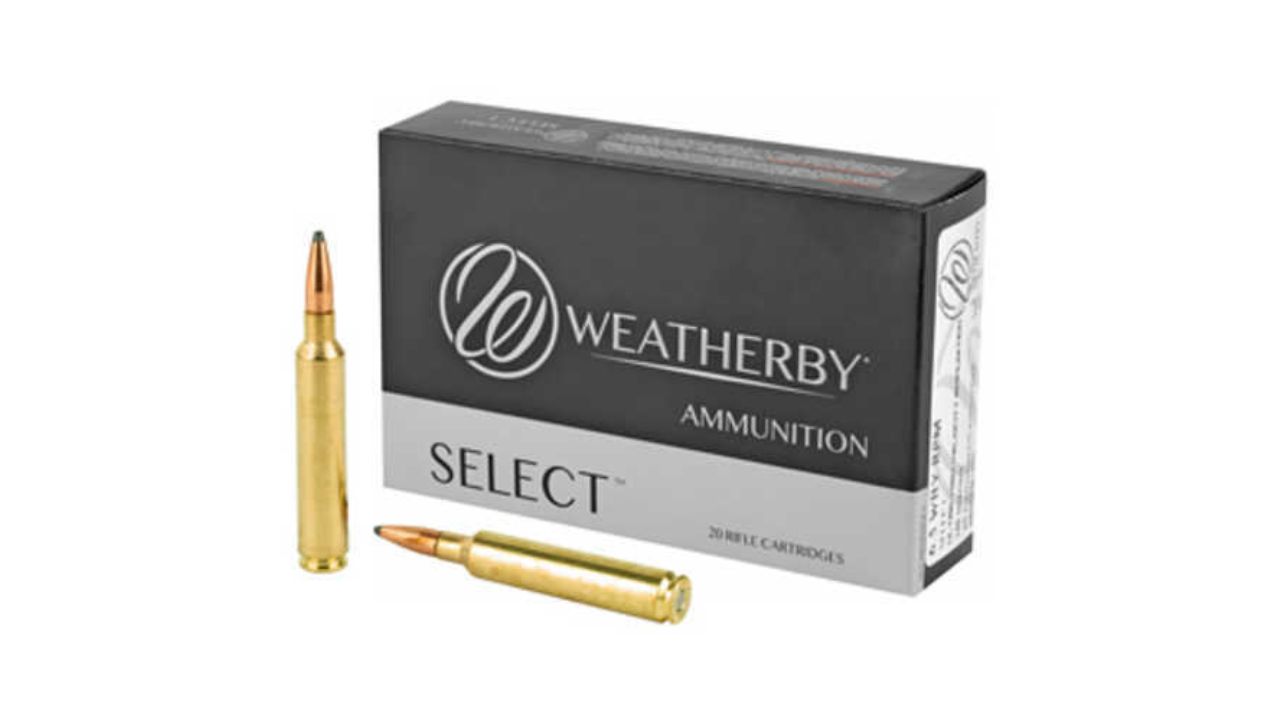
The .284 Winchester was a clever cartridge with strong hunting potential. It offered useful 7mm performance in a short-action design and worked well for deer, antelope, and similar game. It had more going for it than its popularity suggested.
The problem was that it arrived in rifles and market conditions that did not help it enough. The .270 Winchester, .280 Remington, 7mm Remington Magnum, and later short-action options made it hard for the .284 to stand out. Handloaders still appreciate it, but most everyday hunters moved on.
.280 Remington

The .280 Remington is not dead, and it never deserved to fade as much as it did. It sits in a great place between the .270 Winchester and .30-06 Springfield, offering excellent bullet selection and strong hunting performance. For deer, elk, and antelope, it works extremely well.
Still, it spent years being overlooked. The .270 had name recognition, the .30-06 had tradition, and the 7mm Remington Magnum had speed and marketing. The .280 Remington is one of those cartridges hunters respect after they learn about it, but many stopped seeing it on shelves and just picked something else.
7mm Mauser

The 7mm Mauser has more history than most hunting cartridges ever will. It has taken game all over the world and offers mild recoil with good penetration. In a proper rifle, it is still a very capable deer and medium-game round.
But in the American hunting market, it slowly lost out to easier choices. The .270 Winchester, .308 Winchester, and 7mm-08 Remington gave hunters more modern rifle options and better ammo availability. The 7mm Mauser still works, but most hunters are not building their season around it anymore.
8mm Mauser

The 8mm Mauser is powerful enough for big-game hunting, and surplus rifles kept it visible for a long time. With proper hunting loads, it can handle deer, hogs, black bear, and even larger game. The cartridge itself is not weak.
The issue is that American factory loads were often mild, surplus rifles varied in condition, and hunters had easier options in .30-06, .308, and .270. Unless someone already owns a good 8mm rifle or handloads, it is rarely the first choice today.
.358 Winchester
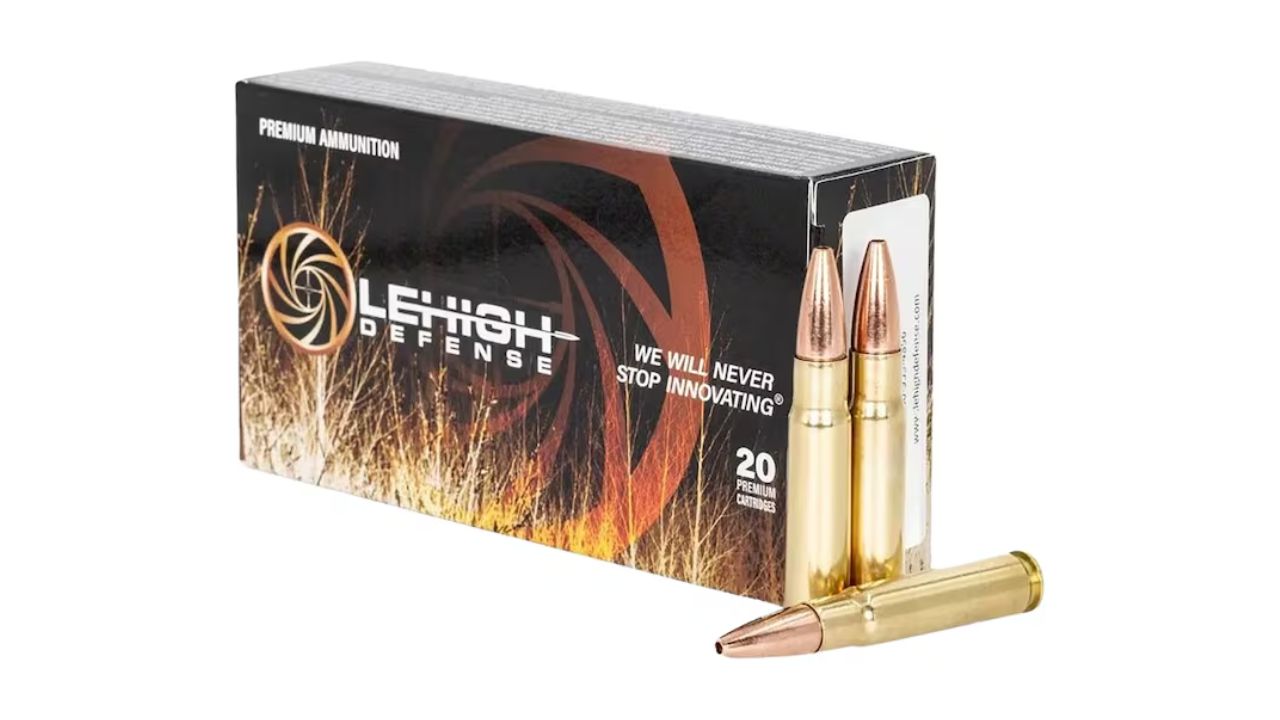
The .358 Winchester is a hard-hitting short-action cartridge that made real sense for woods hunting. It throws heavier bullets than the .308 and hits with authority at moderate ranges. For deer, hogs, black bear, and elk in timber, it was never lacking.
But it did not fit the direction most hunters went. Flatter trajectories, lighter recoil, and easier ammo won out. The .358 Winchester became a cartridge that serious rifle cranks respected while ordinary hunters kept buying .308s and .30-06s. It still works, but it never stayed common.
.307 Winchester
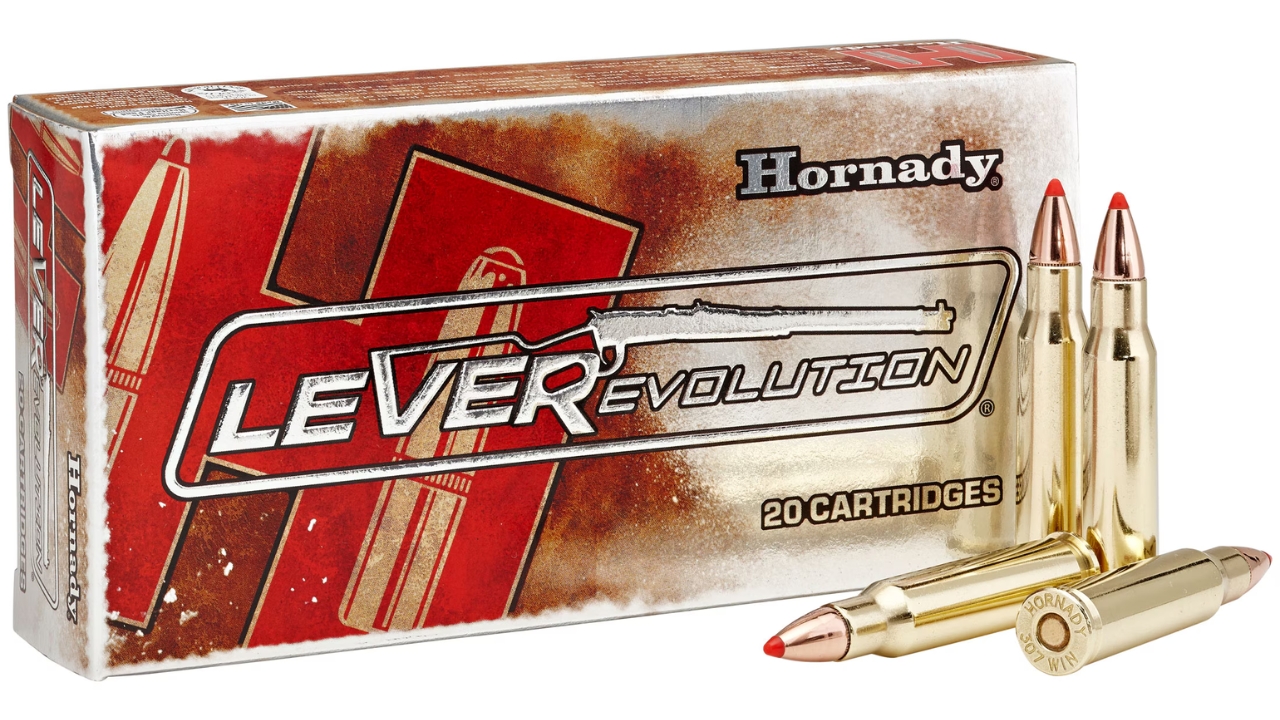
The .307 Winchester was designed to give lever-action hunters .308-like performance in a rimmed cartridge. That sounded useful, especially in rifles like the Winchester Model 94 Big Bore. It gave traditional lever-gun fans more reach and power than the usual .30-30.
The problem was that it landed in a narrow lane. Hunters who wanted .308 performance often just bought a .308 bolt gun. Hunters who loved traditional lever guns usually stuck with .30-30. The .307 Winchester was useful, but not useful enough to keep many hunters committed.
.356 Winchester
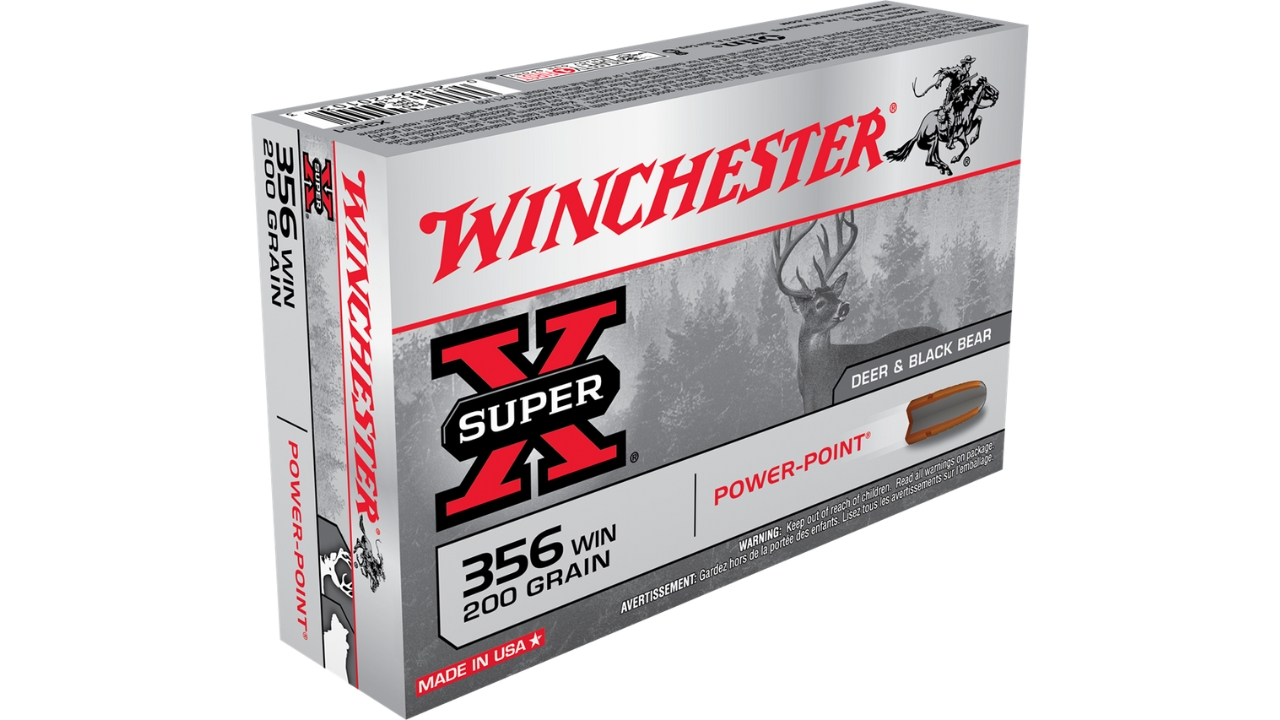
The .356 Winchester followed a similar path. It brought a heavier, harder-hitting lever-action option to hunters who wanted more punch for woods and brush hunting. On deer, hogs, and black bear, it had real authority.
But like the .307, it depended on a market that was never big enough. Ammo was not as common, rifle options were limited, and many hunters already had .30-30s, .35 Remingtons, or bolt guns that covered the same jobs. It faded into a cartridge for collectors and loyalists.
.44-40 Winchester
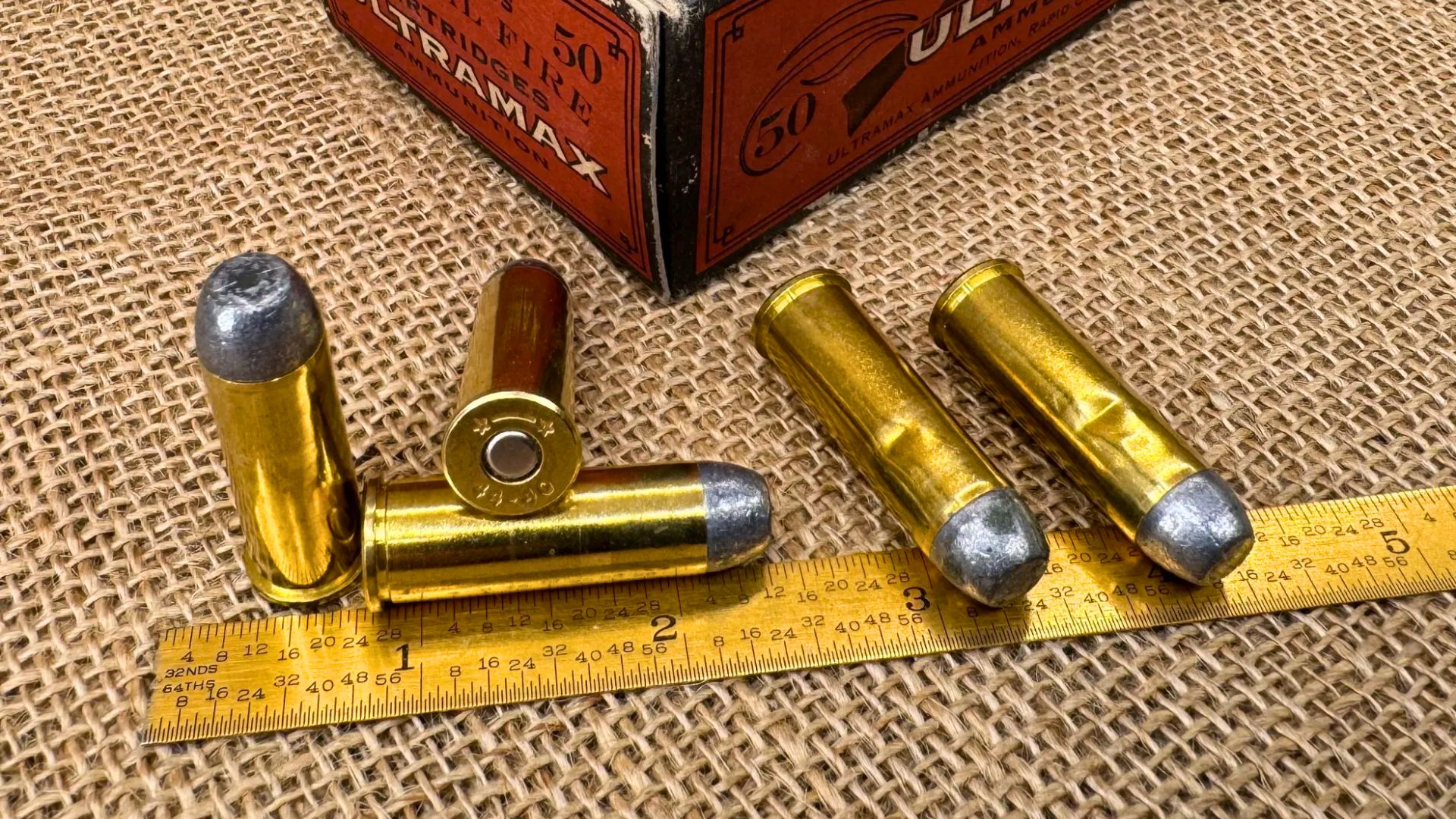
The .44-40 Winchester is one of the most historic cartridges in American firearms. It made sense when hunters and shooters wanted one cartridge for both rifle and revolver. In close-range use, it could take small to medium game and served generations of outdoorsmen.
Modern hunters have mostly left it behind. Better handgun cartridges, stronger lever-action rounds, and more effective deer cartridges took its place. Today, the .44-40 is more at home with cowboy-action shooters and history lovers than with hunters filling tags.
16 Gauge

The 16 gauge used to be one of the best-balanced shotgun options around. It carried lighter than many 12 gauges and hit harder than many 20 gauges. For upland birds and small game, it made a lot of sense.
The problem is that the market settled around 12 and 20 gauge. Ammo selection, gun availability, and price all pushed hunters in those directions. The 16 gauge still has loyal fans, and a good one is a joy to carry. But most hunters quietly stopped using it because the shelves told them to.
10 Gauge
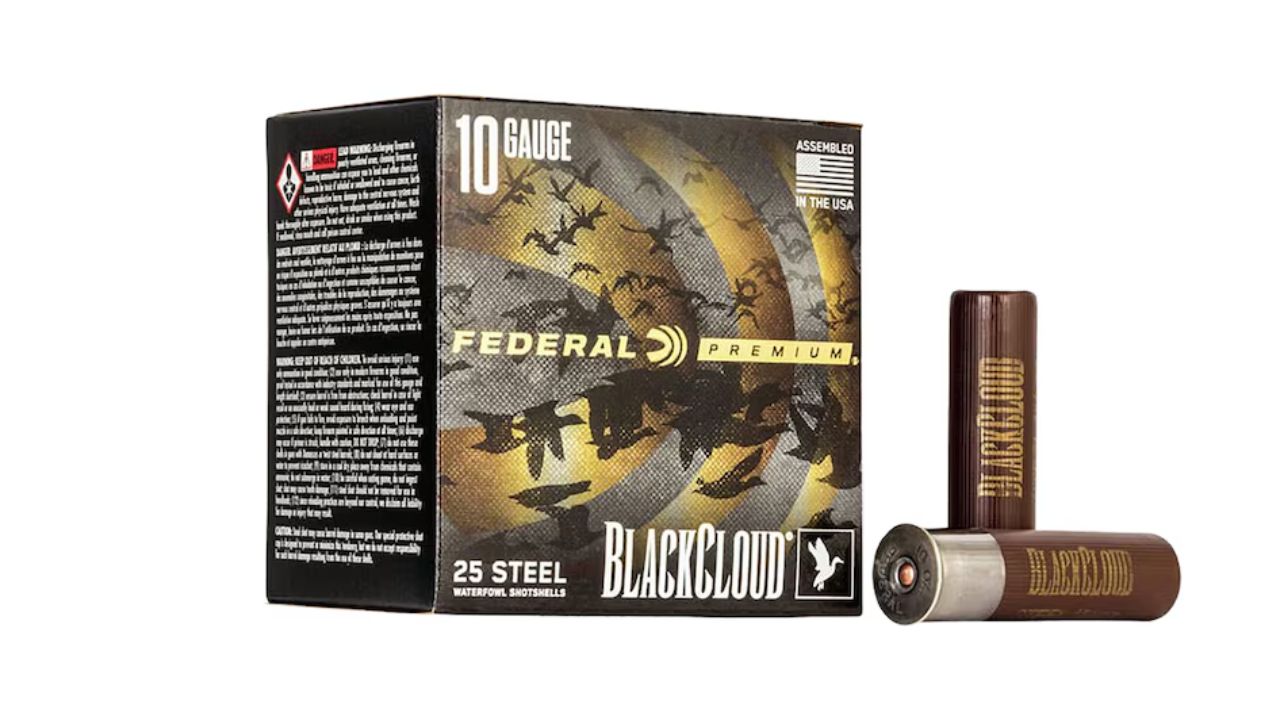
The 10 gauge was once a serious waterfowl and turkey option when hunters wanted heavy payloads and long-range authority. Before modern 12-gauge loads improved so much, the 10 had a clearer purpose. It hit hard and carried plenty of shot.
Today, it is mostly a specialist’s gauge. Modern 12-gauge 3- and 3½-inch loads cover much of the same territory with more gun and ammo options. The 10 gauge still works, but many hunters decided the weight, recoil, and limited selection were not worth it anymore.
Like The Avid Outdoorsman’s content? Subscribe to our newsletter so you never miss an article.
Here’s more from us: