Photo credit: Hunting Mark – CC BY 2.0/Wiki Commons
A rifle round can look like the answer to every long-range problem when you are standing at the counter or reading a ballistics chart. Flat trajectory, high velocity, big energy numbers, and all the usual talk about “reach” can make a cartridge sound like a clean upgrade over whatever you already own. Then you start buying ammo, burning powder, managing recoil, chasing barrel life, and trying to make the thing perform outside a calm day on paper.
That is when the fine print starts showing up. Some cartridges really can stretch distance well, but they ask for more in return than many shooters expect. Higher ammo cost, sharper recoil, shorter barrel life, fussier load preferences, and more punishing range sessions can turn a promising rifle into something you enjoy less than you thought you would. These are the rifle rounds that often sell you on reach first and hand you the headaches later.
.26 Nosler
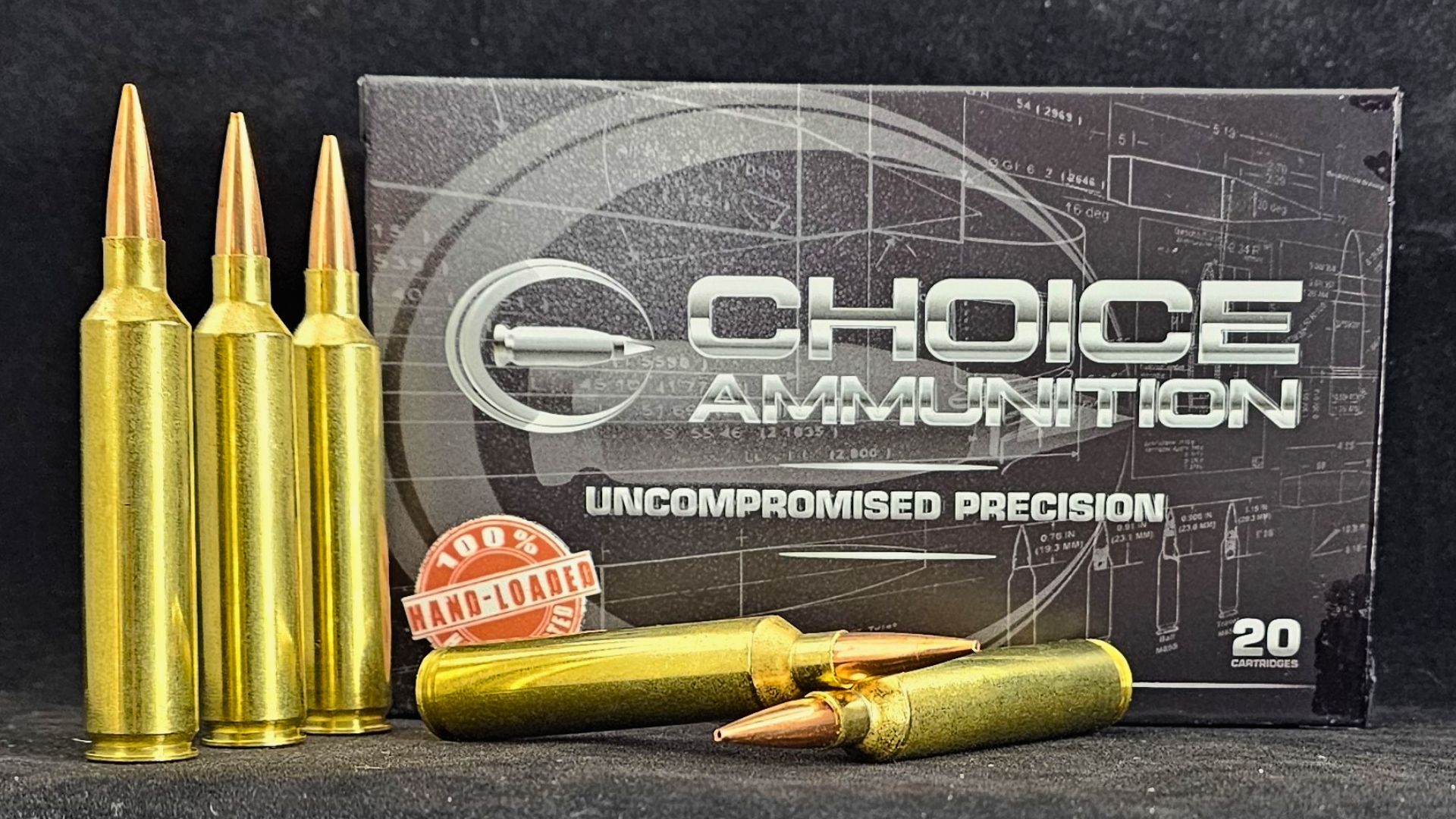
The .26 Nosler gets attention because the numbers are hard to ignore. It is fast, flat, and built to make long shots look easy on paper. If you are staring at velocity charts, it is the kind of cartridge that makes a strong first impression. That kind of speed feels like a shortcut. You get the sense that you are buying a lot of reach without much compromise, especially if you have been chasing flatter trajectories.
Then you start paying for that speed. The cartridge is hard on barrels, ammunition is not cheap, and recoil is not as mild as some buyers assume when they focus only on caliber. It can absolutely perform, but it asks a lot in return. If you do not shoot enough to justify the cost and wear, the appeal fades quickly. The reach is real, but so is the maintenance bill that comes with chasing it.
6.5-300 Weatherby Magnum

The 6.5-300 Weatherby Magnum was built to go fast, and it does exactly that. On paper, it looks like a dream for the shooter who wants serious speed and a very flat trajectory. It pushes sleek bullets hard enough to make distance feel less intimidating, and that gets people excited fast. If your attention is fixed on long-range promise, it is easy to see why this cartridge has such pull.
Living with it is a different matter. You are dealing with meaningful recoil, expensive ammunition, and a cartridge that can burn through barrel life faster than many hunters really want to think about. It also tends to reward shooters who are willing to practice and pay for that practice, which is not always the same person who got seduced by the numbers. It delivers the reach, but it can make ownership feel like work if you do not truly need everything it offers.
.257 Weatherby Magnum

The .257 Weatherby Magnum has been winning people over for decades because it shoots very flat and carries a reputation for real speed. For open-country hunting, that sounds like a strong answer. A lot of buyers see the trajectory and assume they have found the ideal blend of reach and manageable recoil. In calm conditions, it can be a genuinely impressive cartridge, and that is what keeps it attractive.
The trouble starts when you move from admiring it to feeding it. Factory ammunition is expensive, barrel wear is not gentle, and the velocity that makes it so appealing also comes with blast and wear that add up over time. It can also make some shooters overly confident about distance while ignoring wind and practical field conditions. The cartridge can do real work, but it is one of those rounds that often costs more in money and maintenance than first-time buyers expect.
7mm Remington Ultra Magnum

The 7mm Remington Ultra Magnum promises a lot of what long-range-minded shooters want to hear. It offers speed, authority, and enough case capacity to push 7mm bullets hard enough to make the cartridge sound like a serious step up from more moderate options. If you are the type who likes the idea of extra margin at distance, this kind of cartridge can be easy to justify when the conversation stays theoretical.
The headaches show up once you start living with it. Recoil is substantial, muzzle blast is hard to ignore, and the appetite for powder is not exactly modest. Add in higher ammo cost and the usual concerns about barrel life with very overbore cartridges, and it starts feeling like a round that demands real commitment. It can certainly perform, but a lot of shooters learn the hard way that having more reach available does not mean you will enjoy paying for it.
.30-378 Weatherby Magnum

The .30-378 Weatherby Magnum is one of those cartridges that makes an enormous impression before you ever fire it. The case is huge, the performance claims are big, and the long-range promise feels undeniable. It looks like the kind of round that should solve every problem at distance. If you are chasing reach in the most direct way possible, it is easy to be drawn in by what this cartridge represents.
Then the reality arrives with the first serious range day. Recoil is heavy, blast is sharp, and ammunition cost can make routine practice feel like a financial decision instead of a normal trip to the range. Barrel life is not something you ignore with a cartridge like this, either. It can do exactly what it was designed to do, but it demands a lot from the rifle, the shooter, and the wallet. That kind of performance is rarely as carefree as the sales pitch makes it sound.
.28 Nosler

The .28 Nosler became popular fast because it gives shooters the kind of trajectory and speed that make long-range hunting conversations heat up in a hurry. It throws efficient bullets fast enough to look very appealing on paper, and it has enough energy and reach to make buyers feel like they are stepping into a more serious category of rifle performance. It is not hard to understand the attraction.
The downside is that the cartridge rarely stays cheap or casual for long. Recoil is meaningful, barrel life is not especially forgiving, and ammunition cost can push shooters into practicing less than they should with a rifle that really demands consistent familiarity. That creates an ugly pattern: buying a high-performance round, then not shooting it enough to use it well. The .28 Nosler can absolutely deliver, but it often gives you the classic high-speed tradeoff package right along with the reach.
6.8 Western

The 6.8 Western arrived with a clear message: efficient heavy bullets, modern long-range thinking, and strong downrange performance from a short-action platform. On paper, that is an attractive combination. It sounds like a smart answer for hunters who want to push farther without jumping straight into oversized magnum territory. The concept makes sense, and in the right rifle, the cartridge can certainly perform.
The headache for many buyers has less to do with ballistics and more to do with practicality. It entered a market already crowded with capable rounds, which means availability and ammunition variety have not always felt as comforting as buyers hoped. If you shoot something less common, you notice that fast when shelves thin out or local stores do not carry what you need. The cartridge itself is not the problem. The issue is that a round can promise reach and still become irritating if feeding the rifle turns into a scavenger hunt.
.224 Valkyrie

The .224 Valkyrie sold a lot of shooters on the idea of surprising long-range performance from a smaller, lighter-recoiling platform. That promise was hard to ignore. A flatter-shooting, reach-capable round in an AR-15-sized rifle sounded like smart modern thinking, especially for shooters who wanted distance without stepping into a larger rifle system. The concept was strong enough to create real excitement quickly.
The problems came when expectations outran consistency. Early rifles and loads did not always deliver the way buyers expected, and a lot of shooters ended up dealing with accuracy inconsistency, twist-rate discussions, and the sort of platform-specific frustration that drains confidence fast. A round can look excellent on paper and still become annoying if the real-world results feel uneven. The .224 Valkyrie can work, but it became a good example of how long-range promise loses its shine quickly when shooters start spending more time troubleshooting than shooting.
.22-250 Remington

The .22-250 Remington has long looked like an easy answer for shooters who want high velocity and flat trajectory without moving into larger rifle recoil. It is fast, effective in the right roles, and capable of making distance feel less intimidating than slower rounds. That kind of speed creates confidence quickly, especially if you are focused on varmints, predators, or range fun where flat shooting feels like a major advantage.
The headaches tend to show up after the honeymoon phase. Very fast small-caliber rounds can be harder on barrels than casual shooters expect, and the light bullets that make the cartridge so quick do not erase wind the way some buyers convince themselves they will. It is also easy to burn through ammo quickly when a round is fun to shoot, which makes barrel wear a more practical concern than many realize. The .22-250 remains capable, but it can demand more restraint and maintenance than the flat trajectory first suggests.
.220 Swift

The .220 Swift has had a reputation for speed for generations, and that reputation still does a lot of selling. It is one of those cartridges that gets talked about with a certain kind of respect because of how fast it can push a small bullet. For shooters who love raw velocity and flat shooting, it can feel like a classic answer that still carries some magic. On paper, it looks like it should be a joy.
The fine print is what keeps many shooters from staying married to it for the long haul. It can be hard on barrels, it offers very little forgiveness if you expect speed alone to solve wind, and it is not always the most practical cartridge to keep fed depending on where you live and how you buy ammunition. It remains an impressive round in its lane, but it is also a classic reminder that extreme speed often brings long-term costs people prefer to ignore until they own one.
.300 Remington Ultra Magnum

The .300 Remington Ultra Magnum is exactly the sort of cartridge that sounds like a serious answer to long-range hunting ambitions. It carries the right kind of name, the case capacity is enormous, and it promises the kind of downrange performance that makes buyers feel like they are buying extra insurance at distance. If you want big power and big reach, this cartridge checks those boxes in a very obvious way.
The headaches are just as obvious once you start shooting it regularly. Recoil is stout, blast is punishing, and ammunition cost can make every range trip feel more expensive than it needs to be. Like many cartridges in this class, it also asks real questions about barrel life and whether the shooter actually needs this much cartridge for the work being done. It can be a legitimate tool, but it is also a textbook case of a round that can outstrip the practical needs of the average owner.
6.5 PRC

The 6.5 PRC became popular because it looked like a very smart middle ground. It offered more speed and more downrange authority than smaller 6.5 options, while still sounding more manageable than the bigger magnums. That made it easy to market and easy to want. For hunters and shooters who liked efficient bullets and flatter trajectories, it seemed like the next logical step up without going overboard.
The trouble is that “middle ground” does not always mean “free of tradeoffs.” Ammunition usually costs more than many standard hunting rounds, recoil is sharper than plenty of buyers first assume, and availability can still be irritating depending on where you shop. If you shoot enough to justify the cartridge, those issues may be acceptable. If you do not, it can become one more rifle that spends too much time unfired because feeding it feels like a chore. The performance is real, but so are the ownership annoyances.
7mm STW

The 7mm Shooting Times Westerner has long appealed to shooters who wanted big 7mm speed and the kind of long-range potential that sounds impressive in camp talk. It has all the ingredients for a certain kind of buyer: large case, serious velocity, and the promise of extra reach for hunters who want every bit of help they can get on paper. That makes it easy to admire before the realities of ownership settle in.
Those realities are familiar to anyone who has spent time with oversized performance cartridges. Recoil is noticeable, ammunition can be expensive or less convenient to find, and barrel wear is not a minor footnote when you are pushing that much speed. It is a cartridge that asks for commitment and usually rewards only the shooter who is willing to pay the cost of staying proficient. The reach is not fake. The problem is that it often comes bundled with more practical irritation than many shooters expected.
.240 Weatherby Magnum

The .240 Weatherby Magnum promises speed in a smaller bore package, and that makes it look appealing to shooters who want flat trajectory without stepping into larger recoil levels. It sounds like an ideal answer for someone who wants a fast, capable round with a lighter feel than the bigger magnums. That image is strong enough to make the cartridge very appealing from the start.
Then you start running into the usual Weatherby realities. Ammunition is not cheap, availability is not always convenient, and the very speed that makes the cartridge attractive also adds wear and practical cost over time. It is also one of those rounds that can tempt shooters into overestimating what trajectory can do for them when wind and real field conditions still have a vote. The .240 can be an excellent specialty tool, but it is not always the carefree flat-shooter people imagine when they first fall for the numbers.
.270 WSM

The .270 WSM attracted a lot of buyers because it promised magnum-like performance in a short-action package, and that sounded like a sharp, efficient upgrade. Flatter shooting, good velocity, and a familiar bullet diameter made it easy to sell to hunters who wanted more reach without completely changing their habits. On paper, it looked like a very modern refinement of an already respected idea.
The problem is that short magnums often come with practical baggage. Ammunition can be less common and more expensive than standard long-established rounds, and not every buyer enjoys the sharper recoil and fussier feeding reputation that some short-magnum rifles have shown over time. Even when the cartridge performs well, ownership can feel less smooth than expected if ammo supply or rifle behavior starts getting annoying. The .270 WSM can certainly work, but it is one more example of a round that can sound cleaner on paper than it feels in long-term ownership.
6mm Creedmoor
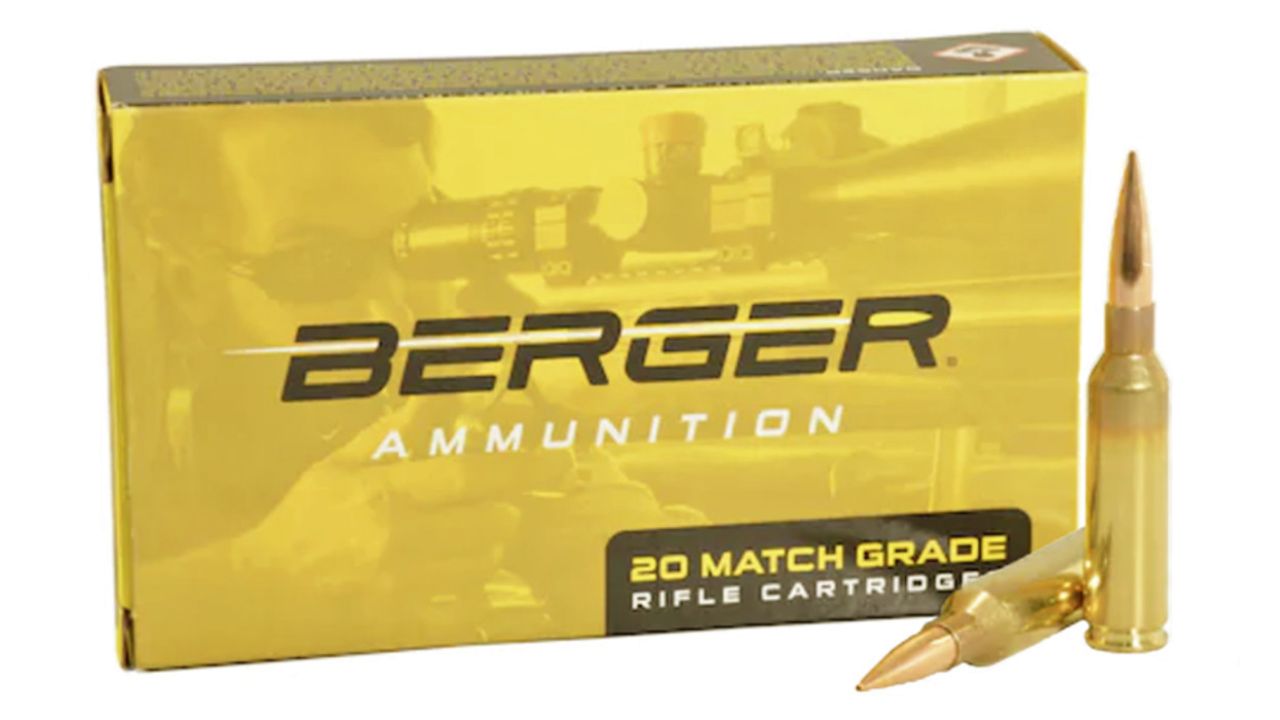
The 6mm Creedmoor has clear strengths, and it earned attention quickly because it promised flat trajectory, mild recoil compared to larger rounds, and strong long-range capability with efficient bullets. That mix is attractive for target shooters and for hunters using it within appropriate roles. It is easy to understand why shooters got interested. On paper, it looks like a very efficient way to stretch distance without stepping into heavier recoil.
The headache is that efficiency does not erase wear. Fast 6mm cartridges can burn barrels faster than many casual shooters expect, especially if the rifle actually sees enough use to justify owning it. That creates a common pattern: shooters love how it performs, then start doing the math on barrel life and practice volume. It remains a very capable cartridge, but it is not a free pass to cheap, endless long-range shooting. The reach is there. The maintenance cost tends to show up right behind it.
Like The Avid Outdoorsman’s content? Subscribe to our newsletter so you never miss an article.
Here’s more from us: