Photo credit: Vortex Nation/YouTube
Some guns feel old the moment they land on store shelves. It’s not always because they’re unreliable—sometimes the market simply passes them by before they even get a chance. Maybe the design was dated, maybe the timing was wrong, or maybe shooters were already moving toward something lighter, faster, or more modular. Whatever the reason, these guns showed up late to a party that had already ended.
You’ve probably seen a few of them sitting dusty in a used rack, priced just low enough to make you think twice. And even though they weren’t necessarily bad, they were outdated from day one.
Remington R51

The first-generation Remington R51 hit the market with big expectations but felt years behind what shooters actually wanted. Its hesitation-delayed system looked interesting on paper, but the pistol arrived during a boom in striker-fired handguns that were simpler, lighter, and more reliable. The R51 immediately earned a reputation for poor function, awkward ergonomics, and inconsistent production quality.
Shooters were already moving toward rugged polymer pistols with proven track records. The R51, with its retro concepts and rocky rollout, felt outdated from the moment customers handled it. It’s a rare case where a new pistol already felt like something from the bargain shelf.
Colt All-American 2000

The Colt All-American 2000 was supposed to pull Colt into the modern era, but instead, it ended up outdated the moment it appeared. While the market was shifting toward refined, reliable striker-fired handguns, Colt released a pistol that was bulky, complicated, and awkward in the hand.
The heavy trigger and odd ergonomics put it behind the curve immediately. By the time shooters tried it, other companies had already figured out what a dependable polymer pistol should feel like. The All-American 2000 never caught up, and it quietly faded into the background as the rest of the industry surged ahead.
Remington Model 597
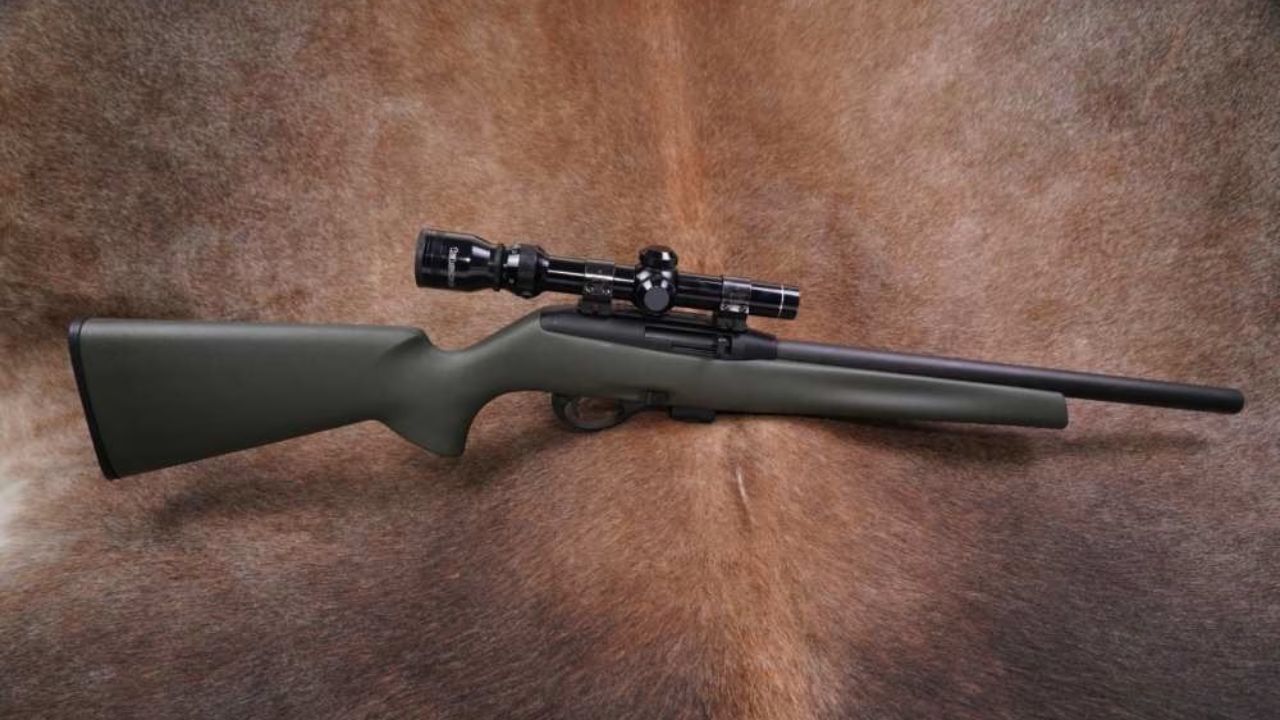
When the Remington 597 launched, the semi-auto .22 LR world was already dominated by the Ruger 10/22. The 597 came in with a heavier, more complicated design that didn’t solve problems shooters actually had. Early magazine issues didn’t help, and the rifle offered no real advantage over a platform that already had decades of aftermarket support.
Hunters and plinkers saw little reason to switch. The rifle wasn’t terrible, but it landed in a world where “good enough” wasn’t enough. By the time the 597 gained traction, its competitors had already moved far ahead.
Winchester Super X2
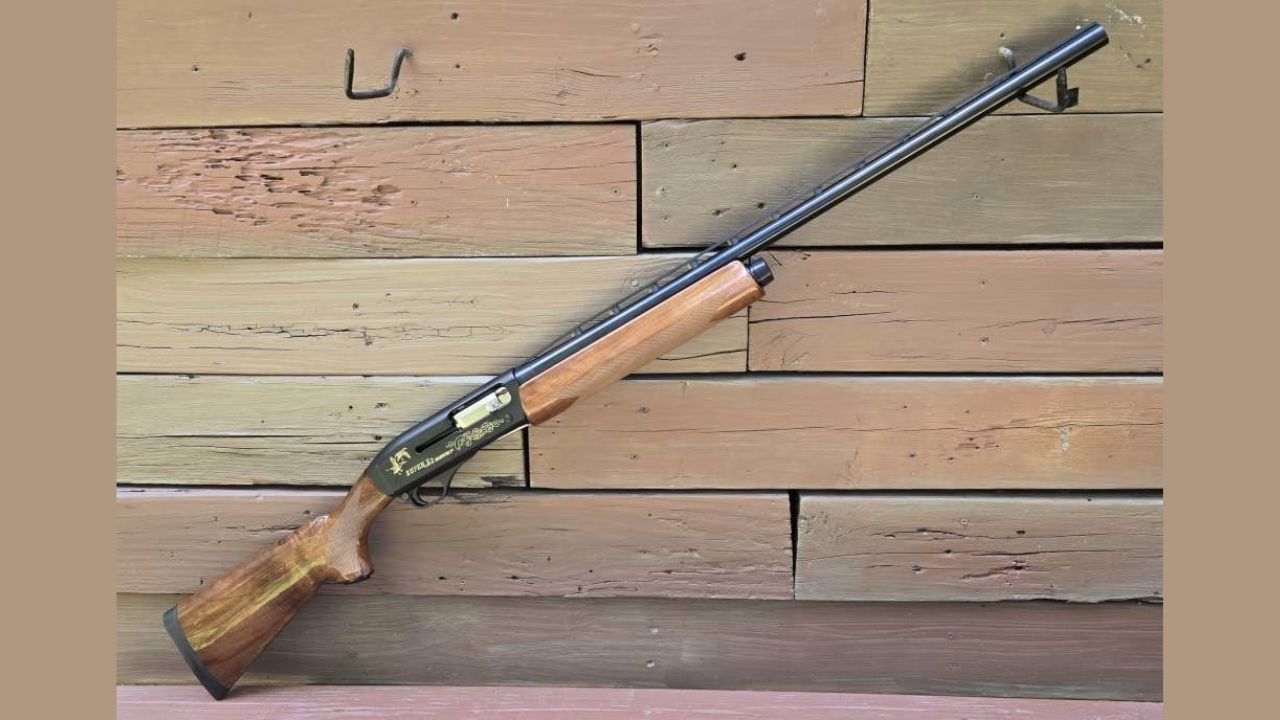
The Winchester Super X2 was a fine shotgun, but when it arrived, the Benelli inertia guns and newer gas systems had already taken over the conversation. Shooters wanted lighter, cleaner-running designs that required less maintenance, and the X2 didn’t bring enough new features to stand out.
Even though it functioned well, it didn’t offer the modularity or accessory support shooters were looking for. It became overshadowed before it ever had a chance to earn a reputation, and the upgrades found in the later X3 and X4 models made the X2 feel even more outdated in comparison.
Smith & Wesson Sigma

The Sigma entered a world already dominated by Glock, and it didn’t bring anything new to compete. With a heavy trigger, basic ergonomics, and a design that felt like a step backward, the Sigma seemed behind the curve immediately.
Shooters quickly realized they could spend a little more and get a Glock, or spend the same amount and get a pistol that didn’t feel stuck in the early ’90s. The Sigma showed up too late, and too little had changed in its design to make people excited about it.
Browning BDM

The Browning BDM launched right when the handgun world was shifting toward simpler striker-fired pistols. Its complicated dual-mode trigger system and sleek-but-dated styling made it feel like a leftover idea from the late hammer-fired era.
The BDM handled well, but shooters didn’t want to learn another complicated system. With companies already pushing modern designs, the BDM never found its place. It wasn’t a bad pistol—just released at the wrong time with the wrong concept.
Remington 742 Woodsmaster (Late Production Years)
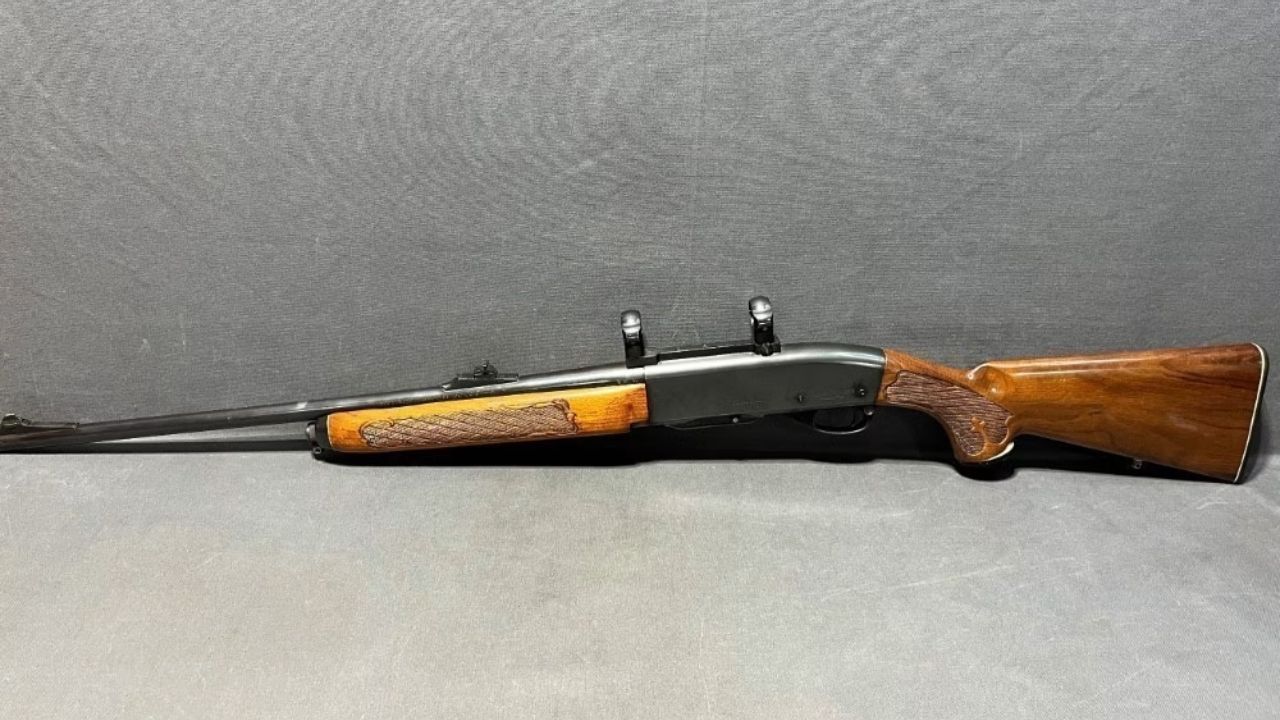
By the time the later-production Remington 742s were hitting shelves, semi-auto hunting rifles were already moving toward stronger designs with better extraction systems. The 742’s long-standing reputation for extractor wear and reliability issues had grown, making it feel outdated compared to more modern rifles.
Hunters were shifting to platforms that handled heavy use better, and newer rifles simply outperformed the aging 742 design. Its late-model versions showed up during an era that demanded more durability than the design could comfortably deliver.
Ruger Mini-30 (Early Models)
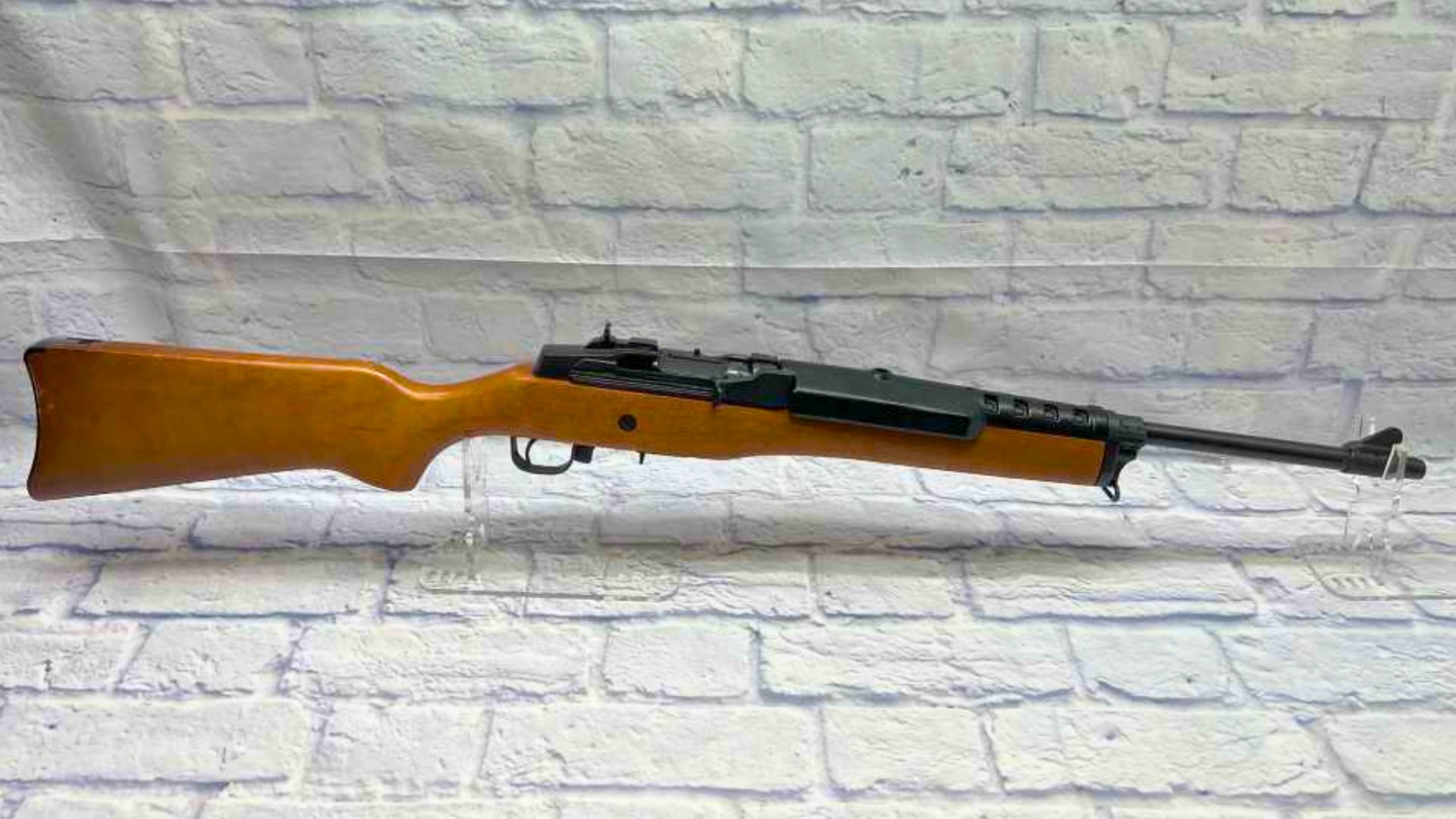
When the Mini-30 launched, the market was shifting toward affordable AKs and more reliable 7.62×39 platforms. The early Mini-30 struggled with firing-pin and ignition issues when using common steel-cased ammo, putting it behind competitors instantly.
Shooters wanted a rifle that could eat the inexpensive ammo everyone bought by the case. The Mini-30’s accuracy and reliability never matched the expectations of the era, and by the time Ruger improved the design, the reputation had already stuck.
Marlin Model 995
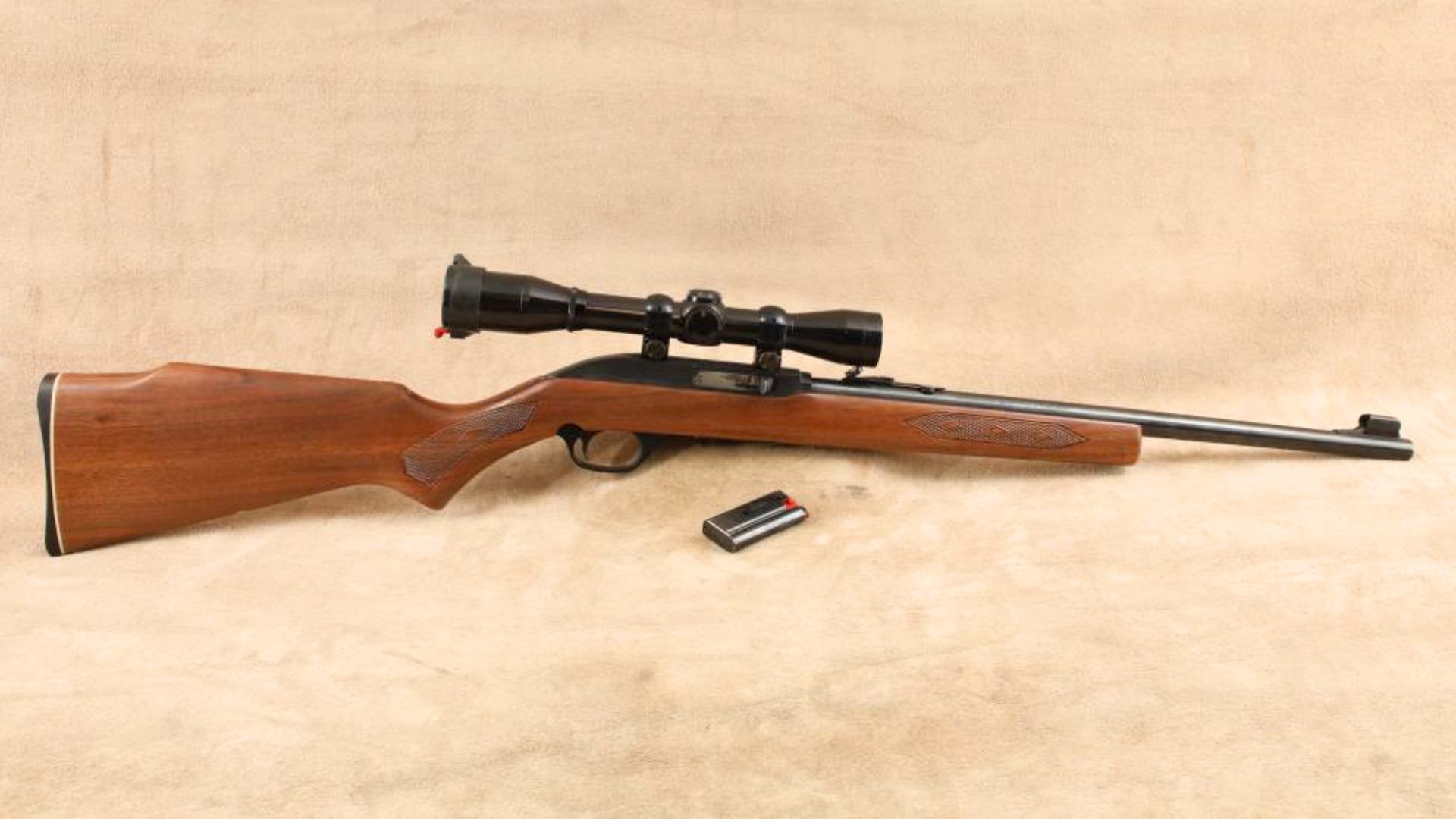
The Marlin 995 arrived at a time when rimfire shooters already had several better-stocked, better-supported options. The rifle worked, but its dated look and limited aftermarket support made it feel behind the times before it found an audience.
With the 10/22 dominating and other companies updating their rimfires, the 995 didn’t bring anything that moved the needle. It quickly became one of those rifles that lived quietly in closets rather than growing into a lasting platform.
Remington Nylon 76

The Nylon 76 was ahead of its time in some ways, but shooters weren’t asking for lever-action .22s with futuristic plastic stocks. By the time it appeared, interest had already shifted toward semi-auto rimfires that were faster, cheaper, and more practical.
The design itself was durable and interesting, but it didn’t match what the market wanted. The rifle faded quickly, leaving behind a small group of collectors and not much else.
Colt Double Eagle
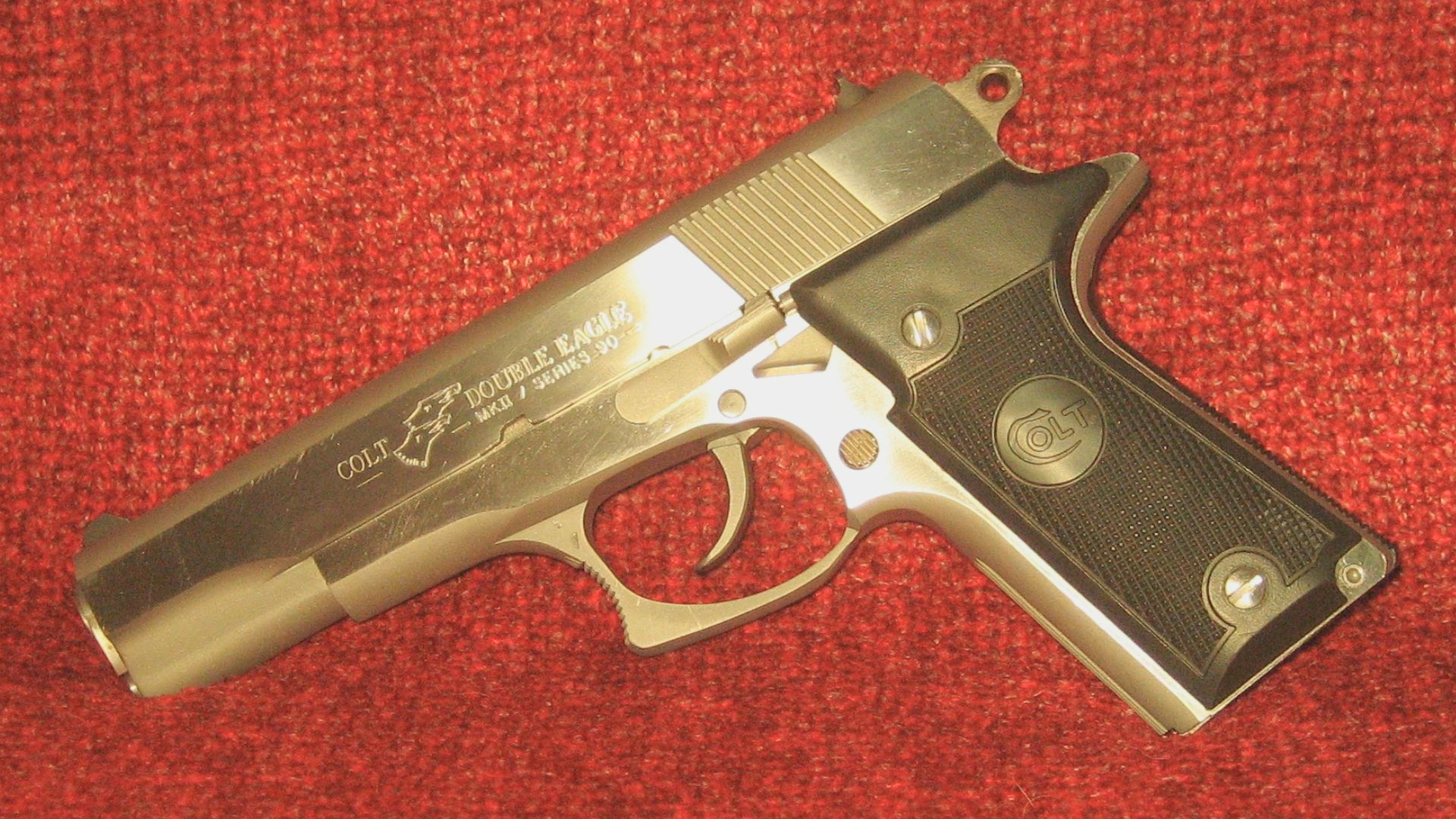
When the Double Eagle hit the market, shooters were already moving toward simpler designs with better ergonomics. The Double Eagle’s DA/SA system and chunky frame made it feel behind the curve immediately.
It borrowed too heavily from older concepts without improving them, and the market had little patience for another full-size metal handgun with nothing new to offer. The pistol never caught up to the competition and faded out fairly quickly.
Mossberg 800/810
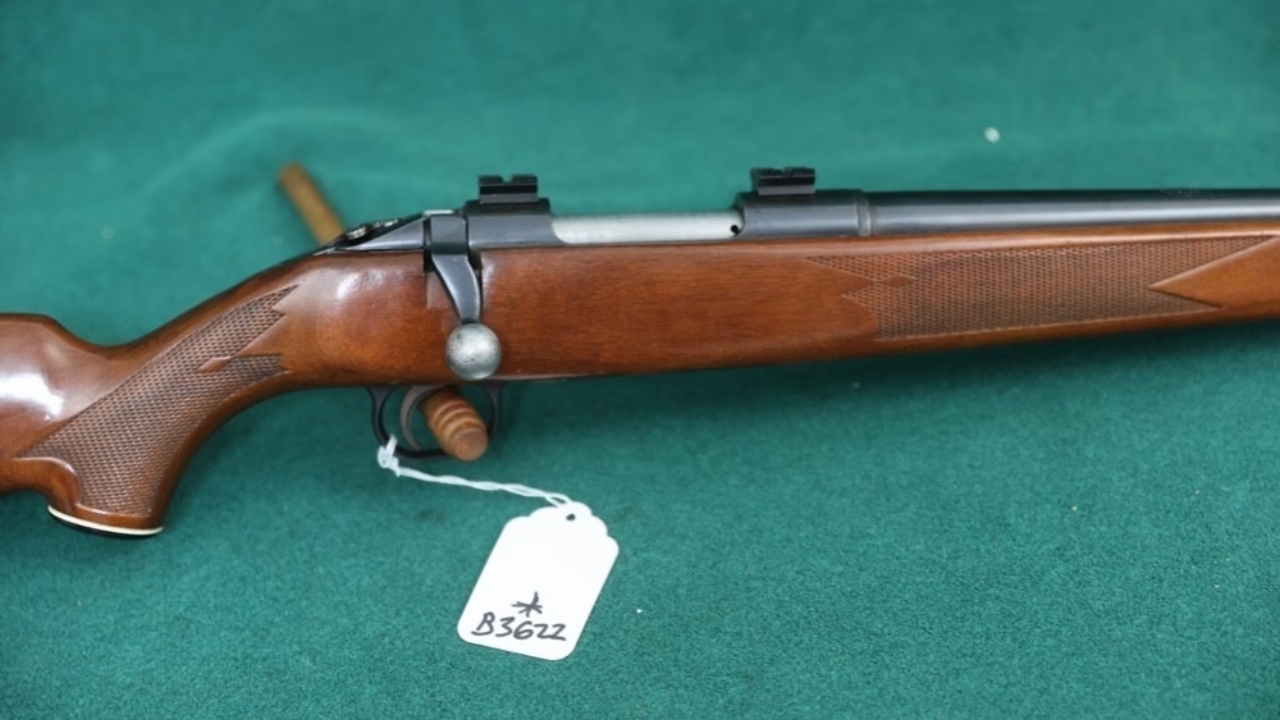
The Mossberg 800 and 810 rifles were serviceable, but the bolt-gun world was evolving fast. Sleeker stocks, better triggers, and more refined actions were becoming standard. These rifles felt dated from the start, and they didn’t compete well with offerings from Ruger, Remington, or Winchester.
They weren’t unreliable—they just didn’t keep up with the direction hunting rifles were heading. Because of that, they never gained the traction that other bolt-actions of the same era earned.
Ruger Old Army (Late Production Era)

The Ruger Old Army is a strong blackpowder revolver, but by the time its later models hit shelves, hunters and shooters had already shifted toward modern muzzleloaders and contemporary handguns. The Old Army design never changed much, and it started feeling like a throwback in a world moving toward practicality and modern ballistics.
Collectors still love them, but as a practical tool, it was outdated before those final production runs even shipped.
Browning A-Bolt Shotgun

The A-Bolt shotgun entered a slug-gun world that was rapidly embracing dedicated rifled-barrel designs with better optics compatibility and faster follow-up shots. The bolt-action slug gun concept was already fading by the time Browning released it.
Even though the A-Bolt shotgun was accurate, the market wanted semi-autos and pumps with modern features. The rifle-like design showed up too late, and it couldn’t compete in a category that had already moved on.
Remington Model 264 (Late Production)
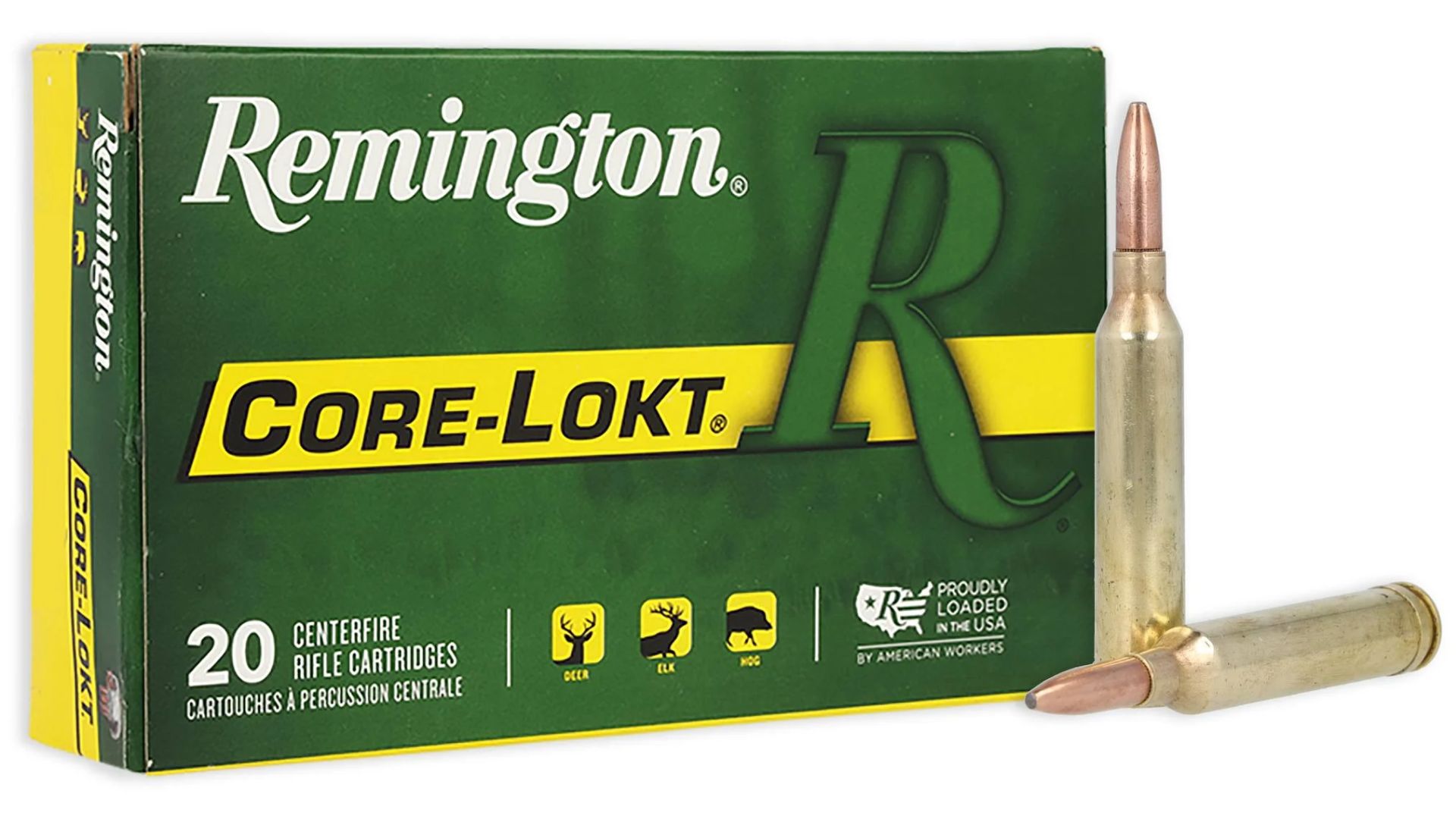
The Remington 264 arrived when shooters were already adopting flatter-shooting, more efficient cartridges. The design lacked features that rising long-range hunters wanted, and it struggled to stand out in a crowded field.
By the time it hit shelves, expectations had evolved, and Remington needed more updates than the rifle offered. It simply wasn’t built for the direction rifle design was heading, leaving it outdated from the start.
Like The Avid Outdoorsman’s content? Subscribe to our newsletter so you never miss an article.
Here’s more from us: