Photo credit: PRO Visual Solutions/Shutterstock.com
A lot of guns leave a strong first impression. Fewer survive long enough to earn a stronger one twenty or thirty years later. That difference matters. A firearm can launch with hype, slick ads, and a wave of early praise, then slowly lose ground once enough owners live with it. The opposite happens with the guns that age well. They may start with a good reputation, but time hardens it. More rounds get fired, more seasons pass, more owners compare notes, and the gun keeps doing what people hoped it would do. That is usually when a reputation stops being marketing and starts becoming something closer to proof.
That is why some old firearms keep gaining respect while others flatten out. The ones that age well usually solve real problems in a straightforward way. They are dependable, easy to keep running, and useful enough that owners do not feel the need to apologize for them. Over time, those traits matter more than novelty ever does. A firearm that still makes sense after decades of hard use starts sounding less like a trend and more like a standard.
Reliability gets louder after the hype dies
The biggest reason a firearm reputation grows with age is simple: it keeps working. That sounds obvious, but it is where a lot of reputations either solidify or fall apart. A gun that runs well in ordinary hands, with ordinary maintenance, under ordinary field use tends to earn a different kind of respect than one that only shines in perfect conditions. That is part of why certain long-running designs stay admired. RemArms still describes the Model 870 as the best-selling shotgun of all time and ties that reputation directly to its long history of reliability and adaptability.
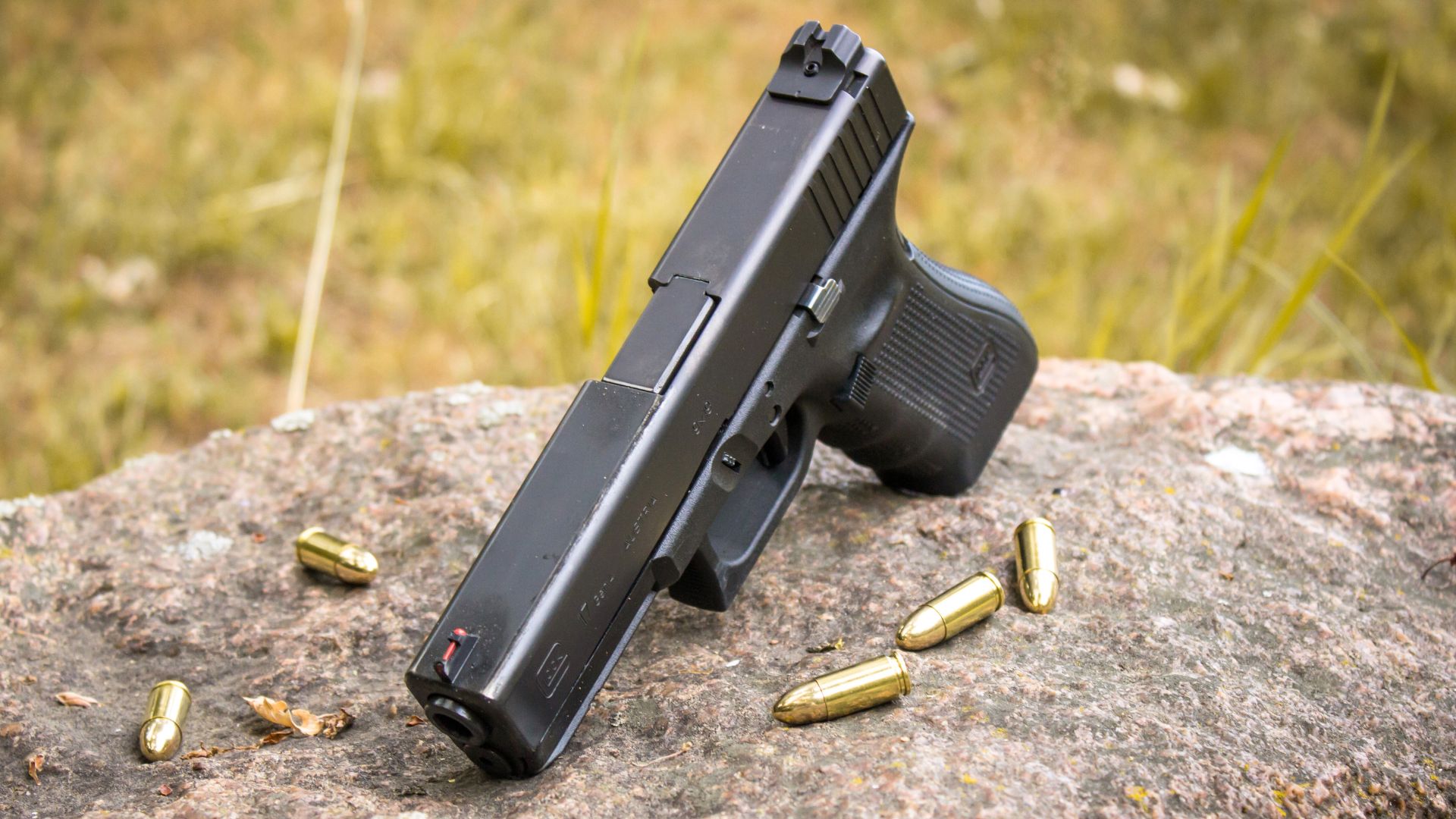
You see the same pattern with service pistols. GLOCK’s own materials keep leaning on durability, law-enforcement trust, and long-term performance because that is what built the brand in the first place. The point is not that a company says its gun is reliable. The point is that some guns stay in serious use long enough that reliability becomes the center of the story. When a design keeps proving itself across years of carry, training, duty use, or hunting seasons, its reputation usually gets stronger because the evidence pile keeps getting bigger.
Familiar handling becomes a bigger advantage with time
A lot of shooters eventually realize they trust firearms that feel predictable more than firearms that feel exciting. That is another reason older reputations get stronger. A gun that points naturally, balances well, cycles with a familiar rhythm, and carries controls people understand tends to age better than something that relies on novelty. The Winchester Model 70 is a good example of that kind of staying power. Winchester still markets the rifle around its long-running pre-’64 style controlled-round-feed action, three-position safety, and practical handling features because those are exactly the traits that made people stick with it in the first place.
That kind of familiarity matters more over time, not less. A firearm that feels settled in the hands tends to build confidence across thousands of repetitions. Hunters start trusting where it carries and how it comes to the shoulder. Pistol shooters start trusting how it tracks and resets. Shotgunners start trusting how it moves and feeds under pressure. Once that happens, the reputation is no longer built only on features. It is built on accumulated confidence, and that kind of confidence is hard for newer designs to fake.
The simpler guns often outlast the clever ones
Some firearm reputations improve with age because simplicity ages better than complication. A gun that is easy to strip, easy to diagnose, easy to find parts for, and easy to keep in service tends to stay useful longer. Owners appreciate that more as the years go by. Early on, shooters can get distracted by unusual mechanisms or special selling points. Later, many of them end up valuing guns that are straightforward and forgiving to live with.
That is a big part of why so many enduring reputations are tied to designs that are not mysterious. The 870 is a pump shotgun people know how to service and keep running. The GLOCK reputation is built around a simple system and broad institutional support. Even the Model 70 story is tied to a familiar, proven bolt-action formula rather than something exotic. A gun that stays understandable tends to stay respected because owners can actually keep it going instead of only admiring it in theory.
Broad use tells the truth faster than a niche following
Another thing that strengthens a firearm’s reputation is scale. The more a gun gets used by different kinds of owners in different roles, the harder it is for weak points to hide. Shotguns used by hunters, law enforcement, competitors, and home defenders get judged from several angles. Service pistols carried by agencies and civilians get tested in a lot more conditions than range toys ever will. That broad use tends to separate the guns with staying power from the guns that only thrive in a narrow pocket of enthusiasm.
That is one reason certain names keep surfacing. Remington highlights millions of Model 870 sales and decades of use across very different groups. GLOCK emphasizes adoption by law-enforcement agencies and long-term support because those are signs of a design that kept surviving real-world scrutiny. A firearm does not get stronger with age because everyone agrees on it instantly. It gets stronger because enough different people keep using it long enough to expose whether it really holds up.
Good bones matter more than trends
Some reputations grow because the core design was solid enough to improve without losing what made it work. That is where older guns with “good bones” separate themselves from guns that age poorly. The current Model 70 line still leans on the same basic traits that made the rifle matter decades ago, while adding modern triggers and updated fit and finish. That kind of evolution usually helps a reputation because owners feel like the gun kept its identity while getting better around the edges.
You can see a similar idea in the way Colt presents the current Python. The modern versions keep the visual identity and double-action revolver appeal that made the name matter, while updating the platform with current production and safety features. That kind of continuity helps old reputations grow because the name is not surviving on memory alone. It is still attached to a live product that keeps feeding the legend instead of only borrowing from it.
People trust what does not need excuses
In the end, the firearms that age best are usually the ones owners do not have to explain away. They do not need speeches about how they are great once you accept the quirks. They do not need constant defense based on nostalgia alone. They keep their place because they still make practical sense. They run, they handle well, they are maintainable, and they stay useful enough that each new generation of shooters finds out for itself why the older crowd respected them.
That is really why some firearm reputations get stronger with age. Time is brutal on weak designs and very generous to honest ones. If a gun keeps proving itself after the novelty is gone, after better marketing comes along, and after the market gives people plenty of other choices, the reputation starts carrying more weight every year. At that point, people are no longer keeping the reputation alive out of sentiment. The gun is doing it on its own.
Like The Avid Outdoorsman’s content? Subscribe to our newsletter so you never miss an article.
Here’s more from us: