Photo credit: 22plinkster/YouTube
Some cartridges show up with huge marketing budgets, celebrity endorsements, and promises to change the hunting or shooting world. But when the dust settles, they often leave shooters wondering what all the fuss was about. These rounds might have the right headstamp or the right logo behind them, but in the field or at the range, they fail to deliver anything remarkable. Sometimes it’s recoil that doesn’t match the performance. Sometimes it’s ammo that costs more than it’s worth. And sometimes, it’s simply that the old standards do the same job better. Here are the calibers that came in loud, carried big names, and quietly slipped into the background once real shooters got behind them.
.30 Super Carry
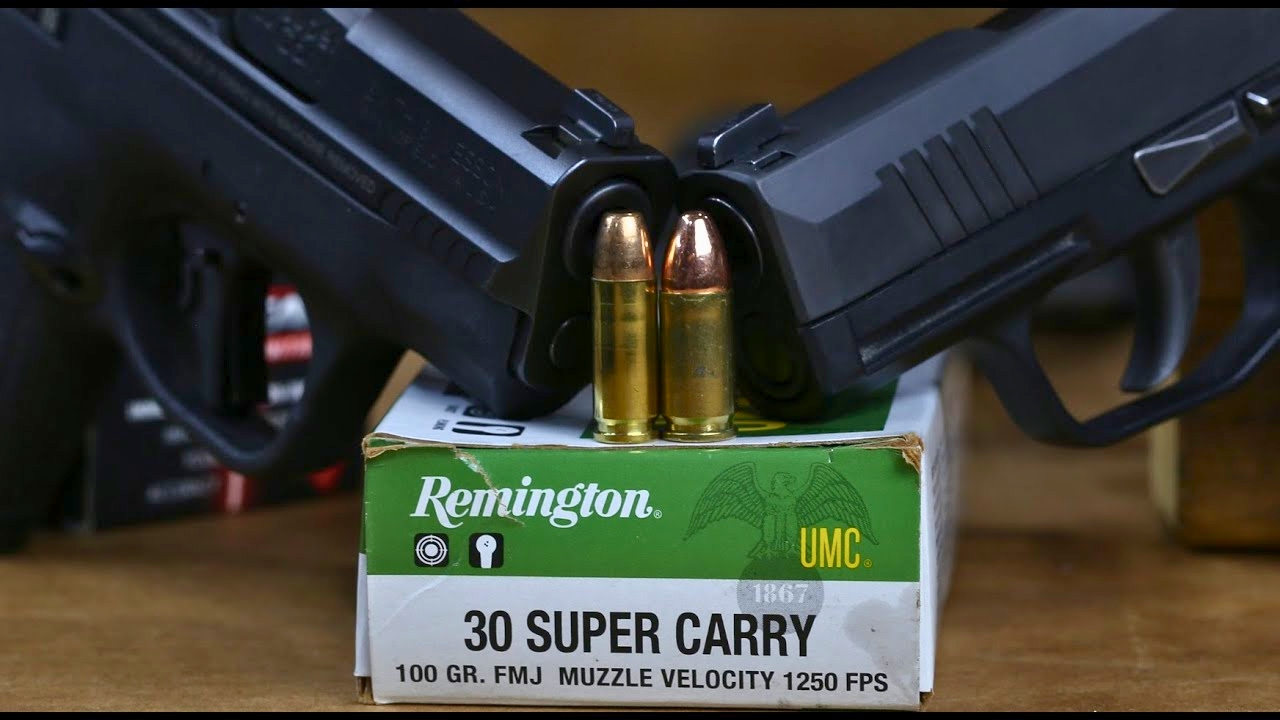
Federal pushed the .30 Super Carry hard, promising it would bridge the gap between .380 and 9mm. On paper, it offered nearly 9mm power in slimmer magazines. In reality, it never took off. The supposed advantage—more capacity—didn’t matter when ammo was expensive and hard to find.
Performance-wise, it’s fine, but fine doesn’t win over shooters who already trust 9mm. The recoil feels similar, and the stopping power isn’t better. It came with big brand backing and early excitement, but the market spoke quickly. When even Smith & Wesson and Nighthawk dropped support, you knew it wasn’t catching on.
.350 Legend

Winchester billed the .350 Legend as “the fastest straight-walled cartridge,” and it became an instant buzzword among Midwestern deer hunters. But the hype ran far ahead of its real performance. Sure, it’s legal in states that ban bottlenecks—but beyond that niche, it’s underwhelming.
The trajectory drops faster than many expected, and bullet selection remains limited. It kills deer just fine inside 200 yards, but that’s hardly revolutionary. Many hunters who switched from .450 Bushmaster or .44 Mag realized they gave up too much punch for too little gain. It’s not a bad round—it’s just a great example of marketing outpacing merit.
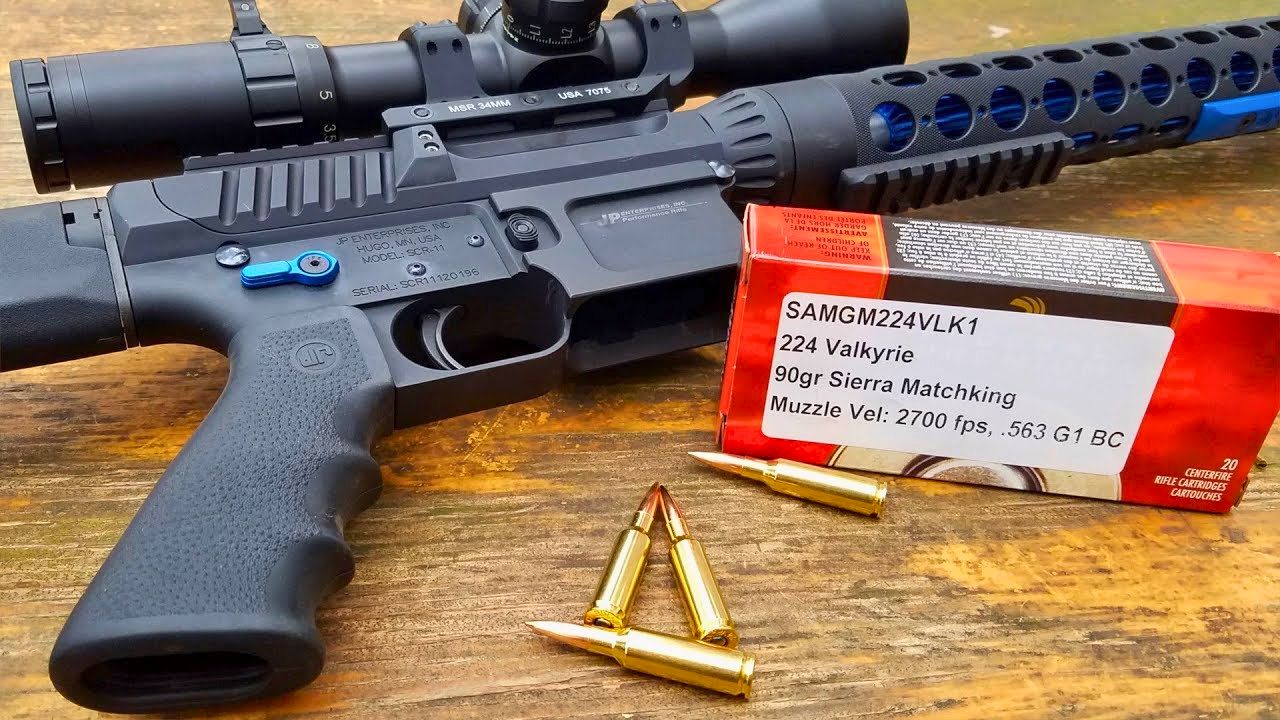
.224 Valkyrie

When Federal released the .224 Valkyrie, it promised 1,000-yard performance from an AR-15 platform. Long-range shooters were intrigued—until they started shooting it. Real-world accuracy fell far short of the marketing claims, with factory ammo performing inconsistently.
The idea was clever, but inconsistent chamber specs and bullet stability problems tanked its reputation early. The 6.5 Creedmoor still did everything better, and most shooters went back to what worked. It’s still floating around, but mostly among reloaders trying to make the cartridge do what it was supposed to from the start.
.17 WSM
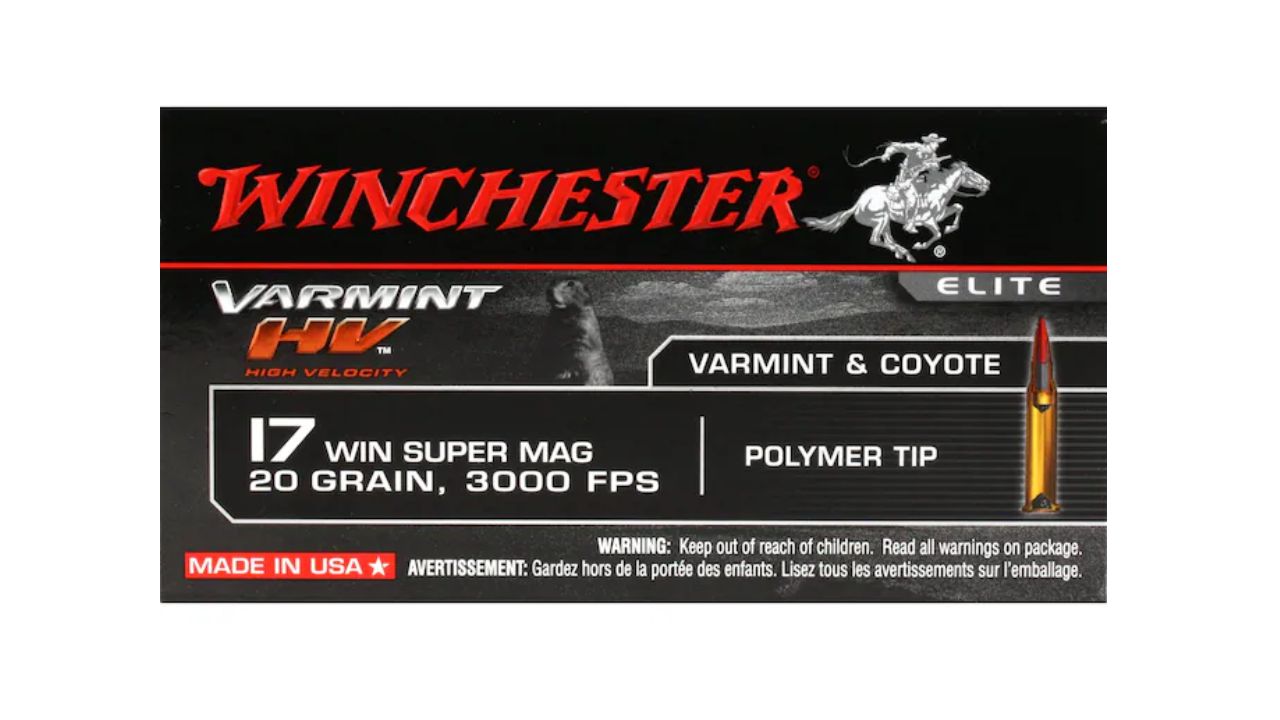
Winchester’s .17 WSM looked like the future of rimfires when it launched—faster than the .17 HMR and more energy downrange. But the hype never matched the results. Accuracy was unpredictable, rifles were finicky, and ammo prices erased its biggest appeal.
Hunters found it loud, overbore, and too picky about barrel quality. The .17 HMR still delivered better consistency and affordability, leaving the WSM looking like a solution in search of a problem. It’s impressive on paper but overcomplicated in the field. Winchester tried to push it as the new king of small game, but most shooters didn’t buy it—literally.
.300 WSM

The .300 Winchester Short Magnum was supposed to dethrone the classic .300 Win Mag with better efficiency and shorter actions. In practice, it never truly replaced its big brother. Recoil felt just as sharp, and the supposed ballistic improvements barely showed up outside a chronograph test.
Ammo cost more, rifle selection was limited, and feeding issues plagued some bolt guns. For all the promises of modern performance, the .300 WSM turned out to be another attempt at reinventing something that didn’t need fixing. It works fine—but if you’re carrying the recoil and cost of a magnum, most hunters still choose the real .300 Win Mag.
.325 WSM

The .325 WSM tried to do what the .300 WSM couldn’t—bring magnum power in a compact package. But again, it never offered anything that .338 Win Mag or .30-06 couldn’t already do better. The recoil was brutal, ammo was scarce, and it hit the market right as hunters were turning away from heavy recoil altogether.
It’s accurate, sure—but accuracy means little when nobody chambers rifles for it. You’ll still find a few loyal fans, but most gun counters haven’t stocked .325 WSM in years. It’s another “why bother” cartridge that faded faster than its marketing team expected.
.280 Remington

The .280 Remington should have been a hit—it’s ballistically excellent. But Remington’s own poor timing and confusing marketing doomed it from the start. Released between the .270 and .30-06, it offered little reason for shooters to switch. Then came rebrand attempts like the “7mm Express,” which only made things worse.
Hunters who use it love it, but that small crowd couldn’t save its reputation. It delivers mild recoil and great performance, yet somehow never earned mass appeal. The .280 Remington didn’t fail because it’s bad—it failed because Remington couldn’t sell what made it good.
.30 TC

The .30 TC was Hornady’s brainchild—meant to bring Creedmoor-like performance before the 6.5 craze. It launched with big names behind it and high expectations. But it never stood out in any real category. Ballistics sat awkwardly between .308 and .30-06, and it offered no real-world advantage.
Shooters never saw a reason to adopt it. Ammo options stayed limited, and even the rifles built for it were short-lived. It’s another example of how big brands sometimes overthink a good thing. The .30 TC came and went so quietly that most hunters today barely remember it existed.
.260 Remington

Before the 6.5 Creedmoor, the .260 Remington should have owned the precision market. But once again, poor marketing buried it. The cartridge was accurate, efficient, and easy to shoot—but Remington never gave it proper backing or rifle options.
When Hornady released the 6.5 Creedmoor with better ammo support, the .260 was instantly overshadowed. Ironically, the two perform almost identically. The .260 Rem deserved better, but its lack of consistent factory loads made it more frustrating than rewarding. It had the potential to be great—it just got caught in the wrong hands.
.300 RUM
Remington’s Ultra Magnum line came out swinging with huge case capacity and blistering velocity. The .300 RUM looked unstoppable—until shooters realized it burned barrels fast and punished shoulders even faster. The recoil and cost made it impractical for most hunters.
Yes, it delivers power, but it’s wasted on anything inside 500 yards. For the average shooter, the tradeoff isn’t worth it. The .300 RUM is a cartridge that looked heroic in marketing materials and miserable in the field. It’s loud, it’s heavy on recoil, and it leaves you wondering if all that velocity was ever worth the trouble.
.338 Federal

When Federal introduced the .338 Federal, it sounded like a smart evolution of the .308—more punch without the magnum recoil. In practice, it fell flat. The added bullet weight didn’t bring the performance hunters expected, and the cartridge struggled to gain traction outside a niche following.
Energy drops quickly past 200 yards, and ammo availability is spotty at best. It’s capable inside the timber, but for its size and recoil, you don’t get much more than what a good .308 already offers. Hunters wanted a powerhouse; what they got was an in-betweener that couldn’t find a purpose. It’s one of those rounds that makes you shrug more than smile.
.17 Remington Fireball
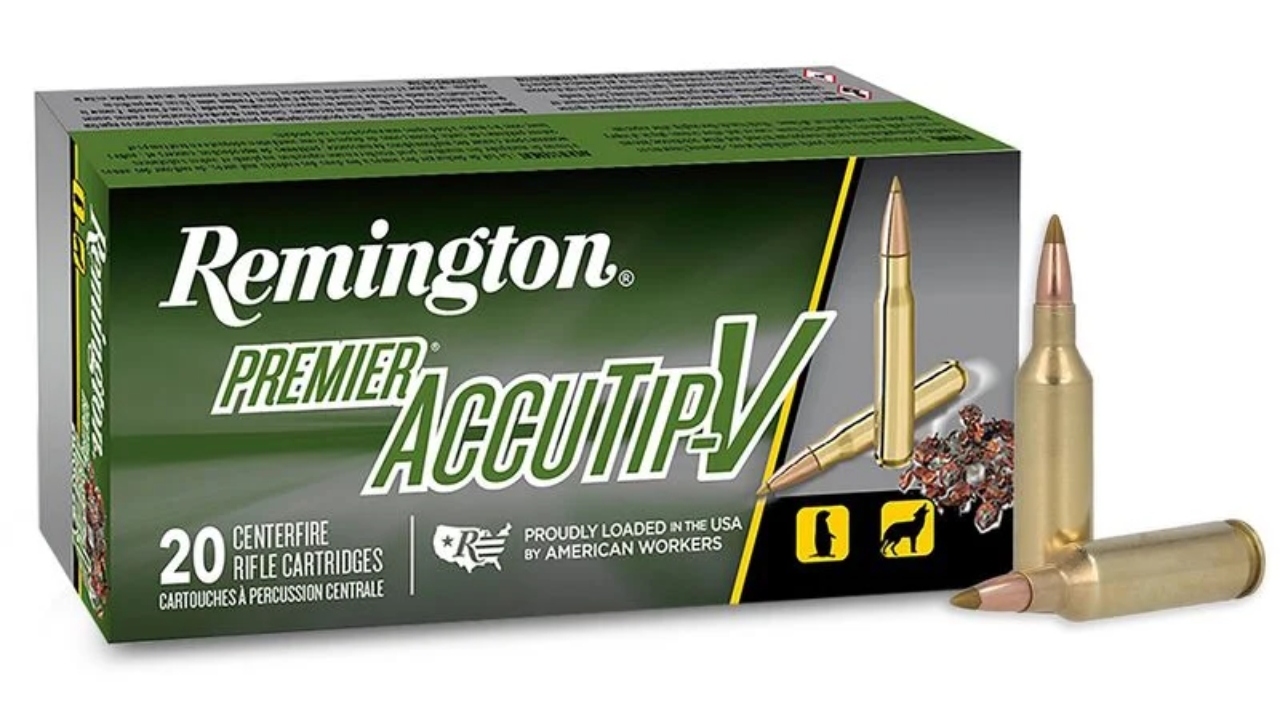
The .17 Remington Fireball looked like a speed demon’s dream—a tiny cartridge that could fling bullets past 4,000 fps. But that speed came at a cost: barrel life, fouling, and inconsistent accuracy. It was flashy, sure, but it wasn’t forgiving.
Wind drift wrecked its long-range hopes, and its practical hunting role never materialized. The .17 HMR stayed more affordable, and the .223 Rem kept doing everything better. The Fireball tried to fill a gap that didn’t exist, and it fizzled out before most shooters ever saw one in person.
.45 GAP
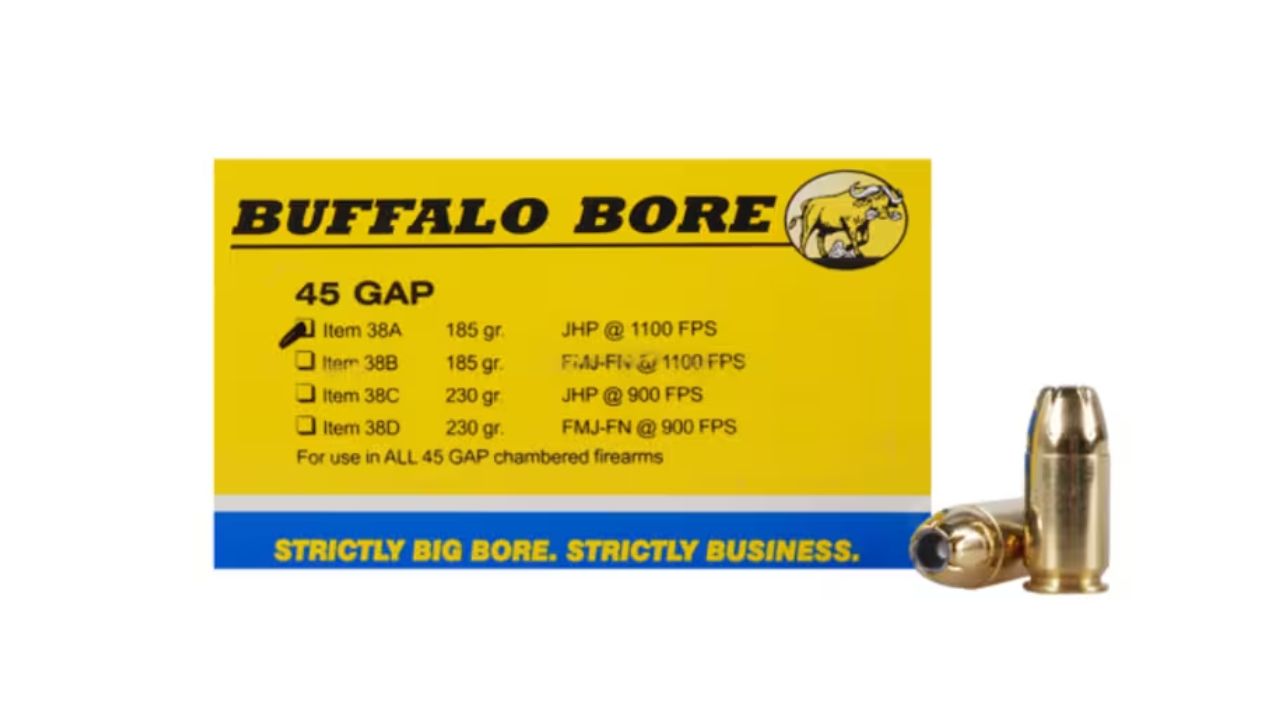
The .45 GAP was Glock’s answer to a problem nobody had. Designed to match .45 ACP performance in a smaller frame, it managed neither better ballistics nor lasting interest. Ammo was scarce from the start, and even police departments that adopted it eventually switched back.
Recoil felt sharp for its size, and the magazine capacity advantage was minimal. The .45 ACP already had decades of trust behind it, and the GAP couldn’t outdo that legacy. It’s the perfect example of how a famous brand can’t always turn a design into a success story.
.25 WSSM

The .25 Winchester Super Short Magnum came out with big promises—magnum performance in a compact package. On paper, it looked like the next big hunting round. But in reality, it burned barrels fast, fouled quickly, and rarely lived up to its ballistic claims.
The efficiency Winchester hyped never showed up on the chronograph, and feeding issues plagued the rifles chambered for it. For the average deer hunter, it offered no benefit over the proven .25-06 or .270. The WSSM family was short-lived, and the .25 version was one of the first to fade away quietly.
5mm Remington Rimfire Magnum
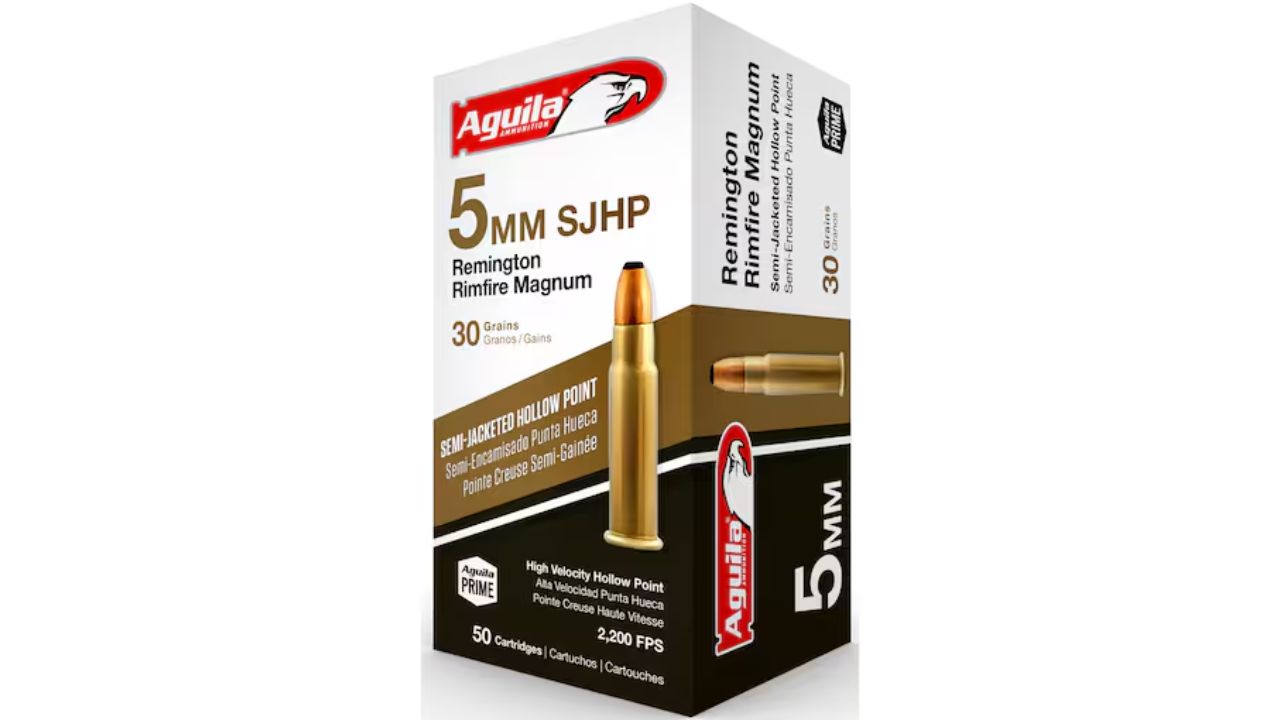
Remington launched the 5mm Rimfire Magnum in the late 1960s with high hopes—it was faster and flatter than the .22 WMR, with more energy at distance. But the rifles were limited, ammo was expensive, and the round never caught on. When Remington dropped it, it disappeared for decades.
It’s an interesting piece of rimfire history, but nostalgia can’t fix practicality. Even when Aguila revived the cartridge, few shooters cared. Today, it’s mostly a curiosity for collectors. Despite its technical promise, the 5mm RFM proved that even great ideas can go nowhere without industry support and real-world usefulness.
Like The Avid Outdoorsman’s content? Be sure to follow us.
Here’s more from us:
The worst deer rifles money can buy
Sidearms That Belong in the Safe — Not Your Belt
*This article was developed with AI-powered tools and has been carefully reviewed by our editors.