Photo credit: Jouko/Shutterstock.com
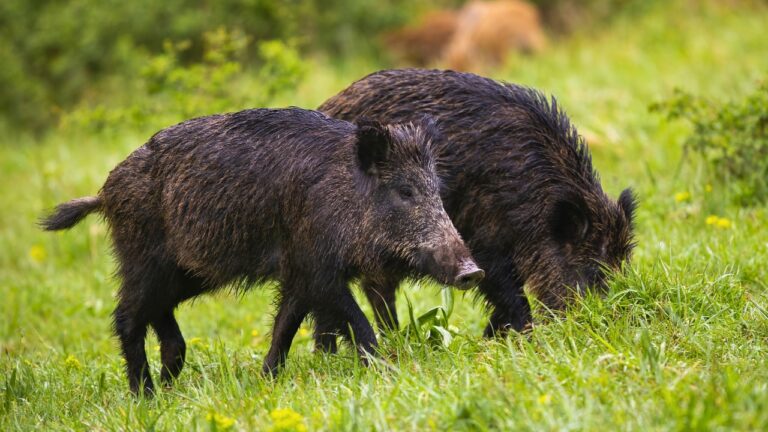
When you lose sight of a wounded deer, having the right tracking dog can be the difference between recovering your game or going home empty-handed. Some breeds are naturally built for following blood trails and handling tough terrain, combining strong noses, endurance, and focus. These dogs excel at keeping on the trail, even when scenting conditions get tricky. If you hunt in areas where deer can disappear into thick cover, picking the right breed can save time and frustration while improving recovery rates.
Bloodhound

Bloodhounds are legendary when it comes to tracking wounded deer. With their exceptional noses and unmatched scenting ability, they can follow trails that are days old. Their slow, deliberate style makes them perfect for recovering deer in dense cover or rugged terrain. For beginners, training a bloodhound takes patience, but once they’re dialed in, they’re almost unbeatable. They thrive when given plenty of space to work and are especially valuable when the blood trail is faint or nearly invisible.
Bavarian mountain scent hound
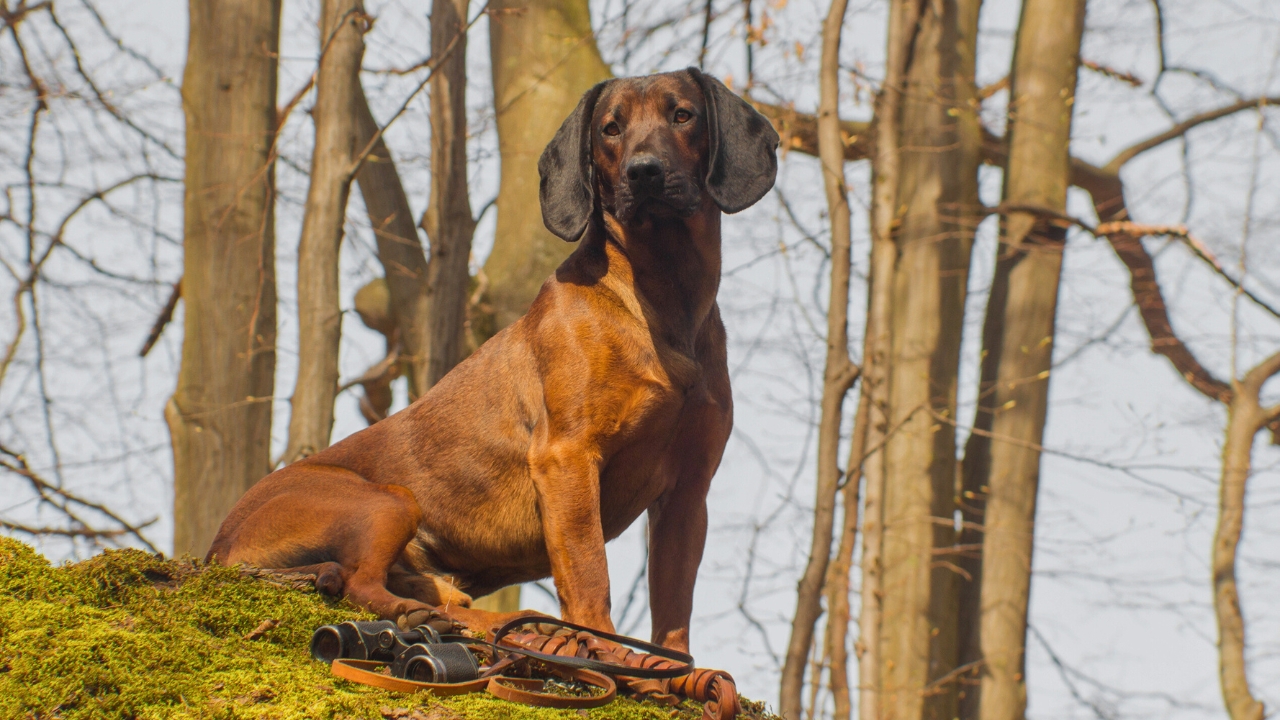
Bavarian mountain scent hounds are built for precision tracking in steep and challenging environments. Known for their focus and determination, these dogs stay locked on the scent without getting distracted by other game. They have excellent stamina, making them ideal for long recoveries where deer have traveled far. Their cooperative nature and strong bond with handlers make them easier to manage than some other high-drive hounds. If you hunt mountainous regions, this breed is one of the top performers.
Hanoverian scent hound
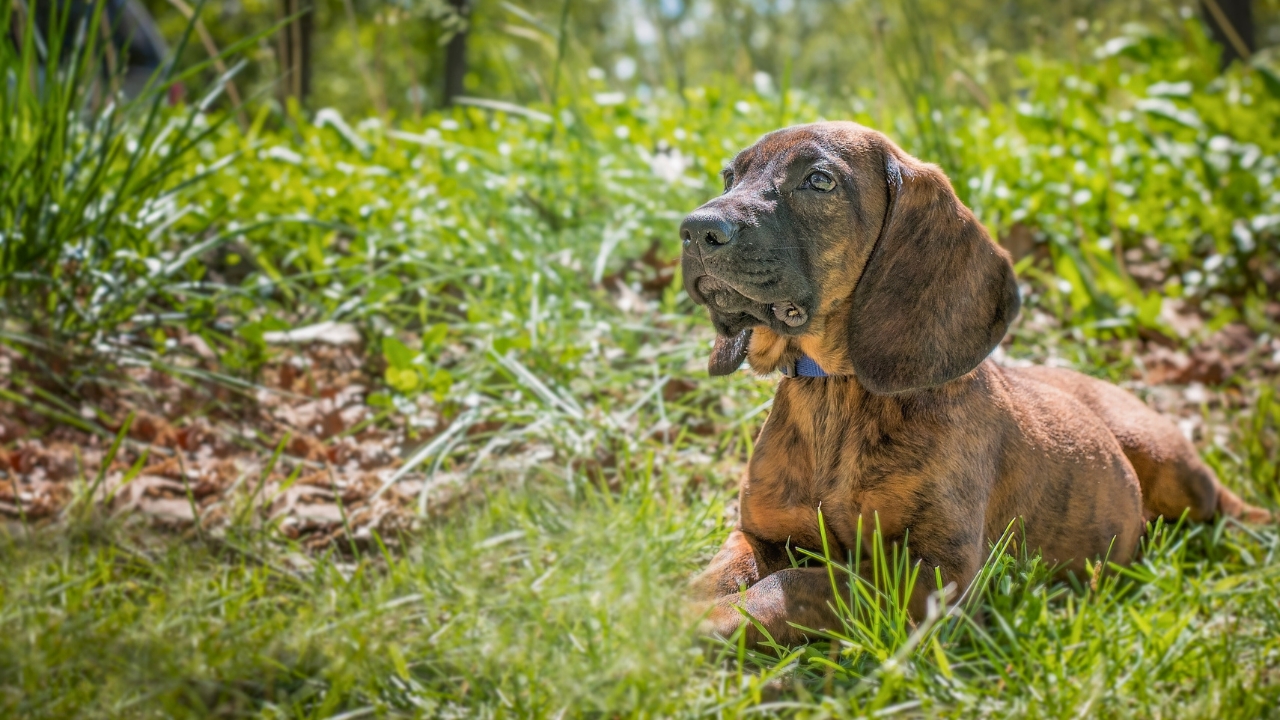
Hanoverian scent hounds are workhorses when it comes to recovering wounded deer. They’re bred specifically for following cold blood trails and excel in tough conditions where other dogs lose the scent. These dogs have a calm, methodical tracking style, making them reliable partners during challenging recoveries. While they require consistent training, they’re highly responsive once they understand their role. Their strength, endurance, and deep nose make them especially useful for hunters dealing with big-bodied deer in dense cover.
American black and tan coonhound
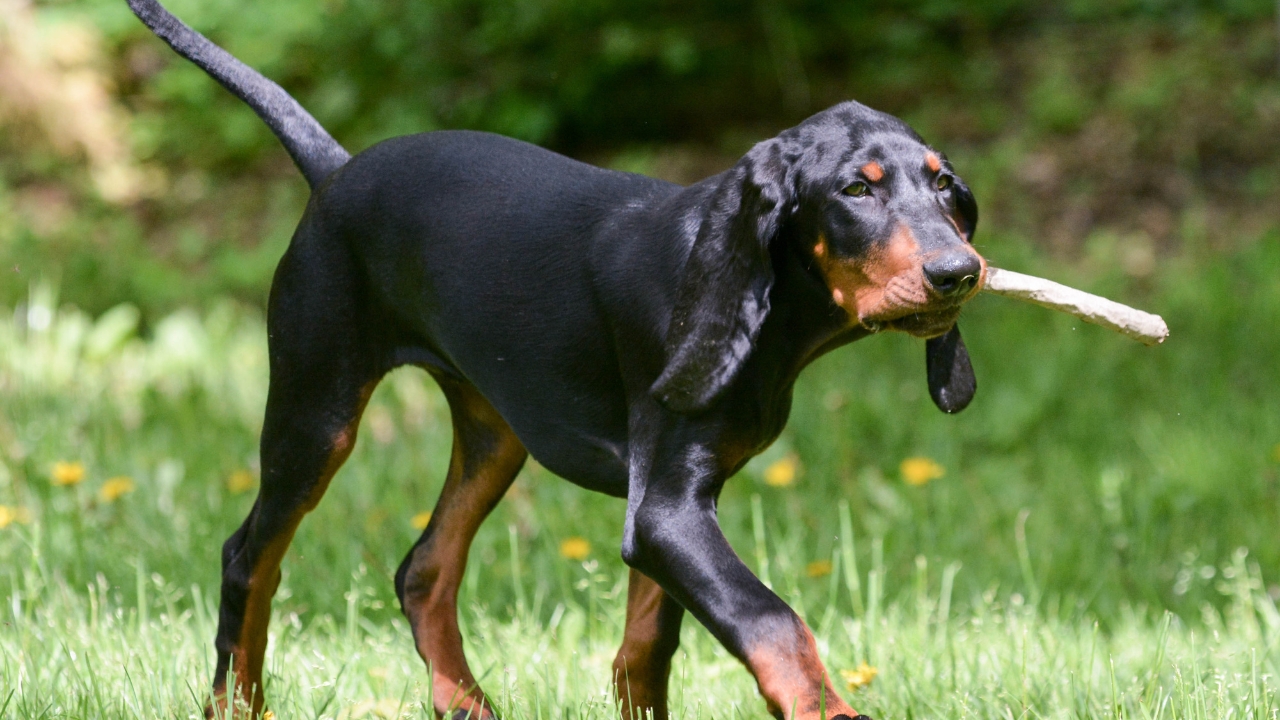
The American black and tan coonhound is a versatile tracker with a nose capable of following difficult trails. While they’re often used for raccoons and other game, they transition well into deer tracking when properly trained. They have a good balance of drive and manageability, making them suitable for hunters who want a reliable all-around dog. These hounds handle thick woods and uneven terrain with ease, using their stamina to cover long distances while staying focused on the trail.
Labrador retriever

Labrador retrievers aren’t just bird dogs — with proper training, they’re also effective deer trackers. Their intelligence and eagerness to please make them easy to train, and their strong noses allow them to pick up blood trails quickly. Labs excel in wet or cold conditions where scenting can be difficult, and their controlled energy levels make them ideal for working alongside beginners. If you want a dog that can retrieve waterfowl and recover deer, a well-trained Lab is hard to beat.
Wirehaired dachshund

Wirehaired dachshunds might seem small, but their tracking ability is outstanding. Bred in Europe for trailing wounded game, these dogs excel at following slow, deliberate blood trails. Their compact size allows them to navigate dense cover where larger breeds struggle. Despite their stature, they’re tireless workers with plenty of drive to get the job done. They require early and consistent training, but once trained, they’re an excellent choice for hunters who want a manageable, highly capable tracking partner.
Plott hound

The Plott hound is a powerhouse when it comes to tracking wounded deer. Known for their toughness and grit, these dogs were originally bred for big game, giving them the stamina and determination needed for long recoveries. They perform especially well in rugged terrain, where tracking conditions are often challenging. Plotts have a strong prey drive, so early training is essential, but once focused, they stay on the scent until the job’s done. For hunters tackling difficult recoveries, this breed delivers.
*This article was developed with AI-powered tools and has been carefully reviewed by our editors.