Photo credit: GunBroker
Some pistols get away with bad behavior for a magazine or two, then start choking once they warm up, get fouled, or get carried a while without cleaning. Heat and grime don’t create problems out of nowhere—they expose weak designs, marginal tolerances, and platforms that are overly picky about ammo or maintenance.
These are pistols that have a track record of being more trouble than they’re worth for a lot of owners.
SIG Sauer Mosquito

The Mosquito is the poster child for “runs until it doesn’t,” especially when it starts getting dirty. Rimfire fouling adds up quickly, and this pistol often doesn’t tolerate it well. Add weak ammo to the mix and you’ll see cycling issues that make training miserable.
A .22 pistol should be a cheap, easy practice tool. When it turns into a jam clinic, it stops being useful fast—especially for new shooters who don’t yet know what “normal” should feel like.
Walther P22

The P22 can be fun, but it’s also famous for being ammo-sensitive and less forgiving as fouling builds. When it gets dirty, reliability often drops, and the pistol starts acting like it needs constant babysitting to stay happy.
It’s a common first .22 pistol purchase, which is unfortunate. A beginner needs clean reps, not constant interruptions. A finicky pistol teaches frustration, not fundamentals.
Remington R51

The R51 has a reputation that never fully recovered, and “unreliable” is the word that keeps showing up around it. When a defensive pistol has question marks, the relationship is already broken. Heat and range time don’t build trust if the platform’s history is shaky.
Most owners don’t want a carry pistol that feels like an experiment. If you’re thinking about reliability more than your shooting, the gun has already lost.
Taurus Spectrum
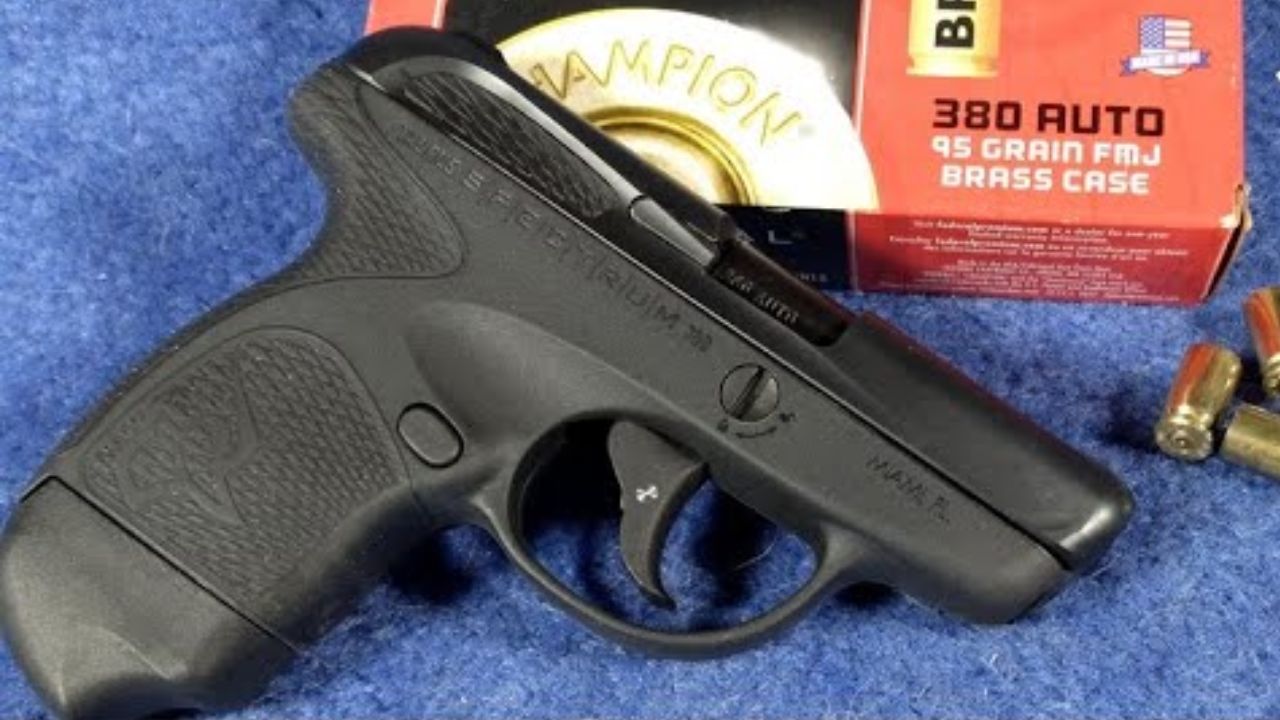
The Spectrum shows up in too many “it won’t run” stories to ignore. Small pistols already demand good grip and consistent ammo. When the pistol itself adds another layer of inconsistency, the owner ends up doubting everything.
It’s the kind of gun people stop bringing to the range because they don’t want to deal with it. And a pistol you don’t practice with isn’t doing you any favors.
SCCY CPX-2

This one gets defended as “reliable enough,” but many owners report a mix of issues—especially once the gun is dirty or the shooter’s grip gets lazy. The heavy trigger also doesn’t help, because it makes beginners shoot worse and blame themselves instead of recognizing the platform is working against them.
A pistol can be functional and still be a bad experience. If it makes training unpleasant, it often gets replaced even if it technically “runs.”
Kel-Tec PF-9

Ultra-light 9mms can be less forgiving, and the PF-9 is one of those guns that can start acting up when conditions aren’t ideal—dirty gun, sweaty carry, weak grip, marginal ammo. Heat and high round counts aren’t where it shines.
For a carry gun, you want consistency under stress. A pistol that needs perfect conditions to feel trustworthy isn’t a pistol most people stick with long-term.
Kel-Tec P-11

The P-11 has the “works… kinda” reputation for a reason. Heavy trigger, small grip, older design feel, and a tendency to be less pleasant under extended shooting. When a pistol is unpleasant, people don’t train with it, and then reliability questions feel bigger than they should.
If your pistol is dirty, hot, and running rough, you learn quickly whether it’s built for high-confidence use or just “it was cheap.”
Diamondback DB9 (early generations)
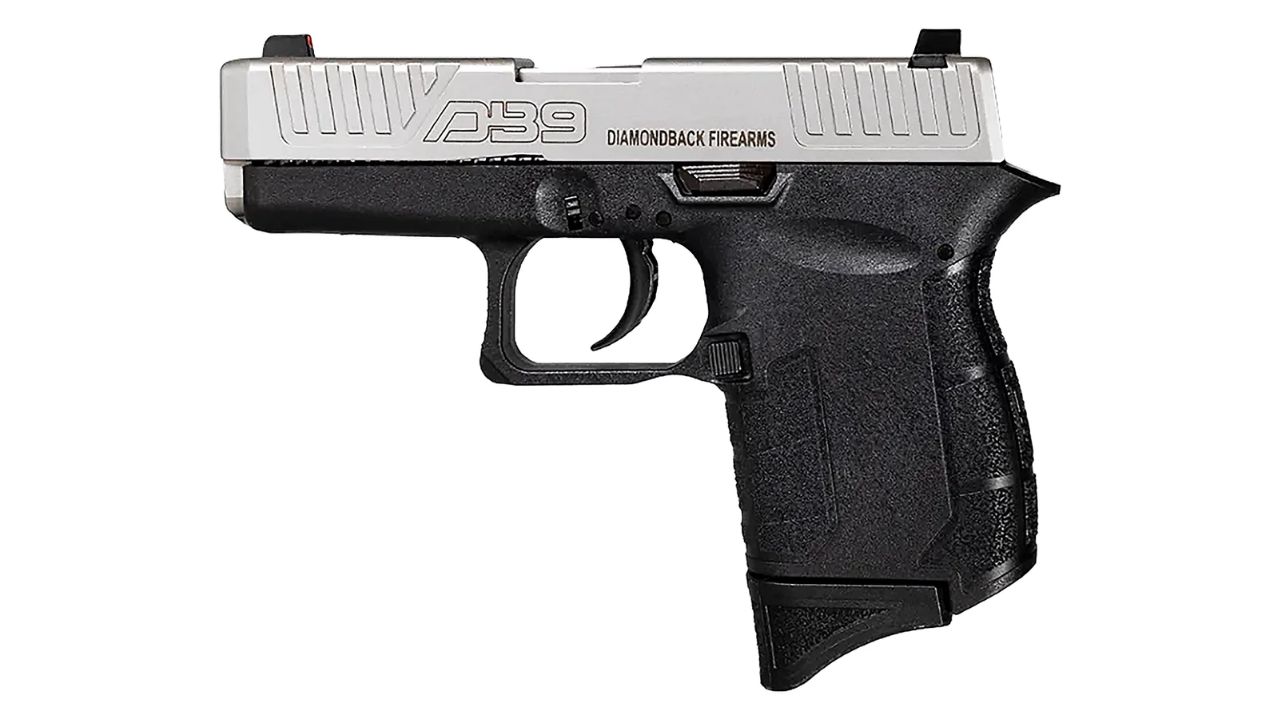
The DB9’s reputation has always included reliability complaints, especially with heat and extended shooting. Tiny 9mms push engineering limits, and when the design isn’t forgiving, the user pays for it with stoppages and frustration.
A lot of owners bought it for deep concealment, then realized they didn’t trust it enough to carry confidently. That’s a hard lesson to learn after you’ve already spent the money.
Kimber Solo

The Solo is a great example of hype meeting reality. Many owners found it picky about ammo and less reliable than they expected—especially when the gun got dirty or was run hard. A carry pistol that needs a strict ammo diet is not most people’s idea of dependable.
It looks great and feels premium. But if it doesn’t run consistently across real-world conditions, that premium feel doesn’t matter.
Kimber Micro 9

Small pistols can be finicky, and the Micro 9 has enough owner reports of issues that it belongs here. When you’re dealing with compact springs, tight tolerances, and ammo sensitivity, heat and fouling can push the gun into unreliable behavior.
Some run perfectly. Enough don’t that buyers get burned, especially if they assumed the price tag guaranteed a trouble-free carry tool.
3-inch 1911s like the Kimber Ultra Carry II

Short 1911s can be excellent—if everything is right. But they live in a tighter window than full-size 1911s. As the gun gets dirty and heat builds, small timing and spring issues can show up faster. Magazines matter more. Extractor tuning matters more.
A lot of owners learn that “compact 1911 carry” is a lifestyle, not a purchase. If you don’t want to maintain it like a serious platform, it can disappoint you.
Budget 1911s like the Rock Island Armory GI

Some Rock Islands run great, but budget 1911s as a category tend to be more variable. Heat and fouling can amplify marginal extractor tension, feed ramp geometry quirks, and magazine issues. If the gun isn’t tuned well from the start, it can feel like it always needs something.
New shooters often think this is normal 1911 behavior. It’s not. It’s budget 1911 behavior, and it’s why many people move to simpler platforms for carry.
AMT Backup .380 / 9mm

The AMT Backup is a piece of history that many owners find more frustrating than practical. Small stainless pocket pistols can be harsh, finicky, and sensitive to maintenance. They can also get unpleasant fast when shot more than a little.
These are often “cool to own” guns that don’t translate into “great to carry.” Heat and extended use tend to remind you why modern pocket pistols took over.
Jennings J-22

The J-22 is notorious for being dirty, rough, and unreliable. It’s one of those pistols people end up with because it was cheap, then they learn why it was cheap. Fouling builds, stoppages happen, and confidence never really shows up.
If a pistol is unreliable by reputation and by experience, it doesn’t belong in a serious role. This one is mostly a lesson in “cheap can cost you more.”
Raven MP-25

The MP-25 sits in the same category as the J-22: old-school, ultra-budget pocket guns that are widely known for spotty reliability. Dirty operation and inconsistent function are part of the story, especially once you put real rounds through them and see how quickly fouling changes behavior.
They might fire. They might not. And that’s not a standard any defensive pistol should be held to.
Like The Avid Outdoorsman’s content? Be sure to follow us.
Here’s more from us: