Photo credit: hlam998/YouTube
A rifle can be expensive and still be worth every dollar. It can also be cheap and still be a bad buy. The real question is whether the rifle gives you enough accuracy, reliability, handling, parts support, and confidence to justify what you paid for it. Some rifles do. Some leave you wondering why you did not buy something simpler, better proven, or easier to live with.
The rifles below are not all junk. Plenty of people have used them successfully, and some individual examples shoot just fine. But when you look at what they cost, what they offer, and what else you could buy instead, they can start feeling like money that should have gone somewhere else.
Remington 770
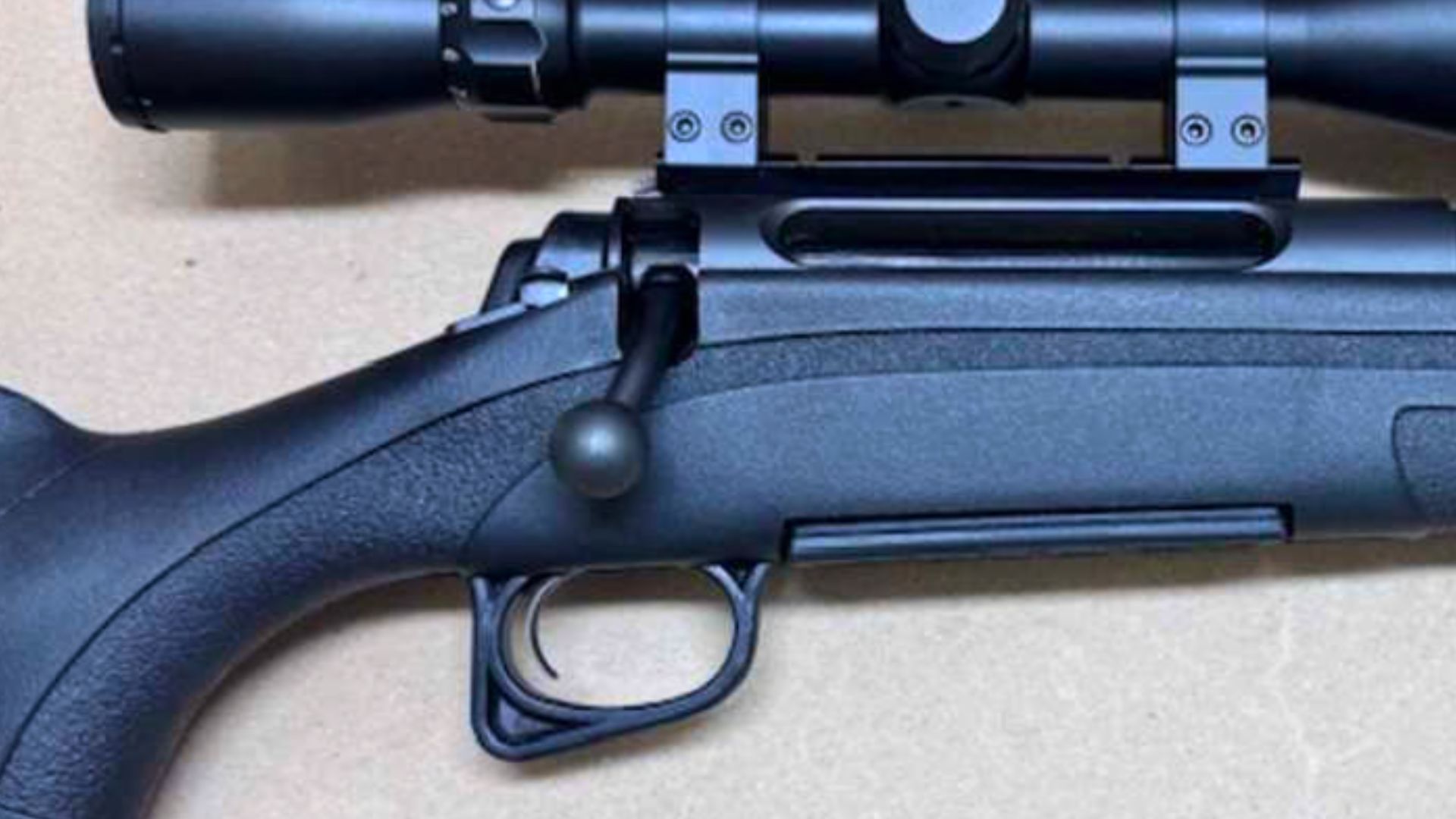
The Remington 770 is one of the easiest rifles to call a poor buy because it was built around a low price, not long-term confidence. The bolt feel, stock quality, trigger, and overall handling never gave it much of a chance against better budget rifles.
Even if one shoots acceptably, it rarely feels like money well spent once you compare it to used Model 700s, Savage rifles, Ruger Americans, or better entry-level options. A hunting rifle does not need to be fancy, but it should make you trust it. The 770 usually makes you wish you had saved a little longer.
Remington 710
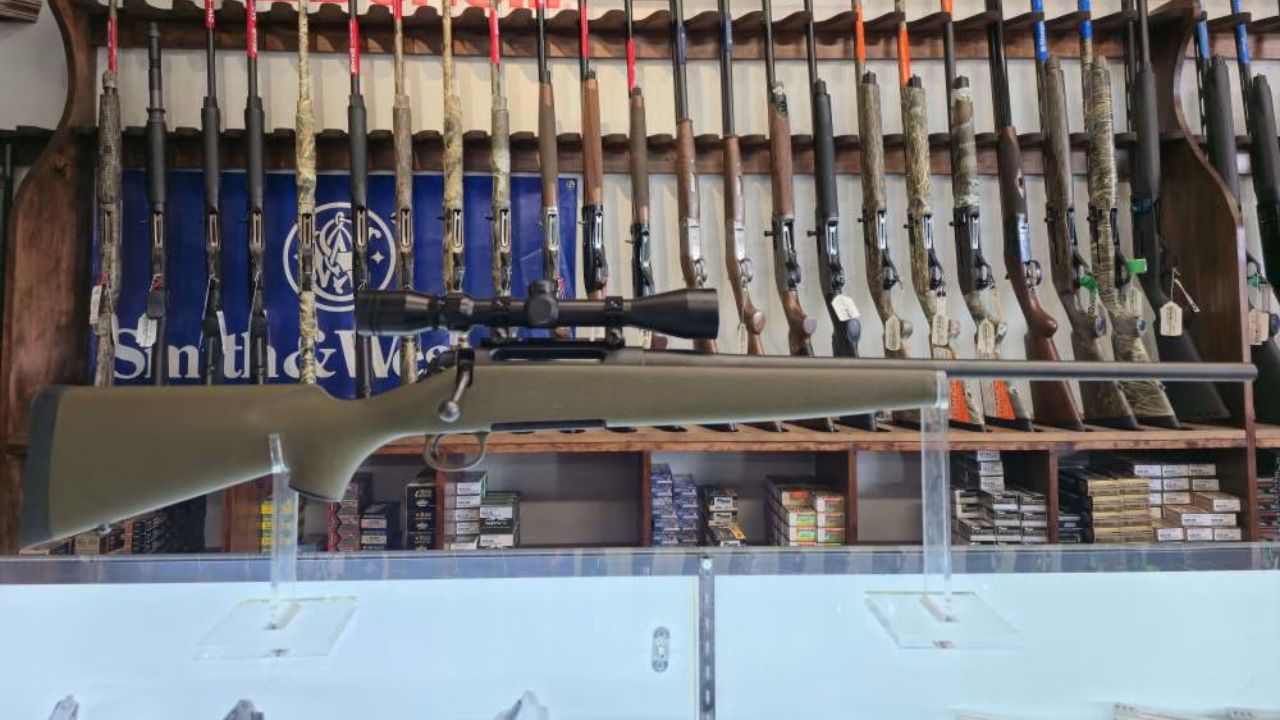
The Remington 710 had the same problem as the 770. It looked affordable as a scoped hunting package, but the rifle felt like too many compromises stacked together. Rough action, cheap stock feel, and limited long-term appeal made it hard to defend.
Some hunters bought them, sighted them in, and killed deer. That does not make it a smart buy today. If you are spending money on a rifle you want to keep, the 710 gives you very little reason to choose it over better used rifles in the same price range.
Mossberg 4×4

The Mossberg 4×4 tried to stand out, but that did not make it a better rifle. The styling was awkward to many hunters, the handling could feel bulky, and the platform never built the kind of reputation that makes used buyers comfortable.
That matters when money is involved. If a rifle does not shoot dramatically better, handle better, or hold value better than the competition, you are paying for something you may struggle to love later. The 4×4 can work, but there are too many stronger choices to make it feel like a smart purchase.
Mossberg 100 ATR
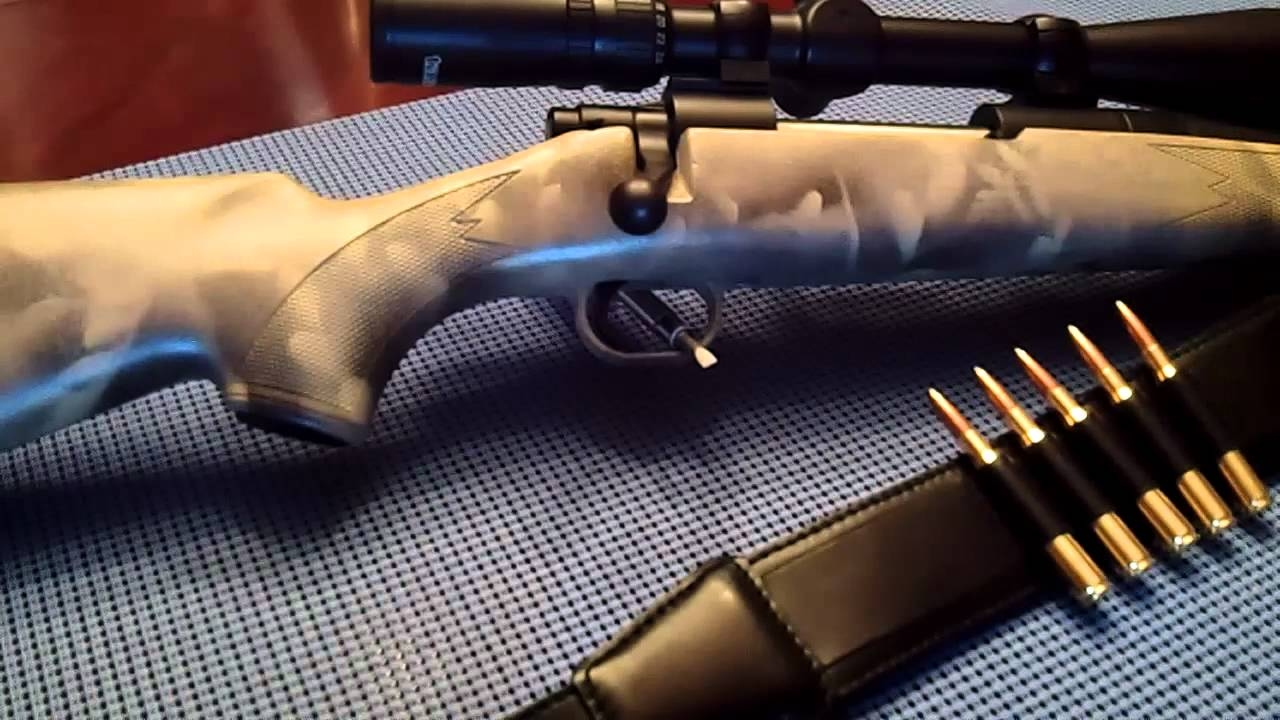
The Mossberg 100 ATR was another budget bolt-action that never quite made a strong case for itself. Some examples shot fine, but the overall feel and long-term confidence were not on the same level as better budget rifles that came later.
Buying one now usually only makes sense if the price is very low and you can test it first. Otherwise, you are spending money on a rifle with limited appeal, limited support, and no real advantage over a used Savage, Ruger, or Weatherby Vanguard. Cheap is not always value.
Remington 783

The Remington 783 is not as rough as the 710 or 770, but it still lives in a crowded space where better options exist. It can shoot well, but the rifle often feels like a price-point gun instead of something you will be proud to keep.
That is the issue. When rifles like the Ruger American, Savage 110, Howa 1500, and Weatherby Vanguard exist, the 783 has to do more than be acceptable. Some examples are fine, but as a buy, it often feels like choosing the rifle that was close enough rather than the one you really wanted.
Savage Axis XP

The Savage Axis XP can be a decent starter rifle, but the package versions are where money starts feeling wasted. The rifle may shoot, but the basic stock, heavy-feeling trigger on older models, and cheap bundled scope can make the whole setup feel temporary.
A rifle-and-scope package sounds convenient until you replace the glass, rings, and maybe start wishing the rifle felt better too. At that point, the savings shrink fast. The Axis can work, but the XP package is often the kind of buy hunters outgrow after one season.
Winchester XPR

The Winchester XPR is functional, but it can feel like a letdown if you bought it because of the Winchester name. It does not have Model 70 character, and it does not always feel better than other budget rifles that cost the same or less.
That makes it a questionable use of money. If it shoots well and you got a good deal, fine. But at normal prices, the XPR often feels stuck between practical and forgettable. It works, but “works” is not enough when several rifles in the same lane offer more confidence.
Browning AB3
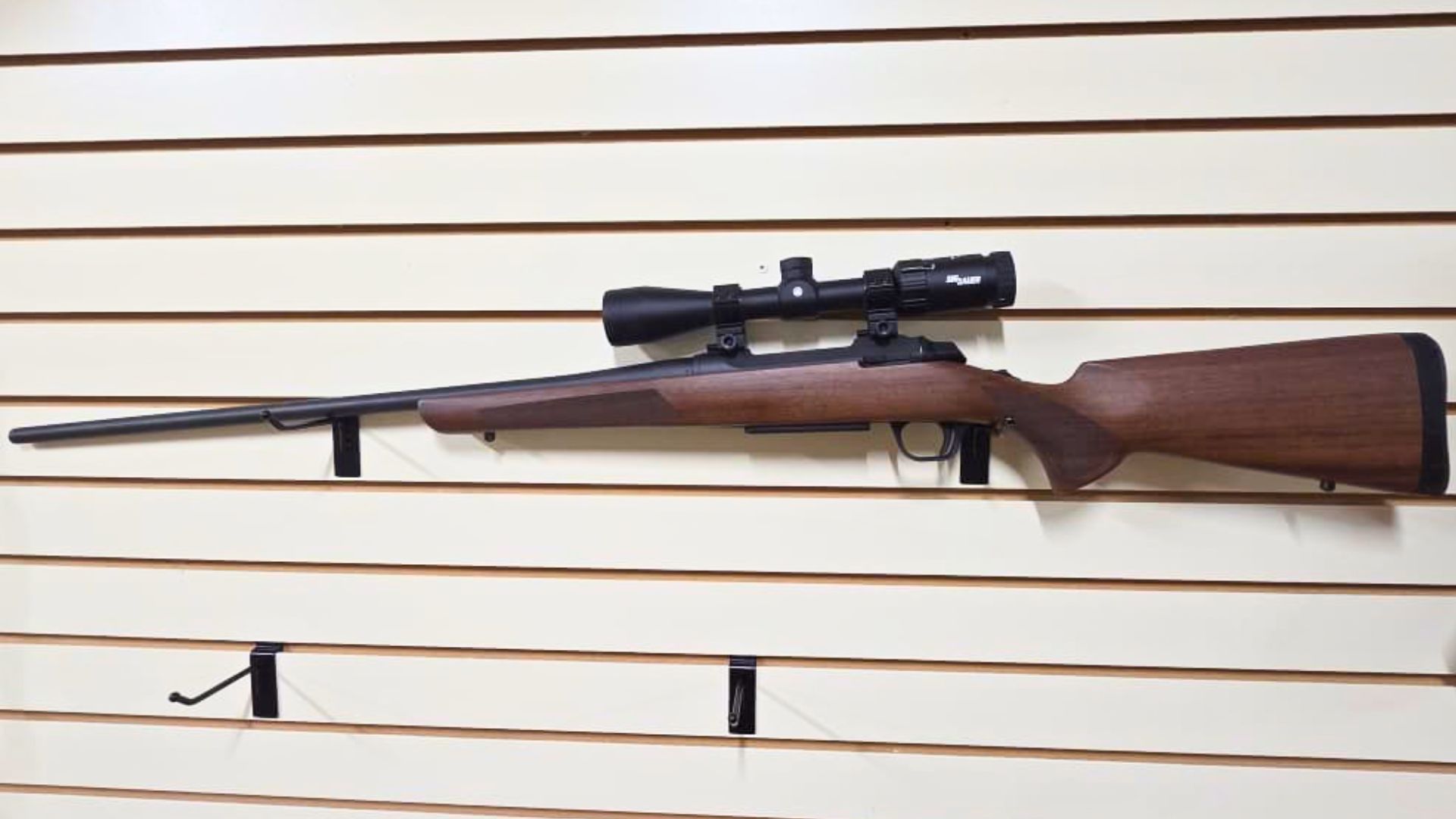
The Browning AB3 can shoot and hunt, but it often feels like you are paying for the Browning name more than the full Browning experience. Compared with the X-Bolt, the AB3 feels more budget-minded in ways that are hard to ignore once you handle both.
That does not make it useless. It just makes it a rifle I would be careful about buying unless the price is right. If you want a Browning, the X-Bolt feels like the better long-term move. If you want a budget rifle, there are cheaper rifles that can do the same job.
Thompson/Center Compass
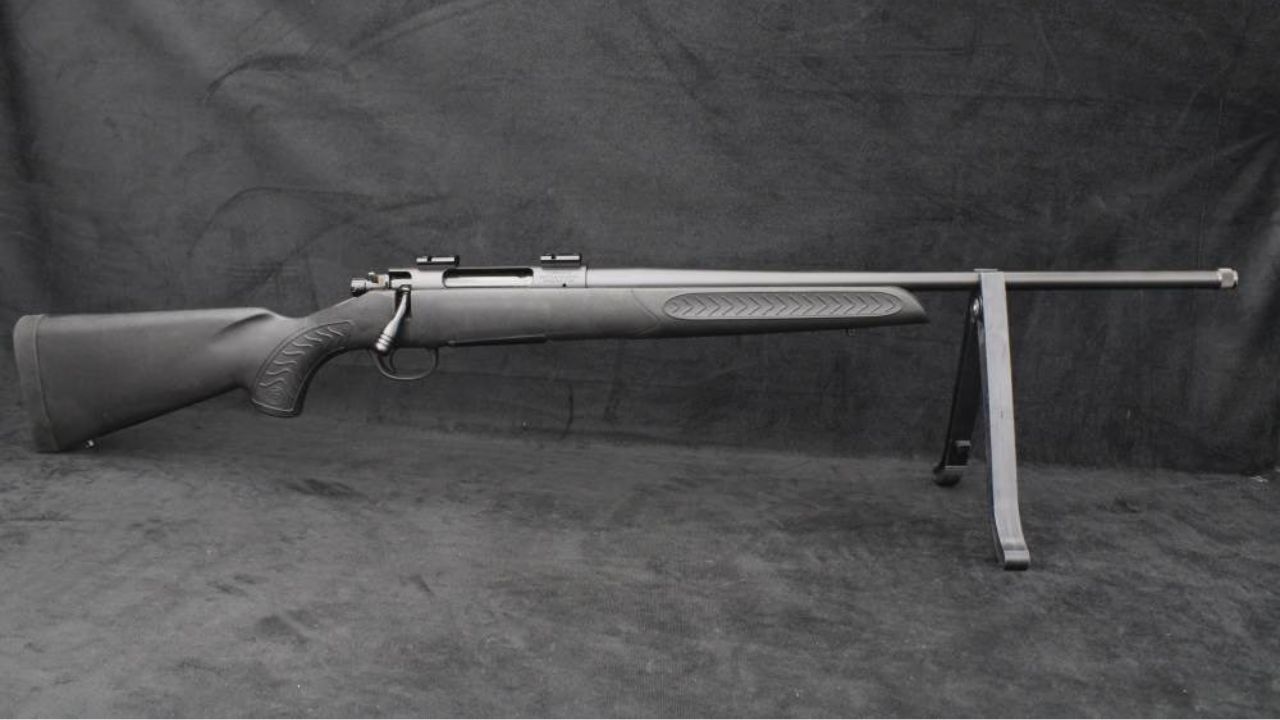
The Thompson/Center Compass attracted buyers with price and accuracy claims, but the rifle itself can feel less satisfying over time. The stock, magazine feel, bolt operation, and overall handling do not always make you feel like your money bought something you will keep for years.
Some shoot well, and that matters. But if a rifle feels awkward every time you load it, carry it, or cycle it, the group size only saves so much. The Compass can be a bargain for the right person, but it can also become a rifle you start trying to replace fast.
Thompson/Center Venture

The Thompson/Center Venture had a better feel than some bargain rifles, but it never became the obvious answer in its price range. That hurts it as a buy, especially now that long-term parts support and platform future matter more than they used to.
A good Venture can still hunt. The problem is whether it is the best place to put your money today. With so many proven bolt rifles available used and new, the Venture feels like one of those purchases that needs a very good price to make sense.
Marlin X7
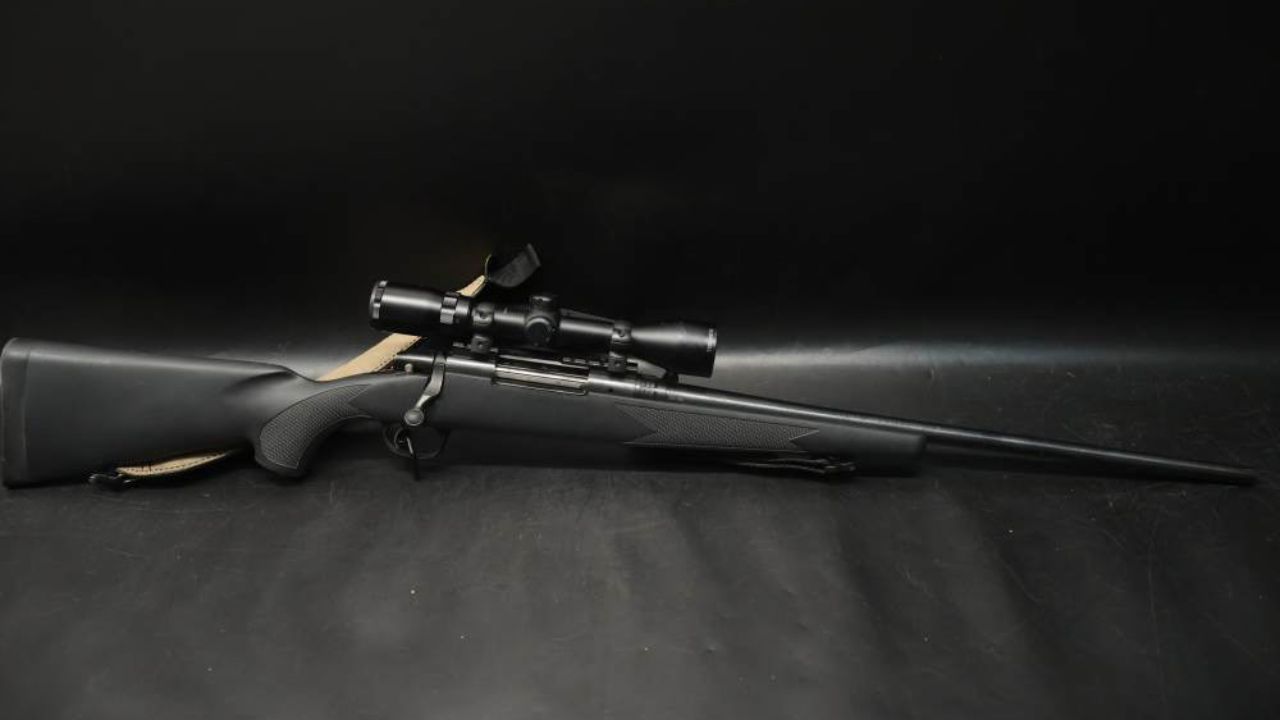
The Marlin X7 was one of those rifles that could shoot surprisingly well but never got the long run needed to become a trusted standard. That makes it risky as a money decision, especially if you care about parts, magazines, stocks, and long-term support.
If you already own one that shoots, there is no reason to panic. But buying one now is different. A discontinued budget rifle has to be cheap enough to offset the support problem. Otherwise, you are paying for accuracy potential while accepting headaches that better-supported rifles avoid.
Sauer 100

The Sauer 100 carries a respected European name, and that can make buyers expect more than the rifle always delivers. It can shoot well, but the overall package may feel more ordinary than the branding suggests, especially when compared with strong rifles at lower prices.
That is where the money question comes in. If a rifle costs enough to raise your expectations, it needs to clearly beat cheaper options. For some hunters, the Sauer 100 will. For others, it feels like paying extra for a name while a Tikka, Howa, or Bergara offers more confidence.
Mauser M18

The Mauser M18 has the same expectation problem. The Mauser name carries real weight, but the M18 is a modern budget-oriented hunting rifle, not an old controlled-feed classic. If you buy it expecting romance, refinement, or heirloom character, disappointment can show up fast.
As a working rifle, it can make sense at the right price. But as a money decision, you need to judge the rifle in your hands, not the history behind the logo. If it does not feel better than competing budget rifles, the famous name is not enough.
Benelli R1

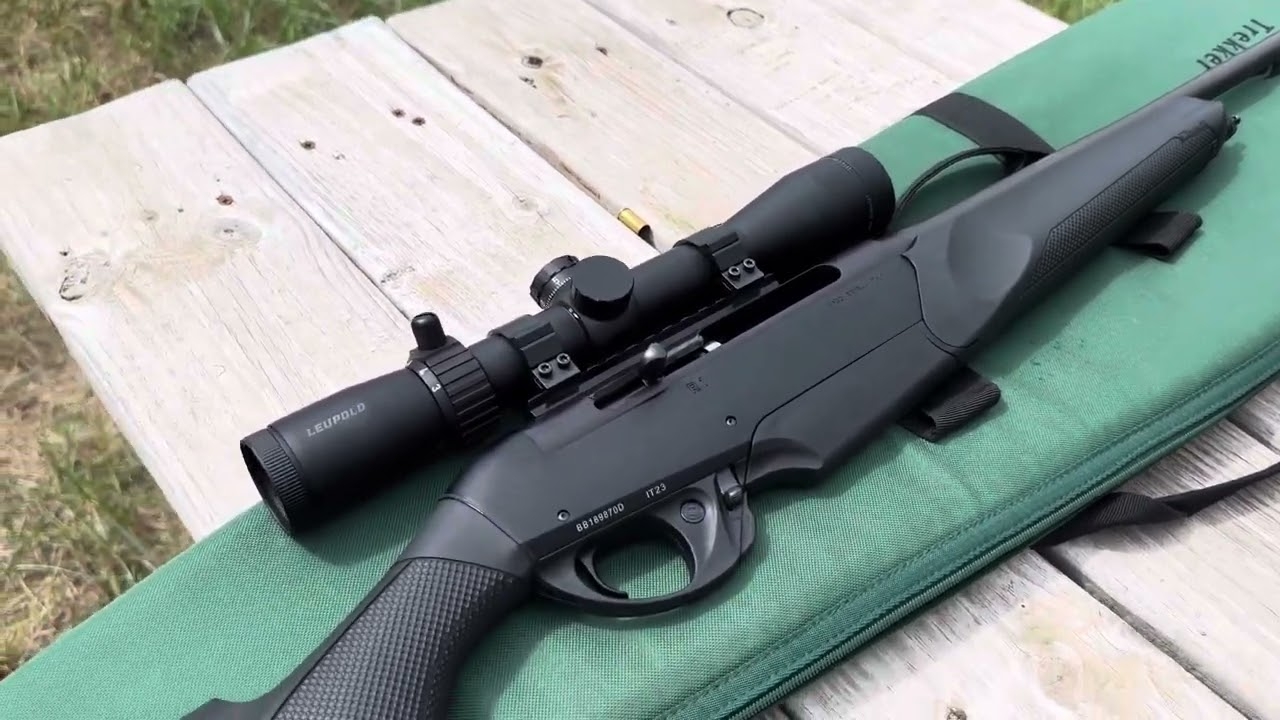
The Benelli R1 is not cheap, and that makes its shortcomings harder to forgive. Semi-auto hunting rifles already ask you to accept more complexity than a bolt gun, so they need to deliver clear benefits. If accuracy is only decent or the rifle is picky, the value gets shaky.
The R1 can be useful for the right hunter, especially someone who wants quick follow-ups. But for the money, many hunters would be better served by a high-quality bolt rifle with better glass. A costly rifle that still makes you question first-shot confidence is hard to defend.
Ruger No. 1
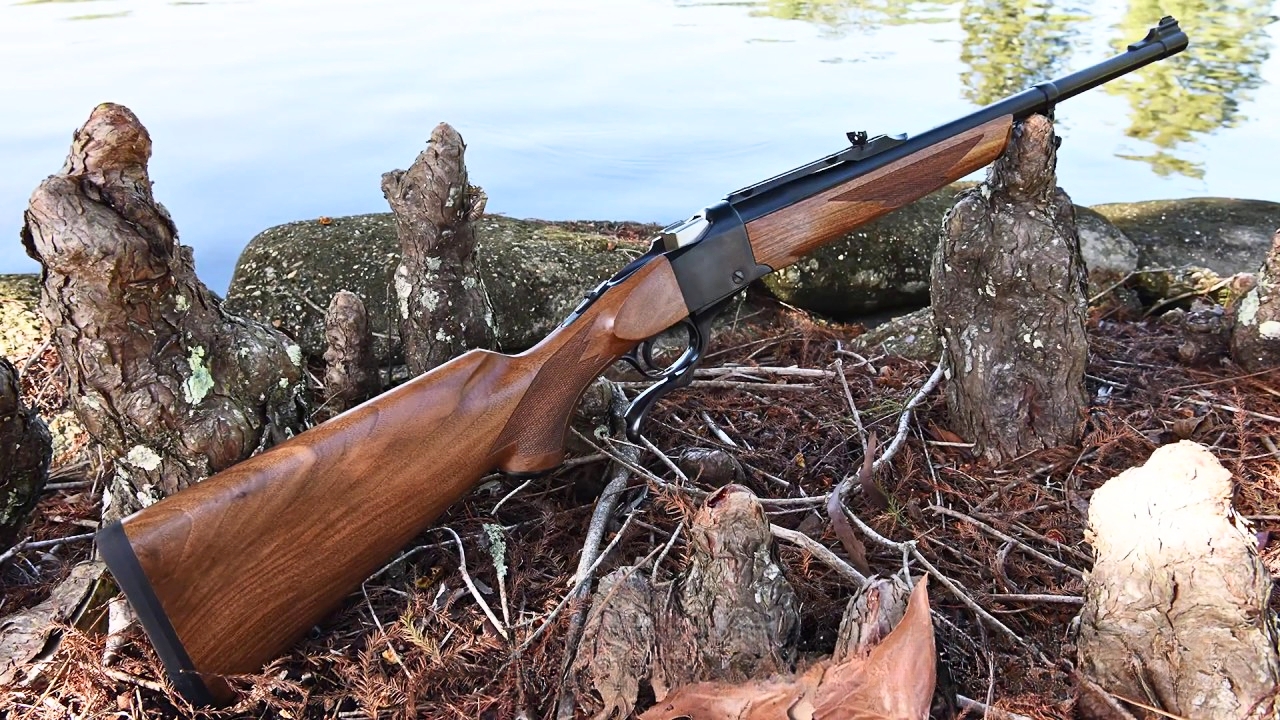
The Ruger No. 1 is beautiful, interesting, and full of character. It can also be a poor use of money if you are buying purely for hunting practicality. Single-shot rifles ask more from the shooter, and some examples can be picky about accuracy.
Collectors and traditionalists may still love them, and that is fair. But if you want the most practical hunting rifle for the dollar, the No. 1 is hard to justify. You are paying for charm, build, and uniqueness more than field efficiency. That may be worth it emotionally, but not always practically.
Like The Avid Outdoorsman’s content? Be sure to follow us.
Here’s more from us: