Photo credit: Brass Willy/YouTube
A lot of hunters spent the last decade chasing lighter, faster, more modular rifles. Then a funny thing happened. Plenty of them circled right back to the stuff their dads and granddads carried, not out of nostalgia, but because those rifles keep solving real hunting problems. They carry well in the hand, they balance like they were meant to be shot offhand, and they tend to run without drama when the weather turns ugly.
The comeback is also practical. Wood-and-steel classics are easy to live with, easy to maintain, and easy to shoot well when you’re bundled up, tired, and trying to make one clean shot count. You’re seeing more hunters choose rifles that feel familiar, feed smoothly, and point naturally, even if they don’t look like they belong on a social media ad.
Winchester Model 70

You keep seeing the Model 70 come back because it feels like a hunting rifle the moment you pick it up. The stock geometry works with your shoulder instead of against it, and the action cycles with a smooth, deliberate feel that rewards calm shooting. When the woods are tight and you’re moving more than you’re glassing, that kind of balance matters more than spec-sheet bragging.
You also get a rifle that’s easy to trust in rough conditions, especially in the controlled-round-feed versions that guide the cartridge into the chamber with authority. It carries well slung, it settles steady on shooting sticks, and it makes a clean first shot feel natural. When you want one rifle that still feels right season after season, the Model 70 keeps earning its way back into camps.
Remington Model 700

The Model 700 keeps returning because it does the basics well and doesn’t fight you in the field. It shoulders fast, shoots accurately in a wide range of setups, and has a long track record on deer, elk, and everything in between. A good 700 with a sane scope and solid mounts is still one of the easiest ways to end up with a rifle you can shoot confidently.
Part of the comeback is familiarity. You can find parts, mounts, and support almost anywhere, and plenty of hunters already know how the bolt lift feels and where the safety sits without thinking. Older wood-stock versions also hit a sweet spot in weight and handling. You get a rifle that carries like a hunting tool, not a benchrest project.
Ruger M77

The Ruger M77 comes back because it’s built like it expects hard use. The action feels stout, the bottom metal and magazine system are practical, and the rifle tends to hold up to the kind of bumps and scrapes that come with real seasons, not range days. You see them riding in trucks, leaning in corners, and still showing up ready when daylight breaks.
Hunters also like how the M77 handles with gloves and cold hands. The controls are straightforward, and the rifle points well offhand, which matters when you don’t have time to build the perfect rest. The older tang-safety rifles have a following for a reason, and even the later versions carry that same Ruger personality. It’s a rifle you can run hard without babying it.
Savage Model 99

The Savage 99 is making a comeback because it offers something modern hunters forgot they missed: a lever gun that can still feel like a serious rifle at distance. The action is fast, the handling is lively, and the rifle carries flat against your body in thick cover. When you’re slipping through timber or climbing into a stand, that shape and balance can matter more than raw velocity.
You also get a rifle with real history and real capability. Many 99s were chambered in cartridges that have filled freezers for generations, and the guns tend to shoot better than people expect when the bores are healthy. The 99 isn’t a wall-hanger to the folks bringing it back. It’s a practical answer for hunters who want speed, carry comfort, and a rifle that feels alive in the hands.
Winchester Model 94

The Model 94 keeps coming back because it still fits the way a lot of deer hunting actually happens. You’re moving through brush, slipping along edges, and taking quick shots inside normal woods distances. A 94 carries like a walking stick, mounts fast, and makes it easy to stay on target when a buck appears for a short window.
You also get a rifle that’s easy to live with. It rides in a scabbard, it sits behind a truck seat, and it doesn’t demand constant fussing. With decent ammo and a shooter who knows the limits, it remains a clean-killing tool. Plenty of hunters are tired of hauling long, heavy rigs through tight cover. The 94 feels like relief in your hands, and that’s why it keeps returning.
Marlin 336

The Marlin 336 is making a comeback because it’s one of the easiest rifles to shoot well when the woods get thick and the pace gets fast. The side-eject design plays nicely with optics if you want one, but it still feels right with irons too. The rifle balances between your hands, and it cycles with a smoothness that encourages quick follow-up shots without rushing.
A 336 also carries confidence. It has a long record on whitetails and black bears, and it hits with authority inside the ranges most hunters should be shooting in timber anyway. Hunters who grew up around them are bringing them back, and younger hunters are discovering why so many camps had one leaning by the door. It’s a practical rifle that doesn’t need changing to work.
Browning BAR

The Browning BAR comes back because it gives you fast second-shot capability in a package that still feels like a hunting rifle, not a range toy. The weight and gas system take some sting out of recoil, which helps you stay on target and make better hits under pressure. In real hunting moments, that matters more than shaving ounces.
You also get a rifle that has proven itself for decades in deer camps and elk country. A BAR carries steady, shoots comfortably, and runs reliably when it’s kept clean and fed good ammo. Hunters who want semi-auto speed without giving up traditional handling keep circling back. It’s especially appealing for those who hunt in thicker cover or from blinds, where fast follow-ups can turn a rough situation into a clean, ethical finish.
Remington 7600

The Remington 7600 is making a comeback because a pump rifle still makes a lot of sense in the real world. It’s quick to run, easy to keep your cheek on the stock, and familiar to anyone who grew up shooting pump shotguns. That familiarity turns into speed when you’re trying to stay calm and run the gun without lifting your head.
The 7600 also shines in thick cover and on drive-style hunts, where quick shots and quick follow-ups are part of the deal. It points naturally, carries well, and tends to be accurate enough for practical hunting distances with the right load. Hunters are rediscovering that a pump rifle can be both fast and controlled. It’s not trendy, but it keeps filling tags, and that’s why it’s back in the conversation.
Ruger No. 1

The Ruger No. 1 comes back because it forces you to hunt with intention, and a lot of experienced hunters like that. A single shot changes your mindset. You slow down, pick your angles, and make the first shot count. The rifle is also compact for its barrel length, which makes it easier to carry through brush and climb with in rough country.
It’s also a rifle that often shoots better than people expect once you find what it likes. The design is strong, the lines are classic, and the balance can feel excellent in the hands. Hunters bring them back for deer, for elk, and for the satisfaction of doing it clean with one round. When you want a rifle that feels personal and purposeful, the No. 1 keeps drawing people in.
Springfield 1903 Sporter
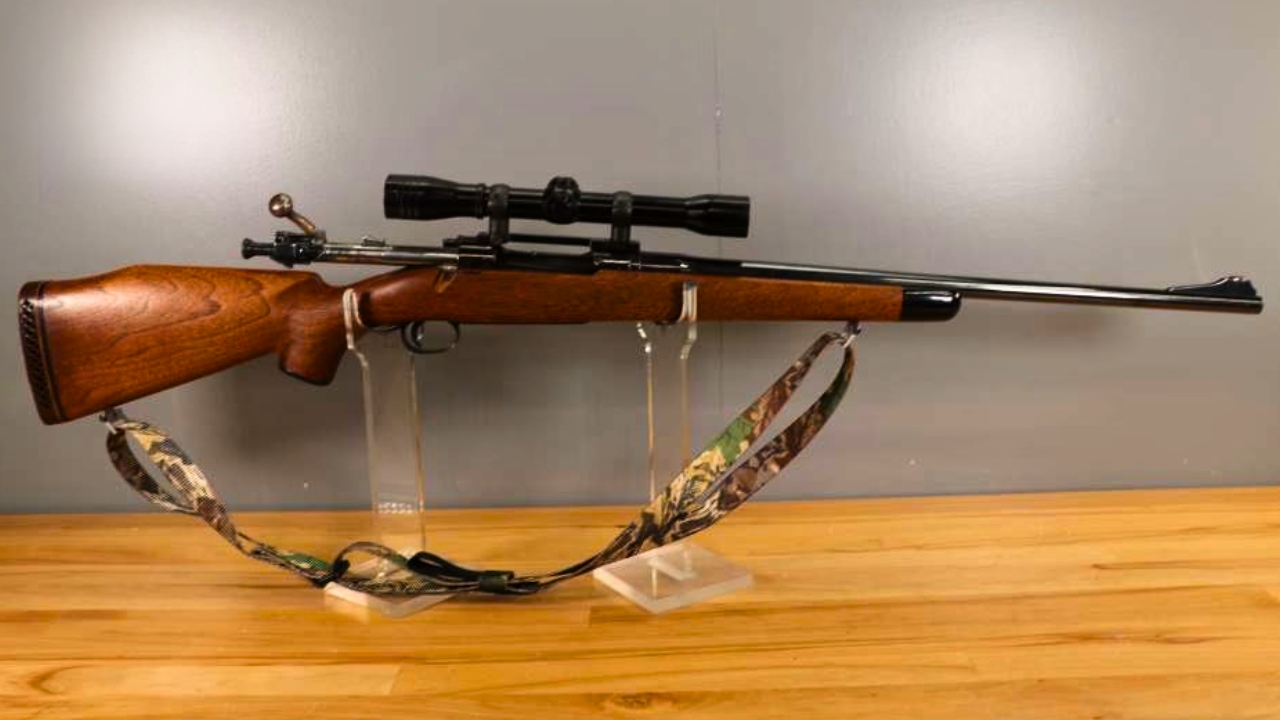
Sportered 1903 Springfields are making a comeback because they were built in an era when steel and workmanship mattered, and you can feel it. The action has a solid, mechanical confidence that modern bargain rifles rarely match. Many of these rifles were carried hard, then parked for years, and now they’re being put back to work by hunters who appreciate tools with real history.
When the barrel and bedding are right, they can still shoot plenty well for hunting. The rifles also tend to balance nicely, especially compared to some modern rigs that feel muzzle-heavy with big optics and accessories. Hunters who want a rifle with character, and who enjoy running a controlled-feed bolt, are rediscovering the 1903 as more than a collector piece. It’s a legit hunting rifle when treated that way.
Mauser 98 Sporter

The Mauser 98 sporter keeps coming back because controlled-feed reliability is hard to beat when conditions are ugly. The action design has influenced countless rifles for a reason. It feeds with authority, extracts with confidence, and keeps running when your hands are cold and you’re moving fast. Hunters who spend time in steep country or rough weather appreciate gear that does not get finicky.
A good Mauser sporter also carries well. Many were stocked to hunt, not to sit on a bench, and that makes them feel natural offhand. You’re seeing more hunters pick them up, clean them up, and hunt them again because the core design still holds up. The appeal isn’t fashion. It’s the comfort of knowing the rifle will chamber the next round the same way every time.
Savage 110

The Savage 110 is coming back because it has always been a working hunter’s rifle, and more people are valuing that again. It’s accurate in a lot of rifles, it’s easy to set up with practical optics, and it tends to hold zero through normal hunting abuse. It’s not a “look at me” rifle, which is part of why it keeps returning when hunters get tired of chasing appearances.
Older 110s also bring a certain honest feel. They’re often lighter than modern heavy-barrel setups, and they carry well for a full day. Hunters who grew up around them remember how many deer they accounted for, and newer hunters like that they can buy one used, set it up right, and go hunt without drama. The 110 keeps proving that results beat fashion.
Weatherby Mark V
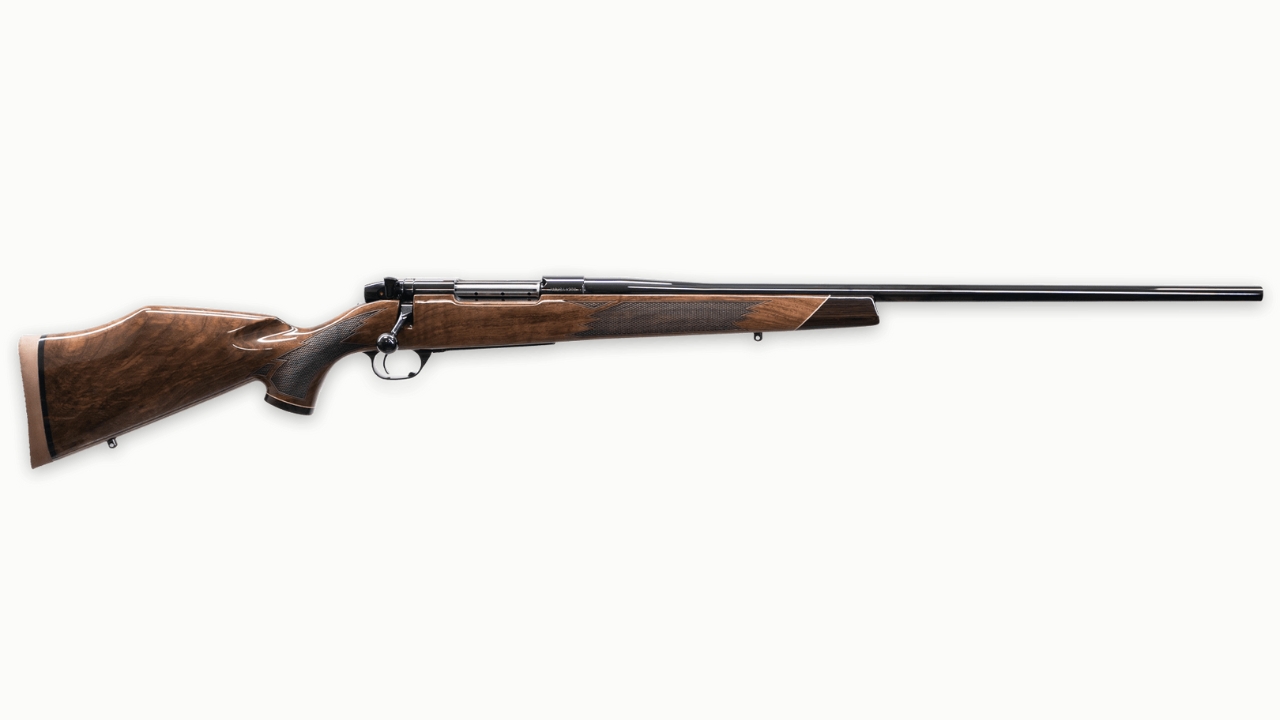
The Weatherby Mark V comes back because it represents a kind of confidence hunters still respect. The action is strong, the rifles often have a crisp feel when they’re set up well, and they’re tied to a tradition of open-country hunting where longer shots can happen. When you spend time glassing big country, you start valuing rifles that shoot flat, carry energy, and track well in the shoulder.
The Mark V also scratches the itch for a classic hunting rifle that still feels special without needing add-ons. A well-kept older Mark V has a presence, and plenty of them shoot very well with the right load. Hunters are returning to them because they want a rifle that feels like a serious tool and a serious purchase. It’s a throwback that still performs.
CZ 550
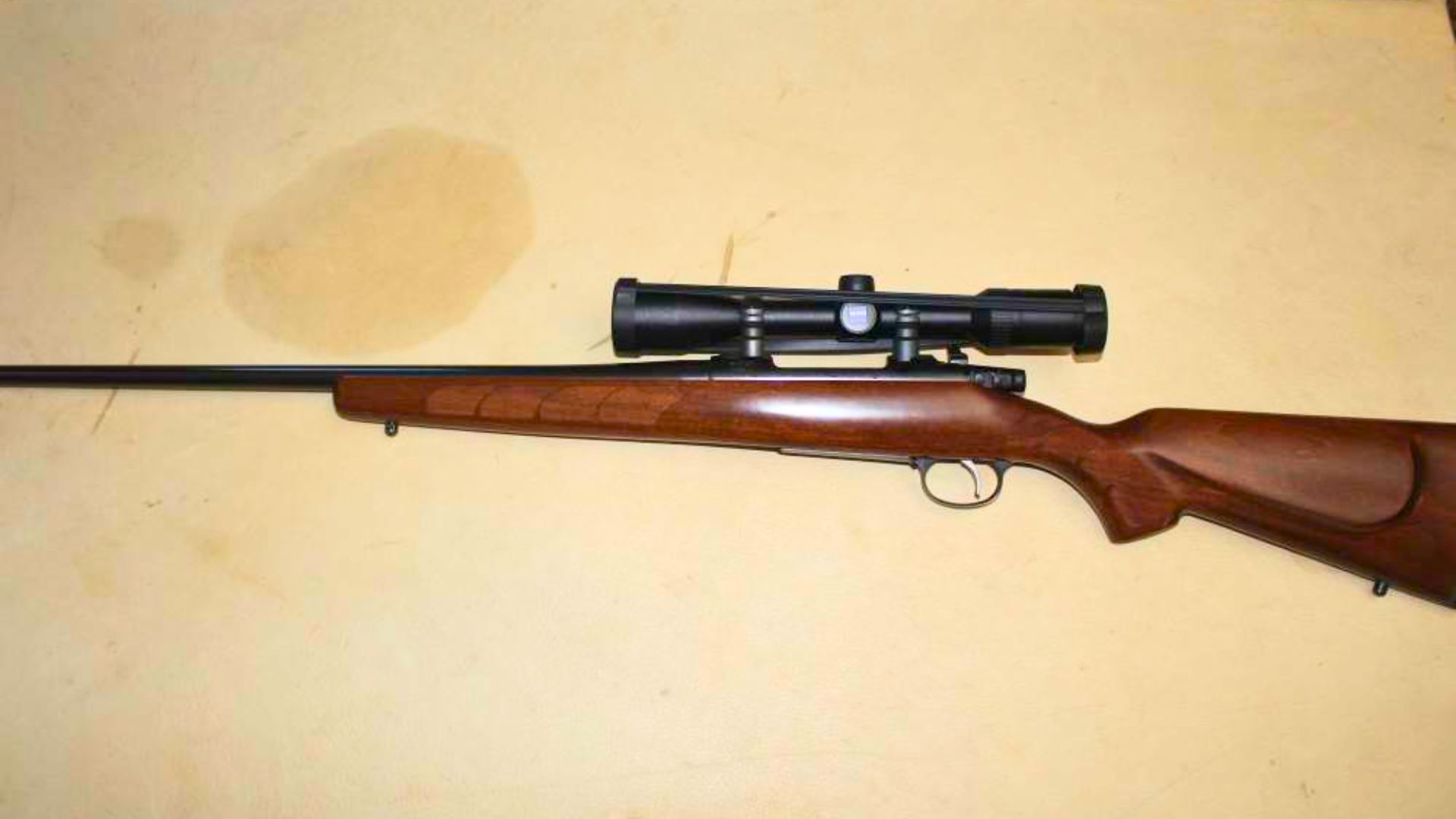
The CZ 550 is making a comeback because it offers old-world features that many hunters still prefer, especially controlled-round feed and a traditional feel in the hands. The rifles tend to balance well, the actions feel substantial, and the stocks often have the kind of shape that makes offhand shooting feel steady. It’s a rifle that encourages practical field accuracy, not benchrest posturing.
Hunters are also drawn to how these rifles behave under real use. They’re typically built to run, and they have a reputation for feeding and extracting reliably. A lot of hunters are getting back into wood-stock rifles that feel like hunting rifles, and the 550 fits that lane perfectly. When you want a rifle with classic handling and a serious action design, the CZ keeps getting pulled back into the field.
Remington 742 Woodsmaster

The Remington 742 Woodsmaster is coming back because plenty of hunters remember what it did well: fast follow-up shots in the deer woods with a familiar, comfortable feel. It’s the kind of rifle that lived in pickups and cabins, then got passed down and parked, and now it’s getting carried again because it still fits the way many people hunt in thick cover.
The key is treating it like the rifle it is. A clean 742 with proper maintenance and good ammo can be a reliable woods rifle for practical distances. Hunters are bringing them back because they like the speed, the balance, and the traditional lines. It also scratches that “dad’s rifle” feeling without turning into a museum piece. When you hunt in timber and value quick cycling, the 742 still has a place.
Lee–Enfield No. 4 Sporter
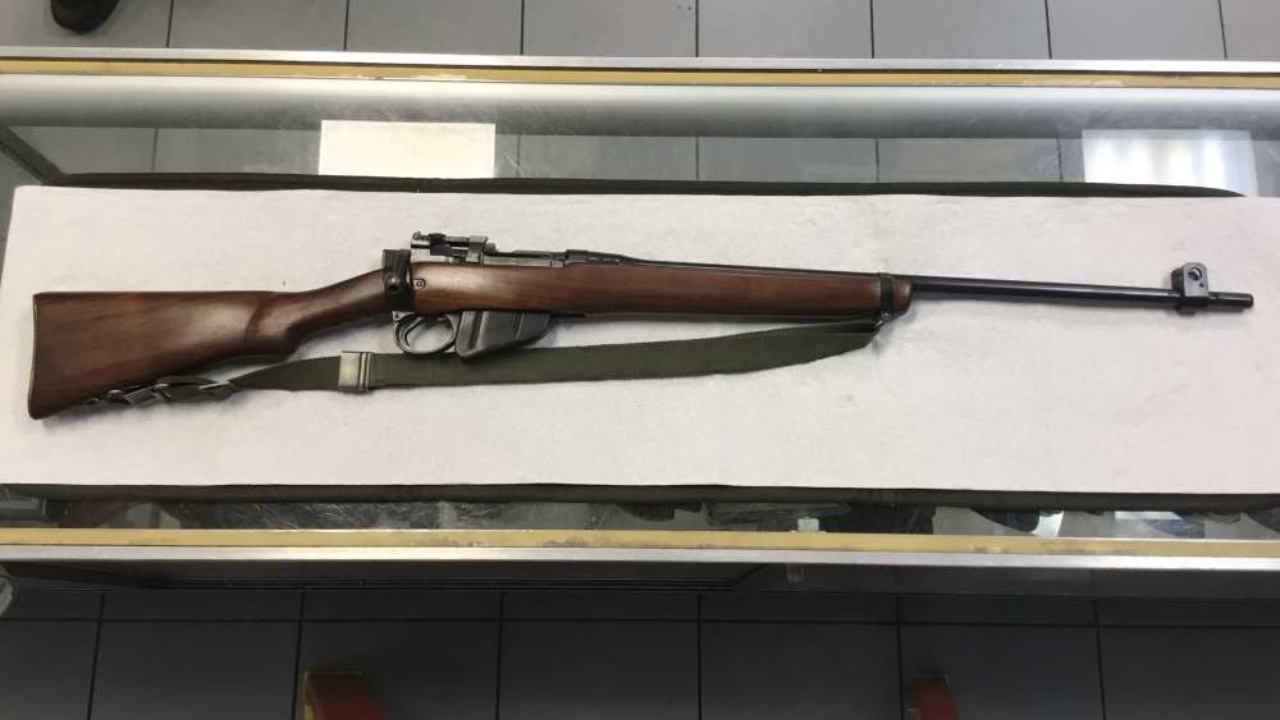
The Lee–Enfield No. 4 sporter comes back because the action is fast, the rifle points naturally, and it carries history without being fragile. The bolt throw and smooth cycling make it easy to stay in the scope and run the gun quickly. In real hunting, that speed can matter when an animal steps out and keeps moving.
Many of these rifles were converted into hunting guns decades ago, and the best ones still function as solid, practical rifles today. With a healthy barrel and a sensible setup, they can shoot well enough for deer-sized game inside normal ranges. Hunters bring them back because they like the feel, the story, and the way they handle in the woods. It’s an old design that still works when the goal is meat, not attention.
Like The Avid Outdoorsman’s content? Be sure to follow us.
Here’s more from us: