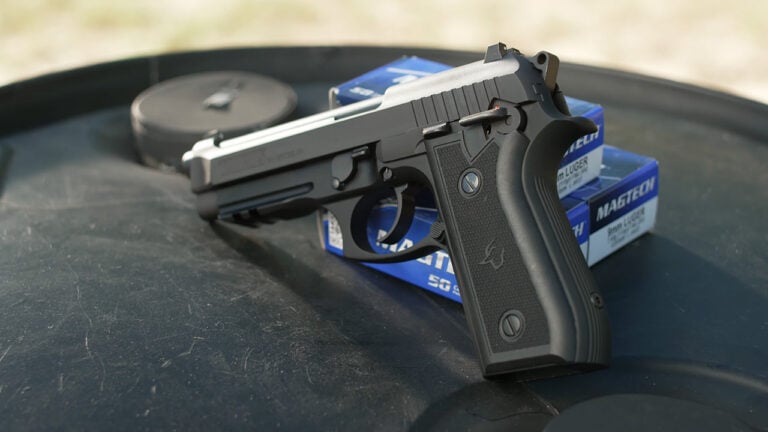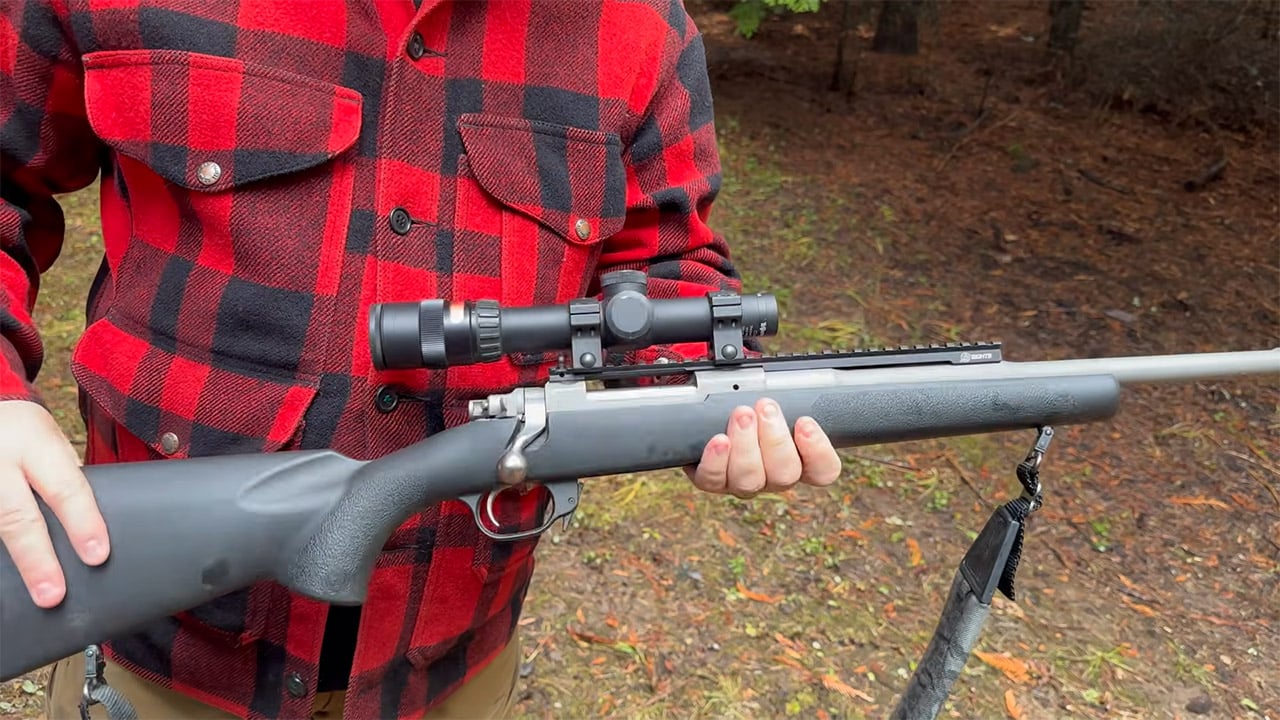
Photo credit: TheGearTester/Youtube
Most rifles don’t actually ruin a hunting season by being inaccurate. Most of them will shoot better than we do from field positions, especially once you quit bench-racing and start practicing off sticks, a pack, or a tree. The season-ender is usually smaller and meaner: the one failure that happens once, at the worst time, and turns a clean shot into a long night, a missed opportunity, or a tag you never fill.
I’m talking about rifles that do almost everything right—carry well, shoot tight groups, feed slick, and feel good in the hands—but have a known “one thing” that shows up when the weather turns, the adrenaline spikes, or the gun takes a bump getting in the truck. Sometimes it’s a magazine issue. Sometimes it’s an extraction problem with certain brass. Sometimes it’s a safety, a stock, or a trigger that changes personalities when cold and wet. Here are 20 that can be awesome rifles, but each has a specific weak point you ought to understand before you bet your season on it.
1. Remington 700 (X-Mark Pro era)
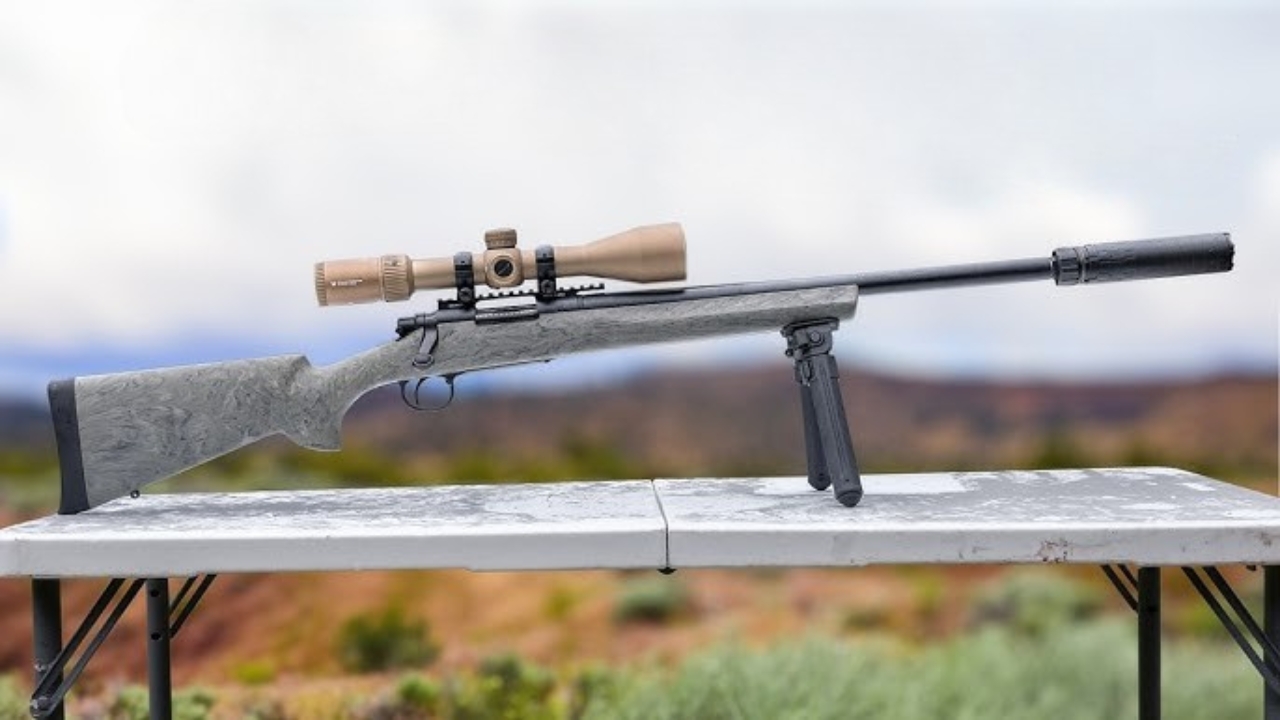
The Model 700 has probably filled more freezers than any rifle in North America, and that’s not internet lore. It points naturally, it’s easy to scope, and the aftermarket is endless. A good 700 is hard not to like.
The problem is certain X-Mark Pro triggers had enough complaints over the years that plenty of hunters lost confidence in them. Even when a rifle isn’t “doing anything wrong,” a trigger that doesn’t feel consistent—or a safety/trigger system that makes you nervous—will mess with your head in November. If you’re running one, keep it clean, confirm function before season, and if anything feels off, get it checked by a competent gunsmith instead of “hoping it’s fine.”
2. Ruger American Rifle (rotary magazine fit)

The Ruger American is one of the best values going for a no-nonsense deer rifle. They usually shoot better than their price suggests, and they’re light enough to actually carry all day without whining about it.
The Achilles’ heel can be magazine fit and latch engagement. If the mag isn’t fully seated, or the latch is worn, you can get a failure to feed at exactly the wrong moment—especially from awkward positions where you’re loading quietly in the dark. It’s not glamorous advice, but mark your mags, test them, and make sure they lock in positively with gloves on.
3. Savage Axis (magazine and bottom metal quirks)
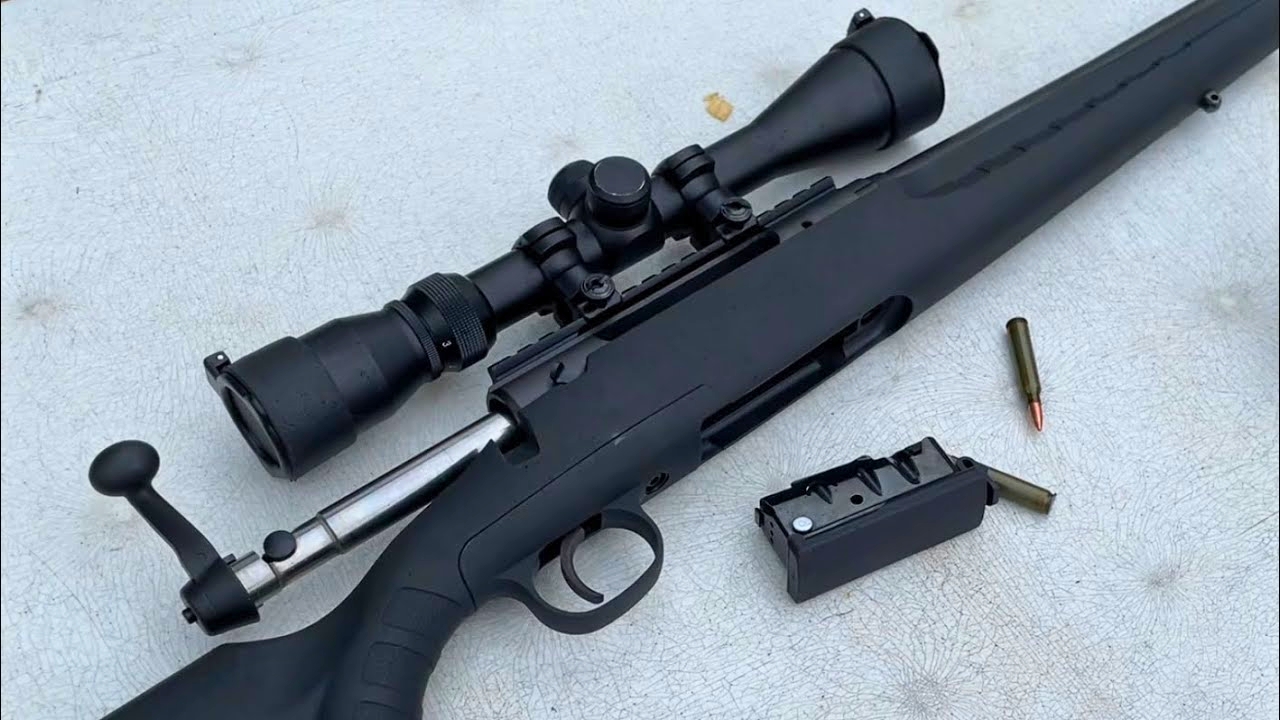
An Axis that likes a load can flat-out shoot, and the AccuTrigger versions are generally better than they “should” be for the money. For a stand rifle or a budget backup, it makes sense.
Where they can bite you is the detachable magazine system on certain variants. If you bump it while still-hunting, or the feed lips get tweaked, it can nose-dive a round. That’s the kind of malfunction that makes you stare at a buck’s tail while you’re working the bolt like a sewing machine.
4. Tikka T3x (polymer magazine in the real world)

Tikkas are smooth. Like, “why doesn’t every bolt feel like this?” smooth. Accuracy is usually boringly good, and they carry light without feeling like a toy.
The thing that costs seasons is losing or damaging the polymer magazine at the worst time. They’re reliable, but they’re also not the kind of mag you replace at every rural hardware store. If you hunt hard, carry a spare in your pack, and don’t treat the mag like it’s indestructible.
5. Browning X-Bolt (magazine availability and latch feel)

The X-Bolt is a classy, practical hunting rifle that shoulders fast and balances well. A lot of them shoot excellent groups with factory ammo, and the fit/finish is usually on point.
The season-ruiner is usually not the rifle, but the proprietary magazine. Misplace it, crack it, or have the latch get mushy, and suddenly you’re dead in the water. If you run an X-Bolt, do yourself a favor and own at least one extra mag before the week you need it.
6. Winchester XPR (stiff bolt lift when dirty or dry)

The XPR doesn’t get the love it should, because it’s not flashy. But it’s a straightforward hunting rifle that can stack bullets close enough for any ethical deer shot inside normal ranges.
One complaint that pops up is bolt lift and cycling feel when the gun is dry, dusty, or has a little grit in it. Most of the time it’s fine—until it isn’t. In cold weather with gloves, a sticky cycle can turn a quick follow-up into a fumbled mess. Keep it lightly lubricated with something that won’t gum up, and run it hard on the range, not just gently from a bench.
7. Mossberg Patriot (action feel and feeding under speed)

The Patriot is another budget bolt gun that can surprise you with accuracy. It’s light, it’s handy, and it’s a legitimate “truck to treestand” rifle when you’re not trying to impress anyone.
The weakness is that some examples don’t like being cycled fast. Slow and smooth at the bench is one thing. A hurried second shot after a marginal hit is another. If you own one, practice running the bolt quickly from field positions and make sure the feed is boringly consistent.
8. Kimber Montana (ultralight recoil and shooter-induced misses)
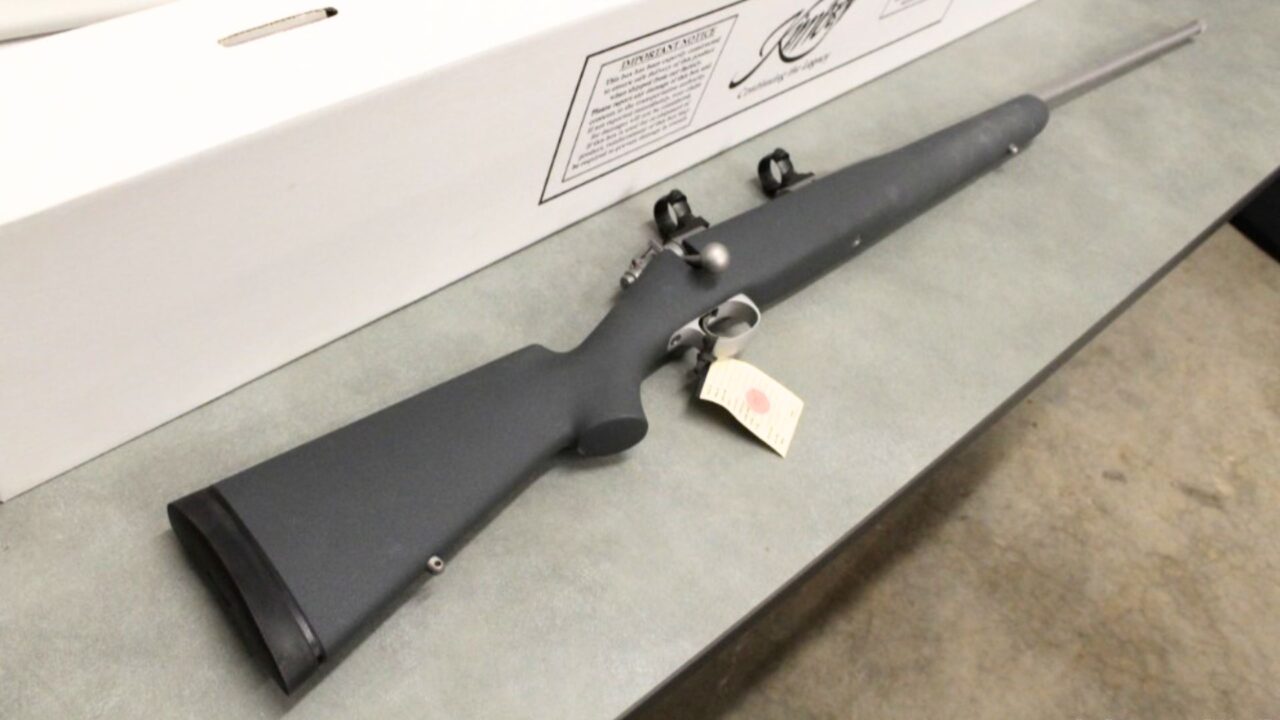
I get why people buy these. They carry like a dream. When you’re climbing ridges all day, ounces matter, and the Montana feels like it disappears on your shoulder.
The one thing that costs tags is the combination of light weight and real hunting cartridges. They can be snappy, and a rifle that punishes you builds a flinch you won’t admit to. If you’re honest with yourself, you’ll either dial the cartridge back, add a good recoil pad, or put in enough practice that the rifle doesn’t own you when a bull steps out.
9. Remington Model 7600 (pump stroke under pressure)

The 7600 is a woods rifle legend for a reason. Fast follow-ups, familiar feel for shotgun hunters, and plenty accurate for thick country ranges.
But pumps can be short-stroked. Ask me how I know. Under adrenaline, a half-pump can leave you with a dead trigger and a buck leaving the county. If you carry a 7600, practice hard, full strokes until it’s muscle memory.
10. Ruger Gunsite Scout (detachable mags and “what are we doing here?”)
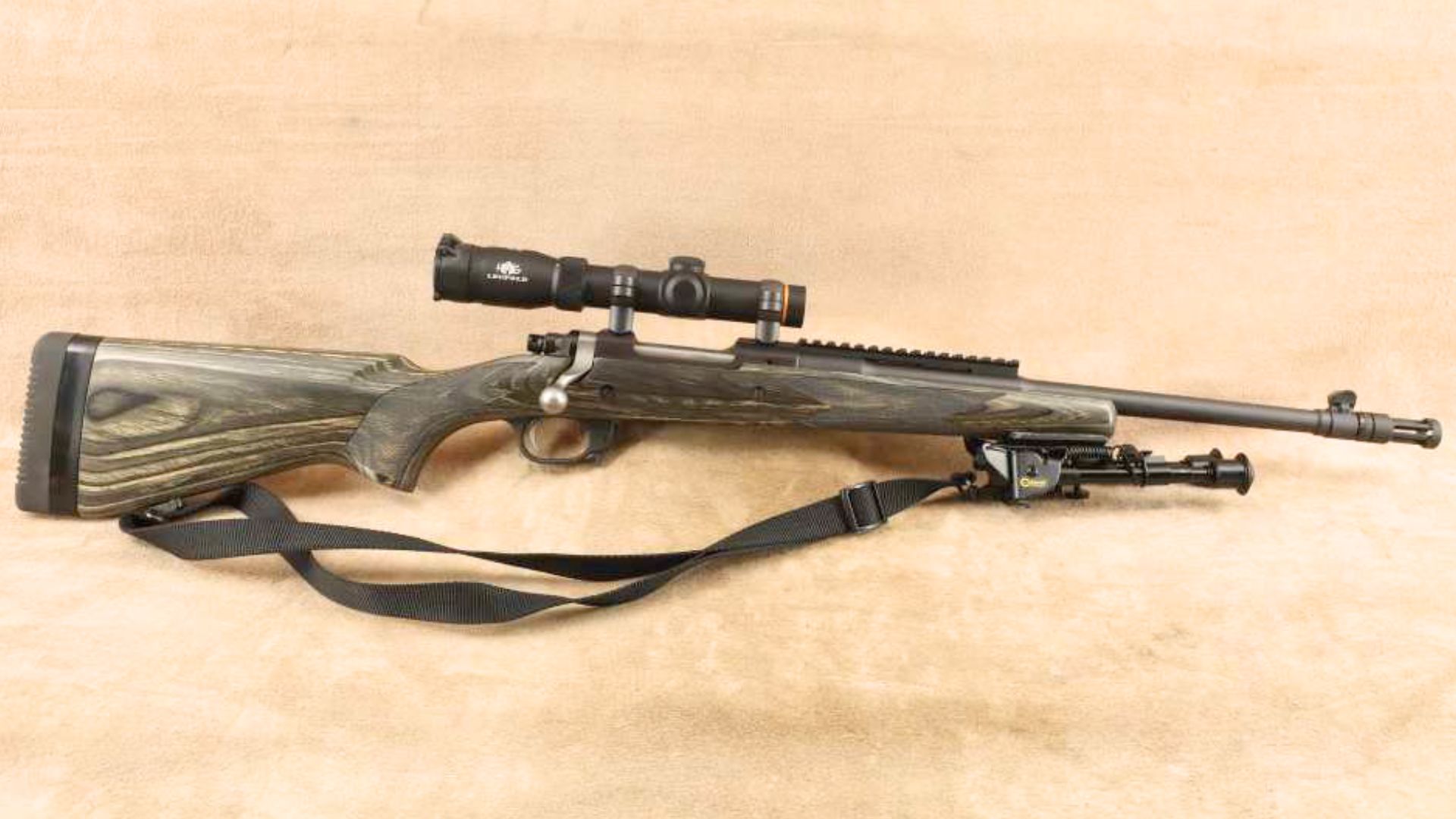
Scout rifles are fun, handy, and they do a lot of things well. The Gunsite Scout especially is sturdy, practical, and accurate enough for real hunting.
The snag is the detachable magazine system and the temptation to “tacticool” the setup into a bunch of gear you don’t need. If the mag isn’t seated, or if you’re using aftermarket mags that aren’t up to snuff, feeding problems show up. Keep it simple, keep the mags proven, and don’t turn a deer rifle into a project right before season.
11. Marlin 1895 (porting, blast, and flinch)

A .45-70 lever gun is a confidence machine in the timber. Big bullets, quick handling, and a lot of authority on game inside its lane. It’s also one of the most fun rifles you can own.
Ported barrels and short guide-gun setups can be brutally loud and sharp. That concussion can build bad habits fast, especially if you do most of your practice off a bench. The miss that costs your season might not be the rifle’s fault at all—it’s your eyes blinking at the shot. Double up ear pro when you practice, and don’t ignore the flinch creeping in.
12. Henry Long Ranger (magazines aren’t everywhere)
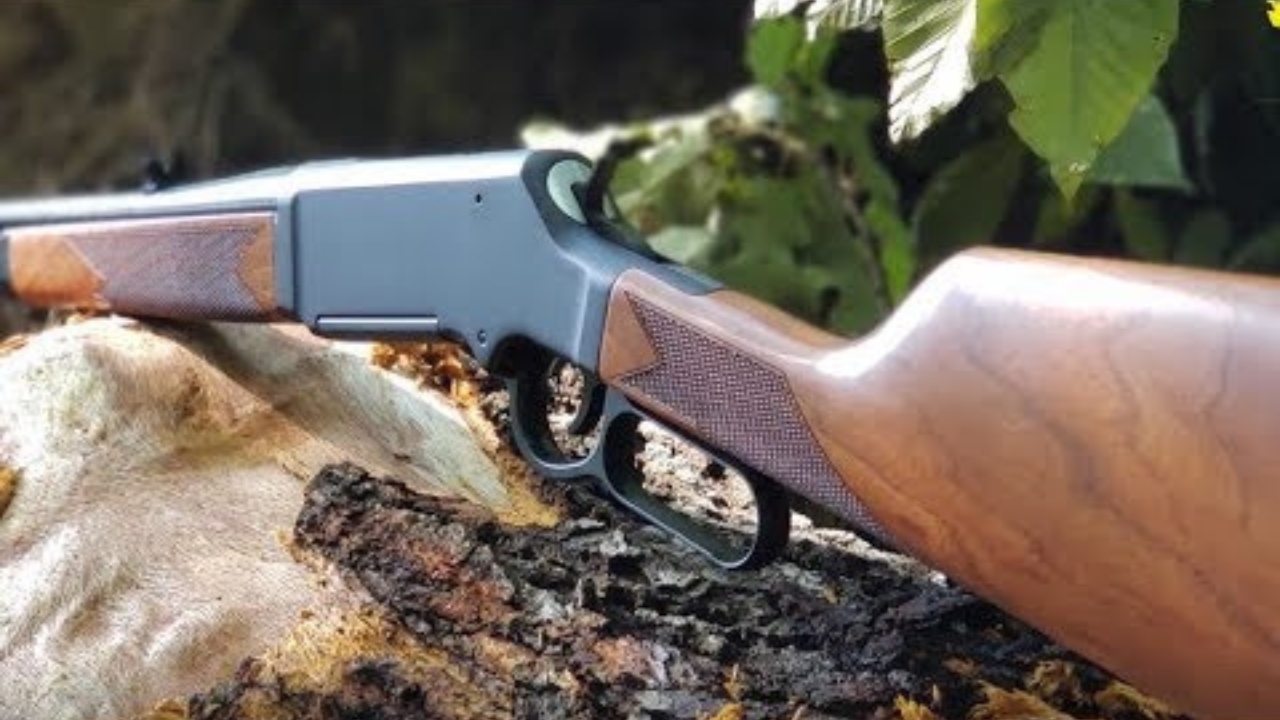
The Long Ranger is what a modern lever gun looks like when it’s built for scoped hunting and spitzer bullets. They’re accurate, smooth, and honestly pretty slick if you want something different than another bolt gun.
The problem is you’re tied to specific magazines. Lose one in the leaves, or have the feed lips get bent, and you’re not grabbing a replacement at the nearest gas station. Carry a spare mag in your pack, and make sure the ones you have run perfectly with your chosen ammo.
13. CZ 527 (mini-Mauser extraction temperament)

The 527 line earned a loyal following because they’re compact, accurate, and just feel like a rifle should feel. In cartridges like .223 and 7.62×39, they’re handy little hunters.
Some rifles can be picky with certain ammo dimensions, and extraction can get sticky with rough chambers or hot loads. When extraction gets stubborn in the field, it turns into noise, movement, and frustration at the worst moment. Find the ammo it likes, keep the chamber clean, and don’t treat it like a “whatever ammo is cheapest” rifle if you’re hunting with it.
14. Ruger Mini-14 (magazine quality makes or breaks it)

The Mini-14 is one of those rifles that just carries right. It’s simple, handy, and in ranch-country it’s been riding behind truck seats for decades for good reason.
The catch is magazines. Factory mags tend to work. Off-brand mags can turn a good rifle into a jam-o-matic. If you’re relying on a Mini for hogs or coyotes, don’t cheap out on the one part that actually feeds the rifle.
15. Springfield Armory M1A (accuracy shifts and mount drama)
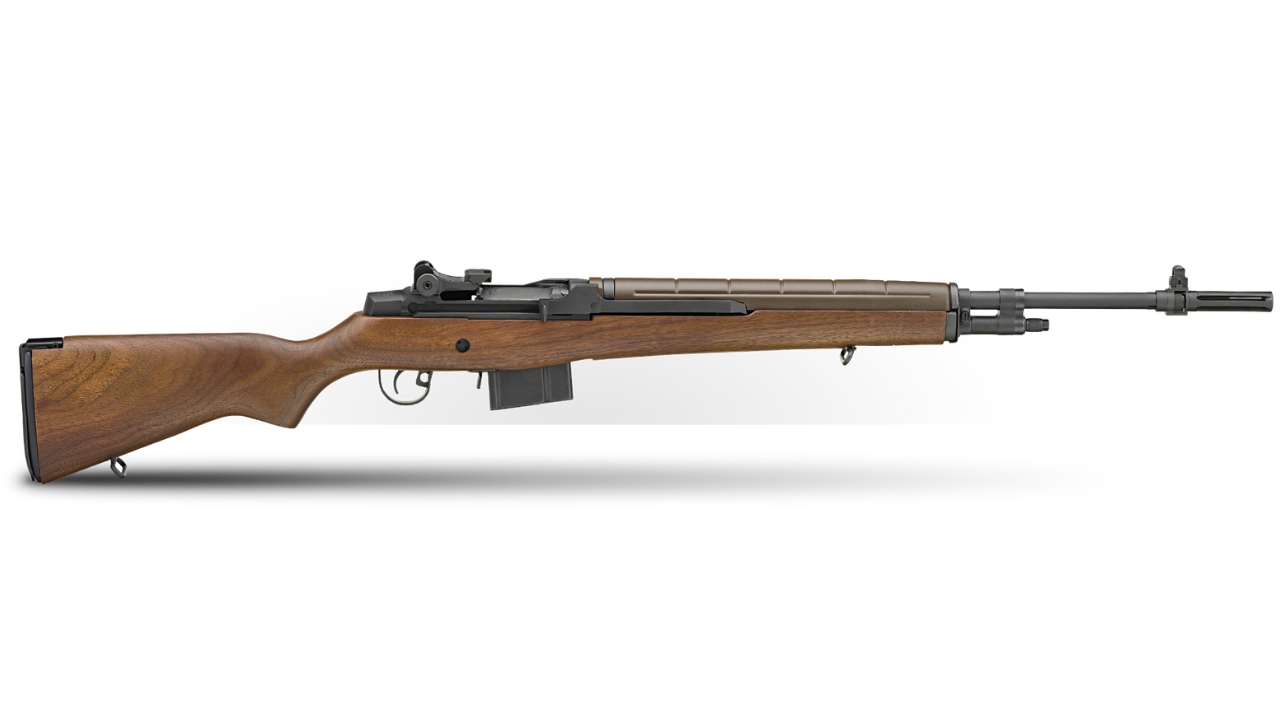
The M1A is a sweetheart to a lot of shooters. It feels alive, and when it’s running right it’s hard not to grin. For hunting, it can work in the right places and seasons.
The season-killer tends to be optics mounting and zero stability. Between mounts, screws, and the way the system handles heat, a rifle that was “dead on” last month can walk on you. If you hunt with one, verify zero more than once, and don’t assume your scope mount setup is immune to bumps and recoil.
16. Ruger Precision Rifle (weight and “I’ll just drag it” reality)

On paper, a precision-style rifle seems like it solves everything: accuracy, ergonomics, adjustability. And on the range, it does. No argument.
In the woods, weight costs seasons. A heavy rifle gets left in the truck, leaned against a tree, or carried sloppy. Then it gets knocked over, packed with debris, or you’re too tired to take the long loop that would’ve put you on deer. There’s nothing wrong with the rifle—just be honest about whether you’re actually going to haul it where the animals are.
17. Weatherby Vanguard (two-stage trigger learning curve)
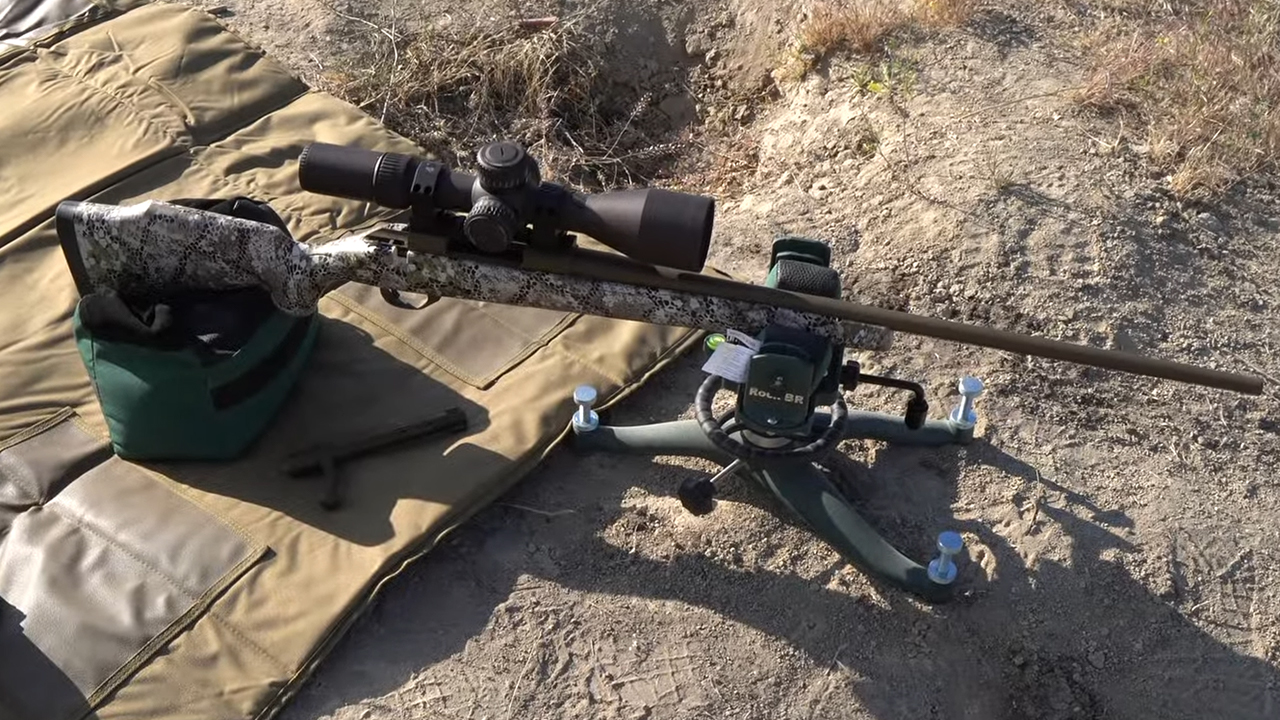
The Vanguard is a solid, reliable bolt gun with a reputation for shooting well. They’re not trendy, but they’re steady, and that’s a compliment.
The two-stage trigger on some versions throws hunters who are used to a crisp single-stage break. If you don’t learn it, you’ll either yank through it or hesitate at the wall, and either can turn into a miss when a buck pauses for two seconds. Dry-fire practice (safely, unloaded, and following your rifle’s manual) fixes a lot of this faster than buying anything new.
18. Bergara B-14 (scope base screws and “mystery zero”)
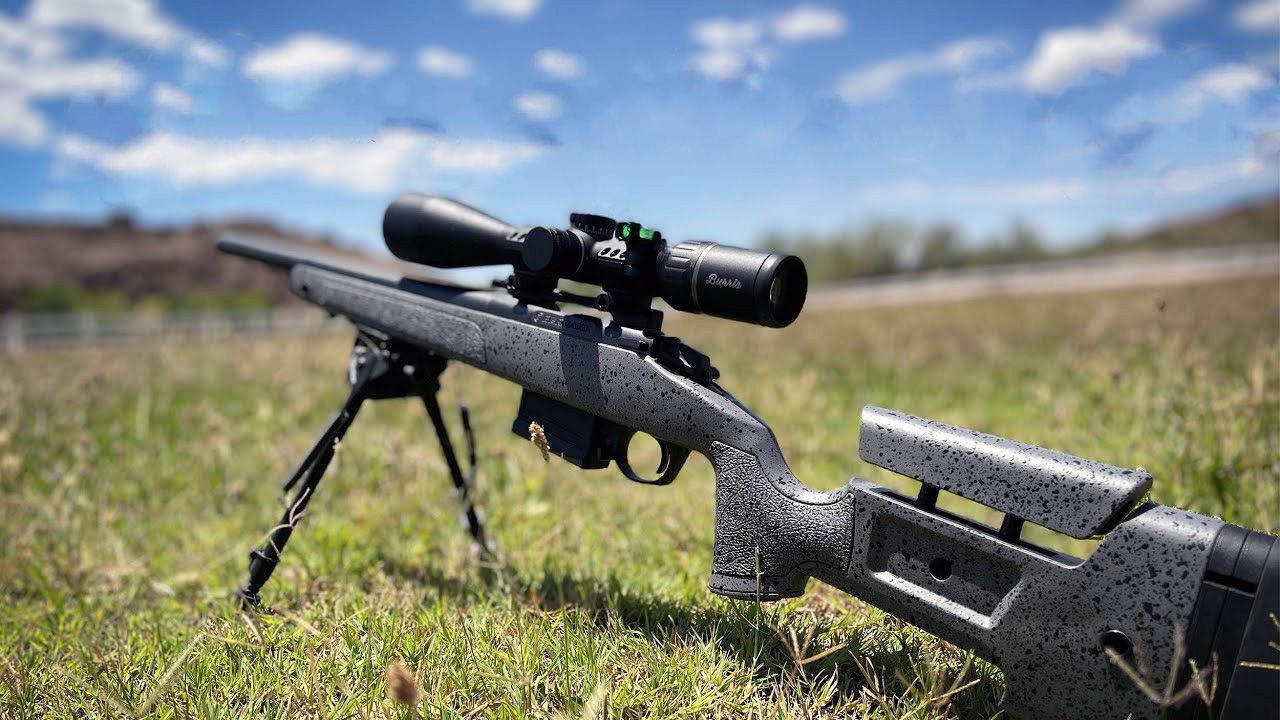
Bergara builds rifles that shoot, and they’ve earned their reputation. The B-14 line is accurate, has good barrels, and feels like a nicer rifle than plenty of options in its price lane.
The one that bites hunters isn’t the barrel—it’s the stuff bolted to the action. Loose base screws, ring issues, or a mount that wasn’t installed with care can turn into a wandering zero that shows up right when you finally get a good shot. Torque matters, witness marks help, and a quick check before season is time well spent.
19. Christensen Arms Ridgeline (lightweight accuracy expectations vs. heat)

These rifles are built to be carried, and when you get a good one, they’re impressive. Light, sharp-looking, and capable of fine accuracy with the right ammo.
The issue is expectation management and heat. Ultralight rifles with thin barrels aren’t meant for long shot strings, and some hunters “confirm zero” by pounding rounds until groups open up, then they chase the zero all over the place. Confirm with a cold-bore mindset, let the barrel cool, and don’t turn a hunting rifle into a range marathon right before opening day.
20. Marlin 336 (lever gun optics mounts that loosen)

The 336 is about as honest as rifles get. It carries flat, comes up quick, and in the deer woods it just makes sense. A good 336 is hard to beat for what it is.
The season-ending problem I’ve seen is a scope mount or rings that work loose over time, especially on rifles that ride around in trucks and get leaned in corners. You can have a rifle that shot great last season and is mysteriously off this season, and you’ll waste your one chance trying to “hold a little high” instead of fixing the real problem. Check screws, use quality mounts, and if you’re running irons, make sure they’re actually tight and not drifting.
The common thread with all of these isn’t that they’re bad rifles. It’s that they each have a failure point that shows up when you’re cold, tired, and trying to be quiet. If you want to protect your season, don’t just shoot groups. Run the bolt fast. Load and unload with gloves. Carry the rifle the way you hunt. And for the love of venison, check your mags, screws, and zero before you step into the woods thinking luck will cover what preparation didn’t.
Like The Avid Outdoorsman’s content? Subscribe to our newsletter so you never miss an article.
Here’s more from us: