Photo credit: bowana18/GunBroker
When you’ve spent enough time around rifles, you learn quickly that felt recoil doesn’t always match the numbers. Some rifles punish your shoulder far more than their ballistics suggest, usually because of design choices meant to save weight or shrink overall size. Stock geometry, barrel length, pad thickness, and balance all change how recoil reaches you.
Plenty of rifles shoot well but still surprise hunters with an unexpectedly sharp kick. These examples look manageable on paper, yet the real-world recoil hits harder than the charts would ever warn you about.
Weatherby Mark V Ultra Lightweight in .257 Weatherby Magnum
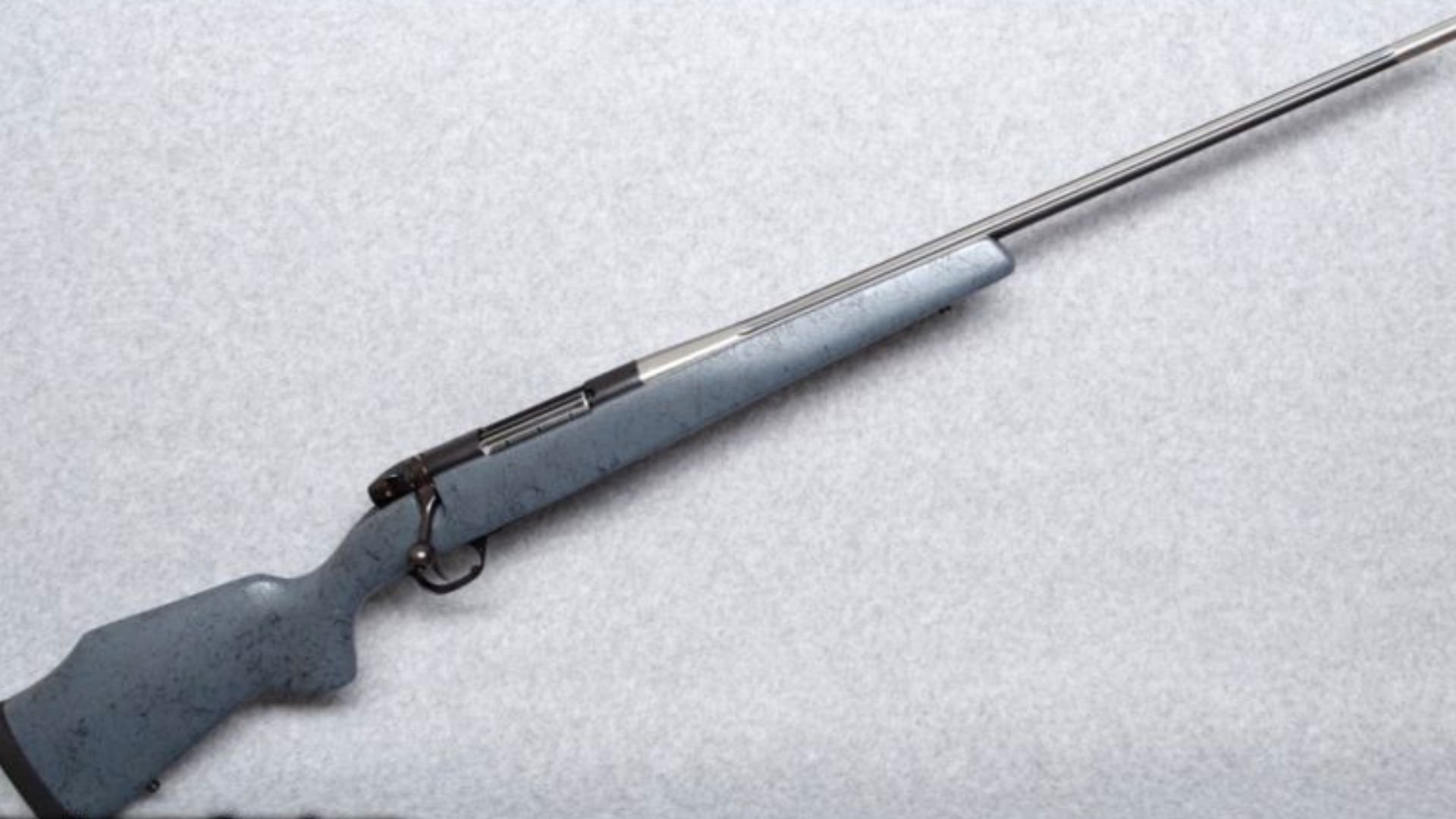
The .257 Weatherby Magnum is famous for flat trajectories, not recoil. But when you chamber it in the Mark V Ultra Lightweight, things feel different. The rifle is built to shed ounces, and that lack of mass means every bit of recoil comes straight back fast. Even though the cartridge isn’t considered a heavy hitter, the sharp impulse surprises many shooters.
In the field it carries beautifully, but bench sessions can get uncomfortable. The slim recoil pad and narrow stock don’t do much to soften the blow. It’s a perfect example of how a lightweight mountain rifle can exaggerate recoil beyond what the caliber suggests.
Kimber Montana in .280 Ackley Improved

The Kimber Montana is a dream to haul up steep ridges, yet its minimal weight works against you once you start shooting. With the .280 Ackley Improved, recoil becomes noticeably more abrupt than hunters expect. The rifle’s thin buttstock concentrates the impact into a smaller surface area, making the hit feel sharper than the ballistics indicate.
Accuracy remains strong, and the rifle handles well in tight country. Still, many shooters comment that the Montana kicks significantly harder than other .280 AI rifles. It’s not unmanageable, but the recoil impulse feels far more aggressive than the energy figures would suggest.
Browning X-Bolt Speed SR in .308 Winchester

The .308 Winchester normally falls into the “comfortable” recoil category, but the X-Bolt Speed SR’s ultralight build changes things. The rifle’s trim stock, short barrel, and minimal mass combine to make the recoil crack back harder than expected. It’s not painful, but it is surprisingly abrupt for such a familiar chambering.
In practical hunting situations, the rifle shines. On the bench, however, the snappy recoil becomes more noticeable shot after shot. Many shooters find themselves bracing earlier than they would behind a heavier .308, proving again how design outweighs cartridge energy.
Mossberg Patriot Super Bantam in .243 Winchester

On paper, the .243 Winchester is a mild cartridge—ideal for youth and recoil-sensitive shooters. The Patriot Super Bantam’s lightweight frame, however, adds a surprising amount of felt recoil. The shorter stock increases perceived kick, pushing the rifle into your shoulder faster than you expect from a .243.
In the field, it’s maneuverable and easy to carry, but extended target sessions reveal its flaws. Shooters often notice the recoil feels more like a light .308 than a standard .243. It remains a usable rifle, but not nearly as soft-shooting as many anticipate.
Christensen Arms Ridgeline FFT in 6.5 Creedmoor

The 6.5 Creedmoor is celebrated for manageable recoil, but that reputation fades when paired with a flyweight rifle like the Ridgeline FFT. The carbon-fiber stock and thin profile save weight but also magnify felt recoil. The rifle jumps off the bags more than many Creedmoor shooters are used to.
Despite the recoil, accuracy stays impressive, which is the rifle’s biggest draw. Still, the overall shooting experience feels much closer to a mid-caliber magnum than the Creedmoor’s numbers justify. It’s a reminder that even soft-recoiling rounds become lively in ultralight builds.
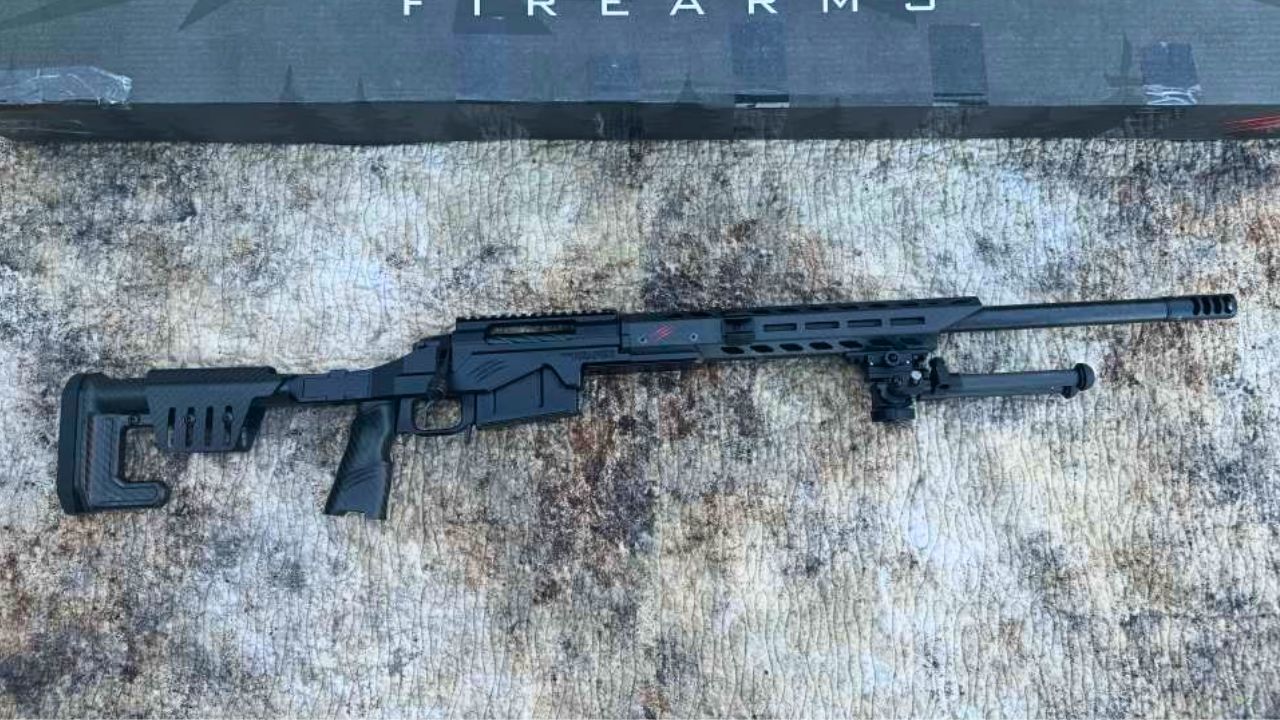
Fierce Reaper in .300 PRC

The Fierce Reaper is built for precision and low weight, a combination that makes the .300 PRC feel far more aggressive than its energy figures suggest. The rifle doesn’t have the mass of a traditional long-range rig, so the recoil impulse is fast, sharp, and immediately noticeable.
It’s incredibly accurate and easy to carry in steep terrain, but comfort isn’t its strength. Many shooters describe the recoil as punishing during long sessions, even with a brake installed. The rifle shows how powerful cartridges need heavier platforms to stay manageable.
Henry Single Shot in .45-70 Government

The Henry Single Shot looks traditional and simple, but its modest weight transforms .45-70 recoil into something else entirely. Even standard loads deliver a fierce push, and hotter hunting rounds make the rifle buckle back harder than many lever-guns do.
The break-action design doesn’t offer much in the way of recoil mitigation. Shooters often find themselves adjusting their grip or bracing a bit more than usual. It’s a classic tool that performs well, but the felt recoil is far above what the ballistic charts alone predict.
Ruger American Compact in .450 Bushmaster

The Ruger American Compact is popular for straight-wall deer seasons, yet its small size and lightweight build give the .450 Bushmaster a surprisingly harsh punch. The short barrel increases blast and the reduced mass amplifies every bit of recoil energy.
Hunters appreciate how maneuverable it is in thick cover and tight blinds, but few describe it as comfortable. The recoil isn’t unmanageable, but it’s significantly sharper than expected. Many shooters compare the experience to mid-level magnums despite the cartridge’s moderate velocity.
CVA Cascade XT in .350 Legend
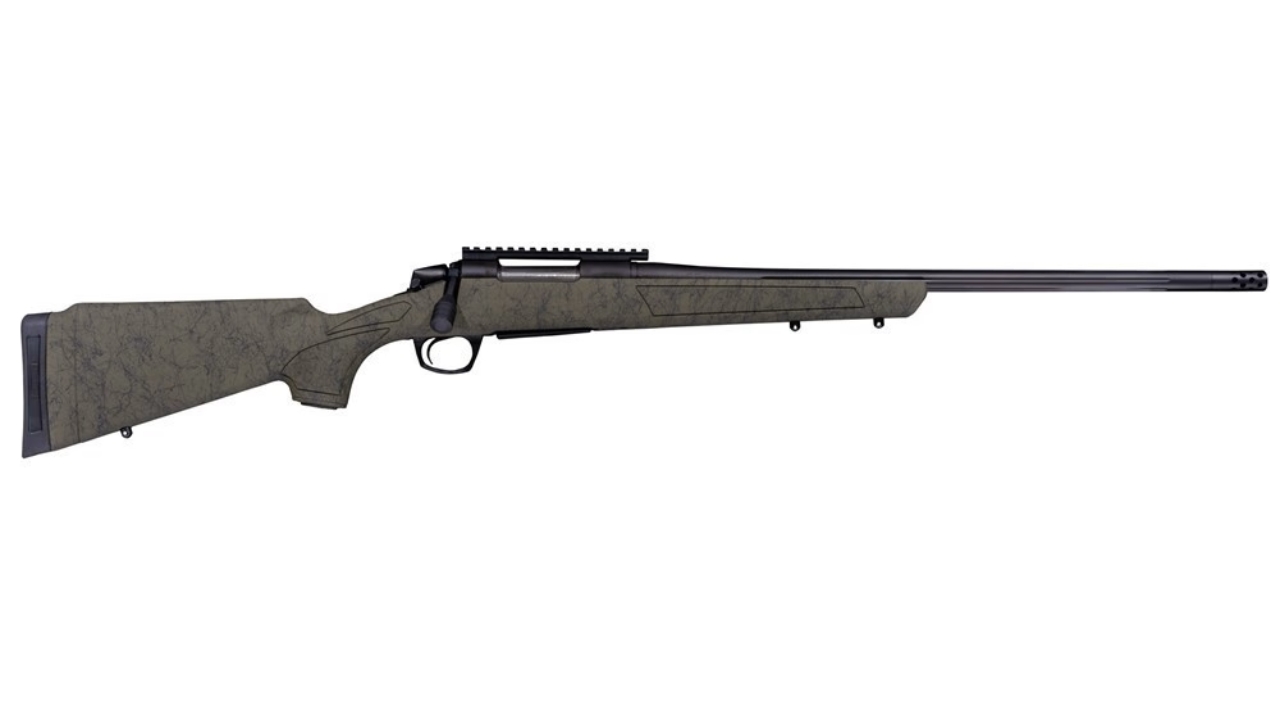
The .350 Legend is marketed as a low-recoil option, but when fired from the Cascade XT’s lightweight configuration, it becomes noticeably snappier. The rifle is designed for maneuverability, and that reduced mass means recoil accelerates into your shoulder faster than numbers indicate.
Field performance stays excellent, which is why the chambering is so popular. Still, many hunters are surprised when the rifle jumps harder than anticipated. It’s not punishing, but it’s far from the soft-shooting experience many expect from the .350 Legend.
Like The Avid Outdoorsman’s content? Subscribe to our newsletter so you never miss an article.
Here’s more from us: