Photo credit: BearFotos/Shutterstock.com
A rifle can earn glowing reviews and still get traded fast. That isn’t always because the rifle is “junk.” It’s usually because reviews reward first impressions—tight groups with one ammo, slick features, good styling—while ownership reveals the stuff you live with: balance on a long walk, recoil in a light stock, magazine quirks, bedding that’s picky, or a trigger you thought you could “get used to” but never do.
A lot of rifles also get praised because they’re great for one role, then bought by someone who needs a different role. A precision rifle gets treated like a hunting rifle. A mountain rifle gets shot like a bench gun. A bargain rifle gets expected to feel like a premium one.
These are specific models that often get praised in reviews, then show up in trade racks because the real-world match isn’t there for the owner.
Ruger American (Standard and Gen II)
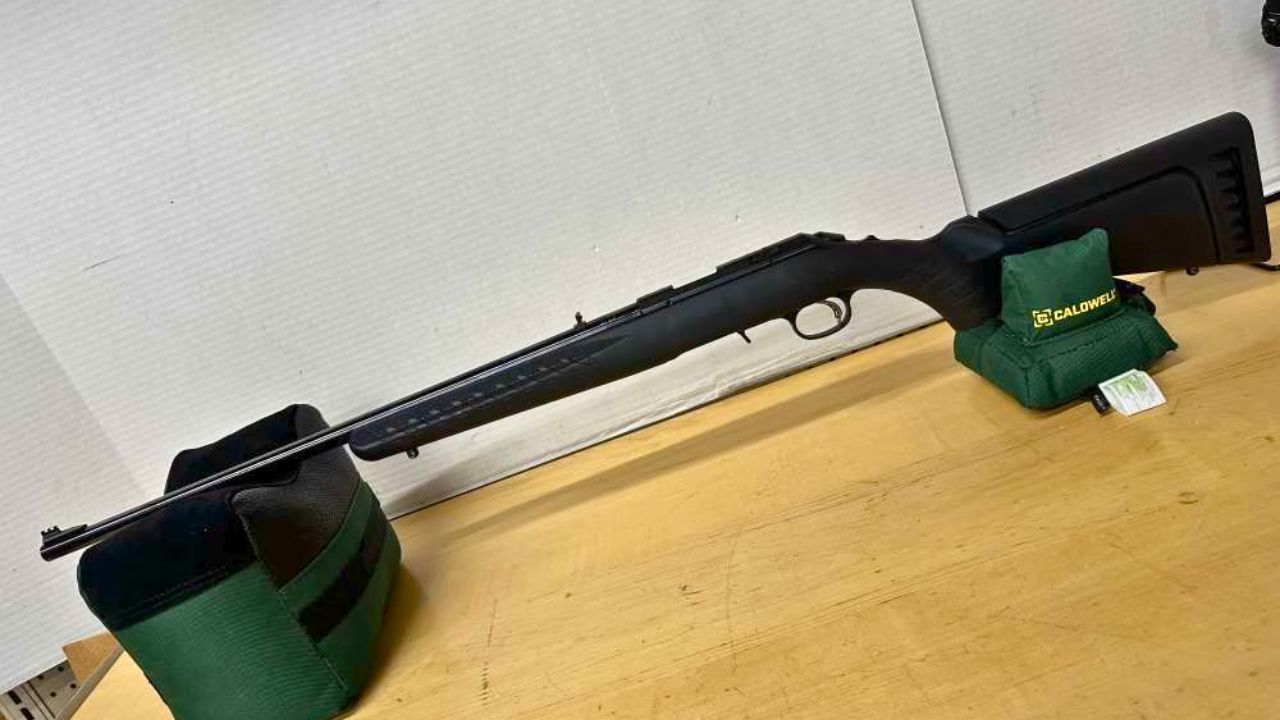
The Ruger American gets great press because it shoots better than its price suggests. Reviews love the value, the availability of chamberings, and the fact that many of them stack decent groups with the right ammo. It’s easy to recommend because it feels like a safe “can’t go wrong” starter rifle.
Then people live with the stock and overall feel. The factory furniture can feel cheap, and some owners end up chasing stiffer stocks, better bottom metal, or a trigger feel they prefer. It still kills deer and still prints groups, but the rifle can feel like a stepping stone. A lot of trades happen when the owner realizes they wanted a smoother bolt, a nicer stock, or a rifle that feels more settled from field positions—not one that’s great “for the money.”
Savage Axis II

The Axis II gets praised for accuracy per dollar and the fact that it can put meat in the freezer without drama. Reviewers often highlight how well it can shoot for a budget rifle, and it’s hard to argue with that when a cheap gun is printing respectable groups.
Where the trade happens is the ownership experience. The rifle can feel hollow and light, the bolt throw isn’t everybody’s favorite, and many package versions come with optics that leave people wanting more. It’s common to buy one, hunt with it, then decide you want a rifle that feels smoother and more refined. The Axis II does the job, but a lot of shooters don’t want to keep “doing the job” once they’ve handled better rifles.
Mossberg Patriot

The Patriot gets good reviews because it’s light, affordable, and often accurate enough for hunting. It’s the type of rifle that checks boxes quickly—price, weight, common calibers—and it’s easy to sell someone on it if they want a basic deer rifle.
Then the lightness shows up in recoil and stability. A rifle that carries easy can also feel jumpy when you shoot it fast or from imperfect positions. Some owners also don’t love the bolt feel or stock ergonomics long-term. It’s not that it can’t work—it can. It’s that once you put a season on it, you may realize you’d rather carry a little more weight for a rifle that settles better and feels more solid. That’s when the Patriot gets traded.
Remington Model 783

The 783 has gotten praise for punching above its price in accuracy, and that brings a lot of buyers in. Reviews often highlight that it can shoot tight groups with the right loads and that it’s a practical path into a centerfire hunting rifle.
Fast trades usually come from feel. The stock and handling aren’t what most people call refined, and the bolt can feel stiff compared to rifles in the next tier. Many owners buy a 783 during a sale, hunt with it, and then decide they want something lighter, smoother, or with a better overall “finished” feel. The 783 can be effective, but it’s also a model that often ends up as a placeholder rifle. When you upgrade once, you rarely go back.
Winchester XPR

The XPR gets praised as a straightforward hunting rifle with good accuracy for the money. Reviews like the clean design, the value proposition, and the fact that it tends to do what it’s supposed to do without much fuss.
Trades happen when the rifle doesn’t click emotionally. Some shooters never bond with the stock shape, the balance, or the bolt feel. Others buy one because the price was right, then later decide they want a different safety style, a smoother action, or a rifle that feels more stable with a heavier scope. The XPR is often a “smart purchase,” but smart purchases still get traded if they don’t feel right in your hands. A rifle can be competent and still not be your rifle.
Howa 1500 (Hogue OverMolded models)

The Howa 1500 is often praised because the action is solid and the rifles can shoot very well. Reviews tend to focus on the value and the fact that it can be a serious performer with good barrels and consistent machining. Many shooters buy it expecting a budget rifle that feels like a step above budget.
Then the Hogue stock becomes the sticking point for some owners. It feels comfortable, but it can be soft and flexible, and that can frustrate people who want a more rigid platform or who start chasing smaller groups. The rifle itself may be fine, but the setup feels like it’s holding you back. Many 1500s get traded when the owner decides to fund a different stock system—or they just buy a different rifle that feels “ready” without immediately planning a stock swap.
Tikka T3x Lite

The T3x Lite gets praised constantly because it’s smooth, accurate, and reliable. Reviewers love the action, the consistency, and the fact that it’s an easy rifle to shoot well for many people. It’s one of the safest recommendations in the bolt-gun world.
It still gets traded, and usually for a predictable reason: it’s light. Light rifles are great to carry, but they can be harder to shoot from field positions, and recoil can feel sharp in certain chamberings. Some owners also decide they want a different stock geometry, different magazine setup, or simply a heavier rifle that holds steadier. The Tikka rarely gets dumped because it “failed.” It gets traded because the shooter’s preferences become more specific after a season of real use.
Browning X-Bolt Speed

The X-Bolt Speed gets praised for being a refined hunting rifle: smooth cycling, good accuracy, good fit and finish. Reviews often highlight how it feels like a premium rifle without being overly specialized, and that appeal is real. A lot of people buy it thinking it will be their forever hunting rifle.
Trades happen when fit doesn’t match the shooter. Stock shape, grip angle, and balance matter more than people admit, and an X-Bolt that feels “nice” can still feel wrong in field positions. Some owners also decide they don’t want to baby a more expensive rifle, or they want a different weight class for the way they hunt. The X-Bolt Speed usually performs, but performance isn’t the whole story. If it doesn’t feel like an extension of you, it becomes trade bait.
Bergara B-14 HMR

The B-14 HMR gets praised because it’s accurate, stable, and feels like a serious rifle without a custom price tag. Reviews love the heavy, planted feel and the way it shoots from bags or a bipod. It’s a common “first precision” rifle because it makes it easy to see good results fast.
Then people try to use it as a hunting rifle. That’s where the trades come from. The HMR is not light, and carrying it all day changes how much you love it. Some owners also realize they don’t actually shoot from prone or from a bench as much as they thought, so the heavy chassis-style feel becomes unnecessary weight. The rifle can be excellent, but it’s role-specific. When someone buys it for the wrong role, it gets praised on day one and traded by season’s end.
Ruger Precision Rifle

The Ruger Precision Rifle gets great reviews because it offers a lot of features and long-range capability for the money. It looks like a purpose-built precision tool, it’s adjustable, and it can shoot very well when you feed it the ammo it likes. It’s easy to feel like you’re “getting into long range” in a serious way.
Then real life shows up: weight, bulk, and how often you actually shoot that way. A lot of owners discover they don’t have regular access to distance, or they don’t enjoy hauling a heavy rifle around, or they simply don’t use the adjustability once the novelty fades. The RPR is often traded not because it shoots poorly, but because it’s a specialized rifle that many people buy on ambition. When the ambition doesn’t match the calendar, it hits the trade rack.
Springfield 2020 Waypoint

The Waypoint gets praised for being light, modern, and accurate enough to justify attention. Reviews like the idea of a backcountry-capable rifle that still shoots well, and the features list makes it feel like a premium, ready-to-hunt package.
Trades often come from expectations. Lightweight rifles move more in the shot, recoil can feel sharper, and they demand disciplined shooting to take advantage of their accuracy potential. Some owners buy a Waypoint expecting a “cheat code,” then realize it still requires reps and a setup that fits them. When a rifle costs real money, even small annoyances—stock feel, balance with your optic, recoil character—become big reasons to move on. It’s not always the rifle. It’s the mismatch between price, expectations, and real-world use.
Christensen Arms Ridgeline
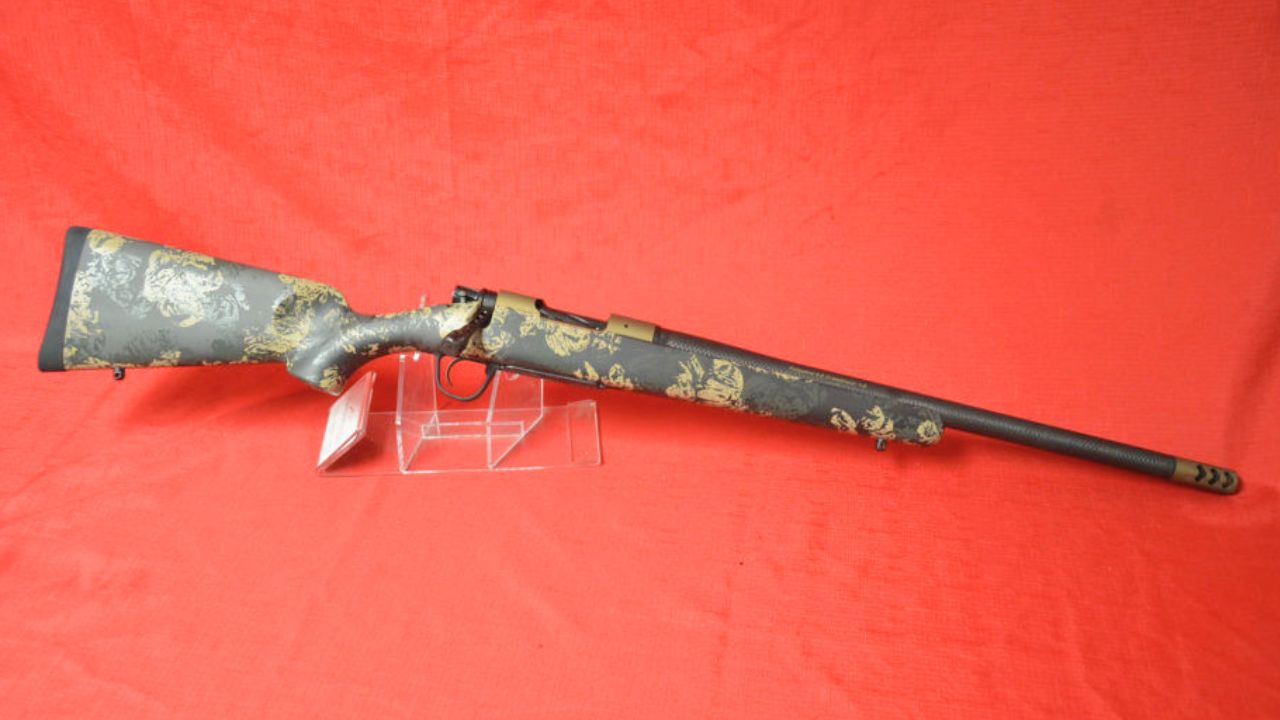
The Ridgeline gets praised for being lightweight and capable, and that’s why people buy it for mountain hunts and long carries. Reviews often celebrate the weight savings and the idea of owning a premium rifle that won’t wear you down on steep country.
The fast trade happens when a shooter expects lightweight to feel effortless on the trigger. A light rifle can be harder to shoot well from awkward positions, and recoil and muzzle movement are more noticeable. Some owners also decide they don’t want to be precious with a pricier rifle in rough travel, wet weather, or hard hunting. The Ridgeline can be a strong tool, but it’s a tool with tradeoffs. If you’re not living the mountain-rifle lifestyle, those tradeoffs start to feel pointless fast.
SIG Sauer Cross
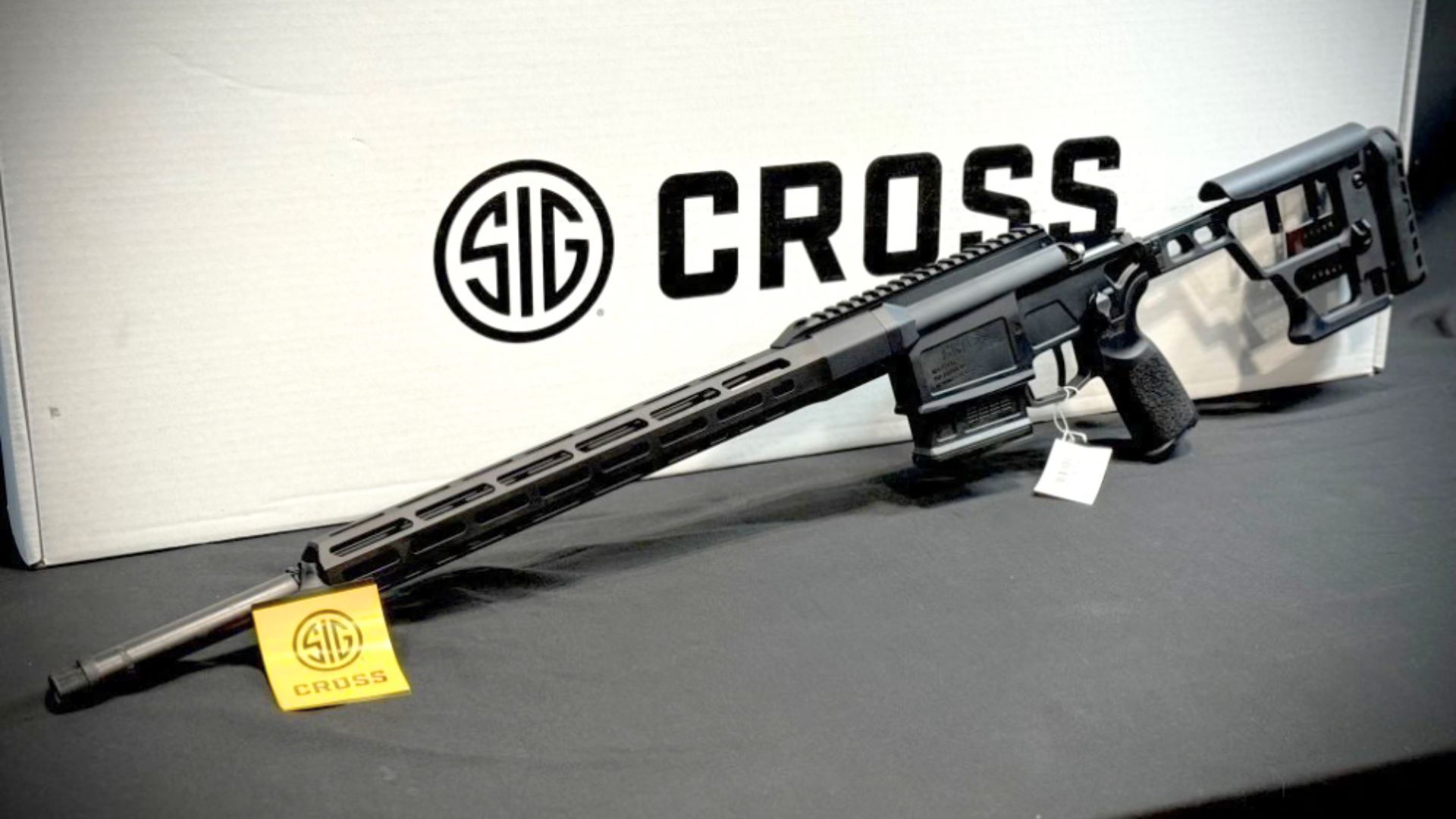
The SIG Cross gets praised because it looks modern, packs down well, and feels like a crossover between hunting and precision. Reviews love the portability and the concept—one rifle that can travel, shoot, and still feel “tactical” enough to be fun.
Trades happen when the concept meets the details. Some shooters don’t love how it balances compared to a traditional hunting rifle. Others decide they don’t actually need a folding, chassis-style setup for the kind of hunting they do. And some people buy it for the look and the novelty, then realize they’d rather have a conventional rifle that carries quieter and points more naturally. The Cross can be capable, but it’s also easy to buy for the idea. When the idea wears off, it moves.
Daniel Defense DD5 (AR-10 pattern)
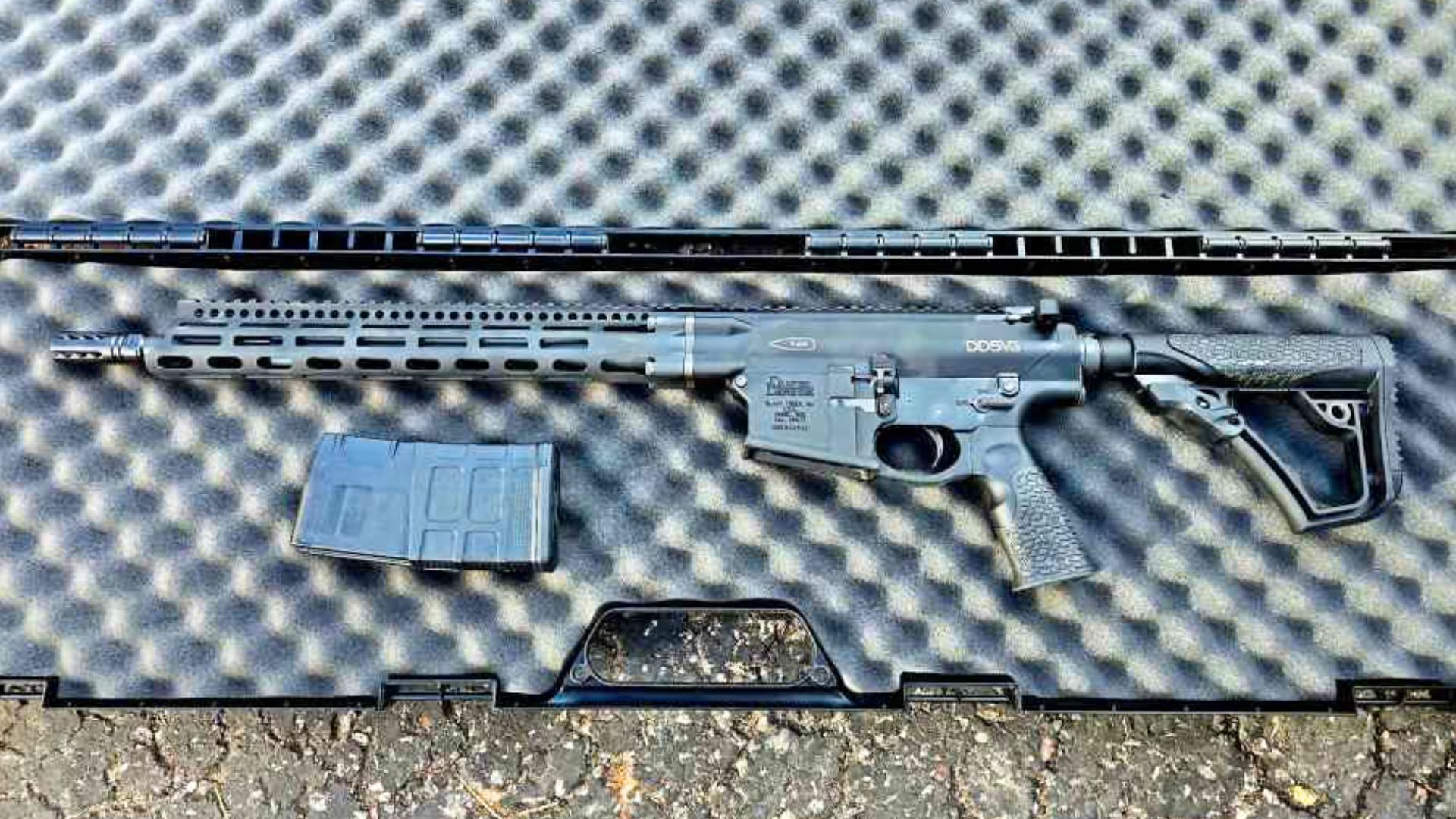
Daniel Defense rifles get praised in reviews because they’re well-made, consistent, and they carry a strong reputation. The DD5 line often gets bought by people who want a premium .308 semi-auto that feels dependable and “done” right out of the box.
Then owners live with AR-10 realities: weight, recoil impulse compared to a bolt gun, and the fact that .308 semi-autos can be more finicky across ammo and magazines than your average AR-15. Some people also realize they don’t enjoy carrying a heavy semi-auto for hunting, or they don’t shoot it enough to justify the cost. It can be an excellent rifle, but it’s easy to buy based on reputation and reviews, then trade when the weight and role don’t fit your lifestyle.
Henry Big Boy X Model
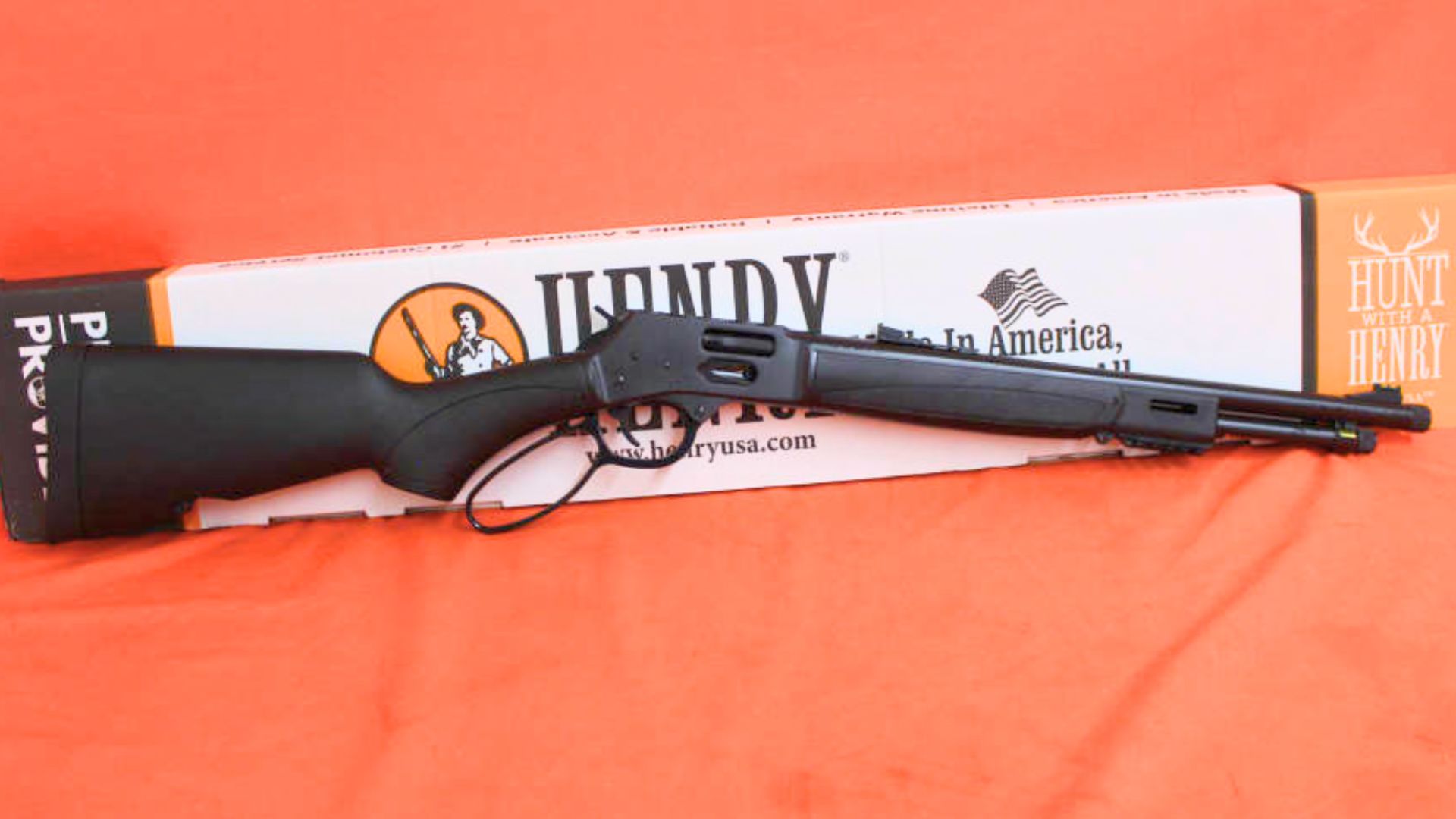
The Henry X Model gets praised because it looks cool, feels fun, and taps into the modern lever-gun wave. Reviews love the threaded muzzle, the tactical-ready vibe, and the way it blends classic action with modern features. It’s one of those rifles that makes you want to buy ammo immediately.
Trades happen when the niche becomes obvious. Lever guns are slower to reload, accessories add weight, and the “tactical” furniture doesn’t change the basic manual of arms. Many owners buy one thinking it’ll cover every role, then realize it’s mostly a fun range rifle or a specific brush gun. That’s not a knock—it’s reality. If you bought it for the vibe more than a clear purpose, it’s the kind of rifle that gets praised in the honeymoon phase and traded once the safe gets crowded.
Marlin 1895 SBL
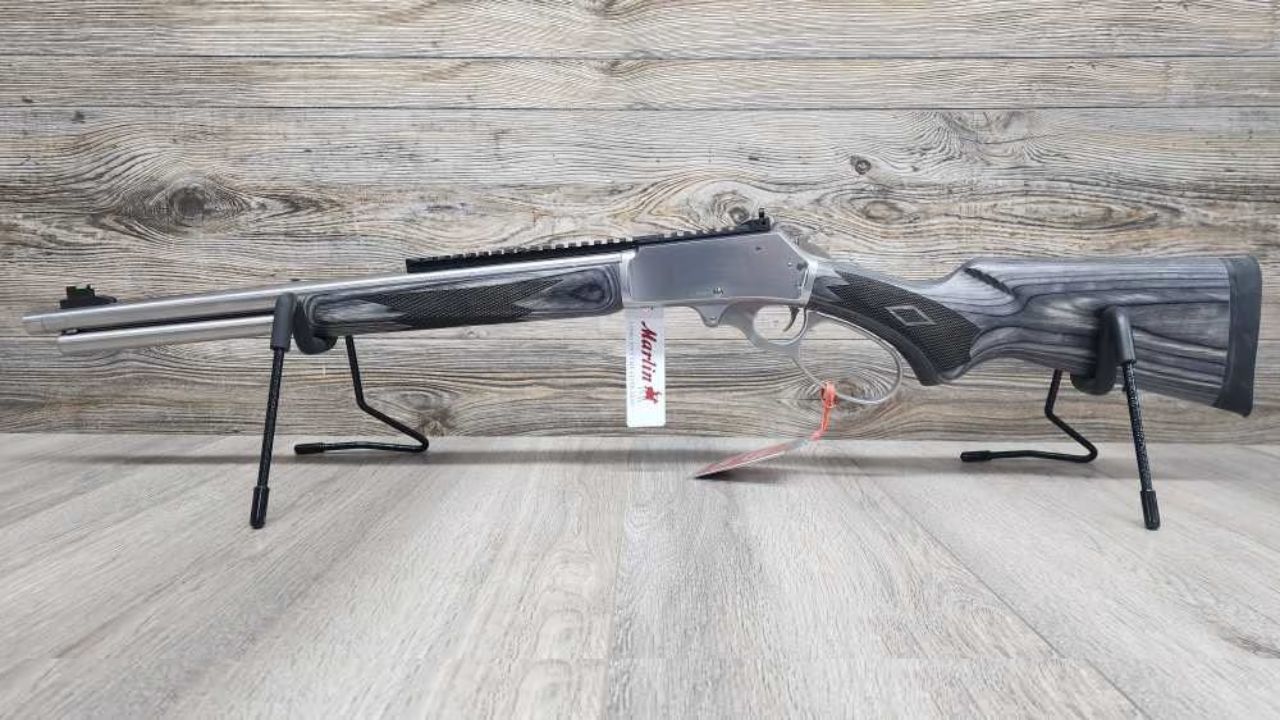
The 1895 SBL gets rave reviews because it looks incredible and feels like a serious woods rifle. Stainless, laminate, big-bore authority—it hits the classic lever-gun nerve hard. People praise the handling and the idea of owning a rifle that feels “ready for anything” in thick country.
Then recoil and cost start shaping behavior. Full-power .45-70 can be rough in lighter lever guns, and many owners don’t shoot it as much as they planned. Ammo isn’t cheap, and the rifle often becomes a “once in a while” shooter. Some people also realize they don’t actually hunt in the kind of close timber where it shines. The SBL can be a fantastic rifle, but it’s also a common trade when the owner admits they bought the romance more than the reality.
Like The Avid Outdoorsman’s content? Subscribe to our newsletter so you never miss an article.
Here’s more from us: