Photo credit: WHO_TEE_WHO/YouTube
Some guns earn fame because they win wars, drop trophies, or set standards everyone else follows. Others get remembered for the stuff you’d rather forget—bad rollouts, safety drama, ugly reliability reputations, or becoming a cultural lightning rod in ways that have nothing to do with marksmanship.
When a gun is “famous for the wrong reasons,” it usually isn’t one single flaw. It’s the gap between what you expected and what you actually got, plus a story that spread faster than the facts. Sometimes the design really was troubled. Sometimes the launch was mishandled. Sometimes the gun worked fine, but its public image turned toxic and never recovered.
SIG Sauer P320

The P320 became a household name, but not only because it sold well. It got dragged into the spotlight over drop-fire concerns and a voluntary upgrade program that many shooters still talk about. Even if you’ve never had an issue, the story stuck, and that changes how people view the platform.
Owning one can feel like you’re constantly explaining which version you have and whether it’s been updated. That’s not how confidence is supposed to work with a defensive pistol. The P320 can be a solid shooter, but its reputation has an asterisk attached for a lot of folks, and that’s the wrong kind of fame to carry for years.
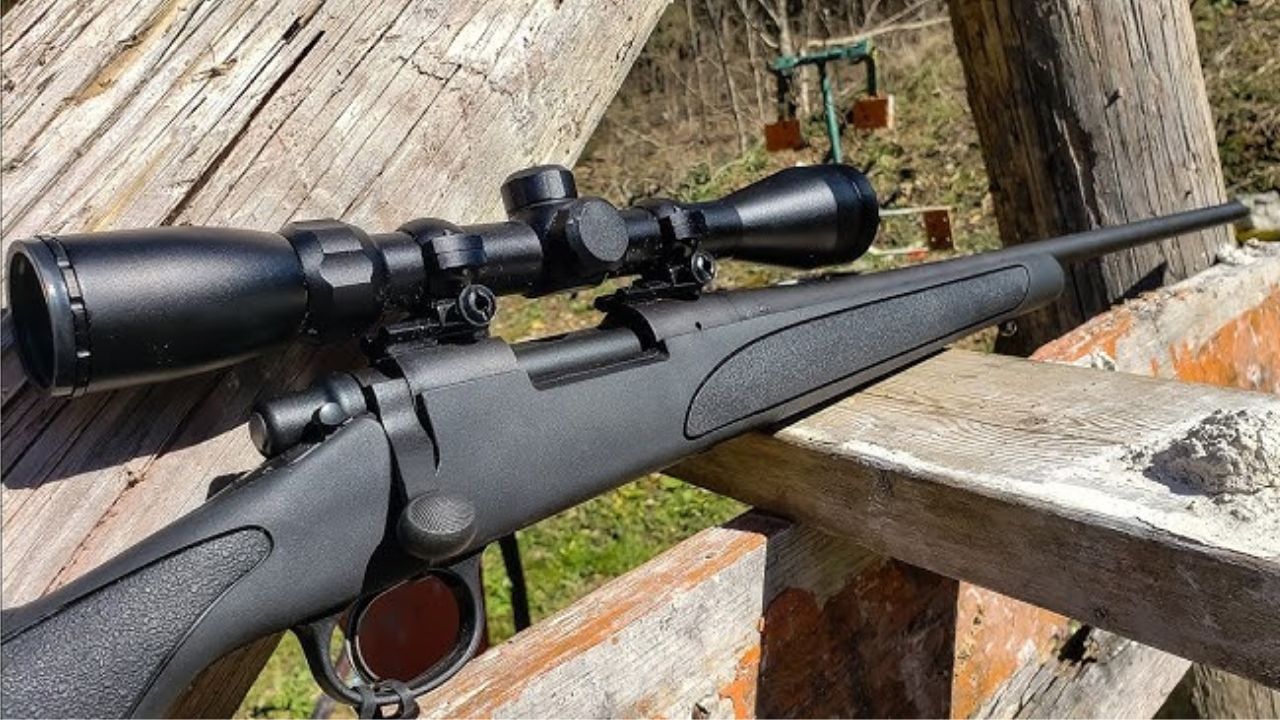
Remington Model 700 (Walker trigger era)

The Model 700 is one of the most common bolt guns in America, and it has taken plenty of game. It also became tied to a long-running controversy over trigger design and allegations of unintended discharges. That story is bigger than any one rifle, and it’s why the 700 name still sparks arguments.
If you own one from the affected generations, you end up thinking about things you shouldn’t have to think about—trigger condition, maintenance, and whether the rifle has had updates. Many Model 700s are safe when properly maintained and handled, but the public baggage is real. It’s hard to enjoy a classic when the conversation always circles back to the same ugly headlines.
Remington R51 (relaunch)

The R51 comeback is a textbook case of a gun getting famous for a rollout gone wrong. The concept looked great on paper, and early buzz had people expecting a clever carry pistol with a unique operating system. What many buyers got was a rough, uneven launch that damaged trust fast.
Even after fixes and revisions, the name was already burned for a lot of shooters. You can’t “update” a first impression when it spreads across the gun counter and the internet at the same time. The R51 became less about what it could have been and more about what it wasn’t when it mattered most. That’s a hard reputation to outrun.
Taurus PT-111 Millennium (and related Millennium-era baggage)
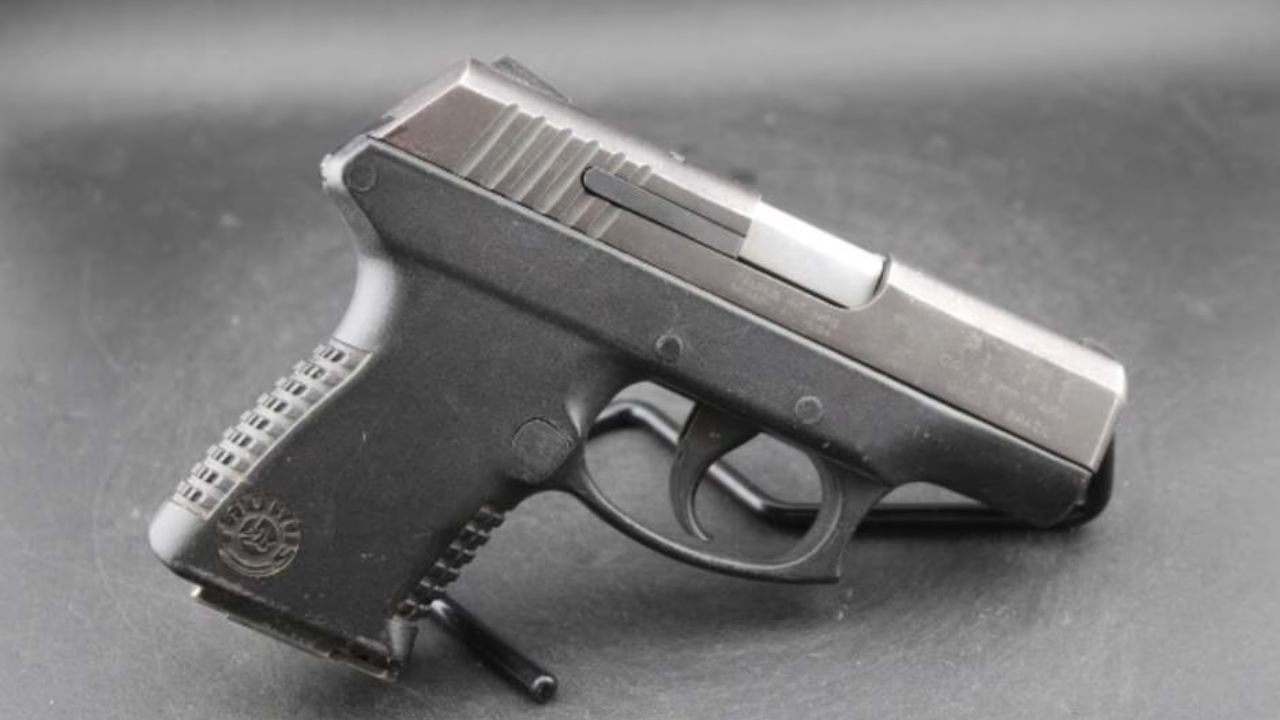
The PT-111 Millennium got recommended for years because it was affordable and easy to find. Then Taurus’s broader Millennium/24/7-era safety drama and settlement programs became part of the public conversation, and the brand took hits that stuck. Even shooters who never had a problem started looking at the gun differently.
Owning one can feel like you’re carrying a question mark other people already answered for themselves. Resale value, trust, and confidence suffer when a model line gets tied to safety chatter. Plenty of these pistols run, but the reputation is what it is. The PT-111 ended up famous less for performance and more for the arguments around it.
USFA ZiP .22
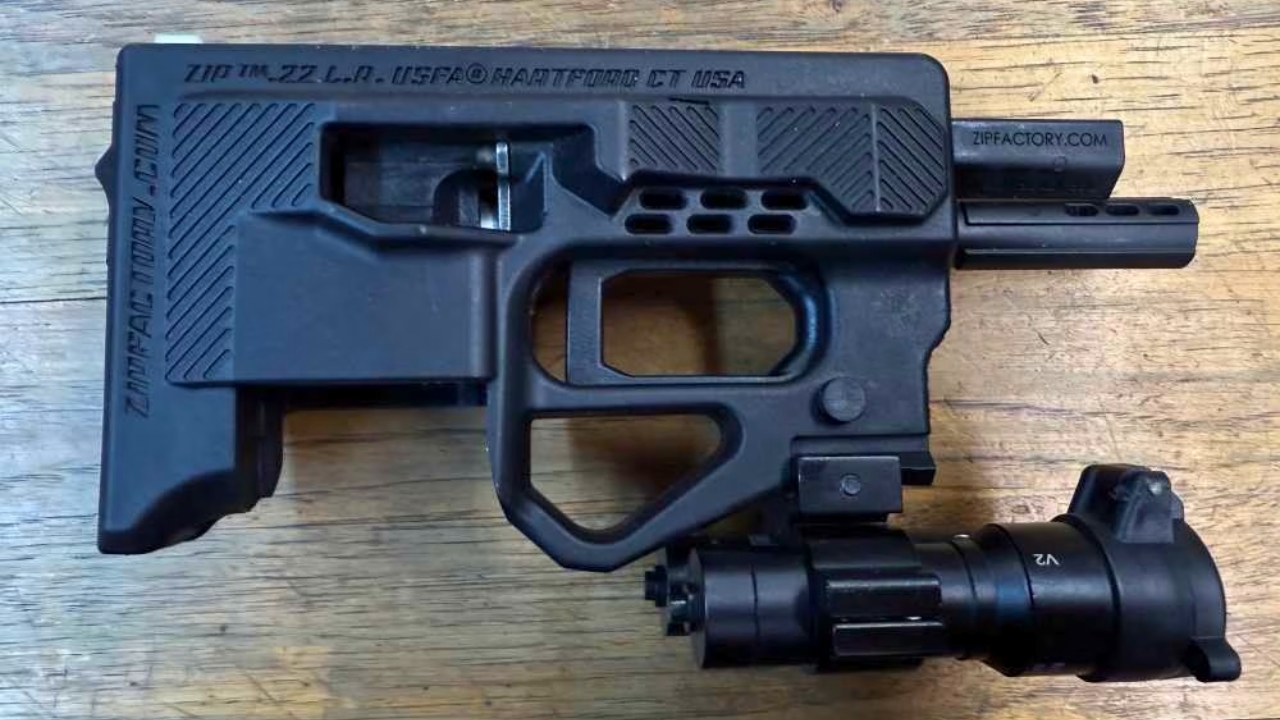
The ZiP .22 is remembered because it looked like the future and often acted like a science project. The styling was wild, the concept was different, and that alone created curiosity. Then the real-world reports of finicky function and disappointment started piling up, and the joke wrote itself.
When you own one, you learn fast that “cool idea” doesn’t equal “good gun.” A .22 pistol should be something you can hand to a friend and expect it to run. The ZiP became known as the opposite: a conversation piece that didn’t earn its keep on the firing line. It’s famous because it promised a lot and delivered frustration.
Winchester Model 1911 SL (the “Widowmaker” shotgun)
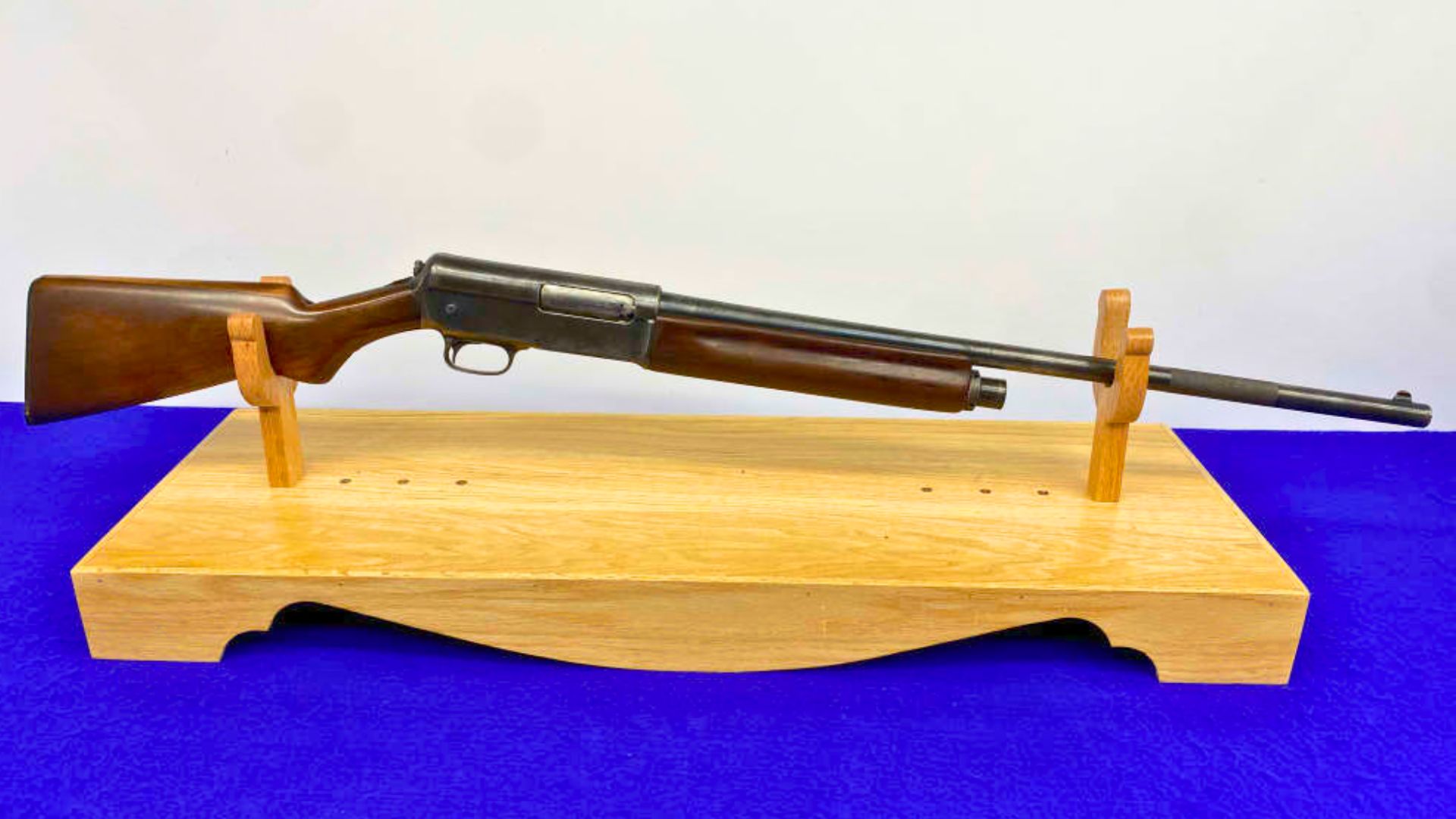
The Winchester Model 1911 SL earned an infamous nickname for a reason. Its hammerless design forced an awkward manual method of cocking that led to unsafe handling habits for some users. The whole operating concept encouraged people to do things with a shotgun that you’d never recommend doing with any other shotgun.
Even if a careful owner can run one safely, the design invites trouble in the hands of someone rushed, cold, or careless. That’s a design problem, not a user problem. The 1911 SL is a good example of how one odd engineering choice can stain an entire model. You don’t want your gun’s legacy to be a warning label, but that’s what happened here.
Japanese Type 94 Nambu
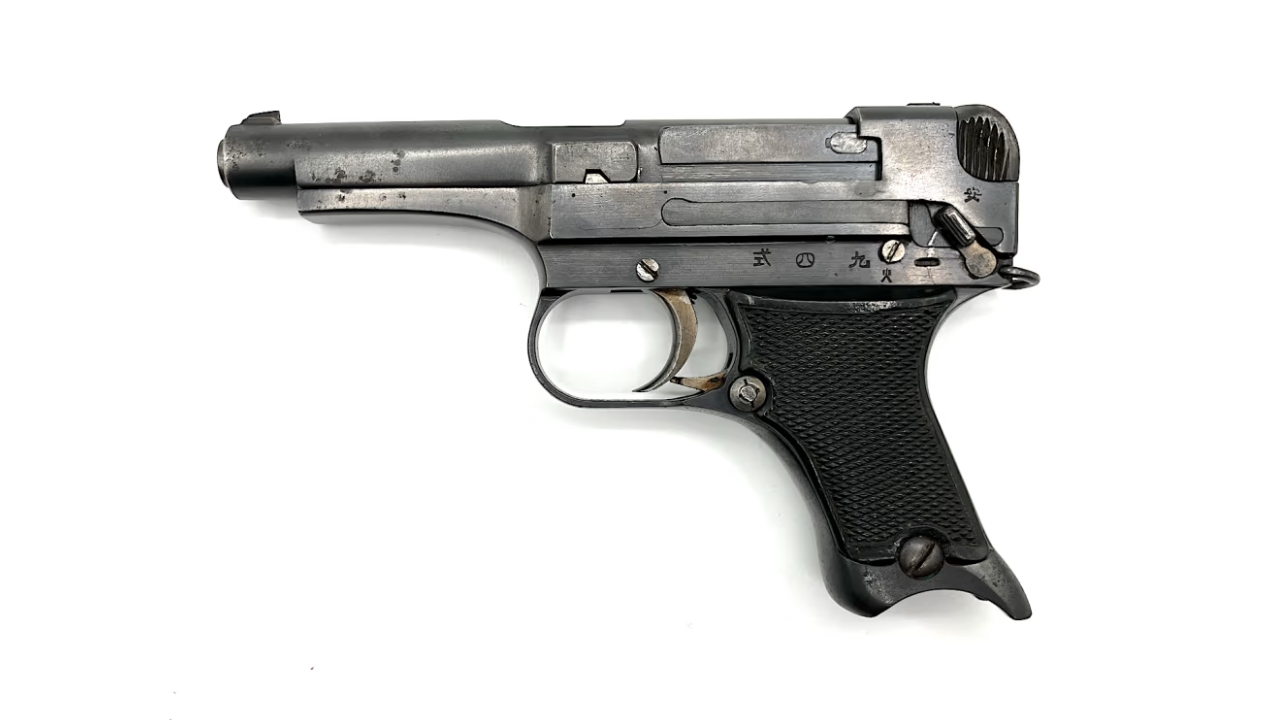
The Type 94 Nambu is one of those pistols that gets brought up anytime people talk about questionable military sidearms. It’s known for an exposed sear bar arrangement that can lead to unsafe behavior if mishandled. Whether you call it a design flaw or a design compromise, the reputation is baked in.
If you own one, it’s more historical artifact than practical shooter. You treat it with extra care because the mechanism has a story attached, and not a flattering one. Collectors may appreciate the history, but nobody looks at a Type 94 and thinks “trustworthy service pistol.” It’s famous because it represents a cautionary tale in handgun design.
Chauchat M1915

The Chauchat’s reputation is so bad that people repeat jokes about it without knowing much else about World War I small arms. A big part of that comes from reliability problems tied to its magazine design, which could invite dirt and debris into the system. In muddy, chaotic conditions, that kind of weakness gets exposed fast.
Owning one today is about history, not performance. The gun became an example of how a weapon can be “good enough” on paper and still fail in the one environment that matters: real use. The Chauchat is famous because it’s a symbol of frustration—soldiers stuck with a gun that didn’t always cooperate. That kind of reputation doesn’t fade.
Ross Rifle Mk III

The Ross Rifle has a complicated history, but its World War I reputation is rough. It became known for problems in trench conditions, and it also carried a notorious issue where the bolt could be assembled incorrectly, creating a dangerous situation. That’s the sort of detail that becomes legend, because it’s easy to repeat and hard to forget.
When you own one, you’re owning a piece of Canadian history with a shadow attached. The Ross could shoot well under the right conditions, but war doesn’t offer “the right conditions.” The rifle ended up famous for what went wrong when everything was dirty, rushed, and life-or-death. A rifle can’t afford that kind of headline.
SA80 / L85A1

The L85A1 is a prime example of a rifle that later improved but never fully escaped its early reputation. The original versions were heavily criticized for reliability and durability issues, and that story traveled worldwide. Even after major upgrades, the first impression remained the headline for a lot of shooters.
If you own or handle one, you’re often hearing the same lines repeated about “before the fix” and “after the fix.” That’s a branding problem no manufacturer wants. The L85A1 became famous because it showed how badly a service rifle launch can go when the early guns don’t match the demands placed on them. It’s hard to shake “fixed later” when the first version got that much heat.
Early M16 (Vietnam-era reputation)
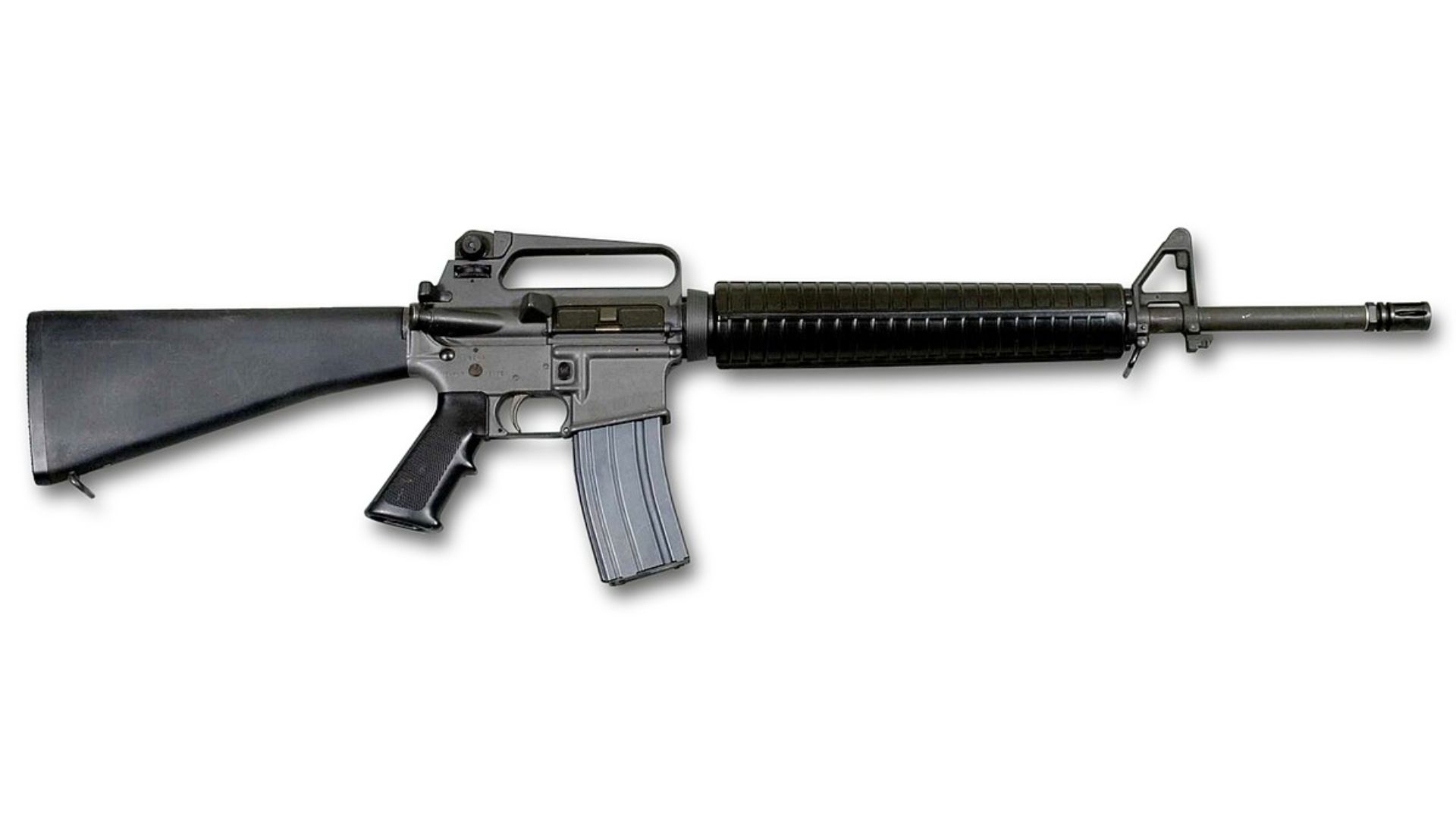
The early M16 story is one of the best-known examples of a rifle getting blamed for a mess of decisions. Changes in ammo specs, cleaning practices, and support equipment contributed to serious reliability problems in Vietnam. Soldiers paid for that confusion, and the rifle’s early name took a beating.
Even though later improvements addressed many issues, the legend stuck. When you own an AR today, you still hear echoes of that history anytime someone talks about “jamming M16s.” The rifle eventually became one of the most successful platforms on earth, but its early fame was earned the hard way. The wrong kind of fame lasts a long time, even after the facts catch up.
Bren Ten
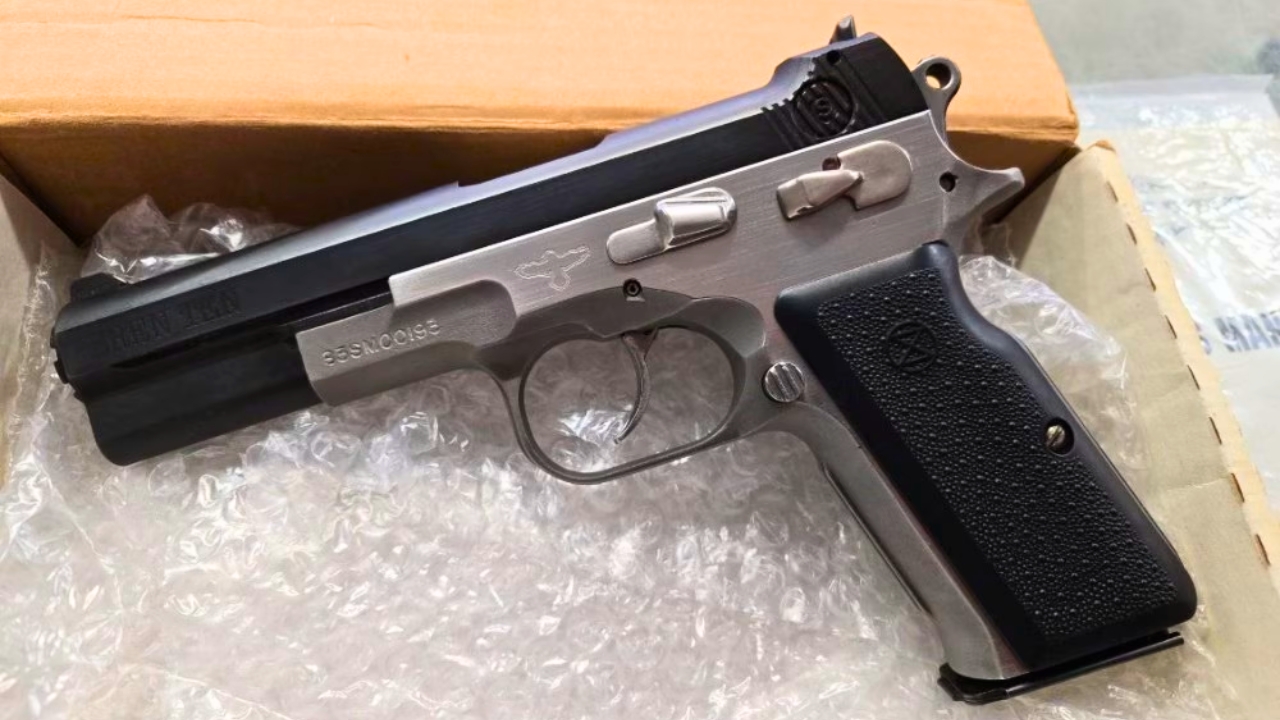
The Bren Ten is famous because it promised the future and then ran into production reality. It became tied to scarcity, inconsistency, and especially magazine availability issues that made ownership frustrating. The gun developed a mystique, but a lot of that mystique came from things going sideways.
If you own one, you’re living with a pistol that’s as much collector story as shooter. The Bren Ten name gets repeated because it represents a big idea that didn’t land cleanly. That’s why it’s remembered—less for what it did at the range and more for the business and supply problems that kept it from becoming what it was supposed to be.
Intratec TEC-9

The TEC-9 became a cultural symbol, and not in a way any gun owner should feel good about. It’s been tied to criminal imagery, political debates, and sensational headlines for decades. Even people who know nothing about guns recognize the shape and attach it to bad narratives.
Owning one means owning baggage. Whatever your intentions are, the public image is already set, and it tends to dominate the conversation. The TEC-9 isn’t famous because it’s a benchmark of engineering or performance. It’s famous because it became a prop in America’s worst arguments. That’s the definition of being known for the wrong reasons.
Ingram MAC-10 (M10)
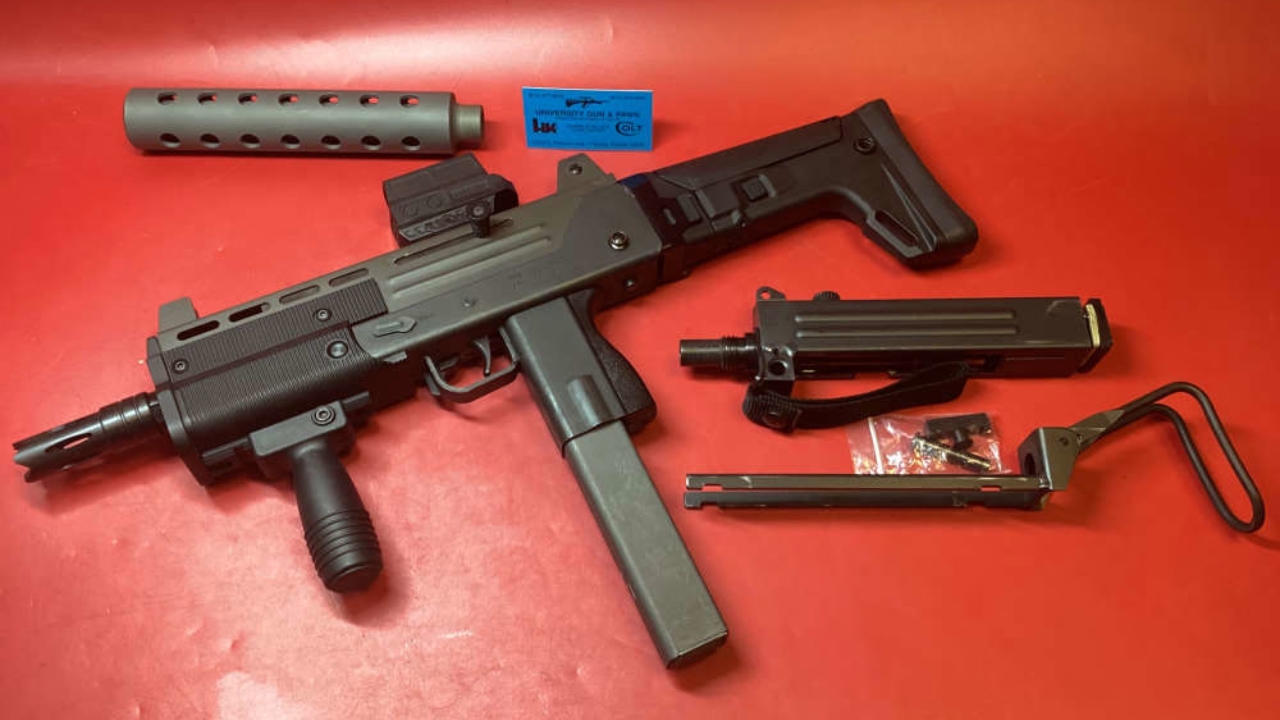
The MAC-10 has an unmistakable silhouette and a reputation built heavily through pop culture. It’s been glamorized in movies and music, often portrayed as a spray-and-pray icon rather than a serious tool. That image has followed it for years, and it shapes how people talk about it.
When you own one in any semi-auto form, you’re buying into a legend that’s louder than the reality. Practical shooting value isn’t what made it famous. The name became shorthand for “dangerous-looking” in the public imagination, whether that’s fair or not. The MAC-10 is remembered because the story around it grew bigger than the gun itself, and that story wasn’t built on responsible use.
Jennings J-22
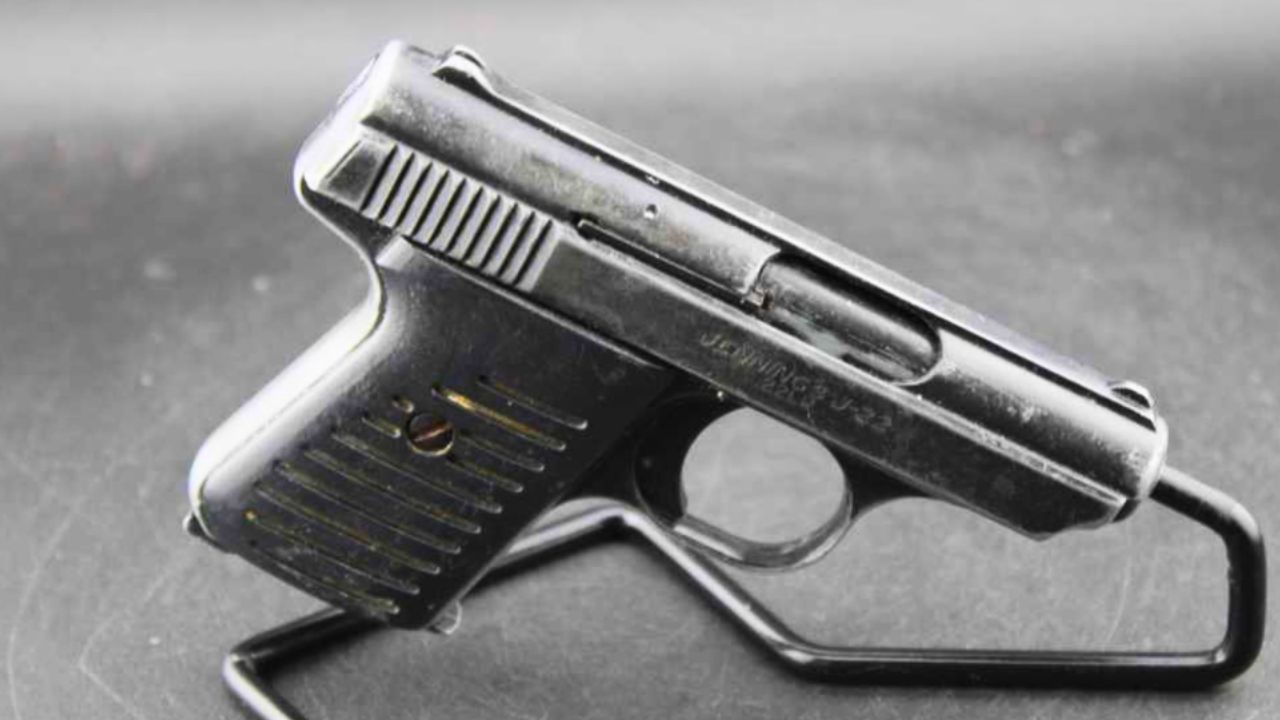
The Jennings J-22 became infamous as part of the “Saturday Night Special” era—ultra-budget handguns that were widely criticized for cheap construction, uneven reliability, and a reputation tied to the worst side of gun culture. These pistols were common because they were inexpensive and available, not because they were well-regarded tools.
Owning one often means dealing with the downsides that created the stigma in the first place: spotty function, rough controls, and a lack of confidence that keeps it out of serious roles. The J-22 is famous because it represents a whole class of guns people love to argue about—cheap, small, and often bought for the wrong reasons. It’s a name that stuck as a warning, not a recommendation.
Like The Avid Outdoorsman’s content? Subscribe to our newsletter so you never miss an article.
Here’s more from us: