Photo credit: SPN Firearms/YouTube
Some pistols seem perfect at first grip—the balance feels right, the texture fits your palm, and the ergonomics make you think it’ll print cloverleafs. Then you get to the range, and that confidence evaporates. Groups drift, flyers multiply, and your sight picture never matches your hits. The problem isn’t always you; it’s the gun. Some models have triggers, barrels, or lockups that simply don’t live up to their feel. Here are the handguns that make you smile when you hold them but frown once you start sending rounds downrange.
Walther CCP M2

The Walther CCP M2 feels like it was sculpted for your hand. It’s slim, smooth, and points naturally, giving every impression of precision. But on the range, accuracy doesn’t match that comfort. The Softcoil gas system, while clever, introduces inconsistent lockup and barrel harmonics. Those variables mean your shots rarely stack where you expect.
The long, mushy trigger reset and vague break only add to the problem. It’s not inaccurate by accident—it’s a system that trades control for comfort. You’ll enjoy holding it and carrying it, but paper targets will show the truth.
Taurus G3C
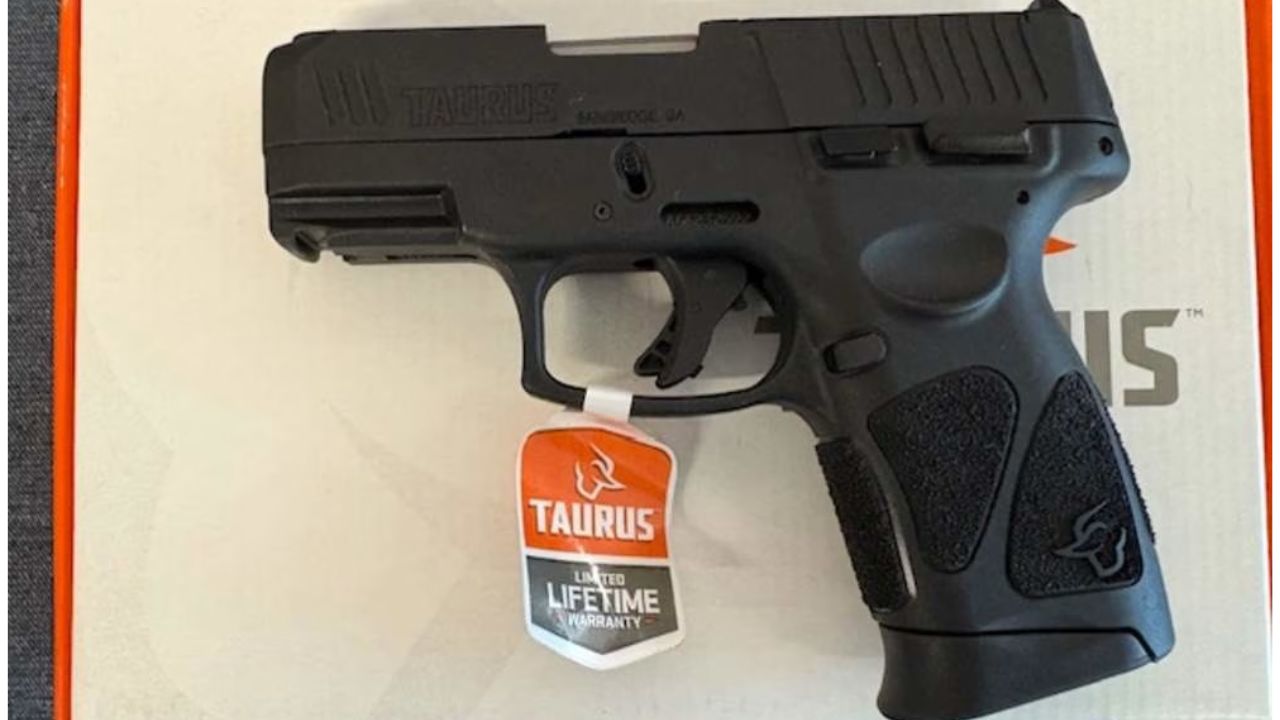
The Taurus G3C’s grip texture and ergonomics are genuinely impressive for its price. It locks into your hand naturally and feels ready to perform. Unfortunately, that promise fades as soon as you start shooting groups. The trigger break varies slightly from shot to shot, and the barrel lockup doesn’t always return to the exact same position.
The result is a pistol that feels like it should shoot much better than it does. You can burn through boxes of quality ammo chasing tighter groups, but they never quite come together. It’s a comfortable carry gun, but consistency isn’t its strong suit.
Springfield XD Sub-Compact
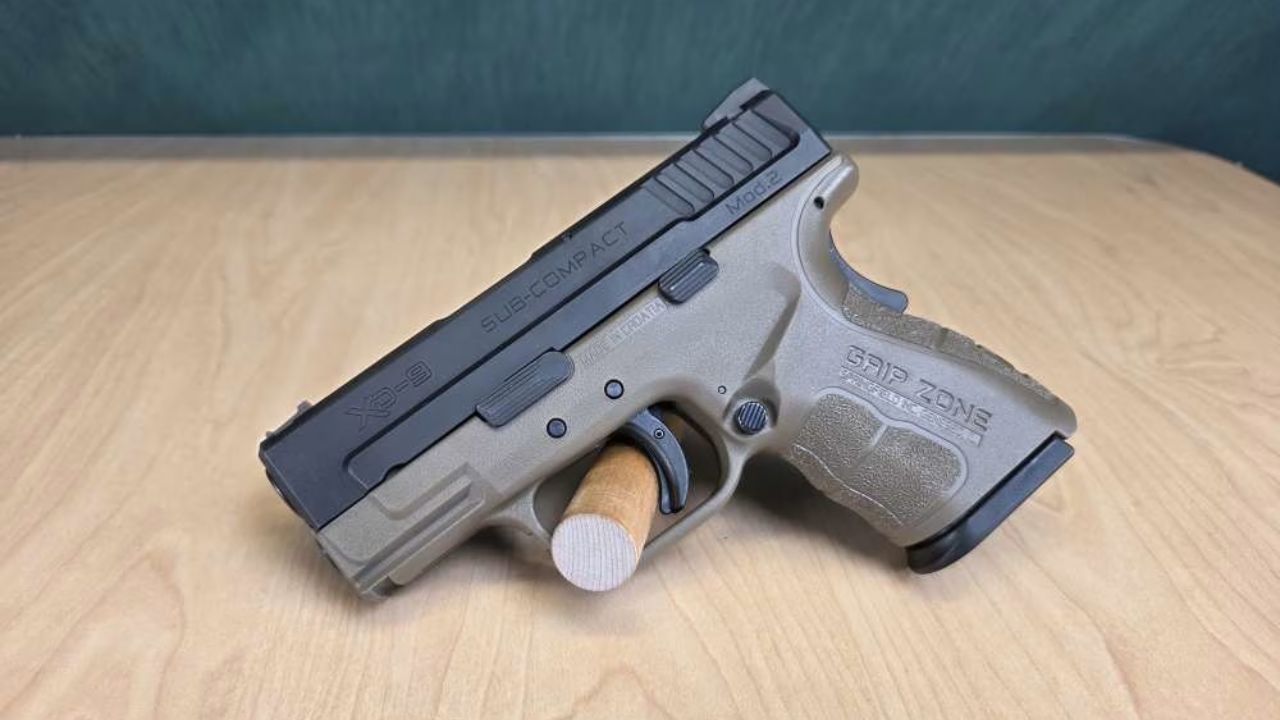
Pick up a Springfield XD Sub-Compact and you’ll immediately notice the natural angle and confidence it inspires. The grip safety feels intuitive, and the overall weight distribution is ideal. But when you start testing it for accuracy, it rarely delivers the precision its feel suggests.
The short sight radius, spongy trigger, and jumpy recoil impulse conspire to open groups at distances where others stay tight. Even with premium ammo, the XD Sub-Compact tends to throw flyers that aren’t entirely your fault. It’s a case of comfort over control, and it shows on the target.
SIG Sauer P250
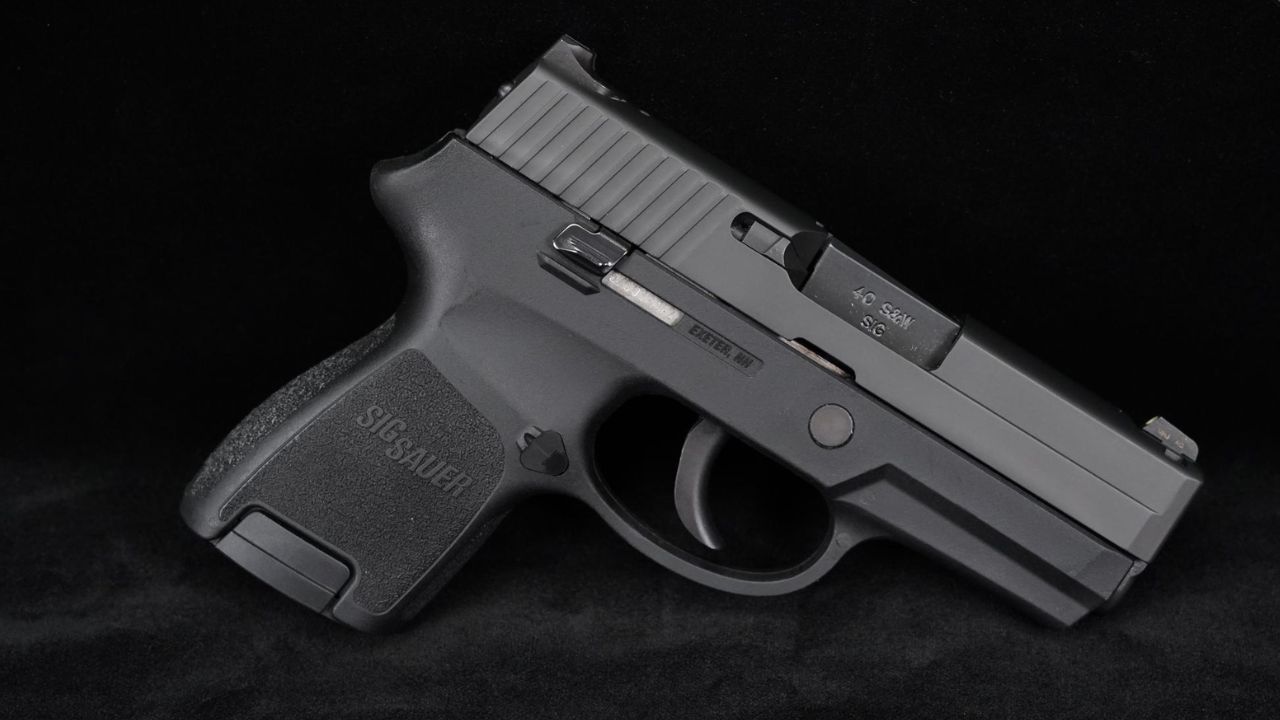
The SIG P250 has a grip that feels refined and deliberate, like it was molded for practical use. The modular design and balance make it a dream to hold. But the long, heavy DAO trigger pull ruins any hope of consistent groups for most shooters. Each pull feels like a miniature workout, and sight alignment drifts as a result.
Even with premium ammo, the long travel masks your trigger control. It’s not that the gun is inherently inaccurate—it’s that it prevents you from being consistent. It looks and feels the part of a quality SIG, but it shoots like something far less precise.
Beretta PX4 Storm Subcompact
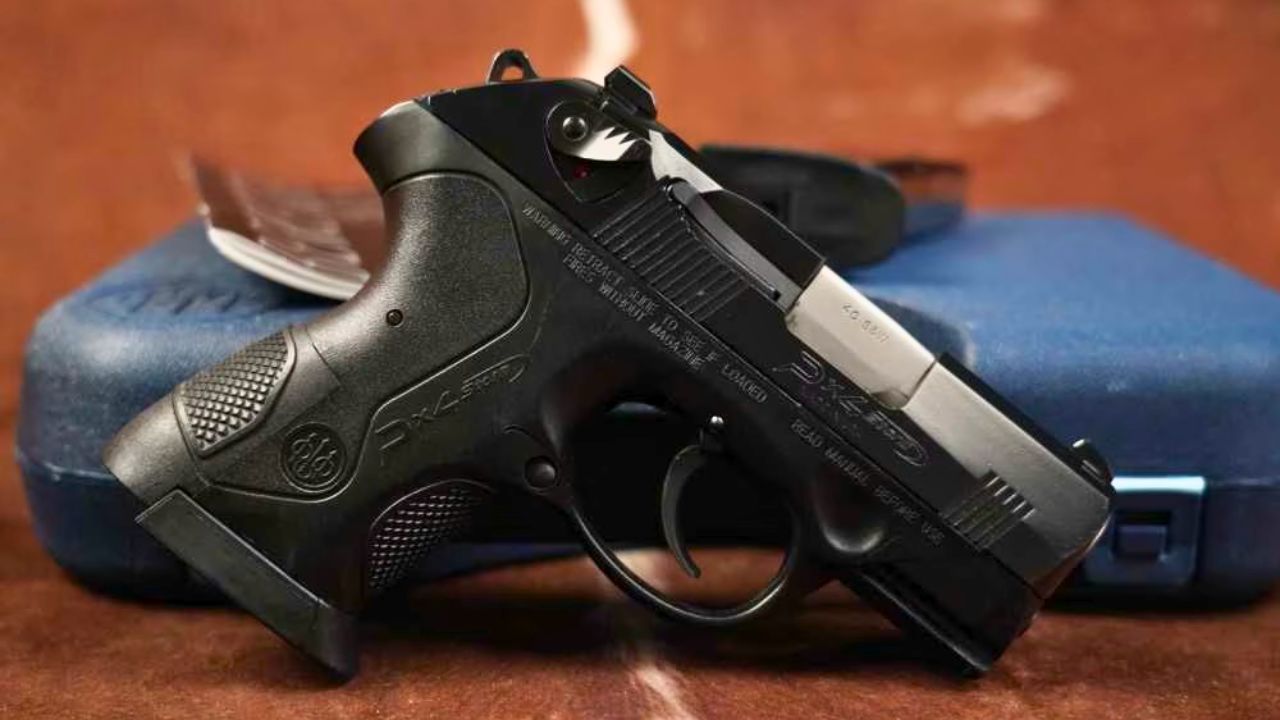
The Beretta PX4 Storm Subcompact feels ergonomic and secure, with excellent grip contours and weight balance. Its rotating barrel design is unique and gives a sense of refinement. Yet that same system often hurts consistency on paper. The barrel’s rotation can create minor variations in lockup, especially as the gun gets dirty or warm.
Pair that with a long, heavy DA/SA trigger and a short sight radius, and you’ve got a pistol that feels far better than it performs. It’s an enjoyable gun to hold and dry fire—but when it’s time to measure your groups, the numbers don’t lie.
Smith & Wesson Sigma SW9VE

The Sigma’s grip design actually feels close to a Glock’s, with a decent palm swell and reachable controls. It’s light, balanced, and comfortable, which gives you confidence. Then you pull the trigger—and the trouble starts. The gritty, heavy pull completely undermines the natural feel.
Even experienced shooters struggle to hold tight groups because the trigger stack-up causes sights to drift just before the break. The Sigma’s comfort fools you into thinking it’ll perform well, but the mechanical feel tells a different story as soon as you start shooting.
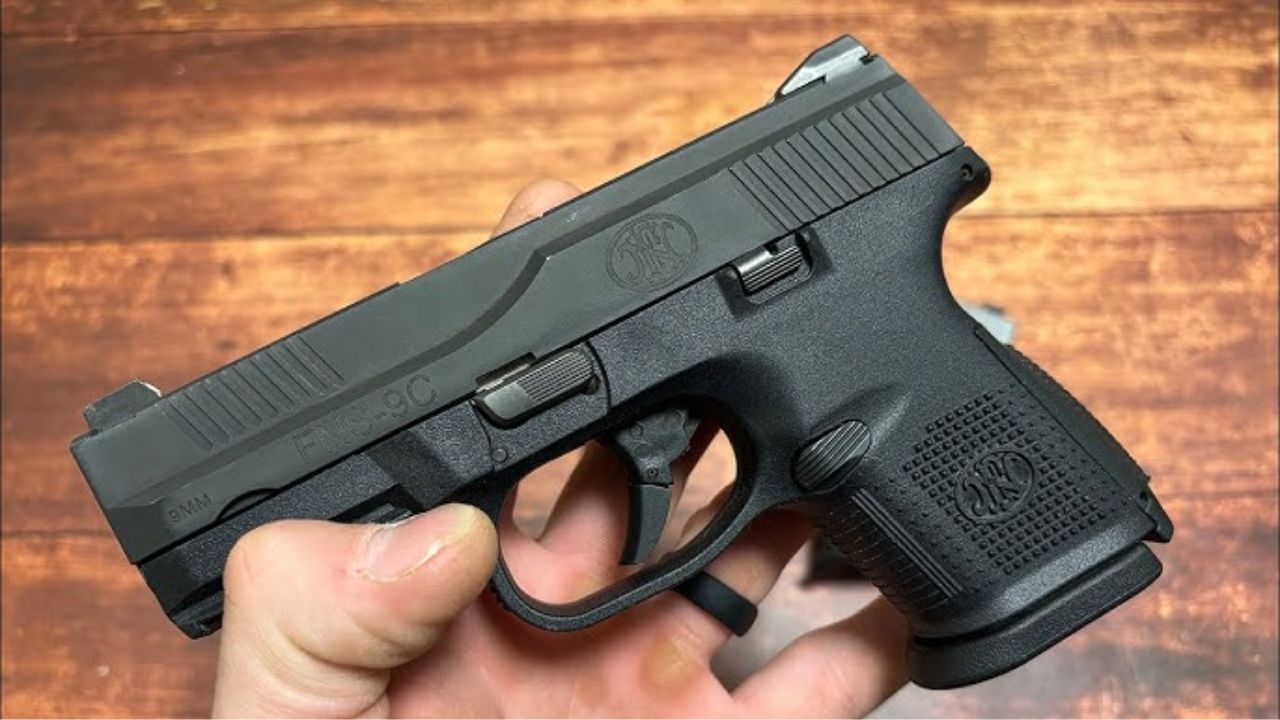
FN FNS-9
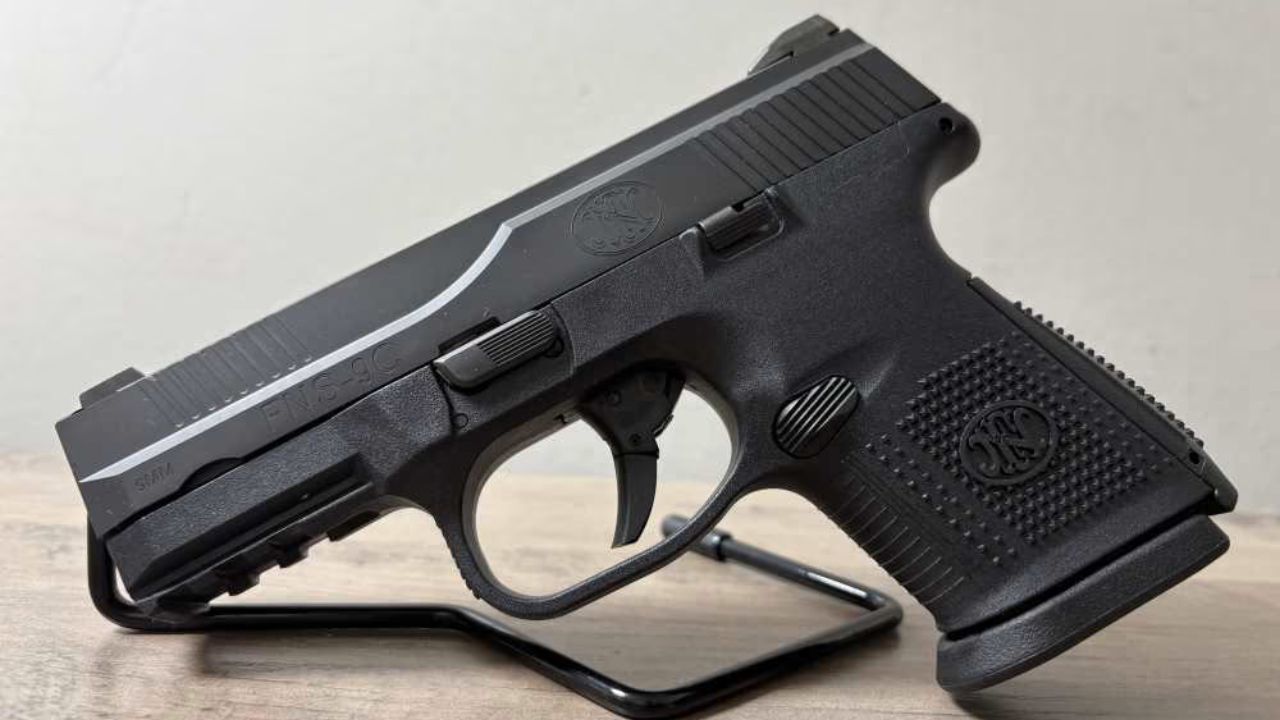
The FN FNS-9 has a grip that rivals some of the best striker-fired pistols. It points naturally, fits most hands well, and feels steady in recoil. But when it comes to grouping, many shooters find it unpredictable. The trigger reset and break vary subtly, and the barrel lockup can loosen over time.
Even with high-end 9mm loads, it tends to print wider than you’d expect from a full-size gun. It feels great and looks professional, but paper targets expose the inconsistency. It’s one of those pistols that makes you feel like you’re shooting better than you actually are—until you check the results.
Ruger LC9
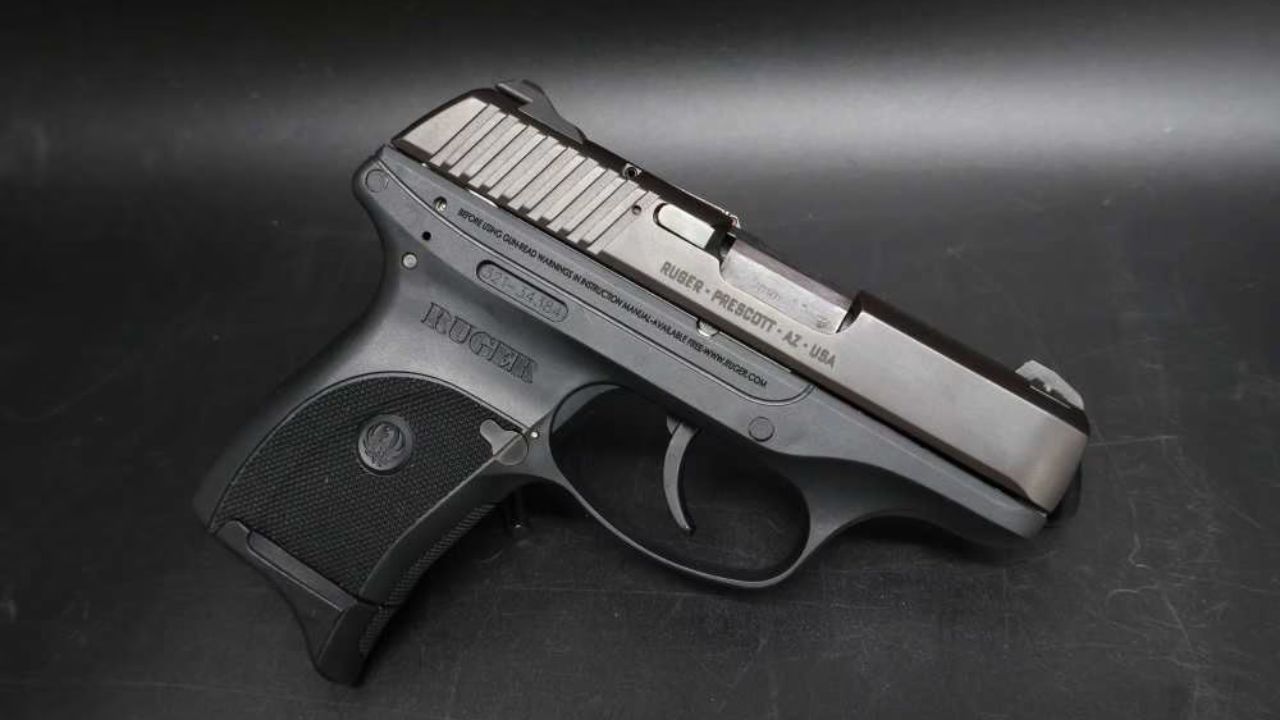
Few pistols fit small hands as nicely as the Ruger LC9. It’s lightweight, narrow, and has just enough texture to keep control. But on the bench, the long, heavy trigger pull makes accuracy a chore. The short sight radius and sharp recoil don’t help either, especially beyond 10 yards.
Even when fed premium ammo, the LC9’s groups tend to spread. It’s not an accuracy issue with the cartridge; it’s the design itself limiting precision. It feels like it should perform well in hand, but the trigger makes that comfort meaningless once rounds start flying.
KelTec P11
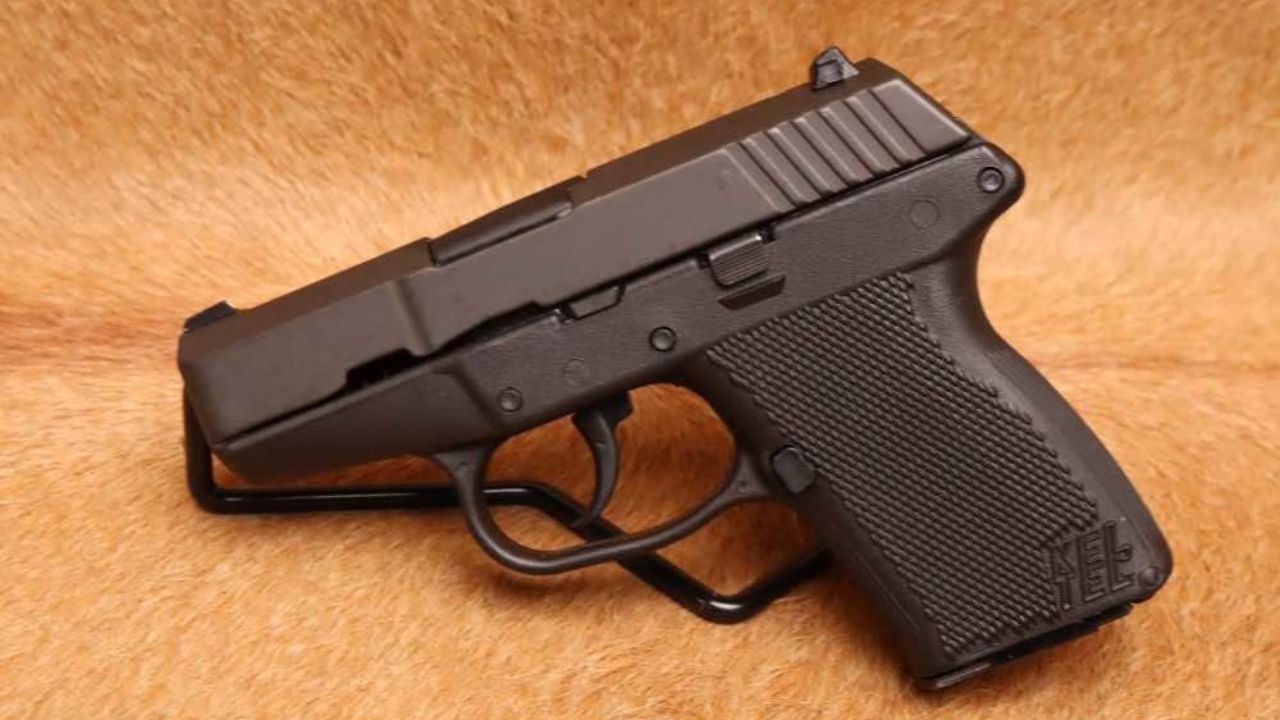
The KelTec P11’s small frame and ergonomic contour make it feel good for its size. It points quickly, and the grip fills your hand better than you’d expect. Unfortunately, the trigger is long, heavy, and inconsistent. That combination destroys any potential for tight groups.
Shooters who’ve tried to master it find their sights wandering long before the trigger breaks. The gun’s comfort in hand doesn’t translate to control on target. It’s reliable enough for defense, but in terms of accuracy, it’s one of the worst offenders that feels better than it shoots.
Remington R51

The Remington R51 has sleek lines, smooth curves, and a grip that feels like a custom fit. Its ergonomics are excellent on paper. But when you pull the trigger, all that comfort turns into frustration. The Pedersen-style action never quite lived up to expectations, and the inconsistent cycling leads to wild point-of-impact shifts.
Even with match-grade ammo, it sprays more than it prints. It’s one of those guns that feel premium in the hand and look fantastic on the counter—but once you take it to the range, you realize why it never gained a loyal following.
Kimber Solo Carry

The Kimber Solo Carry looks and feels like a luxury pocket pistol. Its curves, grip angle, and controls give it a refined, natural hold. But the short barrel and stiff trigger make it far less accurate than it looks. The pistol’s small frame amplifies recoil, and follow-up shots often go wide.
Even skilled shooters have trouble keeping groups tight with high-pressure loads. It feels too good to be this inconsistent, yet time and again it proves that form doesn’t always equal function. You’ll love how it feels in your hand—until you see what it does on paper.
Like The Avid Outdoorsman’s content? Be sure to follow us.
Here’s more from us:
The worst deer rifles money can buy
Sidearms That Belong in the Safe — Not Your Belt
*This article was developed with AI-powered tools and has been carefully reviewed by our editors.