
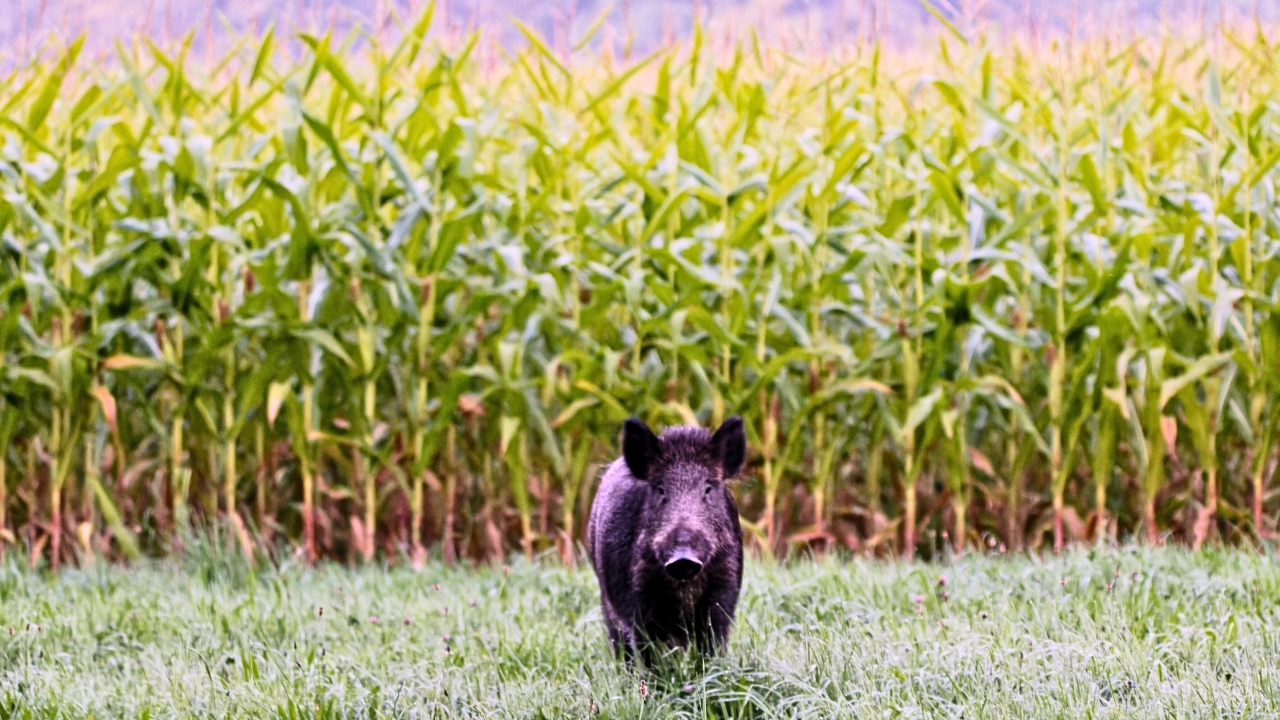
Photo credit: BrunoK1/Shutterstock.com
Feral hogs used to be a “fun bonus” when they wandered past a stand. Now they’re a line item in farm budgets and a headache for anyone trying to keep land in one piece. They tear up crops, roll pastures like a rototiller, wreck levees, and foul water. Once they’re dug in, you don’t get rid of them—you just try to slow them down. These are the states where that damage has gone from “annoying” to “hard to ignore,” and where a hog invite is really a cry for help, not a casual hunt.
Texas

Texas is hog ground zero. In a lot of rural counties, it’s rare to find a landowner who hasn’t had fields rooted, feeders robbed, or fences pushed over. Corn, wheat, hay, peanuts, even yards in town—nothing is safe when a sounder moves through. They punch through creek banks, tear up tanks, and turn new plantings into bare dirt overnight.
For hunters, it’s a target-rich environment, but you have to treat it like work. Most landowners don’t want a couple of buddies shooting twice a year. They want someone who will show up with thermals, traps, or at least a consistent plan to knock groups down, not spread them around.
Arkansas

Arkansas has hogs in the hills, hogs in the bottoms, and hogs in pine country tearing up timber stands. Farmers deal with rooted up soybeans and rice fields, cattlemen fight wallows in every low spot, and timber owners lose young trees before they ever get started. In some areas, you can tell where pigs are living just by looking at how rutted the roads and ditches are.
If you hunt here, you’ll see more serious control efforts—corral traps, helicopter work, state-led projects. Showing up with an AR is fine, but you’ll get a lot farther with landowners if you ask how you can fit into whatever organized plan they already have.
Louisiana

In Louisiana, hogs don’t stop at row crops. They wreck levees, chew up duck impoundments, and root holes in marsh projects that were supposed to slow erosion. Rice, sugarcane, and crawfish operations all take hits, and their rooting in wet areas can wreck water control structures in a single night.
For hunters, that means plenty of hog opportunity, but it also means rules. A lot of places down there have specific regs on night hunting, access, and where you can drive. If you want long-term invites, you treat those places like a job site, not a free-for-all.
Oklahoma

Oklahoma went from “pigs mostly in the southeast” to “pigs pretty much anywhere with cover and water” in a hurry. They crush corn and milo, punch holes in hayfields, and rip up creek bottoms cattle use for shade and water. Once they get set up in those cross-timber pockets, they’re hard to pry out.
Landowners here are more tuned in now—less excited about random hog hunting, more interested in guys who understand trapping and not moving live pigs. If you show up promising to “hunt them out,” don’t be surprised if you get a funny look. The folks living with it know better.
Mississippi

Mississippi’s mix of row crops, timber, and river bottoms is perfect hog habitat, and the pigs are cashing in. Corn, soybeans, and rice take direct hits. Then hogs slide into cutovers and hardwoods, rooting up acorns and tearing trails into every wet low spot. They also stack up around deer feeders and food plots, bullying everything else off the groceries.
Hunters who lease ground here are paying the hog tax one way or another. If you’re smart, you’re part of the solution—helping run traps, shooting consistently, and working with neighbors—because the alternative is watching more game and money walk away on four legs.
Alabama

Alabama’s hog problem shows up from the Black Belt to the coastal plain. Pigs hammer pastures, pond dams, and food plots, then spend the rest of the year living in creek bottoms and swamps where they’re tough to reach. They compete with deer and turkey for mast and tear up freshly planted pine stands before the seedlings ever get rooted.
On the hunting side, year-round hogs sound fun until you see what they do to a farm’s numbers. Most landowners would rather you help run coordinated pressure and trapping than brag about how many you shot once and never came back. Long-term relationships matter here.
Georgia

Peanuts, corn, cotton—Georgia hogs don’t care what’s planted; they’ll take a cut. They also chew up orchard floors, tear irrigation lines, and root up food plots somebody spent good money on seed for. They’re thick in river systems and low ground where ag and timber meet, which makes it easy for them to bounce between properties.
Hunters get a lot of invites precisely because the situation is bad. The catch is you need to be dependable. Farmers want people who actually show up, close gates, respect crops, and help chip away at the problem instead of joyriding for a night and disappearing.
Florida

In Florida, hogs are almost part of the scenery at this point. They tear up palmetto flats, root cattle pastures into craters, and wreck native plant communities that already fight invasives. They also make a mess out of dikes and ditches used for water control on everything from citrus to sugarcane.
There’s no shortage of public and private hog opportunity, but you’d better respect the fact that they’re more than “extra targets.” Down there, hog control overlaps with water quality, invasive plant issues, and cattle health. If you get a chance to hunt, treat it like real work, not background noise.
South Carolina

South Carolina’s coastal plain and river bottoms are hog heaven. Pigs roll through corn and bean fields, wreck pond banks, and tear up managed duck impoundments that cost serious money to build. Timber stands get rooted and compacted, which messes with regeneration and erosion control.
Hunters see a ton of sign—tracks in every mud hole, wallows in the shadows, rooting along every logging road. Plenty of landowners are open to help, but a lot of them are shifting their focus toward trapping first and shooting second. If you want to keep the gate code, plug into that plan instead of fighting it.
North Carolina

In North Carolina, hog damage hits both agriculture and sensitive coastal systems. They root up corn and peanuts inland, then tear into wetlands and restoration projects closer to the coast. Those wallows and trenches in wet ground don’t just look bad—they mess with water flow and habitat that duck hunters and fishermen care about.
For hunters, that means more hog presence on WMAs and private land, but also more rules and oversight. Wildlife folks want pigs gone, but they want them gone smart, not scattered into new places every time someone pushes them the wrong way.
Missouri

Southern Missouri and the Ozarks got such a bad taste of hog damage that the state clamped down hard. Pigs were tearing up glades, food plots, and timber projects, and rooting their way across multiple conservation areas. It was bad enough that the wildlife agency banned hog hunting on some public ground so they could focus on trapping.
That should tell you all you need to know about how serious the damage got. If you’re in Missouri and you want to help with hogs, your best bet is to plug into the official removal efforts instead of trying to freelance every time you see a track.
Tennessee

Tennessee’s hog issues run from mountain hollers to plateau pastures. Pigs hit crops, roll pastures, and wreck creek banks that livestock and wildlife depend on. They also push into oak ridges and cutovers, scarfing mast that deer, turkey, and bear need to carry them through winter.
A lot of hunters here have watched their favorite spots slowly turn more “hog sign” than “deer sign.” That’s why the state has shifted from treating hogs like a hunting resource to treating them like an invasive problem. If you’re serious about helping, you learn the rules and work with that, not against it.
Kansas

Kansas doesn’t have hogs everywhere, and the state wants to keep it that way. The animals that are there have already done enough damage to convince wildlife folks and farmers that “no hogs” is better than “hog season.” They root up crops, chew pastures, and tear into creek bottoms just like they do farther south.
If you’re lucky enough to get in on eradication work, understand the mission: they’re trying to kill every last pig in a given area, not build a “hog hunting scene.” That attitude is exactly why Kansas damage is bad but not Texas-level yet.
Hawaii

Hawaii’s hog problem looks a little different. Instead of corn and cotton, they’re wrecking native forests, pasture, and watershed areas. They root up understory plants, help spread invasive species, and foul water that feeds both people and reefs. For landowners and conservation folks, that’s a direct hit on both agriculture and fragile native ecosystems.
Hog hunting is part of the culture there, and hunters absolutely play a role in control. But if you go there to hunt, you need to respect that you’re dealing with a conservation problem first, wild-game opportunity second. The damage is bigger than one hillside or one pig roast.
California

California’s wild pigs are scattered but brutal where they show up. Vineyards, orchards, cattle ground, and oak woodlands all take hits. They tear up fire breaks, roll roads, and churn riparian areas into mud pits that feed erosion and weed problems. They also raid feeders and food plots on the few private ranches that still run traditional hunts.
If you’re hunting pigs in California, odds are someone invited you because they’re tired of the mess. Bring that mindset with you. Close gates, watch for erosion-sensitive spots, and treat every pig as part of a bigger problem you’re helping chip away at, not a novelty.
Like The Avid Outdoorsman’s content? Subscribe to our newsletter so you never miss an article.
Here’s more from us:


