Photo credit: The Armed Outdoorsman/YouTube
If you hang around gun shows long enough, you start to notice a pattern. The tables are full of “just hunting rifles” with a tag that looks like it was written for any old deer gun. But some of those rifles are not ordinary at all. They are the ones that disappear fast when a guy in a faded cap picks them up, works the bolt twice, checks the markings, and suddenly gets real quiet.
I’m not talking about museum pieces you’re scared to carry in the rain. I’m talking about rifles that still hunt, still shoot, still make sense in the real world—but get priced like they’re interchangeable with whatever polymer-stock special is on sale. If you know what you’re looking at, these are the deals that sting later if you pass on them. Ask me how I know.
1. Winchester Model 70 Pre-64

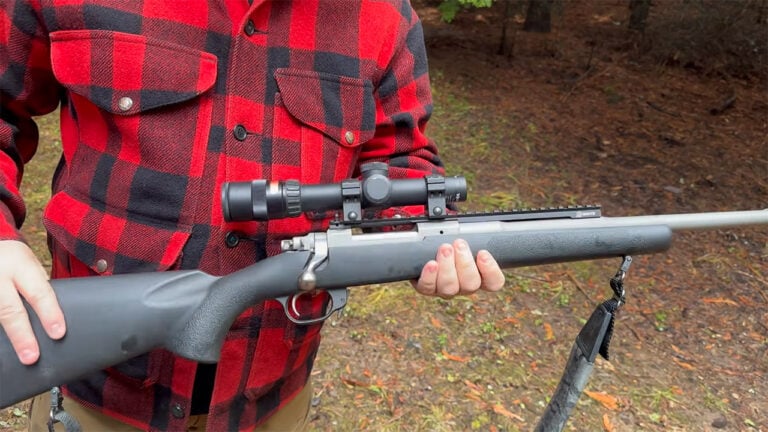
The old Pre-64 Model 70 is one of those rifles dealers will slap a “nice deer rifle” tag on and move along. The controlled-round-feed action is the whole story here. It feeds like it means it, especially when you’re cycling it hard from an awkward position in the cold.
They aren’t all magical tack-drivers, and plenty have honest hunting wear. Still, the fit and the way they carry is hard to duplicate without spending a lot more money. If you pick one up and the bolt feels like it’s on oiled glass, don’t overthink it.
2. Remington Model 700 BDL (older walnut guns)

You can argue about Remington all day, but an older 700 BDL is a classic for a reason. The balance is right, the triggers on many of them are very workable, and the aftermarket support is basically endless if you want to keep it traditional or turn it into something else.
Gun shows are full of newer rifles trying to imitate that “real rifle” feel. A clean BDL with good bluing and sharp checkering shouldn’t be treated like just another used 700. It’s a rifle you can hand to your kid and not feel like you’re passing down a compromise.
3. Ruger M77 Mark II (tang safety and early controlled-feed era)

The M77 Mark II gets overlooked because it’s not flashy and the lines are a little blocky compared to newer stuff. But the action is stout, the extractor is serious, and they tend to be the kind of rifle that keeps working after years of dust, rain, and riding in a scabbard.
Some shoot lights out, some are merely “minute of whitetail,” and Ruger factory triggers from certain years can feel heavy. None of that changes the fact that these are honest, do-it-all rifles that are getting harder to find un-messed-with.
4. Savage Model 99
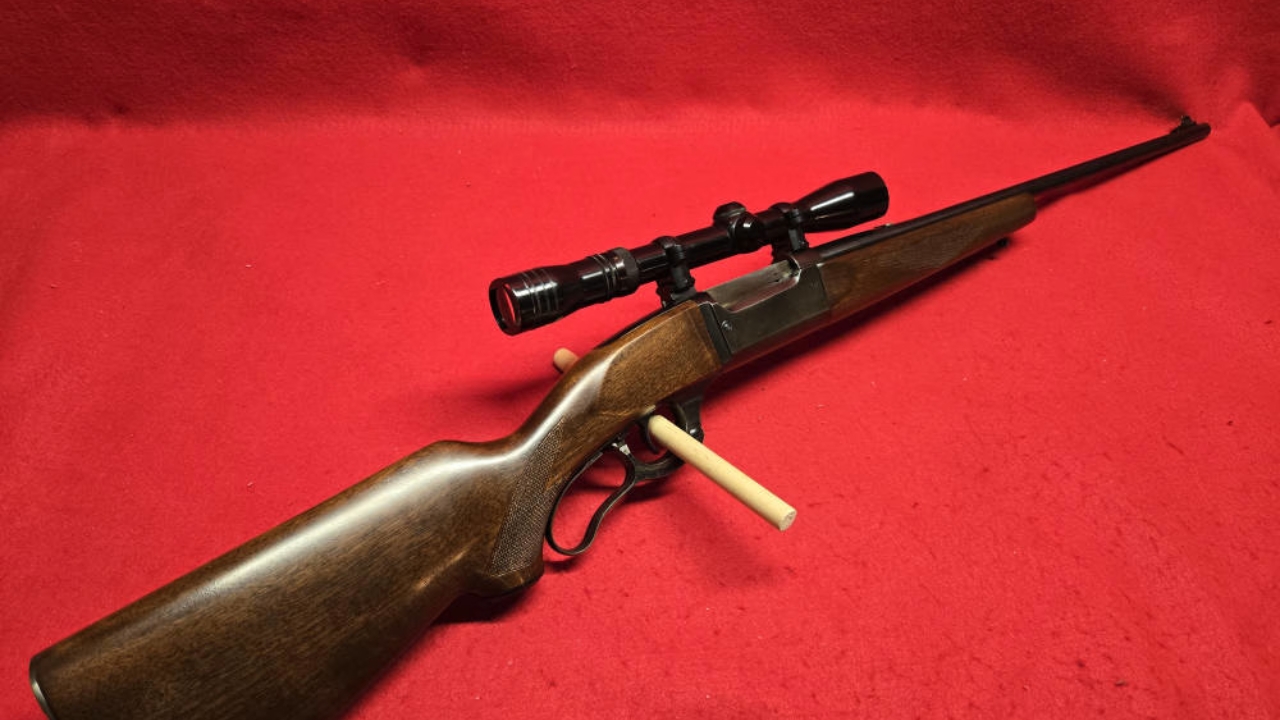
Every gun show has at least one Savage 99 sitting there like an antique that doesn’t know it’s valuable. Lever gun, rotary magazine (on many variants), slick handling, and it points fast in timber. It’s not a cowboy rifle; it’s a hunting rifle from a time when companies built things to last.
Condition matters a lot on these, and some calibers bring real money. But even a worn one can be a fantastic woods rifle if the bore is decent. Just don’t expect replacement parts to be as easy as your modern bolt gun.
5. Marlin 336 “JM” stamped
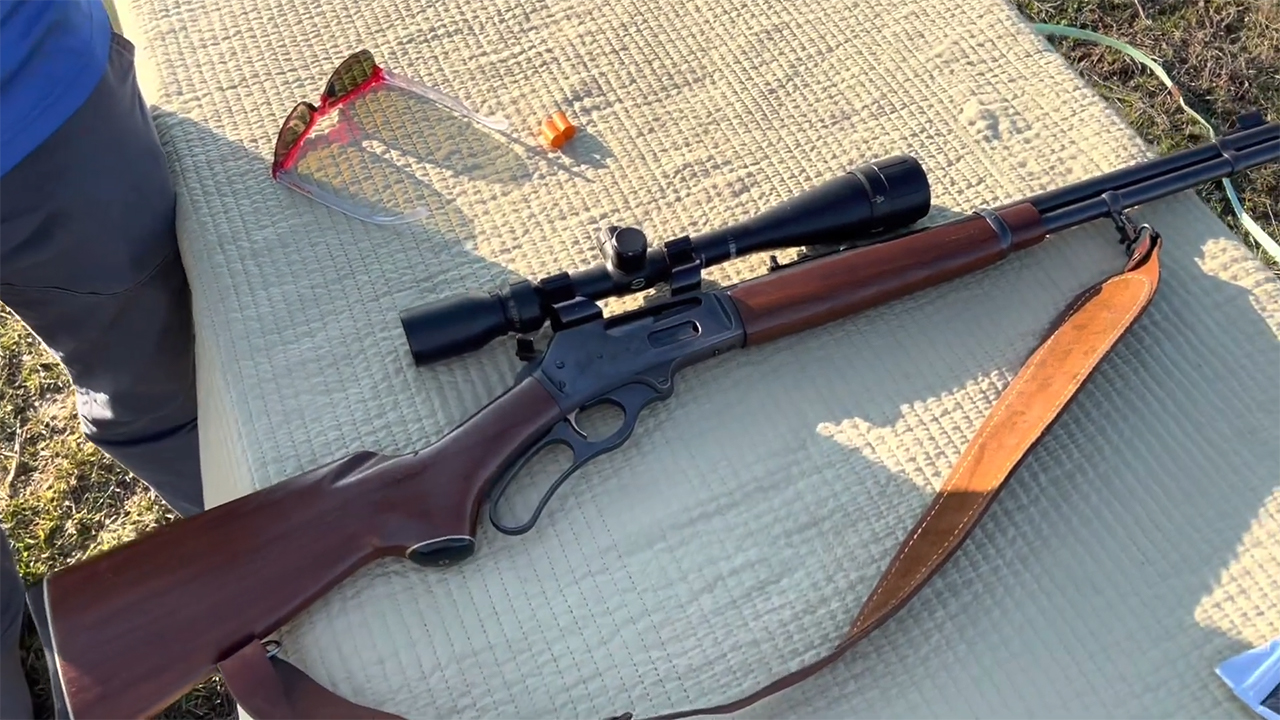
When you see that little JM marking on the barrel, you’re looking at the older Marlin era that a lot of hunters trust more. A 336 carries like a walking stick and hits like it should inside normal deer ranges. Simple, quick, and it just feels right in the hand.
They get priced like any other used lever gun because they’re common at shows. Then you go try to buy one later and realize the market noticed. If it locks up tight and cycles smooth, it’s not “common” anymore.
6. Marlin Model 39A
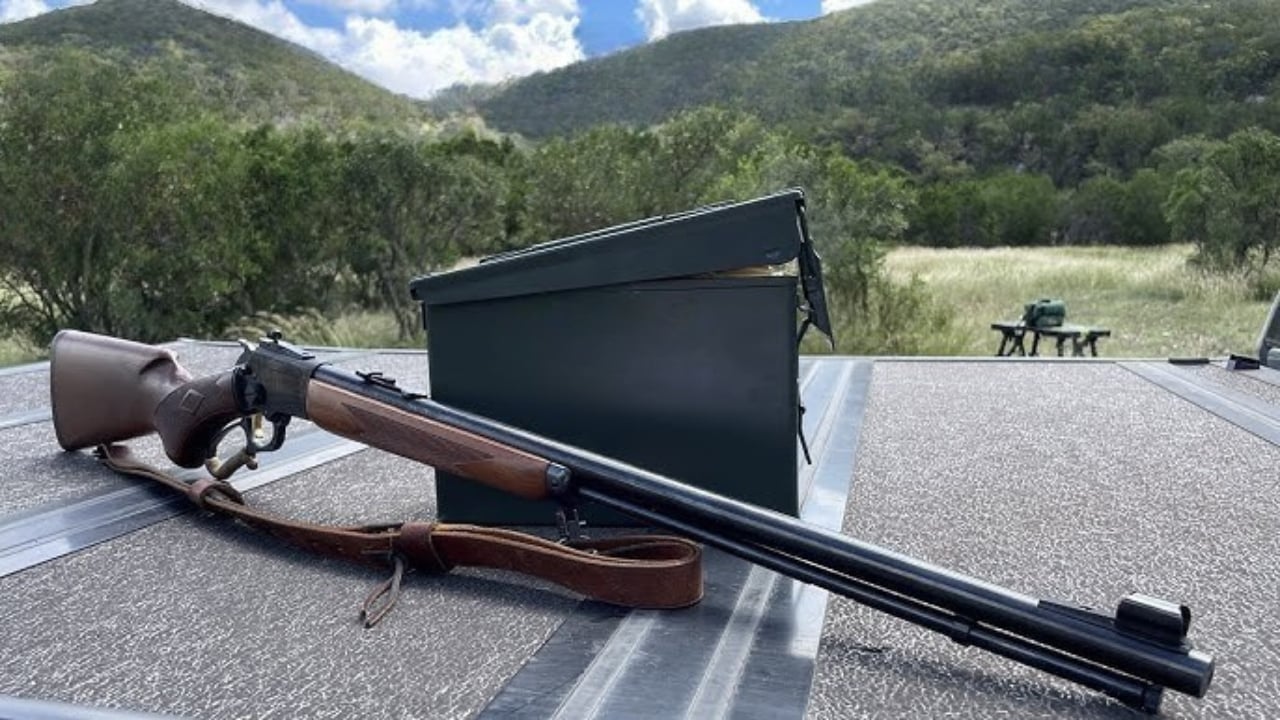
A good 39A is one of the best .22 rifles ever made, and I’ll stand on that. It’s a lever-action that feels like a centerfire rifle shrunk down, not a toy. They shoot, they last, and they tend to become family guns whether you plan it or not.
Gun show tags often treat it like “just another .22.” That’s a mistake. If you want a .22 you’ll still be proud to own in 30 years, this is one of the shortest paths to that goal.
7. Winchester Model 94 Pre-64
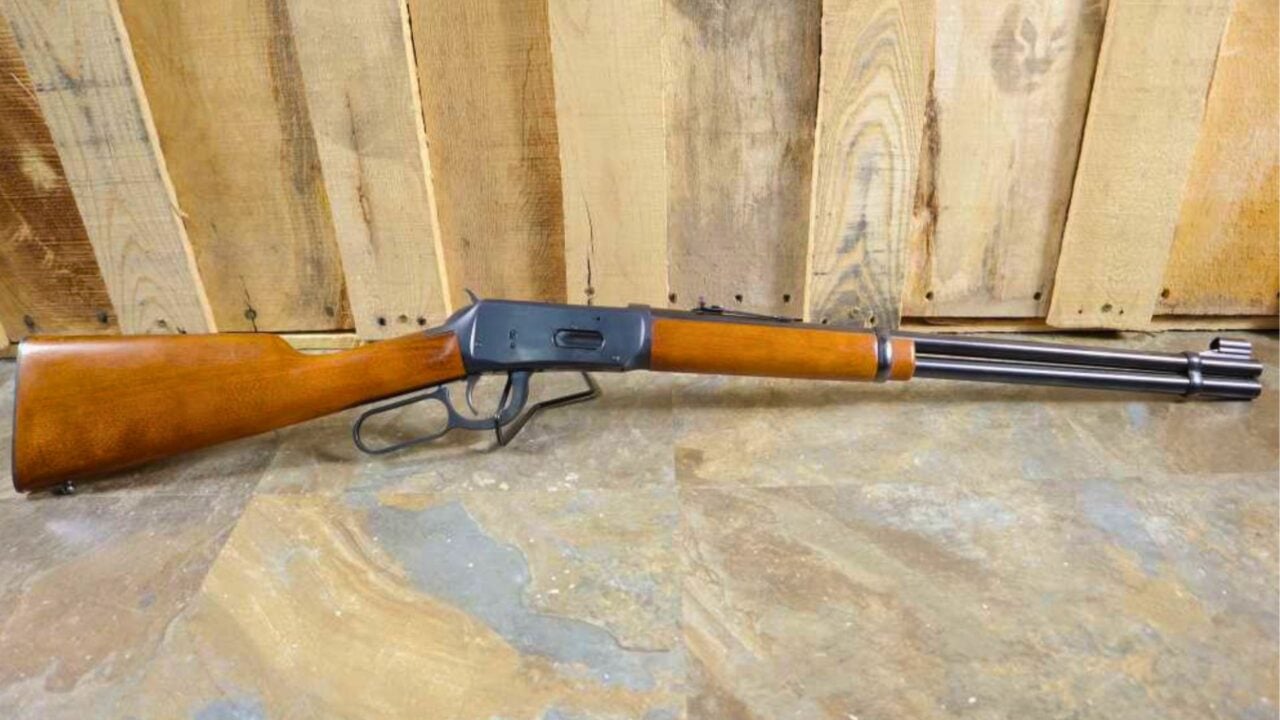
Pre-64 Model 94s aren’t all collector-grade, but they have a feel that later rifles don’t always match. The actions tend to be smoother, and the overall fit is what you notice when you shoulder it. It’s a fast rifle for thick stuff, and it’s about as “real America” as it gets without getting corny.
Be picky about bore condition and make sure the sights haven’t been mangled. These rifles got used hard, which is kind of the point. A good one is still a hunting tool, just a better one than the price tag often admits.
8. Browning BLR (steel receiver, older production)

The BLR is a lever gun for people who want real rifle cartridges and spitzer bullets, and it does it without being clunky. The older steel-receiver guns feel solid and point naturally. They’re not cheap new, and they’re not as common on tables as you’d think.
Magazines can be the hang-up, so make sure it comes with at least one good mag and that it locks in right. If the lever throw is smooth and it feeds clean, you’re holding a rifle that can cover a lot of hunting ground.
9. Ruger No. 1
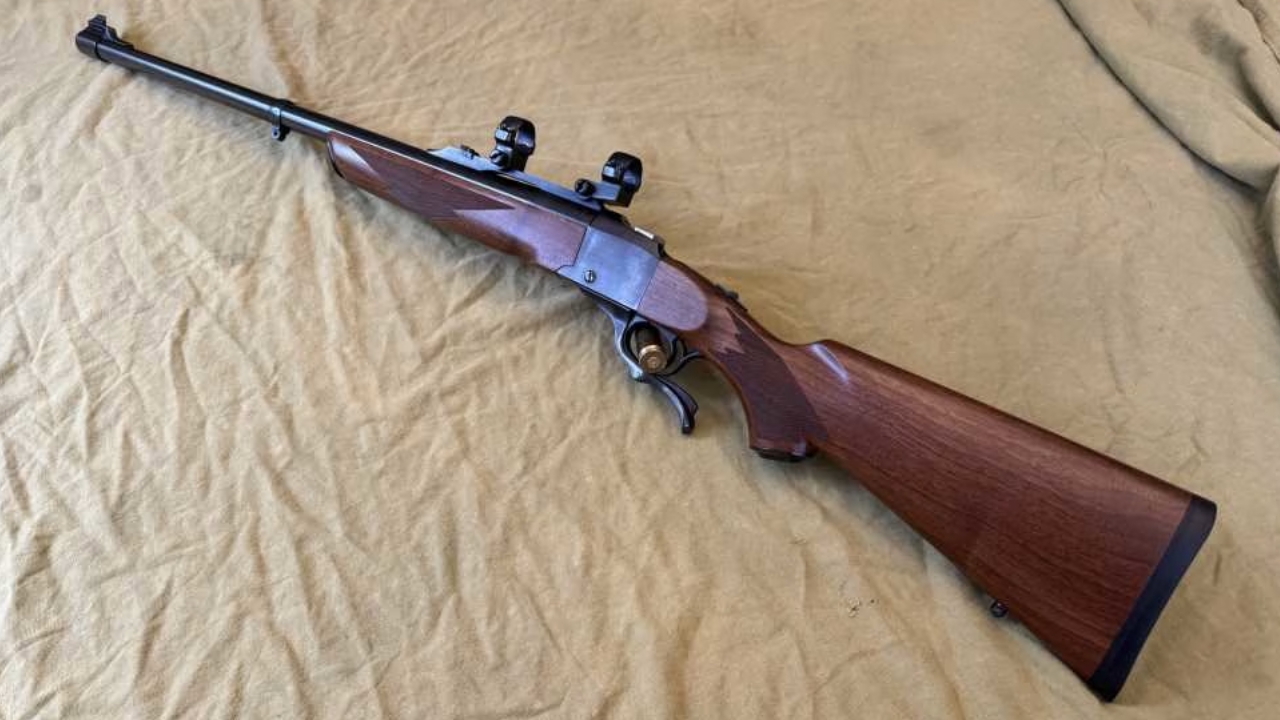
Single-shot rifles are easy for dealers to shrug off because they’re “slow.” In the real world, a Ruger No. 1 carries beautifully, balances like a fine shotgun, and feels special every time you drop the lever. Plenty of them shoot far better than folks expect.
Not everyone wants a single shot for deer camp, I get that. Still, if you like simple and strong, there aren’t many modern rifles with this kind of craftsmanship left in them without going fully custom.
10. CZ 527 (especially in 7.62×39 and .221 Fireball)
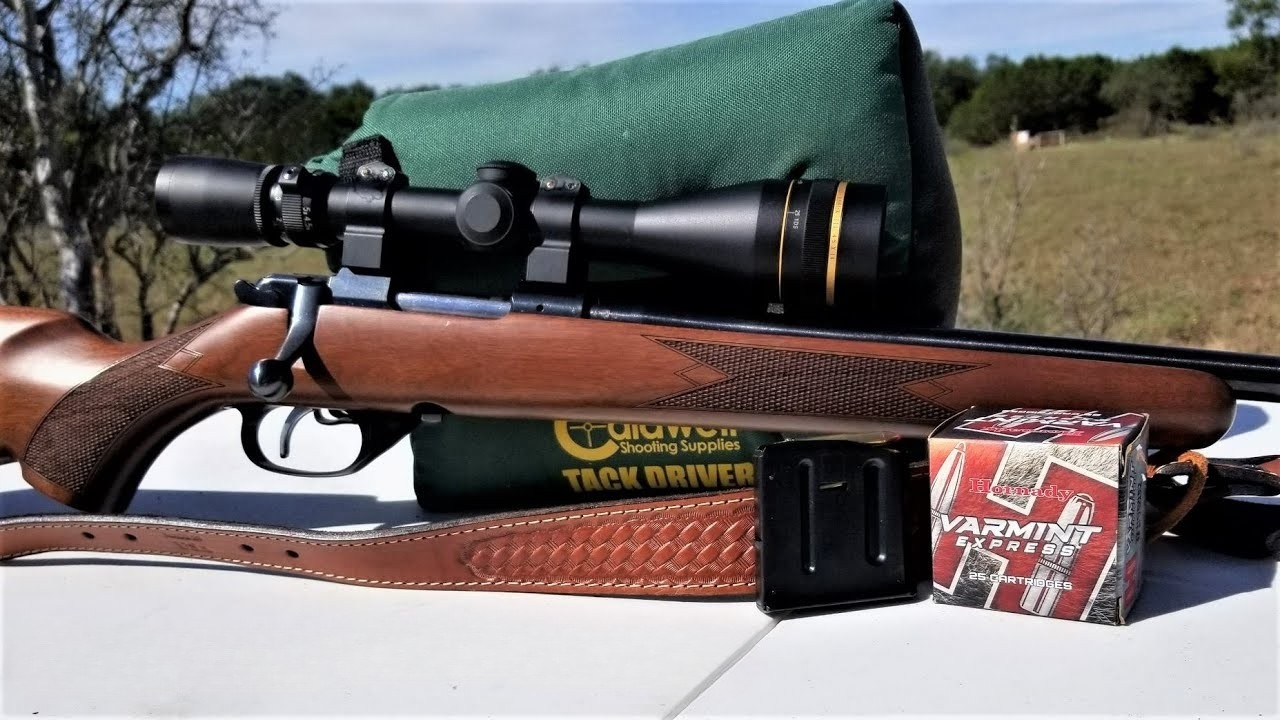
The CZ 527 is a small action that feels like it was made for walking and shooting, not benchrest bragging. In 7.62×39, it turns a “cheap ammo” cartridge into a legitimate little hunting setup. In .221 Fireball, it’s just plain fun and weird in the best way.
They’re discontinued, and that changes things. If you find one that hasn’t been bubba’d with a bad scope mount job, you’re looking at a rifle that’s going to be missed once it’s gone.
11. CZ 550 (full-size controlled-feed)
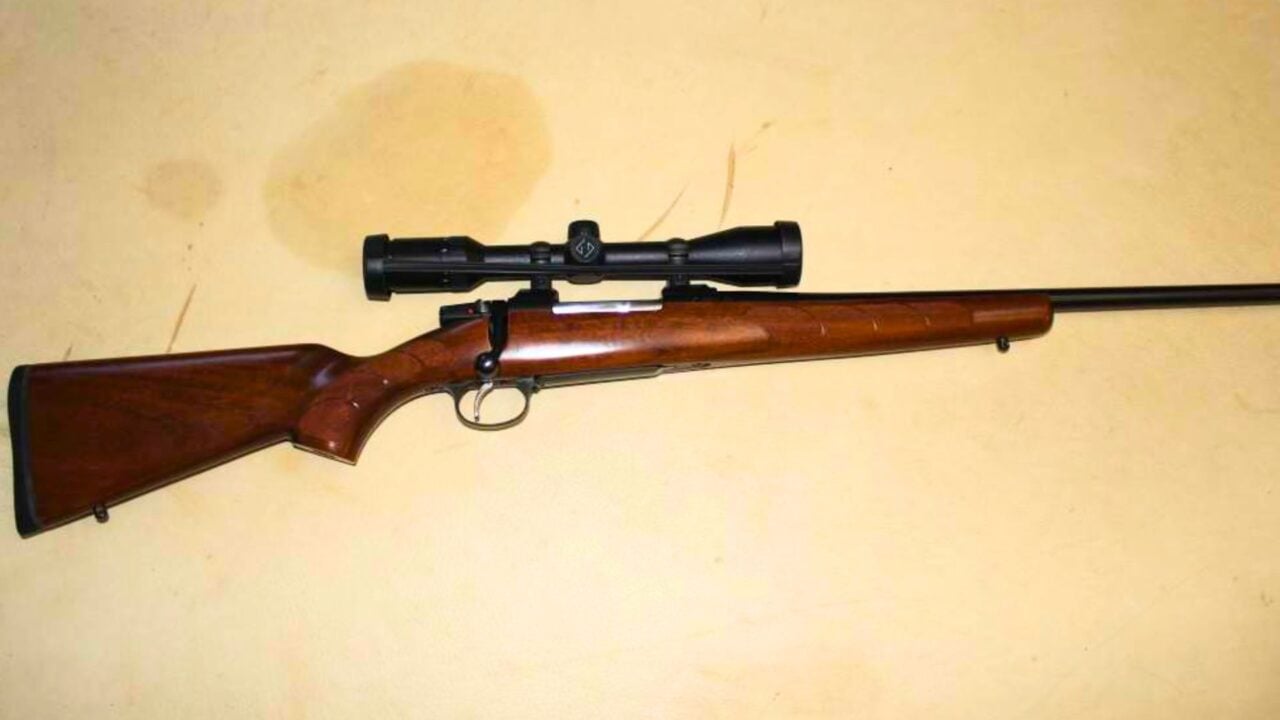
The CZ 550 is one of those rifles that feels like it belongs in big country. Controlled-feed, sturdy, and usually set up with a real stock and real metal. They can be a little heavy, but that weight is part of why they settle down so well in field positions.
These often get priced like any generic bolt gun because they aren’t trendy. But try replacing that amount of steel and that kind of action feel with something new, and the math gets ugly fast.
12. Springfield Armory M1A (older USGI-heavy parts era)
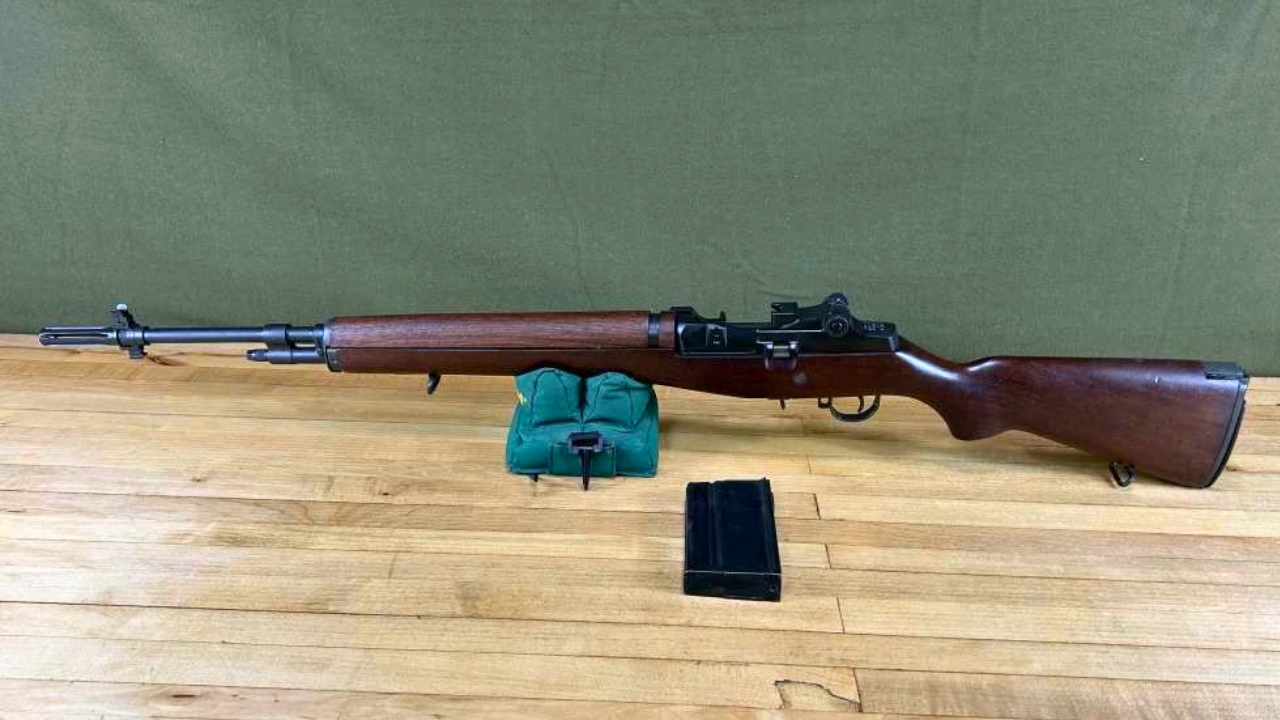
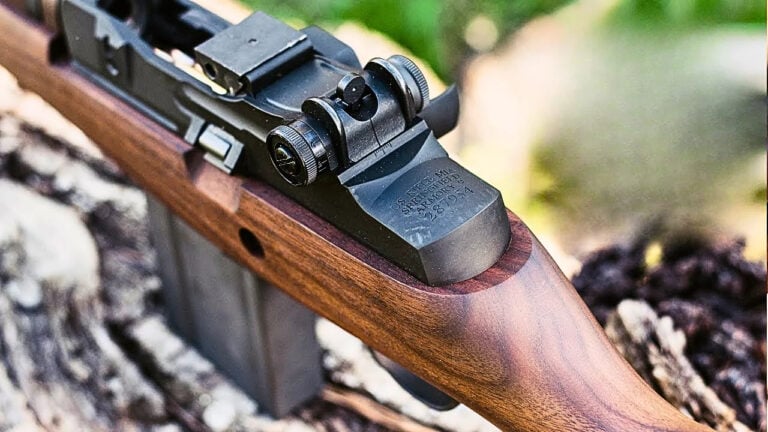
Dealers will call it a “.308 semi-auto” like it’s just another modern rifle. But an older M1A with the right parts has a different vibe—more service rifle, less accessory platform. The iron sights alone are worth respecting, and the rifle shoots like it’s meant to be shot from positions, not just a bench.
It’s not light, magazines aren’t as cheap as AR mags, and mounting optics can be a whole thing. Still, for a do-it-all rifle that can hunt, ring steel, and scratch that old-school itch, a good one is hard to replace.
13. Ruger Mini-14 (180/181/182 series and early “Ranch Rifle” era)
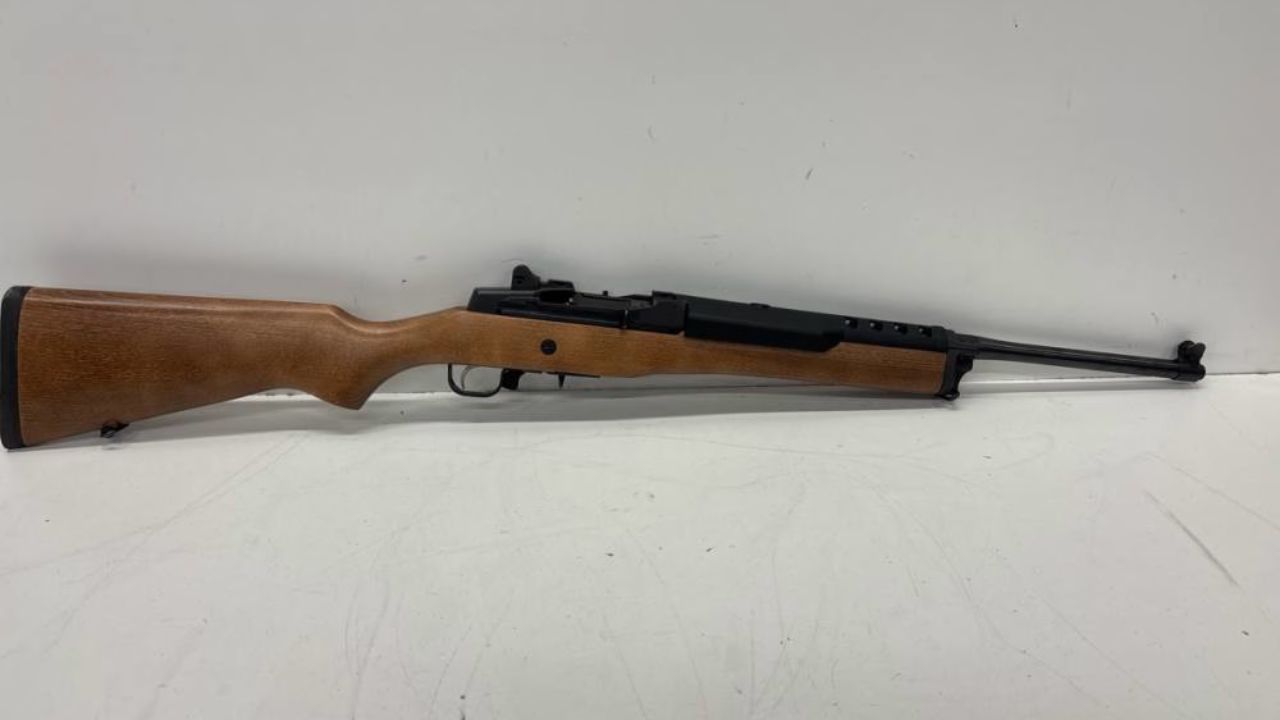
The Mini-14 gets laughed at online, then sells immediately at local shows. That should tell you something. It carries like a .22 on a walk, points fast, and runs dirty without much complaining. For truck-and-ranch type use, it makes sense.
Accuracy varies by era, and the early thin-barrel guns can string shots when hot. But a straight Mini with good mags is a practical tool that’s gotten more expensive while nobody was looking.
14. Colt AR-15 SP1
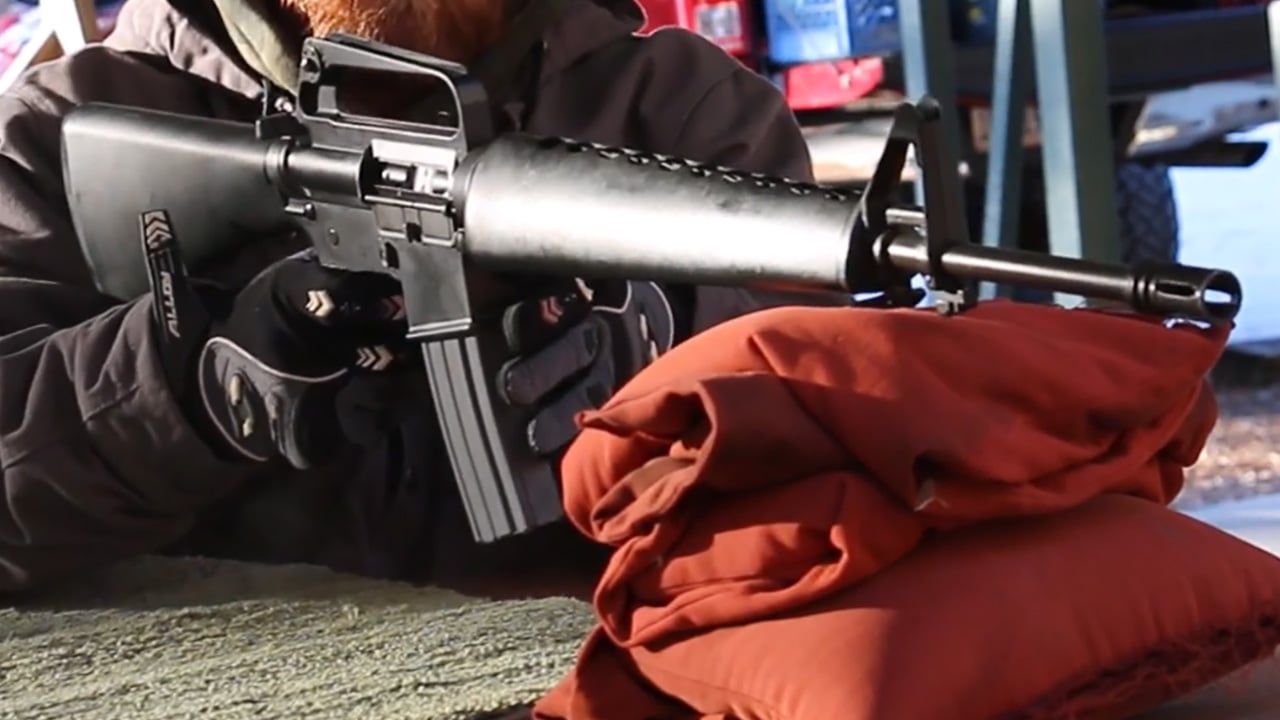
Some dealers still see an SP1 as “an old AR with triangle handguards,” and that’s where buyers steal them. It’s not a hard-use modern carbine, but it’s a piece of the AR’s early commercial history that also shoots just fine. Lightweight, simple, and clean lines.
Original parts matter to collectors, so check for swapped furniture and altered markings. If it’s mostly correct and not beat to death, it shouldn’t be priced like a parts-bin build. Not even close.
15. FN FAL (DSA and original import variants)

The FAL is one of those rifles that always feels bigger than the table it’s sitting on. When a dealer prices it like “just another .308,” they’re ignoring what it is: a battle rifle with real history and a reputation for running. The ergonomics are different from an AR, but not bad once you learn it.
Magazines used to be dirt cheap and now they’re not always. Some builds are better than others, so look at fit, finish, and how the action cycles. A good FAL is a lifetime rifle if you don’t abuse it.
16. Heckler & Koch HK91 / PTR-91 (G3 pattern)

Roller-delayed rifles aren’t everybody’s cup of coffee, and the recoil impulse feels different than a gas gun. But a solid HK91 or a well-made PTR-91 is tough, reliable, and accurate enough for most real shooting. The sights are excellent once you get used to them.
These get treated like “just a heavy .308” until you go try to replace one. The good ones have held their value for a reason. Also, check the chamber and overall wear—these rifles often lived hard lives.
17. Steyr Mannlicher Schoenauer (classic carbine models)
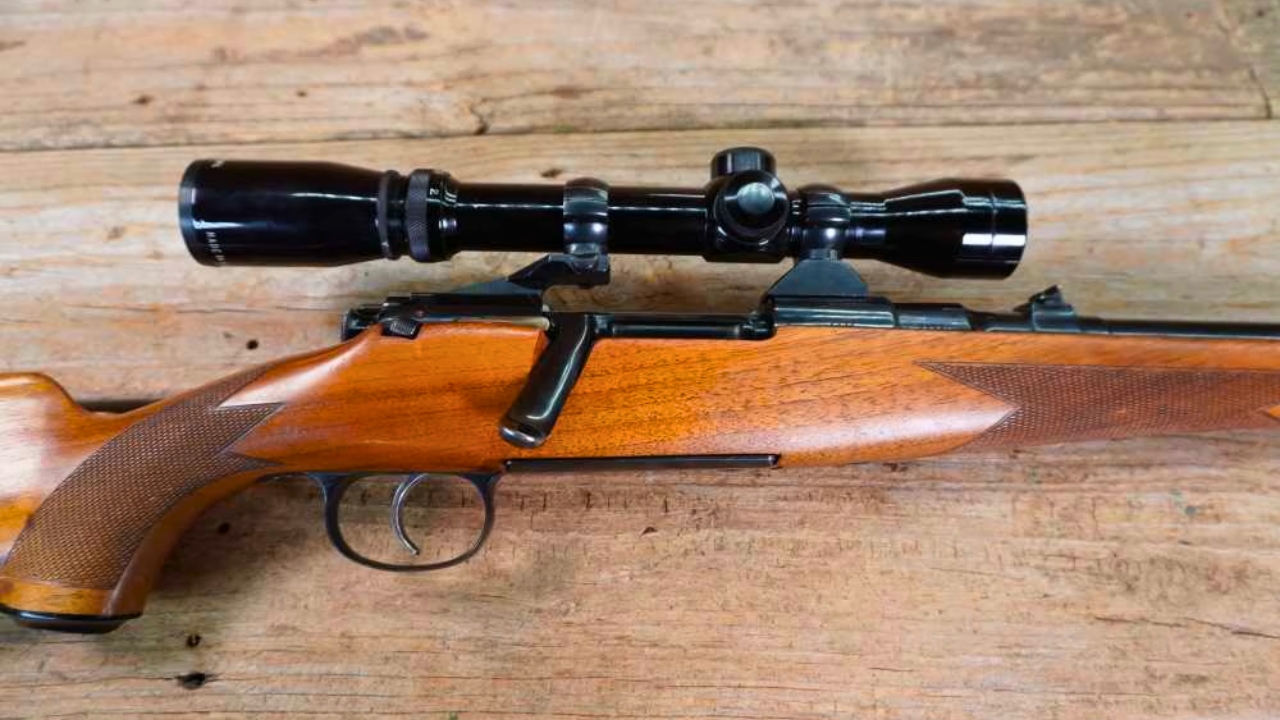
Here’s one that gets tagged like “old European deer rifle” and ignored by guys who only want synthetic and rails. The Mannlicher Schoenauer actions are famously smooth, and the rifles carry like a dream. Full-length stocks aren’t just pretty; they handle well in the woods.
Downsides? Some calibers are oddball, and you need to think about ammo availability before you jump. But if you find one in a common chambering with a good bore, it’s the kind of rifle you’ll pull out just to work the bolt.
18. Sako L579 / L61R “Finnbear/Forester” era

Older Sakos are a perfect example of “priced like a used hunting rifle, built like a fine tool.” The machining is clean, the actions are smooth, and they tend to be accurate without drama. They don’t need to be loud about it.
Stocks can have dings and the checkering may be worn, but that’s normal honest use. What you don’t want is a butchered recoil pad job or extra holes drilled in weird places. Keep one original and it’ll stay a class act.
19. Weatherby Mark V (German/Japanese production)

Mark Vs sometimes get stuck in the “too fancy, too much” category, especially when they show up with a big old scope and a shiny finish. But the action design is strong, the rifles are well made, and they tend to feed smoothly. Even if you don’t need a magnum, the rifle itself is quality.
They’re not light, and the classic Weatherby stock design isn’t for every shooter. Still, when you find a good one priced like an ordinary big-game rifle, it’s worth taking a second look—especially if the bore is clean and the stock hasn’t been cracked.
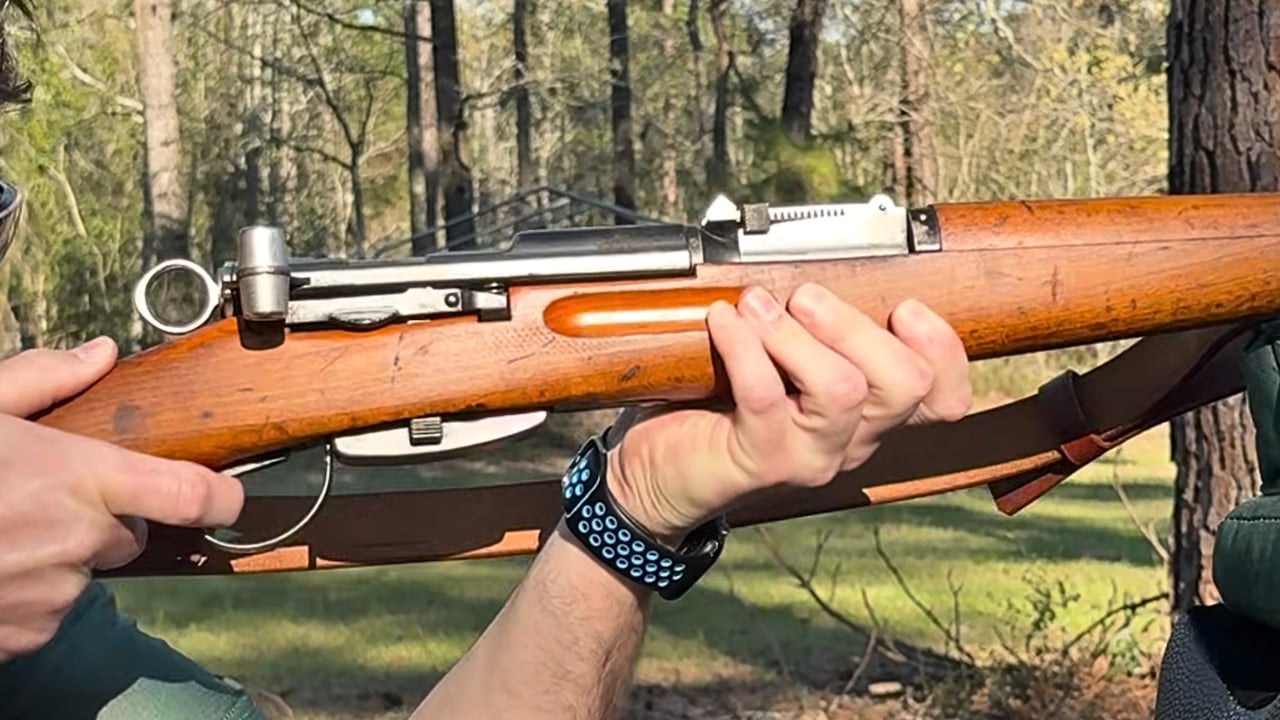
20. Swiss K31 (Schmidt-Rubin)

The K31 is the poster child for “surplus that isn’t junk.” Straight-pull action, excellent barrels, and accuracy that embarrasses plenty of modern rifles. The triggers are usually clean, and the overall build quality is what you notice when you handle it—tight, precise, and serious.
Ammo availability is the only real brake for some buyers, and you want to check overall condition like you would any used rifle. But when a dealer prices one like a bargain deer rifle, that’s a clue they’re moving it as a commodity. It’s not one.
None of these rifles are guaranteed winners just because the name is right. Condition matters, parts availability matters, and it still has to fit what you actually do—hunt hardwoods, sit bean fields, bust coyotes, or just shoot for fun. But if you want to come home from a gun show with something more than “another rifle,” these are the kinds of guns worth slowing down for and handling like you mean it.
Like The Avid Outdoorsman’s content? Subscribe to our newsletter so you never miss an article.
Here’s more from us: