Photo credit: RangerDave/YouTube
There’s a certain sound a good gun makes when it leaves your life. It’s not the closing of the case or the chime of a register. It’s the little “click” in your gut when you realize you just watched something walk out the door that you’re not going to replace for what you let it go for.
I’ve spent enough time around gun counters, estate tables, and buddy-to-buddy trades to see the same mistake happen over and over: somebody gets bored, needs quick cash, wants the next shiny thing, or listens to one guy at the range who “had one and hated it.” Then a week later they’re asking, “You ever see another one like that?” Yeah. I’ve seen them. Just never again at that price.
1. Marlin 336 (JM-stamped)

I watched a clean JM-stamped 336 in .30-30 get treated like just another deer rifle. Smooth lever, good bluing, wood that actually looked like it grew on a tree. It sold fast, and it didn’t sell for what it should have.
Those rifles carry right in the hand and point like you’re mad at the front sight. They’re not fancy, they’re not tactical, and they’ve probably filled more freezers than most “premium” rigs ever will. Try to buy one now that hasn’t been rode hard, and you’ll understand why that one still stings.
2. Remington 870 Wingmaster (older blued, walnut)

The old Wingmasters have an action that feels like it’s on ball bearings. Somebody brought one in with honest field wear and a slick pump stroke, and it got priced like any old 12 gauge. That one hurts.
Plenty of shotguns will break clays and kill birds, but a good Wingmaster is the kind of gun you hand down. When you find one that hasn’t been “upgraded” with bargain parts, you keep it. You don’t trade it toward a new gun you haven’t even shot yet.
3. Winchester Model 70 (pre-64)

Every once in a while a pre-64 Model 70 shows up and everybody suddenly becomes a historian. Then the wrong guy behind the counter shrugs and tags it like a modern hunting rifle. I watched one go cheap because it had a few freckles and didn’t have a fancy scope.
Controlled-round feed, classic lines, and a bolt that just feels right. You can hunt with anything, but there’s a reason guys still chase those older Model 70s. Replacing one later is rarely as simple as “I’ll just find another.”
4. Ruger M77 Mark II (stainless)

This is one of those rifles that never got enough love because it isn’t trendy. A stainless M77 Mark II walked out at a price that barely covered a modern budget gun. Whoever bought it knew exactly what they were doing.
They’re tough, they’re simple, and they don’t mind bad weather. The controlled-feed action and integral scope rings are the kind of practical features you stop noticing until you switch to something else. If you hunt hard and don’t baby gear, these rifles make a lot of sense.
5. Browning BLR (older steel receiver)
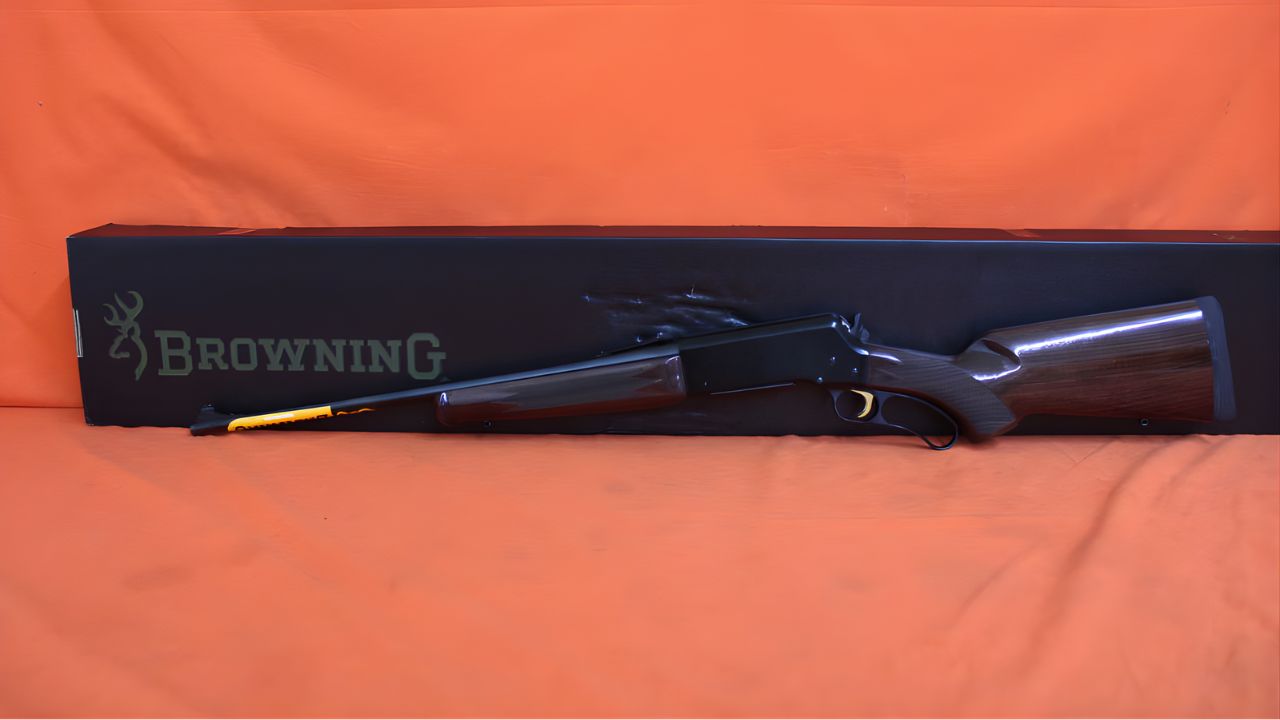
A BLR doesn’t feel like a typical lever gun, and that’s the whole point. I watched an older steel-receiver BLR get passed over because “lever guns are slow,” which is something people say when they haven’t carried one up a ridge all day.
They’re quick, they’re accurate, and they let you run modern cartridges in a lever package that handles well in thick cover. They also aren’t getting cheaper. The guys who actually hunt with them don’t tend to sell them unless they have to.
6. CZ 452 (bolt-action .22 LR)
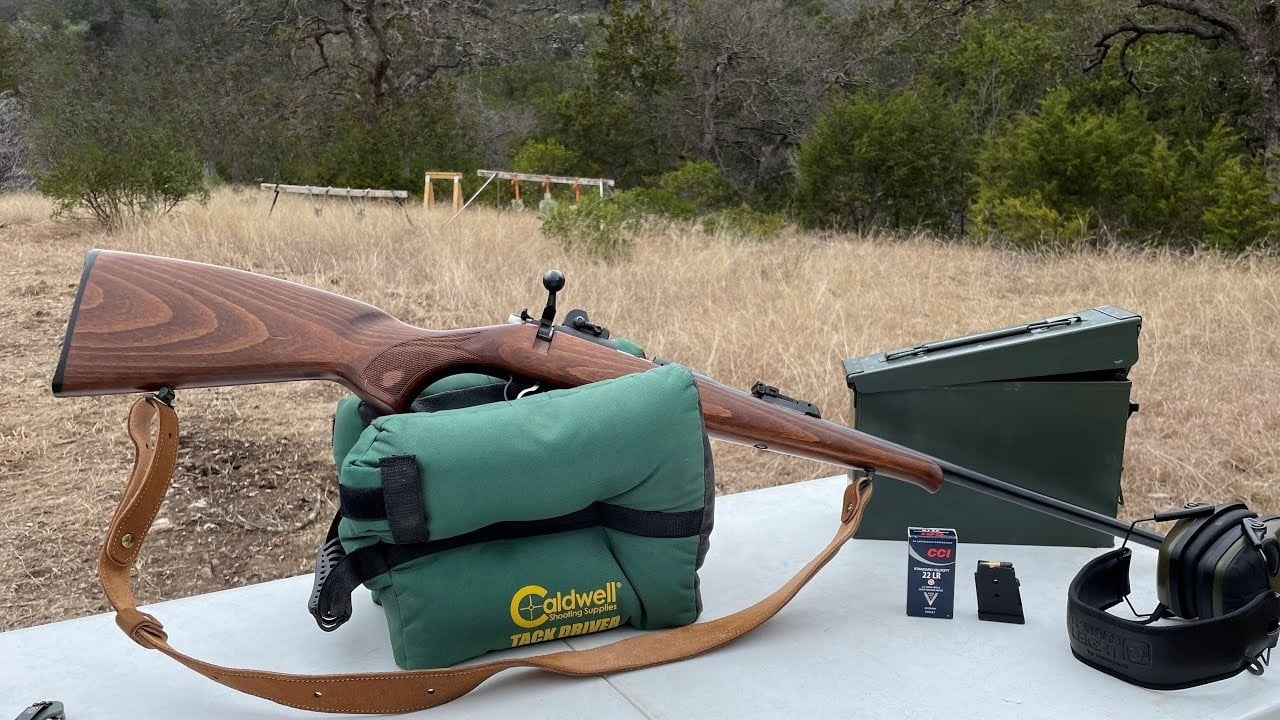
The CZ 452 is one of those rifles that makes you look better than you are. I watched a clean one in a basic stock get priced like a generic .22 because the tag didn’t say something flashy. It was gone in minutes.
The trigger, the fit, the way they shoot decent ammo into small groups without drama—those rifles are sleepers. If you do any squirrel hunting or spend time teaching new shooters, a good bolt .22 becomes part of your routine. Then you miss it when it’s gone.
7. Ruger 10/22 (older walnut-stock carbine)
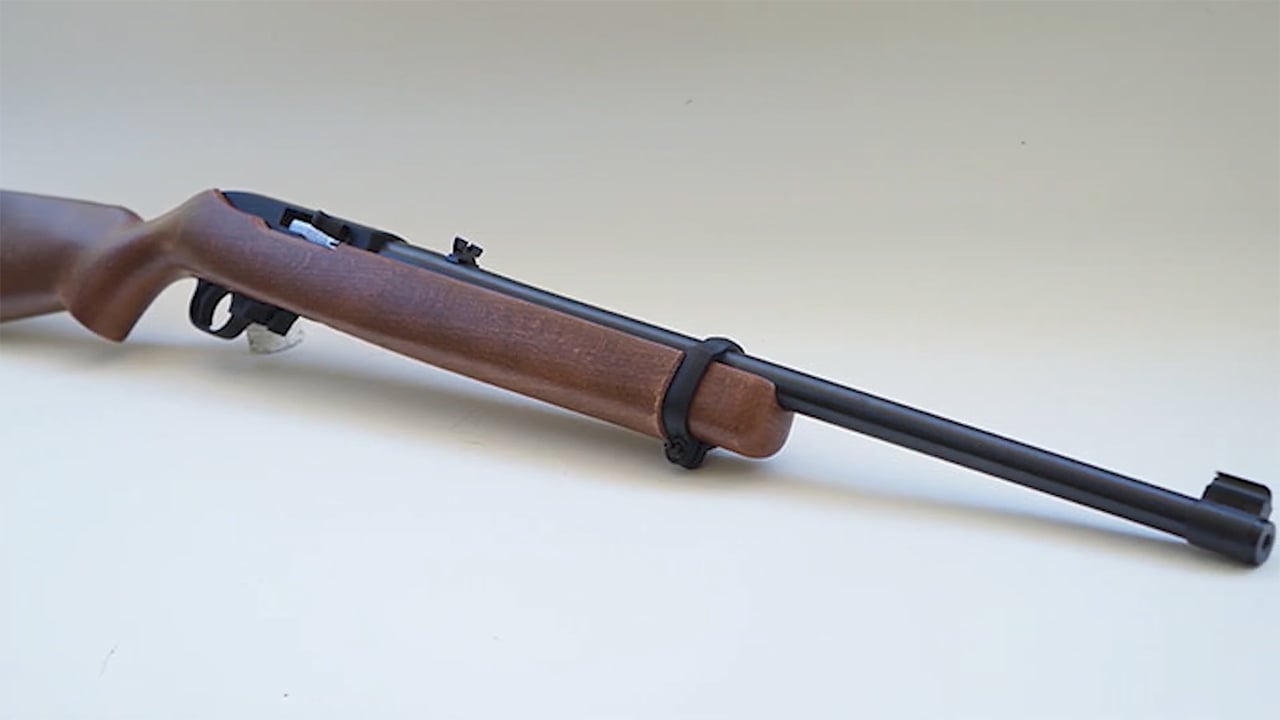
Not every 10/22 is special, but some of the older walnut-stock carbines have a feel the new plastic ones don’t. I watched a tidy one get traded like it was just “a .22.” The buyer didn’t even haggle.
Magazines and parts are everywhere, which makes folks think they’re always replaceable. The truth is the older ones with decent wood and tight fit have a vibe you don’t always get back. There is nothing fancy about it, and that is kind of the point.
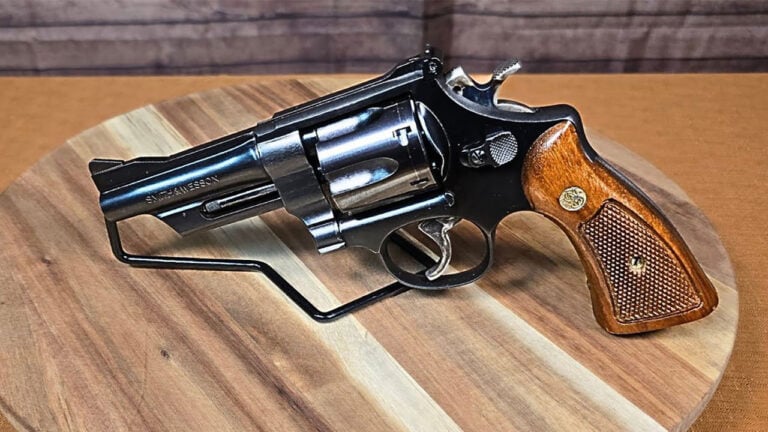
8. Smith & Wesson Model 19 (blued K-frame)
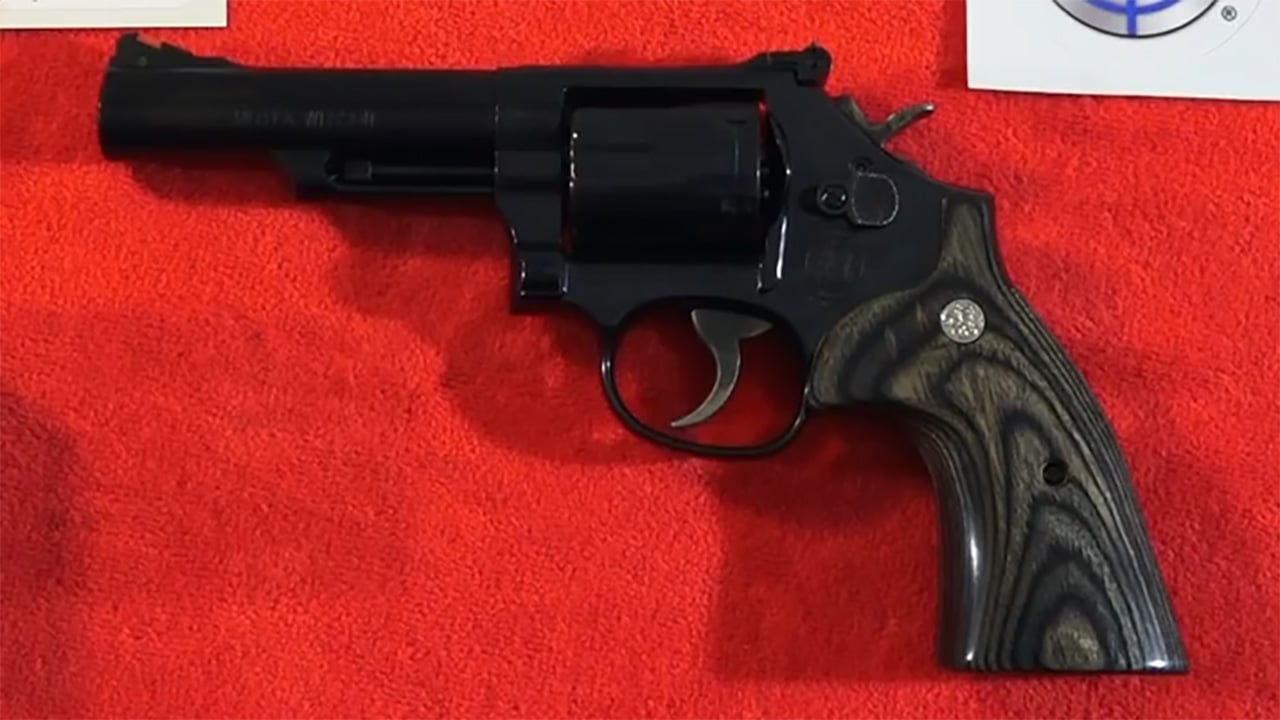
A blued Model 19 with honest holster wear is a beautiful thing. I watched one leave the shop for a price that didn’t match what it was. The moment it hit the glass, you could feel the room lean toward it.
K-frames balance like they were designed by someone who actually shot revolvers a lot. They carry well and point naturally. Sure, you can find revolvers today, but that classic S&W fit and finish is harder to bump into without paying for it.
9. Smith & Wesson Model 10 (service revolver)
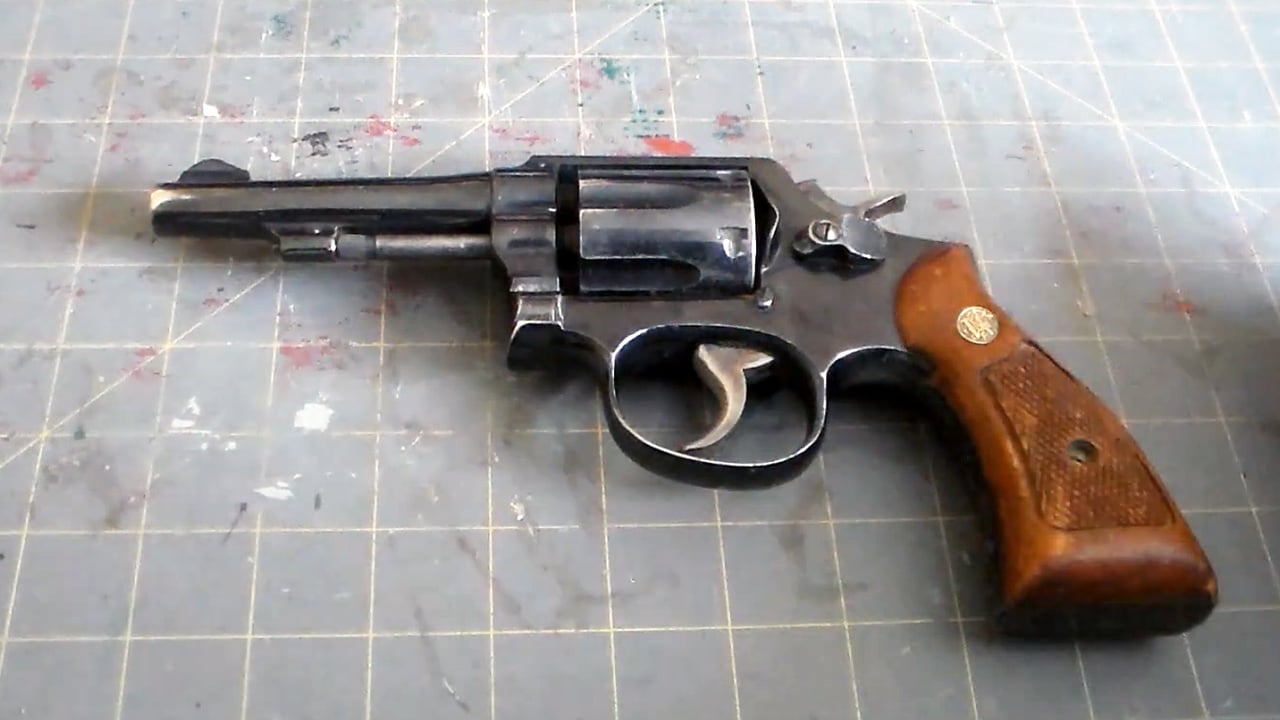
Model 10s used to be “everywhere,” which is exactly why guys treated them like they’d be everywhere forever. A clean one with decent timing and a good bore went out the door for less than a couple cases of 9mm costs now.
It’s a working revolver, not a safe queen. For teaching fundamentals, knocking around the farm, or just owning a piece of American police history, they make a lot of sense. They also tend to shoot better than the price tag suggests.
10. Colt Detective Special (older snub)
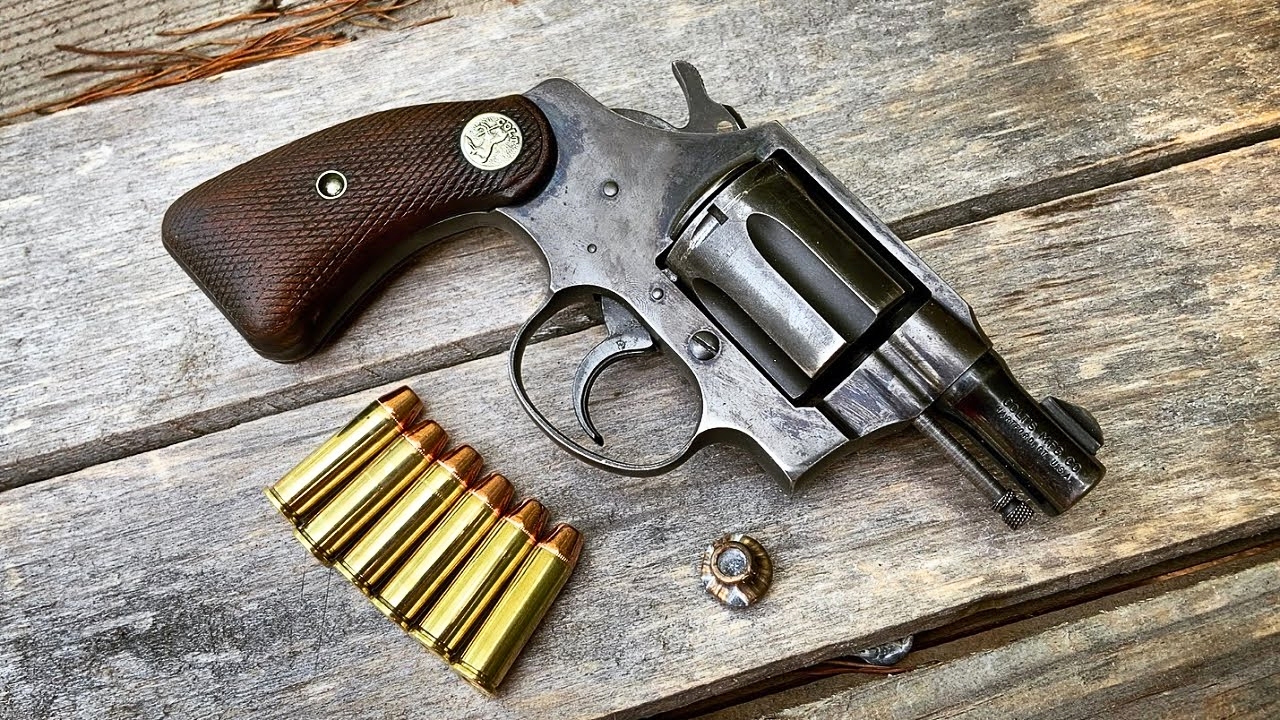
Small-frame Colts have their own following, and it’s not hype. I watched a Detective Special get priced like a generic snubnose because the finish wasn’t perfect. Somebody scooped it up and didn’t look back.
They’re slick, they’re classic, and they have that Colt feel in the lockup that revolver guys recognize instantly. Not everyone wants to deal with older Colts or finding the right smith. That’s why the ones that are right don’t sit long.
11. SIG Sauer P226 (West German marked)
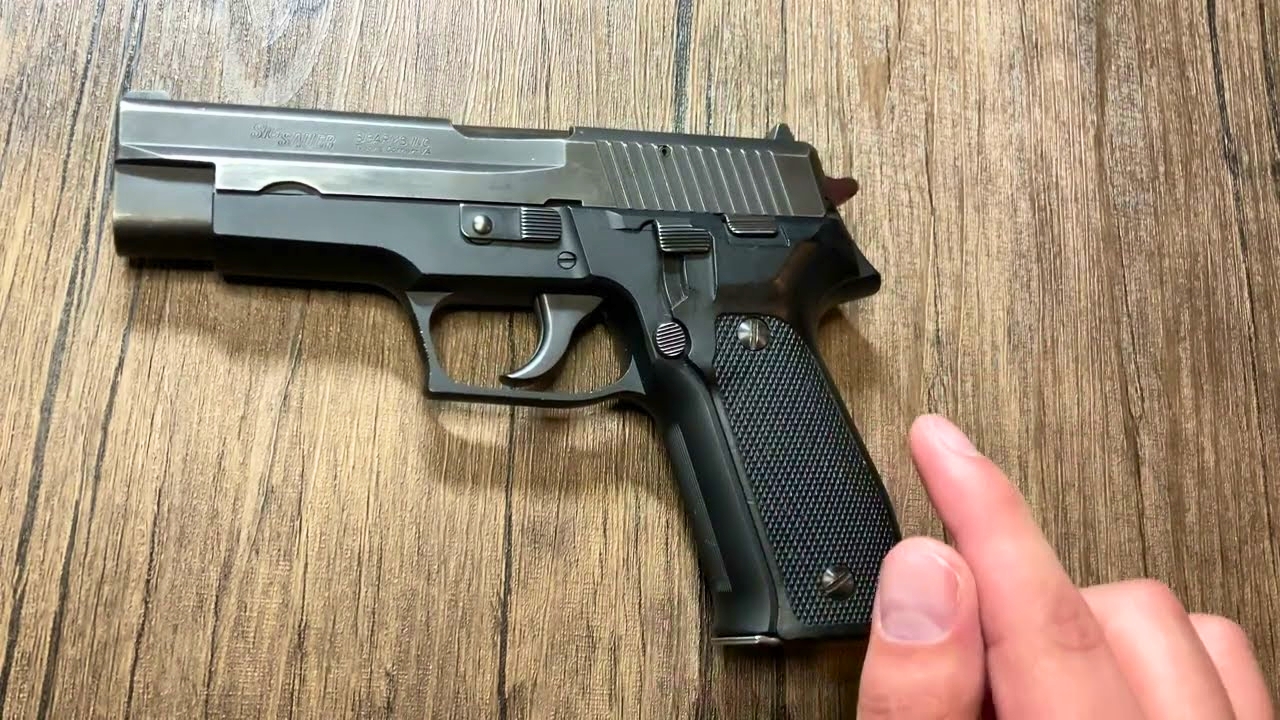
Older SIGs have a feel to the slide and frame fit that’s hard to explain until you rack one next to a new gun. A West German marked P226 came through, and it got treated like “just another duty 9mm.” Gone quick, priced light.
They’re not the smallest or lightest, but they run and they shoot. The controls make sense, and the recoil impulse is easy. If you ever carried one in a holster for real, you understand why folks get attached.
12. Beretta 92FS (Italian, older production)
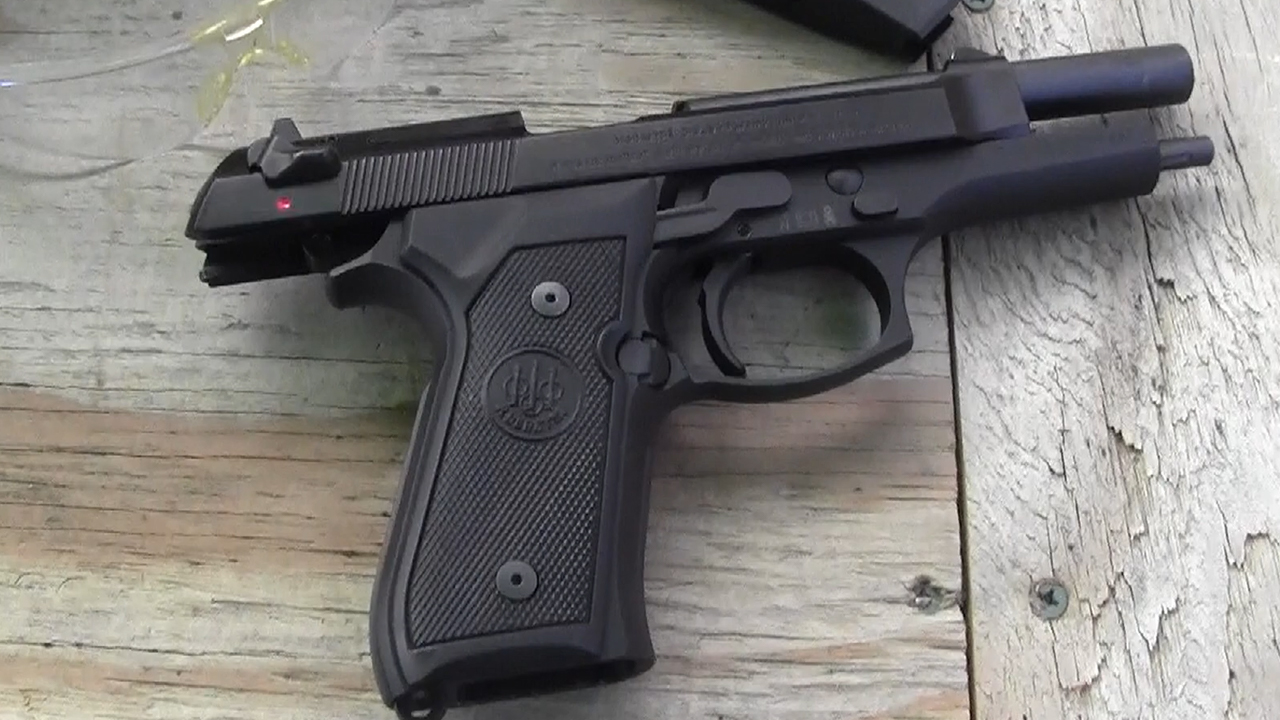
I’ve watched more than one Beretta 92 get sold cheap because the owner decided it was “too big.” Fair enough. But that big gun is soft shooting, reliable, and easy to run fast once you learn it.
The older Italian guns, especially the clean ones with good barrels, just have a quality feel. They’re not a magic talisman, but they’re a known quantity. In a world full of micro-compacts, a full-size 92 still makes sense at the range and beside the bed.
13. Glock 19 Gen 3 (simple, proven setup)
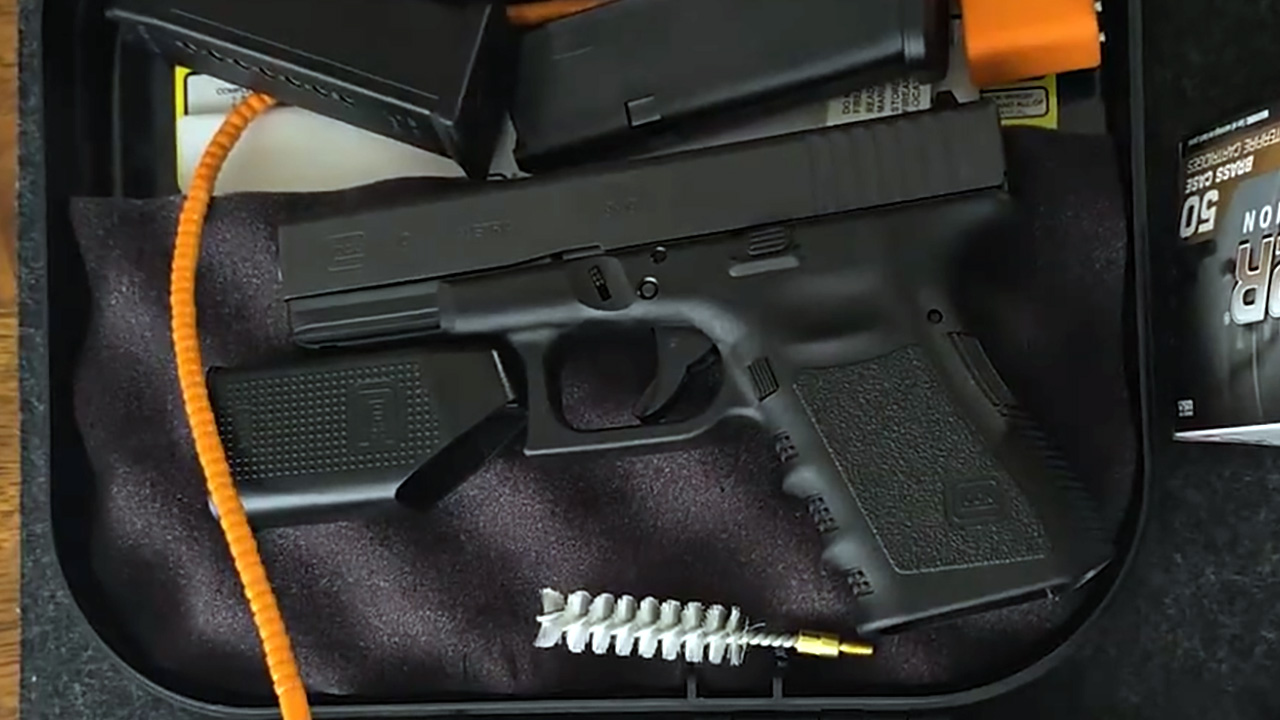
A Gen 3 Glock 19 isn’t romantic. It’s a hammer. I watched one go cheap because it didn’t have optics cuts, porting, or whatever the current internet flavor was. The buyer smiled like he stole something.
Magazines are everywhere, parts are everywhere, and everybody knows how to run one. When you actually need a pistol that works with minimal fuss, boring gets attractive. Ask me how I know.
14. Ruger GP100 (4-inch)
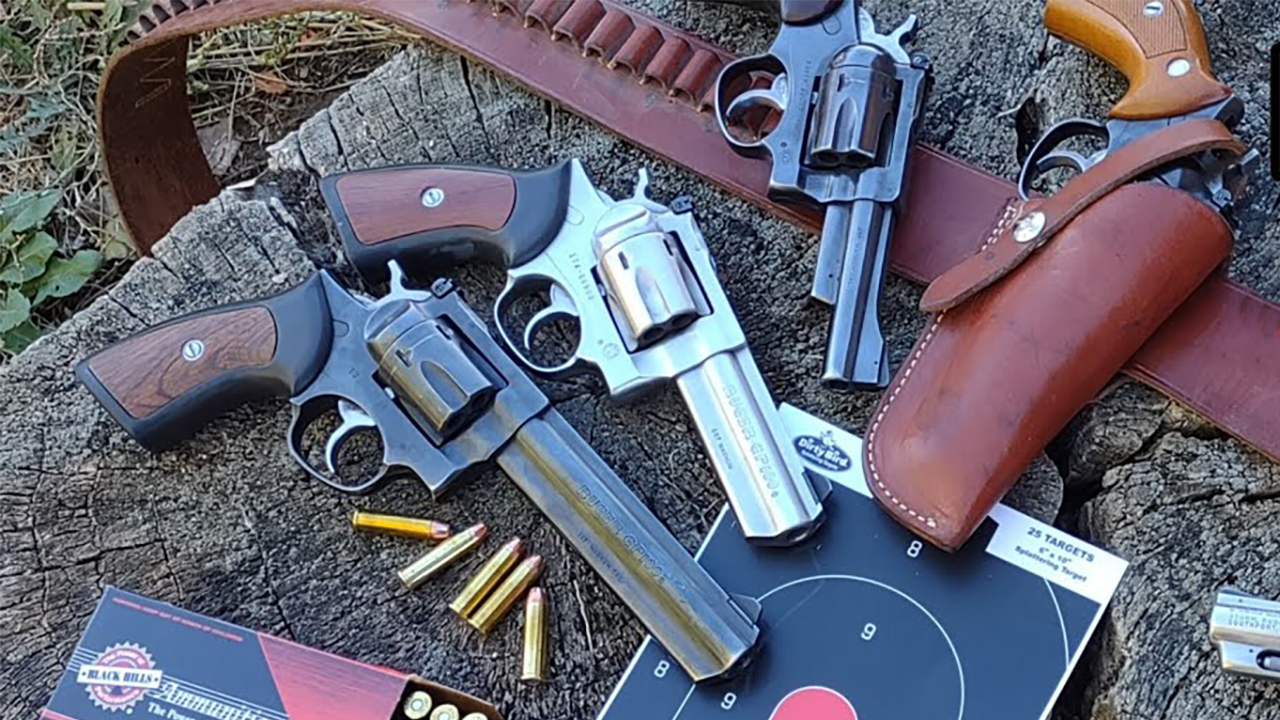
GP100s don’t get treated like collector guns, but they should get treated like keepers. A 4-inch stainless model left for a price that made me double check the tag. If you’ve ever shot full-house .357s in light guns, you know why this one matters.
They’re heavy enough to be pleasant and strong enough to be trusted. For a farm gun, woods carry, or just a revolver you can practice with a lot, they’re hard to beat. You don’t have to baby them, and that’s worth something.
15. Ruger Blackhawk (three-screw)

Old three-screw Blackhawks have a certain mechanical honesty to them. I watched one get lumped in with “old cowboy stuff” and priced like it was only good for decoration. Somebody who actually shoots single-actions grabbed it fast.
They’re not for everyone, and I get it if you prefer double-action or semi-auto. Still, a good Blackhawk in a useful caliber is the kind of gun you take camping, take hunting, and keep forever. The new ones are fine, but the older ones have a pull and feel that sticks with you.
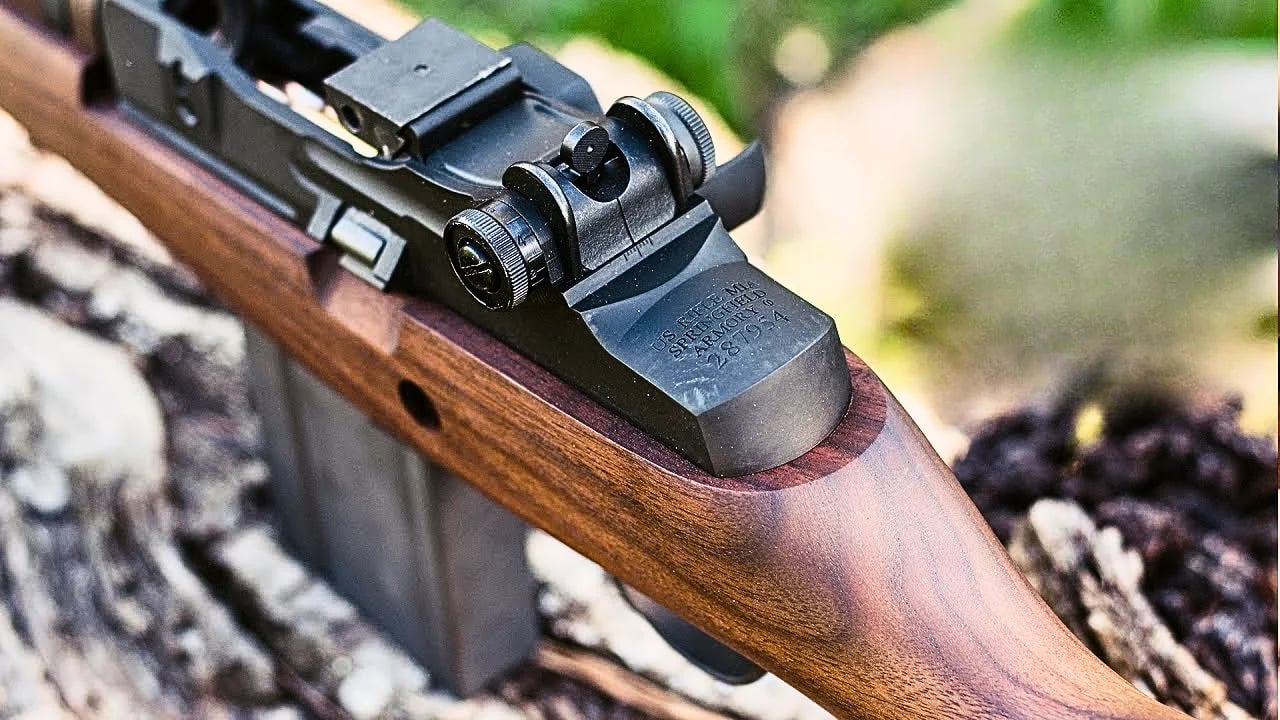
16. Springfield Armory M1A (older standard model)
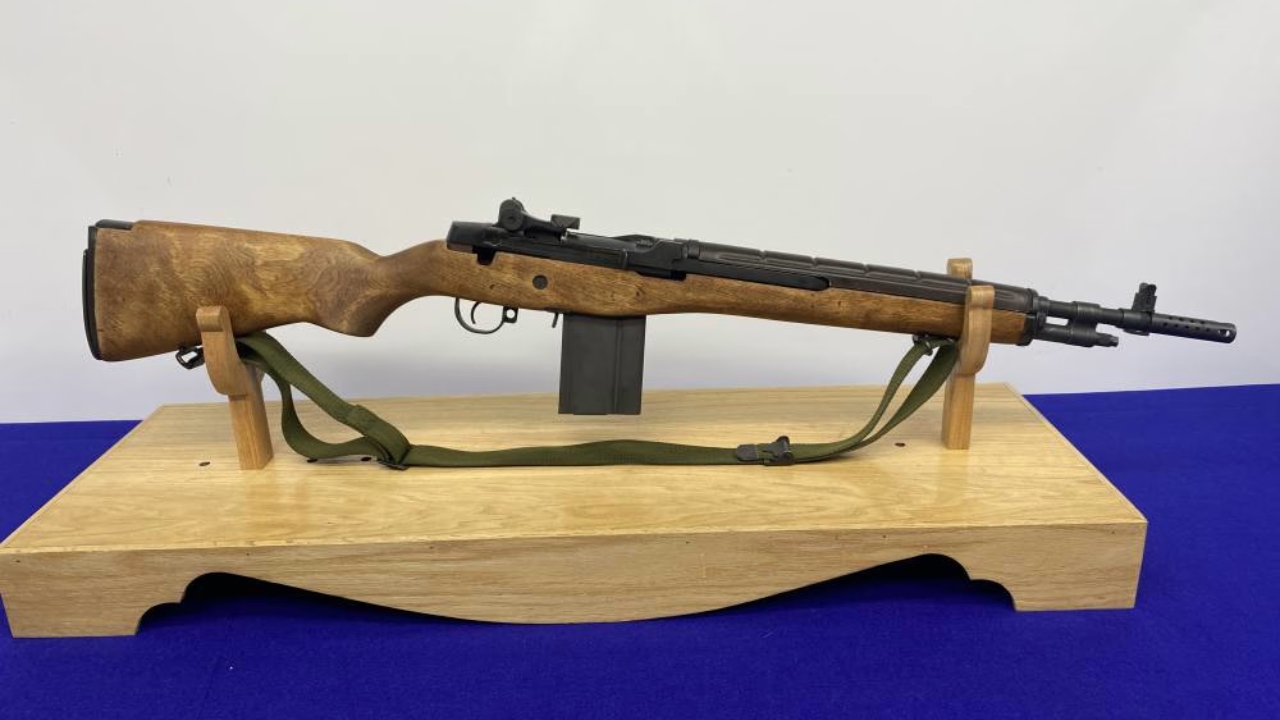
M1A prices jump around, and that confuses sellers. I watched an older standard model go for what a basic hunting rifle costs because the owner decided it was heavy and “not practical.” It is heavy. It’s also an M1A.
They’re not the answer to every problem, but they’re a lot of rifle. The iron sights are excellent, they shoot well enough for real-world work, and they scratch that classic semi-auto itch without feeling like a plastic gadget. If you ever wanted one, the cheap ones tend to disappear fast.
17. SKS (Norinco, matching numbers)
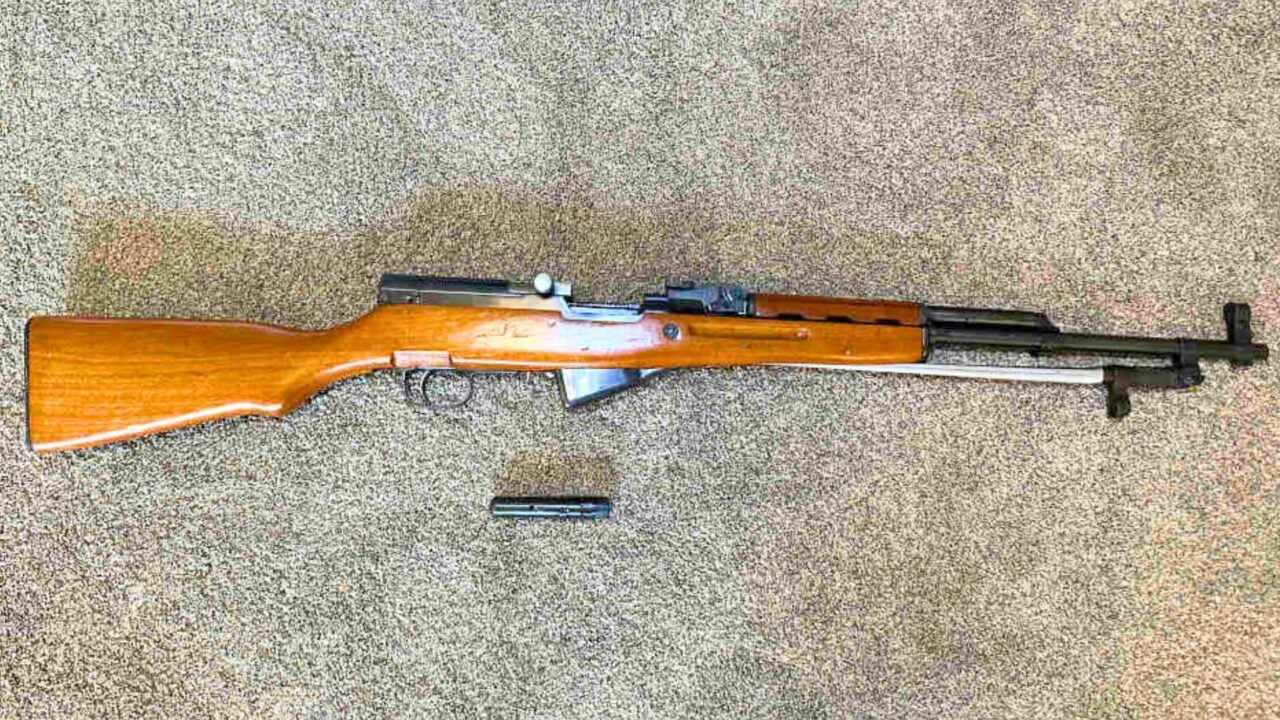
SKS rifles used to be the definition of cheap fun. Now, a clean matching-number gun is something people actually hunt for. I watched one sell at “old prices” because the owner thought SKS rifles were still stacked deep like they were years ago.
They’re handy, reliable, and simple, and they hit harder than folks give them credit for inside sensible distances. The stripper clip setup is what it is, but it works. A good SKS is one of those guns you end up smiling with at the range every single time.
18. Henry Big Boy Steel (in .357 Magnum)
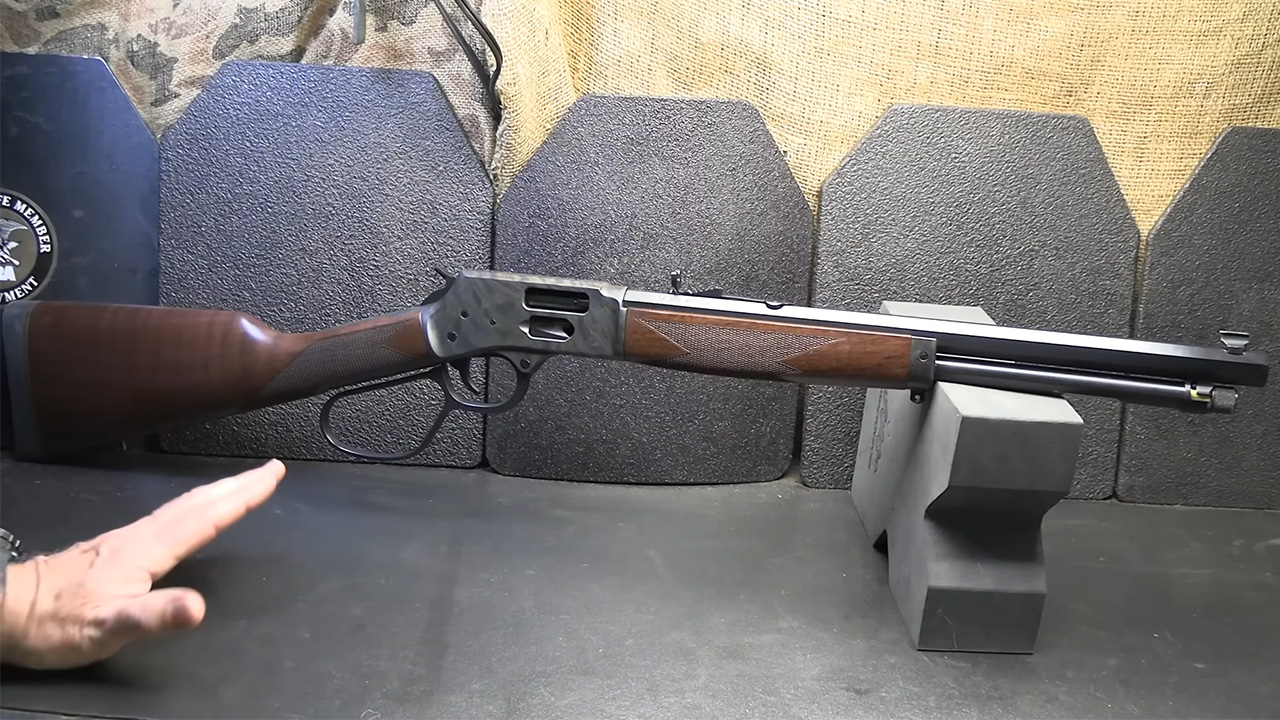
Henry makes a pile of lever guns, and the Big Boy Steel in .357 is one of the most useful. I watched one get traded because the owner decided lever guns were “too slow to load.” Maybe. But in the woods, that gun carries like a dream and shoots like it wants to behave.
.357 gives you cheap-ish practice with .38s and real hunting capability with the right loads where legal. It’s also a great pairing if you run a .357 revolver. When somebody lets one go cheap, it doesn’t stay lonely for long.
19. Tikka T3 (Lite, in a sensible caliber)

I’ve seen more than one Tikka get sold because it was “too plain.” That’s the funny part. They are plain, and they flat-out shoot. A T3 Lite walked out the door for a price that belonged on a bargain rack.
The bolt travel is smooth, the triggers are usually excellent out of the box, and they don’t tend to be picky. If you hunt whitetails, mule deer, or elk with a normal setup and normal distances, a boring accurate rifle is a gift. The regret comes later when you buy something prettier that doesn’t shoot as well.
20. Remington Model 7 (compact bolt gun)
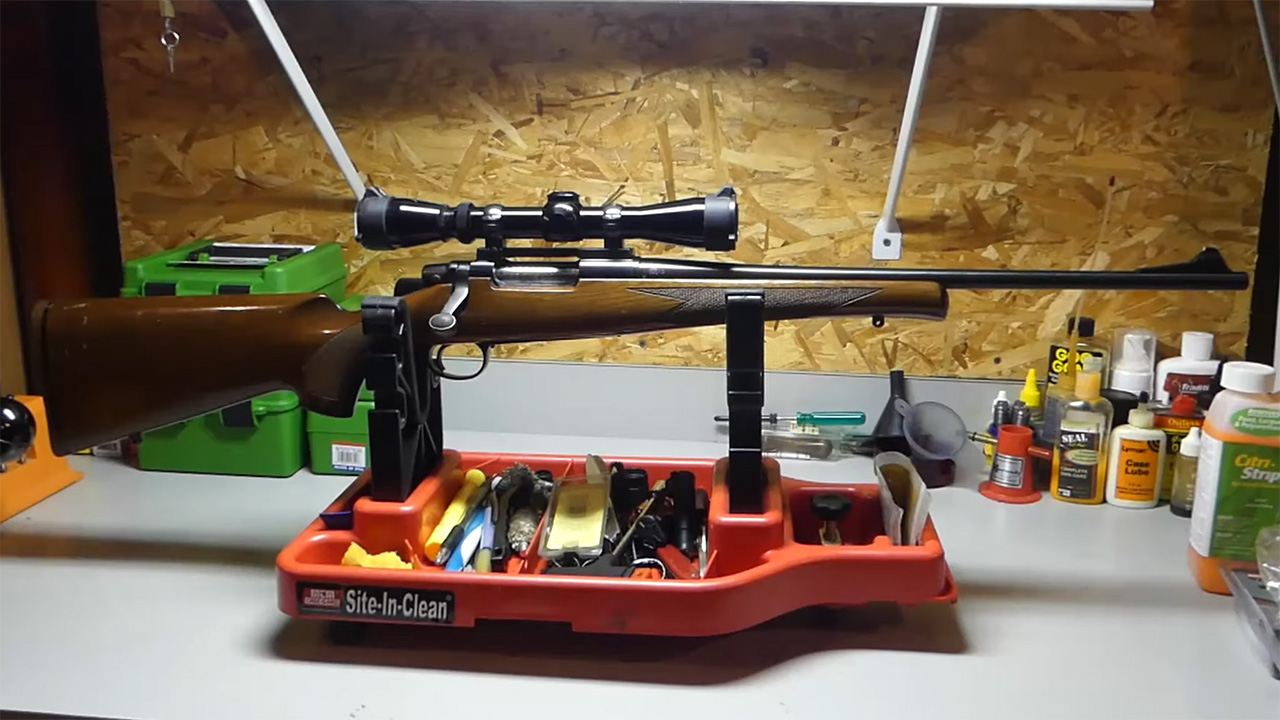
The Model 7 is one of those rifles that fits real humans. Not everybody wants a compact rifle until they’ve dragged a long gun through briars or climbed into a stand with bulky winter clothes. I watched a nice Model 7 go cheap because it “felt small.”
Small is kind of the point. They carry well, they shoulder fast, and they make excellent woods rifles in cartridges like .243, 7mm-08, or .308. When you find one that hasn’t been hacked up, it’s usually smarter to keep it than to turn it into quick cash.
I’m not saying every old gun is gold, or that you should hoard everything you’ve ever owned. Sometimes you need the money, sometimes the gun doesn’t fit you, and sometimes it’s just time to move on. But if you’re staring at something reliable, useful, and hard to replace, slow down before you slap a price tag on it.
Because once it’s gone, it’s amazing how often the replacement costs more, shoots worse, and somehow never feels quite the same in your hands.
Like The Avid Outdoorsman’s content? Subscribe to our newsletter so you never miss an article.
Here’s more from us: