Photo credit: NRApubs/YouTube
Some rifles are hard to find because very few were made. Others are hard to find because almost every surviving example has been used hard for decades. That second category is often more frustrating. The rifles are technically out there, but finding one with original finish, uncut wood, good bores, correct sights, and no amateur modifications can feel nearly impossible.
A lot of these guns were never treated like collectibles when they were new. They were deer rifles, truck guns, farm rifles, and small-game guns. Owners drilled them for scopes, shortened stocks, swapped sights, refinished metal, and carried them through bad weather. That is why condition matters so much now. These 20 rifles still turn up, but truly clean examples are becoming a different animal altogether.
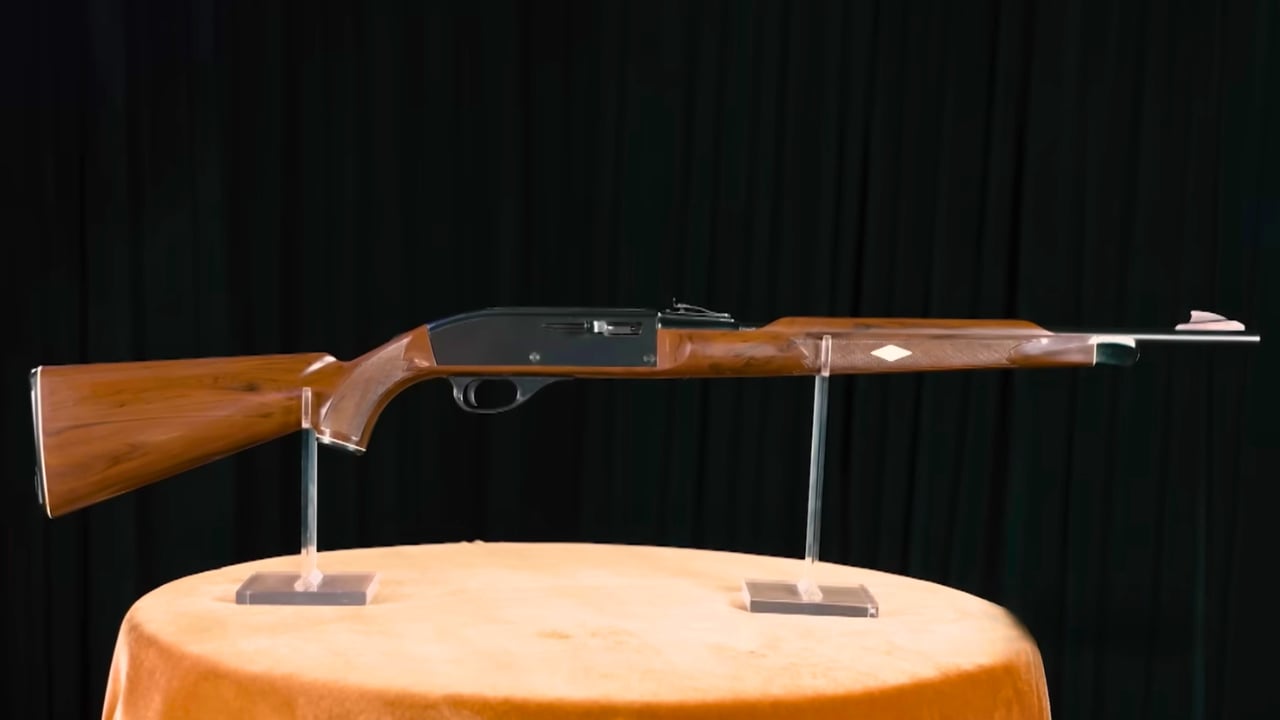
Remington Model 600

The Model 600 was compact, unusual, and built to be carried. That is exactly why so many of them show hard use today. Short barrels, light weight, and handy dimensions made them perfect for brush hunting, truck duty, and general woods use.
Clean examples are difficult because owners rarely babied them. Stocks were scratched, vent ribs got damaged, recoil pads were added, and many rifles were drilled or altered over the years. The dog-leg bolt handle and distinctive styling now make original examples far more desirable than they once were. A nice Model 600 is not just about finding the rifle. It is about finding one that has somehow escaped fifty-plus years of somebody “improving” it.
Savage Model 99
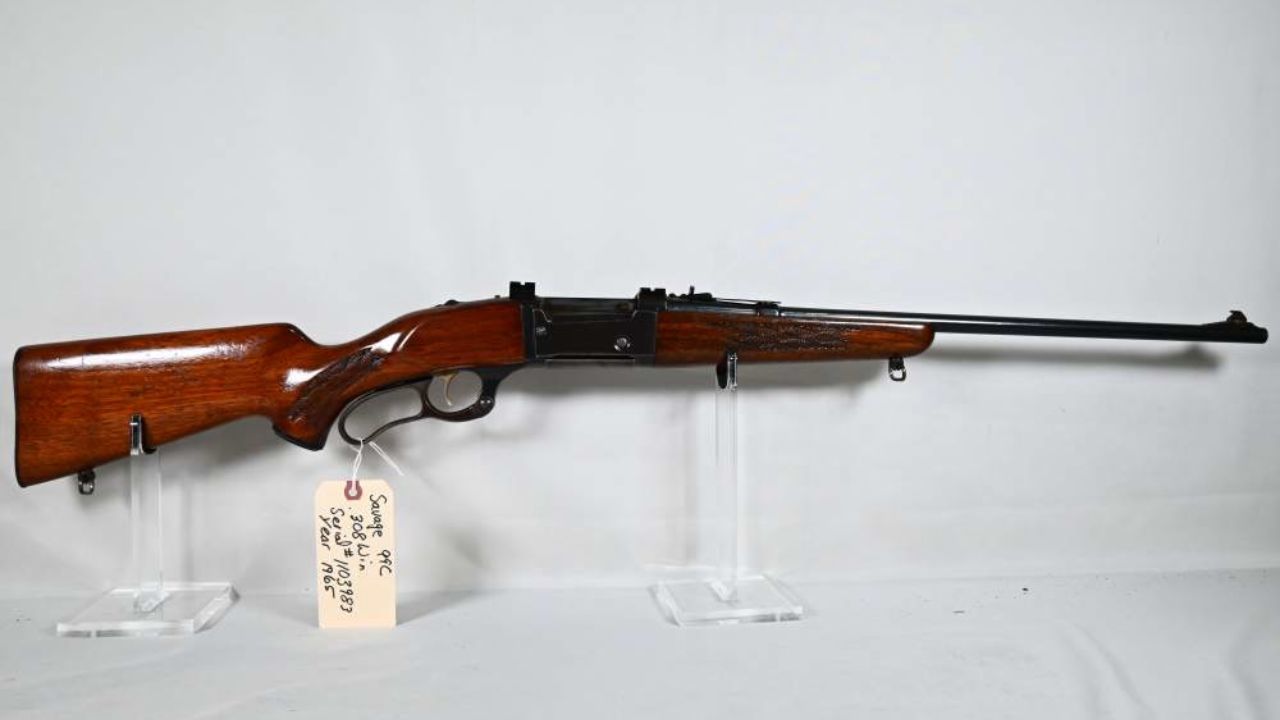
The Model 99 was a serious working deer rifle for generations, and that history shows on most surviving examples. Blued finish is often worn thin, stocks have handling marks, and plenty were drilled for scopes before collectors cared about preserving originality.
That makes high-condition rifles much harder to find than production numbers suggest. Early rotary-magazine examples and less common chamberings are especially challenging when you want original wood, correct sights, and strong finish. The Model 99 is not rare in the broad sense. The rare part is finding one that does not look like it spent forty deer seasons leaning against a cabin wall.
Winchester Model 88

The Model 88 lived the life of a premium hunting rifle, which means most owners actually hunted with it. The sleek stock and blued receiver also show wear quickly once they spend years moving through brush and tree stands.
Many were scoped, and some had stocks shortened or recoil pads installed. Spare magazines disappeared, sling studs were added, and finish wear around the receiver is common. A mechanically sound Model 88 is still possible to find. A clean, original example with strong wood, proper magazine, and no modifications is much tougher. That gap between “shooter” and “collector-grade” keeps widening.
Remington Model 788

The 788 was inexpensive enough that nobody treated it like a future collectible. People bought them because they shot well, then used them like tools.
That means many surviving examples have battered stocks, surface rust, refinished metal, or aftermarket triggers and magazines. Original magazines themselves can be worth hunting for because so many were lost over the years. The irony is that the rifle’s reputation for accuracy is exactly what kept so many in use. A clean 788 is now desirable precisely because most of them never got the easy life.
Winchester Model 43
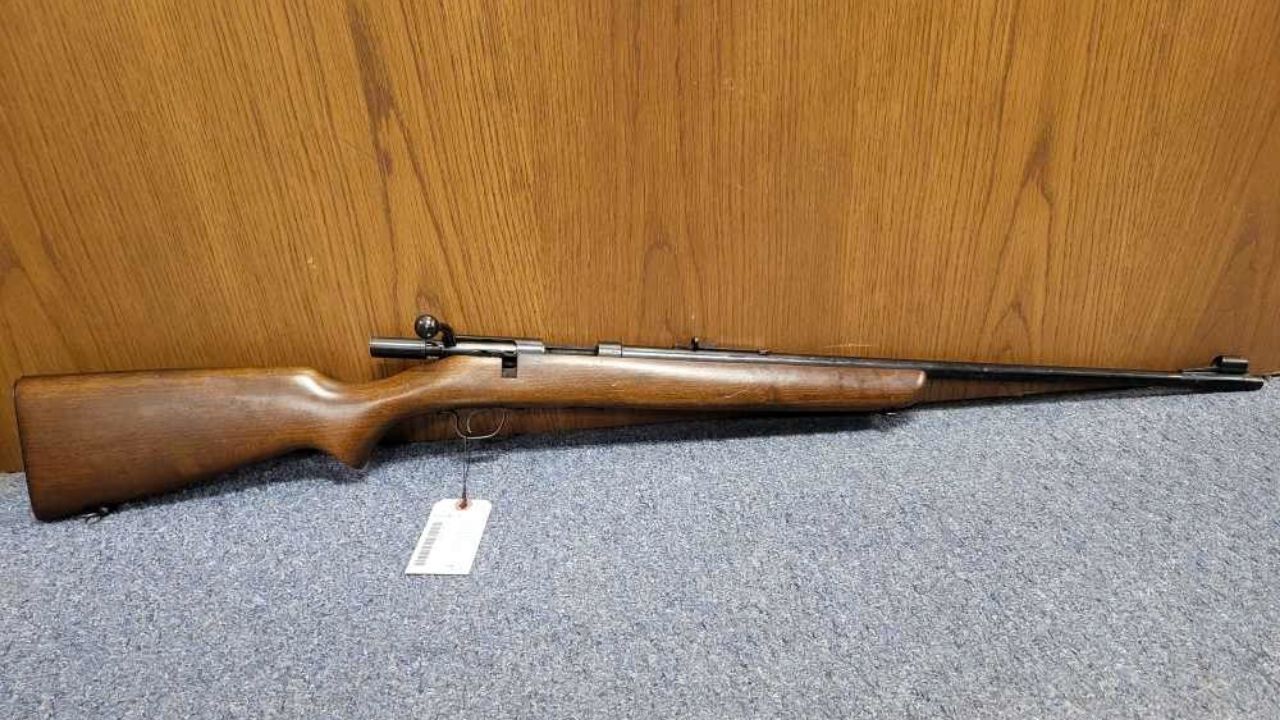
The Model 43 was a small centerfire rifle often chambered in rounds like .218 Bee and .22 Hornet, which made it a natural varmint and farm gun. Those are not roles that usually produce pristine survivors.
Scopes were commonly added, stocks were refinished, and barrels saw plenty of use. Some were converted or rechambered when original ammunition became harder to find. That makes untouched rifles with original sights and good bores much more difficult to locate. The Model 43 is one of those rifles where originality matters more every year because so many existing examples have been altered.
Remington Model 141 Gamemaster
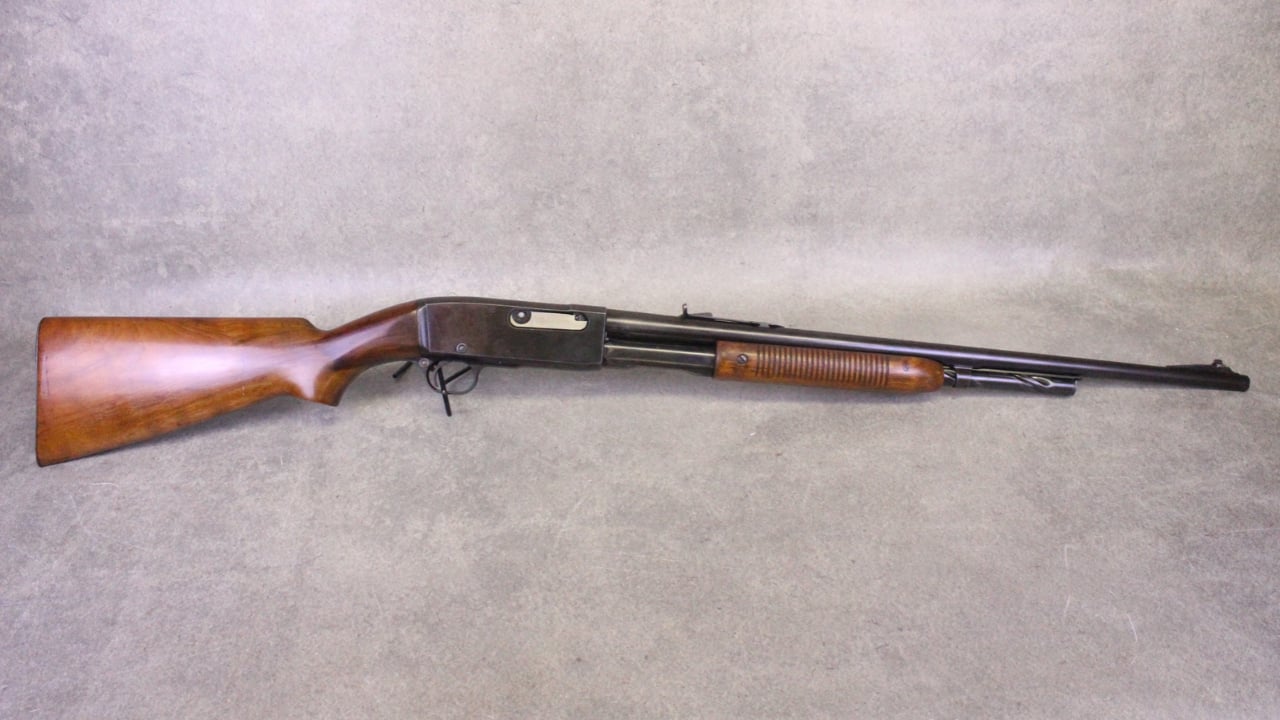
The Model 141 spent most of its life as a woods rifle, often in .35 Remington. That meant wet weather, brush, truck racks, and hard seasonal use.
Bluing loss around the receiver and magazine tube is common, and stocks frequently show dents or refinishing. Many rifles also had scope mounts added later in life, which can hurt collector appeal. Mechanically good examples still exist, but rifles with strong original finish and honest, light wear are becoming difficult. The Model 141 is slowly moving from old hunting rifle to condition-sensitive collectible.
Winchester Model 64

The Model 64 was built as a more refined sporting version of the Model 94, but that did not stop hunters from using them exactly as intended. That is why really clean rifles are scarce.
Receiver finish is often worn, stocks show years of carrying, and many examples were drilled or fitted with aftermarket sights. Because the rifle was never as common as the standard 94, the pool of original survivors is smaller to begin with. A good Model 64 immediately stands out because most examples you encounter have clearly lived a working life.
Marlin Model 336 .35 Remington

The .35 Remington version of the 336 was once an ordinary woods rifle. That meant it got hunted hard rather than stored carefully.
Older examples often show stock wear, receiver scratches, and scope holes or mounts that were added long before collectors cared. The ammunition situation also caused some rifles to get used less later in life, but by then many had already accumulated decades of wear. Clean .35 Remington 336s are increasingly desirable because the cartridge and rifle combination now feels far more special than it did when they were common.
Ruger M77 RSI International
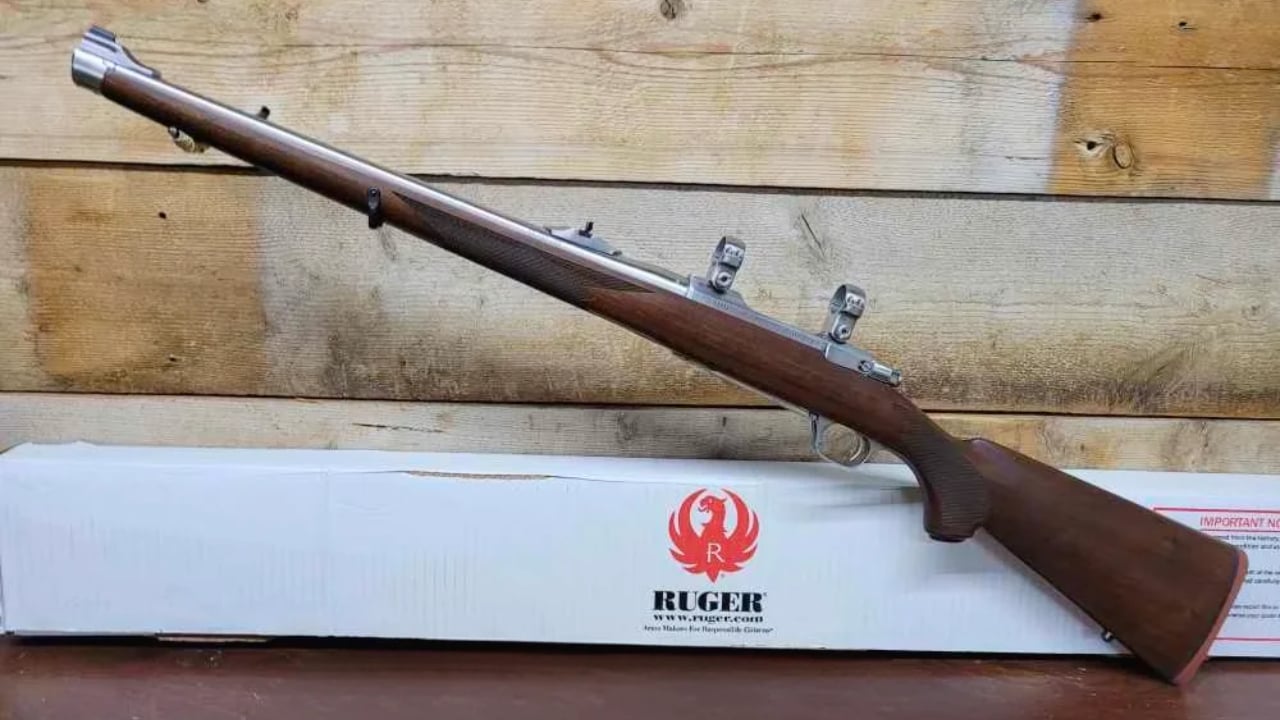
The full-length Mannlicher-style stock makes the RSI beautiful, but it also gives owners a lot more wood to ding up. These rifles were compact hunting guns, so plenty were carried through exactly the kind of cover that punishes nice stocks.
That creates a big difference between an average used example and a truly clean one. The nose cap, full-length stock, and original finish all matter. Once the wood has been cut, refinished, or badly scarred, much of the collector appeal disappears. Original RSI rifles in desirable chamberings and strong condition are becoming noticeably harder to find.
Sako L46 Vixen
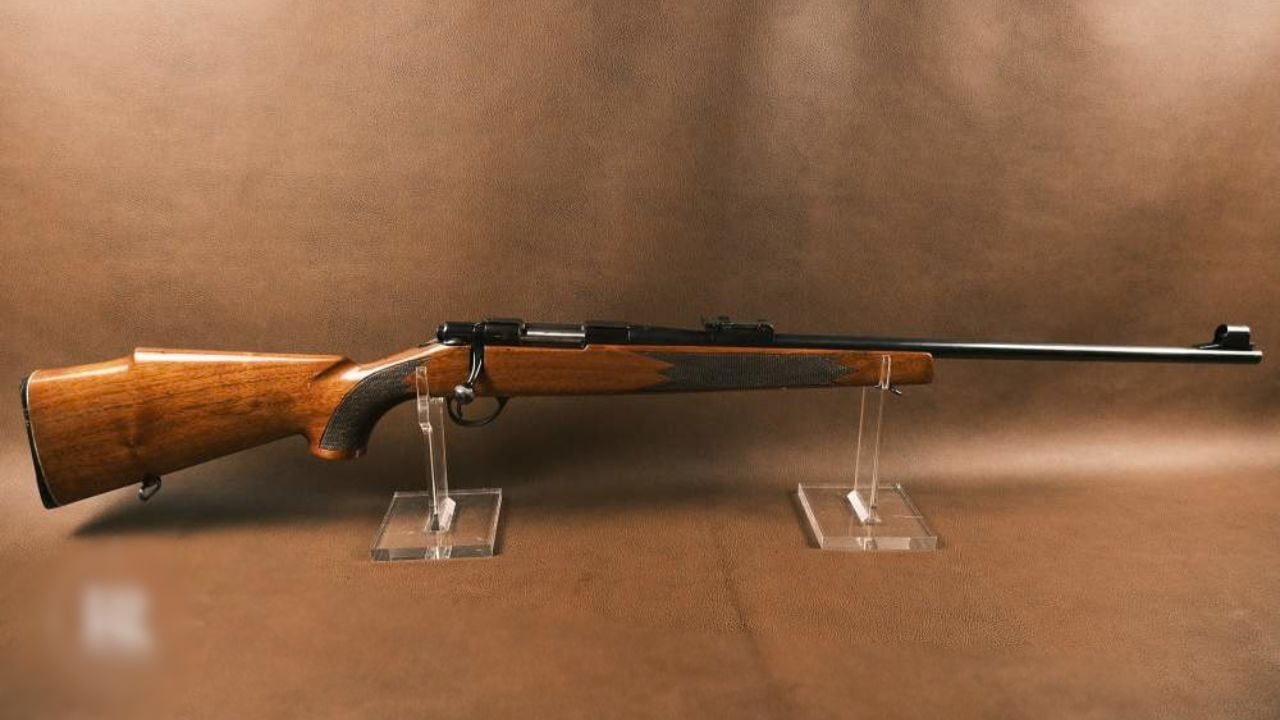
The L46 was a serious varmint rifle, and serious varmint rifles tend to get shot. Many examples have high round counts, altered stocks, added scope bases, or barrels that have seen a lot of use.
That makes condition much more important than simply finding the model. A Vixen with original wood, strong blue, correct bottom metal, and a healthy bore is a different proposition from a worn shooter. The rifles were so good at what they did that people kept using them, which is exactly why the survivors in excellent condition are becoming scarce.
Sako L61R Finnbear
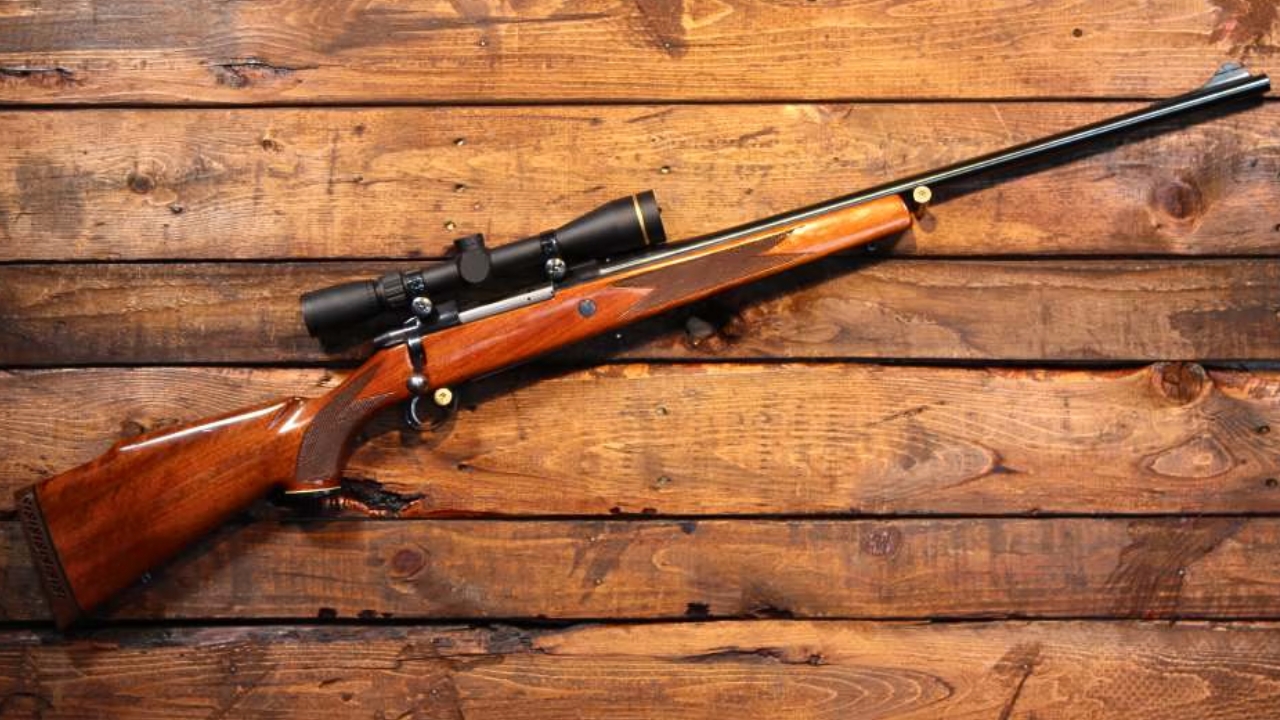
The Finnbear was built as a premium hunting rifle, but plenty of hunters bought one specifically because they intended to carry it for decades. Many did exactly that.
Stocks commonly show honest field wear, sling swivels were changed, recoil pads were added, and scopes went on and off over the years. The rifles remain desirable because the actions are smooth and the craftsmanship is excellent. That also means buyers now pay close attention to originality. A pristine Finnbear is no longer just an old Sako. It is a rifle that somehow avoided the life most of them were purchased to live.
Browning B78
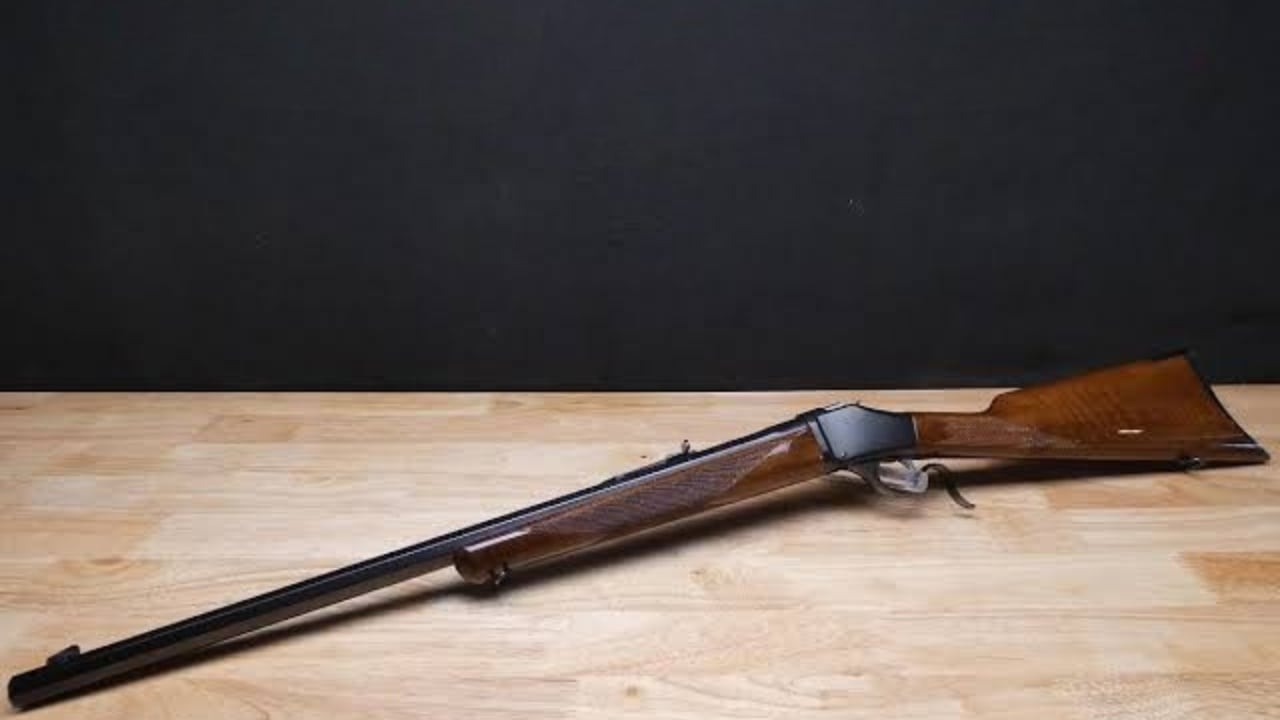
The B78 is one of those rifles that was too good to leave unfired. Single-shot hunters used them hard, especially in big-game and varmint chamberings.
High-gloss wood and polished metal show every mark, so even light field use can make a rifle look much older. Many also received scope changes and minor modifications over the years. Clean examples with excellent wood, untouched screws, and original finish are increasingly difficult to locate. The rifle’s rising collector interest only makes those condition differences more important.
Free for gun owners: If something happened to you tomorrow, would your family know where the guns are, who has the safe combination, or what to do first? Our free Gun Owner’s Family Checklist walks them through it. It takes about 15 minutes to fill out. Get your free copy here.
Remington Nylon 66
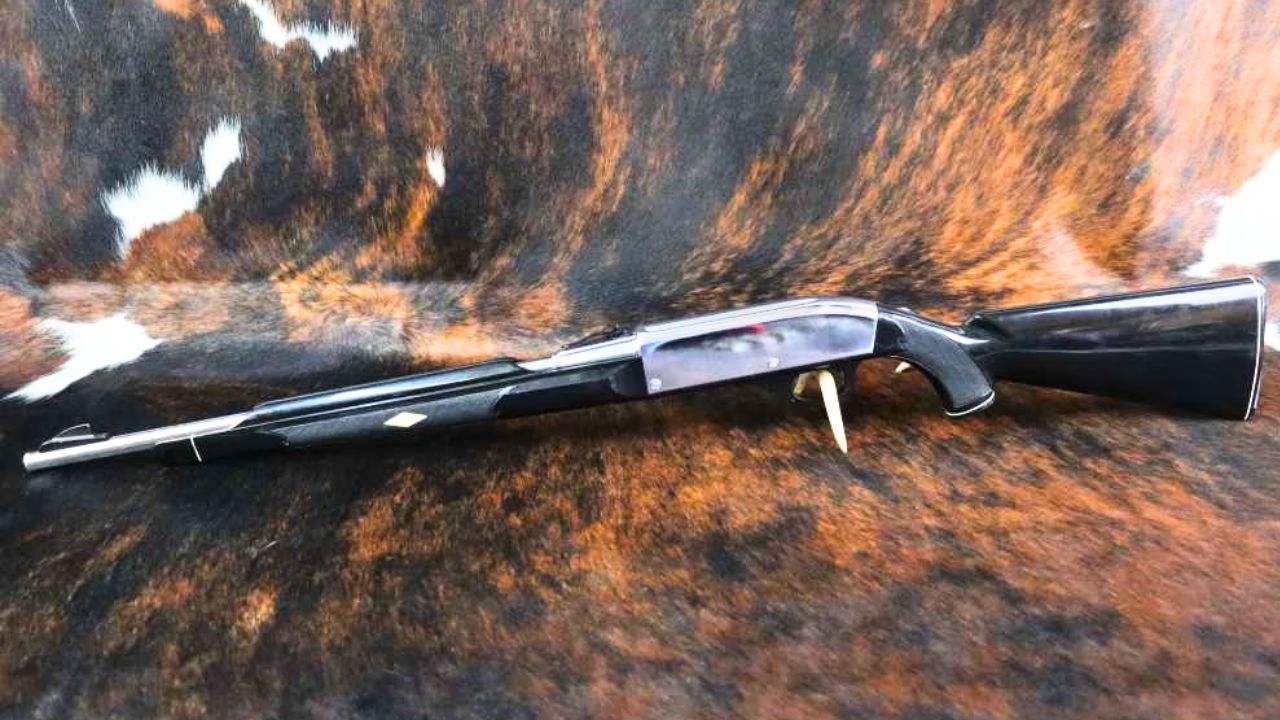
The Nylon 66 was cheap, light, and durable enough that people treated it like a utility rifle. That was great for its reputation and terrible for preserving condition.
Stocks got scratched, receivers lost finish, and rifles spent years in trucks, closets, and barns. Certain color variations are especially desirable now, which makes original-condition examples much more valuable than ordinary shooters. The Nylon 66 is common enough that finding one is easy. Finding one that looks like it was barely used is a very different challenge.
Winchester 9422
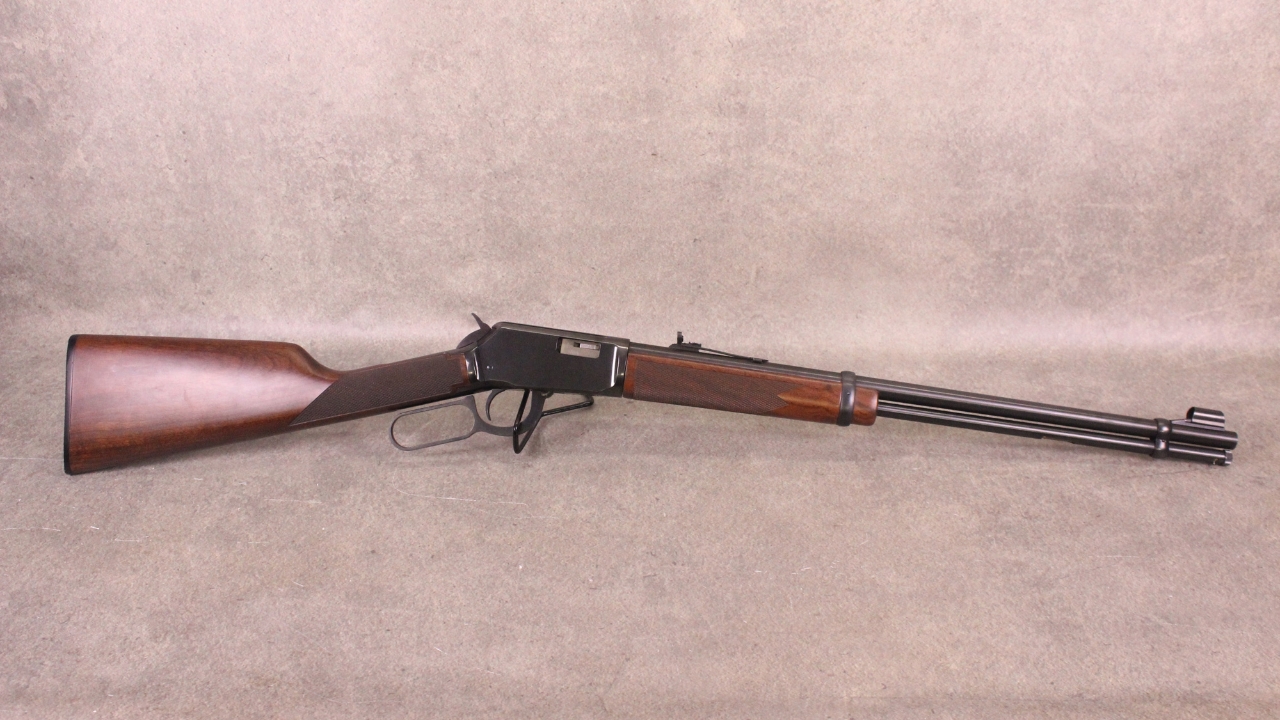
The 9422 was too much fun to leave in the safe. Families shot them, carried them around farms, and used them for small game for decades.
That means many have worn loading gates, scratched receivers, dinged stocks, and years of honest use. They are now desirable enough that buyers want original boxes, strong finish, and crisp wood. The problem is that the rifle spent most of its production life being treated like a shooter, not an investment. High-condition examples are disappearing into collections quickly.
Marlin Model 39A
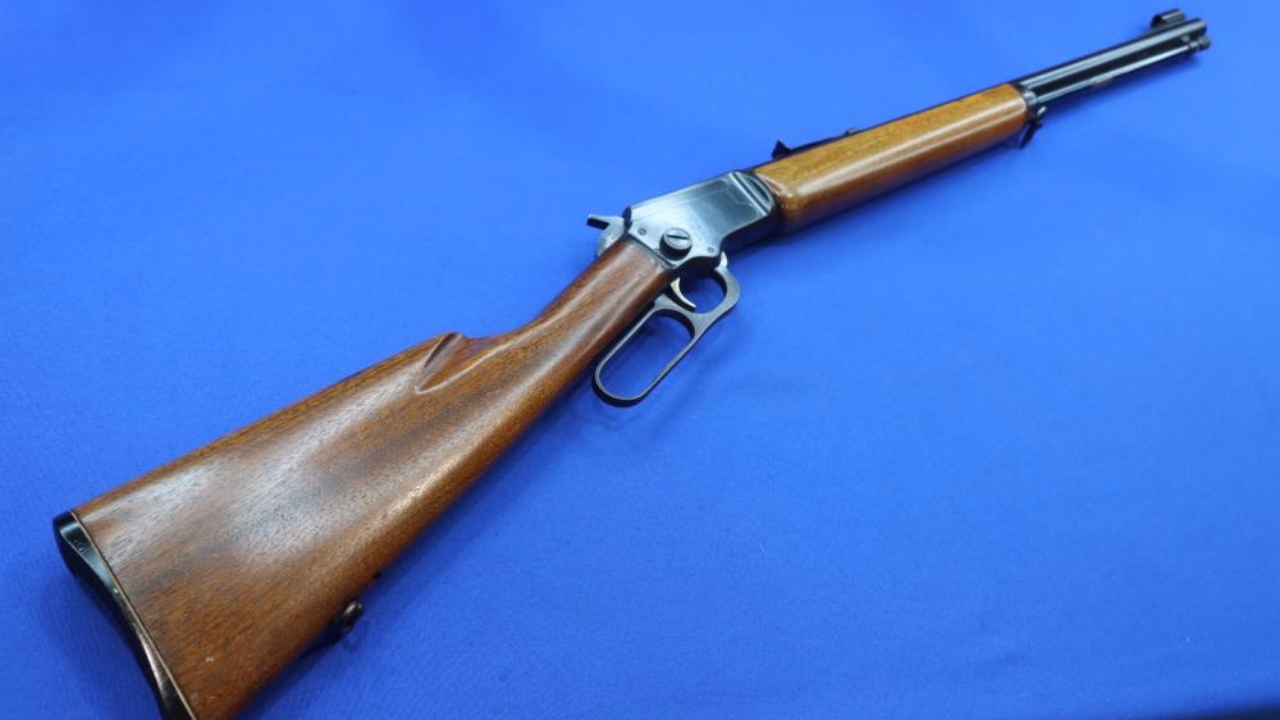
The Model 39A is another rimfire that was built so well that owners kept using it for generations. A rifle may have passed through three family members before anyone thought about preserving it.
That usually means stock wear, finish loss, and plenty of rounds through the bore. The takedown design also encouraged frequent handling, which leaves marks on screws and metal. Clean rifles still exist, but they stand out immediately from the average example. The 39A’s long production run makes it common overall while excellent condition becomes increasingly uncommon.
Remington Model 760

The 760 was a deer-camp rifle through and through. It spent years in wet woods, truck racks, and tree stands, especially in regions where pump rifles were king.
That is why finish wear around the receiver and action bars is almost expected. Stocks were often refinished, recoil pads added, and scope mounts changed repeatedly. A clean original 760 is much less common than the production numbers suggest. The rifles that survived untouched are now being appreciated by collectors who remember how ordinary they once were.
Parker-Hale Safari
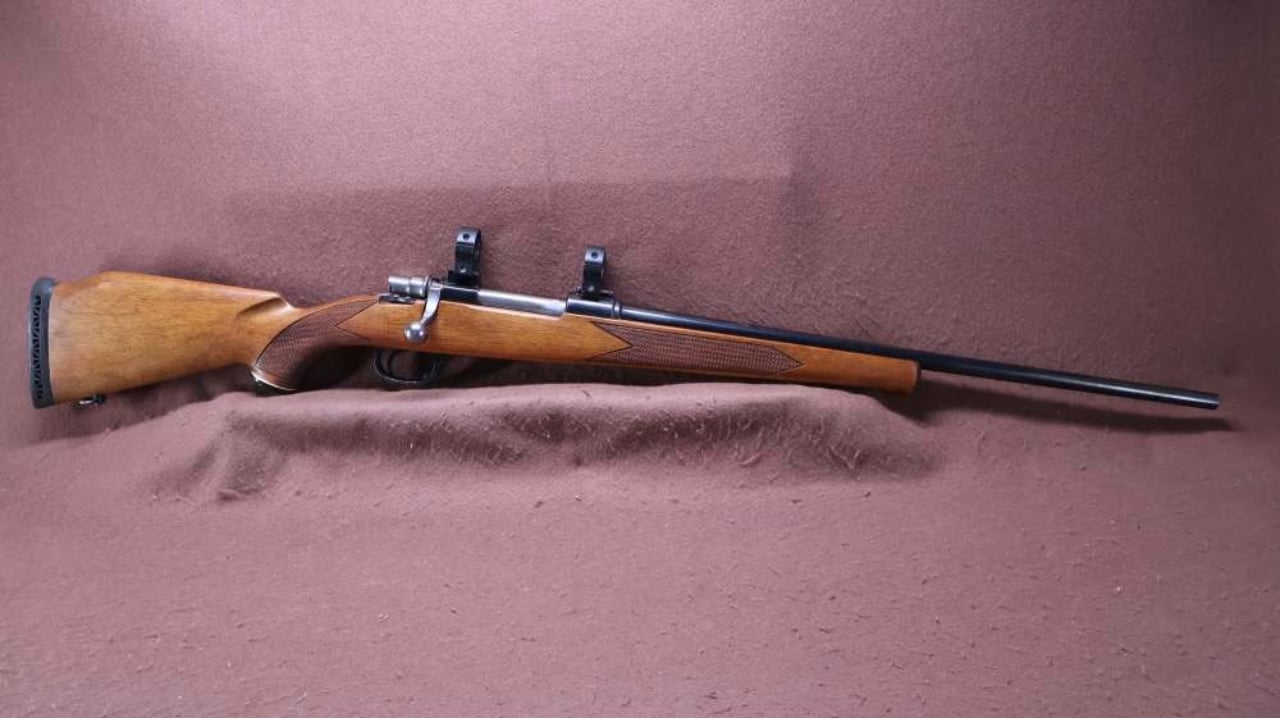
Parker-Hale rifles were sold as practical hunting rifles, and most owners treated them accordingly. Their polished metal and walnut stocks can look excellent, but those finishes also show decades of field use clearly.
Replacement parts and original accessories have become harder to find, which increases the value of complete rifles in strong condition. Many surviving examples have been modified, rebarreled, or restocked. Finding a Safari that still looks like it did when it left the factory is becoming increasingly difficult, especially in desirable chamberings.
Husqvarna 1640
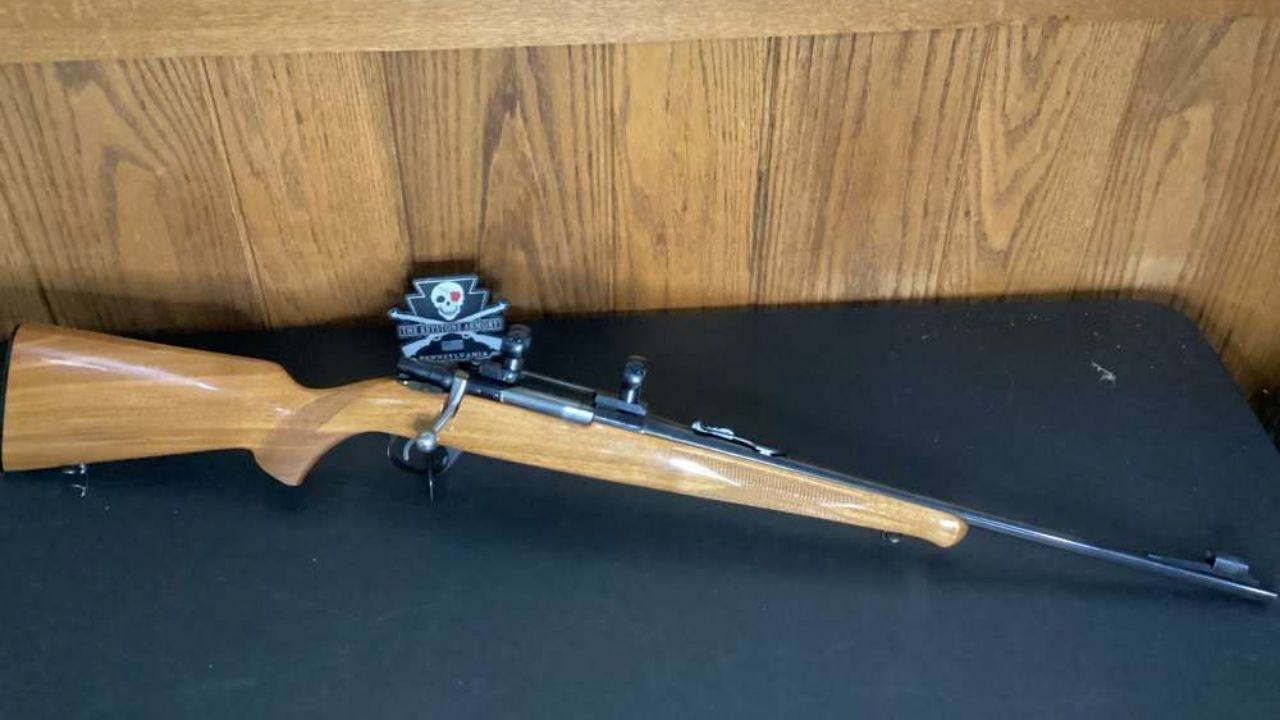
The 1640 was lightweight, smooth, and exactly the kind of rifle hunters carried for years without thinking about future value.
That means plenty have worn checkering, chipped stocks, aftermarket pads, and scope-base modifications. Because Husqvarna rifles were often treated as practical imports rather than collectibles, originality was not protected the way it might have been with a high-grade Winchester. Today, enthusiasts are paying much closer attention. Clean rifles are out there, but they disappear quickly once someone recognizes what they are.
Colt Sauer Sporting Rifle
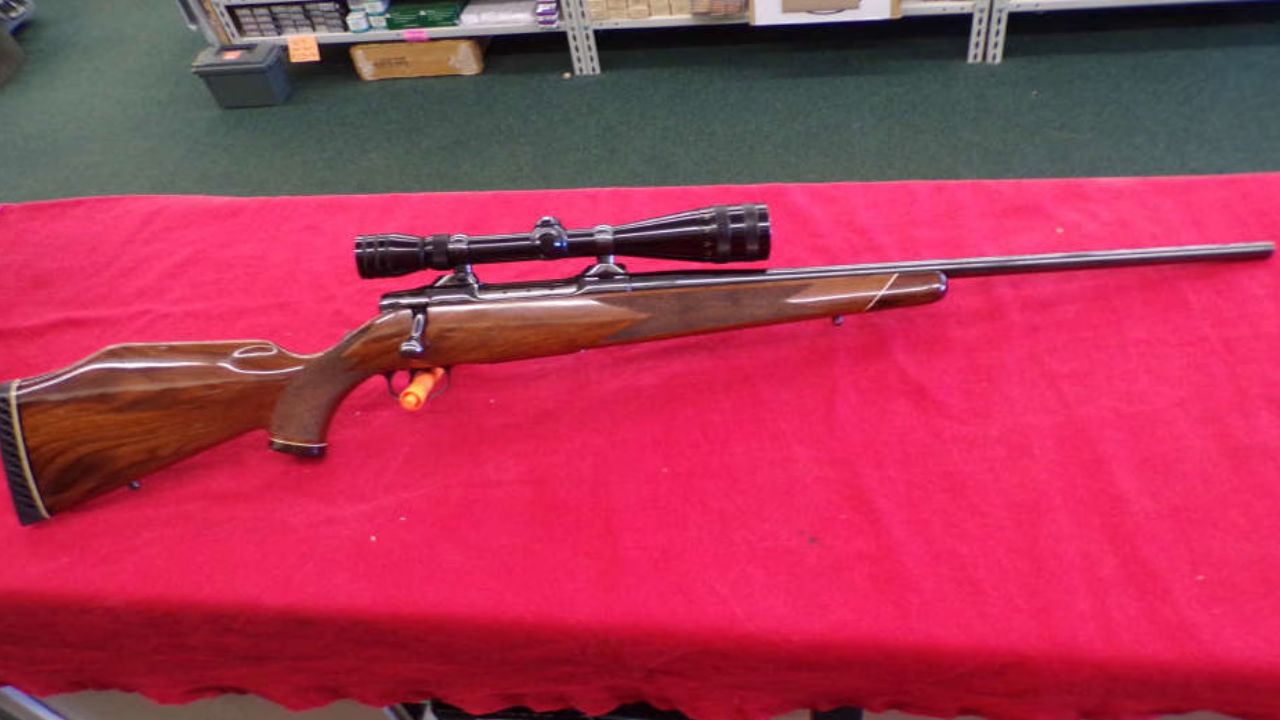
The Colt Sauer was expensive when new, but buyers still used them. The rifles were too smooth and accurate to remain decorative.
High-gloss wood and polished metal made them vulnerable to visible wear, and some owners altered mounts or stocks to suit hunting needs. Because production numbers were never huge, the pool of untouched rifles is limited. The Colt name now adds collector interest, while Sauer’s craftsmanship attracts another group of buyers entirely. That combination is making high-condition examples increasingly difficult to pry away from owners.
Mannlicher-Schoenauer Model 1956
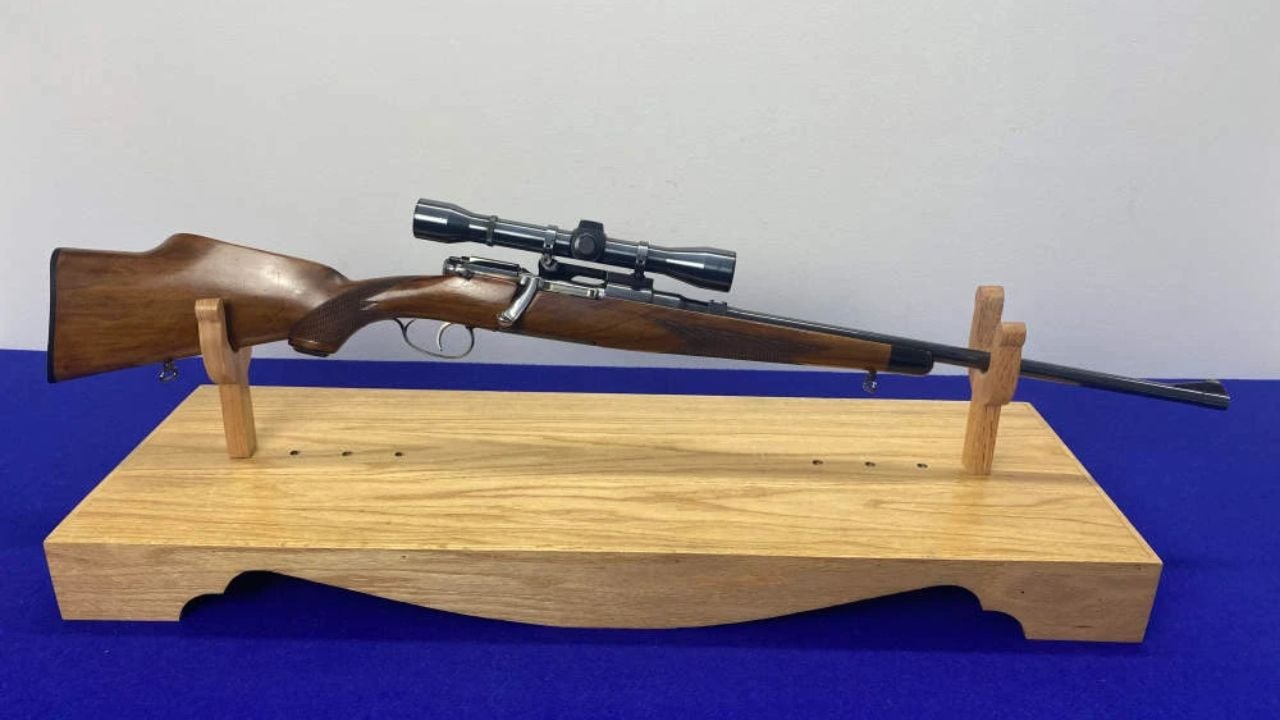
The Model 1956 was built during an era when premium sporting rifles were expected to be carried in the field, not preserved like art. Many spent decades doing exactly that.
The full-stock versions especially tend to show dings and wear, while scopes and mounts were often added later. Original condition matters enormously now because the smooth rotary-magazine action and classic styling have become collector attractions in their own right. A worn rifle is still mechanically fascinating. A clean, untouched example is becoming genuinely difficult to replace.
Like The Avid Outdoorsman’s content? Subscribe to our newsletter so you never miss an article.
Here’s more from us: