Photo credit: American Desperado/Youtube
You walk into an estate sale and the furniture is priced like it came from a big box store in 2009. Then you spot a revolver in a soft case on a card table, blued finish worn to gray on the muzzle, grips shiny from years of handling. It might look “used up,” but a lot of the time that wear is exactly what tells you it was carried, shot, and trusted. And if you know what you’re looking at, that tired-looking wheelgun can be the most valuable thing in the room.
This isn’t a guide to getting rich flipping guns. It’s a heads-up for outdoorsmen who recognize that old revolvers aren’t just nostalgia. They’re craftsmanship, limited runs, discontinued features, and models that collectors and shooters will pay real money for—especially when the paperwork and box are long gone.
1. Colt Python
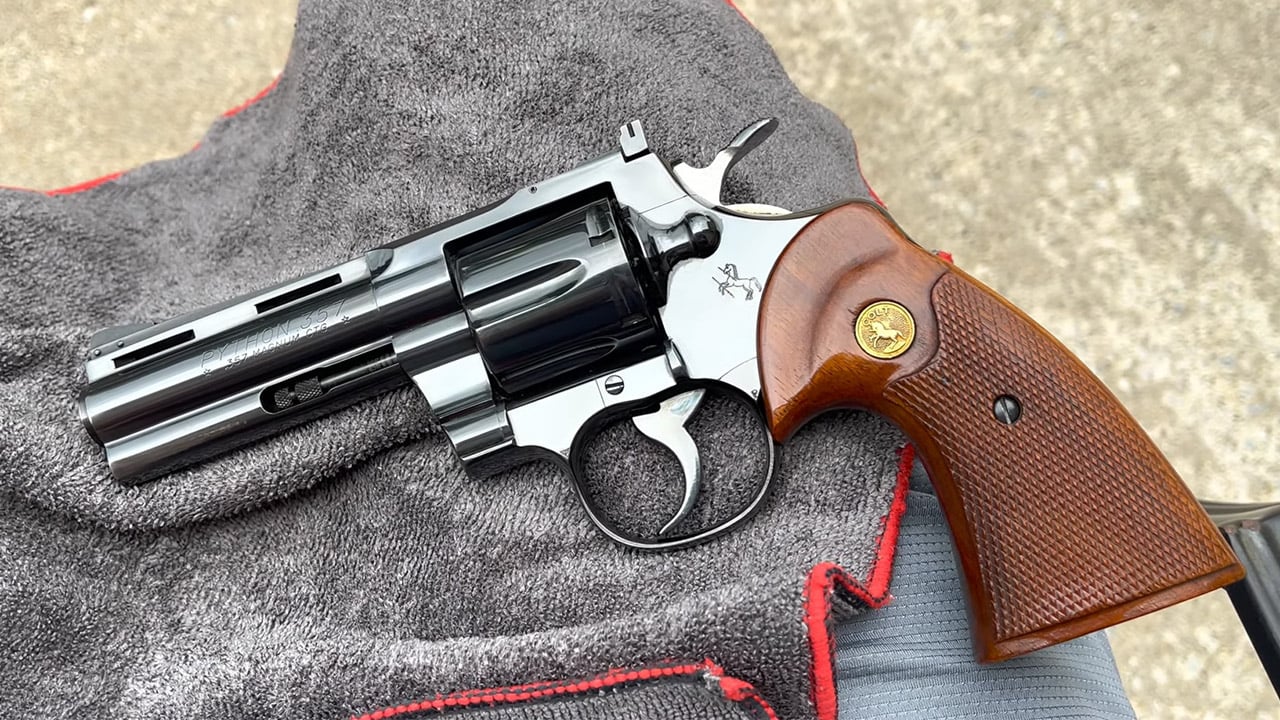
The Python is the classic “worn but expensive” estate-sale revolver. A lot of them show holster burn at the muzzle and along the sharp edges of that ventilated rib, and folks who don’t know better assume “beat up old .357.” The truth is the older Pythons (especially pre-2000 production) are a whole different market than most revolvers.
What drives value is the old Colt action feel and the level of polish you just don’t see on modern production. Even a gun that’s honest-worn can bring serious money if it hasn’t been abused internally. If you see one, check that the cylinder locks up tight, timing isn’t late, and the gun hasn’t been “kitchen-table tuned.” A bad trigger job can hurt value faster than a scratched sideplate.
2. Colt Detective Special
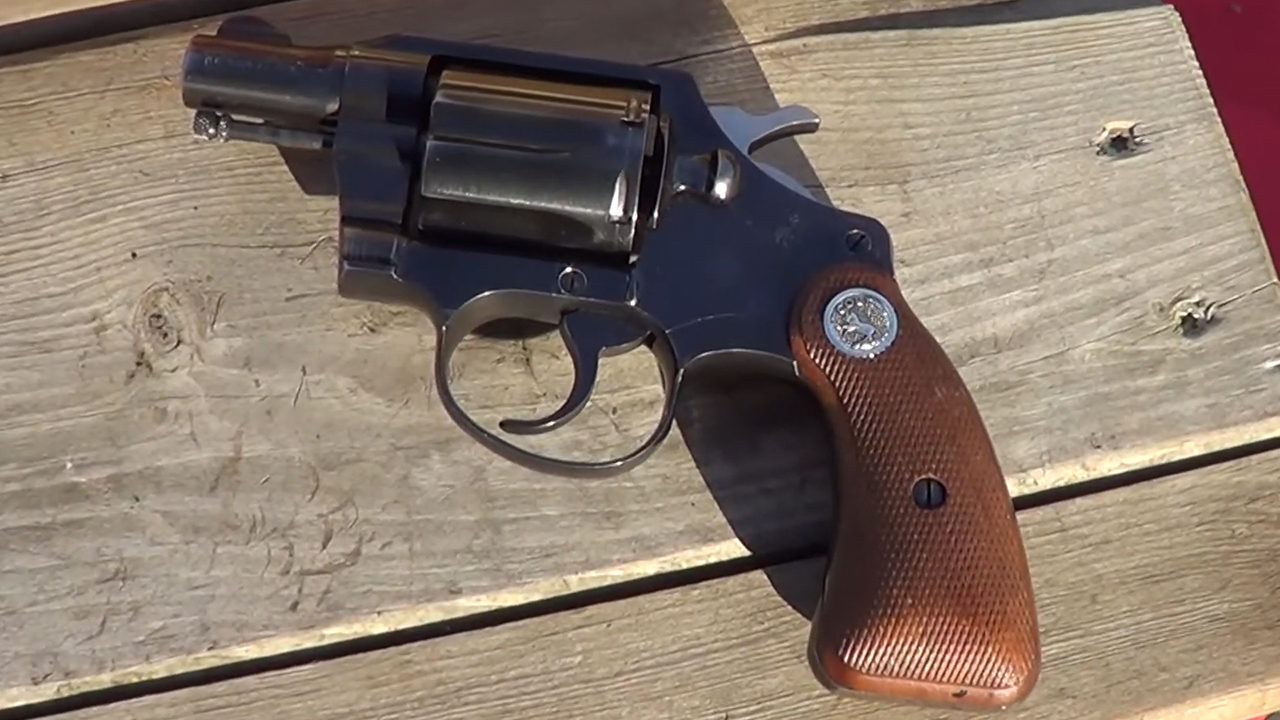
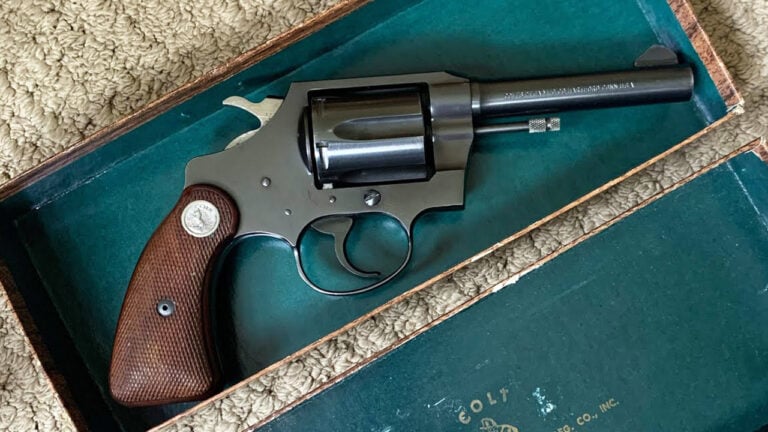
This is one that gets overlooked because it’s not flashy. The Detective Special is a compact, steel-framed Colt .38 that rode in pockets, glove boxes, and tackle bags for decades. That means most examples look rough: finish thin, grips dinged, maybe a little freckling from humidity.
Here’s the catch: it’s a Colt, it’s discontinued, and it’s a six-shot snub in a world full of five-shots. Collectors like the older generations, and shooters like that extra round without stepping up to a bulky gun. If the lockup is decent and the cylinder doesn’t feel like it’s trying to wobble off the crane, it’s often worth far more than the price tag you’ll see at a casual sale.
3. Colt Diamondback
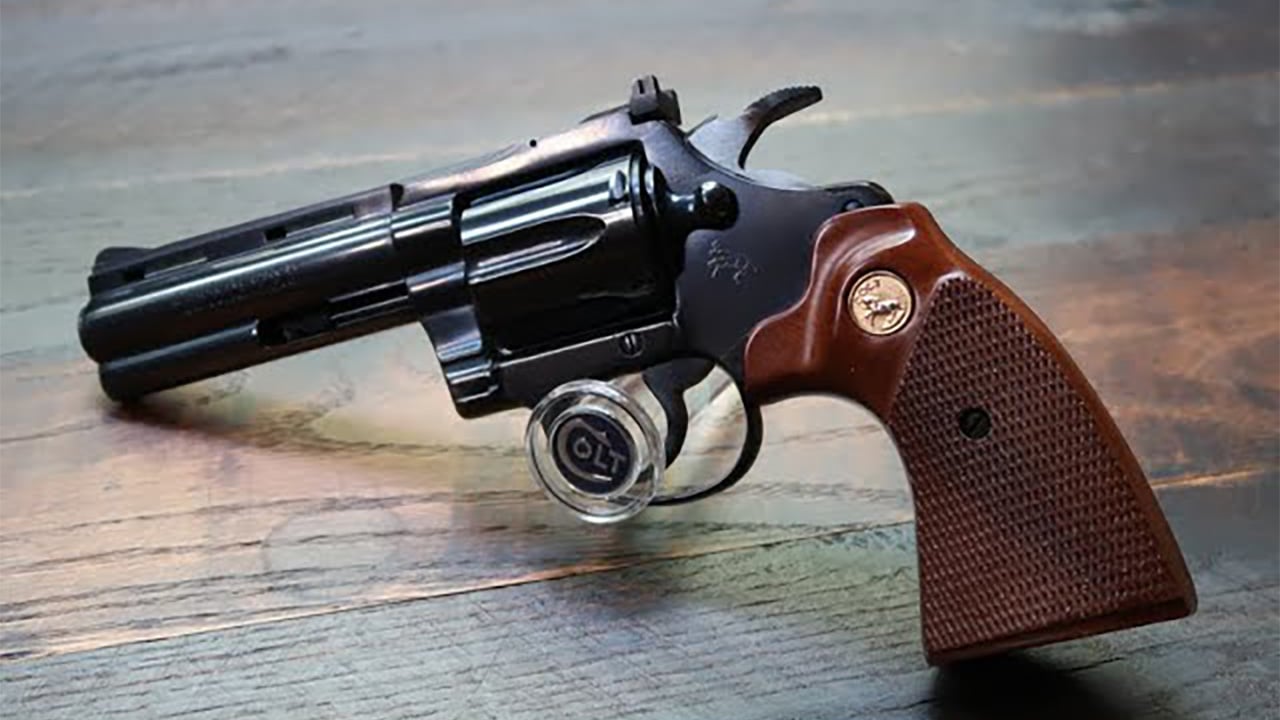
Think “Python styling in a smaller package,” and you’re close. The Diamondback—especially in .38 Special—has become a collector favorite, and plenty of them got carried hard. When you see one with edge wear and a few scratches, don’t assume it’s just another mid-size revolver.
The Diamondback has that Colt look and feel that people chase, and it occupies a weird space where it’s both collectible and actually handy to shoot. Values tend to jump with barrel length and condition, but even worn examples can bring surprising numbers. Watch for over-polishing (rounded edges, washed-out rollmarks) because refinish work can be the difference between “nice score” and “pretty but overpriced.”
4. Smith & Wesson Model 27
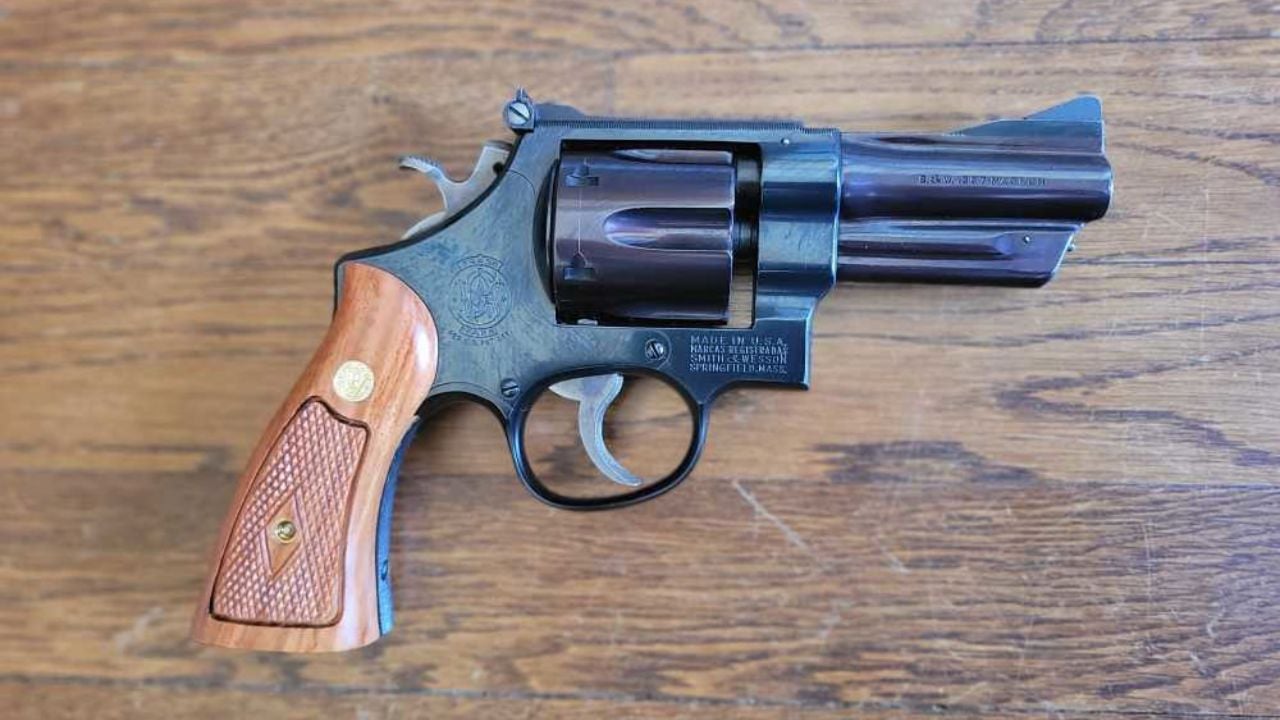
The Model 27 is old-school .357 luxury—checkered topstrap, deep blue, and a heavy N-frame that soaks up recoil. At estate sales, you’ll see them with holster wear because they were real duty guns and woods guns, not safe queens. The big frame makes them less trendy for carry, which is exactly why people undervalue them on sight.
What matters here is that the Model 27 represents an era of S&W fit and finish that’s hard to replace. Even if the finish is worn, a tight 27 with a clean bore is a lifetime revolver. If it has original target stocks and the checkering isn’t sanded flat, it can punch well above “old service gun” pricing.
5. Smith & Wesson Registered Magnum
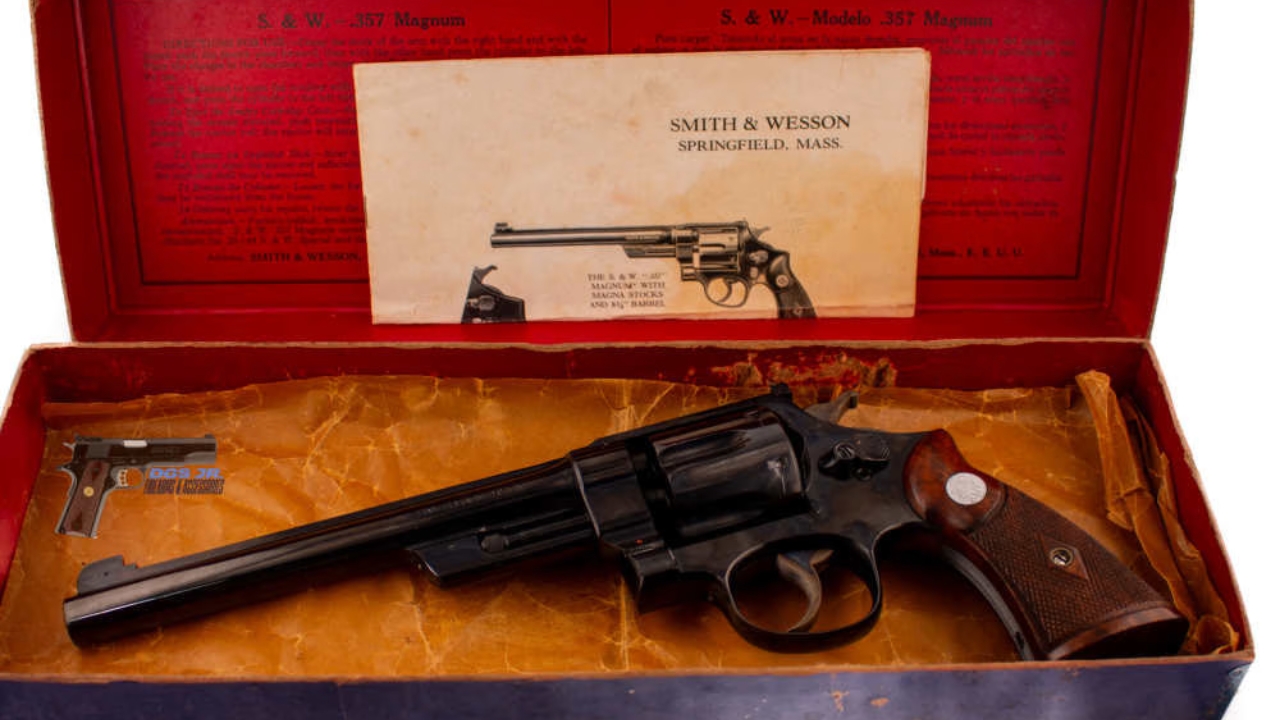
This is the granddaddy that can look plain to the untrained eye—until you realize what it is. Registered Magnums are early .357s with documented registration numbers, often with custom features ordered from the factory. Many have been used, refinished, and re-gripped over the decades, so they don’t always scream “museum piece.”
If you stumble across one, you’re in a different league of value. The tricky part is that the important stuff isn’t always obvious without research: markings, barrel length details, and configuration. Even so, an authentic Registered Magnum in worn condition can be worth more than everything else in the living room combined. This is a “slow down and verify” find, not a “hand over cash and run” moment.
6. Smith & Wesson Model 29 (pinned and recessed)
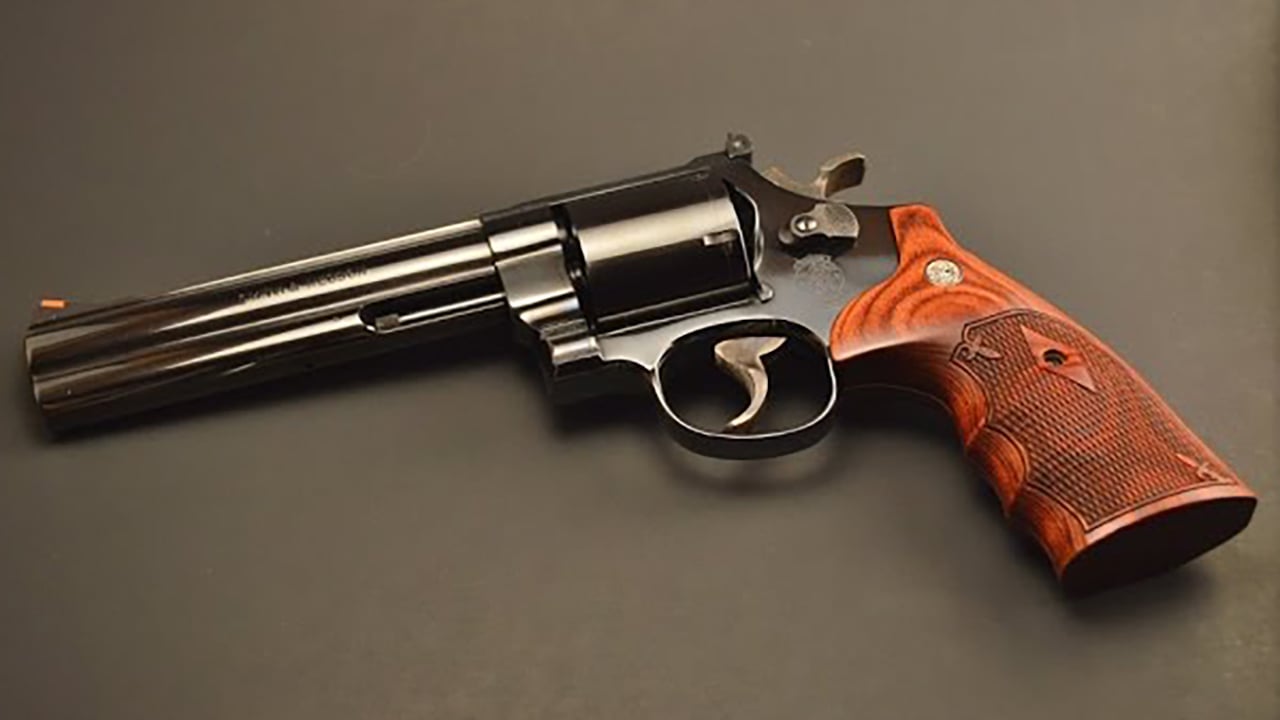
Everybody knows “Dirty Harry,” so the Model 29 draws eyes. But estate sale versions often look tired because .44 Magnum recoil and field carry are hard on guns. You’ll see cylinder turn lines, finish wear on the ejector rod housing, and grips that look like they’ve been sweated on for 40 years.
The older pinned-and-recessed guns are where collectors get interested, and shooters still want them because the guns have a feel that newer runs don’t always match. The Model 29 is also a common “heirloom” revolver, which means families sometimes price it like a generic hunting handgun. Check for endshake and signs it was fed a steady diet of hot loads, but don’t let honest wear scare you off.
7. Smith & Wesson Model 19 (Combat Magnum)

The Model 19 is one of those revolvers that got used like a hammer. It rode on hips, bounced in patrol cars, and spent time in leather. That shows up as worn bluing and dings on the cylinder. Estate sale shoppers see “old police gun” and assume it’s nothing special.
But the Model 19 has a loyal following because it carries well, points naturally, and is just flat-out enjoyable with .38s and reasonable .357 loads. Older examples with original parts and no questionable modifications are getting harder to find. If you’ve ever wanted a classic K-frame .357, a worn Model 19 can still be a smart buy—just understand it wasn’t built for endless max-pressure magnums like a heavier gun.
8. Smith & Wesson Model 66 (no-dash and early variants)
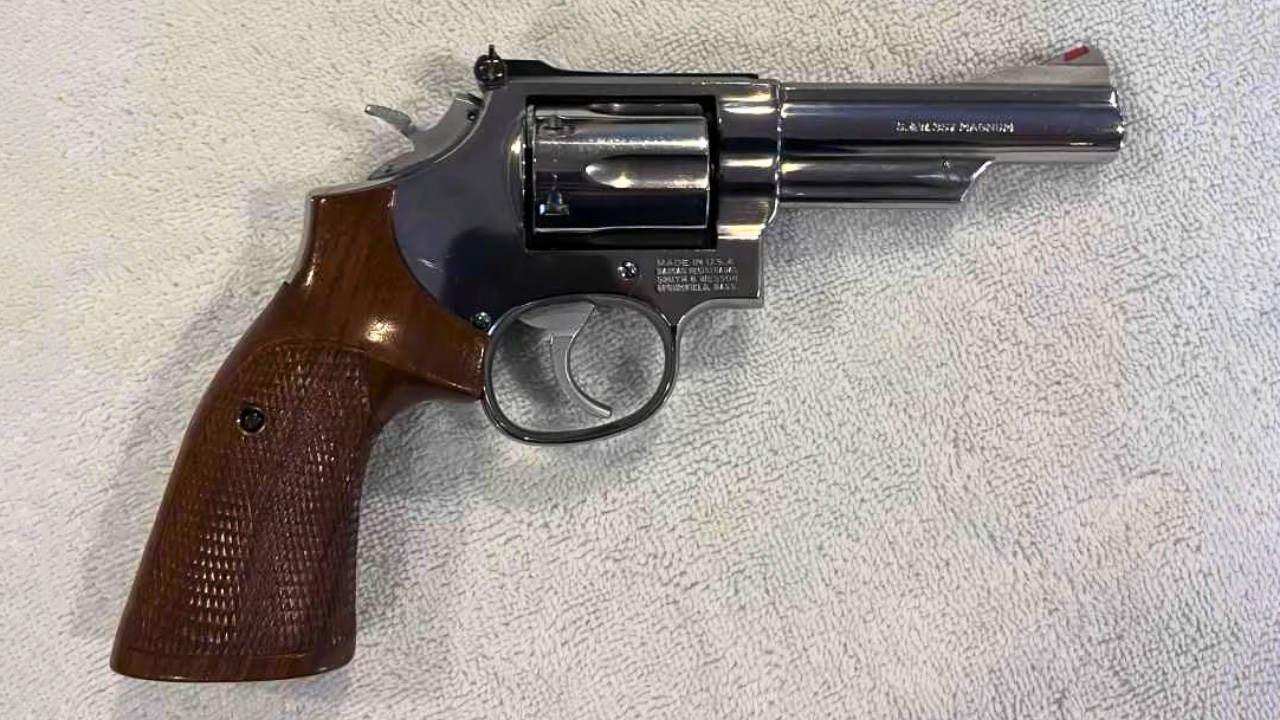
The stainless Model 66 doesn’t always “look collectible” because stainless hides wear differently. You’ll see scratches, scuffs, and that cloudy look from somebody going after it with the wrong polish. In an estate-sale case, it can look like a generic stainless .357—and that’s when it gets underpriced.
Early no-dash and desirable variants carry a premium, and the 66 is a practical revolver for the outdoors. It’s weather-resistant, easy to maintain, and shoots .38s like a dream. Check the forcing cone and timing, and don’t get too worked up about cosmetic scuffs. A mechanically solid 66 is the kind of gun that still earns its keep as a trail revolver while quietly appreciating.
9. Smith & Wesson Model 10 (pre-Model and early Military & Police)
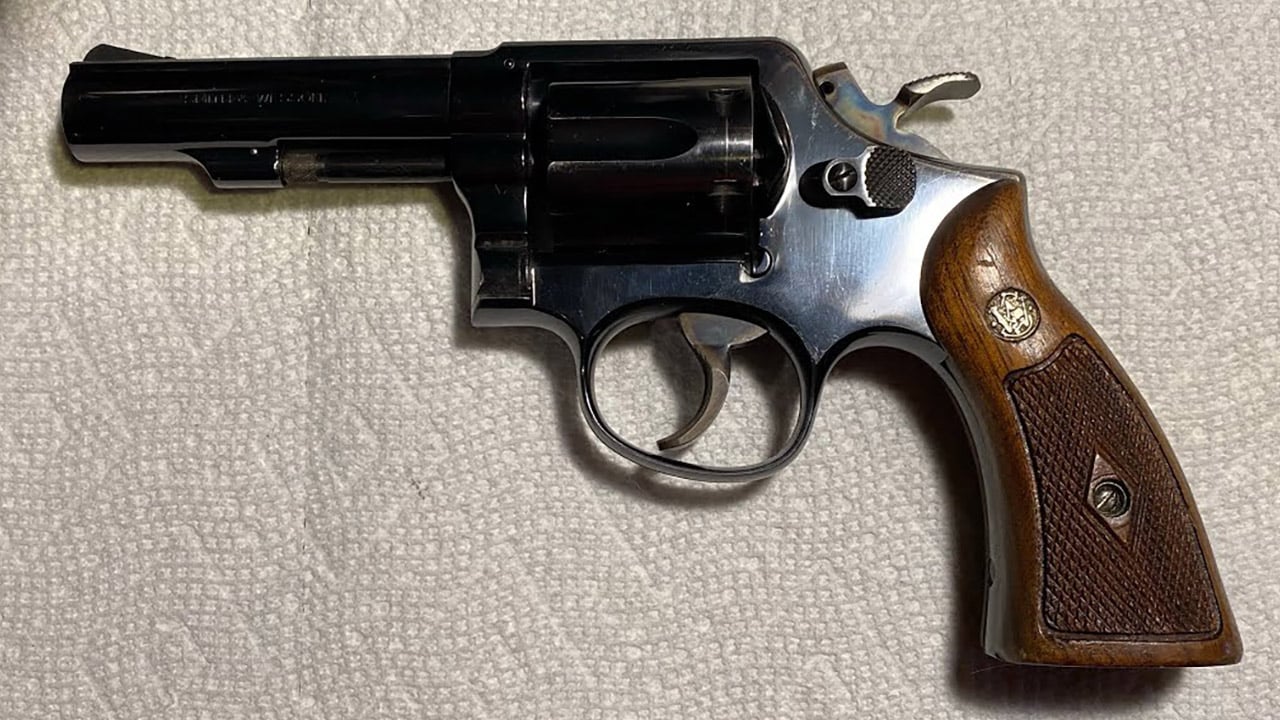
Here’s a surprise entry because most Model 10s are not rare. But certain early versions—pre-model-marked guns, five-screw frames, interesting agency markings—can jump in value fast. They also tend to look rough because they were working revolvers. The finish wear is usually honest, not abuse.
Why include it? Because the Model 10 is one of the most commonly mispriced revolvers at estate sales. Sellers see “.38 Special” and price it like a pawn shop beater. Meanwhile, collectors might pay for specific configurations, and shooters love them as simple, accurate revolvers. It’s not always a jackpot, but it’s a consistent “don’t ignore it just because it’s plain” gun.
10. Smith & Wesson Model 15 (Combat Masterpiece)
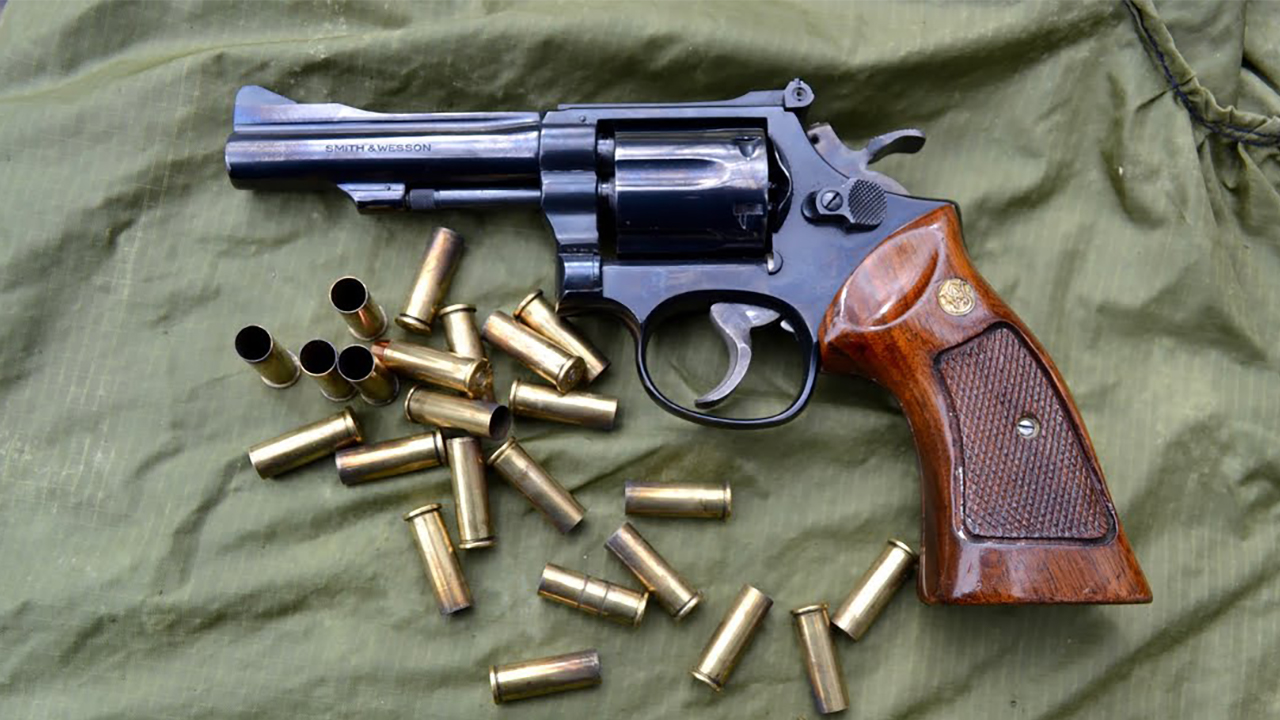
The Model 15 is another K-frame that looks ordinary until you shoot one. They balance well, the sights are usable, and the triggers on older examples can be excellent. Estate sale Model 15s often show holster wear and battered grips because they were frequently used as duty sidearms and training guns.
Value comes from the combination of shootability and dwindling supply of clean, unmodified examples. A lot of these have had sights swapped, barrels changed, or amateur action work done. If you find one that’s still “as issued,” even with finish wear, it tends to bring more than people expect. It’s also a revolver you can actually take to the range every week without feeling like you’re risking some fragile collectible.
Free for gun owners: If something happened to you tomorrow, would your family know where the guns are, who has the safe combination, or what to do first? Our free Gun Owner’s Family Checklist walks them through it. It takes about 15 minutes to fill out. Get your free copy here.
11. Smith & Wesson Model 57
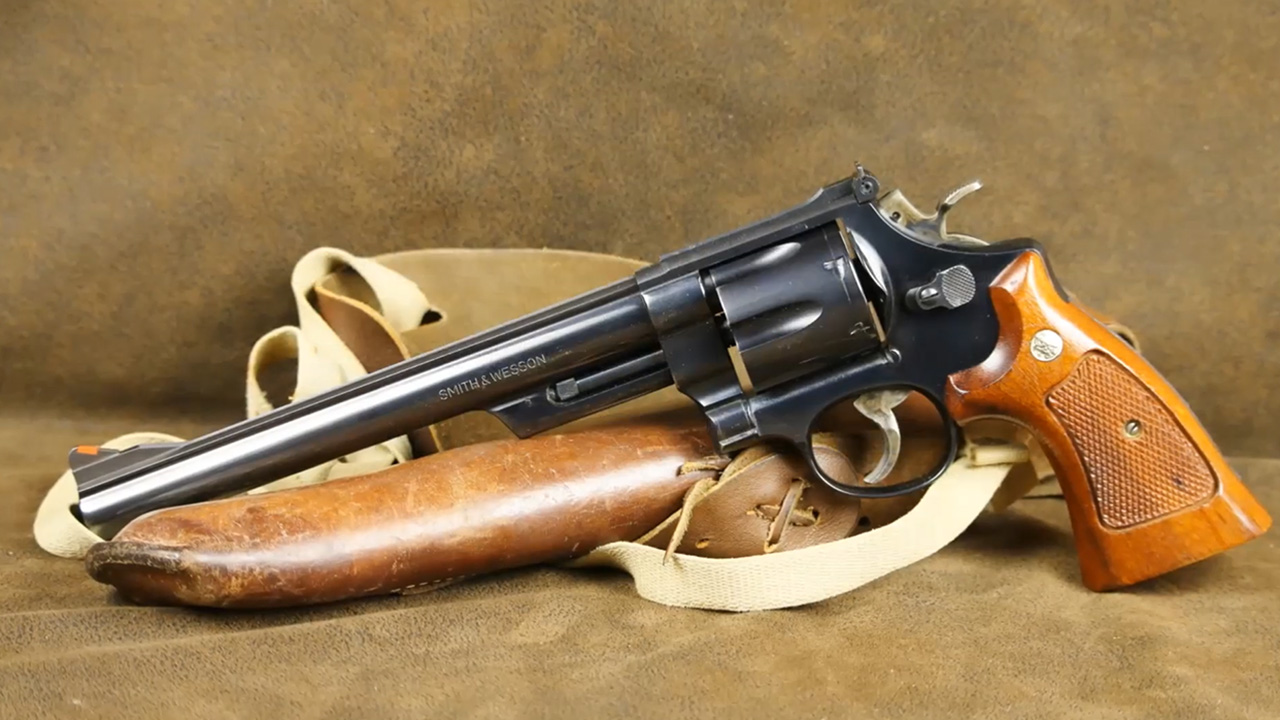
The .41 Magnum Model 57 is one of those revolvers that gets passed over because .41 isn’t on every shelf at the hardware store. That’s exactly why estate sale sellers tend to undervalue it. Many of them show real use—finish wear and carbon staining—because folks who bought .41s usually shot them, hunted with them, or both.
Collectors like Model 57s, and shooters who understand the cartridge like them even more. It’s a serious hunting revolver without being quite as punishing as some .44 Magnum setups. If you find one with the original grips and no timing issues, it’s often worth more than the whole dining room set it’s sitting near. Ammo cost is the drawback, but the gun itself is a classic.
12. Ruger Blackhawk (Old Model “three-screw”)
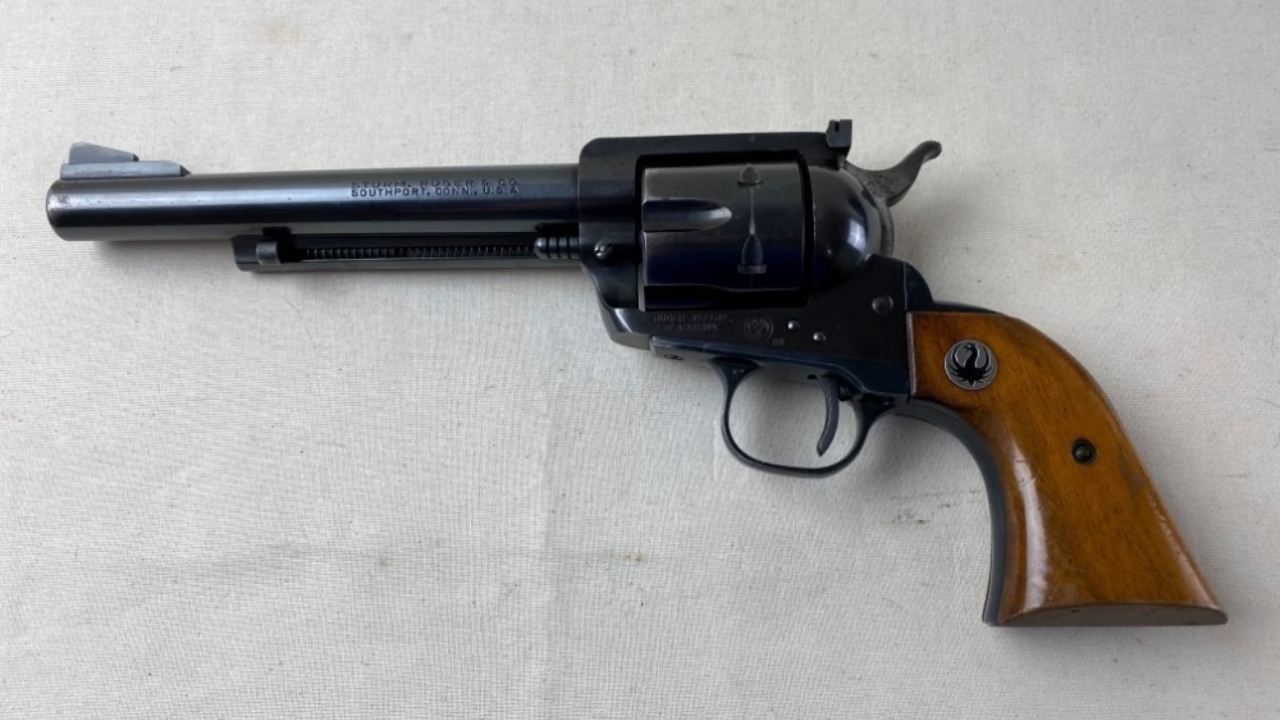
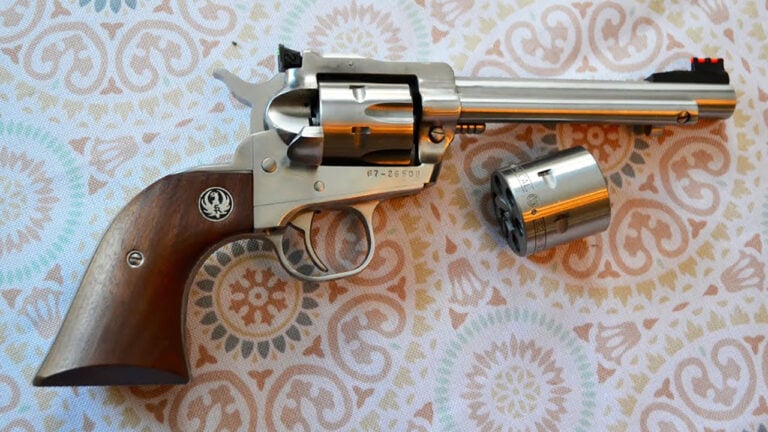
Old Model three-screw Blackhawks are common estate sale guns because they lived in tackle boxes and truck consoles across America. Most show wear: rubbed bluing, scratches on the ejector housing, and that gray look on the cylinder from being carried a lot. That doesn’t kill value on these nearly as much as you’d think.
The three-screw action and early production details are what collectors look for, and plenty of outdoorsmen still prefer them as a working single-action. If it hasn’t been butchered, it’s a revolver that can be both collectible and useful. One note: many were converted with Ruger’s safety update, which is fine for a shooter but can matter to collectors. Either way, a solid three-screw is not a “cheap old cowboy gun.”
13. Ruger Super Blackhawk (early production)
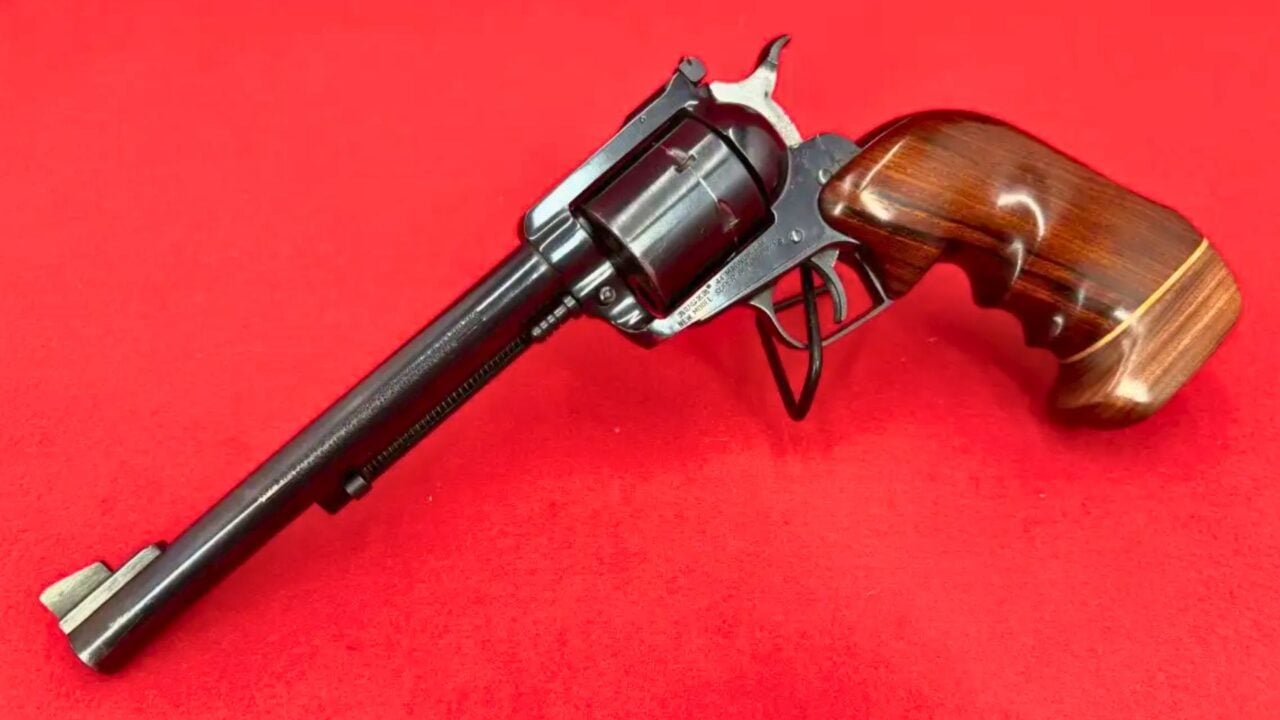
The Super Blackhawk is heavy, unapologetic, and made to digest .44 Magnum without crying about it. Estate sale versions often look like they’ve been on a saddle, in a scabbard, or in a hunting pack for years. Expect edge wear and dings, especially on the trigger guard and frame.
Early examples and certain configurations have a following, and the bigger point is this: the Super Blackhawk is still one of the best “real use” magnum revolvers ever made. When somebody prices it like an old novelty handgun, it’s worth a second look. Check for a clean bore and make sure the cylinder locks up right. If it does, you’ve got a revolver that will outlast most of us, even if it looks like it’s already lived a full life.
14. Ruger Security-Six
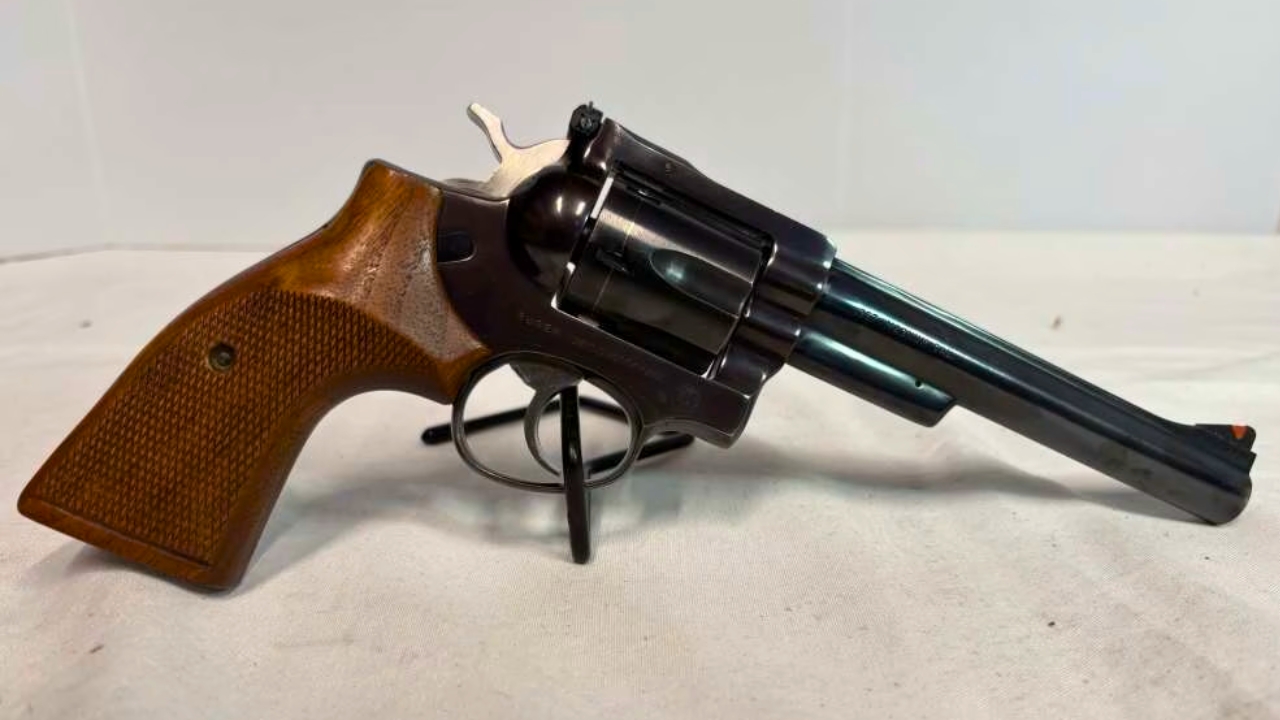
The Security-Six line is one of the most undervalued used revolver families out there, and estate sales are where they pop up looking rough. They were carried hard by outdoorsmen and law enforcement, and the finish on many is worn down to that honest gray. Nobody put these away because they were “collectible.” They put them away because they worked.
They’re discontinued, tough as fence posts, and they shoot. The trigger isn’t always as slick as a good old Smith, but they’re durable and straightforward. Parts and grips are still around, though you don’t have the endless aftermarket of modern guns. If you want a trail revolver that can take rain, sweat, and neglect, a worn Security-Six is often a better buy than a shiny new gun with a bigger marketing budget.
15. Ruger GP100 (first-year and early runs)
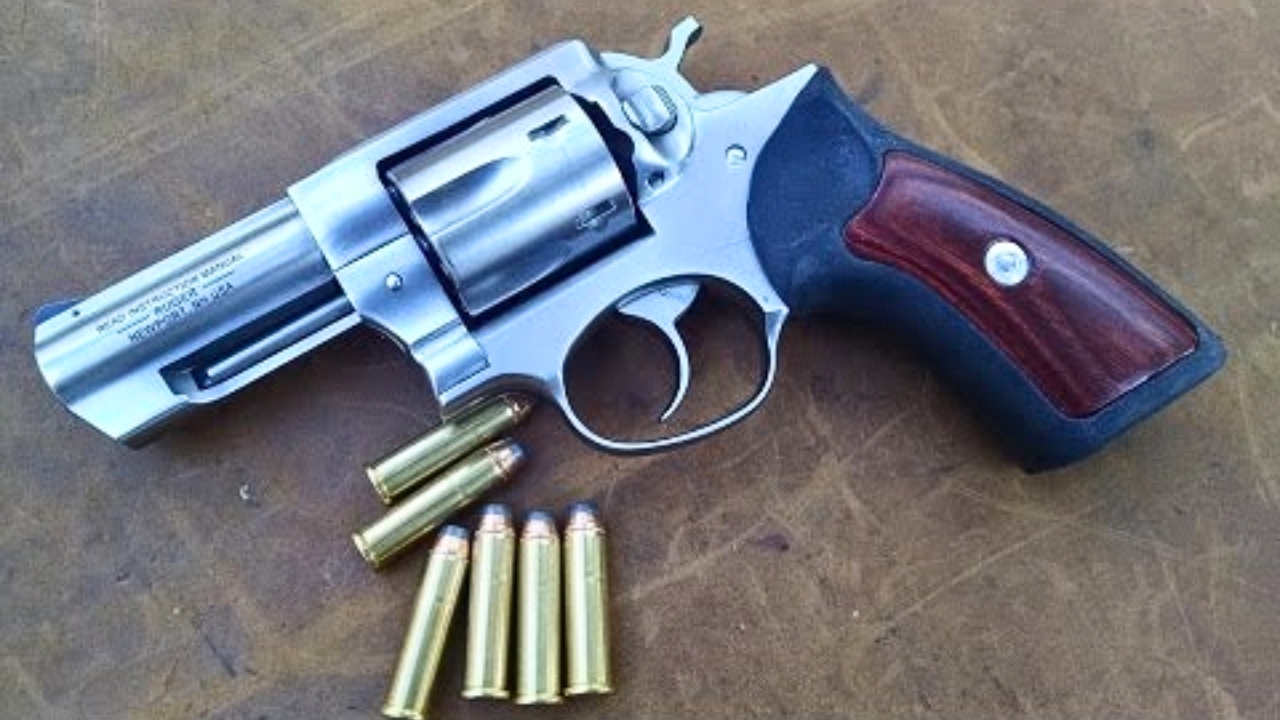
The GP100 is not rare, but early examples still get attention, and the bigger theme is estate-sale pricing mistakes. A GP100 with holster wear often gets priced like any old used revolver, even though it’s one of the best all-around .357 workhorses ever built. It’s also a gun that tends to be worn because it’s the revolver folks actually take out in the woods.
The GP100’s strength is its durability and simple maintenance. It’s not dainty, and it’s not the lightest thing to carry, but it will handle a steady diet of magnums that would be a bad idea in lighter-framed guns. If you find one with a smooth action and no evidence of backyard gunsmithing, it’s a practical score. Not every estate sale find needs to be rare to be worth real money.
16. Dan Wesson Model 15 (.357 with interchangeable barrel system)
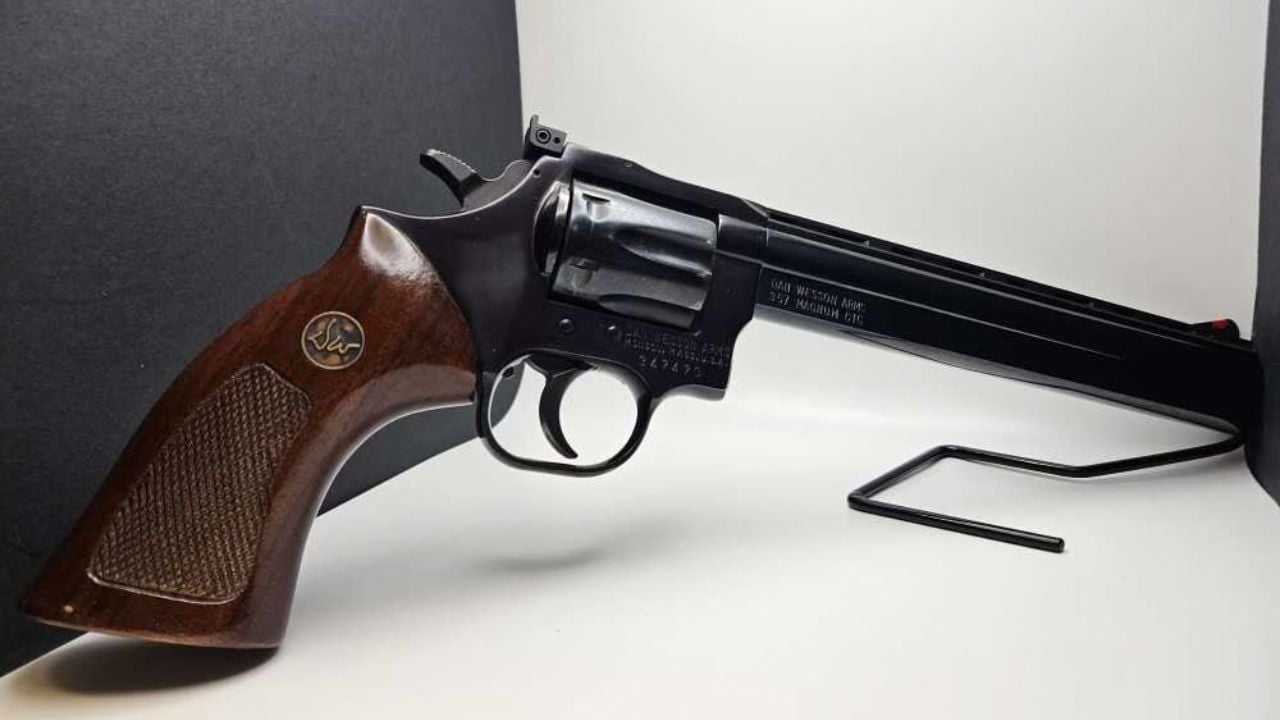
Dan Wesson revolvers confuse casual buyers, which is why they’re dangerous to ignore. You’ll see a worn .357 with a funny-looking barrel setup and maybe a mismatched grip, and folks assume it’s some off-brand oddball. Meanwhile, shooters in the know love these things for accuracy and the ability to swap barrel lengths when the full kit is present.
Even without the whole barrel set, a Model 15 in good mechanical shape is desirable. The triggers are usually solid, the lockup can be excellent, and they have a cult following for a reason. If the estate sale includes the barrel wrench, shrouds, and extra barrels, now you’re talking. That “weird revolver” in the corner can easily outvalue the china cabinet beside it.
17. Colt Single Action Army (any era, but especially pre-war and early post-war)

A real Colt SAA can look downright tired at an estate sale. The case colors fade, the bluing thins, and the grips get chipped because these were working sidearms long before they were collector pieces. And the hard part is this: a lot of replicas exist, so you can’t just glance and assume.
If it’s a genuine Colt, condition isn’t the only driver—age and originality matter a lot. Even “rode hard” guns can bring big money if they haven’t been refinished to death and the markings are crisp. This is also where you need to be careful about local laws and proper transfers. Still, in terms of “worn but worth it,” an authentic SAA is near the top of the list.
18. Smith & Wesson Model 36 (Chief’s Special, early production)

The Model 36 is the kind of revolver that shows up in a sock drawer with a half box of wadcutters. Most are worn because they lived in pockets and purses. The bluing gets thin on the high spots, and the grips usually look like they’ve been knocked against door frames for decades.
Early production details and pinned barrels can make these more desirable, and the bigger factor is that the J-frame size just works for a lot of folks. It carries easily and points naturally at practical distances. No, it’s not a high-capacity modern carry gun, but estate sale buyers who think it’s “just an old snubnose” are often leaving money on the table. A clean, unmodified older Model 36 has a way of holding value while still being useful.
19. Smith & Wesson Model 48 (.22 Magnum)
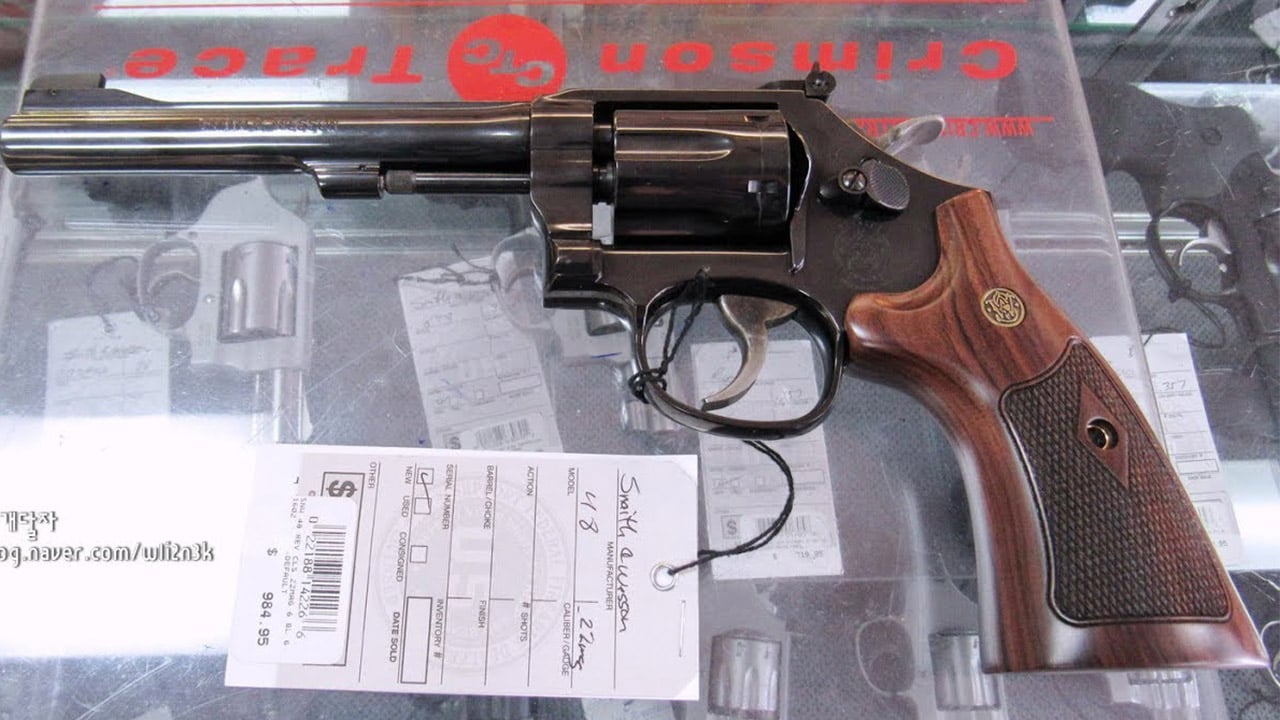
The Model 48 is one of my favorite “sleeper” estate sale finds because .22 Magnum revolvers don’t get the respect they deserve. These guns often look worn because they were used for pests, traplines, and knocking around on the farm. A lot of them have holster wear and a beat-up set of grips, and sellers commonly assume it’s no different than a cheap .22.
But the Model 48 has collector appeal, and it’s just plain handy. .22 Magnum out of a revolver isn’t magic, but it’s a step up from .22 LR for certain chores, and the gun is built on a solid S&W platform. Make sure the cylinder and forcing cone look healthy, and check that the sights aren’t mangled. It’s not always a huge payday, but it’s often priced too low for what it is.
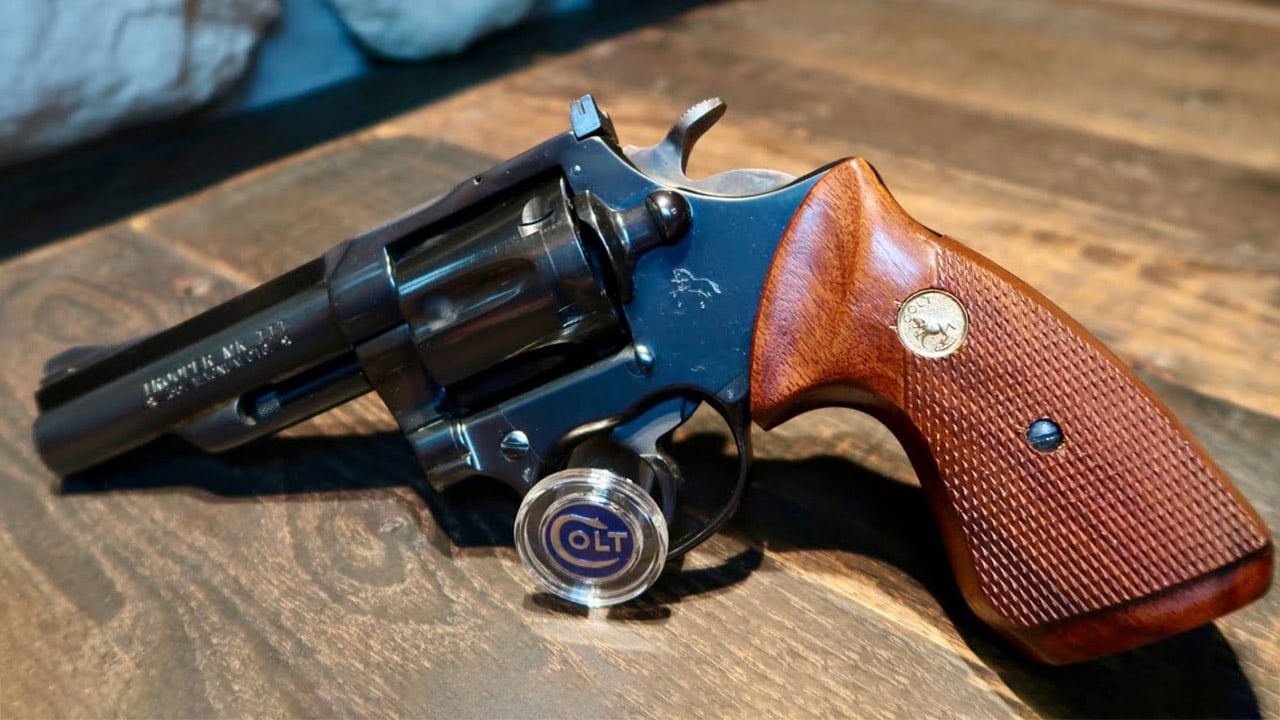
20. Colt Trooper Mk III
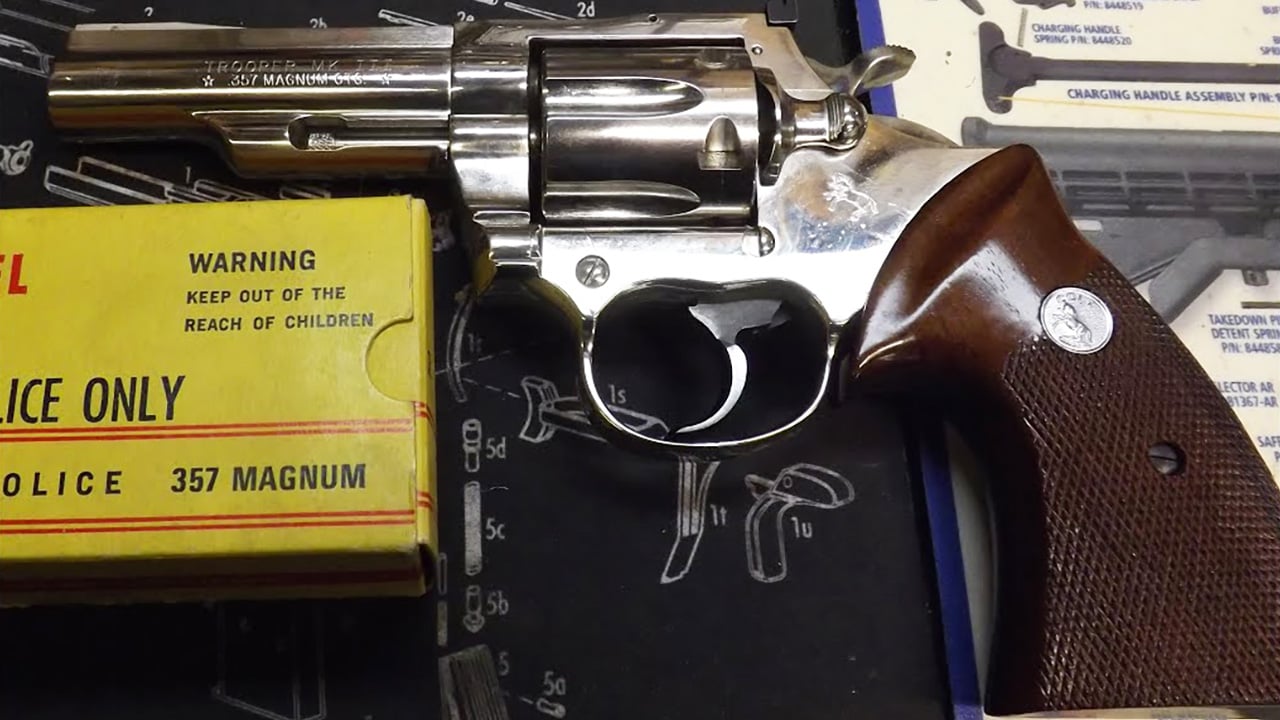
The Trooper Mk III is one of those Colts that people argue about, which is exactly why it gets mispriced. It doesn’t have the same old-school action as the earlier Troopers and Pythons, and purists sometimes turn their noses up. Meanwhile, estate sales treat it like a generic .357 with some finish wear.
Here’s why it belongs on the list: it’s a Colt-branded, discontinued .357 that’s usually a very solid shooter. The Mk III action is different, but that doesn’t make it junk. What you want is a revolver that hasn’t been tinkered with and still has a decent lockup and timing. If you’re looking for a Colt you can shoot without feeling like you’re burning up a collector piece, a Trooper Mk III is a strong candidate—and it often costs less than it should.
Estate sales are full of distractions: furniture, tools, old mounts, and boxes of “who knows what.” When you spot a revolver that looks like it’s been carried a lifetime, don’t let cosmetic wear make the decision for you. Slow down, check mechanical condition, make sure the sale is handled legally, and be honest about whether you’re buying a shooter or a collectible. The right worn revolver can be a better investment—and a better companion in the field—than anything upholstered in that house.
Like The Avid Outdoorsman’s content? Subscribe to our newsletter so you never miss an article.
Here’s more from us: