Photo credit: InRangeTV/Youtube
Lever-actions get written up like they’re all romance and saddle scabbards, and I get it. They carry flat, point quick, and they do feel “right” in the woods. But if you’ve owned more than one and actually run them hard—wet gloves, dusty UTV rides, a season of getting bounced around in the truck—you notice the same quiet reservation that rarely makes it into glowing reviews: a lot of lever guns are pickier about being kept clean, correctly assembled, and fed the ammo they like than folks want to admit. When they’re on, they’re on. When they’re not, you’ll be clearing a jam that never happens with your boring bolt gun.
Here are 20 lever-actions shooters love anyway, along with the one “yeah, but…” you usually learn the hard way.
1. Marlin 1895 Guide Gun
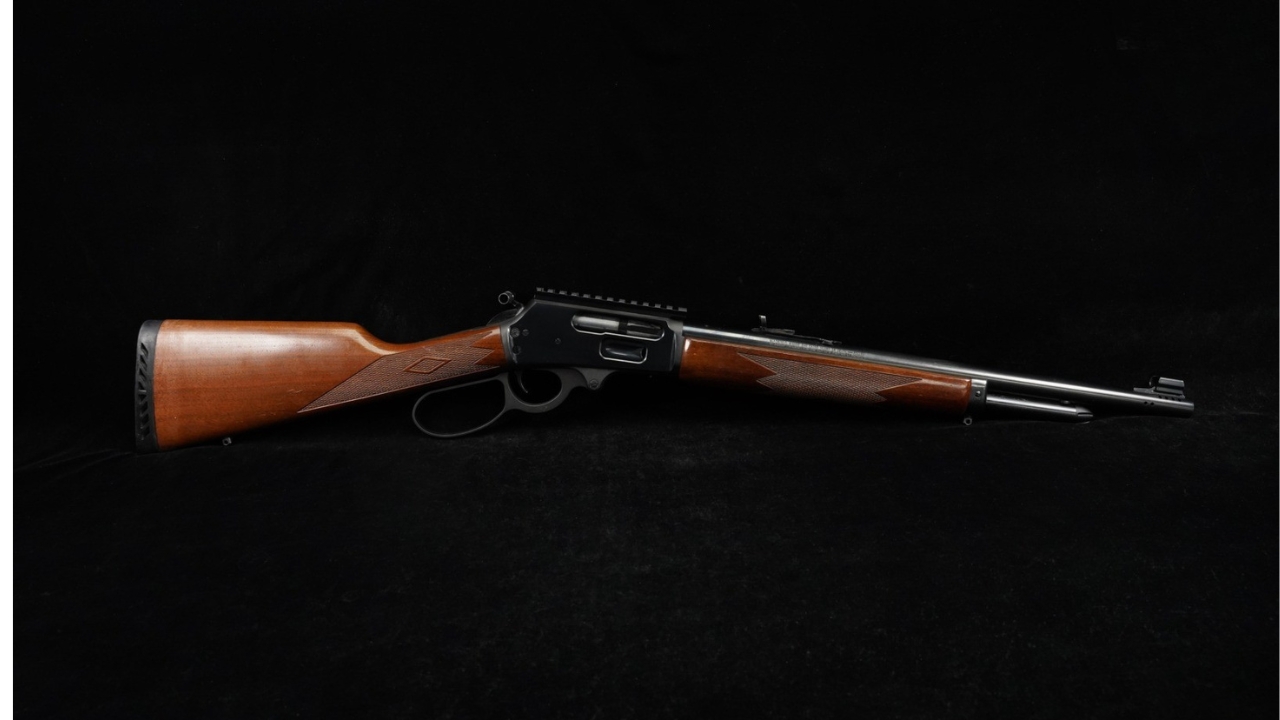
The Guide Gun is what a lot of guys picture when they say “bear rifle” or “brush gun.” Short, handy, and it hits like a hammer in .45-70. You can carry it one-handed while you drag a quartered deer, and it comes to the shoulder fast in thick timber. I understand the love.
The reservation is that it can be finicky with feeding depending on bullet shape and overall length, especially if you bounce between mild cast loads and modern flex-tip style ammo. When the carrier timing is just a hair off, it shows up as a stubborn hang-up right when you’re trying to run it with authority. Add in heavy recoil and screws that can walk if you don’t keep an eye on them, and it’s not the “zero maintenance” thumper some reviews make it sound like.
2. Henry Big Boy (steel models)
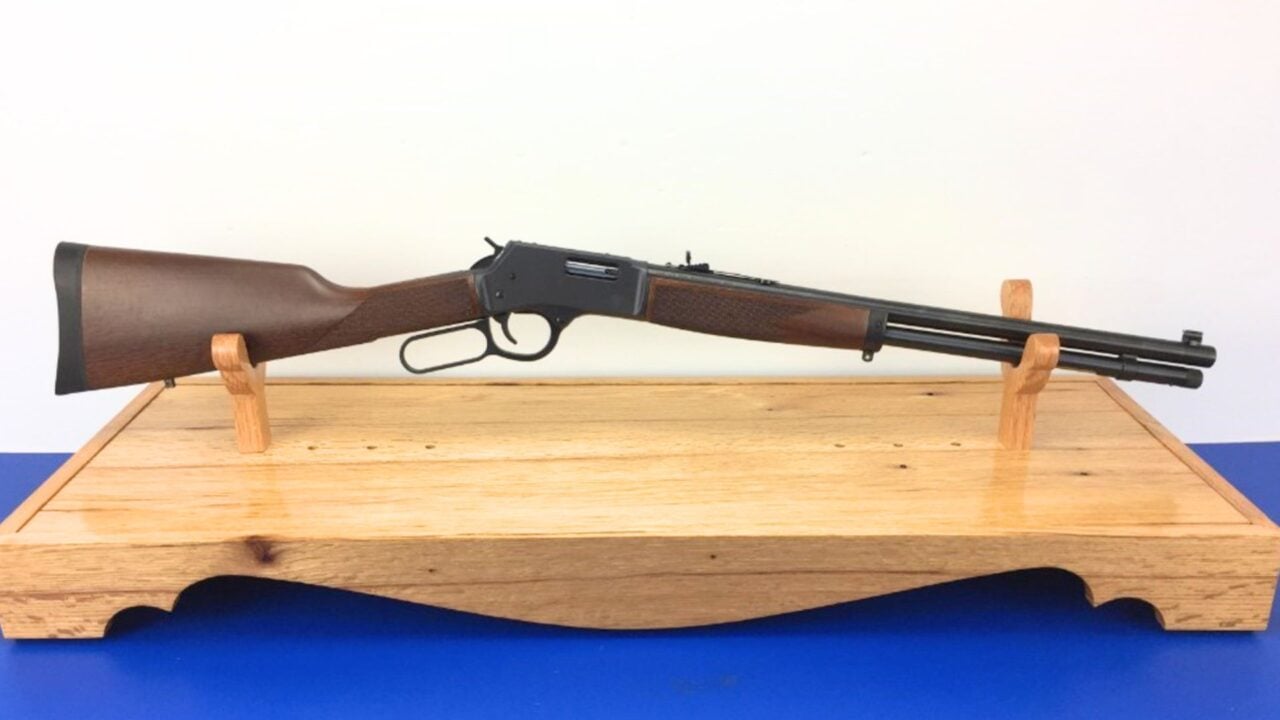
Henry’s Big Boy has a smooth action and the kind of fit and finish that makes folks grin at the counter. In .357 or .44 Mag it’s a fun, useful rifle—especially if you’re pairing it with a revolver. For woods walking and hogs in close, it’s hard to argue with.
The quiet catch is weight and balance. These rifles can feel dense, and the front end can get heavy once you add a light or a full magazine. Also, the loading system (tube-loading on many versions) is slick and safe, but it’s slower and more awkward on the tailgate in the dark than a side gate. Great rifles, but if you’re picturing a featherweight “carry all day” lever gun, you might be surprised after two miles.
3. Winchester Model 94 (post-64 and Angle Eject)
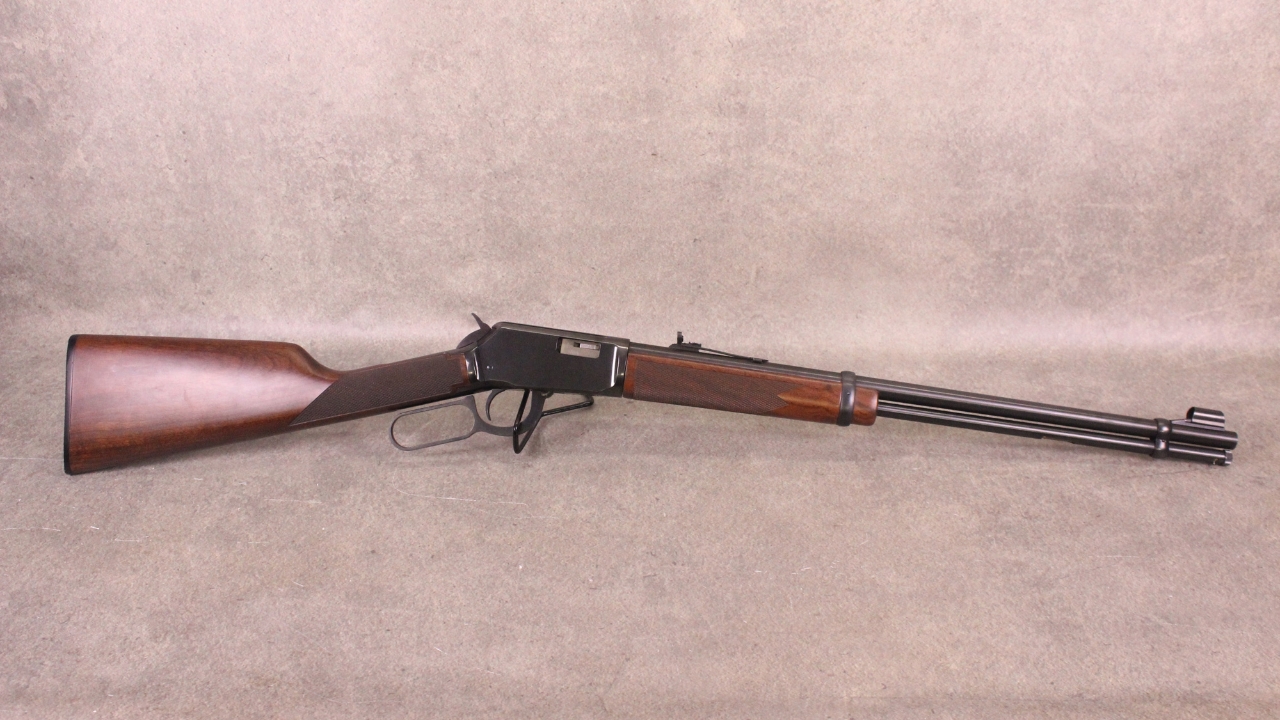
A Model 94 in .30-30 has probably killed more whitetails than any rifle in North America. They shoulder naturally, they’re slim, and in the right hands they’re fast. The later Angle Eject versions also made scoping more straightforward, which helped keep them relevant.
The reservation is that “minute of deer” accuracy is common, and that’s fine until you start expecting modern groups. Many will do 2–4 inches at 100 with ammo they like, but plenty won’t. Then there’s the reality of worn lever guns: sloppy lockup, tired springs, and sights that drift because the gun has been riding behind truck seats since the first Bush administration. Folks review the idea of a 94 more than the individual rifle in front of them.
4. Marlin 336 (JM and Remlin eras)

The 336 is one of the best-handling hunting rifles ever made. It sits flat against your chest on a sling, doesn’t snag like a long bolt handle, and the side ejection makes optics easy. In .30-30 or .35 Rem, it’s a real-deal woods gun, not a nostalgia piece.
The reservation is you can’t ignore which era you’re buying. Some rifles are absolute gems; others left the factory with rough machining, sharp edges, and actions that feel like gravel until they’re worked in. Even good ones can be sensitive to loose scope base screws and lever screw tension—tiny things that turn into big annoyances when your zero starts wandering. Reviews often say “Marlin 336,” but ownership is more like “this specific Marlin 336.”
5. Rossi Model 92

The Rossi 92 has put a lot of people into lever guns without taking out a loan. In .357, they’re handy little carbines that make cheap range days possible, and they can ride in a scabbard or behind a seat without you babying them. When you get a good one, they run.
The reservation is consistency. Out of the box, some are slick enough and some feel like the inside is unfinished—because sometimes it is. They can also be picky about cartridge overall length and certain bullet profiles, especially in .38 Special. If you’re expecting it to feed every random handload or bargain ammo without complaint, you may be doing the lever-gun “tap-rack” equivalent. Ask me how I know.
6. Browning BLR

The BLR is the lever gun for the guy who wants lever handling but modern cartridges and real reach. Detachable box magazine, strong lockup, and chamberings like .308 and .30-06 make it a legitimate 300-yard hunting rifle in practiced hands. It’s a smart design.
The reservation is complexity and cost when something goes sideways. BLRs aren’t as “kitchen-table simple” as a lot of traditional levers, and not every local smith wants to fool with them. Also, the trigger moving with the lever is normal on this design, but it surprises shooters who are used to a fixed trigger. If you’re running it fast with gloves, it can feel different enough to throw you off until you get honest practice.
7. Savage Model 99

The Savage 99 is one of those rifles that makes you wonder why more companies didn’t follow the same path earlier. Sleek, usually accurate, and it handles pointed bullets in cartridges like .300 Savage. It’s classy without being delicate, and it has real collector appeal now.
The reservation is that you’re living in “parts scarcity land.” A 99 with issues isn’t always a simple fix, and buying one sight-unseen can be a gamble if you don’t know what correct function feels like. Add in older optics mounts, weird little fit differences across generations, and the fact that many have been hunted hard for decades, and you need to be choosy. Reviews talk about the legend; owners have to deal with the reality of age.
8. Henry X Model (side gate variants)
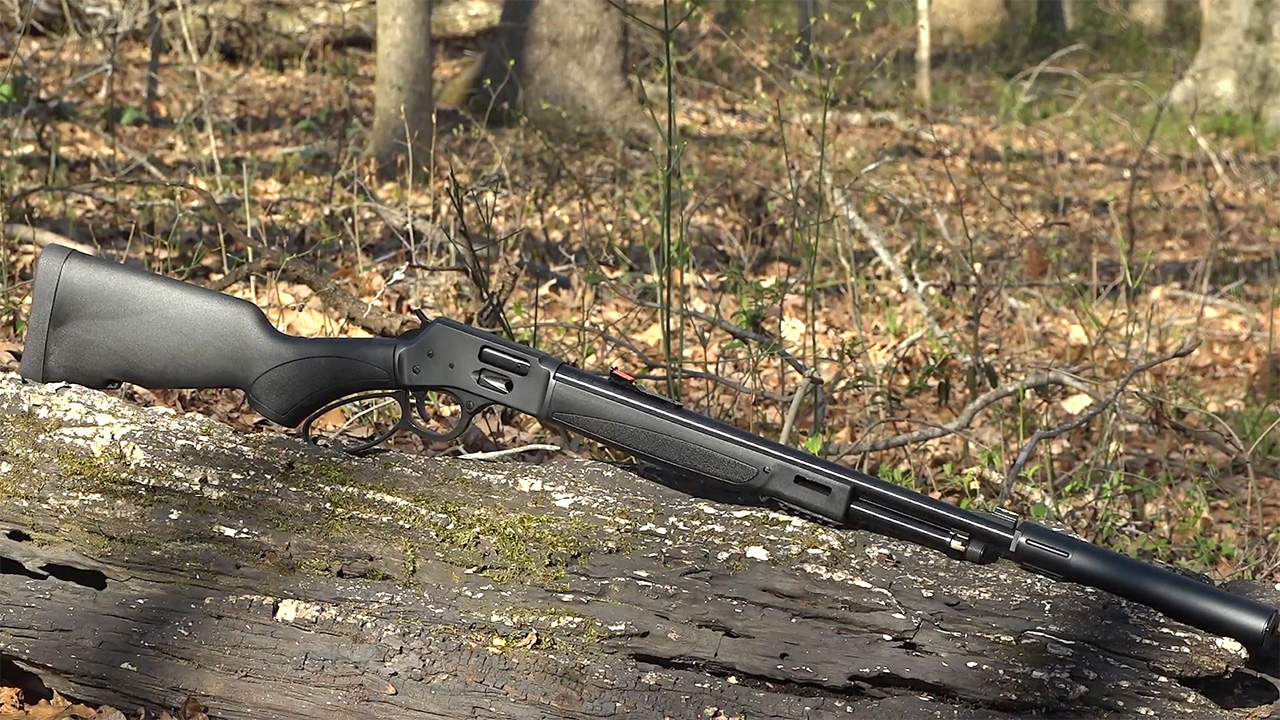
The X Model hit a sweet spot: threaded barrel options, tougher furniture, and a look that doesn’t scream “cowboy gun.” In pistol calibers it’s practical, and in .45-70 it’s a legitimate working rifle. The side gate versions fixed what a lot of shooters complained about for years.
The reservation is that adding “tactical” accessories to a lever gun can create new problems. Lights, big optics, and heavy rails can turn a handy rifle into a front-heavy club. Also, some rifles show timing quirks when run hard, especially when folks short-stroke them under recoil. The X Model is built to be used, but it still rewards smooth, complete cycling. Hammering it like a pump shotgun is where the trouble starts.
9. Marlin 1894 (especially .357 Mag)
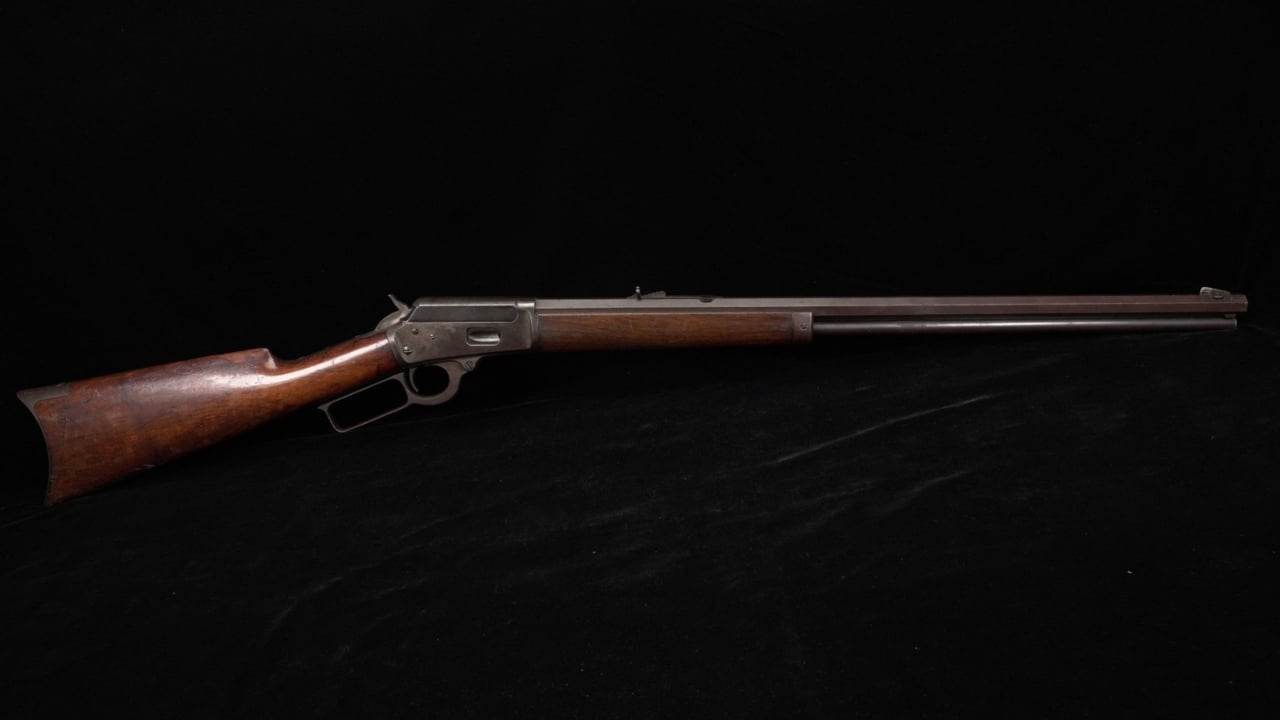
A Marlin 1894 in .357 is one of the most useful rifles you can own if you actually live with it. Cheap practice with .38, serious punch with hot .357 loads, low recoil, and it carries like a dream. It’s also about as fun as rifles get.
The reservation is feeding and ejection with certain ammo styles, particularly wadcutters, semi-wadcutters, and some short .38 loads. Some guns run everything; others need you to find “their” ammo and stick with it. And because these rifles became so popular, prices climbed, which makes it sting more when you learn yours is picky. Reviews rarely mention how much lever guns can have personalities, especially in pistol calibers.
10. Winchester 1892 (Miroku-made)
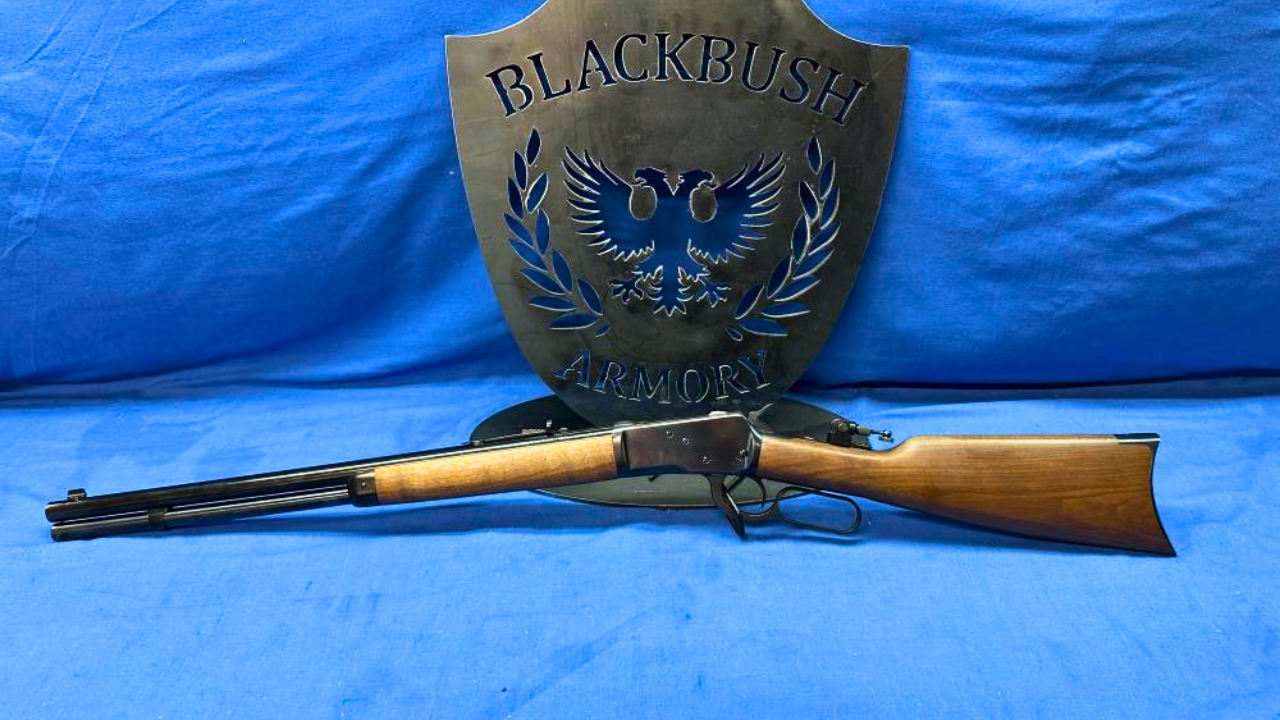
The modern Miroku-built 1892s are gorgeous. The machining is clean, the wood-to-metal fit is usually excellent, and they have that tight, bank-vault feel when you work the action. They’re the kind of rifle you keep wiping down just because you like looking at it.
The reservation is you might not want to treat it like a beater, and that’s a problem if you bought it as a working gun. The nice finish makes every scratch hurt, and the tighter build can feel less forgiving until it breaks in. Also, the price point pushes them into “collector/shooter” territory, so owners sometimes hesitate to actually carry them in bad weather. A lever gun you’re scared to hunt with is a frustrating thing.
Free for gun owners: If something happened to you tomorrow, would your family know where the guns are, who has the safe combination, or what to do first? Our free Gun Owner’s Family Checklist walks them through it. It takes about 15 minutes to fill out. Get your free copy here.
11. Springfield Armory Model 2020 Boundary (lever-action in .45-70)

This one surprised a lot of folks because Springfield isn’t who most shooters associate with lever guns. Still, the Boundary lever in .45-70 checks a lot of boxes for a modern hunter: good sights, solid build, and an overall “use it hard” vibe. It points well and feels purpose-built.
The reservation is new-model growing pains. Any newer lever design can have early production quirks—little tolerance stacking issues that show up as intermittent feeding, stiff cycling, or “this ammo works, that ammo doesn’t.” Add the fact that .45-70 invites experimentation (light loads, heavy loads, weird bullets), and you can end up blaming the rifle when the real culprit is a combination it simply doesn’t like. It’s a strong option, but it’s not magic.
12. Taylor’s & Company 1873 (Uberti-made)
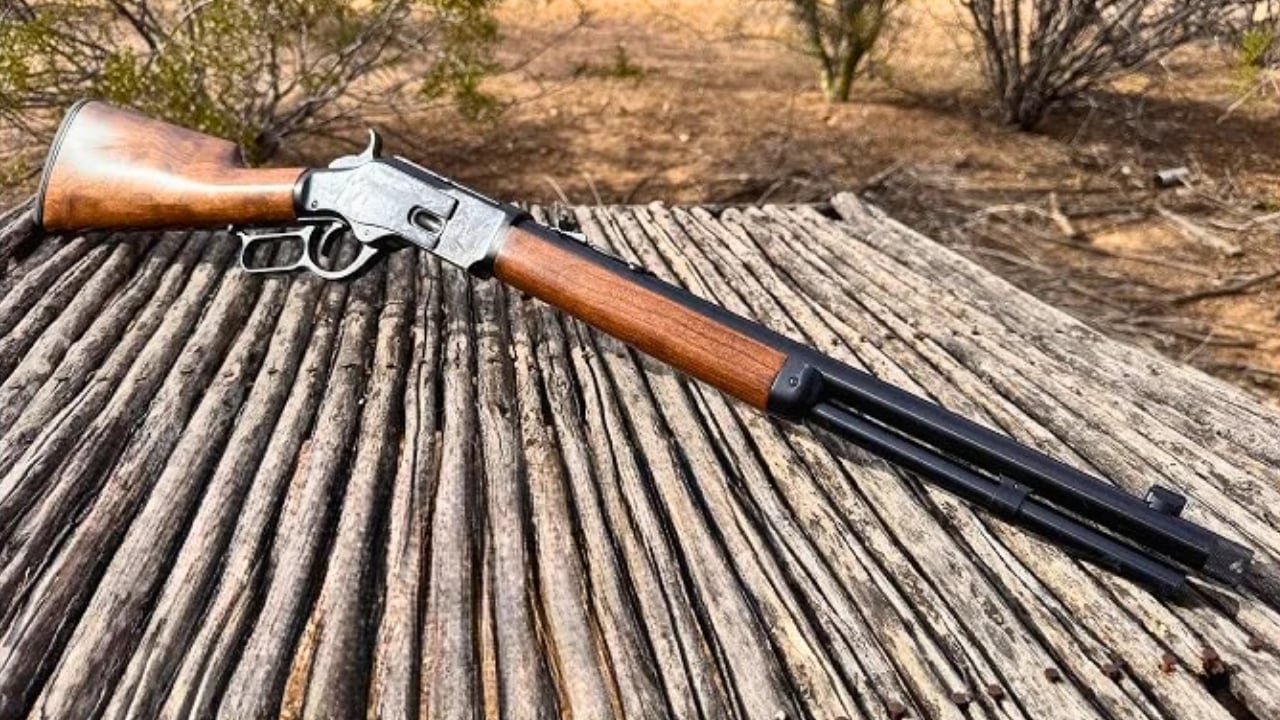
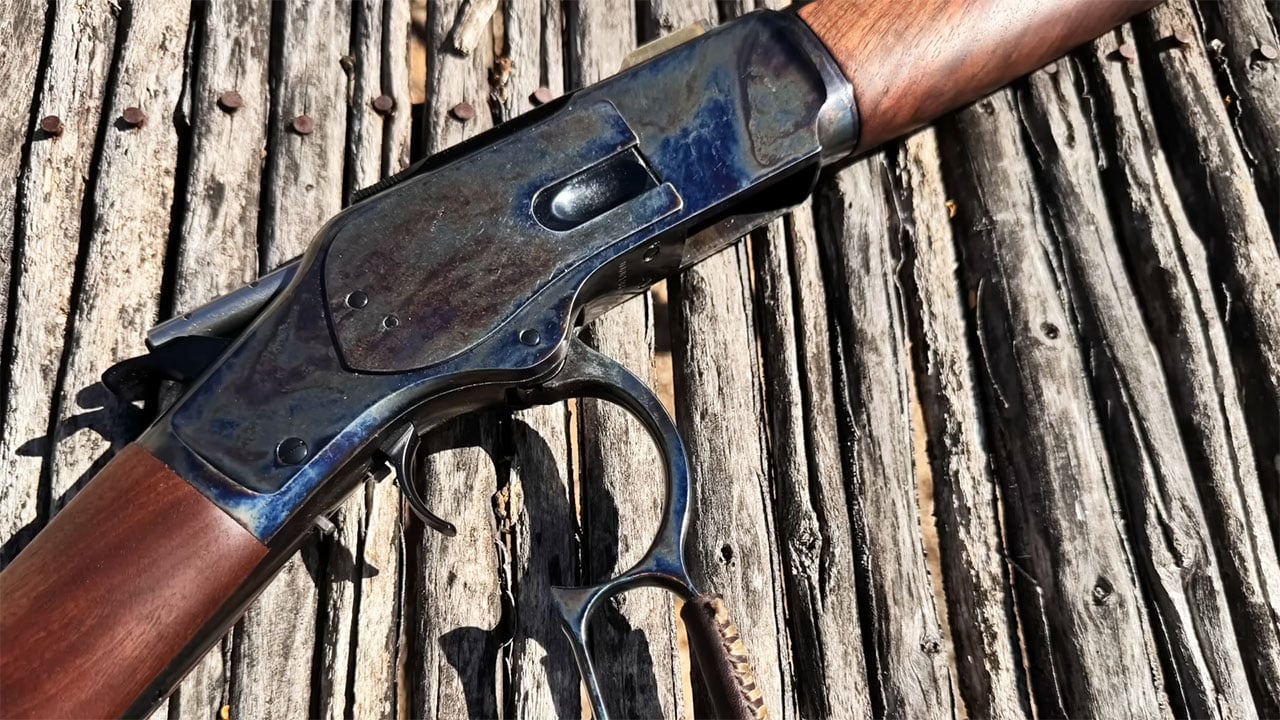
The 1873 pattern rifles are smooth when they’re right, and there’s a reason cowboy action shooters gravitate to them. They cycle fast, they’re accurate enough for their purpose, and they just feel alive in the hands. In .357, they’re a range-day machine.
The reservation is they can be maintenance-sensitive if you run them hard and dirty. Toggle-link guns like the 1873 design aren’t the same “shake it off” system as a modern hunting lever. You get grit inside, you get a short-stroke under speed, and suddenly you’re dealing with a lockup that needs attention. Also, many owners start chasing action jobs and spring kits, and that’s where reliability can quietly suffer. Stock and clean beats “race tuned” for most normal use.
13. Uberti 1866 Yellowboy
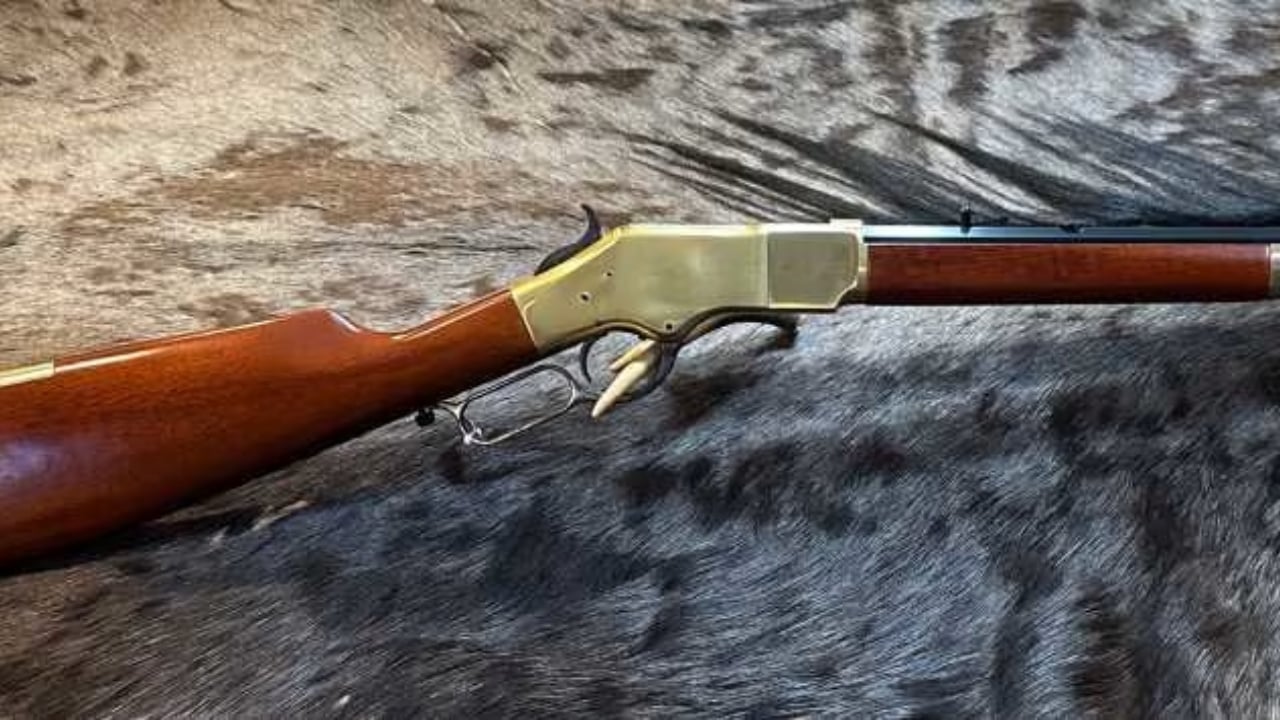
The 1866 is pure old-school cool, and it draws a crowd at any range. The action can be buttery, the brass receiver looks sharp, and it’s a joy with mild .38s or .44-40 if you’re into that world. It’s history you can shoot.
The reservation is that “brass” and “hard use” aren’t best friends. They can show wear and scratches quickly, and they can feel like something you baby, even if you tell yourself you won’t. Also, like other toggle-link designs, they want a certain rhythm and they prefer being kept reasonably clean. Nobody writes that in a glowing review because it sounds picky. But if you plan to drag it through rain and mud on a hunt, you’re choosing vibes over practicality.
14. Mossberg 464
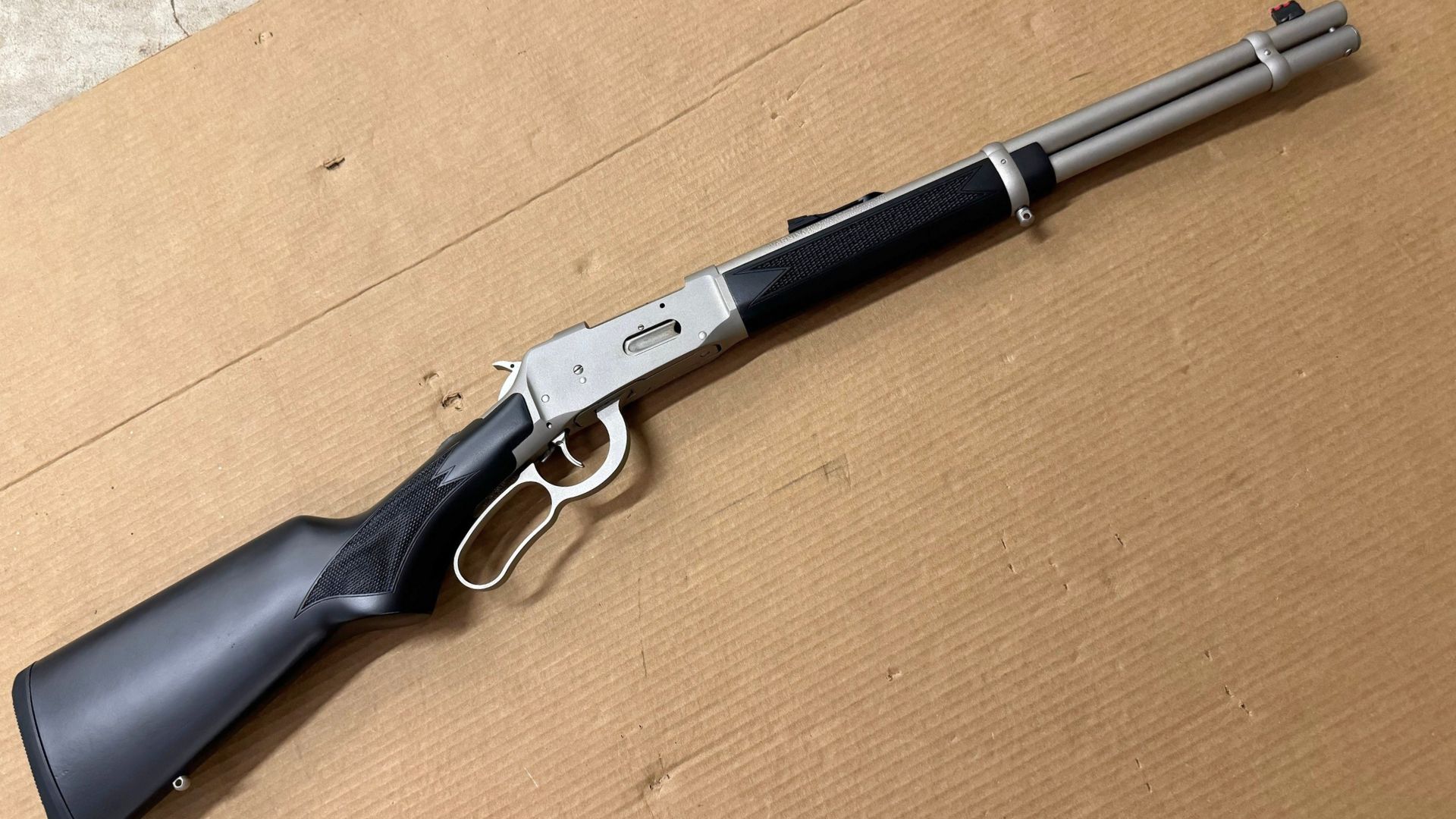
The 464 is one of those rifles that looks like a straight-up working .30-30. It’s American-made in many variations over the years, generally affordable on the used market, and it scratches the lever-gun itch without the collector pricing. For a basic deer rifle, it can do the job.
The reservation is the “rough around the edges” reality. Many 464s have actions that feel stiff until you put time into them, and the fit/finish can be plain. Some shooters also run into little annoyances like sharp loading gates or sights that aren’t as crisp as they should be. None of that makes it unusable, but it does mean it doesn’t feel like a classic Winchester right out of the box. Reviews tend to mention value; they don’t always mention the work.
15. Chiappa 1892 (pistol-caliber carbines)

Chiappa makes some handy 1892-style carbines that are light, quick, and easy to pack. When you get one that runs, it’s a fun gun that does a lot right, especially as a trail rifle or a “walk the property” companion. The size is the selling point.
The reservation is reliability can be uneven, especially with mixed ammo. Light little carbines also have a snappier feel than you’d expect, even in .357, and that can make some shooters short-stroke under speed. Another thing owners don’t like to admit: customer service and parts can be more of a journey than with the big legacy brands. If you buy one, plan to prove it at the range with the exact loads you intend to use.
16. Marlin 39A
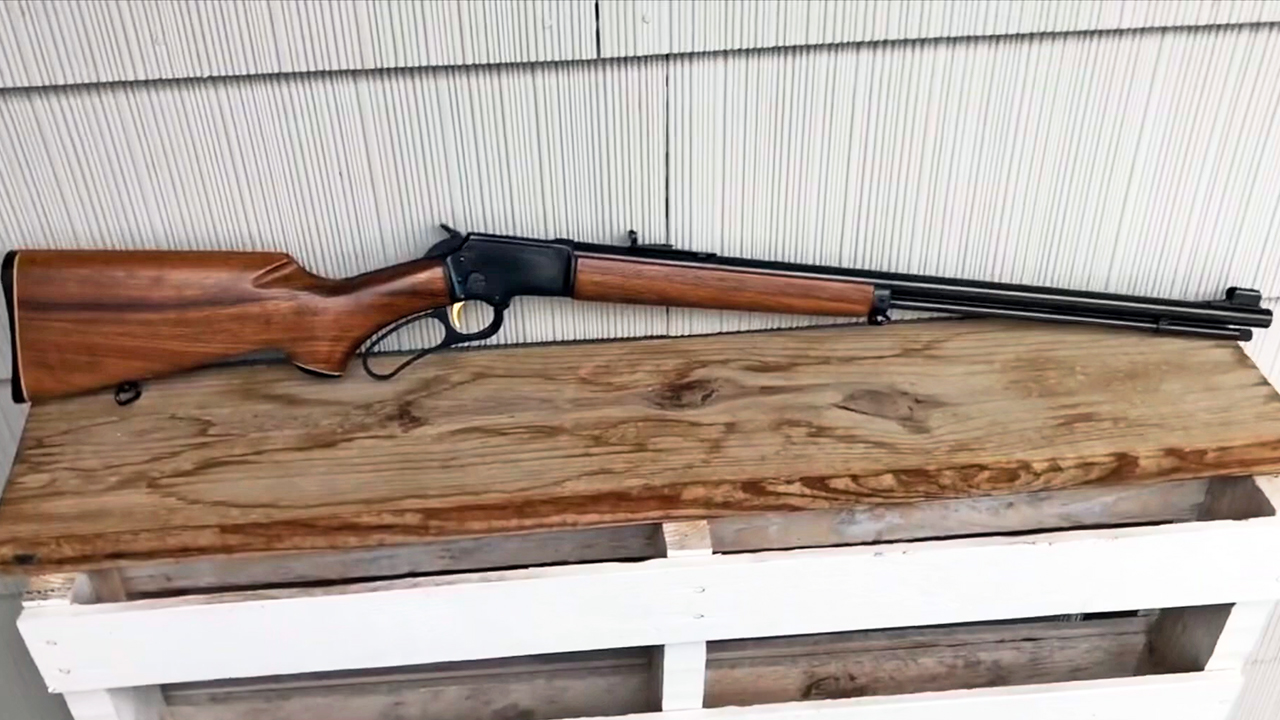
The 39A is one of the best .22 rifles ever built, and it feels like a “real rifle,” not a toy. Accurate, smooth, and heirloom-grade in the hand, it’s the kind of gun that turns new shooters into lifelong shooters. Squirrels and tin cans don’t stand a chance.
The reservation is that rimfire levers get filthy, and the 39A can be less forgiving when it’s gummed up. A .22 throws crud everywhere, and a lever-action has more moving parts exposed to that mess than a lot of folks realize. Also, take-down style reassembly has to be done correctly. Get it slightly off and you’ll chase problems that feel mysterious until you learn the rifle. Reviews call it perfect; owners learn it needs a little attention to stay perfect.
17. Henry Golden Boy

The Golden Boy is the rifle that sells itself. It’s pretty, it’s smooth, and it makes even non-gun people say, “Okay, that is nice.” In .22 LR, it’s a classy plinker that’s great for teaching kids and for quiet afternoons at the range.
The reservation is that pretty guns still get knocked around, and the finish shows it. The other catch is the same one most rimfire levers have: they like to be kept reasonably clean and they can get finicky with cheap bulk ammo once the internals start collecting wax and powder residue. If you shoot it a lot—and you will—you’ll eventually learn which ammo it cycles best and when it’s time to wipe it down. Not hard, just not “zero fuss.”
18. Winchester Model 1895 (modern reproductions and originals)
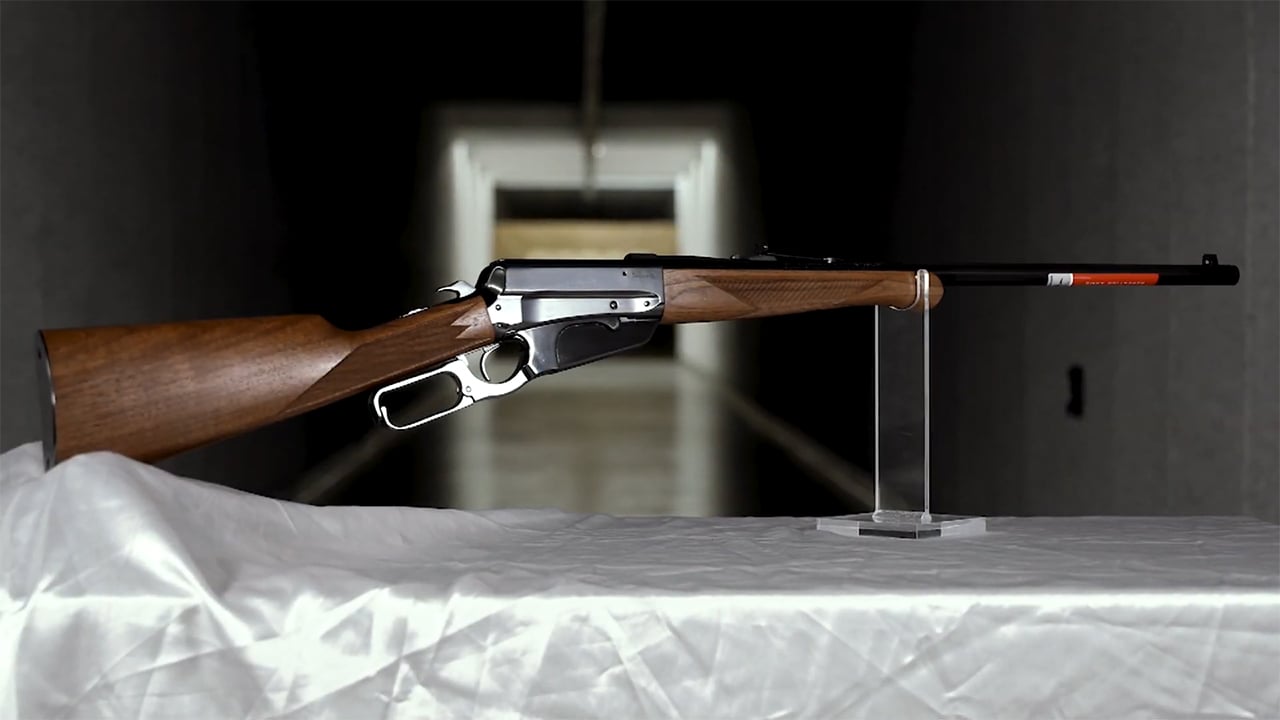
The 1895 is a different animal, and that’s why lever guys love it. It has history, oddball charm, and it feeds pointed bullets in a way that separates it from tube-mag traditions. In the right chambering, it’s a cool hunting rifle with real presence.
The reservation is that it’s not the smooth, compact woods carbine folks imagine when they hear “lever-action.” Many 1895s feel long and a bit awkward compared to a 94 or 336, and the manual of arms is its own thing. Between ammo cost, collector pricing on originals, and the reality that not every scope solution is clean and simple, it can become a “once in a while” rifle. Great to own, not always great to live with as your main gun.
19. Marlin 1895SBL

The 1895SBL has probably put more “modern lever” photos on the internet than anything else. Stainless, laminate, big-loop vibe, and it’s ready for bad weather. In .45-70 it’s serious business, and it looks the part.
The reservation is that the very features people add—big optics, heavy mounts, loaded ammo carriers—can make it a heavy package fast. Then you touch off full-power loads and realize recoil management matters more when the gun is set up awkwardly. Another issue is that some rifles will show little quirks with cycling when you baby the lever because you’re trying not to disturb your sight picture. Lever guns want commitment. Smooth and firm beats timid every time.
20. Winchester Model 1873 (Miroku-made)
The modern 1873s built by Miroku are slick, accurate for what they are, and they scratch that old-west itch better than almost anything. The action can feel like it’s on ball bearings, and in .357 they’re a joy with light loads. They also tend to be finished beautifully.
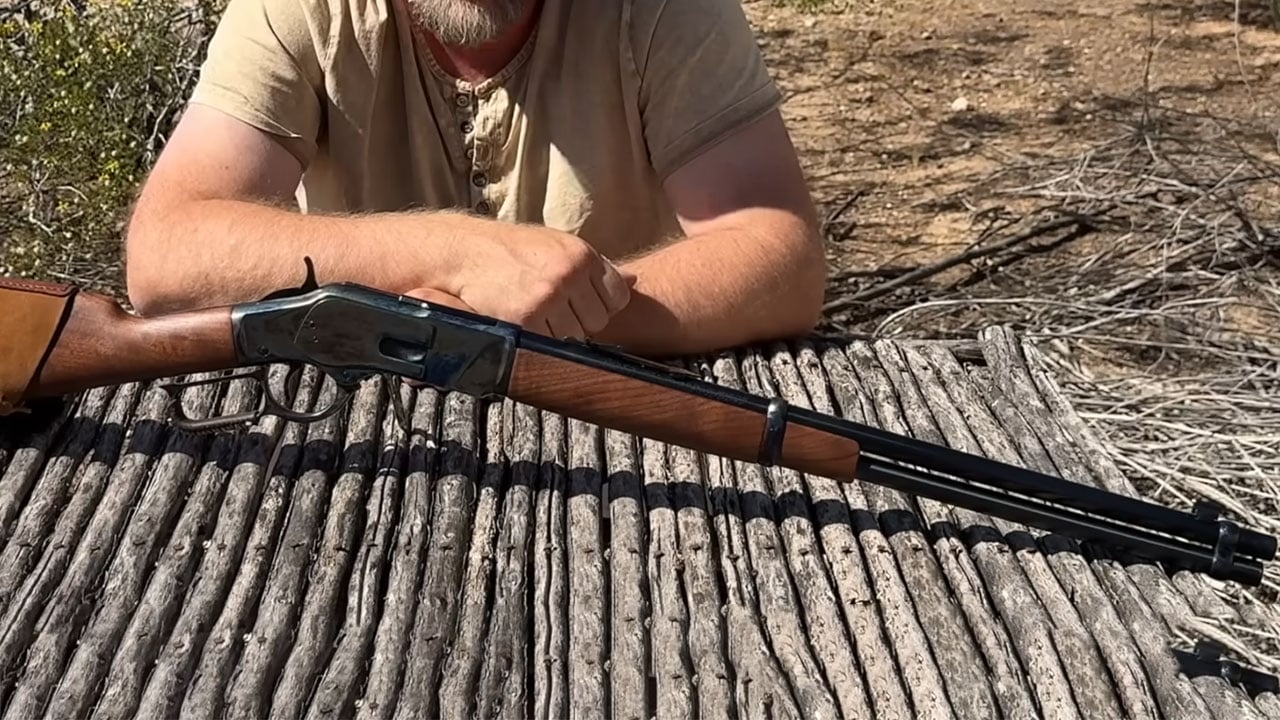
The reservation is that they’re still a toggle-link rifle with toggle-link expectations. They’re not meant to be the “do everything” rough-country hunting rifle that gets thrown in the truck year-round. Run them dirty, run them wet, or run them with ammo that doesn’t match their preferences, and you’ll find the edge of the envelope. They’re outstanding at what they’re built for. Just don’t pretend they’re something else because the internet made them look unstoppable.
Lever-actions deserve their fan base, but they aren’t enchanted tools. Most of the disappointment I see comes from treating them like a bolt gun that happens to have a lever, or buying one because it looks right and never pressure-testing it with the ammo and conditions you’ll actually use. Pick the model that fits your real job, cycle it like you mean it, keep it reasonably clean, and confirm it runs on your chosen load. Do that, and you’ll understand why so many of us keep coming back to them.
Like The Avid Outdoorsman’s content? Subscribe to our newsletter so you never miss an article.
Here’s more from us: