Photo credit: Marcus N/Youtube
I have sold guns for all the “right” reasons. Bills show up. A new scope costs more than you planned. A kid needs braces. You convince yourself you’re streamlining the safe, not shrinking it. Then a season rolls around, or a buddy brings one to deer camp, and you remember exactly why you bought that gun in the first place.
What stings isn’t always the money. It’s the fact that some guns fit your hands, your hunting style, and your real life in a way the new hotness never does. Here are twenty that I’ve spent years trying to bump into again, usually at the worst possible time and for the wrong price.
1. Ruger M77 Mark II (stainless, .30-06)
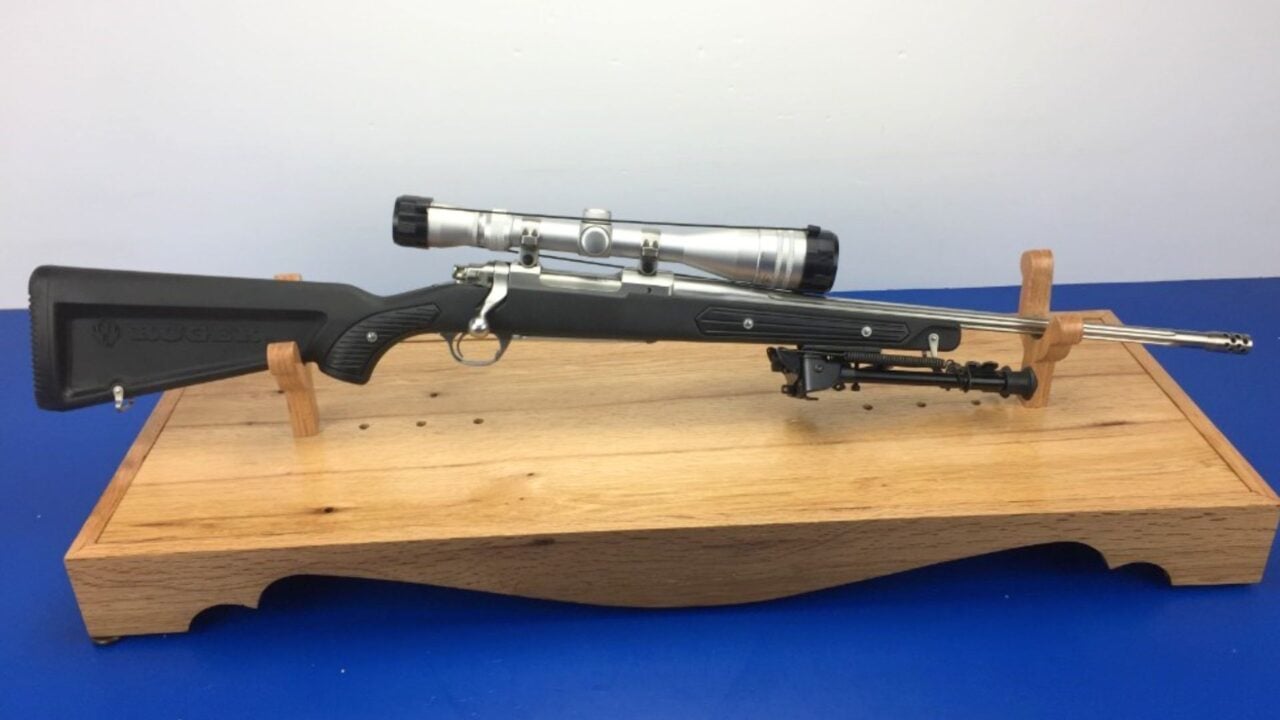
I sold mine during a “one rifle does everything” phase, right after buying something newer with a fancier stock. The Ruger wasn’t flashy, but it fed like it meant it and the three-position safety is still one of the best setups for a hunting rifle. With gloves on in November, it’s simple and positive. The stainless and laminate combo also laughed at wet snow and truck-seat neglect.
What I miss is how it carried. It had enough weight to settle in on sticks, but not so much that it felt like a fence post on a ridge. Replacing one now is not impossible, but finding the exact older configuration that hasn’t been “improved” with a bargain muzzle brake or a bad rattle-can paint job is harder than it should be.
2. Winchester Model 70 Featherweight (controlled-round feed, .270 Win)
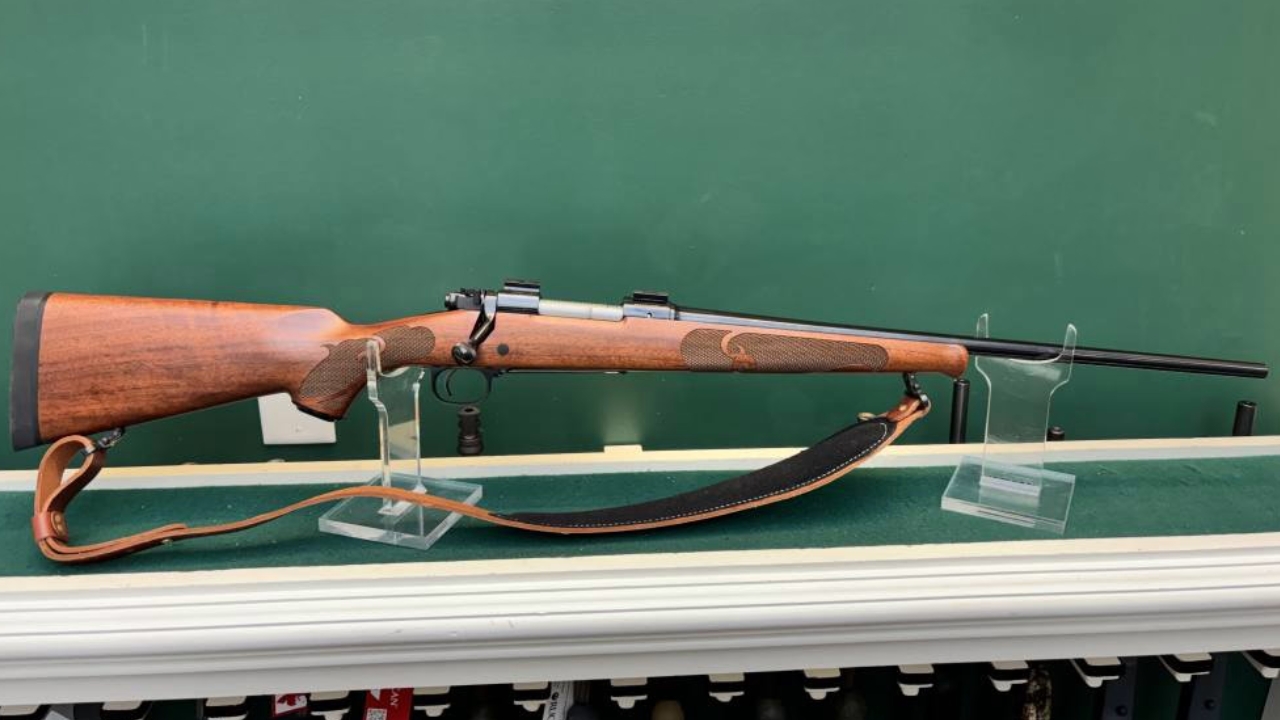
There’s a reason the Featherweight keeps showing up in the hands of guys who actually walk for their deer. It points like a bird gun and it comes to the shoulder without the little wobble some light rifles have. Mine shot plain 130-grain soft points into honest groups, and it did it year after year without me babying it.
I sold it because I had “too many .270s,” which is the kind of statement you make when you’re overthinking hunting and underthinking happiness. The controlled-round feed is not magic, but it is comforting when you’re working the bolt fast on a steep slope and your heart is banging. Every time I see one now, it’s either beat to pieces or priced like it’s a museum piece.
3. Remington 870 Wingmaster (older, 12 gauge)

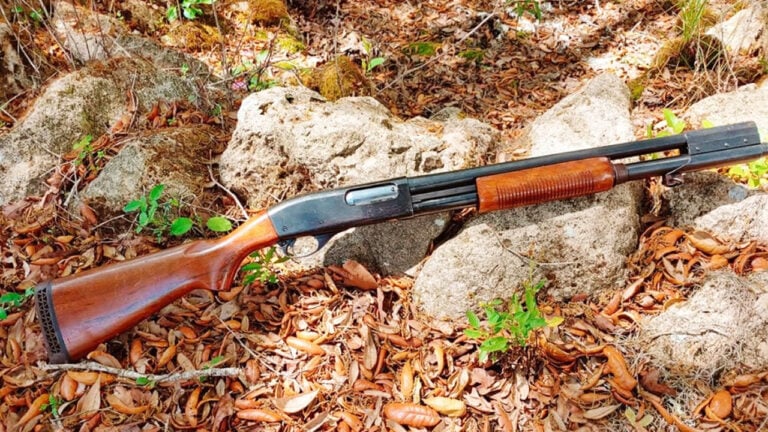
The old Wingmasters have a slickness you don’t appreciate until you’ve run a few newer pumps hard. Mine had honest wear on the bluing and that classic smooth action that feels like parts were fitted by somebody who cared. It was a do-it-all shotgun: turkey in the spring, pheasants in the fall, and a slug barrel when a thick-woods deer hunt showed up.
I let it go when I got talked into “upgrading” to something tactical-looking that didn’t do anything better in the field. That one hurts because barrels, chokes, and small parts for an 870 are everywhere, and the gun just works. When you find an older Wingmaster now, it gets bought fast, and I understand why. It’s boring in the best way.
4. Marlin 336 (JM-stamped, .30-30)

I didn’t sell it because I didn’t like it. I sold it because I thought lever guns were going to be “easy to find later.” That was bad math. The older JM-stamped 336 rifles have a feel that’s hard to describe until you cycle one next to a newer, rougher example. Mine carried flat against the body and never snagged on brush.
In the woods, a .30-30 doesn’t need a sales pitch. It kills deer clean inside normal ranges, and it does it without turning a hunt into a gear project. I miss how quick it was from low ready to on target, especially in thick cover where you get half a second and a rib cage. I’ve chased that exact rifle at gun shows ever since.
5. Browning BLR (lightweight, .308 Win)

The BLR is what you buy when you want lever-gun handling but you’re not married to traditional cartridges. Mine was in .308 and it hit that sweet spot: enough punch for deer and black bear, easy ammo availability, and a short action that kept the rifle compact. The detachable magazine was handy for unloading at the truck without running cartridges through the action.
I sold it after convincing myself it was “too complex” compared to a simple bolt gun. Then I went back to hunting thick timber and realized the BLR made a lot of sense there. The trigger wasn’t a benchrest dream, but it was predictable, and the gun balanced well with a low-mounted scope. Finding a clean one now usually means paying more than I paid the first time.
6. Ruger GP100 (4-inch, .357 Magnum)
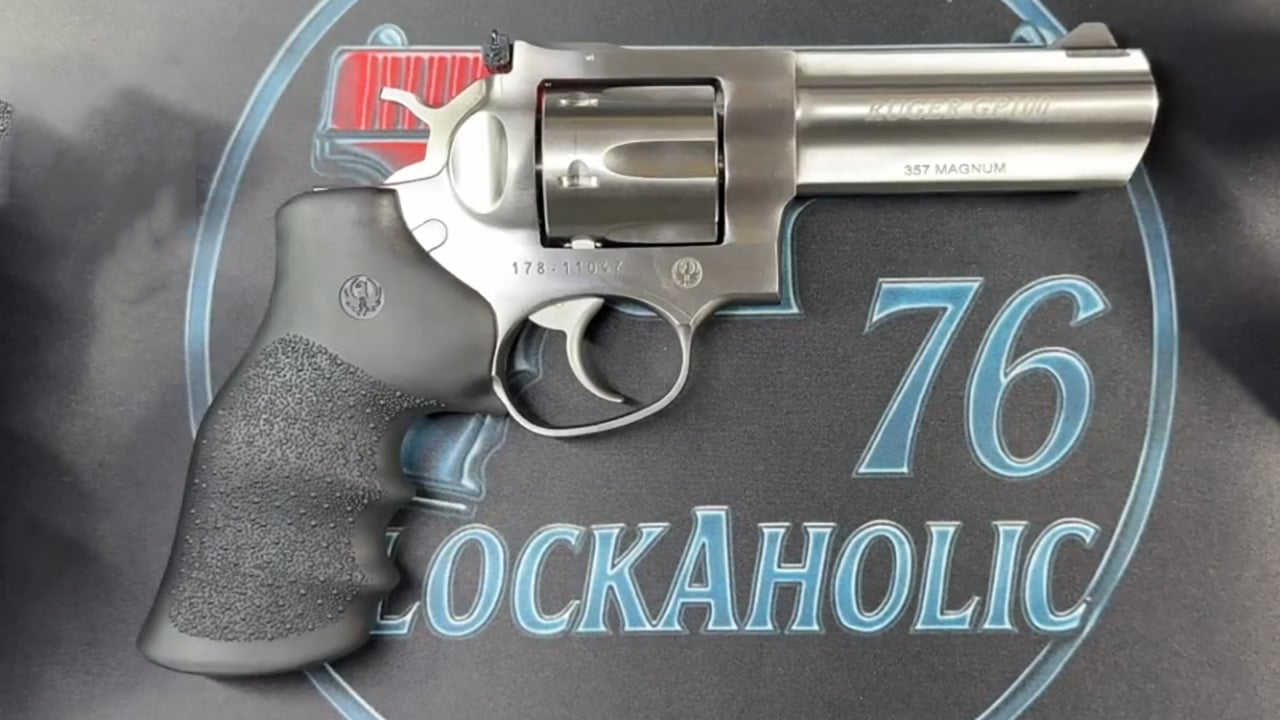
I traded my GP100 when I was chasing lighter carry guns and thought I was done with revolvers. Then I spent a few seasons messing with snakes, nuisance critters, and the reality that a simple, tough sidearm is still a useful tool. The GP100 is not dainty, but it’s built like it expects to get knocked around on the farm.
What I miss is how it shoots. With .38 Special it’s a calm, accurate plinker and trail gun. With real .357 loads it has enough weight to stay controllable without beating you up. Parts and grips are common, and the design is straightforward to maintain. If you’ve never had one, you don’t realize how confidence-inspiring that solid lockup feels until it’s gone.
7. Smith & Wesson Model 19 (4-inch, blued)
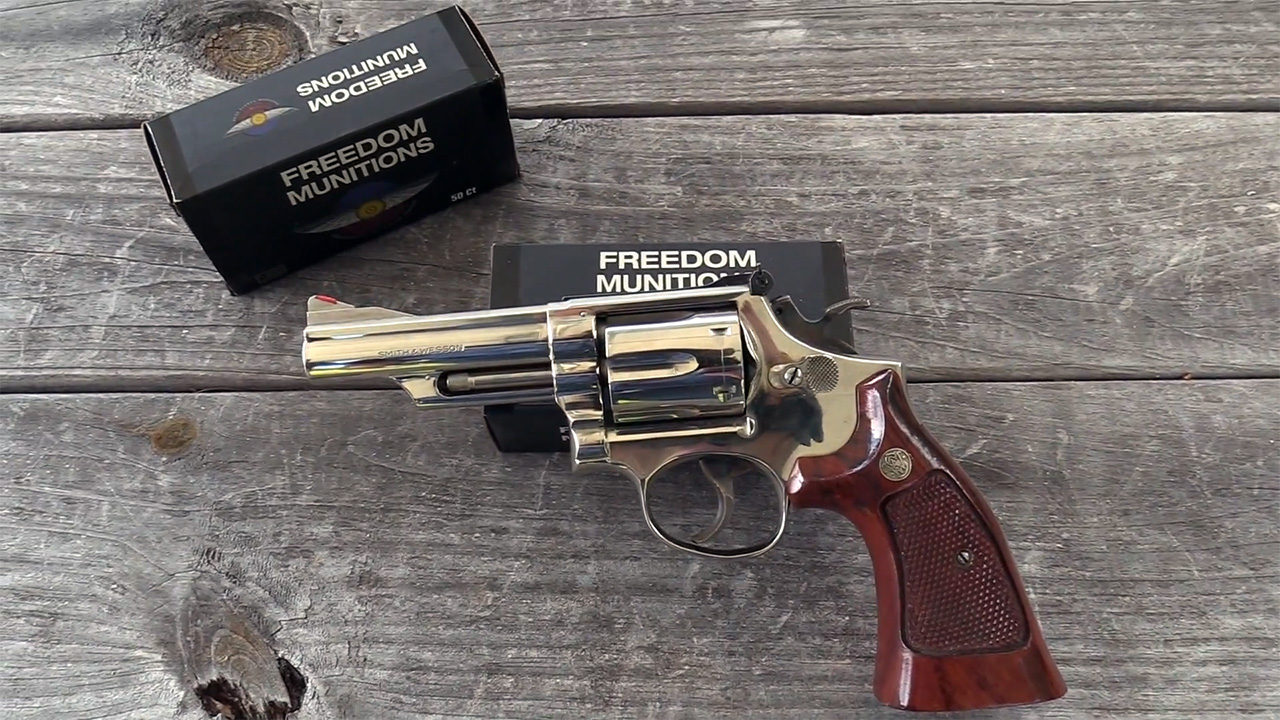
The Model 19 is one of those revolvers that makes you slow down and shoot better. The one I had was blued, K-frame, and it just pointed naturally. I sold it when I was “simplifying” into striker-fired pistols for everything, because that was the trend and I bought into it.
Here’s the problem: the Model 19 isn’t just a revolver, it’s a particular kind of revolver. The balance is right. The trigger is usually right. And the gun is handsome without being delicate. I’m not pretending it’s the best choice for a steady diet of the hottest magnum loads, but for normal use it’s a classic for a reason. Now they get scooped up fast, and the nice ones aren’t cheap.
8. Colt Python (older production, 6-inch)

I had a Python for a short window, and I was dumb enough to treat it like any other revolver in the safe. It wasn’t. The reason I sold it was practical at the time: money tied up in a safe queen while I needed funds for other gear. I get it. Still, it’s one I think about more than I should.
It wasn’t just the name. The one I owned had that smooth, stacked double-action pull that makes you understand why folks fall for them. It printed tight groups without me working for it. The mistake is assuming you’ll just buy another later. Even when you find one, you start worrying about condition, timing, and whether somebody “tuned” it with a file. I’d rather have my old one back.
9. CZ 452 (Lux, .22 LR)
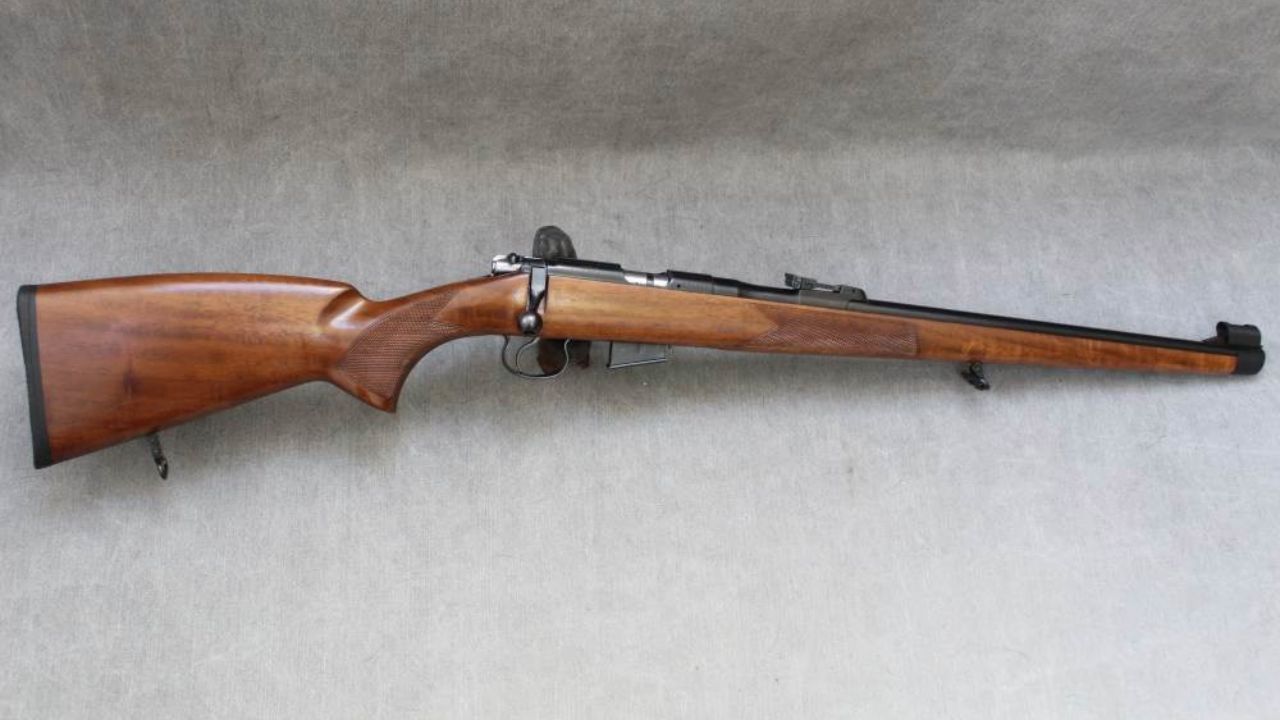
Rimfires are the easiest guns to take for granted. You figure there will always be another good .22. Then you shoot a CZ 452 next to most big-box .22s and you realize what you had. Mine had that old-school European feel: real walnut, good metalwork, and a bolt that ran smoother the more you used it.
I sold it because I “wasn’t using it enough,” which is a funny thing to say about a rifle that makes you want to shoot more. It was the gun I’d grab to check traps, knock over a squirrel for the pot, or just burn through a brick on a quiet evening. It shot better than it had any business shooting with bulk ammo. The newer CZ rimfires are still good, but the 452 has its own following for a reason.
10. Ruger 10/22 (older carbine, wood stock)

I’ve owned multiple 10/22s, and the one I miss isn’t a tricked-out tactical build. It was a plain older carbine with a wood stock and simple sights. It ran with every magazine I fed it, and it didn’t need a pile of aftermarket parts to be fun. There is nothing fancy about it, and that is kind of the point.
I sold it in a “I can always replace a 10/22” moment. You can replace the model, sure. Replacing the specific rifle that was broken in, reliable, and already set up the way you liked is another story. I also miss how handy it was around the property. A basic .22 that you trust ends up doing more real work than half the specialty stuff we buy.
Free for gun owners: If something happened to you tomorrow, would your family know where the guns are, who has the safe combination, or what to do first? Our free Gun Owner’s Family Checklist walks them through it. It takes about 15 minutes to fill out. Get your free copy here.
11. SIG Sauer P228 (9mm)
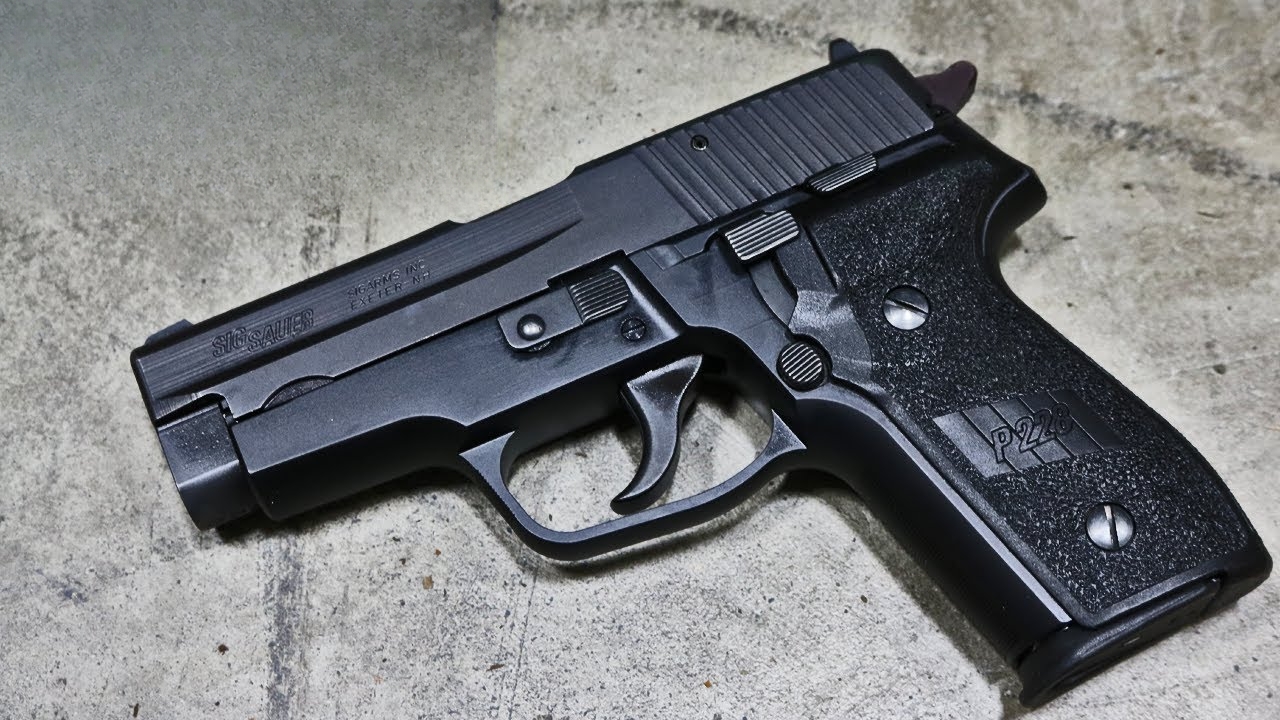
The P228 is one of those pistols that feels like it was designed by people who actually shoot. Mine was accurate, soft recoiling, and it had that classic SIG balance where the muzzle doesn’t dip and bounce the way some compacts do. I sold it to fund a newer pistol that held a few more rounds and had a rail I didn’t really need.
The regret isn’t because the replacement was terrible. It’s because the P228 had a certain “right” feel in the hand, especially on fast follow-up shots. It carried well in a real holster, not just around the house. Mags and parts aren’t impossible, but they aren’t as cheap and common as they used to be. When you find one that hasn’t been abused, you start doing mental gymnastics to justify buying it back.
12. Heckler & Koch USP Compact (9mm)
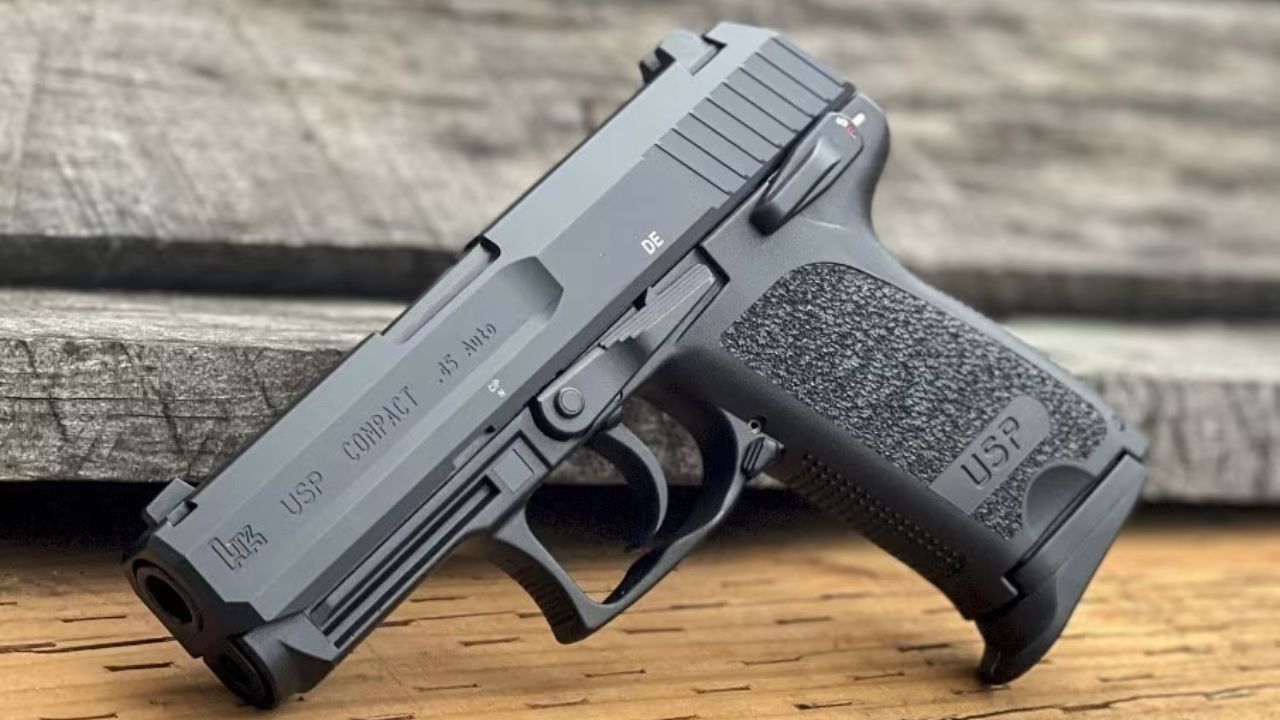
I used to think the USP Compact felt a little blocky. Then I carried other “better” compacts that were snappier, pickier, or just not as durable in the long run. The USP Compact is a work gun. The recoil system soaks up abuse, the gun runs dirty, and it doesn’t care if you’re shooting cheap practice ammo or defensive loads.
I sold it because it wasn’t the newest trend and because the magazines weren’t bargain-bin cheap. Then I watched prices climb and availability get weird. The controls aren’t for everyone, but once you get used to them, they’re consistent and positive. It’s also a pistol you can actually shoot well, not just carry. When you find one in good shape now, you don’t usually find it at a “sure, why not” price.
13. Beretta 92FS (Italian-made)
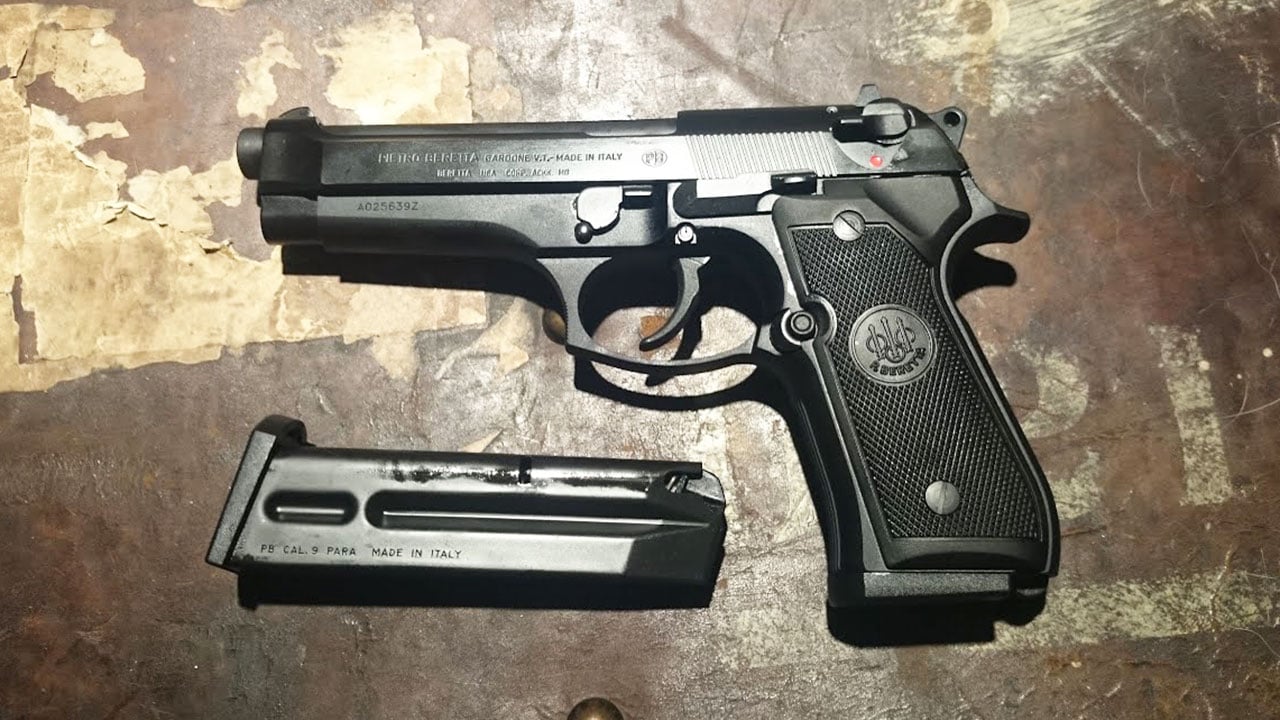
The 92FS is big, and that’s why I let mine go. I was in a phase where I wanted everything lighter, slimmer, and more “modern.” Later on, after running one in a class again, I remembered what the size buys you: a pistol that shoots flat, runs smooth, and makes you look like a better shooter than you are.
Mine was boringly reliable. It ate everything and the open-top slide design never gave me the kind of weird stoppages I’ve seen in other platforms when they get dry and filthy. Replacing one isn’t hard, but finding an older Italian gun with the feel and finish I remember takes some looking. Also, magazines are easy to find and not overpriced, which matters when you actually train with the thing.
14. Glock 19 (Gen 3)
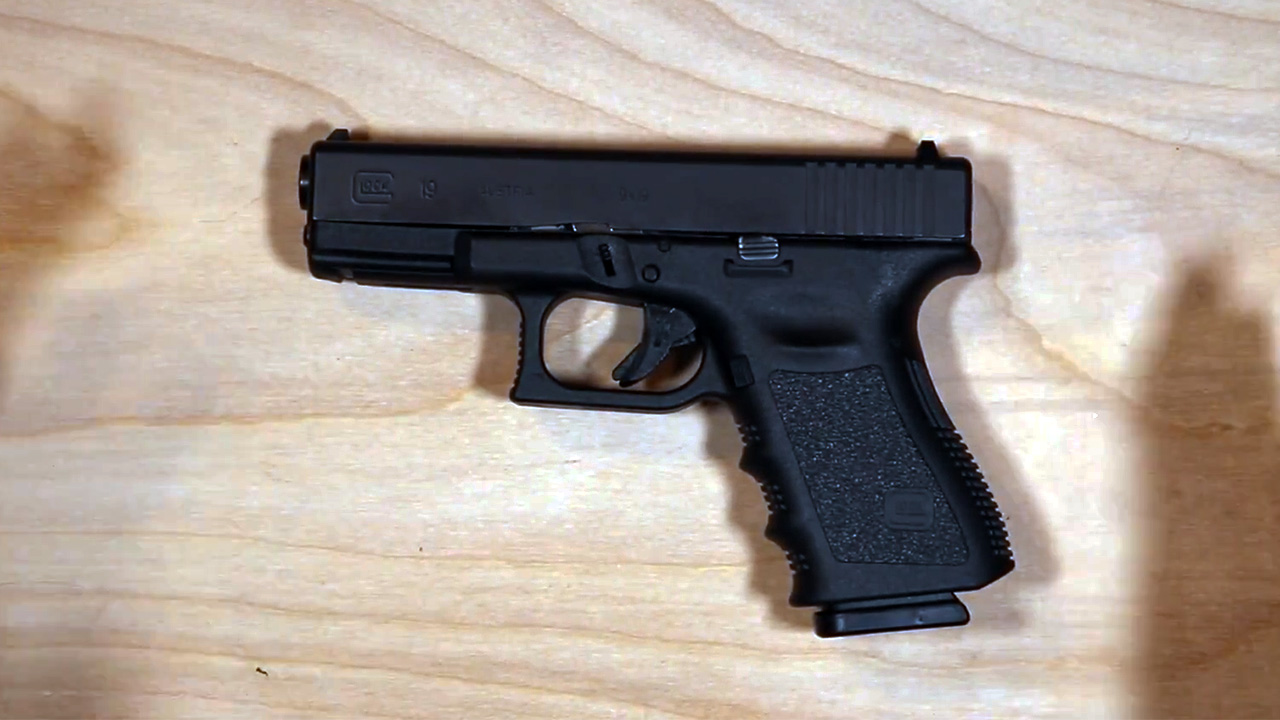
I know. A Glock 19 is not rare, and nobody needs a violin for selling one. But the specific Gen 3 I had was dead dependable, and it fit my hand better than later versions. I sold it during a caliber shuffle when I was chasing something “different,” and I ended up right back where I started.
The thing about a G19 is it disappears into real life. It carries without drama, it shoots without surprises, and every holster maker on earth supports it. The boring reliability becomes the feature once you’ve owned guns that need special magazines, special springs, or special attention. You can replace a Glock anytime, sure, but you don’t always replace the trust you built with that one particular pistol that never acted up, even when you were tired and sloppy at the range.
15. Smith & Wesson Model 10 (4-inch, .38 Special)
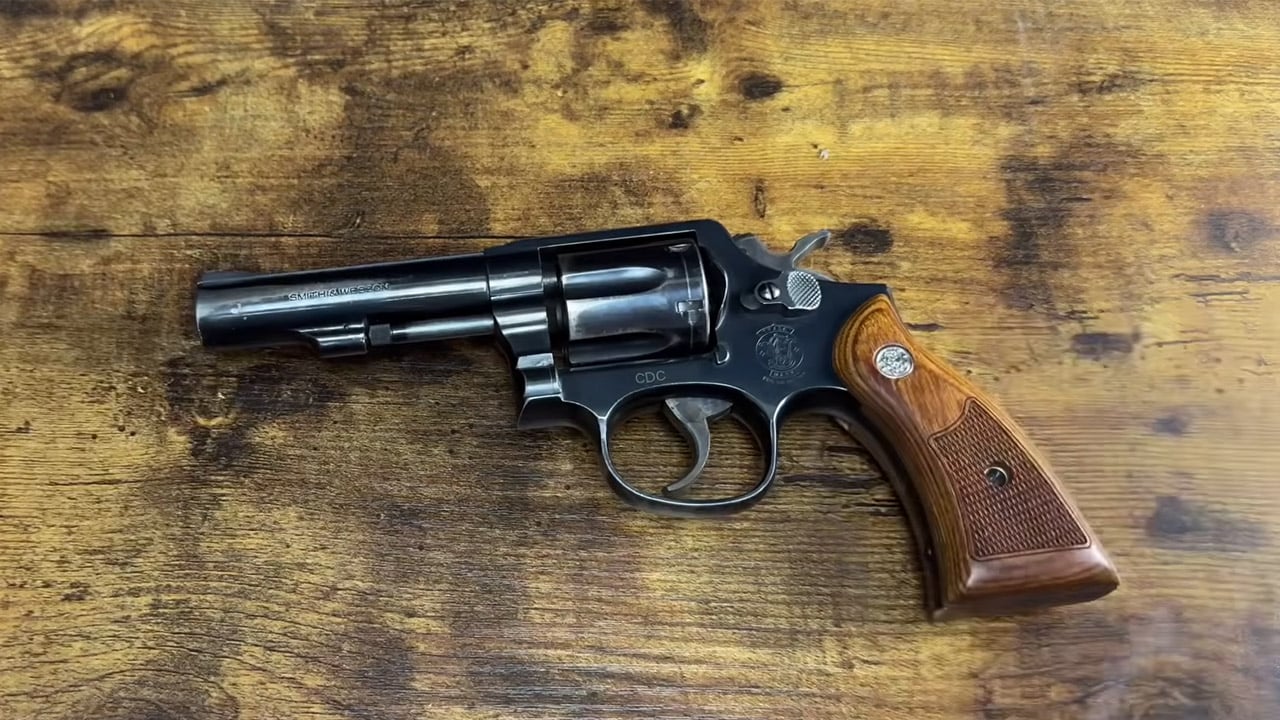
The Model 10 is the kind of revolver that makes you appreciate simple tools. Mine wasn’t collectible. It had holster wear and it probably rode in a duty belt long before it got to me. I sold it because I figured it was “just a .38” and I didn’t have a purpose for it.
Turns out the purpose is that it’s a perfect knock-around revolver. The sights are basic but usable, the trigger is usually smooth, and .38 Special is still one of the easiest cartridges to live with. It’s also a great training gun for new shooters who don’t need recoil anxiety right out of the gate. The older police trade-ins have dried up, and now the clean ones bring more than they should. I’d rather have my worn one back.
16. Ruger Blackhawk (convertible, .357/9mm)
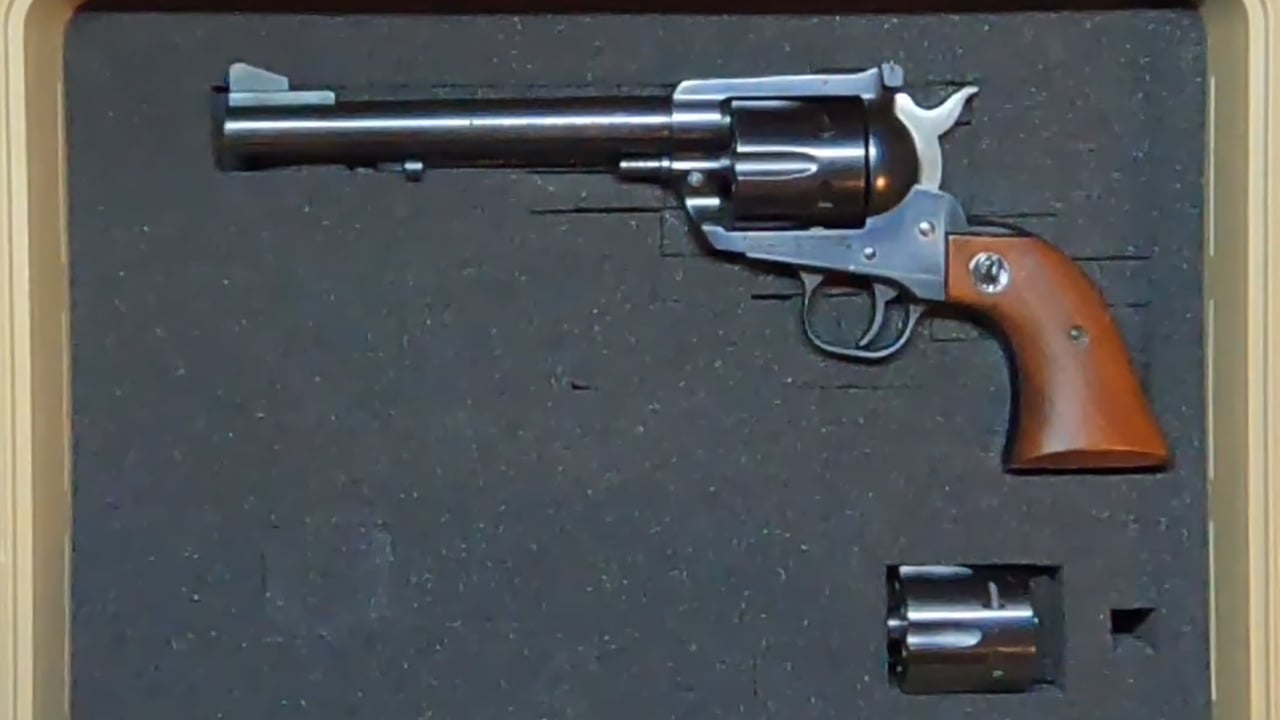
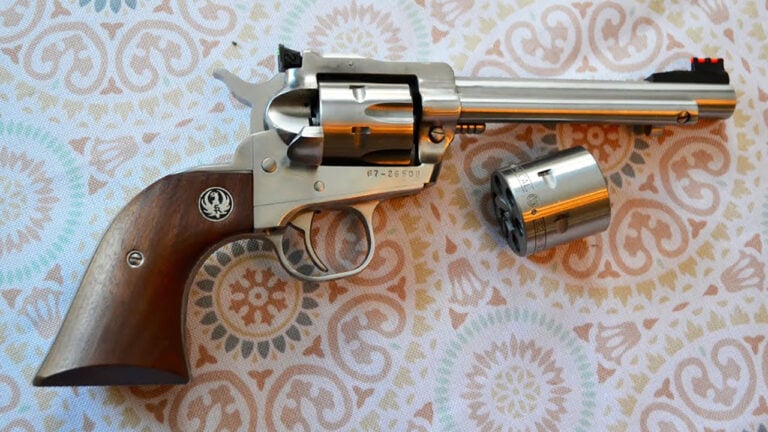
I bought the convertible Blackhawk because it seemed like a novelty: shoot .357 Magnum, then swap cylinders and shoot 9mm. It turned into one of the most enjoyable guns I owned, especially for wandering around the property or camping. Single-actions slow you down in a good way. You pay attention to the sights and the trigger instead of trying to run the gun like a timer is on you.
I sold it when I needed cash and figured I’d pick up another later. The mistake was underestimating how useful the “convertible” part really is. When 9mm is what you have, you can still shoot. When you want more thump, .357 is right there. It’s also a tough revolver that handles hot loads better than lighter guns. Not everybody wants a single-action, but for the right guy it’s hard to beat.
17. Mossberg 590A1 (20-inch)
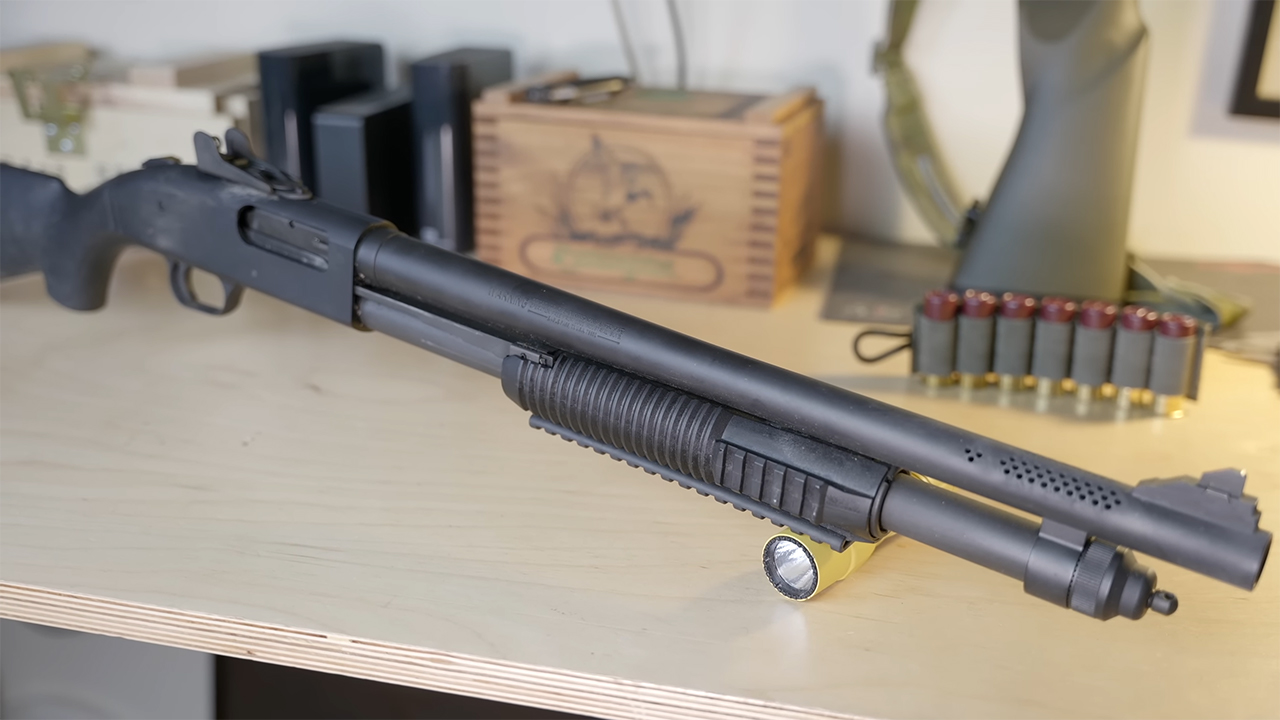
The 590A1 is not elegant. It’s a working pump gun with a heavy barrel and controls that make sense when you’re operating it under stress or in bad weather. I had one set up plain, with a simple sling, because I’ve never been impressed by shotguns overloaded with accessories that just snag on everything.
I sold it because I had other shotguns and thought I didn’t need a dedicated defensive pump. Then life changed a little: farther response times, more time alone on rural property, and a better appreciation for a gun that will run even if it sits for a while. The 590A1 also handles hard use well. You can practice a lot without feeling like you’re shaking the gun loose. When I went to replace it, the price jump was a rude surprise.
18. Ruger Mini-14 (Ranch Rifle, older wood-stock)
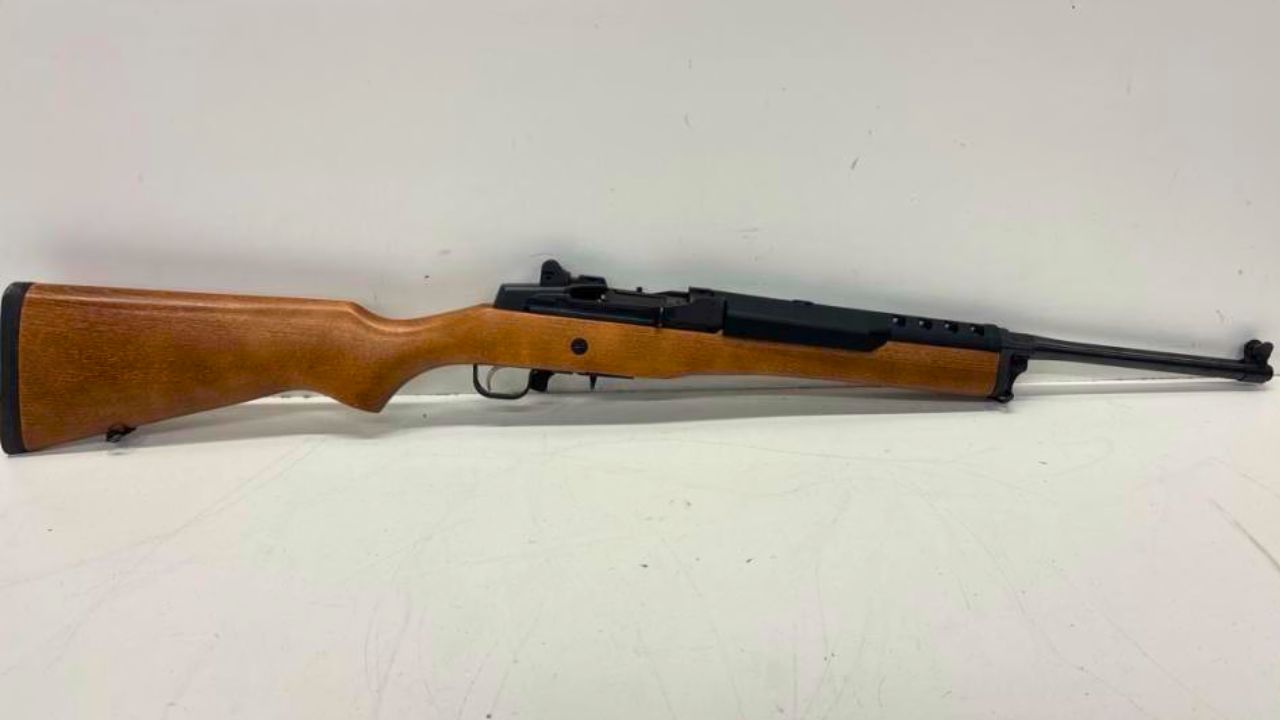
I used to complain about Mini-14 accuracy because that’s what the internet trained me to do. Mine was an older Ranch Rifle in a wood stock, and it wasn’t a bench gun. But it was reliable, handy, and it carried like a light hunting rifle instead of a fence rail. For a ranch, a truck, or walking fencelines, it made a lot of sense.
I sold it when ARs were cheap and everywhere, figuring the Mini was redundant. Then AR prices and politics did their usual dance, and suddenly the Mini-14 looked smart again. Magazines are the sticking point, especially if you insist on factory mags, but the gun itself is hard to dislike once you stop expecting it to be something it isn’t. It points quick, it’s simple, and it’s a lot easier on non-gun-folks’ nerves than a black rifle sometimes is.
19. Springfield Armory M1A (Standard model)
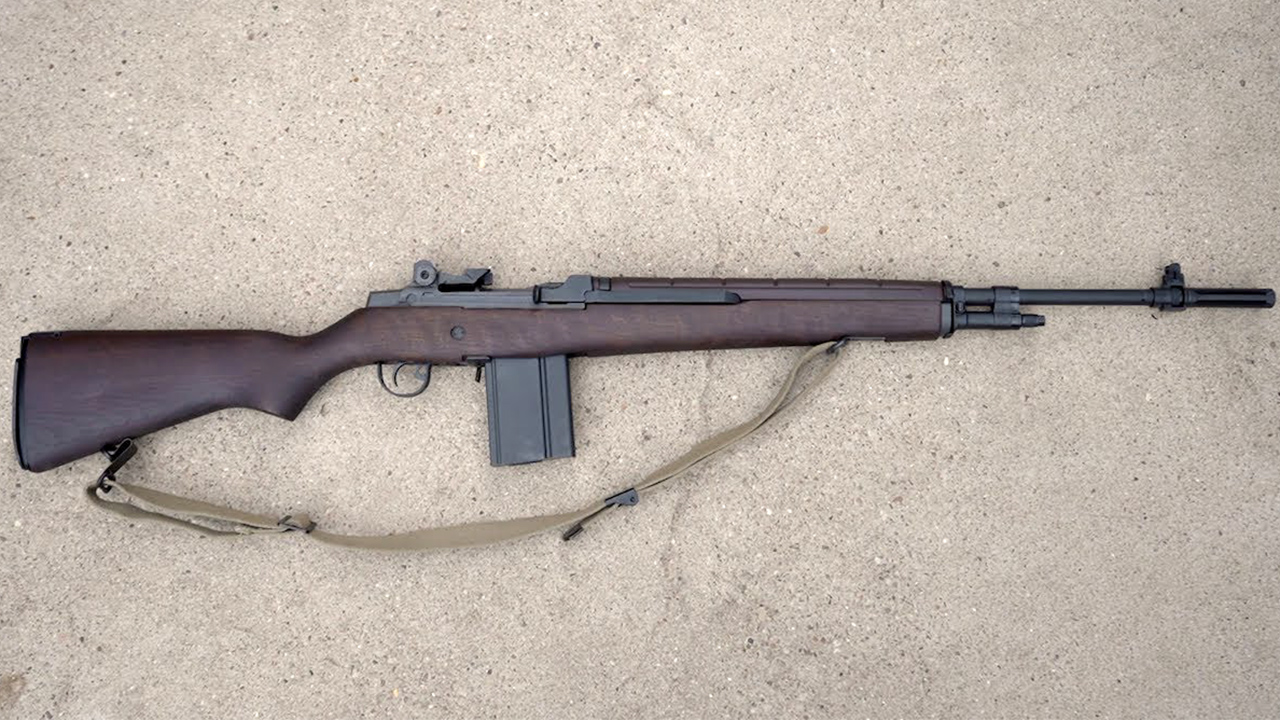
The M1A is heavy, it’s long, and it’s not the rifle you grab if you want to be trendy. Mine was a standard model with iron sights good enough to make you want to actually learn them. I sold it because I convinced myself I needed a lighter .308 semi-auto and a pile of optics options.
Here’s what I didn’t replace: the feel. The M1A has a recoil impulse that’s more push than slap, and the sights are legitimately excellent once you get time behind them. It’s also a rifle that makes range days fun in a way a lot of modern rifles don’t. No, it’s not as modular. Yes, it takes some attention to keep it clean and running right. Still, it’s one of those guns that turns into “the one you should’ve kept” when you’re older and less impressed by accessories.
20. Tikka T3x Lite (stainless, 6.5 Creedmoor)
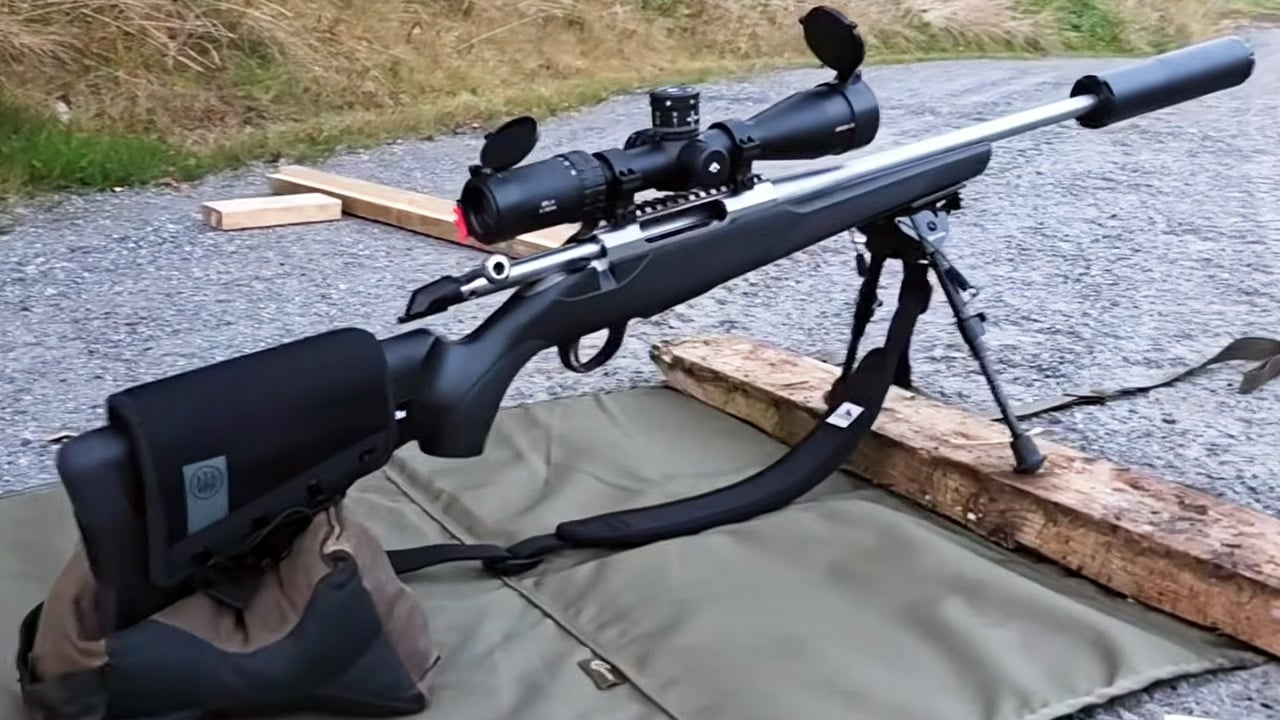
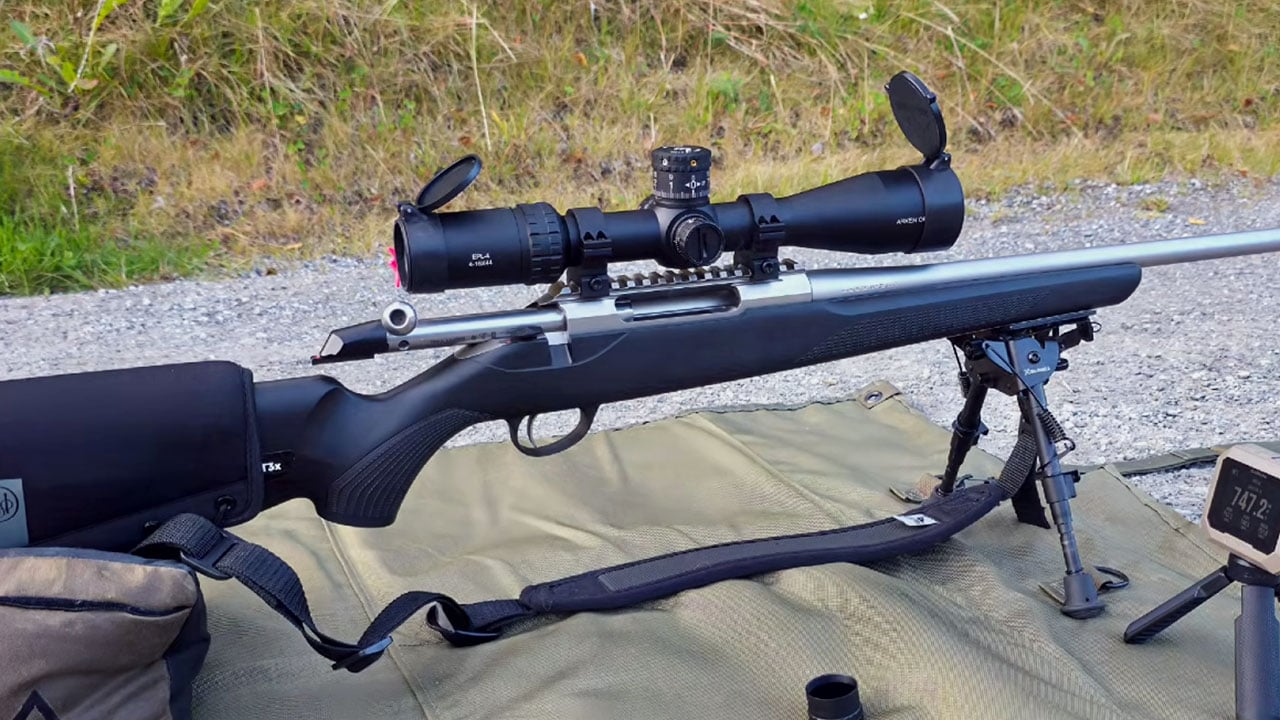
This is the newest regret on the list, and maybe the most embarrassing because I knew better. I sold my T3x Lite to “move up” to a more expensive rifle with a boutique stock and a heavier barrel. The Tikka shot lights-out with factory ammo, and the bolt felt like it was on ball bearings. It was also a rifle I didn’t mind carrying all day.
The replacement was fine from a bench, but it wasn’t as pleasant in the mountains. That’s when it hit me: easy accuracy and easy carry are a pretty rare combo. Tikka magazines cost more than I like, but they work, and the rifle feeds smoothly in ugly positions. In bad weather, the stainless version is just peace of mind. I’ve handled plenty of rifles since, and I keep coming back to the same thought: I should’ve left well enough alone.
None of this means you should never sell a gun. Sometimes you have to. Sometimes it truly doesn’t fit you, and keeping it is just dead weight. But if a gun has proven itself in the field, carries right, and does the job without drama, don’t be too quick to call it “replaceable.” Ask me how I know.
Like The Avid Outdoorsman’s content? Subscribe to our newsletter so you never miss an article.
Here’s more from us: