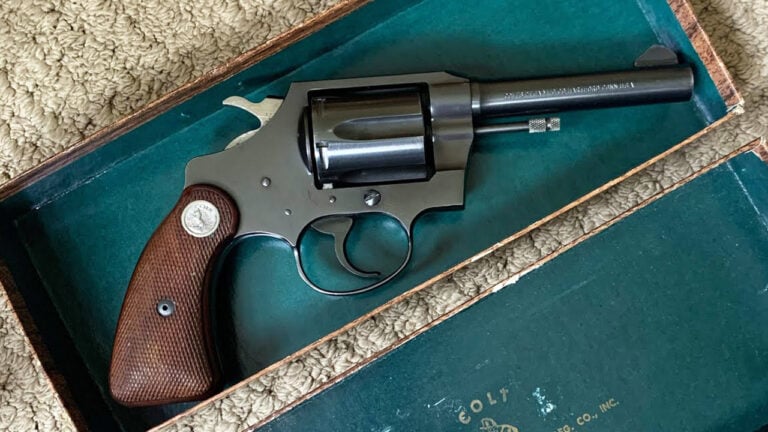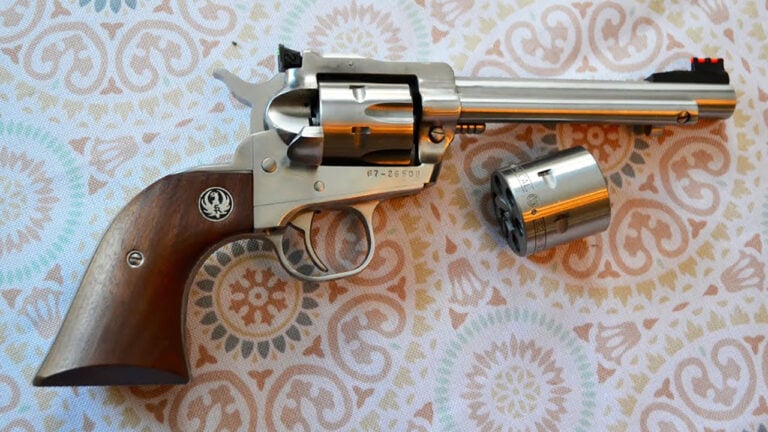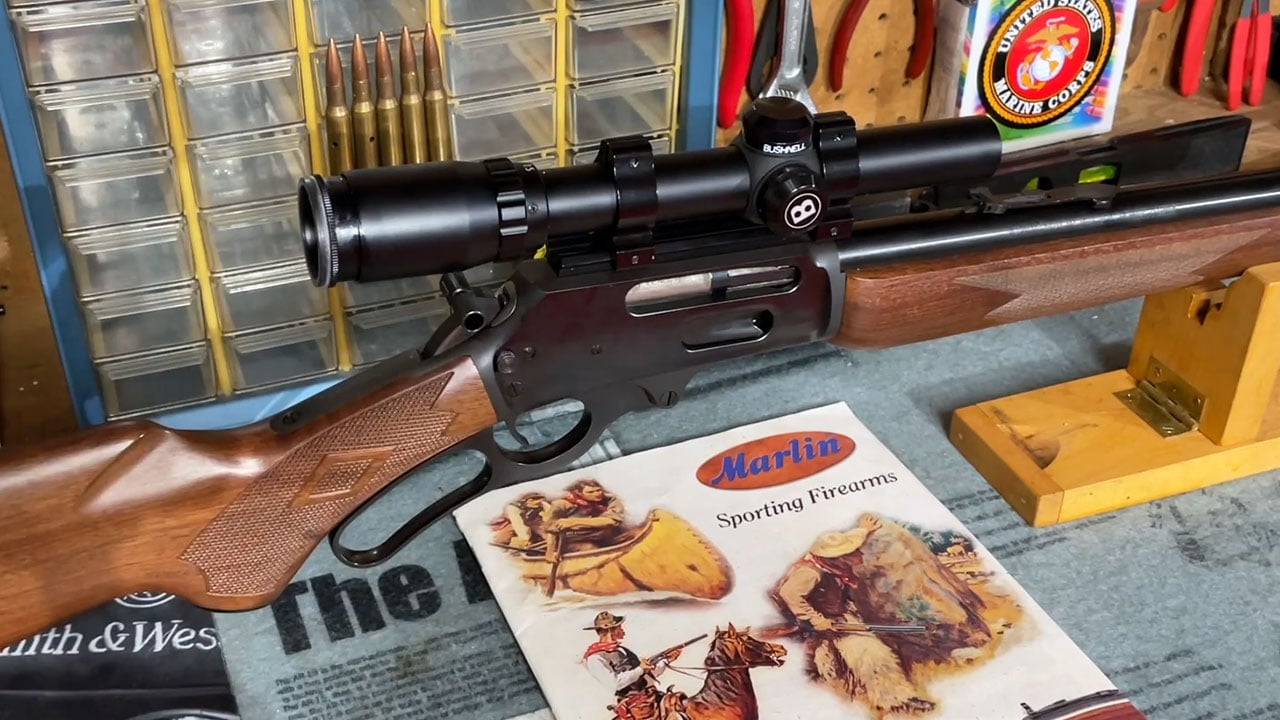
Photo credit: hrfunk/Youtube
I used to treat lever-actions like trade bait. If I wasn’t hunting with it that season, it went down the road to fund whatever new thing had my attention. Back then I thought I was being practical. Now I know better. Lever guns aren’t just nostalgia pieces. They’re handy, fast, naturally accurate in real hunting distances, and they fit the way a lot of us actually move through timber, over fences, and in and out of trucks.
Here are 20 lever-actions I’ve owned and let go over the years, and what I didn’t understand at the time. Some were classics I should’ve kept. Some were “project guns” I should’ve either finished or never started. And a couple, honestly, I don’t miss much at all—but even those taught me something.
1. Marlin 336 (30-30)

The 336 is the lever gun I sold because I figured I could always “just get another one.” That was true… until it wasn’t. The older ones have a feel to the action that’s hard to explain until you run a few boxes through one and carry it in the woods. They balance right between the hands, and they don’t snag on brush the way a scoped bolt gun can.
What I learned later is that a plain 30-30 is still one of the best tools ever made for whitetails inside sane distances. With good irons or a low-power scope, it’s point-and-shoot simple. Parts, mounts, and ammo aren’t exotic, but the nice examples aren’t getting cheaper. That one hurts.
2. Winchester Model 94 (pre-64)
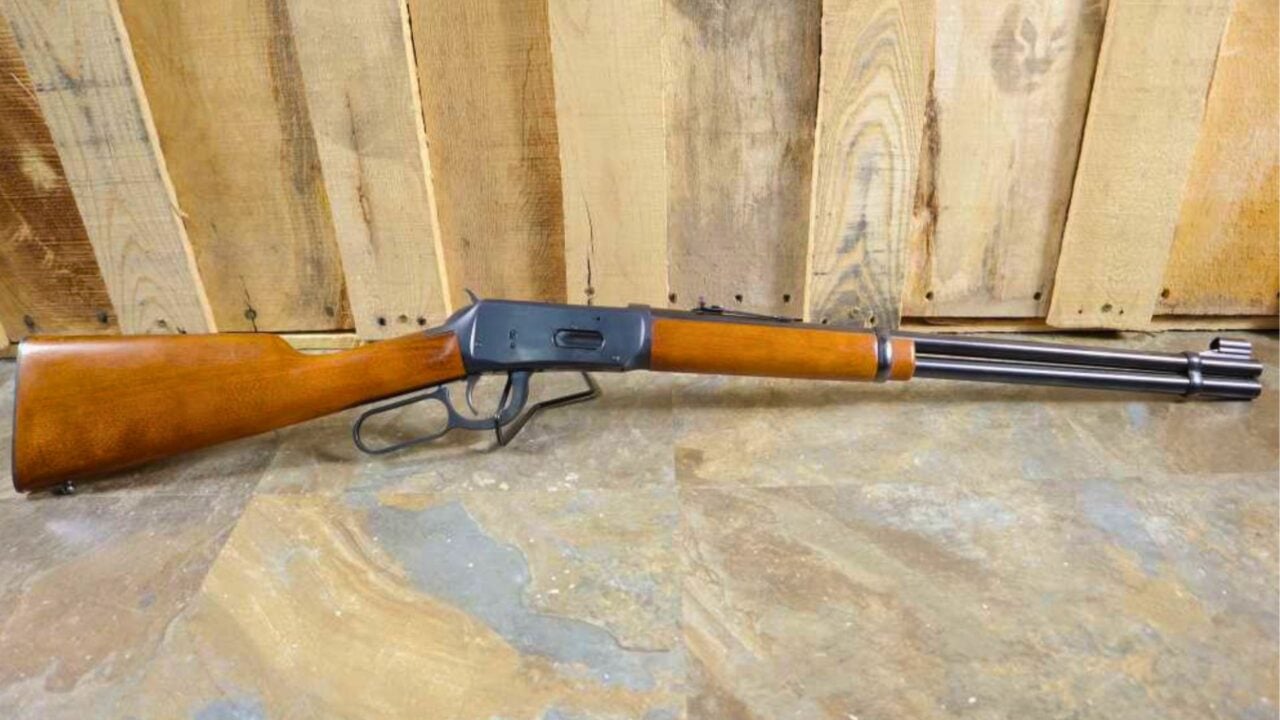
I let a pre-64 94 go because I convinced myself it was “too nice to hunt with.” That is a terrible reason to sell a rifle. The whole point of a good lever gun is that it carries easy and comes up fast when a deer steps out for three seconds and then disappears.
Later on, I learned there’s a difference between old and special. Pre-64 rifles have a fit and finish you feel in the lever throw and the way the wood meets the metal. Even if you baby it, you still want to own one. They’re history you can shoulder, and they’re not coming back.
3. Henry Big Boy Steel (357 Magnum)

The first time I ran a .357 lever quickly on steel, it made me grin like an idiot. Then I sold it because I thought I “needed” a rifle caliber for everything. Turns out, a .357 lever is one of the most useful, low-drama guns you can own if you live rural and shoot a lot.
What I didn’t appreciate is how cheap and easy it is to stay sharp with it. Recoil is light, noise is manageable compared to bigger stuff, and it’s accurate enough to keep you honest. With the right loads it can do real work on varmints and close-range deer where legal. And it’s just fun, which matters more than people admit.
4. Marlin 1894C (357 Magnum)
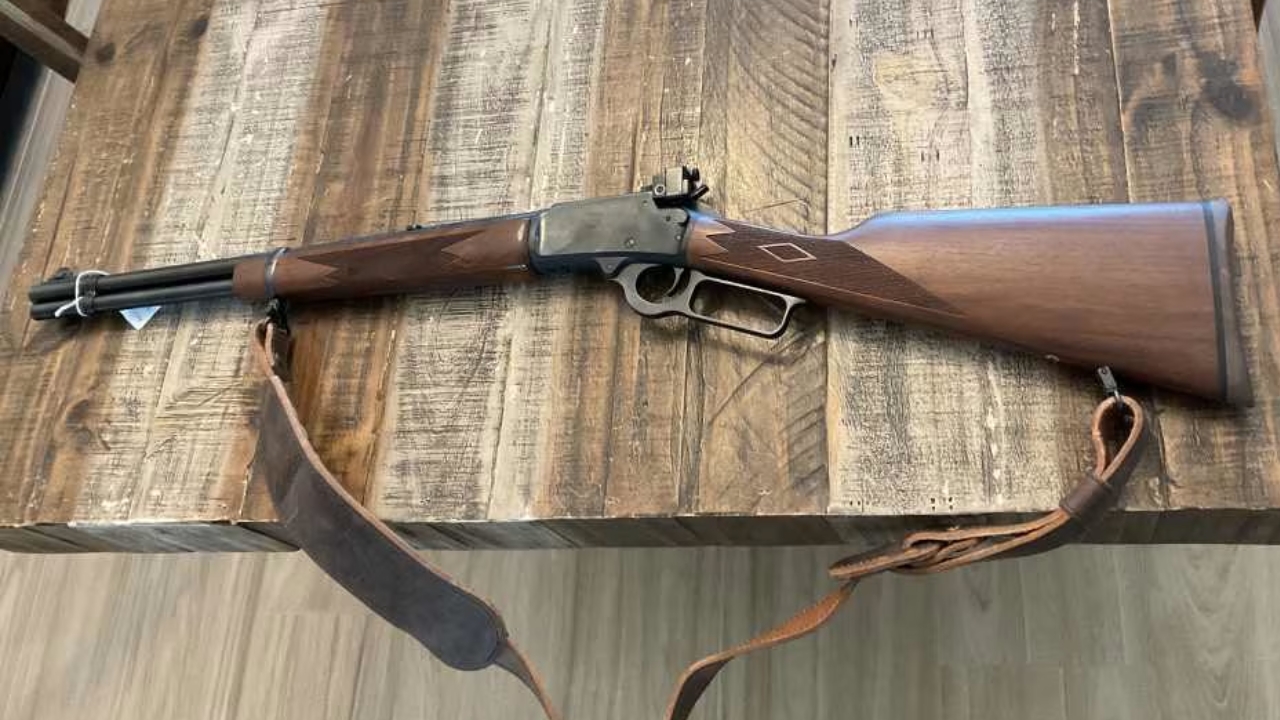
The 1894C I had wasn’t perfect. It was a little finicky with certain bullet profiles, and it liked some ammo better than others. I took that as a sign it was “temperamental,” so I moved it along. Later I learned those little quirks are often solvable with smart ammo choices and a little time on the range.
Here’s what I really learned: a good 1894C carries like a .22, hits harder than it has any right to, and points like your finger. In thick woods, that matters. Also, Marlin pistol-caliber carbines have a following for a reason. When you decide you want one back, you find out quickly they’re not all equal, and the good ones disappear fast.
5. Winchester Model 92 (in .44 Magnum)
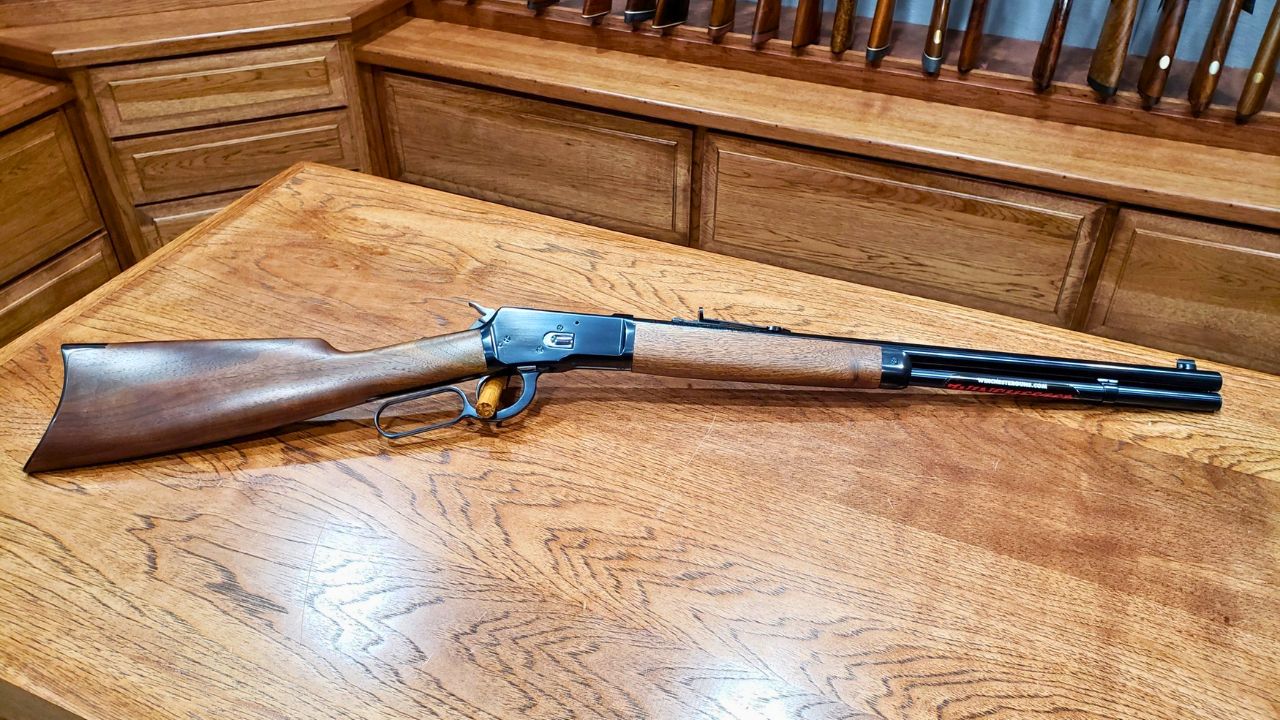
I sold a Model 92 because I was chasing “practical” on paper. The .44 lever didn’t look as versatile as my bolt guns, and I didn’t like how heavy the ammo felt in my pocket. Then I hunted hogs with a buddy’s .44 carbine and watched how fast it settled arguments at close range.
The 92 action is slick when it’s right, and it’s stronger than most folks realize. A .44 out of a carbine barrel hits different than a .44 out of a revolver. In thick stuff, it’s a hammer. I also learned it’s one of those rifles you can keep by the back door without it feeling like “too much gun,” but it’s never underpowered when something needs handled.
6. Rossi Model 92 (357 Magnum)

I get why people sell a Rossi. Some are smooth, some aren’t, and the finish can be rough compared to the pretty guns. Mine had sharp edges that chewed up my knuckles when I ran it hard, and I convinced myself I was “upgrading” by letting it go.
What I learned later is that a basic 92-pattern carbine can be the lever gun you actually use. You don’t feel guilty carrying it in rain, banging it on an ATV rack, or leaning it in a barn corner while you fix fence. If you find one that feeds well, it’s a working rifle. There’s a lot to be said for a gun you’ll beat up without babying, as long as it’s safe and reliable.
7. Browning BLR (308 Winchester)

The BLR is the lever gun for the guy who wants bolt-gun ballistics but lever-gun handling. I had one in .308 and sold it because it didn’t scratch my “classic” itch. Too modern, box magazine, too many angles. Then I spent a few seasons hunting country where shots could be 40 yards or 240, depending on which side of the ridge you were on.
That’s where the BLR makes sense. It carries like a lever, points fast, and still lets you run a real rifle cartridge with pointed bullets. The detachable magazines are the thing you either love or hate, but they are handy for safe unloading at gates and vehicles. What I learned is you don’t buy a BLR for romance. You buy it because it works.
8. Savage Model 99 (300 Savage)

I once had a Savage 99 and treated it like just another old deer rifle. I didn’t understand what I was holding. The rotary magazine, the slick lines, and the way it shoulders—there’s something special there that doesn’t show up in a spec sheet.
Mine shot better than it had any right to with plain hunting ammo. The 300 Savage is not trendy, but it’s a legitimate deer cartridge that does its job without drama. The lesson for me was simple: when a rifle has character and real performance, don’t be so quick to turn it into cash. You might not miss the money, but you’ll remember the rifle.
9. Marlin 39A (22 LR)

The 39A might be the easiest gun on this list to regret selling. It was “just a .22,” and I had other .22s, so I didn’t think it mattered. Then I had kids and nephews and realized there’s value in a rimfire that’s accurate, reliable, and built like it belongs in a museum.
A good 39A is a lifetime rifle. The takedown design is genuinely useful, and the sights tend to be better than what comes on modern budget rimfires. It teaches marksmanship without punishing anyone, and it’s a small-game gun that feels like a real rifle, not a toy. If you’ve got one that shoots straight, it deserves a permanent home.
10. Henry Golden Boy (22 LR)
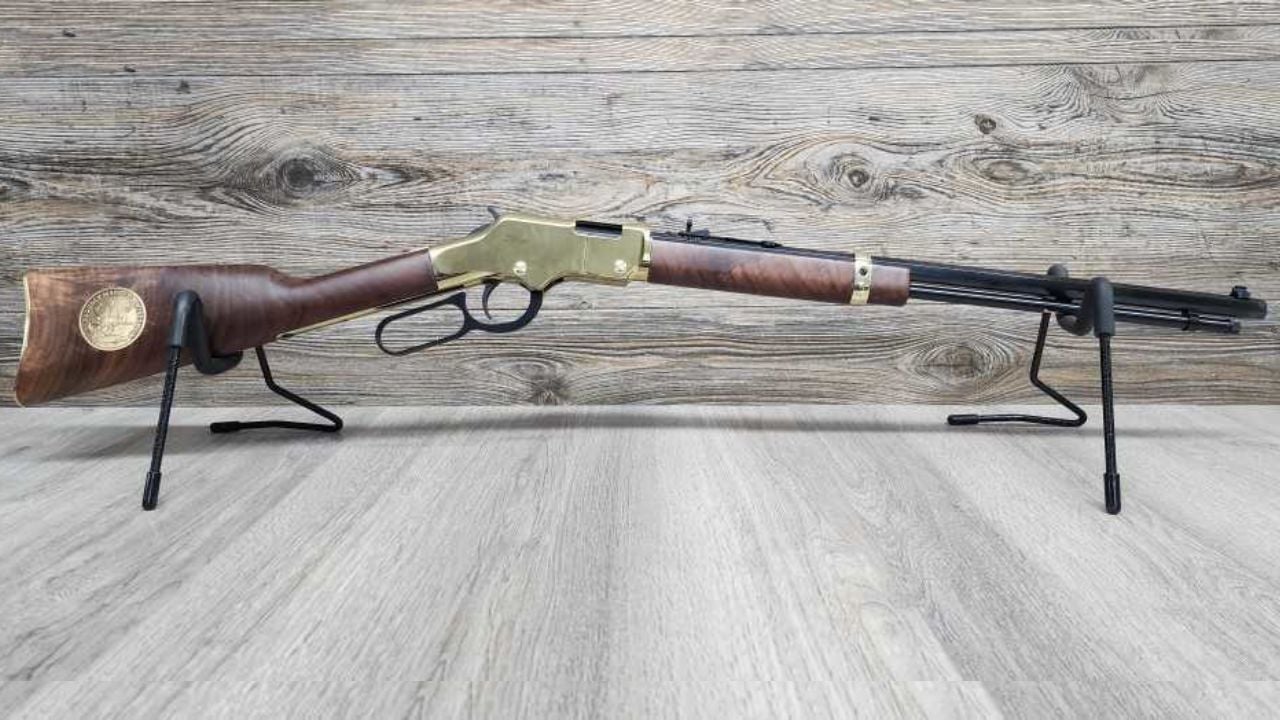
I used to roll my eyes at the Golden Boy because it’s flashy. Then I owned one and realized flashy doesn’t matter when the rifle runs, shoots, and makes new shooters want to keep shooting. I sold it because I thought it was a “range toy.”
What I learned later is that a range toy can be a tool, especially if it’s the thing that gets your family on the line with you. The action is smooth, the loading is easy, and it’s the kind of rifle people ask to try. Sure, it’s not the gun I’d drag through a swamp. But for teaching fundamentals, plinking, and small-game walks where you’re not trying to be tactical about everything, it’s hard to beat.
Free for gun owners: If something happened to you tomorrow, would your family know where the guns are, who has the safe combination, or what to do first? Our free Gun Owner’s Family Checklist walks them through it. It takes about 15 minutes to fill out. Get your free copy here.
11. Marlin 1895 (45-70 Government)

I went through a phase where I thought every hunting rifle needed to be light and flat-shooting. So I sold my 1895 because it kicked more than I felt like dealing with and the ammo wasn’t cheap. Then I hunted big-bodied deer in nasty cover where tracking can get ugly if you don’t anchor them.
A 45-70 lever gun isn’t about long-range anything. It’s about authority at realistic woods distances. The rifle is also more versatile than folks give it credit for, because you can run mild loads for practice and heavier loads for serious work. The biggest lesson was this: there’s a difference between “I don’t feel like shooting it today” and “I shouldn’t own it.”
12. Winchester Model 1895 (30-06 Springfield)
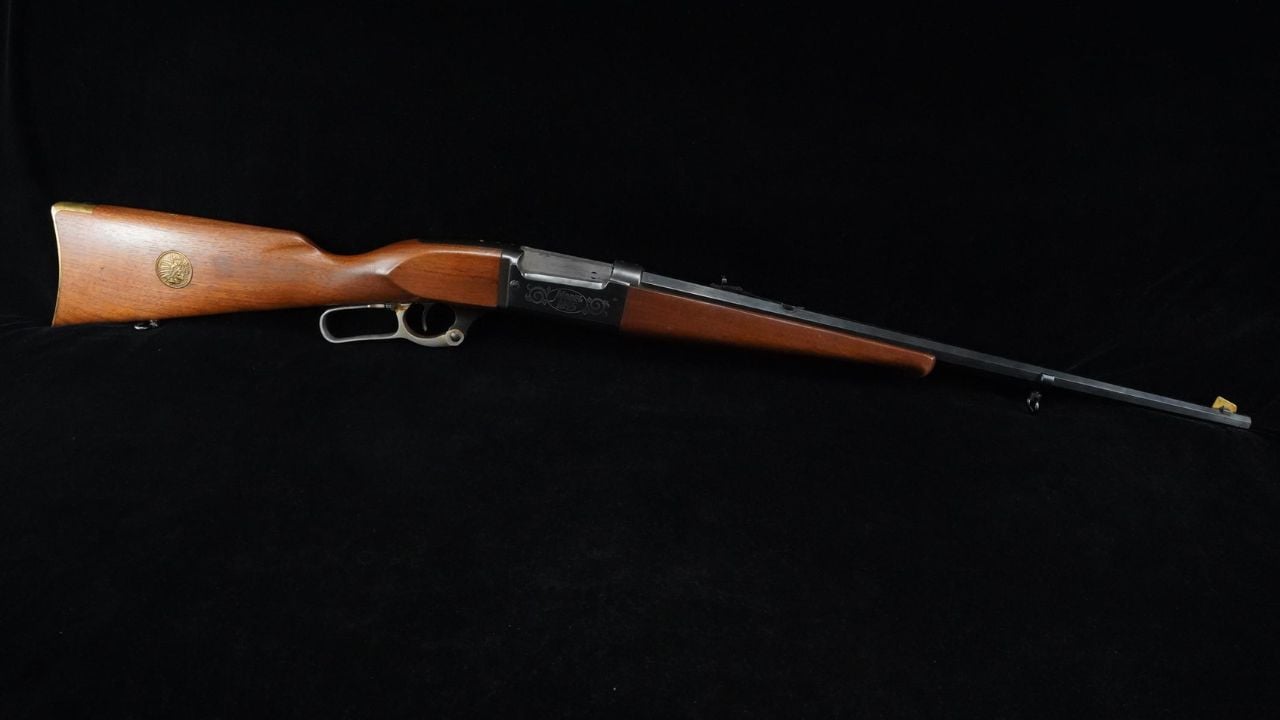
This one was more history than I deserved at the time. I had a Model 1895 in 30-06 and treated it like a curiosity. It wasn’t as slick as my other levers, and it didn’t fit neatly into my ideas about what a lever-action should be.
Later, after handling a few more and reading up on the design, I realized how cool it is that a lever gun can run a full-power cartridge like that. It’s not the lever you buy for speed drills or easy scabbard carry. It’s for the person who likes American rifle history and wants a field-capable piece of it. Finding one that hasn’t been messed with is harder now, and that stings.
13. Ruger 96/44 (44 Magnum)

The Ruger 96/44 is the oddball I didn’t appreciate until it was gone. It’s not a traditional tube-fed lever; it uses a rotary magazine. At the time, I thought that made it less “real.” I also didn’t like having to keep up with mags.
Then I started paying attention to how practical that magazine is when you’re unloading around a truck or moving between properties. It’s a handy little carbine, and the Ruger build quality tends to hold up under real use. It’s also one of those rifles that never seemed super common, which becomes a problem when you decide you want another. The lesson: don’t punish a rifle for being different if it solves problems you actually have.
14. Marlin 1894 (44 Magnum)
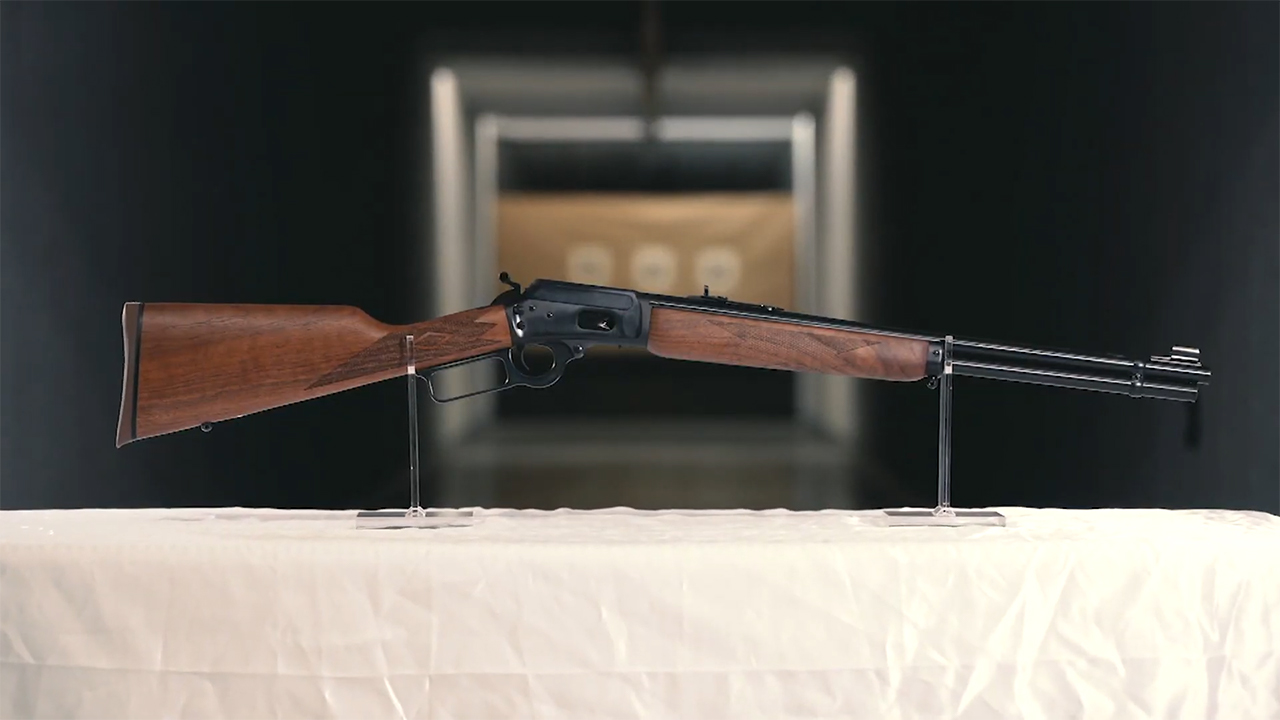
I sold my 1894 .44 because I thought the cartridge was “too expensive to practice with.” That was true, but it missed the bigger point. A pistol-caliber lever gun is one of the best walk-around rifles you can carry for chores, predator checks, and that kind of everyday rural life that doesn’t show up in glossy hunting catalogs.
The .44 carbine also balances better than you’d expect, and it hits hard without needing perfect shot placement on close targets. What I learned later was to budget for ammo the way you budget for gas. If you use the rifle, you find a way. If you don’t, you sell it and later wonder why you ever thought you had “too many” useful guns.
15. Winchester Model 94AE (356 Winchester)

The 356 Winchester is the kind of chambering that makes you feel clever until you try to feed it. I had a 94 Angle Eject in 356 and let it go because I got tired of chasing ammo. At the time I decided it was a dead-end caliber.
What I later learned is that “dead-end” sometimes means “special,” not “useless.” Ballistically, it’s a serious woods and edge-of-field cartridge. The rifle itself is also a neat bridge between traditional lever handling and the ability to mount optics without fighting top ejection. I don’t blame anyone for not wanting to chase boxes of ammo, but if you have the means to stockpile what you need, it’s a cool rig that does real work.
16. Henry Side Gate Lever Action (30-30)
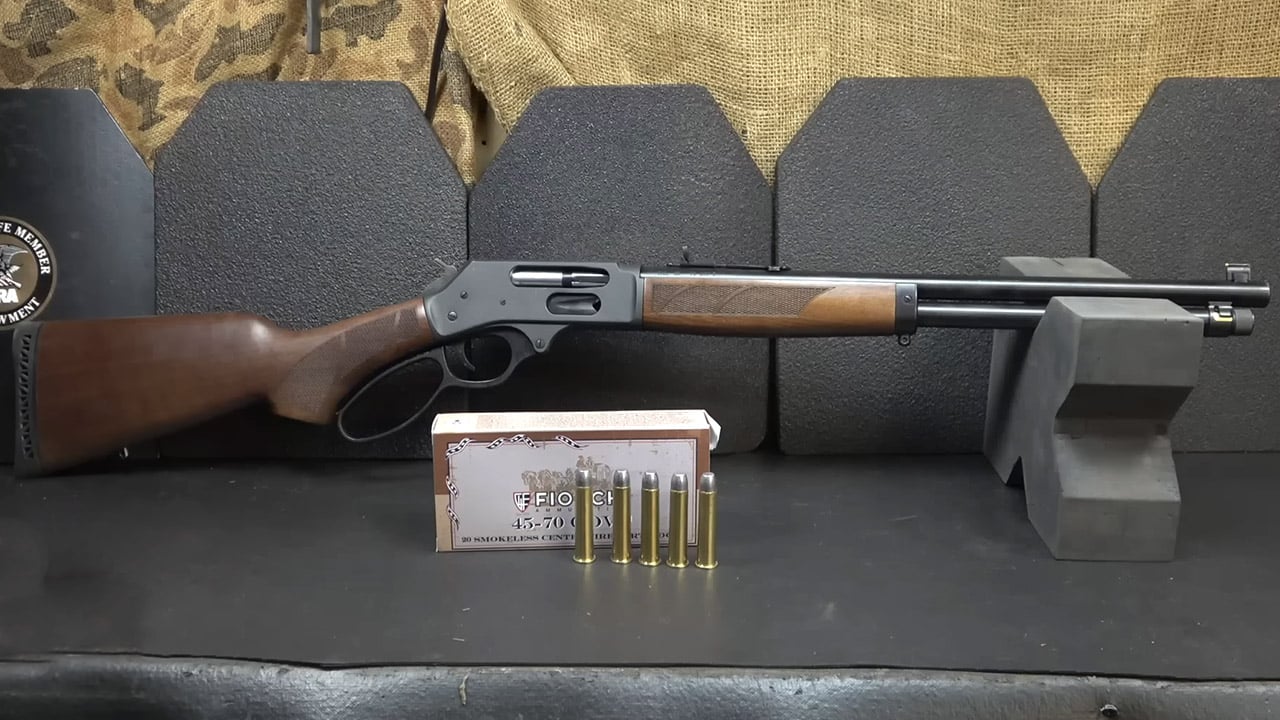
I had one of the Henry side gate 30-30s early on and sold it because I was hung up on what a 30-30 “should” be. I was used to other brands, and I didn’t give the rifle time to prove itself. That’s on me.
After spending more time with Henrys, I learned they tend to run, and they tend to be accurate enough for any honest 30-30 shooting. The side gate matters more than the internet wants to admit, especially if you top it with a scope and don’t want to pull a tube to reload. It’s a modern take on a classic, and for a hunting rifle that lives a hard life, modern isn’t a dirty word.
17. Mossberg 464 (30-30)
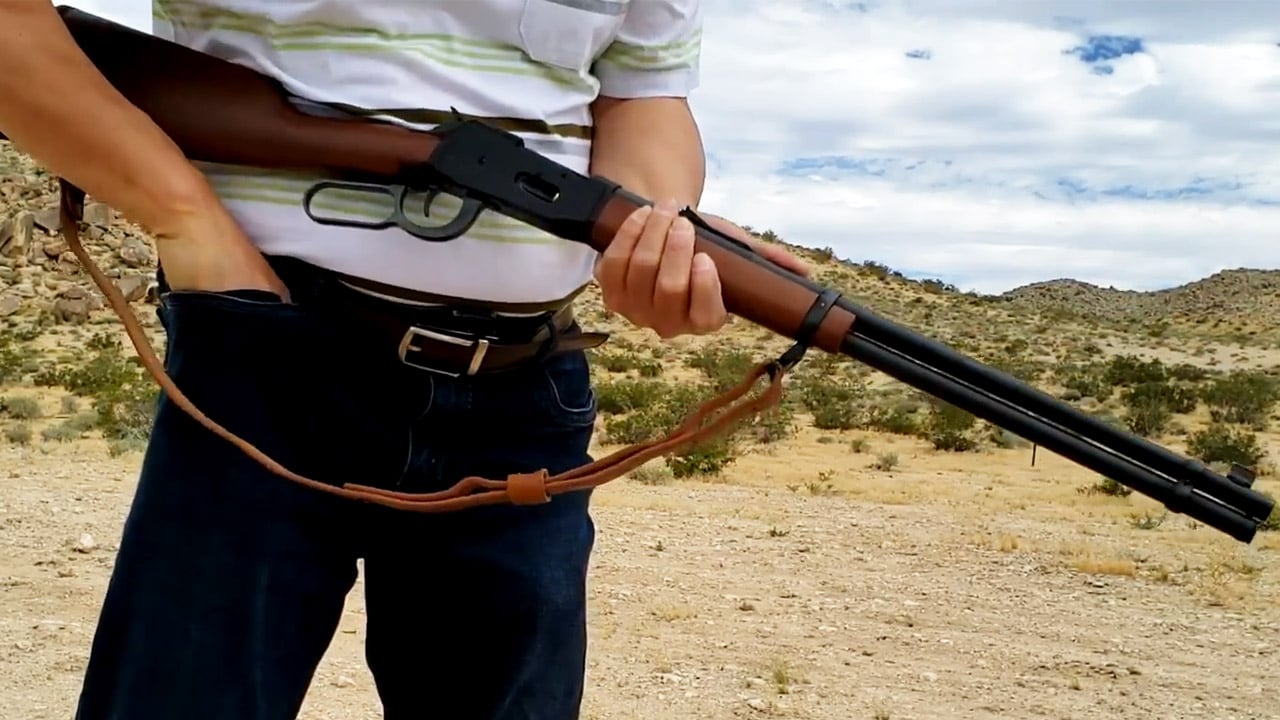
The Mossberg 464 isn’t everyone’s favorite. Mine had a little more rattle than the older classics, and the wood-to-metal fit wasn’t pretty. I sold it fast because I thought it felt “cheap.”
Then I got older and got over needing everything to feel like heirloom material. The 464, when it runs right, is a basic deer rifle that you can actually take out when the forecast is terrible. The safety setup is different, and if you hate that, fine. But as a working 30-30 that you don’t mind scuffing up, it has a place. The real lesson was not to confuse cosmetics with field usefulness.
18. Winchester Model 1873 (357 Magnum)
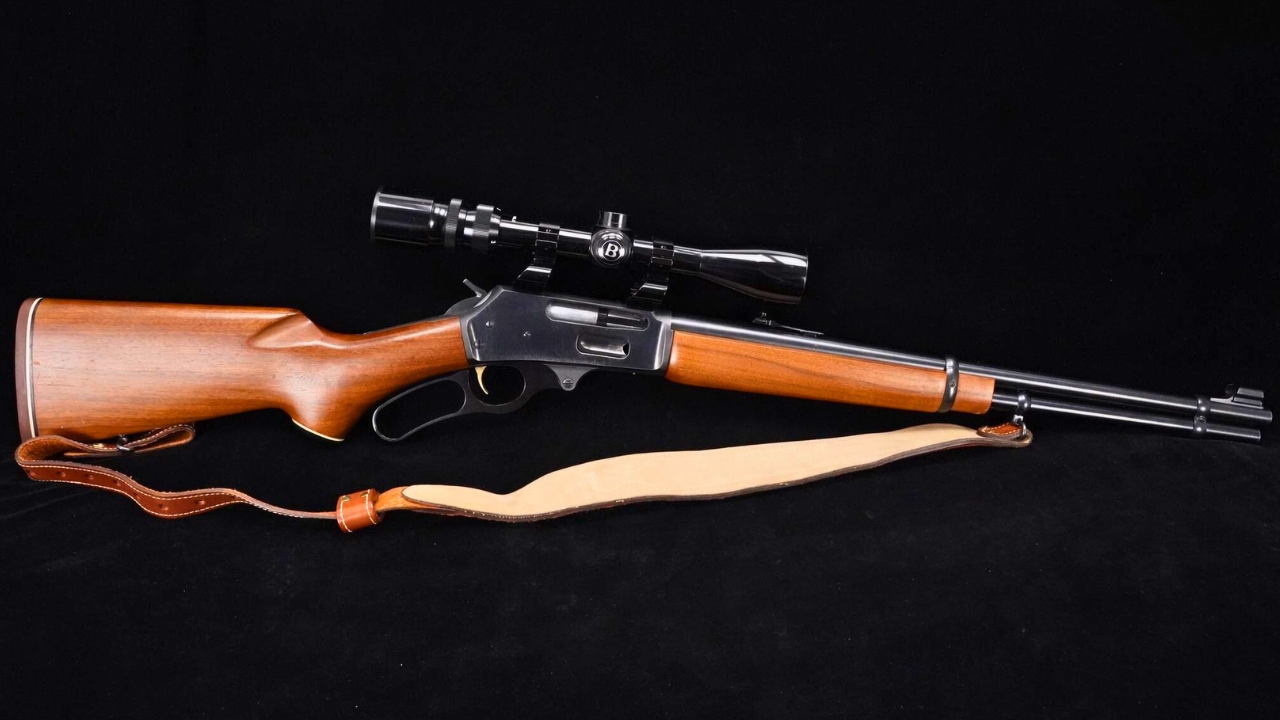
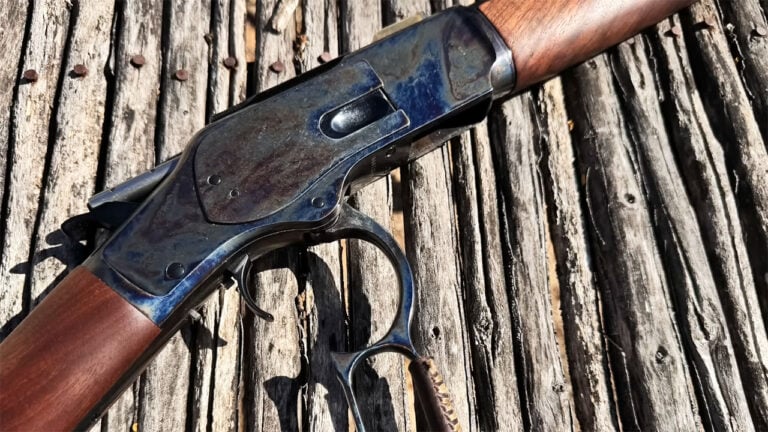
I owned an 1873-pattern rifle and convinced myself it was only good for cowboy stuff. So I moved it along. Later, I spent time around folks who shoot these guns well, and I realized what I’d missed: the smoothness isn’t a gimmick. A good ’73 cycles like it’s on ball bearings.
No, it’s not the lever gun I’d pick for rough truck duty. It’s not the strongest action on the planet either, and you treat it accordingly. But for a .357 that’s soft, fast, and accurate, it’s hard not to like. The bigger point is that sometimes “fun guns” are the ones you practice with the most, and practice is what makes you competent when a hunting shot shows up in a hurry.
19. Marlin 444 (444 Marlin)
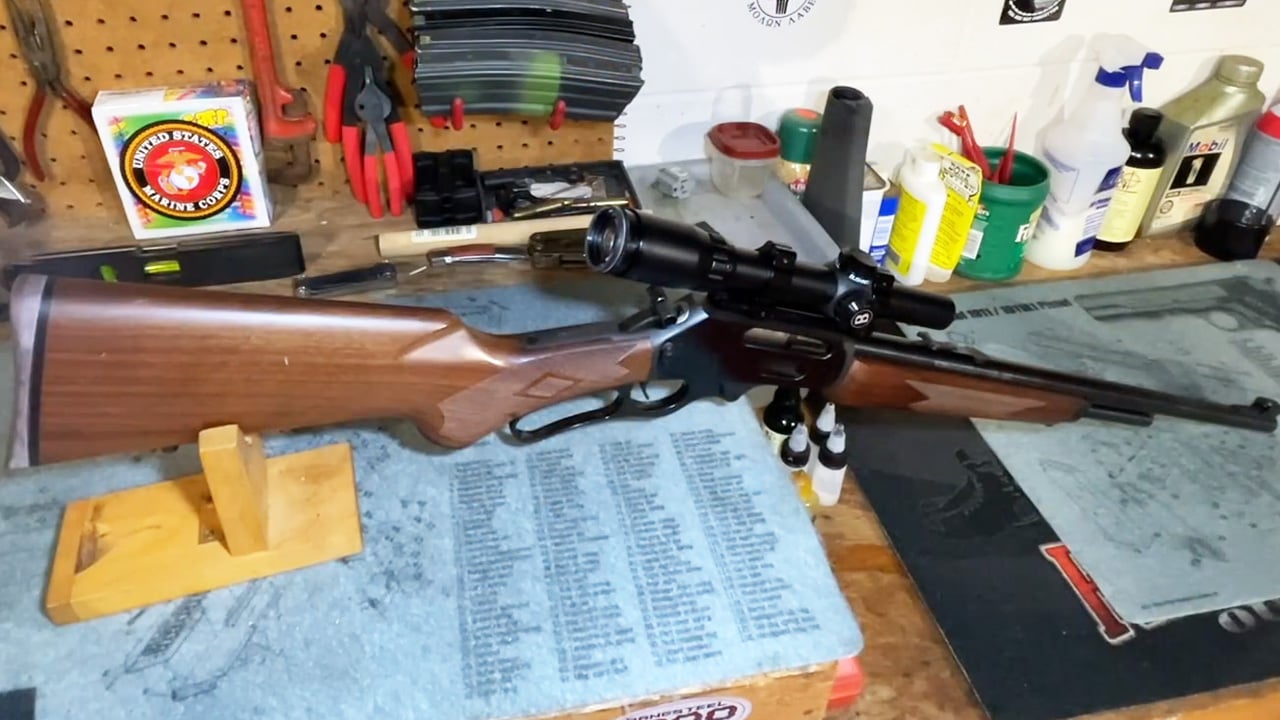
The 444 Marlin was my “because I can” rifle. I liked the thump, I liked the big holes in paper, and I liked that it wasn’t what everybody else had. I sold it because I decided I didn’t need another big-bore lever and I already had a 45-70 at the time.
What I learned is the 444 is its own thing. It shoots flatter than many expect, hits like a freight train inside its lane, and it has a personality that’s hard to replace. Ammo availability can be a headache depending on where you live, so I understand why it gets traded off. Still, if you hunt in bear country or just like a lever gun with authority, the 444 scratches an itch that a lot of rifles don’t.
20. Winchester Model 9422 (22 LR)
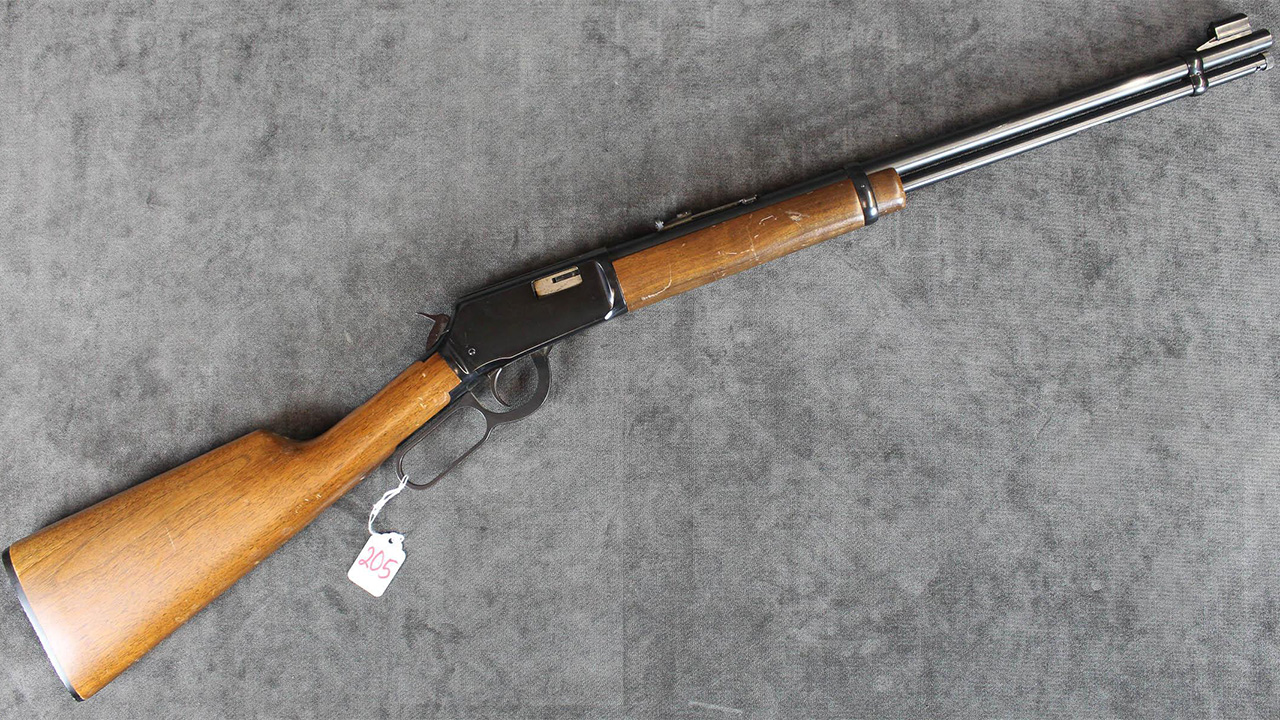
I let a 9422 go because I told myself my other .22s were “just as good.” They weren’t. The 9422 feels like a centerfire rifle shrunk down, and it tends to run clean and slick if you do your part. It’s the kind of rimfire you hand to someone and they immediately smile.
What I learned later is that certain .22 lever guns become family guns. They go to the range, they go on squirrel hunts, they ride behind the seat, and they teach kids what a safe rifle looks like in the hands. They also aren’t getting any easier to find in nice shape. I’d trade a stack of forgettable modern rimfires for that one back, no question.
If there’s a pattern here, it’s not “never sell a gun.” It’s this: don’t sell the ones that do jobs other rifles don’t, and don’t sell the ones you actually enjoy shooting. Lever-actions live in that sweet spot where practicality and simple satisfaction overlap. If you’ve got one that runs, groups, and carries well, you might want to think twice before you stick a tag on it. Ask me how I know.
Like The Avid Outdoorsman’s content? Subscribe to our newsletter so you never miss an article.
Here’s more from us: