Photo credit: WHO_TEE_WHO/YouTube
A rifle can look expensive in the listing, feel decent at the counter, and still leave you confused once you shoot it. Sometimes the stock feels cheaper than the price. Sometimes the trigger is nothing special. Sometimes the accuracy is fine, but not nearly fine enough to explain the money. You start adding up the barrel, action, furniture, finish, and features, and the math does not feel right.
That does not always mean the rifle is junk. Some of these rifles work. Some are even perfectly usable hunting or range guns. The problem is value. When a rifle costs more than expected but does not shoot, handle, or hold up any better than cheaper options, you start wondering what you actually paid for.
Christensen Arms Mesa
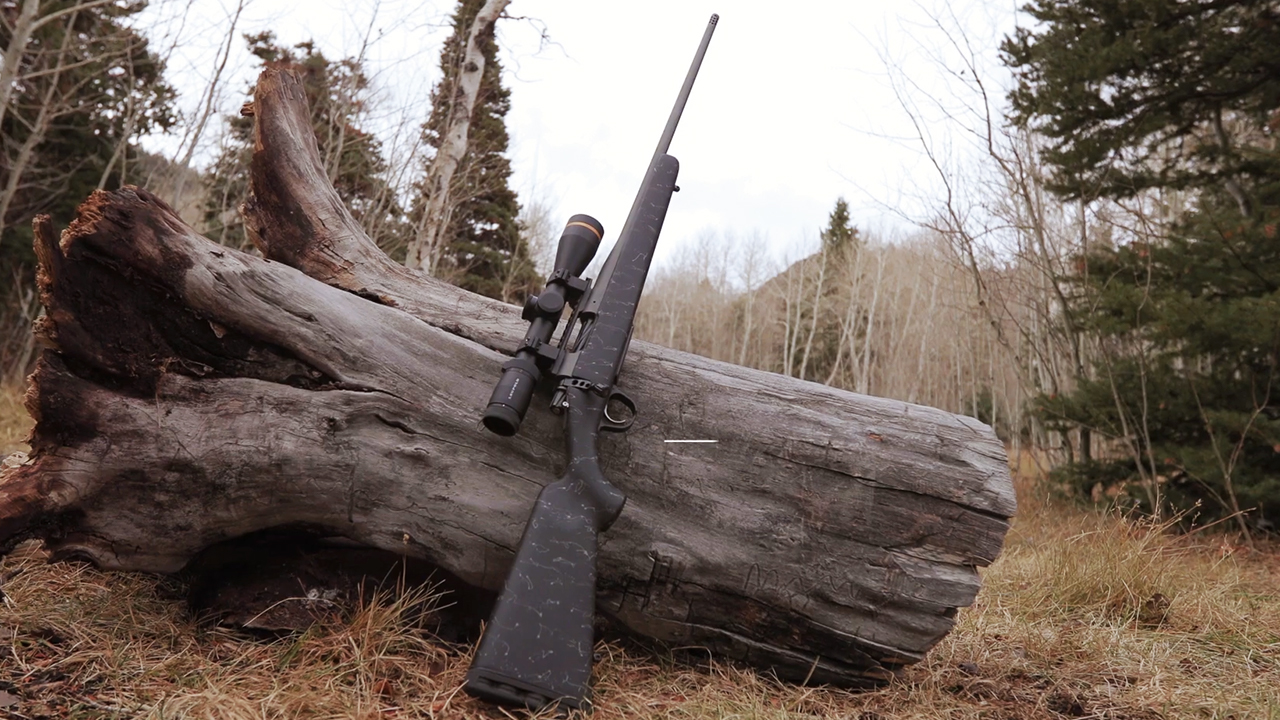
The Christensen Arms Mesa sounds like a serious hunting rifle when you read the spec sheet. It has the look, the name, and enough lightweight hunting appeal to make a guy think he is stepping into something special. You expect it to feel like a clean upgrade over the basic rifles on the rack.
Then you shoot it and realize the value depends heavily on whether your individual rifle performs. Some owners get great accuracy, but others feel like they paid premium money for results that do not beat cheaper rifles by much. When a Ruger American, Tikka, or Howa can shoot tight groups for less, the Mesa can make you question the upgrade.
Weatherby Mark V Hunter
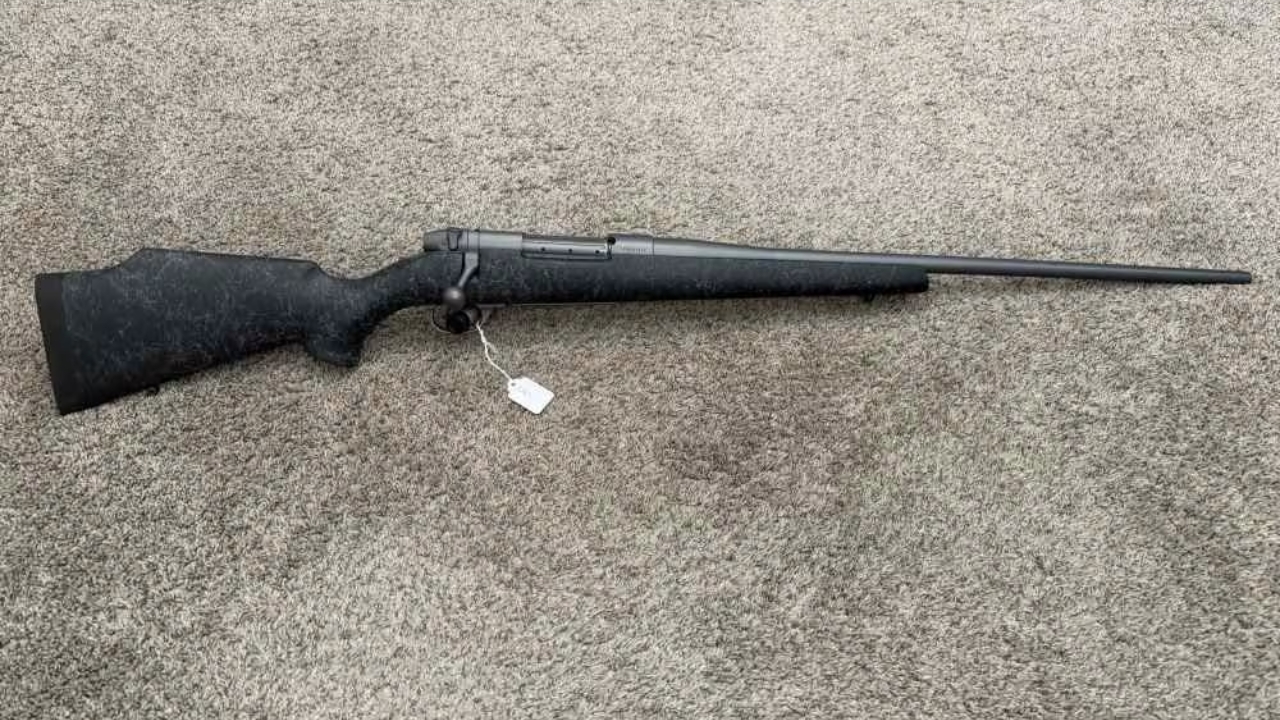
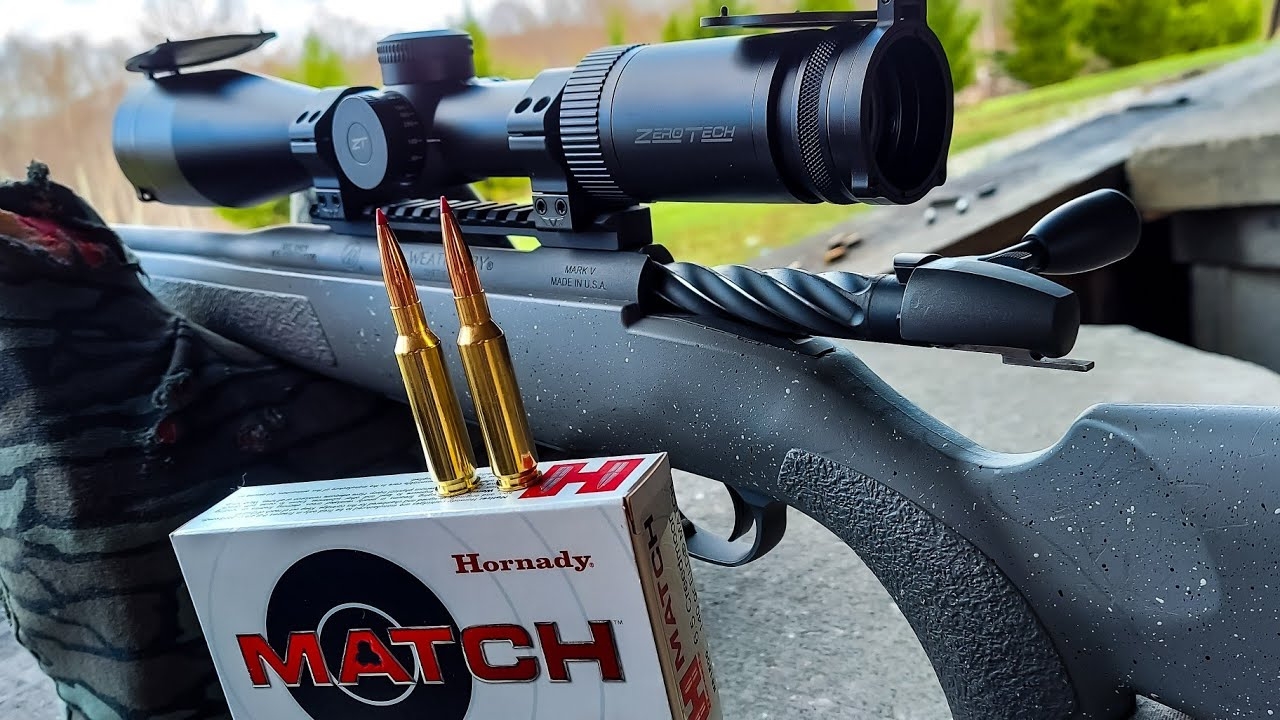
The Mark V name carries weight, and Weatherby knows it. The Hunter version gives you access to that famous action without the glossy, high-dollar look of the classic Weatherbys. On paper, that sounds like a smart way to buy into the Mark V world.
But the price can still feel steep once you compare it to what else is sitting nearby. The rifle is strong and capable, but some hunters expect more refinement for the money. If the stock feels ordinary and the accuracy is only normal hunting-rifle good, you may wonder how much of the cost went into the name stamped on the receiver.
Springfield Armory Waypoint

The Springfield Waypoint got attention fast because it came in with carbon-fiber appeal, modern styling, and accuracy promises that made hunters listen. It looks like the kind of rifle built for someone who wants to skip the budget rack and go straight to a serious field setup.
The problem is that rifles in this price range get judged hard. If the rifle does not fit you perfectly, shoot lights-out with your chosen load, or feel noticeably better than cheaper options, the cost starts standing out. A Waypoint can be a good rifle, but it is expensive enough that “good” may not feel good enough.
Browning X-Bolt Pro
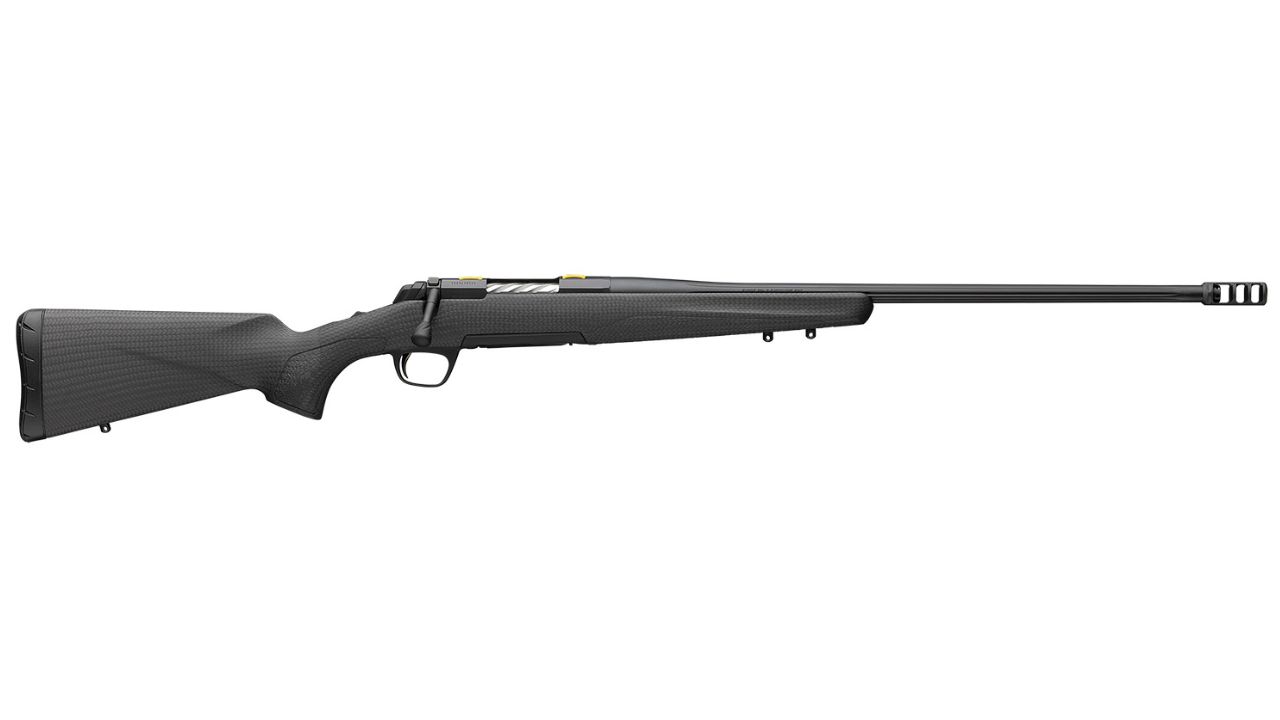
The Browning X-Bolt Pro has all the right shelf appeal. It is light, slick, and dressed up enough to separate itself from the standard X-Bolt line. If you already like Browning rifles, it is easy to convince yourself the Pro is the one worth stretching for.
Then you compare it to a regular X-Bolt, a Tikka, or a Bergara and start asking hard questions. The Pro is not bad, but the higher price does not always translate into a huge difference on target or in the deer woods. Once the new-rifle glow fades, some hunters feel like they paid a lot for trim and finish.
Benelli Lupo
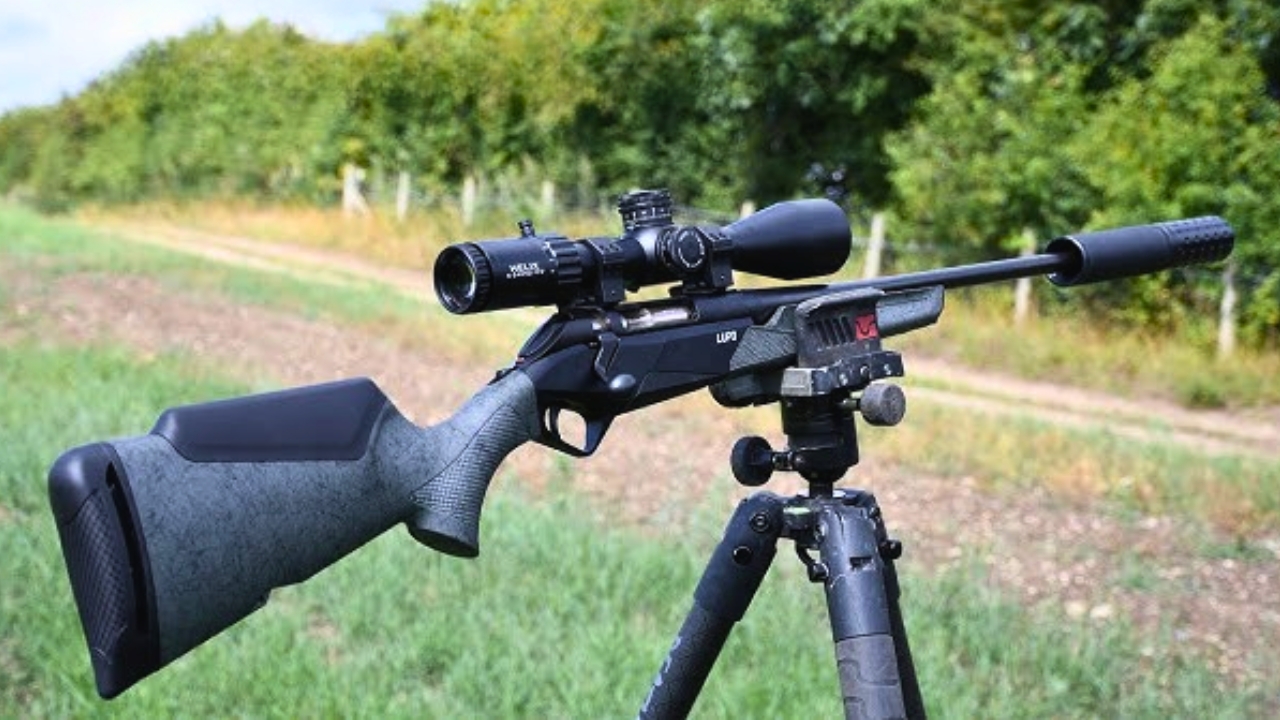
The Benelli Lupo looks different enough to feel expensive before you even check the tag. The modular stock, angular design, and Benelli branding make it stand out hard from traditional bolt guns. For some hunters, that is part of the appeal.
At the range and in the field, though, the Lupo can make you ask whether different really means better. It shoots well for many owners, but the styling and adjustability do not automatically make it worth more than proven rifles with simpler designs. If you are not in love with the feel, the price becomes harder to explain.
Nosler Model 21

The Nosler Model 21 sits in a price range where expectations get serious. You are not buying a casual deer rifle here. You are buying something that should feel refined, accurate, and thoughtfully built from muzzle to recoil pad.
That is why it can leave some hunters second-guessing the spend. The rifle is well made, but the jump from good production rifles to this level has to feel obvious to the owner. If it only shoots a little better, carries a little nicer, or feels only slightly more special, the money gets hard to justify. At that price, small disappointments feel bigger.
Savage 110 Ultralite
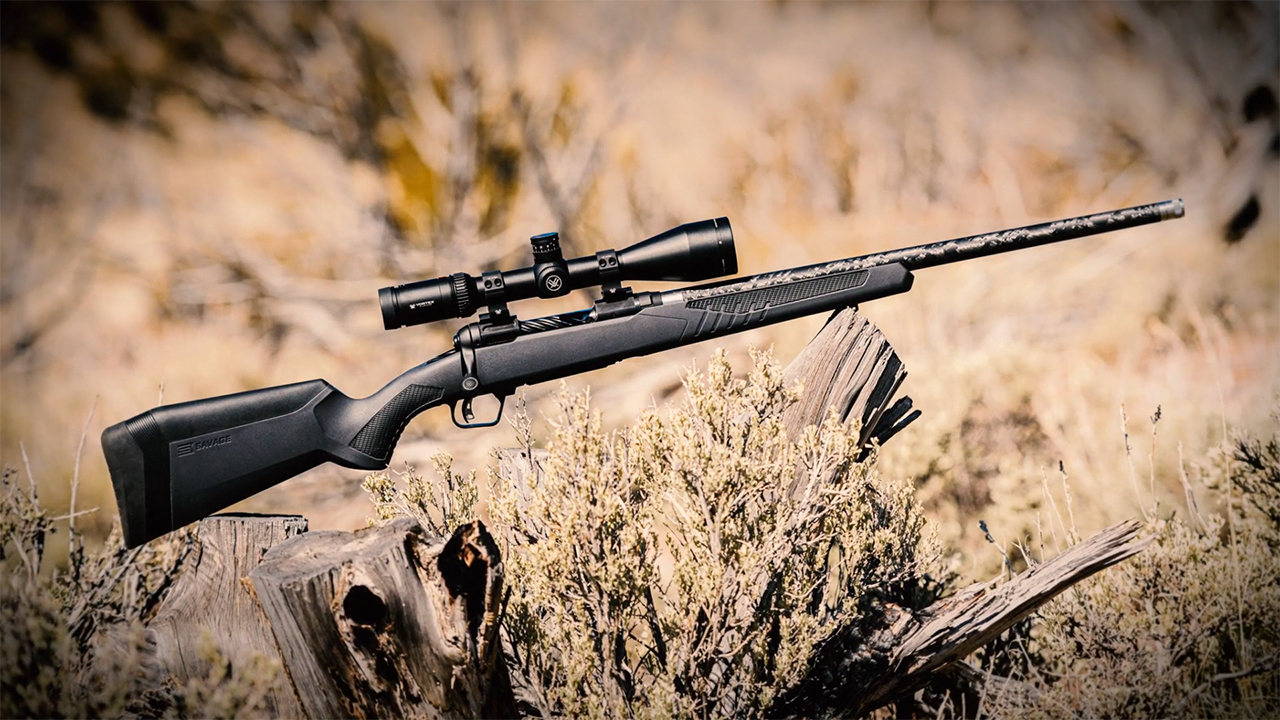
The Savage 110 Ultralite has a strong pitch. A lightweight hunting rifle with a Proof Research carbon-wrapped barrel sounds like a smart way to get premium features without going fully custom. The spec sheet does a lot of selling before you ever pick it up.
Then you shoulder it and remember it is still built around the Savage 110 feel. That is not automatically bad, but the action, stock, and overall finish may not feel as expensive as the barrel suggests. If the rifle shoots well, you can forgive a lot. If it does not clearly outperform cheaper hunting rifles, you start wondering if the barrel got most of the budget.
Ruger Hawkeye Hunter

The Ruger Hawkeye Hunter has old-school appeal with useful modern touches. It gives you a controlled-round-feed action, walnut stock, stainless finish, and threaded barrel. For hunters who still like classic rifle bones, it looks like a smart step up from plastic-stock bolt guns.
The question comes when you compare price to real performance. The Hawkeye is rugged and honest, but the trigger, weight, and accuracy may not feel special next to cheaper rifles that shoot tighter out of the box. You may love the controlled-feed action, but if the groups are ordinary, the money starts feeling more emotional than practical.
Kimber Mountain Ascent

The Kimber Mountain Ascent is built around one big promise: light weight. If you hunt steep country, that matters. A rifle that carries easily all day has real value, and Kimber leans into that hard with the Mountain Ascent.
The trouble is that lightweight rifles are not automatically easy rifles to shoot. Thin barrels heat quickly, recoil feels sharper, and tiny technique mistakes show up fast. When a rifle costs this much, hunters expect it to solve problems, not create new ones. If you shoot a heavier, cheaper rifle better, the Mountain Ascent can feel like expensive punishment.
Fierce Fury
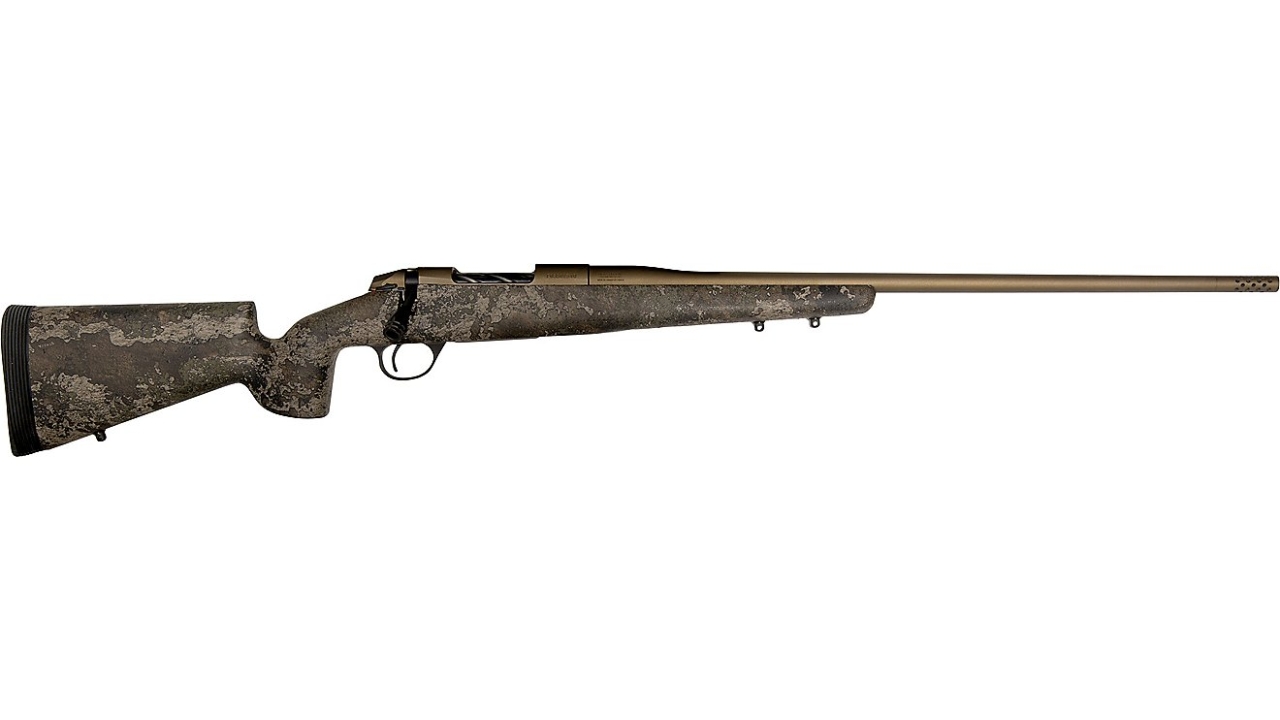
The Fierce Fury tries to sit in that upper production rifle space where hunters expect custom-like performance without going all the way into a full custom build. The name, styling, and accuracy-focused marketing make it sound like a serious buy for someone wanting more than a basic hunting rifle.
But “more” needs to show up clearly. If the rifle feels good but not exceptional, or shoots well but not dramatically better than a Bergara, Tikka, or Weatherby Vanguard, the price becomes the loudest part of the experience. At this level, a rifle cannot just be decent. It has to prove why it cost that much.
Bergara Premier Mountain 2.0

Bergara has built a strong reputation with hunters who want accurate rifles without going custom. The Premier Mountain 2.0 looks like the nicer version of that idea, with better components and a lighter hunting setup. It sounds like the rifle you buy when the standard line is not enough.
That is exactly why expectations can get tough. Bergara’s cheaper rifles already shoot well, so the Premier has to justify the extra money with more than a better badge. If your field accuracy does not improve or the rifle does not feel meaningfully better in your hands, you may wonder why you did not buy a B-14 and spend the rest on glass.
Sako S20

The Sako S20 looked like a modern rifle built to bridge hunting and precision shooting. It had the Sako name, modular furniture, and a design that seemed ready for shooters who wanted one rifle to cover multiple jobs. That idea sounds useful until you start living with the compromises.
The rifle can feel bulky for hunting and not quite as purpose-built as a dedicated precision rig. When you pay Sako money, you expect the experience to feel cleaner than that. If the modular setup does not match your actual use, the S20 can feel like you paid extra for flexibility you rarely need.
Seekins Havak PH2
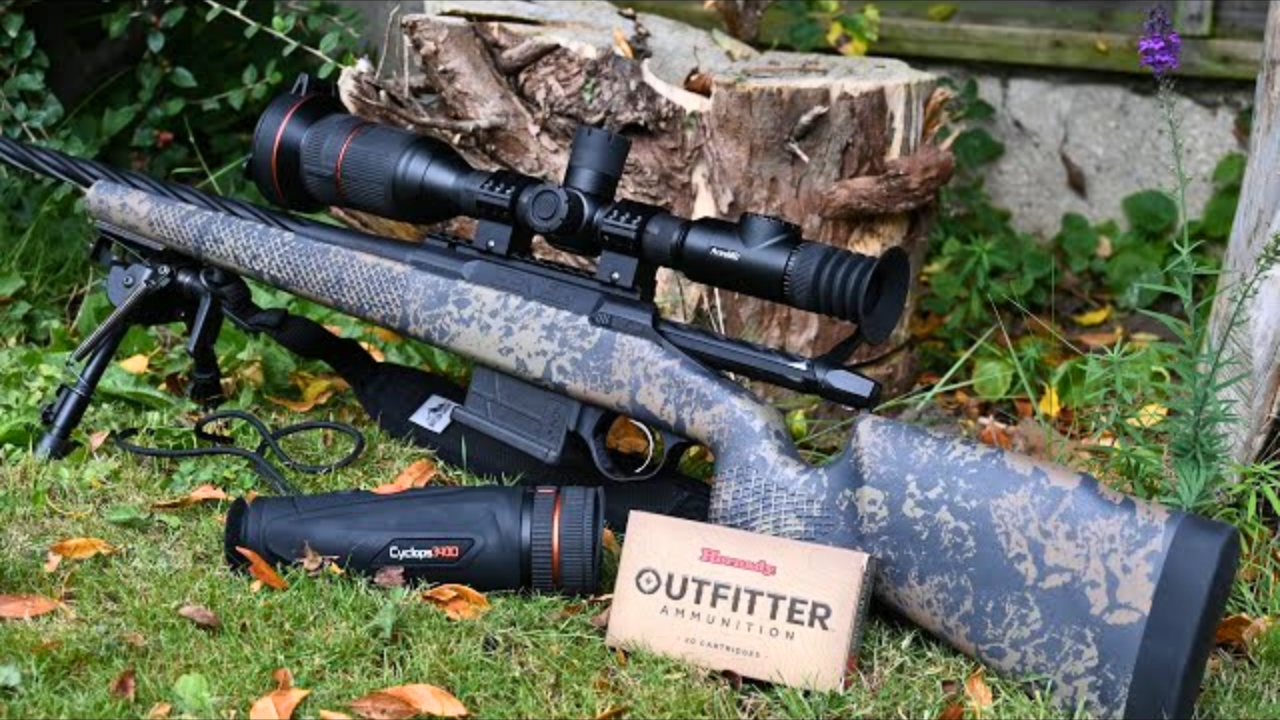
The Seekins Havak PH2 has the kind of spec sheet that grabs serious rifle guys. Lightweight stock, quality action, good barrel, and modern hunting-rifle features all point toward a gun that should feel dialed from day one. It is priced like something that should impress you quickly.
For some shooters, it does. For others, the question is whether it impresses enough. The PH2 lives in a crowded space full of rifles that already shoot well for less money. If the accuracy is good but not stunning, or the handling does not fit you perfectly, it can feel like you paid premium money for only a small real-world gain.
Winchester Model 70 Extreme Weather
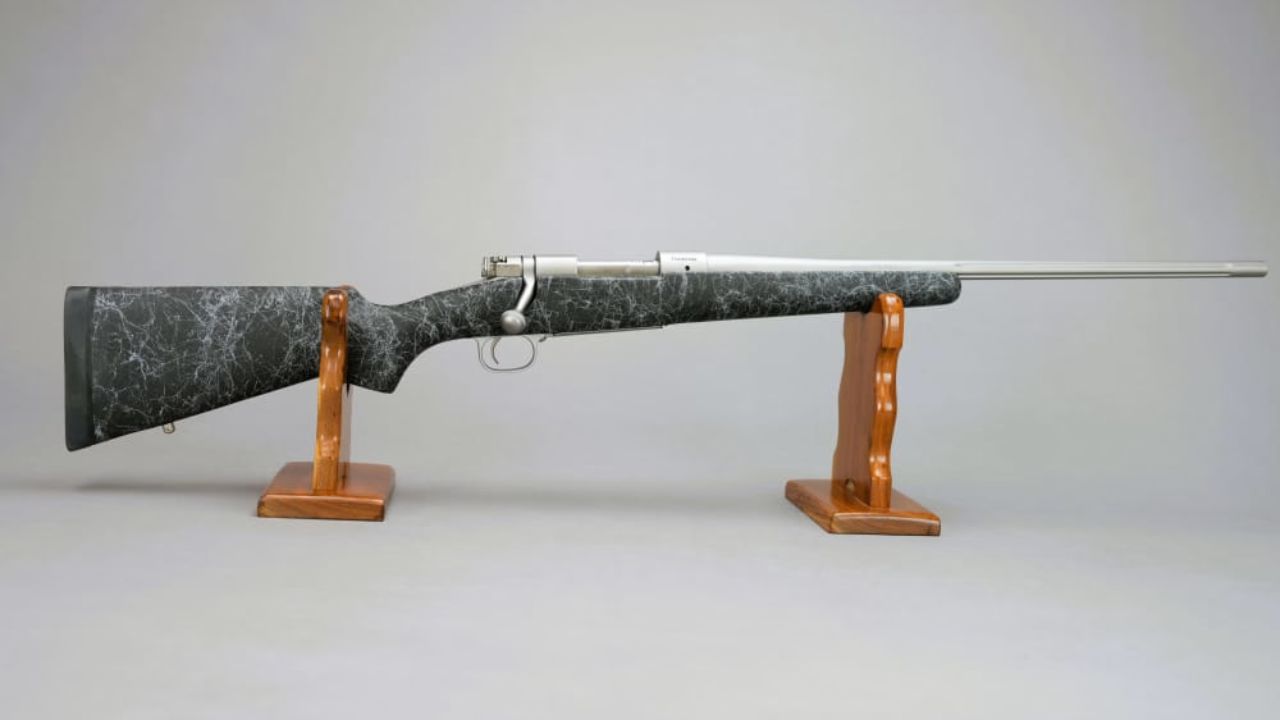
The Model 70 Extreme Weather has a respected name and a practical bad-weather setup. Stainless metal, synthetic stock, controlled-round-feed action, and classic Winchester roots make it appealing if you want a serious hunting rifle with tradition behind it.
The issue is that tradition does not make the rifle immune from value questions. It is not cheap, and some hunters expect better out-of-the-box accuracy, smoother finishing, or a more premium stock feel for the money. If a cheaper rifle shoots as well and weighs less, the Extreme Weather can leave you paying for heritage more than clear field advantage.
Daniel Defense Delta 5
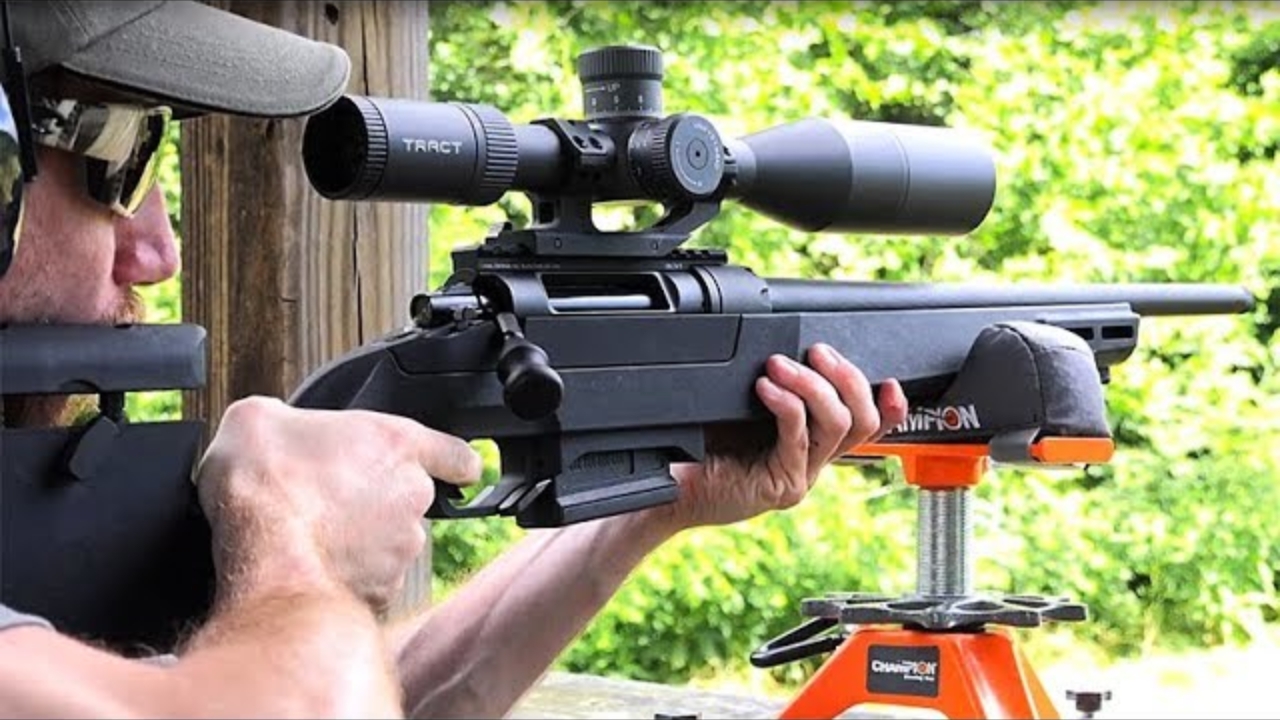
The Daniel Defense Delta 5 entered the bolt-gun world with a name people already respected from ARs. That alone made shooters curious. It had modular features, a heavy precision-rifle look, and the kind of price tag that suggested it should compete hard.
But bolt guns are a different world, and buyers judge them by groups, triggers, chassis feel, and repeatable performance. If the Delta 5 does not clearly beat less expensive precision rifles, the cost gets hard to swallow. The Daniel Defense name may open the door, but it does not automatically explain where the money went once cheaper rifles shoot right beside it.
Like The Avid Outdoorsman’s content? Subscribe to our newsletter so you never miss an article.
Here’s more from us: