Photo credit: Dmitri T/Shutterstock.com
Some rifles can make you look terrible even when your fundamentals are perfect. You breathe right, you settle into the shot, and the rifle turns that careful setup into a stray round. Often it isn’t witchcraft—it’s poor ergonomics, a heavy or unpredictable trigger, loose bedding, bad scope mounting, or a stock that flexes when you shoulder up. A lot of rifles will shoot tiny groups on a calm bench, then fall apart in the field where cold, wind, and adrenaline matter. These are models that, more than once, have taken good shots and turned them into bad hits—not because the hunter failed, but because the gun did. If you carry one of these rigs, be honest about what it makes you do behind the scope.
Remington 783

The Remington 783 arrived as a budget bolt gun, but some shooters quickly found the rifle’s out-of-the-box behavior could ruin clean shooting. The stock bedding and action fit on early examples wasn’t always tight, and that means slight shifts in how the rifle rests change point of impact. A rifle that won’t return to the same zero after a short break between shots will take perfectly aimed shots and scatter them into the brush.
Scope mounts and cheap package optics that come with these kits also add to the problem. Paired with a trigger that some users describe as gritty or inconsistent, the 783 can turn a textbook squeeze into a flier. It’s an affordable gun, but if you want repeatable hits in the field, you’ll need to sort the bedding and trigger first.
Howa 1500 (basic synthetic)

The Howa 1500 is capable, but in its basic synthetic trim it can sneak up on you. The light, hollow-feeling stock on entry-level models sometimes transmits recoil oddly, encouraging shooters to anticipate recoil. Combine that with a factory-mounted optic that wasn’t torqued or indexed correctly, and suddenly follow-ups look like guesswork.
Barrel harmonics from thin-contour factory barrels can also change as the bore heats, so your first group looks great and the second opens. In the field, that’s the kind of rifle that makes you think you missed when, in fact, the gun moved. Have a gunsmith bed the action and fit a proper trigger and mount if you want this platform to turn good fundamentals into real hits.
Ruger American

The Ruger American proved popular because it’s light and portable, but that same lightness can be a liability for consistent hits. The polymer stock flexes a hair under recoil, and that tiny movement will send otherwise solid shots off target when you least expect it. A rifle that feels different each time you shoulder it won’t let you translate solid sight picture into repeatable accuracy under pressure.
Also, while Ruger’s factory triggers have improved, older variants and some early-production batches had inconsistent breaks. A crisp, predictable trigger is part of making good fundamentals count; without it, you’ll find yourself having to fight the rifle on every squeeze. Bedding and a better pad or stock are common fixes.
Mossberg MVP
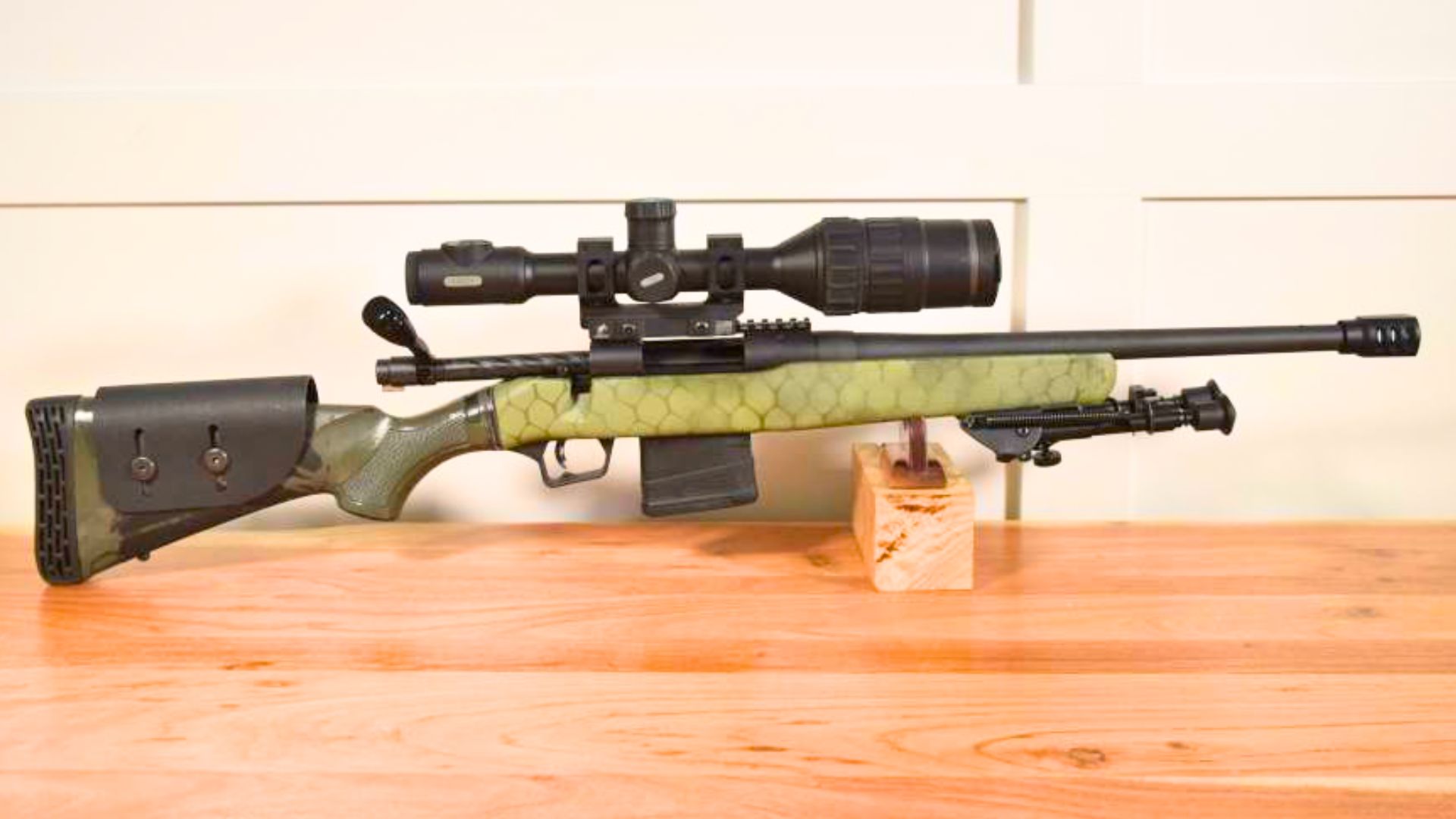
The Mossberg MVP lineup offers AR-style ergonomics in a bolt gun, but some shooters find that modular feel makes them sloppy in the field. The stock geometry can encourage a higher grip and inconsistent cheek weld for some shooters, and that slight change in head position shows up as point-of-impact drift. On the range you’ll print nice groups, but under a stand light or after a long hike, that inconsistent mounting equals missed opportunity.
Additionally, early MVP rifles shipped with budget rings and optics that weren’t ideal for the platform. A scope that shifts a fraction or mounts that aren’t torqued consistently will turn a clean squeeze into a surprise. Sort the optics and grind out a proper cheekpiece and this platform tightens up—until then it’ll betray good shooting fundamentals.
Browning X-Bolt (synthetic youth/compact)
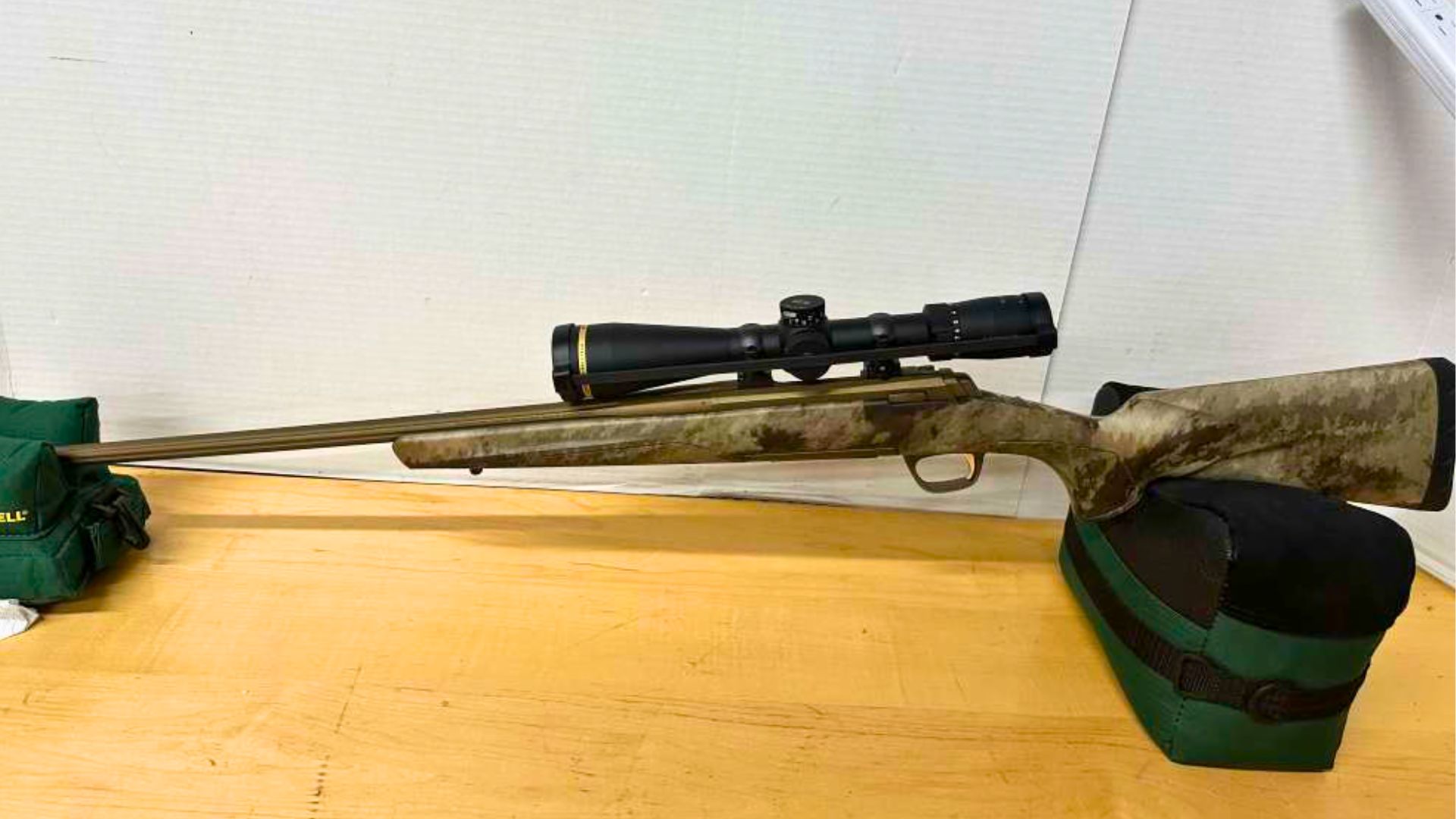
The X-Bolt is usually excellent, but the compact or youth synthetic variants trade mass for carry comfort—and that weight loss bites when you need steady follow-through. Lighter rifles magnify recoil and muzzle rise, which can toss off recovery and send otherwise perfect shots high. The short forend on compact models also affects how the rifle sits in a rest, creating inconsistent harmonics.
Add a heavy-sprung trigger or cheap factory glass and the math gets worse: one clean break, one unpredictable result. Many hunters love the X-Bolt’s action and accuracy potential, but if you buy a lightweight trim and don’t address recoil management and bedding, you’ll be blaming your form for what the rifle did.
Marlin 1895 (express trim)

Lever guns have a place, but certain Marlin 1895 trims—especially those with short, light stocks—can take a mountain of recoil and hand that energy back to your cheek in a way that ruins follow-up shots. The hard recoil impulse and abrupt muzzle flip make it easy to anticipate the blast and push shots wide. Even if your aim is perfect, the way the rifle moves in your hands changes the result.
Also, the lever action’s sighting plane (often iron or low-mounted optics) forces a different head position that some shooters forget to maintain. Small changes in cheek weld on a strong-kicking lever gun equal bad hits. Proper recoil pads and a deliberate hold solve most of it, but few treat it as part of the system.
CZ 550
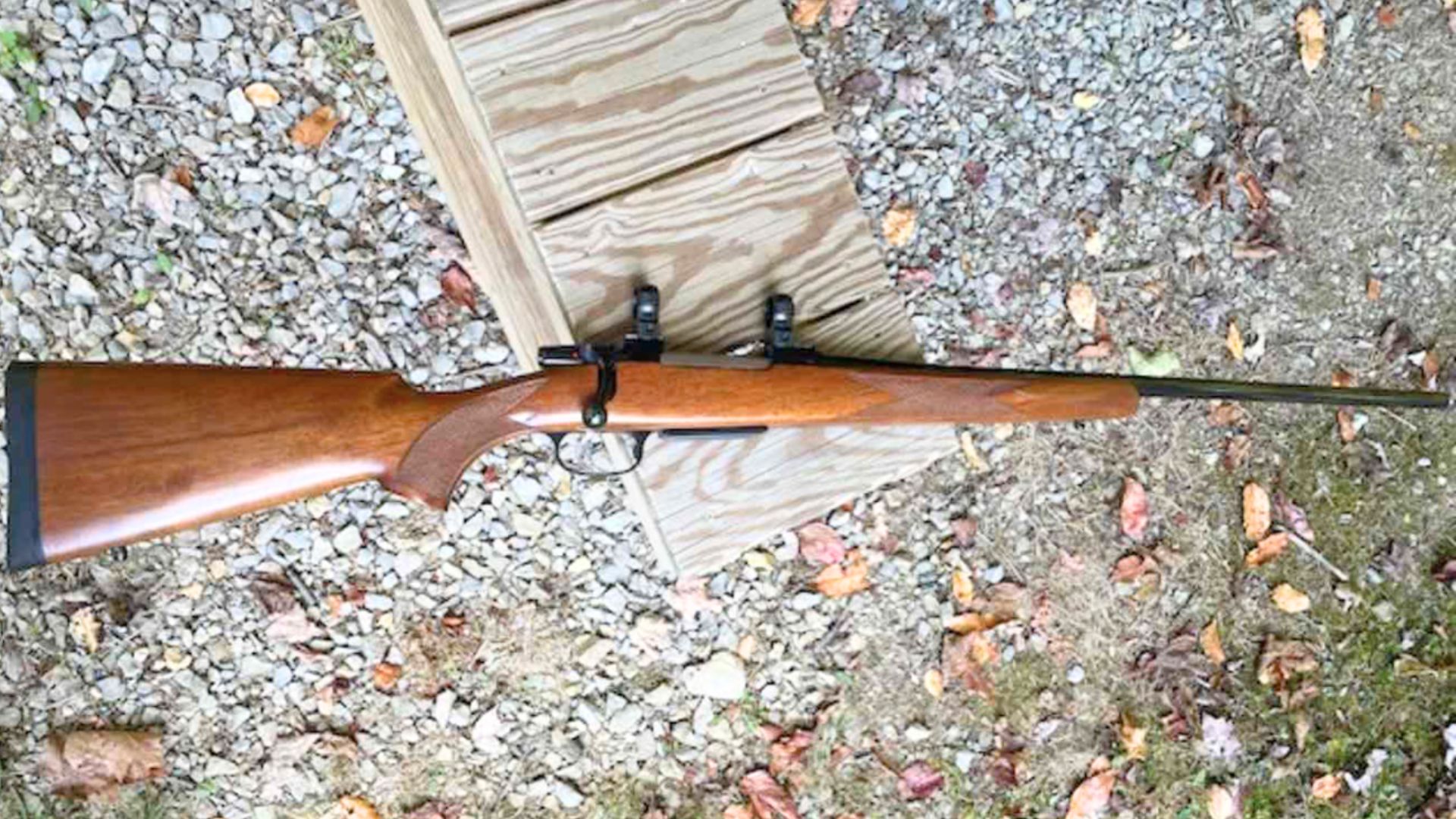
The CZ 550 is a solid action, but the problem shows up when it’s sold in low-cost packages with soft rings and low-quality optics. A rifle that shoots fine with one set of mounts and then prints fliers when switching to the included rings isn’t forgiving. If your scope slips or the rings compress differently each time, that’s a surefire way to convert good presses into bad impacts.
Even tight shooters find themselves wondering what happened when the optical system doesn’t hold. Match-grade accuracy dies on bad mounts and careless torque, and the CZ platform is honest about it. Upgrade the rings and bedding, and you’ll regain those hits.
Winchester Model 70

The Model 70 is legendary, but older or budget repros with worn bolt races or loose lug fit can create inconsistent lockup. Every time the barrel stops in a slightly different position, your point of impact shifts. That’s the kind of mechanical variability that makes perfect fundamentals meaningless in practice.
Shooters who inherit weathered examples often report cloverleaf groups on one day and scattered hits the next. The fix is a gunsmith’s attention to headspace and bolt fit—but until then, you’ll wonder why your clean shooting looks so unreliable.
Ruger Mini-14

The Mini-14 is a classic ranch rifle, but its loose tolerances and light barrel don’t favor repeatable precision. Even experienced shooters will see flyers at distances where elk-sized targets live. The gas- or rimmed-action design doesn’t harmonize like a precision bolt gun, and that shows up as unpredictable grouping under the stress of a real shot.
It’s great for close work and brutal conditions, but take it beyond its comfort zone and you’ll see how a hardworking rifle can turn a good sight picture into a disappointing hit. Expect reliable function, not minute-of-angle performance.
Savage 12 FVT
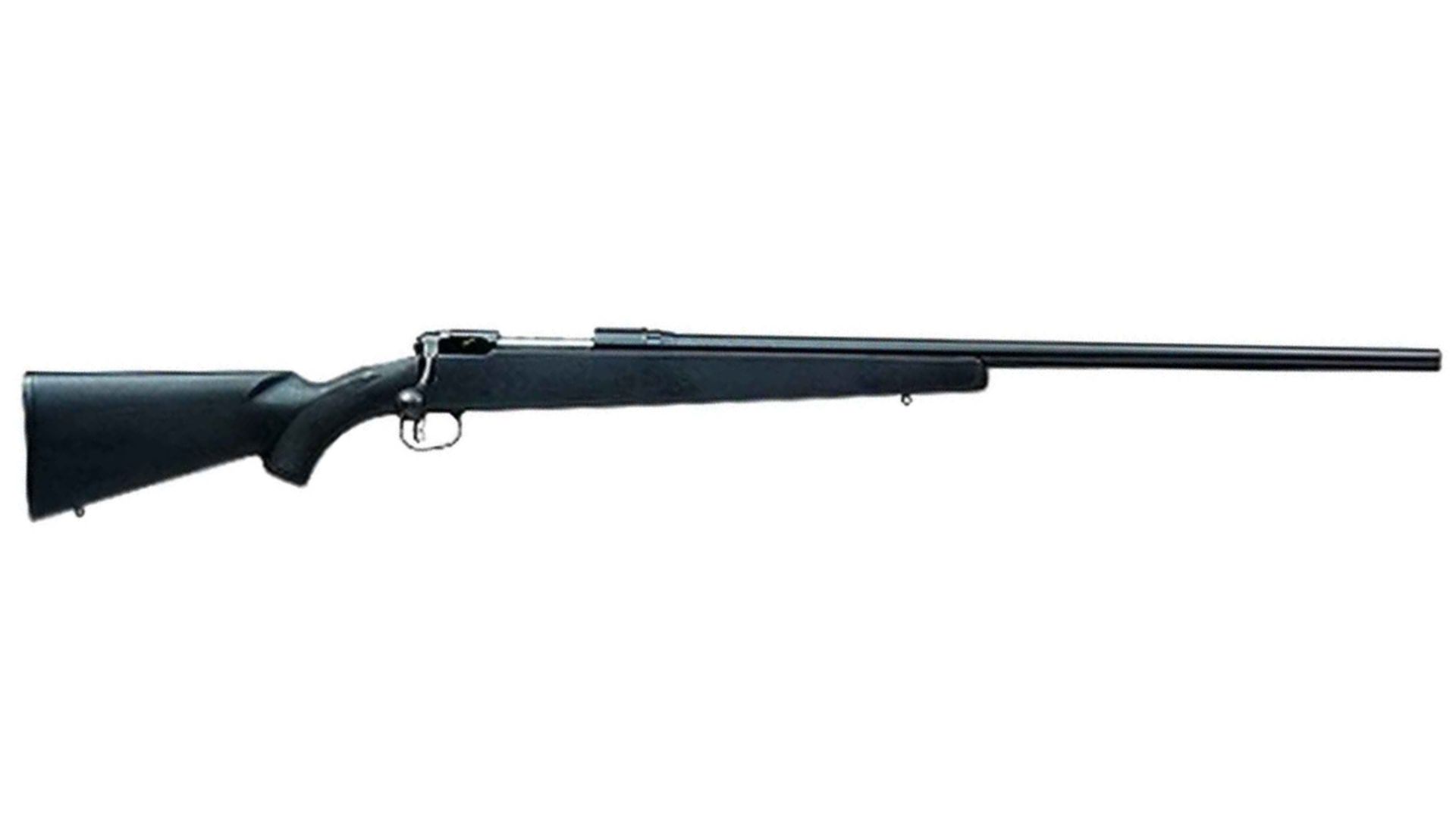
Savage makes many accurate rifles, yet some sporter trims—particularly budget ones with thin barrels and cheap stock bedding—won’t hold up shot to shot. Those thin barrels change harmonics fast as they heat, so your second or third round can land far from the first. A rifle that changes point of impact as the barrel warms will convert perfect fundamentals into inconsistent downrange results.
Even with Savage’s adjustable elements, a weak stock and poor bedding make it far too easy to misfire your follow-up accuracy. Treat the barrel and bedding as the weak link if you want this rifle to stop betraying your shot.
Thompson/Center G2 Contender Carbine
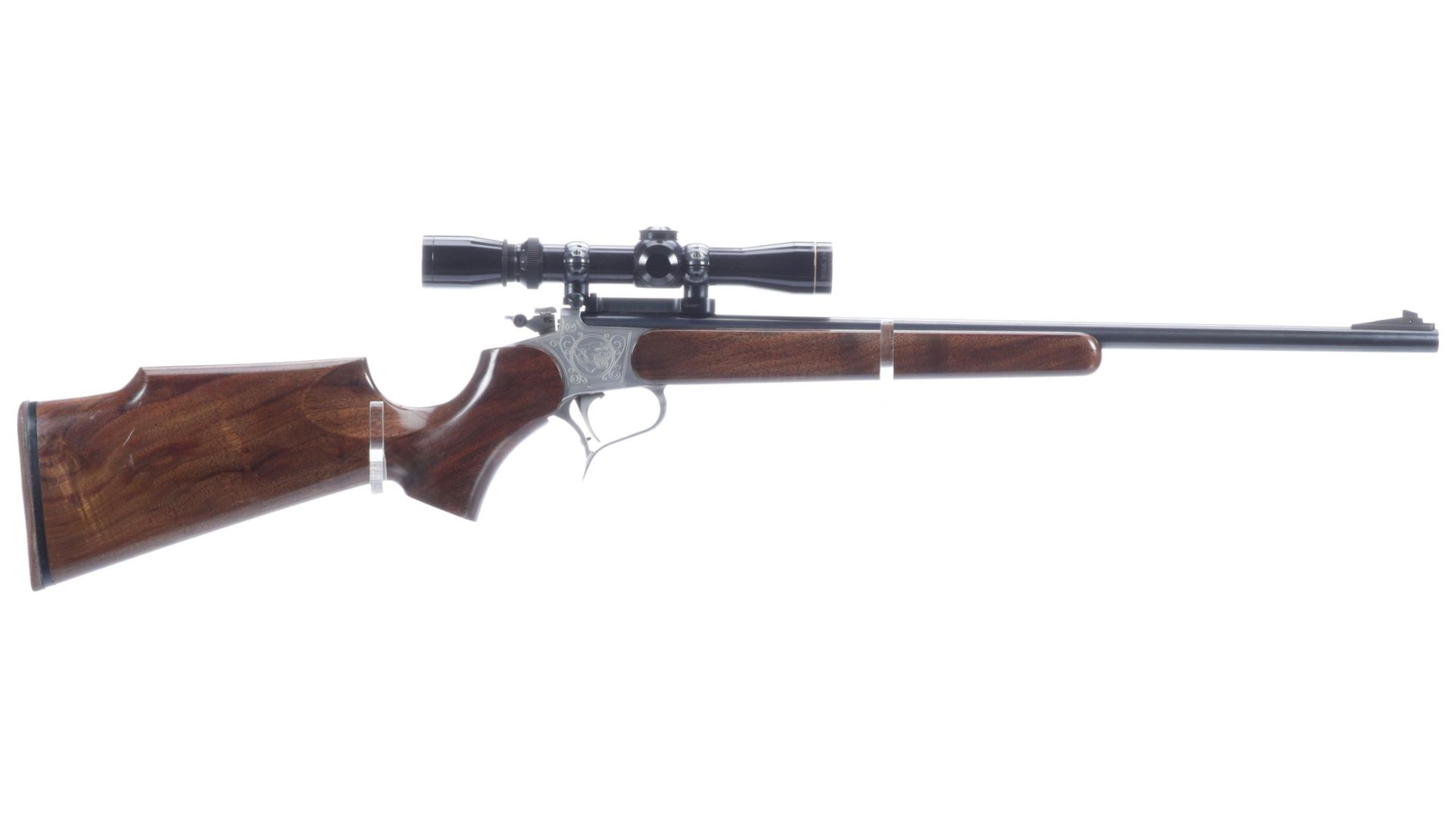
The G2 Contender platform is handy, but many shooters push short barrels with hot pistol loads and run into surprising harmonics and throat erosion. When a gun’s harmonics sing at a different frequency every shot, the bullet exits at slightly different angles. If you’re using a heavy-recoiling hot load in a short barreled carbine, your clean squeeze can become a flyer because the gun isn’t settling the same way twice.
It’s a flexible setup for the woods, but it demands careful load selection and practice. Ignore that and your fundamentals won’t stand a chance.
Anschutz-style rimfire trainer with cheap mounts
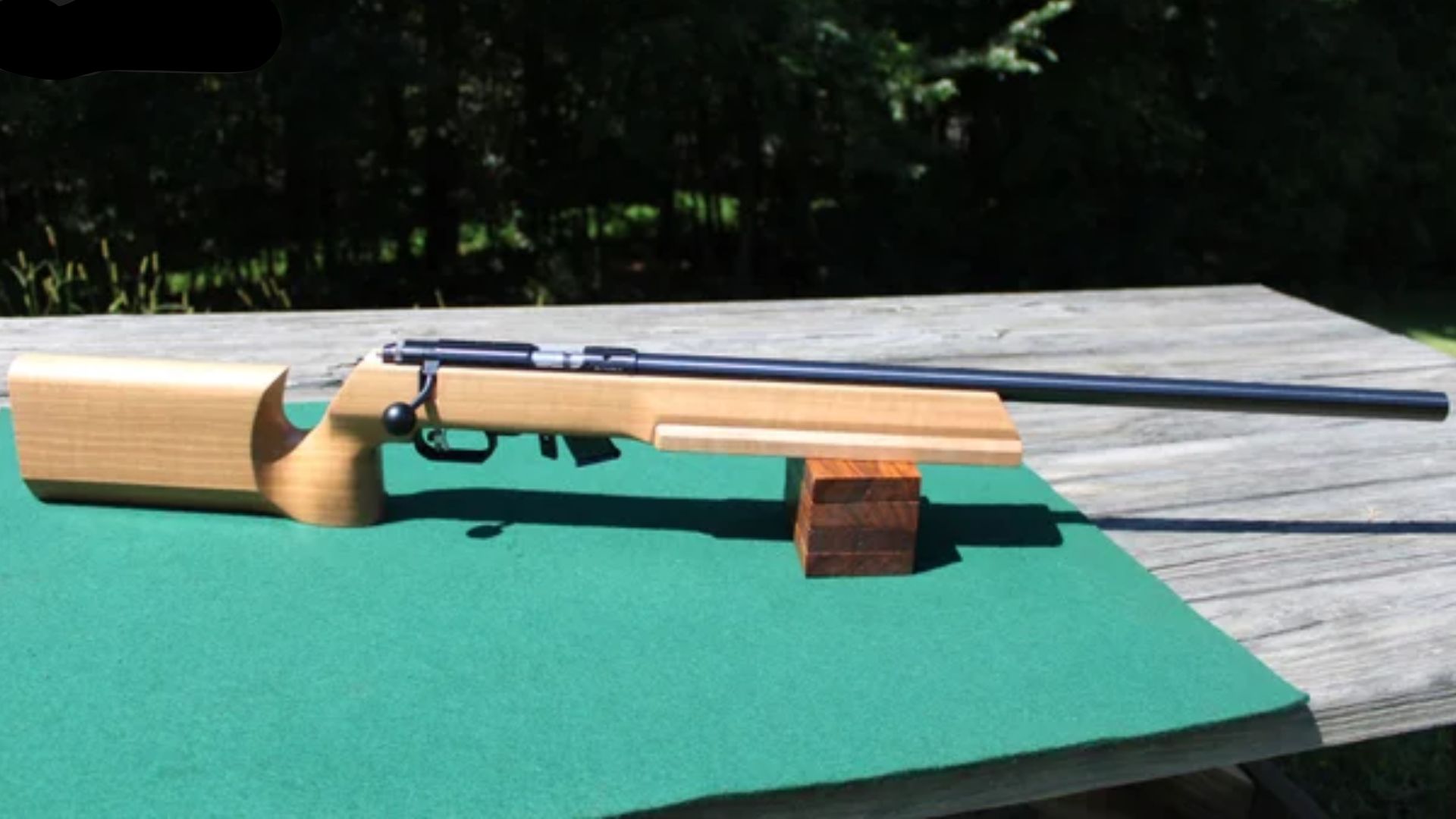
You trust a trainer to teach poise and trigger control, but when a cheap rimfire is built into a hunting-style stock and fitted with low-end rings, the trainer becomes the problem. Rimfire barrels and bolt fit are picky; poor mounting changes harmonics and ruins point of impact. Suddenly, the mental muscle you’re building at 50 yards doesn’t translate to a centerfire hunt because the hardware moves under the same squeeze.
Many shooters blame the small rifle when, in fact, it’s the optics and rings that let the rig down. Use quality mounts and consistent bedding even on trainers to keep good fundamentals honest.
Bergara B14 (mismatched factory glass)
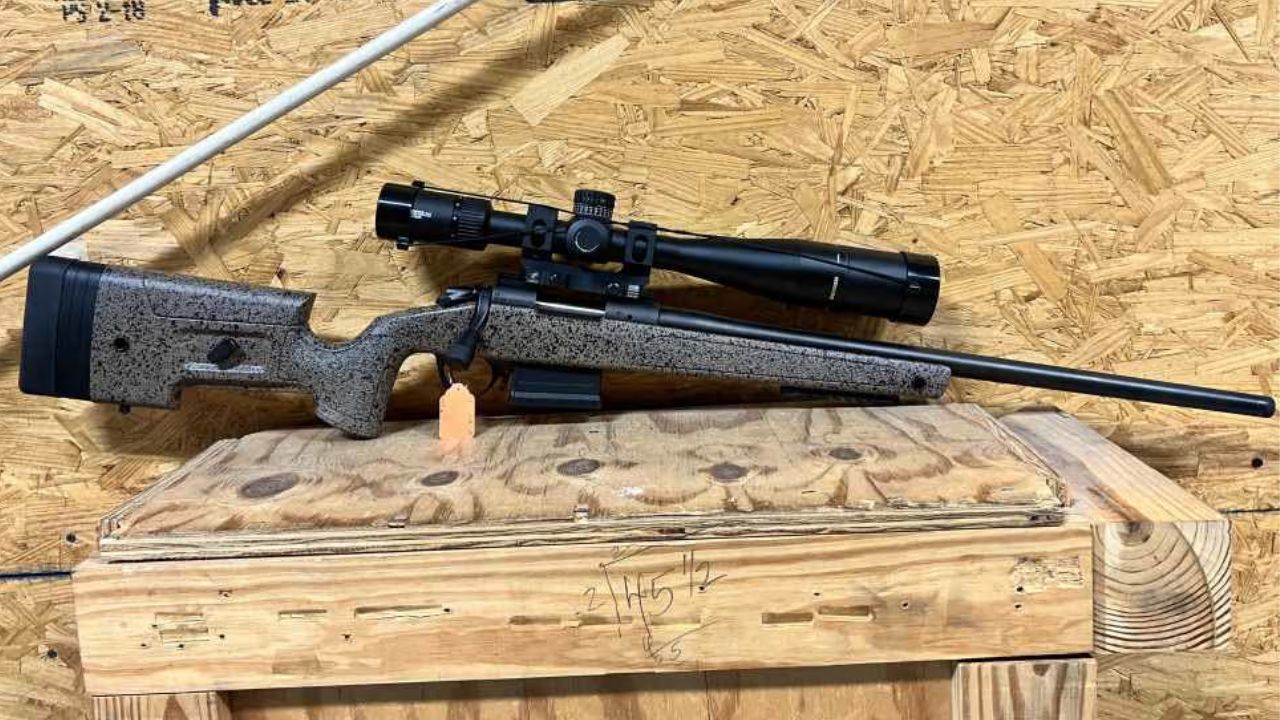
Bergara barrels are often stellar, but sometimes dealers ship them with glass and rings that don’t suit the rifle. A great barrel with a scope that’s out of spec is like having a Ferrari steering wheel bolted to a lawnmower. The result is accurate promise with unpredictable delivery—clean breaks one day, baffling misses the next.
If you find yourself shooting well at the range but failing in the hill country, check the optics interface before your form. The barrel won’t lie, but a poor scope setup will make you.
Like The Avid Outdoorsman’s content? Be sure to follow us.
Here’s more from us:
The worst deer rifles money can buy
Sidearms That Belong in the Safe — Not Your Belt
*This article was developed with AI-powered tools and has been carefully reviewed by our editors.