Photo credit: BIG MAN with GUN/YouTube
New cartridges get a lot of attention because they are easy to sell. They promise flatter flight, better efficiency, less recoil for the performance, or some cleaner answer to a problem hunters and shooters may not have been struggling with all that much to begin with. Some of them are genuinely good. Some earn a real place. But plenty of older rifle cartridges keep doing the kind of useful work that matters more than buzz. They fill tags, stay easy to find, shoot well in ordinary rifles, and keep proving that broad usefulness usually ages better than a flashy launch.
That is why some cartridges continue to outwork newer options year after year. They are not always the loudest rounds in the room, but they are often the ones people can actually buy, actually shoot well, and actually trust in real hunting conditions. A cartridge that works across common game, common distances, and common rifles without a lot of drama usually ends up lasting a lot longer than the one that needed a huge sales pitch. These are the rounds that keep getting chosen because they keep getting the job done.
.308 Winchester
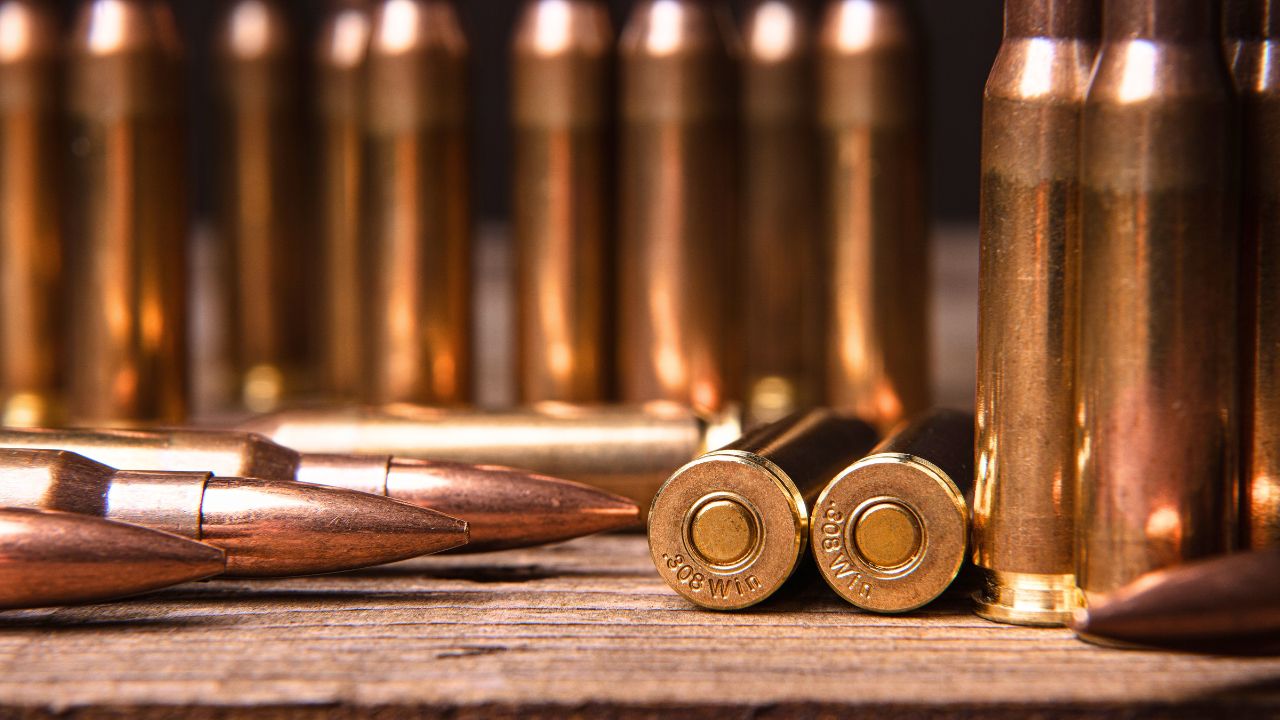
The .308 Winchester continues to outwork newer options because it still sits in one of the smartest practical slots in the rifle world. It gives hunters enough power for deer, hogs, black bear, and larger game with proper bullets, while keeping recoil manageable for most shooters. That balance matters more in the real world than another hundred feet per second ever will. A lot of newer cartridges try to beat it in one category or another, but very few make it feel unnecessary across the whole package.
It also keeps winning because it is easy to live with. Rifles are everywhere, ammunition is everywhere, and the cartridge performs well from a wide range of barrel lengths without becoming fussy or specialized. A hunter or shooter can actually build habits around a round like this without worrying about support drying up or ammo prices getting strange. That is exactly how older cartridges keep outworking newer ones.
.30-06 Springfield

The .30-06 Springfield continues to outwork newer options because it still covers an enormous amount of hunting ground without forcing the owner into a specialized mindset. Deer, elk, hogs, black bear, and a lot more are still well within its comfort zone, and that broad usefulness has always been one of its greatest strengths. A newer cartridge might beat it in efficiency or recoil within a narrow comparison, but the .30-06 keeps answering more real hunting questions than most of them do.
It also benefits from being deeply understood. Hunters know what it does, know what loads are available, and know how to work with it in ordinary rifles. That kind of maturity matters. A cartridge that can still be bought almost anywhere, chambered in almost anything sensible, and trusted for real field work is extremely hard to replace no matter how many newer options show up beside it.
.270 Winchester
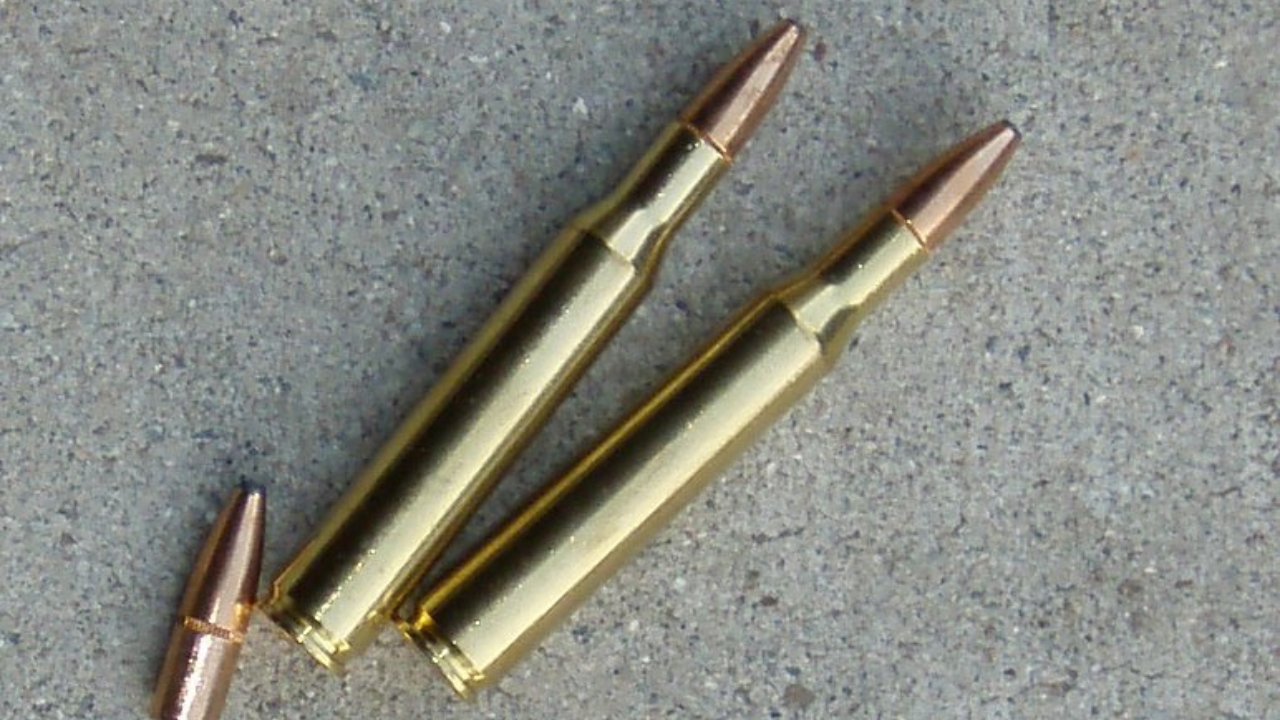
The .270 Winchester continues to outwork newer options because it still offers a highly practical blend of reach, manageable recoil, and field performance on the kind of game a lot of hunters actually pursue. It stays easy to shoot well, easy to zero, and easy to trust when a deer or antelope finally gives you a shot in the open. That combination has not gone out of style, even if the market keeps trying to dress it up in new packaging.
A lot of newer rounds promise some version of the same thing, but the .270 remains hard to beat because it already had the formula right. It is supported everywhere, works in common hunting rifles, and does not ask the owner to treat it like a specialist’s tool. Cartridges like this keep outworking newer ideas because they remain broad, steady answers to ordinary problems.
.30-30 Winchester

The .30-30 Winchester continues to outwork newer options because a huge amount of deer hunting still happens in the exact kind of country it was built for. Thick timber, brushy edges, creek bottoms, and short-to-moderate range shots are still part of real hunting life, and the .30-30 has never needed a long-range reputation to excel there. Newer cartridges can be faster, flatter, and louder in conversation, but the .30-30 still keeps tagging deer where many hunters actually hunt.
It also helps that the rifles chambered for it tend to be practical in ways newer hunting rifles are not always trying to be. A handy lever gun with a cartridge that just works remains one of the easiest setups to understand. That simplicity, plus broad ammo availability and a long record of clean kills, is exactly how an older round keeps outworking trendier competition.
.243 Winchester

The .243 Winchester continues to outwork newer options because it keeps doing something many cartridges still fail to do well enough: it lets a lot of people shoot accurately and confidently. Recoil matters. A cartridge that encourages practice and reduces flinch often performs better in real hands than something theoretically stronger but much less pleasant to shoot. For deer-sized game, varmints, and younger or recoil-sensitive hunters, the .243 still solves real problems cleanly.
That practical value is why it keeps lasting. Newer 6mm cartridges may promise better numbers, but the .243 already has broad rifle support, easy availability, and a long field record. It remains one of those rounds that gets underestimated mainly because it has been useful for so long people stop noticing. That usually means it is still doing a lot of work.
7mm-08 Remington

The 7mm-08 Remington continues to outwork newer options because it is one of the better examples of a cartridge that simply got the balance right. It offers enough authority for deer, hogs, black bear, and more with proper bullets, while staying mild enough that many shooters can actually enjoy practicing with it. That matters a great deal more in the field than some people want to admit.
What keeps it ahead of newer rounds in practical use is that it does not demand much in return. It works well in short-action rifles, has sensible recoil, and carries very little wasted motion in what it offers. A lot of newer cartridges show up trying to carve out tiny performance gains. The 7mm-08 keeps quietly beating many of them by remaining easy to own and easy to trust.
.25-06 Remington

The .25-06 Remington continues to outwork newer options because it still offers a very useful answer for hunters who want speed, mild-to-moderate recoil, and strong deer and antelope performance without jumping into something more expensive or more punishing. It shoots flat enough to build confidence in open country, and it does that without creating the kind of wear-and-tear relationship some hotter rounds bring with them.
It also keeps proving that older cartridges do not become less effective just because the market gets distracted. The .25-06 still fits real hunting better than many newer rounds that were sold as improvements on the same basic role. When a cartridge keeps doing the job cleanly, keeps support in the market, and keeps shooters comfortable behind the trigger, it usually stays more useful than the newer rounds trying to replace it.
.35 Whelen
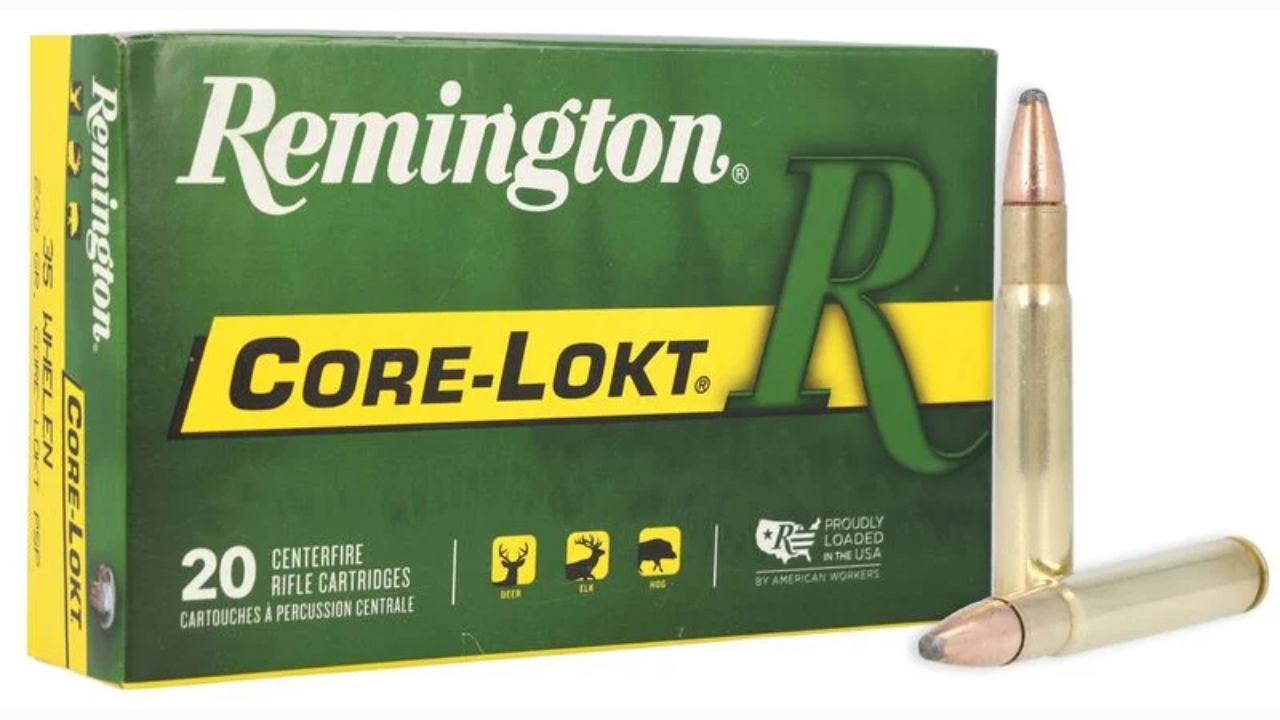
The .35 Whelen continues to outwork newer options because it gives hunters real heavy-game authority without dragging them all the way into magnum recoil and magnum fuss. It is an extremely honest cartridge. It throws a substantial bullet, handles elk, black bear, and larger-bodied game with confidence, and does it in practical rifles that do not have to feel like punishment devices. That kind of field usefulness still matters a lot.
It also stays relevant because it solves a real problem without pretending to be universal. A lot of newer cartridges try to win with marketing language around efficiency and versatility. The .35 Whelen just keeps hitting hard and doing the kind of work it was always built for. That directness is often exactly why an older cartridge ends up outworking something newer and more heavily promoted.
.280 Remington

The .280 Remington continues to outwork newer options because it sits in a very smart hunting lane without needing much attention to do it. It offers broad game usefulness, excellent practical field performance, and recoil that stays more manageable than a lot of hunters expect from a cartridge this capable. It has never needed to dominate the spotlight to remain a smart answer.
That is also why it ages so well. The .280 did not depend on trend energy to survive. It depended on being genuinely useful, and that usually works better in the long run. A lot of newer rounds appear promising because they sound more specialized or more advanced, but the .280 keeps beating them by doing ordinary hunting work extremely well without asking for a lot of explanation.
.223 Remington

The .223 Remington continues to outwork newer options because it remains one of the easiest centerfire cartridges to train with, shoot often, and actually afford over time. For varmint work, predator hunting, training, ranch use, and general rifle practice, it still makes a tremendous amount of sense. Newer cartridges may offer more speed, more reach, or a more interesting identity, but the .223 keeps doing more everyday work because it is simply easier to live with.
That ease matters. A cartridge that people can afford to practice with, find in common rifles, and rely on for common jobs tends to stay more useful than something more specialized. The .223 does not need to be dramatic to remain effective. It just needs to keep showing up as the sensible answer for a very wide range of practical use, and it still does.
.45-70 Government

The .45-70 Government continues to outwork newer options because there are still plenty of places and situations where a big, heavy bullet at moderate range makes excellent sense. Thick timber, hogs, black bear, and larger game inside ordinary distances are all part of the real hunting world, and the .45-70 remains extremely comfortable in that lane. It is not trying to be a flat-shooting all-rounder. It is trying to be decisive where it matters.
That focus is exactly why it lasts. A lot of newer cartridges promise versatility and speed, but the .45-70 keeps beating them in the specific jobs it was born for. It also benefits from strong rifle options and a level of field confidence that many shooters still appreciate. Older cartridges keep outworking newer ones when they stay brutally effective in roles that never went away.
.300 Winchester Magnum

The .300 Winchester Magnum continues to outwork newer options because no matter how many modern long-range hunting rounds come and go, this cartridge still gives hunters a broad, proven answer for larger game and longer practical distances. It carries authority, reach, and broad ammo support in a package the market still fully understands. That is a strong combination.
A lot of newer rounds try to beat it through efficiency claims or smaller perceived compromises, but the .300 Win Mag keeps doing the one thing that matters most: it remains widely available and widely trusted. Hunters know what it is, know what it can handle, and know that rifles chambered for it are everywhere. That kind of real-world support keeps an older cartridge ahead of a lot of newer ones very quickly.
.257 Roberts

The .257 Roberts continues to outwork newer options because it still offers one of the most sensible combinations of easy shooting and practical deer-sized game performance around. It does not kick much, it tends to be very pleasant to shoot, and it handles its intended work with a quiet confidence that many trendier rounds spend a lot of time trying to imitate. It is a cartridge built around sensible field use, and that still matters.
Its biggest disadvantage has always been attention, not capability. Because it never became the loudest thing in the room, people forget how genuinely useful it is. But a cartridge that lets hunters shoot well, hunt effectively, and enjoy the whole process is often doing more real work than the newer option that sounded better during launch season.
6.5×55 Swedish
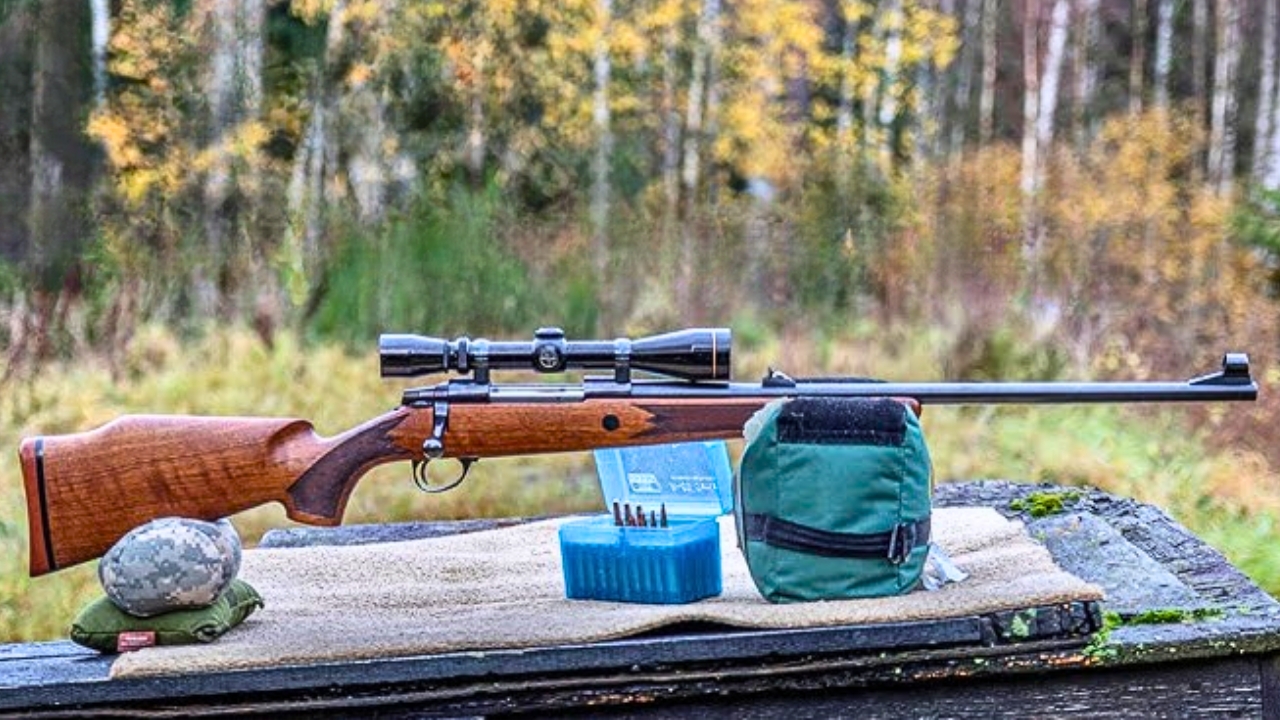
The 6.5×55 Swedish continues to outwork newer options because it remains one of the better examples of a cartridge that was efficient and balanced long before those words became selling points. It shoots accurately, recoils moderately, and performs very well on deer-sized game and beyond with proper bullets. That kind of balance has always been difficult to improve on in any meaningful real-world way.
Newer 6.5 rounds often get more attention, but the old Swedish round keeps reminding people that mature design still matters. It continues to work in practical hunting contexts without making a lot of noise about itself. That is usually how older cartridges stay alive: by remaining deeply sensible while newer ones fight for headlines.
.358 Winchester

The .358 Winchester continues to outwork newer options because it offers real close-to-moderate range authority in a short-action rifle without demanding magnum powder charges, magnum recoil, or magnum attitude. It is an extremely practical cartridge for larger-bodied game and thick-country hunting, and it has always made more sense in actual field use than its visibility in the market would suggest.
That is what gives it staying power. While newer rounds keep getting introduced to carve out some new niche, the .358 Winchester continues to answer a very real hunting need in a very direct way. A cartridge that hits hard, fits practical rifles, and does not make the owner work too hard to live with it is exactly the kind of older option that keeps outworking newer competitors.
6.5 Creedmoor

The 6.5 Creedmoor continues to outwork newer options because it has already moved past the stage where people only talk about it and into the stage where it simply keeps doing useful work. The hype around it caused some shooters to overreact, but once the noise settled, what remained was a cartridge with manageable recoil, strong practical ballistics, and broad usefulness in both hunting and target roles. That is a hard combination to beat.
The reason it now outworks some newer options is the same reason older proven rounds do: support. Rifles are everywhere, ammo is everywhere, and shooters know what to expect from it. Once a cartridge reaches that level of maturity, it becomes much more useful than the newer one still trying to prove itself. In the real world, support and familiarity often win, and the 6.5 Creedmoor has both now.
Like The Avid Outdoorsman’s content? Subscribe to our newsletter so you never miss an article.
Here’s more from us: