Photo credit: B&T USA
A lot of shooters end up buying the same handful of brands because that’s what they see in stores, on YouTube thumbnails, and in buddy conversations. The funny part is that some of the most meaningful changes in the last decade haven’t come from the loudest names. They’ve come from companies that figured out how to deliver real features, better machining, smarter ergonomics, or more consistent QC without making you feel like you’re paying a tax for a logo.
If you pay attention to what’s showing up at classes, what’s staying in range bags, and what’s becoming the “default recommendation” in smaller circles, you’ll see patterns. These brands aren’t always trendy, but they’re pushing value and performance in ways that are hard to ignore once you’ve spent time behind the trigger.
Canik

Canik forced a lot of people to rethink what a “budget” striker pistol can feel like. The TP9SFx and the METE SFT brought solid triggers, usable sights, and good reliability into a price range that used to mean compromise. The newer Rival series doubled down on that idea and showed up on competition lines fast.
Where you notice the shift is in how many shooters start on a Canik and never feel rushed to “upgrade” for basic performance. You still need to vet your carry ammo and magazines like you should with any pistol, but the core gun usually shoots flatter than its price suggests. For a lot of folks, a TP9 Elite SC or a METE SF becomes the gun they actually practice with, not the one they tolerate.
IWI

IWI doesn’t chase trends, and that’s part of why their stuff matters. The Zion-15 earned a reputation as a straightforward AR that doesn’t feel like a parts-bin gamble. Then you’ve got the Tavor X95 and Galil ACE—platforms that aren’t trying to be delicate range toys, and they hold up when you treat them like working guns.
What IWI changes is expectations around durability and function-first design. You might not see their logo on every hat at the gun show, but you see their guns in places where reliability is the whole point. If you want something that runs without constant fiddling, the Zion-15 and X95 are proof that “different” doesn’t have to mean “finicky.”
Zastava USA
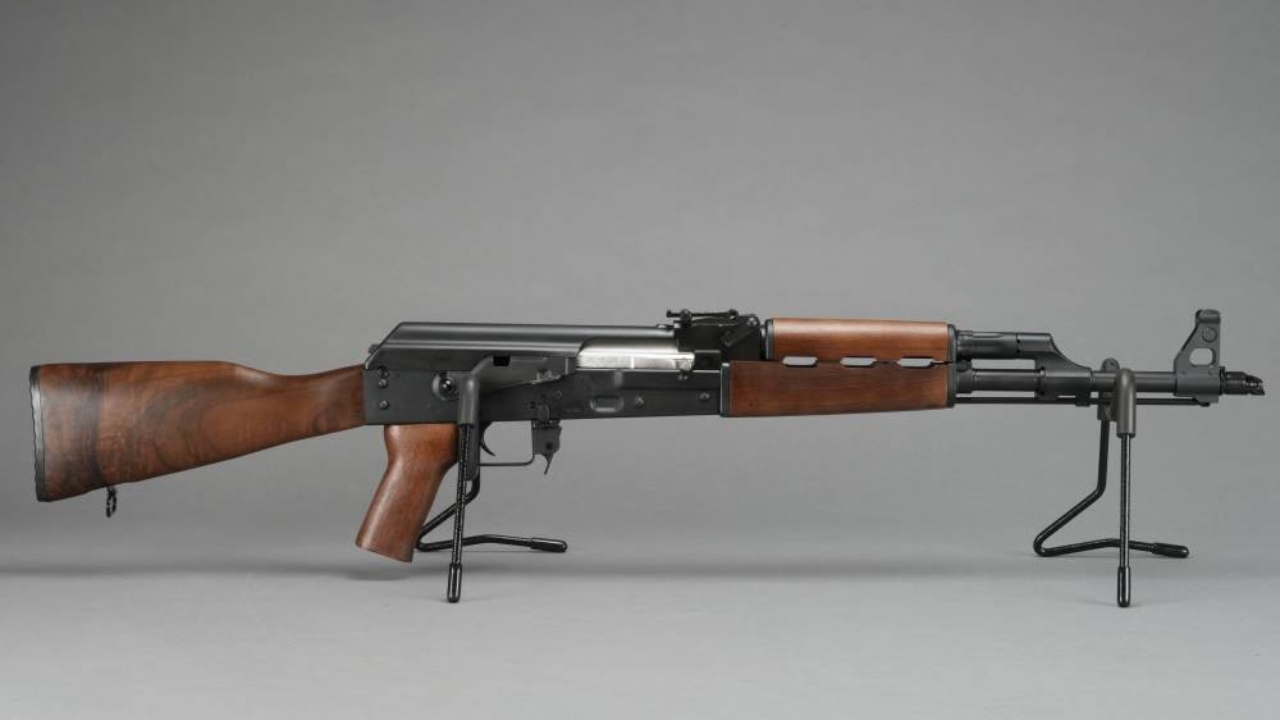
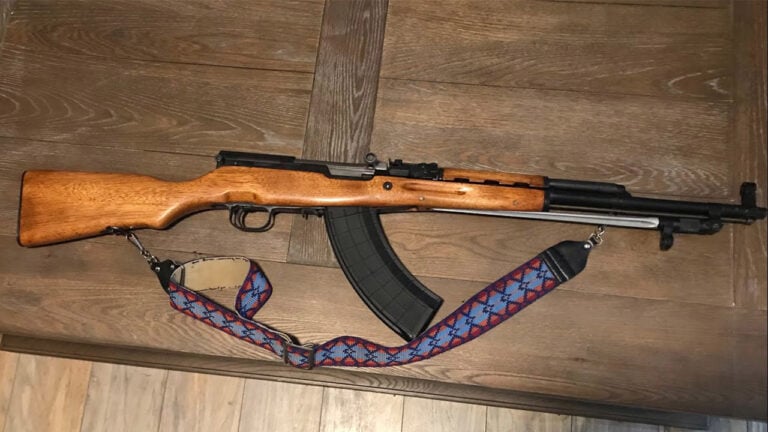
Zastava gets talked about in AK circles, but plenty of American shooters still don’t realize how much they’ve normalized “buy once, cry once” AK ownership. The ZPAP M70 became a steady, available option when the market was full of questionable rifles. The M90 in 5.56 gave you a familiar caliber in an AK pattern that still feels built for real use.
What they’re quietly doing is raising the baseline. When someone buys a ZPAP and it just works, it makes it harder to excuse sloppy builds from other corners of the market. You’re still buying an AK, so you need to understand mags, optics mounts, and ammo preferences, but the core rifle is usually solid. That’s how a brand changes the game—by making “good enough” less acceptable.
Tisas

Tisas has become a serious disruptor in the 1911 world, mostly because they figured out how to deliver straight, usable guns without pretending every model is a museum piece. The Tisas Raider and the Duty series show up with features people actually want—practical sights, decent machining, and consistent function—at prices that used to mean headaches.
What changes for you is the entry point. A first 1911 used to be a gamble unless you spent real money. With a Raider or a Duty B45, you can get a pistol that runs well enough to train with, and you can spend your extra cash on magazines, ammo, and a good holster. You still need to test your mags and keep it lubricated like any 1911, but the platform stops feeling like a rich man’s hobby.
Bergara

Bergara made a lot of hunters realize they don’t have to accept mediocre factory barrels and rough actions to stay within a sane budget. The B-14 Ridge and B-14 HMR are the obvious examples—rifles that tend to shoot well with factory ammo, feed smoothly, and feel like someone cared about the details that matter in the field.
Their quiet influence is in expectations. Once you’ve owned a B-14 and seen consistent groups without a pile of aftermarket parts, it’s hard to go back to a rifle that needs immediate “fixes.” Bergara also plays well with common aftermarket ecosystems, so if you want to tune later you can, but you don’t have to. That’s the difference: the rifle shows up ready to hunt, ready to train, and ready to hold its accuracy without drama.
Howa

Howa has been building rifles for a long time, but a lot of American shooters still overlook them because they aren’t flashy. The Howa 1500 is the reason they matter. It’s a proven action that shows up in everything from basic hunting rifles to heavier setups like the Howa 1500 HCR, and it tends to deliver steady accuracy without feeling fragile.
What Howa changes is the value equation for a bolt gun that you actually shoot a lot. You can put rounds through it, run it in bad weather, and not feel like the rifle is a delicate project. The aftermarket support is better than most people assume, and parts availability isn’t the headache it used to be. If you want a bolt rifle that behaves like a tool, not a fashion statement, the 1500 is quietly doing that work.
SAR USA
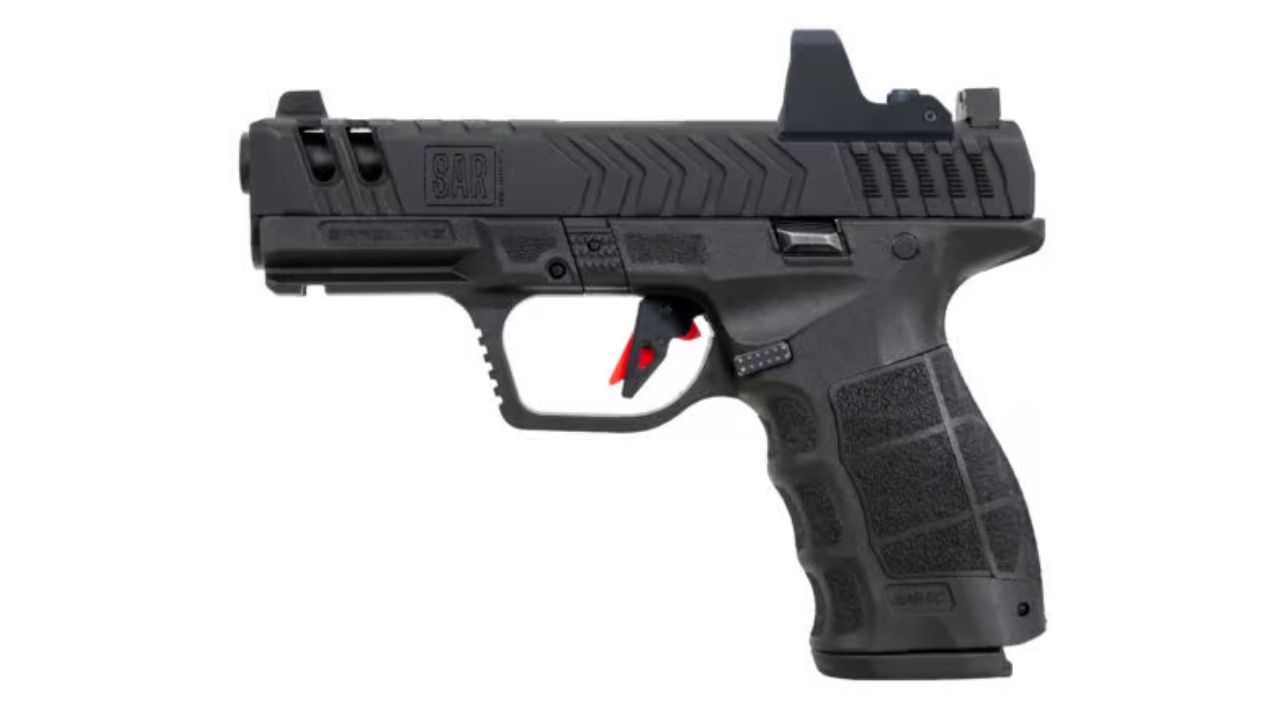
SAR USA is one of those importers that keeps putting serious pistols in people’s hands without a big marketing parade. The SAR 9 has been a sleeper for folks who want a duty-style striker gun that points naturally and holds up to steady use. Then you’ve got the SAR K2 45, which is a chunky, shootable .45 that surprises people once they actually run it hard.
The quiet shift is that these guns keep showing up and not falling apart. You still need to confirm magazine availability and holster options before you commit, but if you want a reliable shooter that isn’t the same brand everybody else buys, SAR gives you that lane. When a pistol runs clean drills and doesn’t demand constant excuses, it earns its place the honest way.
Grand Power

Grand Power is still under the radar for a lot of shooters, but the Stribog series is one reason pistol-caliber carbines keep getting more popular. Models like the Stribog SP9A1 and SP9A3 gave people a compact, controllable platform that’s fun, fast, and surprisingly practical for training. It’s not a substitute for a rifle, but it is a legit way to build reps.
What they’re changing is access to performance. A PCC used to mean expensive boutique options or clunky compromises. The Stribog made it easier for regular shooters to get into the category with something that feels modern and runs well when you set it up correctly. Pay attention to magazines, ammo selection, and maintenance, and you’ll see why these keep showing up at ranges where people actually shoot.
Bersa
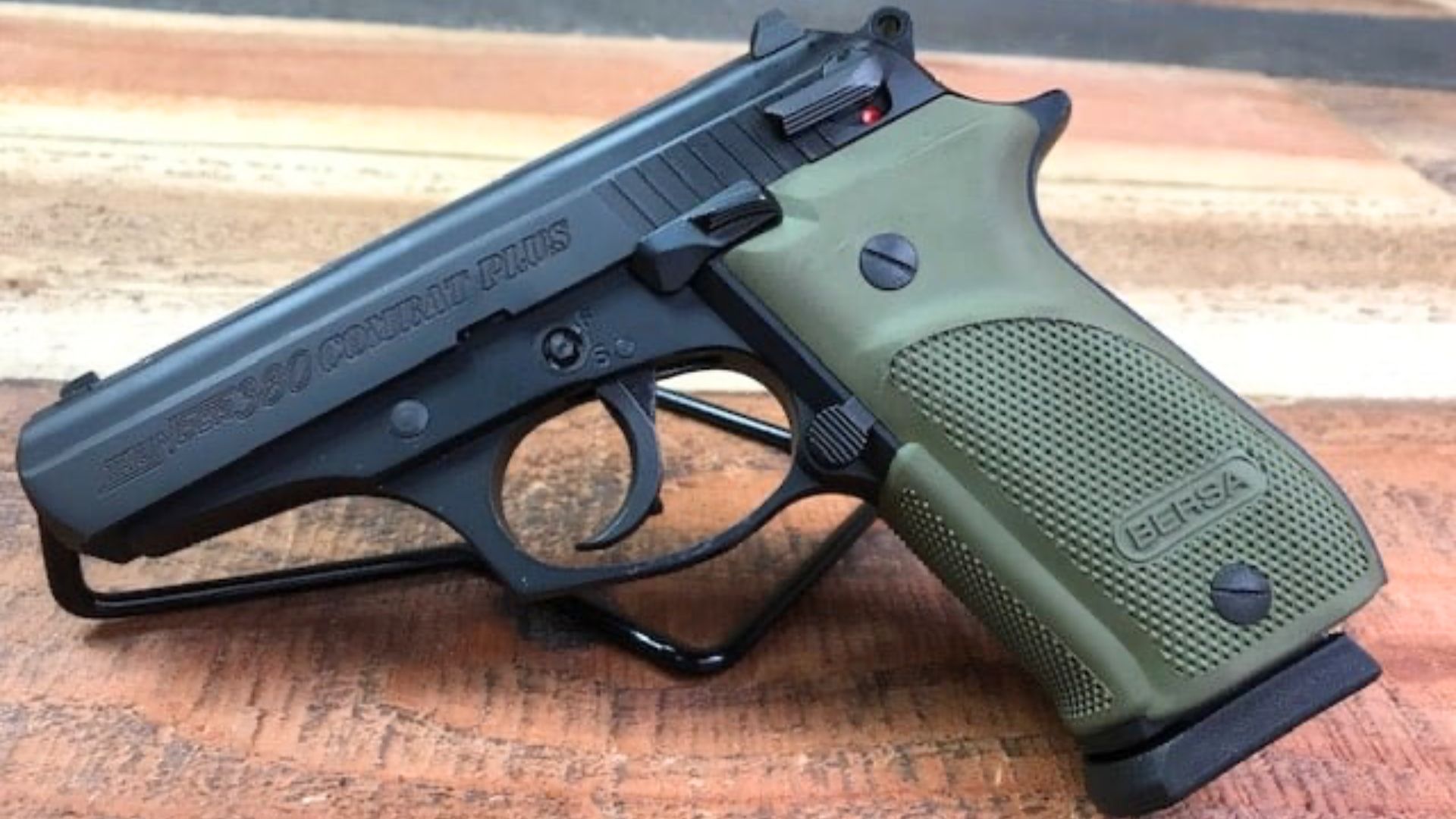
Bersa doesn’t get the respect it deserves because it lives in the “practical carry” lane instead of the “internet flex” lane. The Thunder 380 Plus is a good example of why they matter: it’s a manageable, shootable .380 that a lot of people can run well, especially if 9mm compacts beat them up. The TPR9 shows they can do a full-size duty-style pistol with solid ergonomics, too.
Their quiet influence is that they keep delivering guns for normal humans. Not everyone wants a micro-compact that’s miserable to practice with. A Thunder 380 Plus can be carried, trained with, and actually enjoyed on long range days. You still need to vet your defensive ammo and keep it clean, but Bersa has been proving for years that “affordable” doesn’t have to mean disposable.
Steyr Arms

Steyr is known in certain circles, but plenty of shooters still haven’t spent time behind one. The Steyr M9-A2 and L9-A2 have a grip angle and sighting setup that can feel weird at first, then suddenly make sense once you start shooting fast. Their AUG A3 M1 keeps the bullpup conversation grounded in a platform that’s been refined over time.
What Steyr changes is how you think about ergonomics and speed. If your hands fit the gun, the pistol can track very cleanly, and the sights can feel quick once you stop fighting them. It’s not a “one size fits all” brand, but when it clicks, it clicks hard. That’s why they matter—because they offer a different solution that still holds up under real shooting, not just spec-sheet talk.
Franchi

Franchi sits in an interesting spot: they’re tied to serious shotgun heritage, but they often get overlooked by people who only say “Benelli” out loud. The Franchi Affinity 3 has become a go-to for hunters who want a reliable semi-auto that carries well and cycles a wide range of loads without being temperamental. The Instinct over/under line also gives you a field-friendly option that doesn’t feel like a safe queen.
Their quiet impact is raising the standard for what a mid-priced shotgun should be. The Affinity 3 points naturally, handles recoil well for its weight, and tends to keep running when you actually hunt hard. If you want a shotgun that feels like it was built to live in a blind or a truck, Franchi is doing more than people give them credit for.
Stoeger

Stoeger is another brand that gets dismissed until you watch one keep working. The Stoeger M3000 and M3500 have put a lot of affordable semi-auto shotguns in the field, and plenty of them are still taking birds and breaking clays season after season. Their STR-9 also showed they weren’t content to stay in the shotgun lane only.
What Stoeger changes is the entry point for hunters who want a semi-auto without paying top-tier money. You still need to break them in, keep them clean, and use decent ammo, but the value is hard to ignore if you’re a working guy who actually hunts. When a shotgun gets used hard and keeps doing its job, it earns a different kind of reputation than the loud brands.
Rock Island Armory
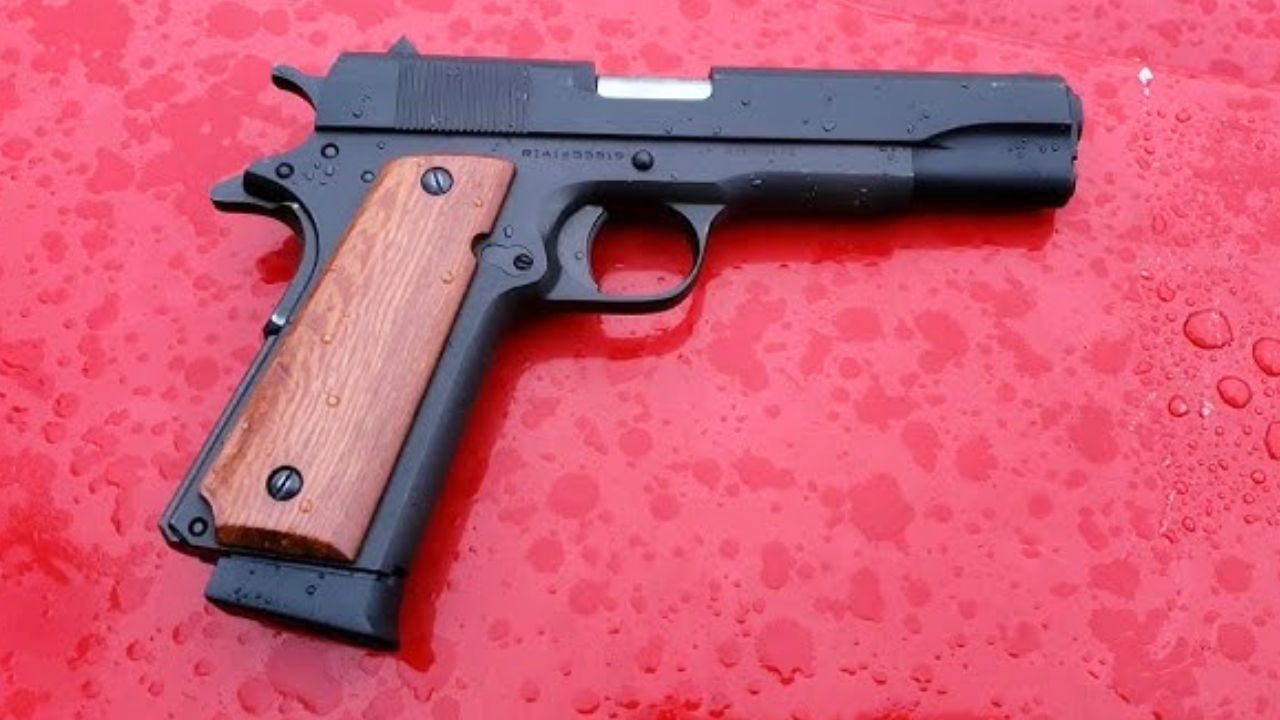
Rock Island Armory has been quietly feeding the “I want a real shooter” crowd for years. Their 1911 lines like the TAC Ultra FS put usable features into hands that don’t want to pay collector pricing. Then you’ve got revolvers like the M206, which keep the snubnose option alive for people who want a basic, functional wheelgun without drama.
The bigger deal is how they normalize practical ownership. A first 1911 doesn’t have to be a money pit, and a basic revolver doesn’t have to be a boutique purchase. You still need to test magazines and pick quality ammo, but RIA guns often do what they’re supposed to do—shoot, cycle, and keep going. That reliability at a reachable price changes who can actually train, not just who can window-shop.
Aero Precision
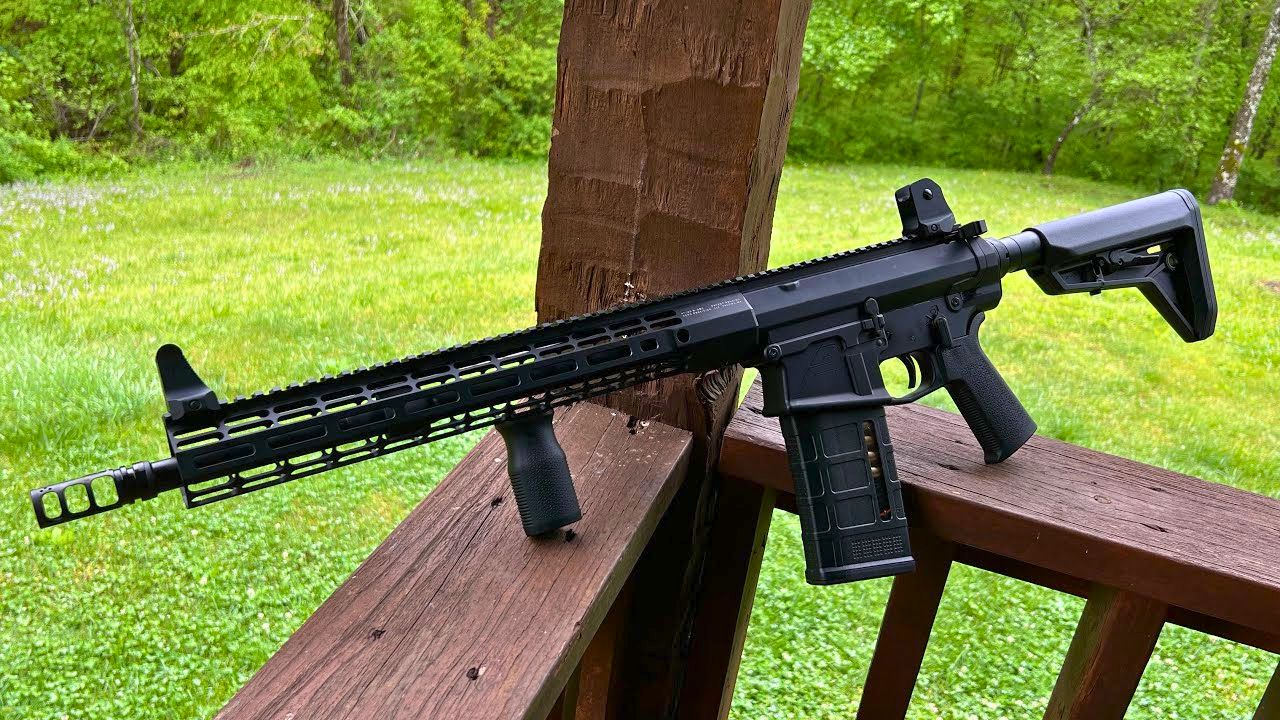
Aero Precision doesn’t always get “brand love” because they live in the builder world, but the influence is real. Their M4E1 lowers and complete uppers helped standardize better fit, cleaner assembly, and consistent quality for people who want an AR that doesn’t feel like a lottery ticket. When you see an Aero-based rifle run well in classes, that’s not an accident.
What they’re changing is trust in the middle of the market. You can build a rifle around an M4E1 platform and end up with something that feels tight, reliable, and easy to maintain without paying premium-rollmark prices. That matters for first-time AR owners who don’t have the experience to diagnose problems fast. A rifle that starts out assembled correctly saves you money, saves you frustration, and keeps you shooting instead of tinkering.
CMMG
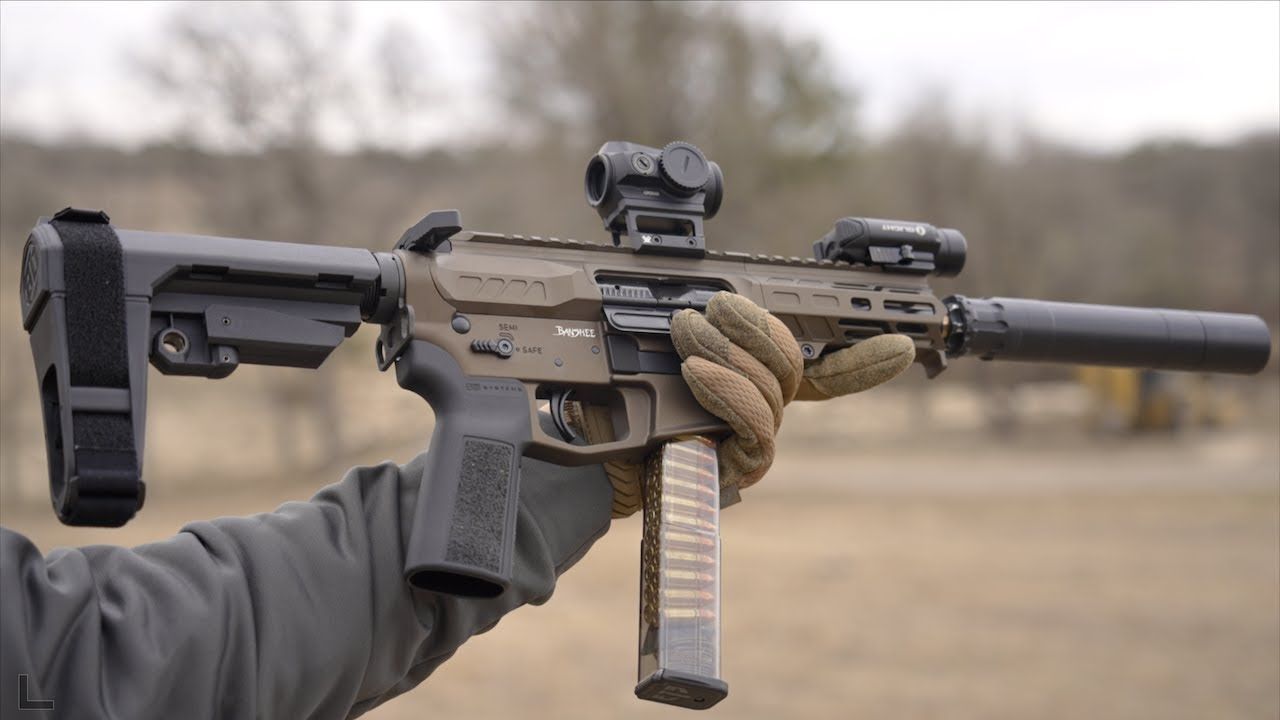
CMMG has a habit of making niche ideas feel practical. The Banshee series helped make pistol-caliber AR setups more mainstream, and their .22 LR conversion and dedicated rimfire options kept a lot of shooters training when ammo prices got ugly. You see CMMG show up when someone wants to practice more without changing their entire manual of arms.
Their quiet impact is training efficiency. A CMMG Resolute in 5.56 gives you a clean, modern AR package, but the real “game change” is how easy they make it to get meaningful reps. When you can run a .22 setup that mirrors your centerfire rifle, you stay sharp without burning cash every weekend. That kind of practicality doesn’t look flashy on a wall, but it changes how often you actually train.
B&T

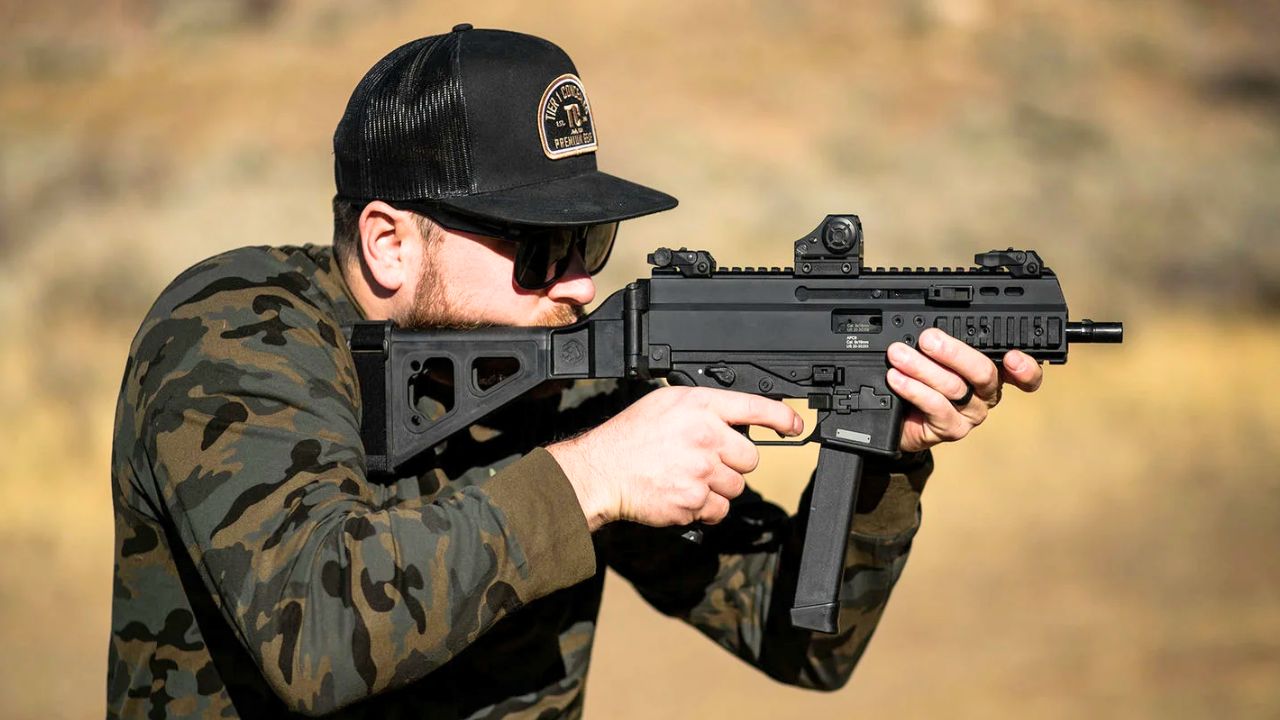
B&T isn’t unknown, but a lot of everyday shooters still don’t realize how much they’ve influenced the modern PCC and suppressor-friendly world. The APC9 series and the GHM9 gave people serious, refined 9mm platforms that feel like duty guns, not range toys. They’re expensive, sure, but they show what “done right” looks like in controls, durability, and shootability.
The real shift is expectations around fit and function. When you run an APC9 and everything feels deliberate—charging handle, mags, recoil impulse—it makes you notice the shortcuts elsewhere. B&T also helped normalize compact setups that still run reliably when suppressed. You might not start here as a first buyer, but once you’ve shot one, you understand why the category keeps moving in that direction.
Like The Avid Outdoorsman’s content? Subscribe to our newsletter so you never miss an article.
Here’s more from us: