Photo credit: Reloader Joe/YouTube
Some rifles sell the dream before they ever fire a round. The box talks about accuracy. The reviews sound promising. The price makes you think you found the smart buy. Then range day turns into a slow spiral of checking scope rings, swapping ammo, blaming the wind, cleaning the bore, and wondering if you are the problem.
Sometimes it is the shooter. Sometimes it is the optic. Sometimes it is cheap ammo. But with certain rifles, enough owners end up chasing the same excuses that the gun deserves some of the blame.
Remington 770

The Remington 770 promised hunters a ready-to-go rifle package at a price that made sense. For a first deer rifle, that sounded appealing. You got a familiar name, a scope already mounted, and enough rifle to get started without spending much.
The trouble was that the 770 often felt rough before accuracy even entered the conversation. The bolt could feel sloppy, the stock felt cheap, and the package optics did not inspire much confidence. When groups opened up, owners were left blaming the scope, the ammo, the rest, or themselves. Sometimes the whole setup was just too bargain-built to make confidence come easy.
Mossberg Patriot Synthetic

The Mossberg Patriot Synthetic can shoot well, but it is also the kind of rifle that makes some owners chase consistency. It looks good enough on paper, comes in useful hunting chamberings, and often shows up at a friendly price.
Then the light synthetic stock and basic feel start getting attention. If the rifle is picky about loads or shifts when pressure changes on the fore-end, owners start wondering what changed between groups. Was it barrel heat? Was it the rest? Was it the stock touching somewhere? A hunting rifle does not have to be fancy, but it does need to make repeatability feel less like luck.
Savage Axis XP

The Savage Axis XP has a reputation for surprising accuracy, and plenty of them shoot just fine. That is what makes the frustrating ones so annoying. Buyers expect the rifle to punch above its price because they have heard so many stories about budget Savages stacking shots.
When one does not, the excuses pile up fast. The package scope gets blamed. The flexible stock gets blamed. The rougher bolt, trigger feel, and cheap rings all get a turn. Sometimes changing optics and ammo helps. Sometimes owners realize the money they saved up front got spent trying to make the rifle feel more dependable.
Ruger American Predator

The Ruger American Predator has a strong following, and a lot of rifles in the line shoot very well. The problem is that the reputation can set expectations sky-high. People buy one expecting budget precision, then get frustrated when their particular rifle needs more sorting than expected.
The lightweight stock, bedding setup, magazine fit, barrel heat, and ammo preference can all become suspects. Some owners get excellent groups right away. Others spend range trips trying different loads and wondering why the rifle will not repeat its best performance. It is a good rifle for many shooters, but the “cheap tack driver” talk can make normal inconsistency feel like failure.
Remington 783
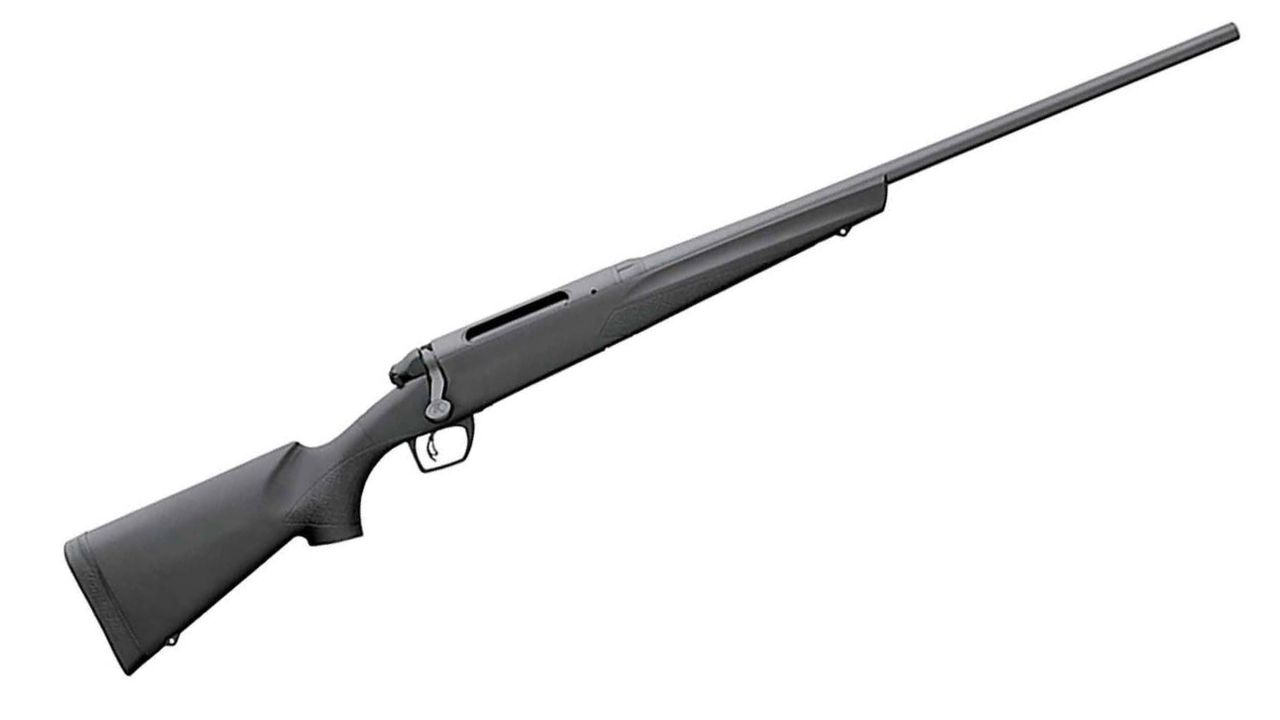
The Remington 783 was designed to be a practical budget hunting rifle, and some examples shoot better than their price suggests. Still, it often leaves owners feeling like they are working around the rifle instead of with it.
The action is not especially smooth, the stock feels plain, and the overall package lacks the confidence of better rifles. If groups are mediocre, people start blaming break-in, factory ammo, cheap mounts, or the trigger. Those things can matter, but the 783 does not always give shooters the solid foundation they hoped for. It can work, but it rarely makes troubleshooting feel pleasant.
Winchester XPR

The Winchester XPR is a practical rifle with a good name behind it, and many hunters buy one expecting simple accuracy. It is not trying to be a classic Model 70. It is trying to be a modern affordable hunting rifle that shoots well enough for the field.
When it misses that expectation, owners can get frustrated quickly. The stock, trigger feel, bolt cycling, and package setups can all become targets for blame. Some XPRs perform well. Others feel like they need the perfect ammo and perfect setup to show what they can do. That is when a simple hunting rifle starts feeling like a problem to solve.
Thompson/Center Compass

The Thompson/Center Compass attracted buyers because it promised good accuracy at a low price. The adjustable trigger, threaded barrel on some versions, and factory accuracy claims made it seem like a bargain rifle with real potential.
But the ownership experience could be uneven. The bolt feel, magazine system, stock, and overall finish reminded people they were still dealing with a budget rifle. If the groups did not match the promise, owners started chasing ammo, torque settings, scope swaps, and bedding tricks. A cheap rifle that shoots great is fun. A cheap rifle that only hints at shooting great becomes tiring.
Browning AB3
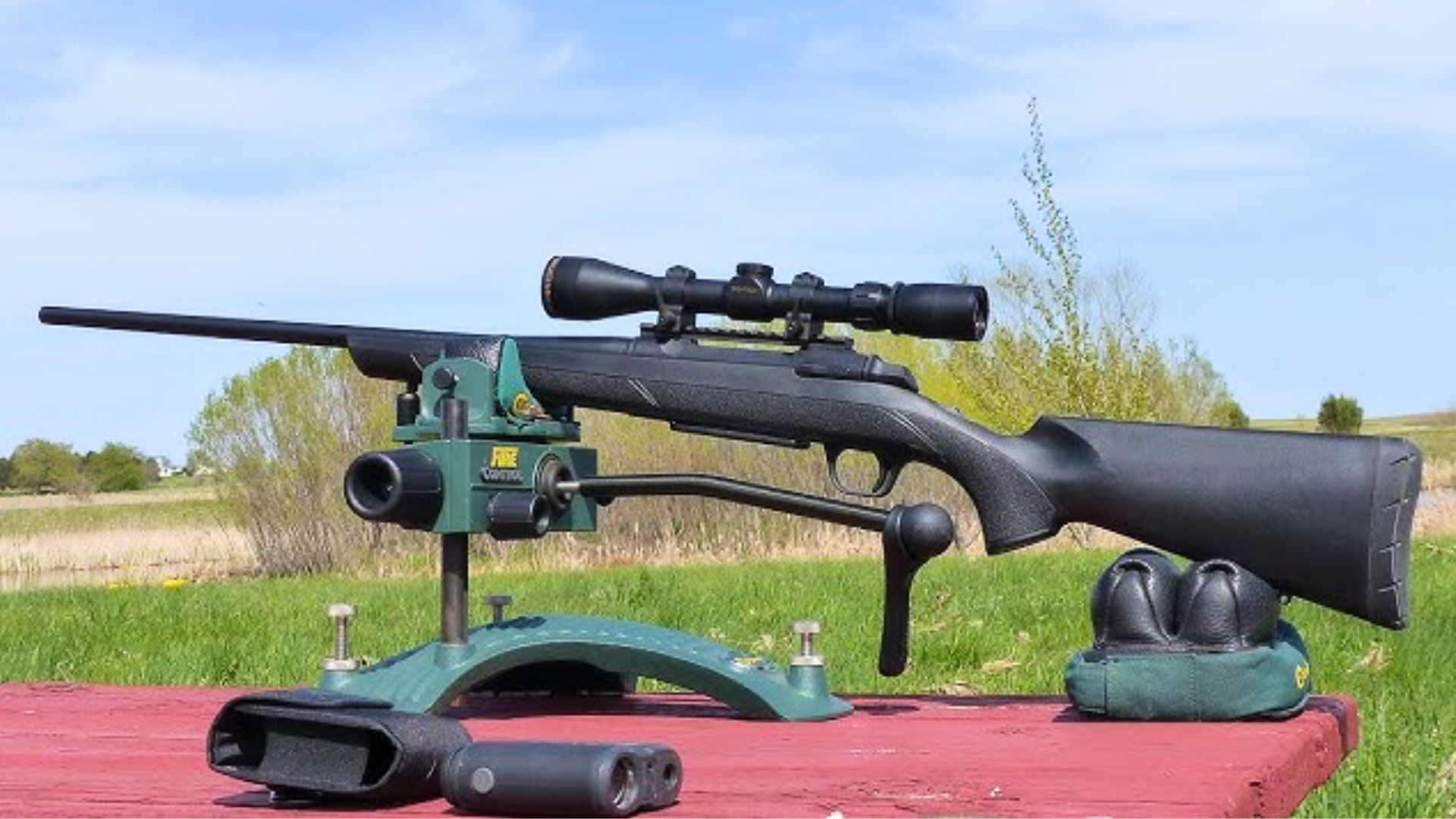
The Browning AB3 has the Browning name, and that alone makes buyers expect a certain level of polish. It was built as a more affordable Browning bolt gun, which sounds like a strong idea. Not everyone wants to pay X-Bolt money.
The problem is that expectations can be hard on it. The AB3 does not feel as refined as Browning’s better rifles, and when accuracy is only average, owners notice the gap. They start blaming factory loads, the scope base, the lighter build, or their own bench technique. It is not a bad rifle, but it can feel like it borrowed the name without delivering the full Browning experience.
Weatherby Vanguard Synthetic
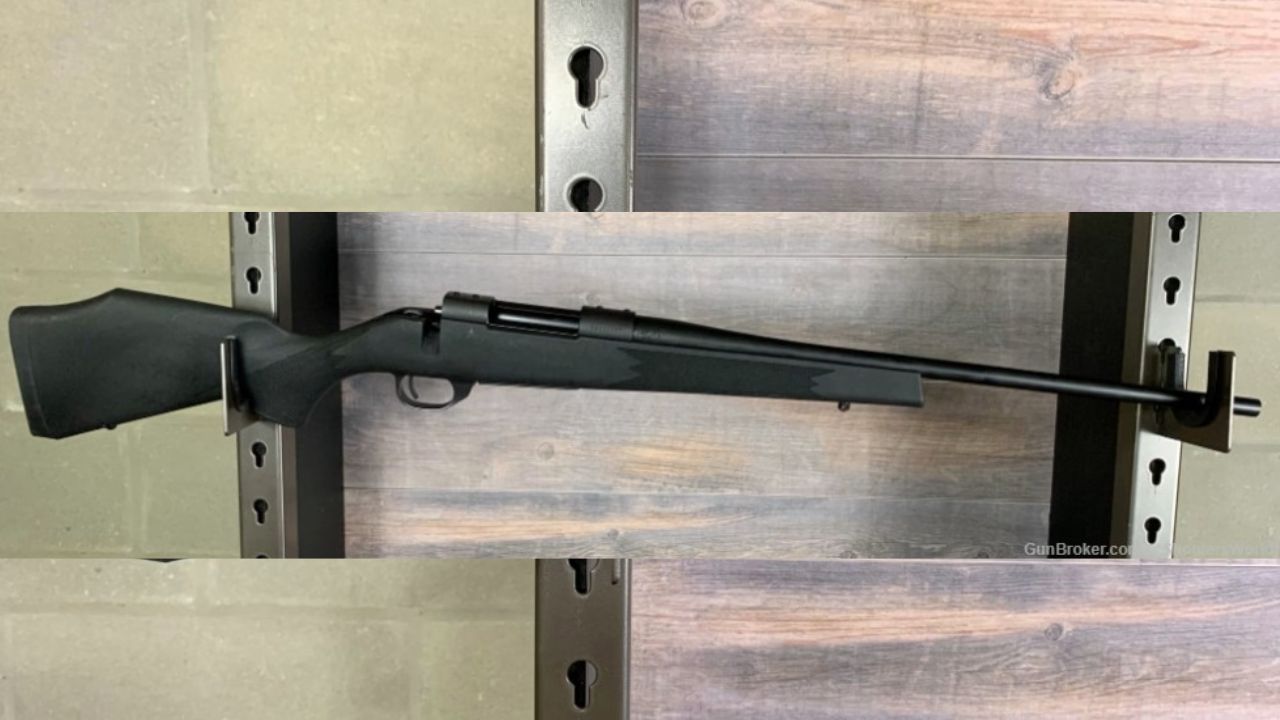
The Weatherby Vanguard Synthetic has a strong accuracy reputation, which makes the disappointing ones especially irritating. Many shooters buy them expecting an easy path to tight groups, and a lot of Vanguards deliver. But not every rifle becomes the magic budget Weatherby people talk about.
When one is finicky, owners can burn through ammo fast trying to find the load it likes. The rifle may be solid, but the plain synthetic stock and heavier feel can make shooters question whether they bought value or just another average hunting rifle. The Vanguard is often good, but the reputation can make ordinary performance feel worse than it is.
CVA Cascade

The CVA Cascade came into the bolt-action market with a lot of promise. Good features, reasonable pricing, threaded barrels, and a practical hunting setup made it look like a smart modern rifle. For many owners, it is exactly that.
But rifles that sell on value and accuracy invite high expectations. If a Cascade does not shoot well right away, owners start chasing the usual suspects: scope, mounts, bedding, barrel heat, ammo, cleaning, and torque. Some get sorted out. Others leave shooters wondering if the rifle was oversold. In a crowded budget rifle market, promise is not enough if consistency does not show up.
Bergara B-14 Ridge

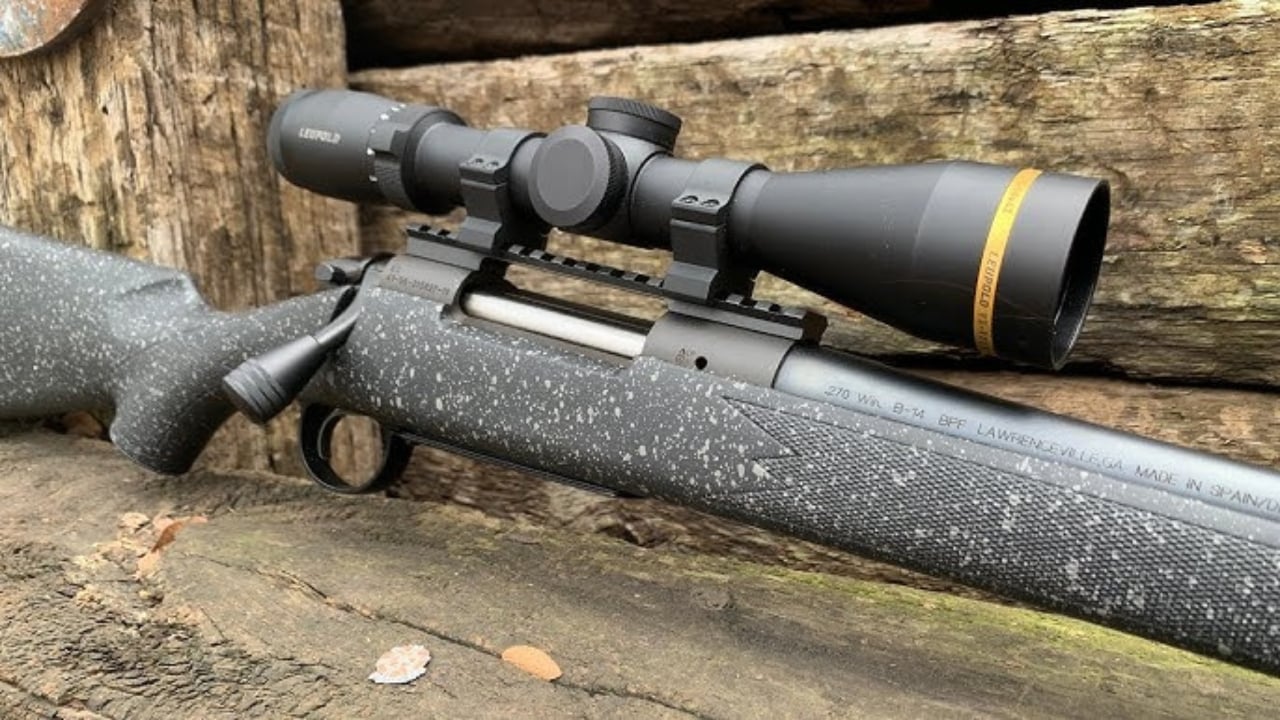
The Bergara B-14 Ridge has a reputation for accuracy that can be both a blessing and a curse. People buy Bergaras expecting strong groups, good barrels, and a step above ordinary hunting rifles. That reputation is not fake, but it can make problem rifles feel especially disappointing.
When a Ridge does not shoot as expected, owners rarely blame the gun first because the brand has earned trust. They swap scopes, change rings, try premium ammo, clean differently, and question their rest. Sometimes that fixes it. Sometimes the rifle is just not the shooter they expected. A good name can make excuses last longer than they should.
Kimber Hunter
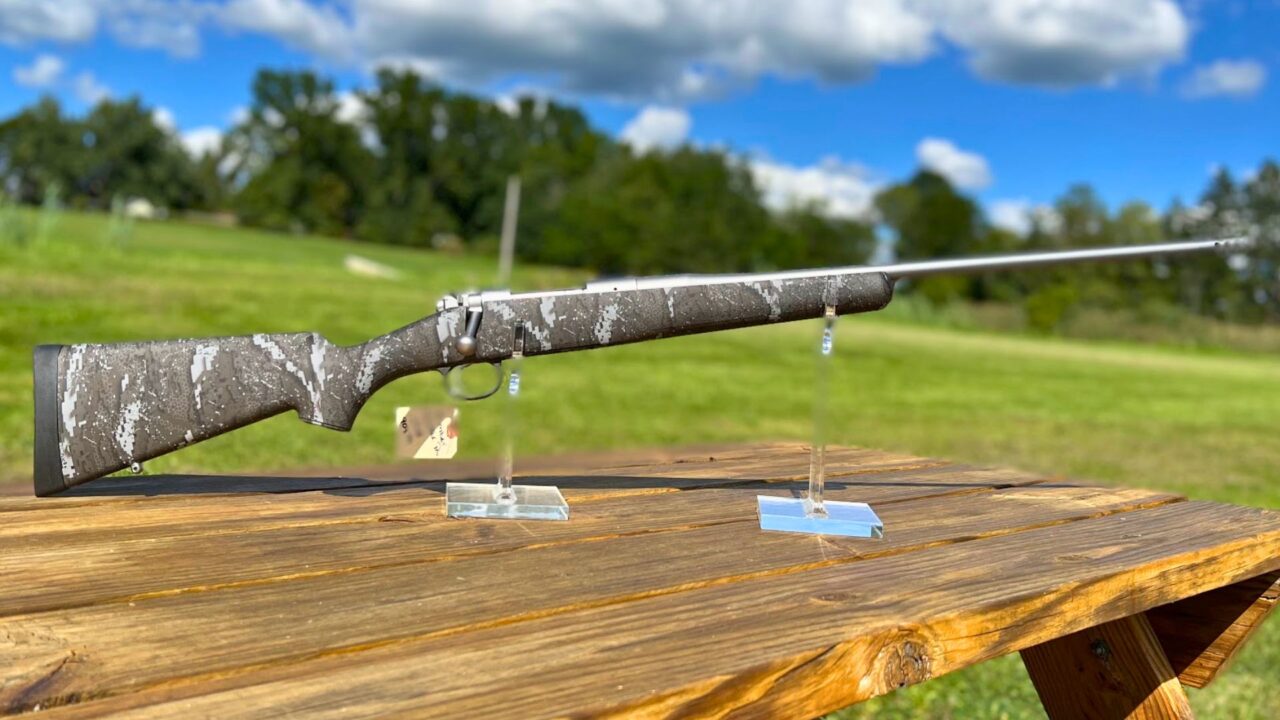
The Kimber Hunter promises a lot: lightweight carry, a respected name, and the kind of field accuracy hunters want in a mountain-style rifle. On paper, it seems like a smart way to get Kimber handling without paying for the nicer wood-stocked models.
Light rifles are not always easy to shoot well, though. They punish sloppy form, heat quickly, and can be picky about loads. When groups spread, owners often blame themselves first. Sometimes that is fair. But if a rifle is so sensitive that every bench session feels like a test of excuses, it can become hard to trust when a hunting shot matters.
Howa 1500 Carbon Stalker
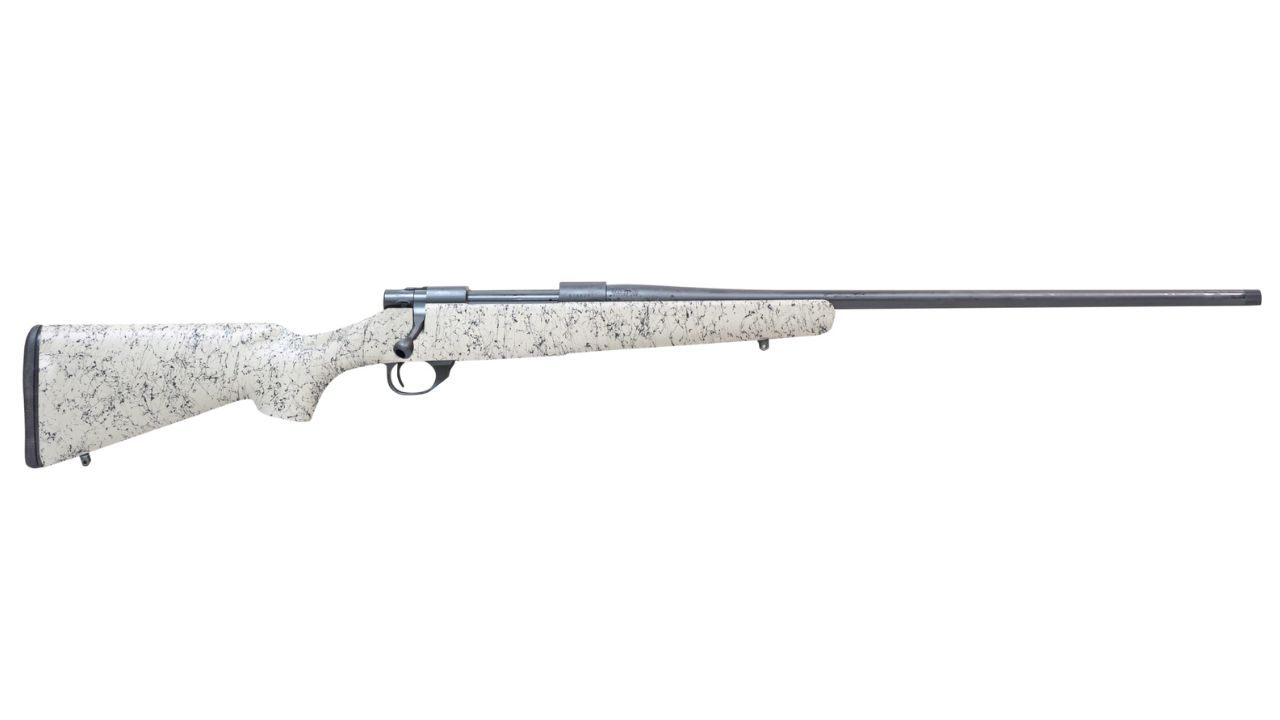
The Howa 1500 Carbon Stalker looks like it should be a lightweight accuracy answer. Howa actions have a good reputation, and the carbon-stocked concept gives hunters a rifle that sounds modern and practical. That makes expectations high.
But lightweight rifles always come with tradeoffs. Recoil feels sharper, bench technique matters more, and small changes in pressure can show up on target. If accuracy is inconsistent, owners start blaming their hold, the rest, ammo, heat, or optic setup. The rifle may be capable, but it can leave shooters wondering why a lighter upgrade made accuracy feel harder to prove.
Christensen Arms Mesa
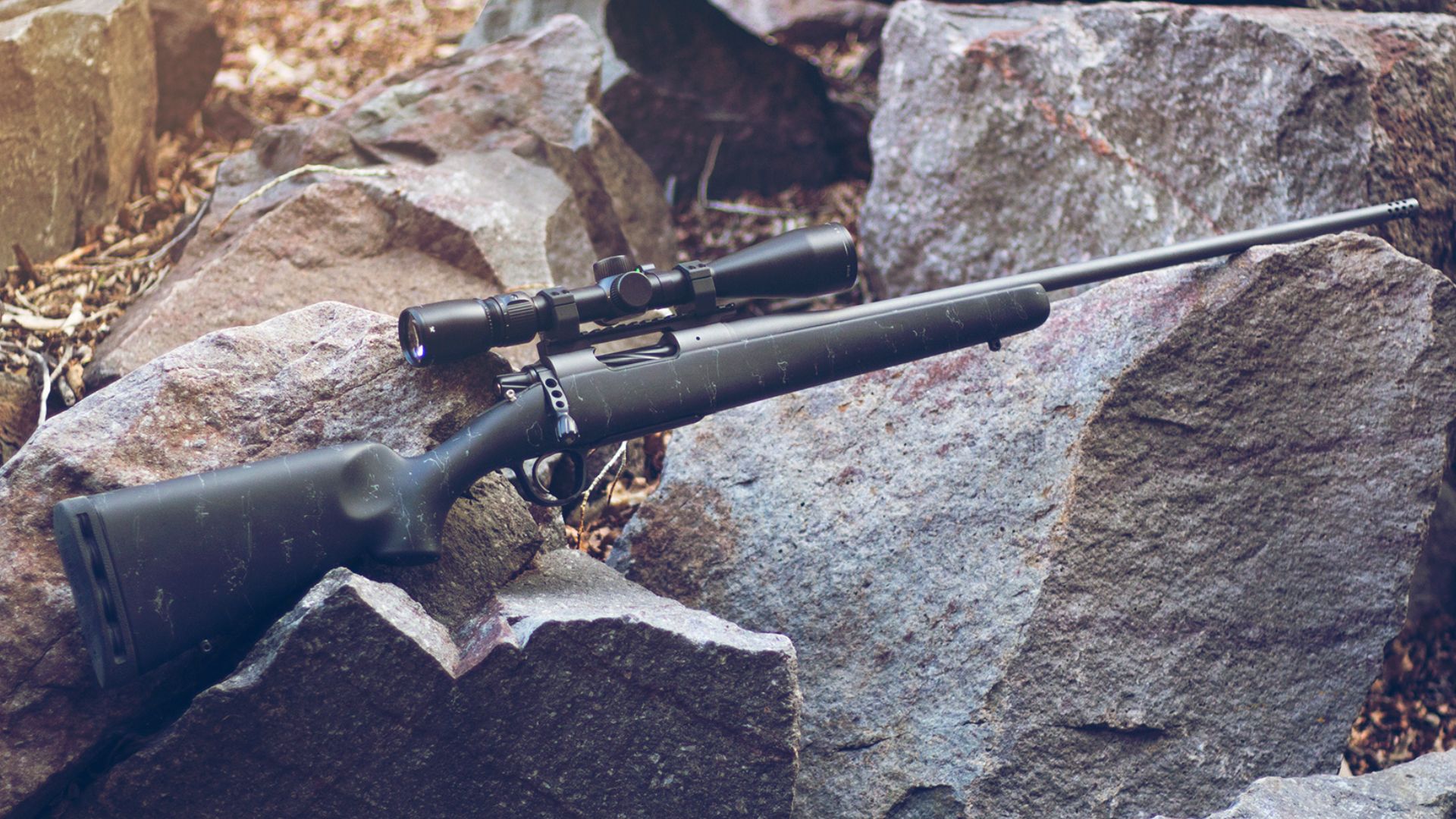
The Christensen Arms Mesa carries a reputation that makes people expect more than basic hunting-rifle performance. It has the look, the name, and the price range that suggest a serious step up from ordinary rack rifles.
That is why accuracy complaints sting. When a rifle costs more, owners are slower to admit the gun may be the problem. They try match ammo, hunting ammo, different torque specs, scope swaps, and every cleaning routine they can think of. Some Mesas shoot very well. But when one does not, it can send a shooter down a long road of expensive excuses.
Springfield Armory Waypoint
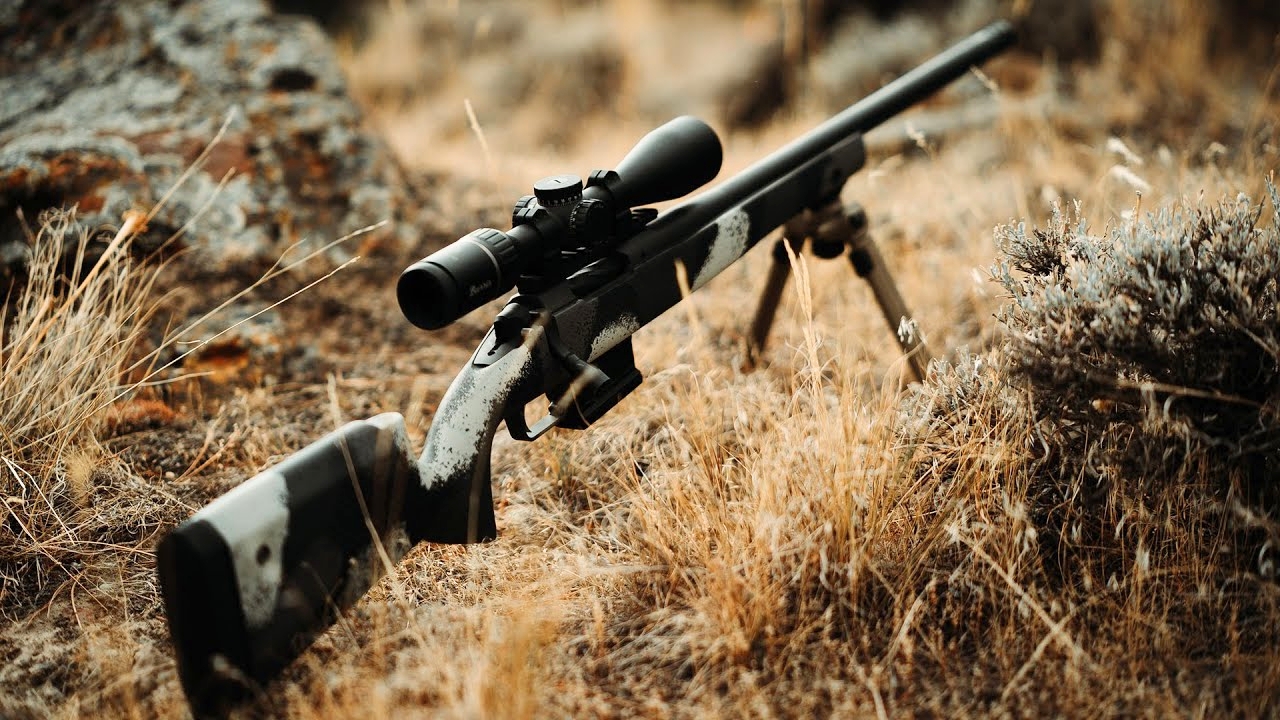
The Springfield Waypoint entered the market with serious attention. Carbon fiber, modern styling, good triggers, and accuracy expectations made it feel like a rifle built for shooters who wanted lightweight performance without going full custom.
That promise also raises the pressure. If the rifle does not group the way the owner expected, the excuses start quickly: barrel heat, suppressor effects, ammo lot, action screws, bipod pressure, shooter form. Some of that is real. But a rifle marketed around precision has to earn trust fast. When it does not, every range trip becomes another attempt to prove the gun was worth it.
Like The Avid Outdoorsman’s content? Subscribe to our newsletter so you never miss an article.
Here’s more from us: