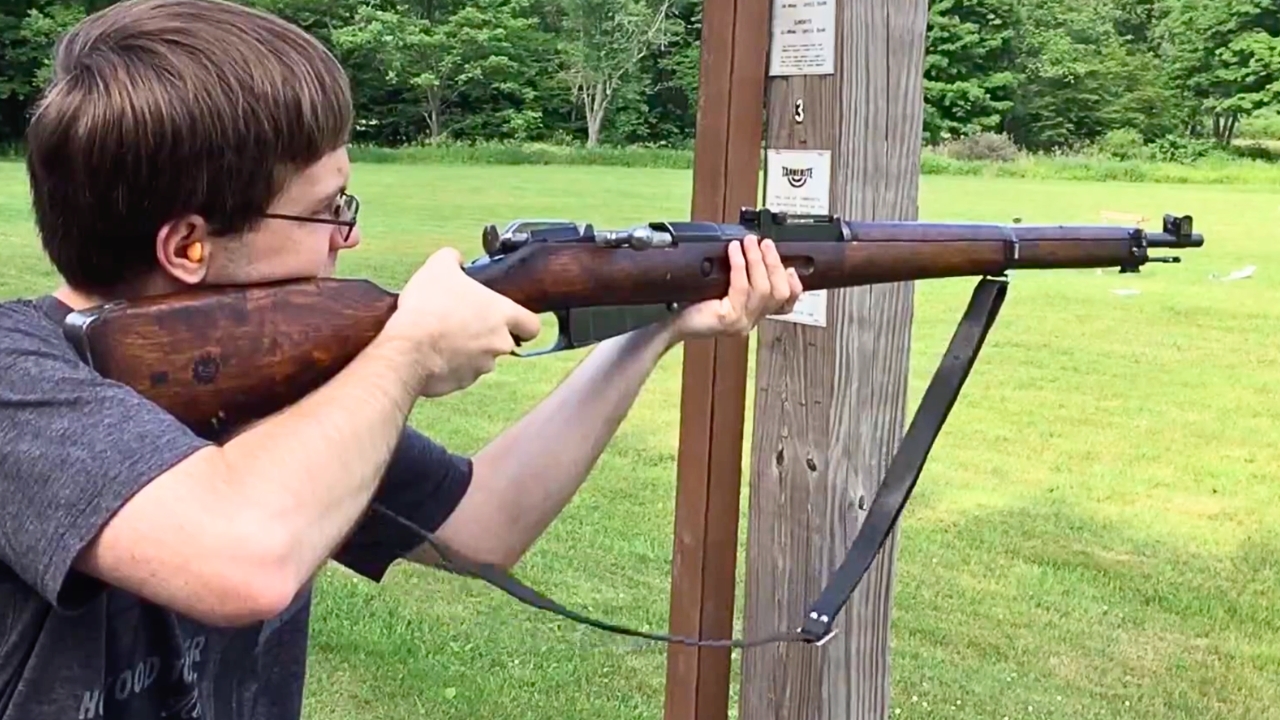
Photo credit: GunsOfTheWorld/YouTube
Some rifles sat on pawn-shop racks, in closet corners, or at the back of safes for years because they felt ordinary at the time. Then supply dried up, old brands changed, features people once took for granted disappeared, and buyers started looking back with different eyes. That is usually how the money shift happens. It is not always about flashy collector hype. A lot of the time, it is about people realizing too late that a rifle they once ignored was better made, harder to replace, or more useful than they gave it credit for.
That is especially true in the rifle world, where reputation can change slowly and then all at once. A gun that once looked like a plain deer rifle or a dated military-style piece can suddenly start pulling serious prices once enough shooters, hunters, and collectors decide they want one at the same time. These are the rifles that spent years getting overlooked before the market finally caught up.
Winchester Model 70 pre-64

For a long time, plenty of people talked about the pre-64 Winchester Model 70 like it was important, but not everybody treated it like money. You could still find honest hunting rifles with worn bluing, cut stocks, or scope marks that had lived real lives in camps and pickup trucks. They were respected, sure, but there was a stretch when they still felt reachable to regular buyers who wanted one because of how they handled, not because they were chasing a collector piece.
That changed when more shooters started realizing they were not looking at some myth built on nostalgia alone. The controlled-round-feed action, the feel of the safety, and the overall fit made those rifles stand apart from later mass-market offerings. Once enough clean examples got tucked away, even the used hunting-grade ones started climbing. Now a rifle that used to sit quietly at a gun show can make buyers stop and rethink what “old Winchester money” really means.
Marlin 336 JM-stamped rifles
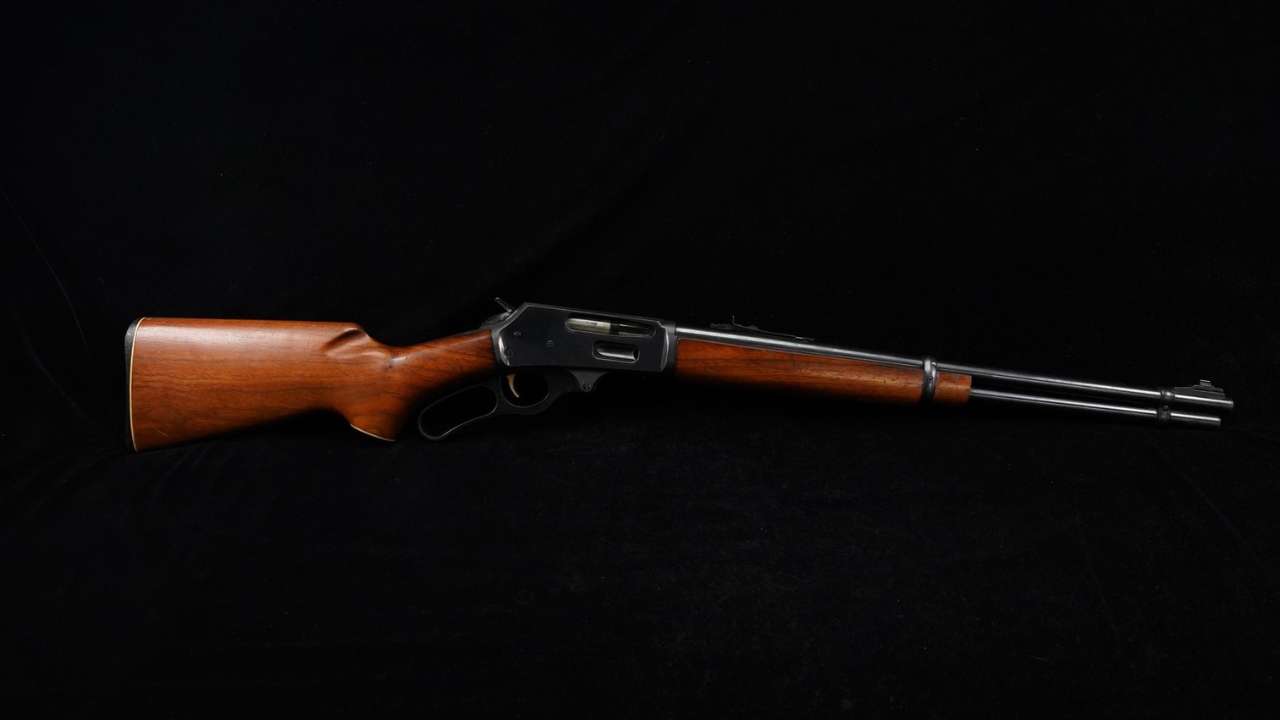
There was a time when the Marlin 336 felt like the lever gun people bought because they wanted a working rifle, not a showpiece. Old JM-stamped examples were common enough that a lot of buyers never thought twice about passing one up. If the wood had a few scratches and the rifle had clearly ridden behind a truck seat for years, it was still seen as a plain deer gun more than anything else.
Then newer production changes, company turmoil, and shifting opinions about quality pushed buyers back toward the older guns. Once that happened, people stopped seeing those JM-stamped rifles as ordinary. They started seeing them as the version to own. That is when untouched examples, especially in clean shape, began bringing stronger money. Even the rifles with honest wear started looking like smart buys in hindsight, and the days of stumbling into a cheap older 336 got a lot harder to relive.
Ruger Deerfield Carbine

The Ruger Deerfield Carbine spent years in that strange middle ground where people noticed it, but not enough people chased it. It had a loyal following, especially among shooters who liked a handy semi-auto in a traditional-looking package, but it never had the broad buzz of some other Ruger rifles. Because of that, plenty of them sat without much fanfare, especially when tactical-looking rifles were getting more of the attention.
That quiet period did not last forever. Once people started wanting compact, reliable rifles that felt different from the usual black-rifle crowd, the Deerfield began making more sense. Add in the fact that it was discontinued and never exactly flooded the market, and the tone changed. Buyers who once shrugged at them started hunting for clean examples. That is usually the formula for price movement, and the Deerfield followed it in a big way.
Remington 788

The Remington 788 used to be the rifle a lot of people described with a half-compliment. It was the budget bolt gun, the one that was not supposed to be glamorous but often shot better than it had any business shooting. Because it wore that “cheap rifle” label for so long, plenty of them were used hard, modified without much thought, or left sitting around because nobody believed they were looking at anything special.
Then people kept talking about how well those rifles shot, and that reputation stuck. Suddenly, buyers were not laughing off the rear-locking-lug budget gun anymore. They were looking for unmolested examples with original magazines and decent wood. Once the market realized the 788 had become both harder to find and easier to appreciate, prices started moving fast. That old bargain-rack reputation ended up helping it for a while, right up until buyers finally caught on and pushed it into a different bracket.
Savage 99

The Savage 99 is one of those rifles that really suffered from being admired without always being chased. A lot of hunters liked them, a lot of older shooters respected them, and a lot of younger buyers walked right past them because they were focused on bolt guns or more modern lever actions. For years, plenty of 99s stayed reasonably priced simply because they felt like somebody else’s rifle from somebody else’s era.
That started changing once people slowed down and actually handled them. The rotary magazine, the lines of the rifle, and the way many of them carried in the woods gave them a kind of appeal that modern rifles do not really copy. Add in the fact that many chamberings and configurations are not easy to replace now, and the market got more serious in a hurry. A rifle that once leaned unnoticed in the corner at a local shop now gets studied a lot more carefully before the tag is ignored.
Browning BAR Safari Grade

For a while, the Browning BAR Safari Grade sat in an odd place. Shooters who knew what it was respected it, but plenty of people saw it as a heavy old hunting rifle from a different time. It was not cheap, but it also was not always treated like something destined to appreciate. A lot of them simply stayed in family safes or traded quietly between hunters who liked a semi-auto that still looked like a real sporting rifle.
As the market got more crowded with synthetic-stock rifles and stripped-down hunting guns, the BAR Safari Grade started standing out more. People began noticing the polished metal, better wood, and the fact that rifles like that were not getting more common. Once that style of rifle started feeling like a holdover from a different manufacturing era, the money followed. Clean BARs, especially in desirable chamberings, became a lot harder to brush off as old-fashioned.
Springfield M1A pre-ban rifles
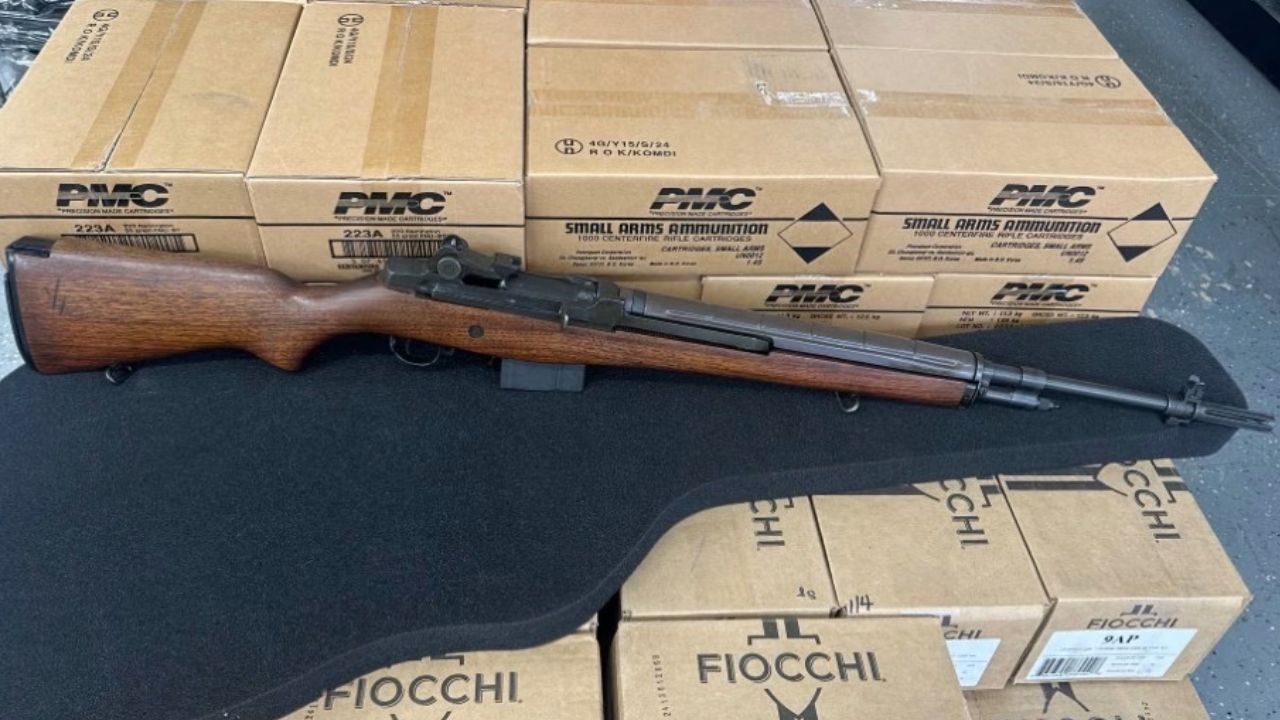
There was a stretch when pre-ban Springfield M1A rifles were appreciated, but not always treated like they were headed for a real jump. They had strong appeal among shooters who liked traditional battle rifle style, but there were also years when other platforms pulled more attention and money. That left some M1As sitting longer than you might expect, especially when buyers were focused on lighter, cheaper, or more modular choices.
Then the market started looking backward. Pre-ban features mattered more, older production gained credibility, and shooters began paying closer attention to condition and originality. That is when the untouched rifles started separating themselves from the pack. Once buyers got serious about finding cleaner early examples, the prices moved with them. A rifle that might have seemed like a cool but slightly dated range piece suddenly became the kind of thing people regretted not buying when it still felt merely expensive instead of genuinely hard to justify.
Colt AR-15 SP1

The Colt SP1 sat in the shadow of its own simplicity for a long time. There were years when shooters looked at one and saw a skinny-barreled old AR with fewer features than newer rifles. That worked against it when the market was chasing rails, optics-ready setups, heavier barrels, and more aggressive styling. Because of that, a lot of SP1s did not get treated like they would someday become serious money.
But the market has a way of circling back to first-generation appeal. Once buyers started wanting early civilian AR history, original SP1 rifles looked a lot more important. They were light, clean, and tied to an earlier version of the platform that newer rifles could not replicate honestly. That shift made original condition matter in a hurry. Suddenly, the same rifle people once saw as outdated became something buyers chased because it felt authentic, scarce, and much harder to replace than they had assumed.
Ruger No. 1

The Ruger No. 1 has always had admirers, but there were long stretches when admiration did not translate into urgency. Single-shot rifles are never going to appeal to every buyer, and for years that kept the No. 1 in a strange spot. People thought it was classy, people liked the falling-block action, but many still walked away and bought something more practical. That kept prices calmer than you might expect for a rifle with that much character.
Then enough shooters started realizing that rifles like the No. 1 were not getting easier to find, and certainly were not getting more common in handsome, steel-and-wood form. Once particular chamberings and configurations began drying up, the market changed. Buyers who once treated them like a luxury side interest started acting like they were running out of chances. Now the clean ones, especially uncommon variants, often bring the kind of money that makes old hesitation look expensive.
Sako Forester L579

The Sako Forester L579 was never junk, never cheap-feeling, and never built without care. The funny part is that there were still years when average buyers did not chase it the way they probably should have. It lived in that zone where knowledgeable rifle people respected it, but mainstream buyers often leaned toward more familiar American names first. That let some very nice Sakos sit around longer than rifles of that quality probably deserved.
Once shooters started paying closer attention to older European craftsmanship, those rifles did not stay ignored. The action smoothness, stock quality, and overall finish became a lot easier for buyers to appreciate once comparable new rifles started feeling more generic. That is when the L579 began shifting from respected sleeper to something closer to a prize find. A rifle that once looked like a nice used bolt gun suddenly started wearing a price tag that told you other people had finally figured it out too.
Weatherby Mark V made in West Germany or Japan

For years, plenty of older Weatherby Mark V rifles sat in a weird conversation between admiration and hesitation. People knew they had style, knew they had strong actions, and knew they looked different from plainer hunting rifles. But some buyers also treated them like flashy leftovers from another era. That meant certain West German and Japanese-made rifles could sit longer than you would expect, especially if buyers were being cheap or overly focused on synthetic-stock practicality.
That changed once more people started separating old Weatherbys by origin, build period, and overall finish quality. Suddenly, the country of manufacture mattered more, and the cleaner rifles started pulling stronger interest. Once buyers realized these rifles represented a specific kind of polish and identity that newer production often struggles to match, values followed. A rifle many once saw as overly dressed-up now gets viewed as a serious collectible with real hunting credibility still built into it.
Steyr Mannlicher full-stock rifles

Steyr Mannlicher full-stock rifles spent years being admired from a distance. People thought they looked good, thought they were elegant, and then often bought something else. For a long time, that kept them from taking off the way they probably could have. They were a little outside the mainstream American hunting taste, and that matters when the market is driven by what people think they need rather than what they might appreciate later.
Then buyers started realizing that full-stock rifles with real quality behind them do not exactly grow on trees. The Mannlicher style, the trim handling, and the European fit and finish started feeling less like a novelty and more like something the market had neglected. As that opinion shifted, so did the prices. Clean rifles that once sat untouched because they looked too niche started drawing stronger money from buyers who finally understood how little else on the rack really offered the same feel.
Finnish Mosin-Nagant M39
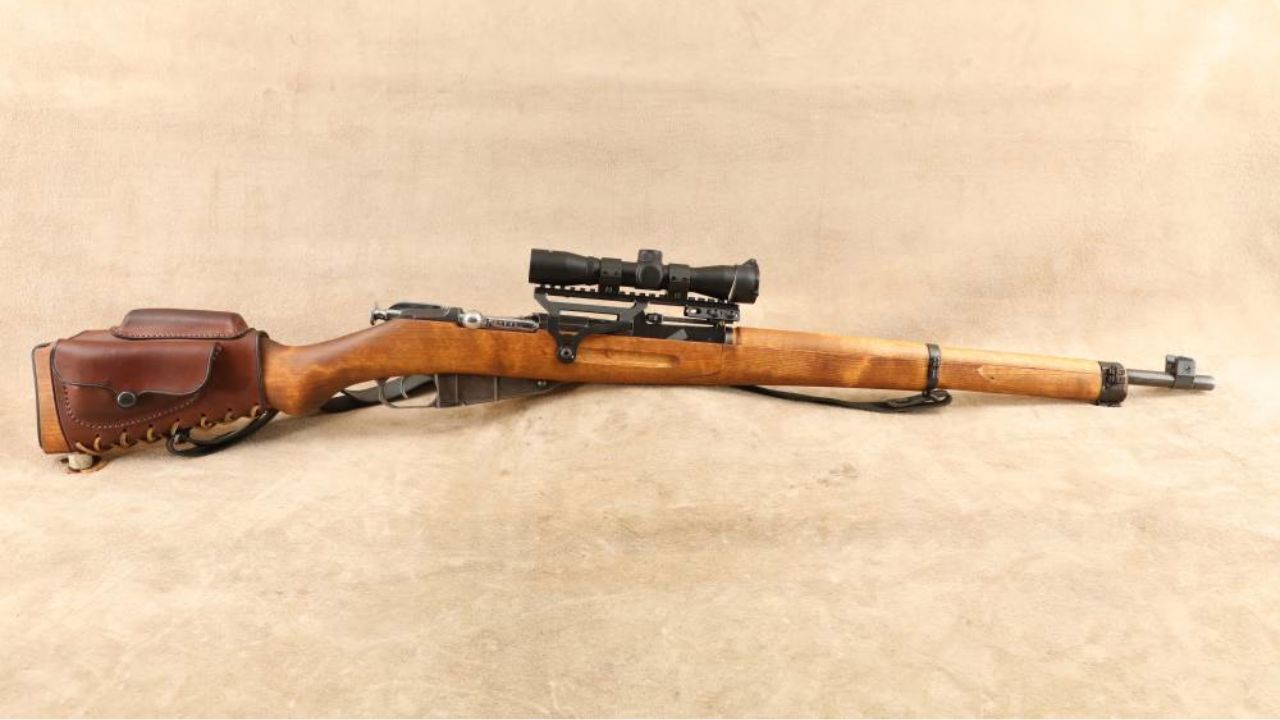
There was a time when many shooters lumped all Mosins together and left it at that. That worked against the Finnish M39 for a while, because people who did not know the difference saw a surplus rifle and nothing more. It might have had a better stock, better sights, and a much stronger reputation for shootability, but it still wore the burden of being compared to rougher, cheaper military surplus guns sitting in the same mental category.
Once the surplus market changed and shooters got more educated, that lazy comparison stopped holding up. People learned what the Finns had done with the platform, and clean M39 rifles started disappearing faster. The result was predictable. Prices rose, condition mattered more, and the rifles that once got overlooked by buyers chasing cheap surplus fun became serious collector-shooter pieces. It is a perfect example of what happens when a market goes from “old military rifle” to “specific version worth owning.”
CZ 527

The CZ 527 used to be one of those rifles that smart buyers appreciated without turning it into a frenzy. It had a loyal crowd, especially among shooters who liked compact actions, good triggers, and practical field handling, but it did not dominate conversations. That kept it from exploding for a while. A lot of people knew it was good. Fewer acted like they needed to buy one right away.
Discontinuation changed that tone fast. Once buyers realized the little 527 was not going to keep showing up new, they started thinking harder about what it offered. Mini-Mauser feel, solid accuracy, and genuine character are not things every modern rifle brings to the table. When supply tightened, the market got louder. Rifles that once sat because they seemed like a nice option among many became the specific option people were suddenly trying to track down before the prices got even more annoying.
Remington Model 600

The Remington Model 600 spent years being one of those rifles people either loved or dismissed as odd. Its short barrel, compact profile, and unusual look kept it from feeling like a safe choice for every buyer. Because of that, it never had the broad, easy popularity of more conventional hunting rifles. Plenty of them sat untouched simply because buyers were not sure what to make of them at the time.
That uncertainty helped create the exact kind of delayed appreciation that drives prices up later. Once collectors and hunters started valuing compact rifles with real personality, the Model 600 looked a lot more interesting. It also helped that it came from a period when even the oddball rifles still had identity. Today, clean originals get much more attention than they once did, and even people who used to joke about the looks of the 600 often change their tune when they see what one brings now.
Like The Avid Outdoorsman’s content? Subscribe to our newsletter so you never miss an article.
Here’s more from us: