Photo credit: Frontline Rejects/YouTube
You know the feeling: you show up to the range with a box of ammo and a plan, and somehow you spend the whole morning chasing a gremlin. Groups open up for no clear reason, the bolt starts feeling gritty, or the rifle begins doing that thing where it feeds fine until you speed up. None of this is mysterious. Most “problem rifles” aren’t disasters—they’re rifles with one weak link that keeps stealing your time.
A lot of the frustration comes from modern rifles being built around tight price points, modular parts, and wide ammo variety. That’s great when everything lines up. When it doesn’t, you end up swapping mags, changing ammo, re-torquing screws, and second-guessing optics instead of working on fundamentals. These are rifles and rifle types that can turn range day into troubleshooting day, especially if you don’t stay ahead of maintenance and setup.
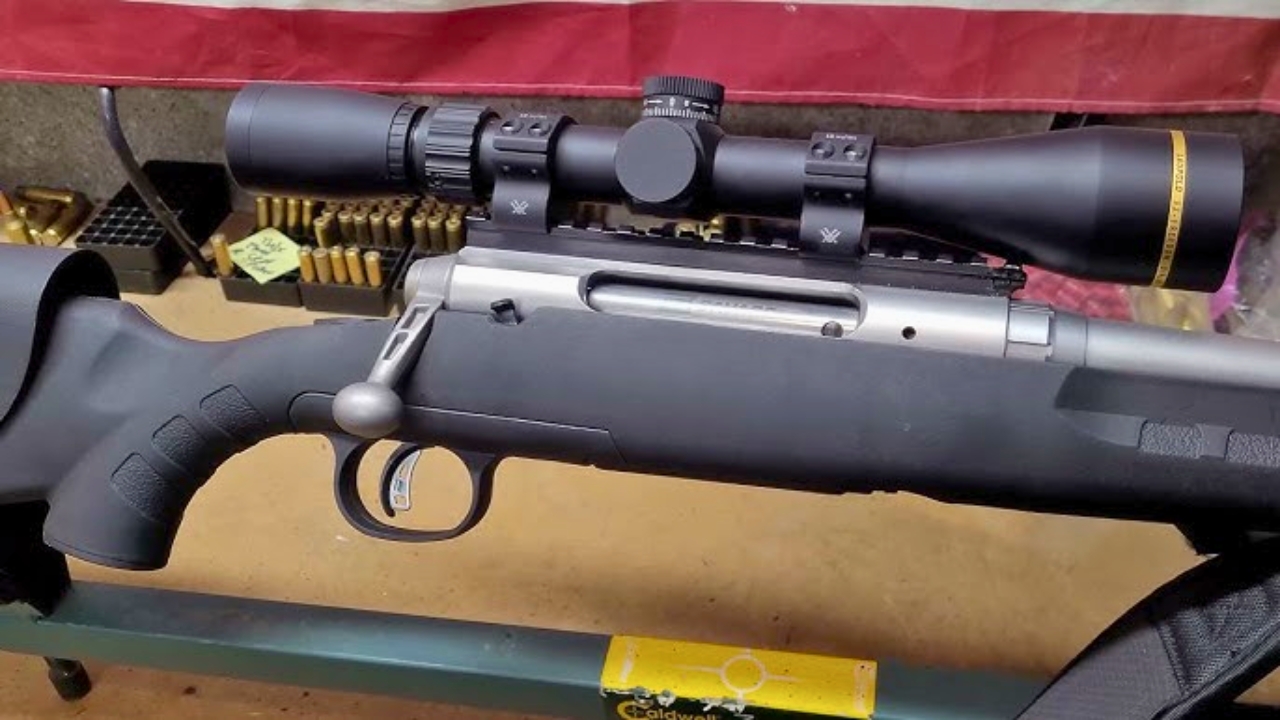
Savage Axis
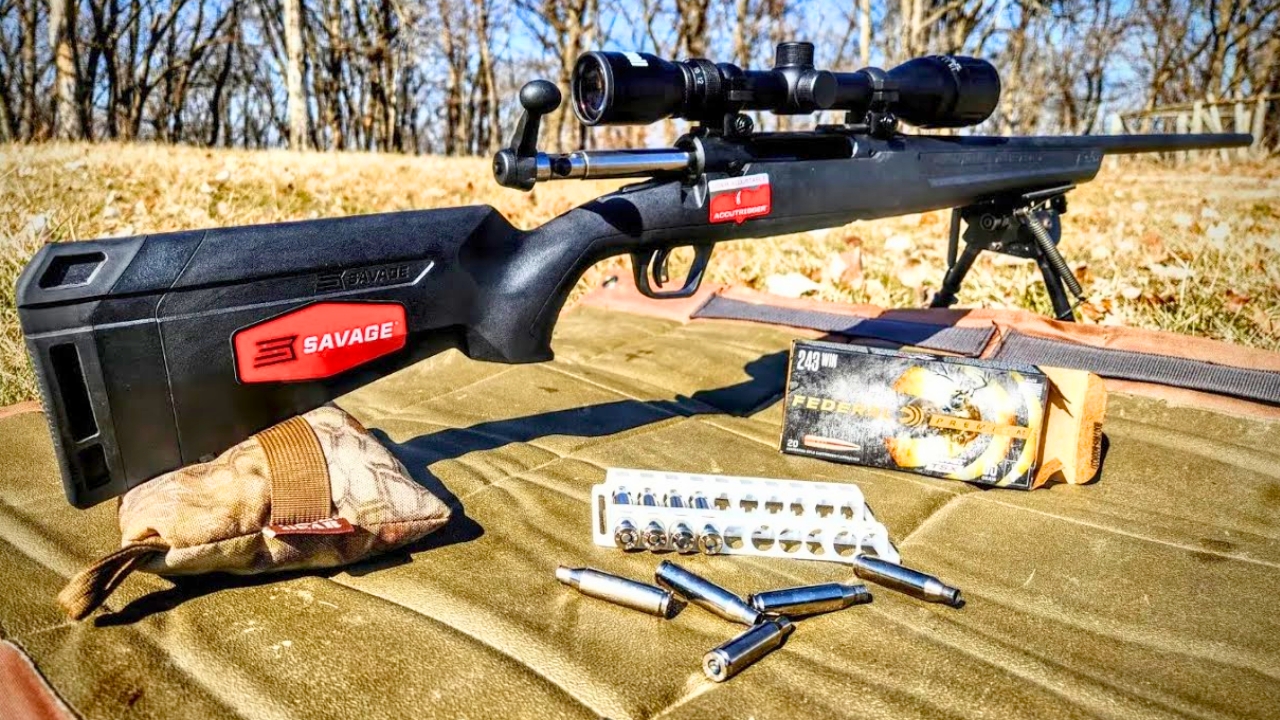
The Axis can shoot better than its price tag suggests, but the detachable magazine system is where you end up burning time. If the mag sits a touch low or the follower drags, you’ll see nose-dives and bolt-over-base hiccups when you run it with any speed. It’s the kind of problem that disappears on a slow bench cadence and reappears the second you try to run a quick follow-up.
You also end up chasing torque and stock flex. The light factory stock and budget hardware don’t always hold the action and scope stress the same way after bumps and temperature swings. Keep the mags clean, replace weak springs, and torque the action screws correctly—or you’ll spend more time diagnosing than shooting.
Ruger American

Ruger’s American rifles have filled a lot of freezers, but the rotary magazine can turn into the main character when it gets dirty, worn, or slightly out of spec. When the mag presentation height isn’t consistent, the bolt can skim a case rim, half-strip a round, or feed fine with one bullet shape and act cranky with another. Run the bolt hard and it stops being subtle.
The other time-sink is the “is it the rifle or the ammo?” spiral. Some Americans are surprisingly picky about overall length and bullet nose profile when the mag is tired. A fresh mag spring, clean internals, and a careful look at feed lips usually fixes it, but it’s still time you didn’t plan on spending.
Mossberg Patriot

The Patriot is one of those rifles that can shoot a respectable group, then waste your afternoon with magazine fit issues. If the mag locks in with any wobble, hard bolt work can change the feed angle enough to create a low hit into the feed ramp area. That’s a classic “works fine when you baby it” problem.
The second rabbit hole is hardware and consistency. If your action screws aren’t torqued evenly, or the stock is putting uneven pressure on the action, your point of impact can wander in a way that feels like bad ammo. When you catch yourself re-zeroing more than you’re practicing, it’s time to address the foundation: mag seating, screw torque, and a clean feeding path.
Remington 700 with budget detachable-mag conversions

A Remington 700 action can run for decades, but the second you add a cheap detachable-mag conversion, you’re playing tolerance roulette. If the bottom metal sits slightly off or the mag sits a hair low, the bolt can ride over the case head under speed. If it sits high, the bolt drags and feeding becomes inconsistent. Either way, you start swapping mags and blaming ammo.
The frustrating part is that the rifle still shoots well enough to tease you. You’ll see a tight group, then you’ll lose time clearing a bind or chasing a mystery misfeed. Quality bottom metal and proven mags matter here. If you’re going detachable, do it once with good parts, or you’ll spend the season diagnosing “almost right.”
T/C Compass

The Compass has earned a following because it can be accurate for the money, but it’s also a rifle where the magazine can decide your mood. A sluggish follower or weak spring shows up as a nose-dive when you cycle fast. That turns into the classic routine: load two, it runs; load four, it gets weird; load five, you’re clearing stoppages.
You can also end up chasing the “why does my group change?” question if the action screws loosen or the stock flexes in a way that changes pressure points. None of this makes it a bad rifle. It means you need to treat it like a working setup: clean mags, check torque, and don’t ignore a bolt that suddenly feels different mid-session.
Winchester XPR

The XPR is a practical hunting rifle, but some setups show their weak points when you start running the bolt with urgency. If the mag release timing is off—often a magazine issue—you can get a round that pops loose early and hits the chamber mouth off-center. Slow cycling hides it. Hard cycling exposes it.
You also end up chasing bullet shape. Pointier bullets can glide through a less-than-ideal feed path, while blunt soft points make the same rifle feel unreliable. That’s not superstition; it’s geometry. If you’re constantly changing loads trying to “fix” the rifle, step back and look at the magazine, feed lips, and how consistently the mag locks in.
Browning X-Bolt

The X-Bolt’s rotary magazine is smooth when it’s clean and healthy. When it’s dirty or the follower isn’t moving freely, you’ll start seeing delayed presentation—especially when you cycle fast. Then you waste time doing the worst kind of troubleshooting: the rifle runs fine for three rounds, then stumbles, then runs again after you reseat the mag.
Because these mags often live in pockets, packs, and truck consoles, dust and lint find their way inside. The fix is boring: clean the mag, keep the internals dry, and replace a tired spring. If you skip that, you’ll keep blaming the rifle, the ammo, and the optic when the magazine is the one controlling the whole experience.
Ruger Precision Rifle

The Ruger Precision Rifle can be a lot of rifle for the money, but it’s also a magnet for “project gun” behavior. You’re running AICS-pattern mags, different bullet lengths, and often a pile of accessories. A small mag-height issue or a slightly out-of-spec magazine turns into inconsistent feeding, bolt drag, or rounds that nose into the front of the mag under speed.
Then there’s the temptation to fix technique problems with hardware changes. You start swapping muzzle devices, bipods, triggers, and rails instead of confirming fundamentals. The rifle can shoot, but it can also keep you in a loop of tweaks. If you want it to behave, lock down one mag brand, one load, and a consistent torque routine—and stop changing five variables at once.
SIG Cross

The Cross is a modern, packable rifle with a lot going on: folding hardware, light weight, and a layout that invites tinkering. Some owners have reported early-production teething issues, and even with later rifles, you can still end up chasing setup details. Lightweight rifles don’t forgive loose screws, imperfect scope mounts, or inconsistent support.
The other time-sink is expectation management. People buy it for portability, then try to run it like a heavy bench rifle. If you don’t treat it like a field rifle—solid mounts, correct torque, and realistic heat management—you’ll end up re-zeroing and second-guessing groups that are really coming from movement, not a “bad barrel.” It’s a rifle that rewards disciplined setup and punishes casual assembly.
Ultra-light hunting rifles in hard-kicking chamberings

This isn’t one model—it’s a category that can steal your time fast. When you combine a very light rifle with a sharp-recoiling cartridge, you create a system that’s sensitive to everything: grip pressure, bag placement, bipod loading, and even how you shoulder it. Then you start chasing “accuracy problems” that are really recoil management problems.
You also see hardware issues show up faster. Light rifles get carried, bumped, and strapped down, and a scope mount that was “good enough” on a range rifle starts working loose. If you find yourself constantly checking rings, retorquing bases, and changing loads, the fix may be stepping down in recoil or stepping up in stock stiffness and mounting quality.
AR-10 pattern rifles built on mixed parts

If you want to chase problems, build a budget AR-10 with a grab bag of parts and expect it to behave like a factory bolt gun. The AR-10 world has compatibility landmines: gas port sizing, buffer weights, spring rates, bolt carrier dimensions, and magazines that aren’t all truly the same. When it runs, it’s great. When it doesn’t, you’re chasing ejection patterns and bolt hold-open issues instead of practicing.
The worst part is how many “fixes” seem to work for a magazine or two. You adjust gas, swap buffers, change ammo, and the rifle changes moods. A well-sorted AR-10 is a joy. A parts roulette AR-10 is a troubleshooting hobby that happens to fire bullets.
Older sporter rifles with tired springs and worn feeding parts

A classic deer rifle can still shoot straight, but worn parts turn it into a time thief. Weak magazine springs, worn followers, and tired ejectors show up when you cycle fast or when the rifle gets dirty. You’ll spend range time diagnosing malfunctions that weren’t there five seasons ago, and it feels random because it is—wear rarely fails in a clean, predictable way.
You also see old scope bases and ring screws loosen because they’ve been tightened and re-tightened for decades. If you’re chasing a wandering zero on an older rifle, don’t start with a new load. Start with fresh screws, clean threads, correct torque, and springs that still have life. A small maintenance refresh can turn an “unreliable” rifle back into a dependable tool.
Semi-auto .22s that run on “almost anything”

A rimfire semi-auto that “eats anything” is usually a rimfire semi-auto that runs until it doesn’t. Dirty chambers, waxy bulk ammo, and magazine grit turn reliable plinking into stovepipes and failures to feed. Then you burn half your session clearing jams and arguing with yourself about which ammo is “best.”
The issue is the rimfire system itself: soft rims, inconsistent priming, and ammo that varies more than centerfire shooters are used to. If you want fewer problems, keep mags clean, keep the chamber clean, and accept that certain loads will run better in your rifle. If you insist on feeding it whatever is cheapest, you’ll spend more time clearing than shooting.
Entry-level rifles with spongy stocks and inconsistent bedding

A flexible stock isn’t a moral failing, but it can turn into hours of frustration. If the fore-end flexes enough to touch the barrel under sling tension or bipod load, your point of impact can shift in ways that look like bad ammo or a bad scope. Then you start “testing” loads when the rifle is the variable.
You also end up chasing torque sensitivity. Some rifles will shoot one day and scatter the next because action screws loosen or settle. If you’re spending more time with a torque wrench than a trigger press, the solution is often a stiffer stock or a bedding job. Once the action sits consistently, the rifle stops changing personalities between range sessions.
Rifles that heat up fast and start moving groups

Thin barrels and light rifles are built to carry, not to hammer strings. If you treat them like a heavy range rig, you’ll end up chasing “accuracy issues” that are really heat and barrel dynamics. You shoot a couple groups, things look great, then your point of impact drifts and you start blaming everything: scope, bedding, ammo, you name it.
The fix is pacing and realism. Confirm your zero, shoot controlled groups, and let the barrel cool like it’s a hunting rifle. If you want to shoot long strings, choose a heavier barrel profile designed for it. Heat isn’t a mysterious gremlin—it’s physics. If you ignore it, you’ll spend money and time trying to solve a problem that shows up every time you outshoot the rifle’s intended role.
Like The Avid Outdoorsman’s content? Subscribe to our newsletter so you never miss an article.
Here’s more from us: