Photo credit: Browning International
A good rifle should reward discipline, not punish it. But some rifles have a way of masking bad habits or encouraging them outright. They make you think you’re shooting well when really, they’re covering for inconsistent form, poor trigger work, or lazy follow-through. Others are so unforgiving or awkward that they ruin confidence in even skilled shooters. If you’ve ever walked off the range wondering how you suddenly got worse, chances are the rifle in your hands had something to do with it. Here are the rifles that quietly turn solid marksmen into shaky ones—and why guides, instructors, and serious hunters see them as confidence killers.
Ruger American Rifle (Early Models)
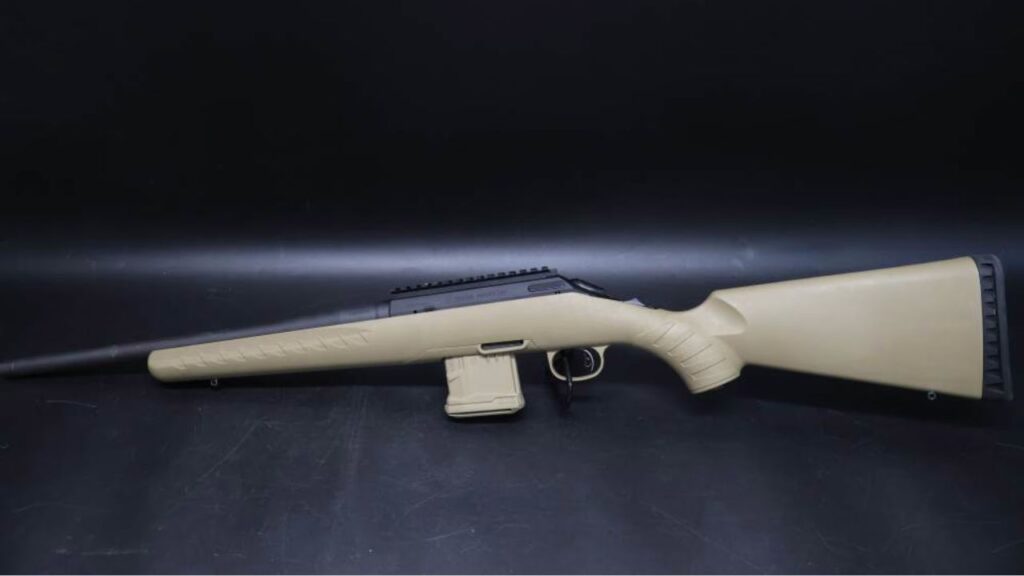
The Ruger American has earned its place as a solid budget rifle today—but the early models could frustrate even seasoned shooters. The lightweight synthetic stock transmitted recoil poorly and often led to inconsistent cheek placement. Combined with the squishy trigger and flexible fore-end, accuracy could drift with the slightest pressure change.
For newer shooters, the forgiving recoil made them sloppy. They’d rush shots because it felt “easy,” not realizing the stock’s flex was hiding small mistakes in grip and follow-through. For experienced marksmen, it could feel unpredictable—especially if you shot off a bipod. The accuracy wasn’t terrible, but it was erratic enough to make you question your own form. Ruger’s later improvements solved most of that, but the early Americans had a bad habit of humbling confident shooters.
Remington 742 Woodsmaster
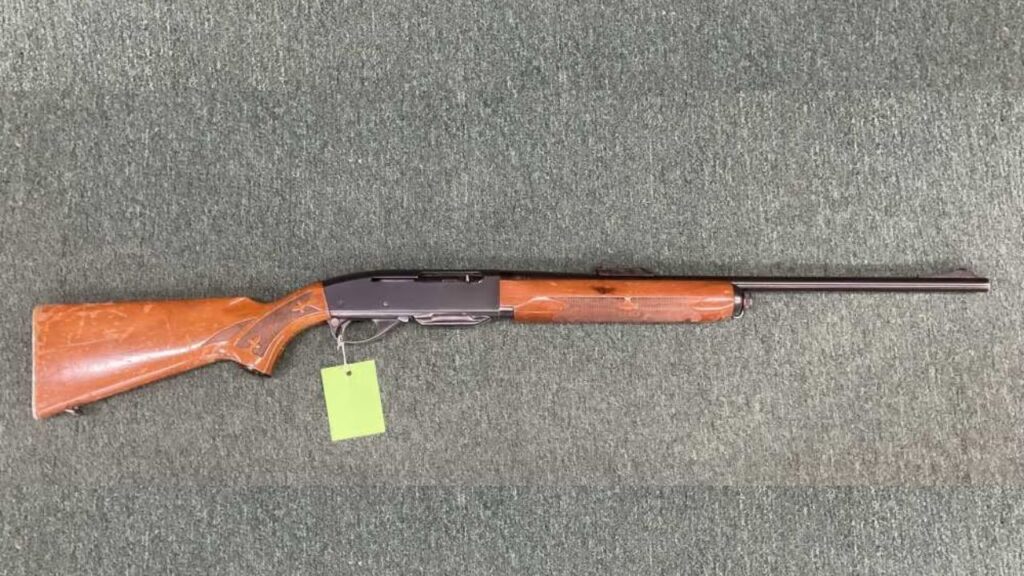
The Remington 742 is infamous among guides and gunsmiths. It’s a rifle that can turn an excellent shot into a confused one in a single afternoon. Its semi-auto action gums up quickly, the trigger is mushy, and once those action rails start wearing, groups open up like a shotgun pattern.
Shooters often overcompensate for the inconsistent cycling, jerking the trigger or rushing follow-up shots when the action hesitates. Accuracy declines slowly, so you might think you’re getting sloppy when it’s really the gun degrading. The 742 taught many hunters that reliability and precision don’t always go hand in hand. You can shoot it well—but only until the gun decides you won’t.
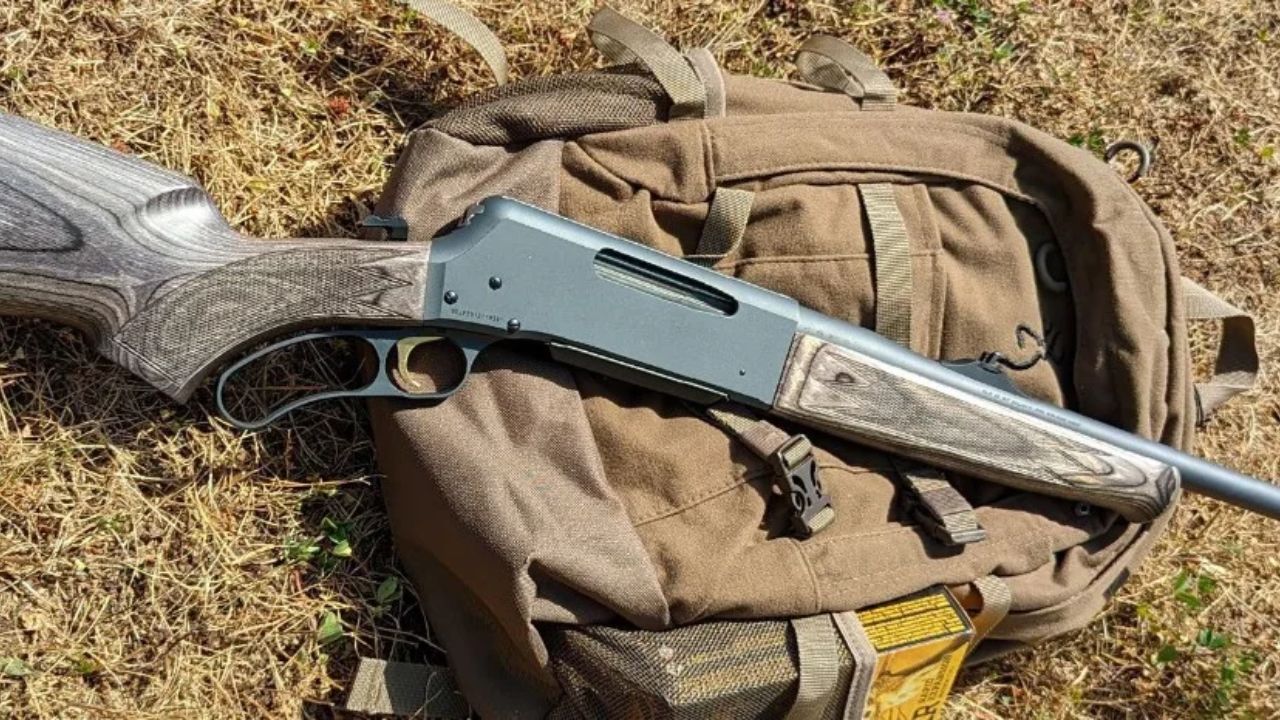
Browning BLR (Older Models)
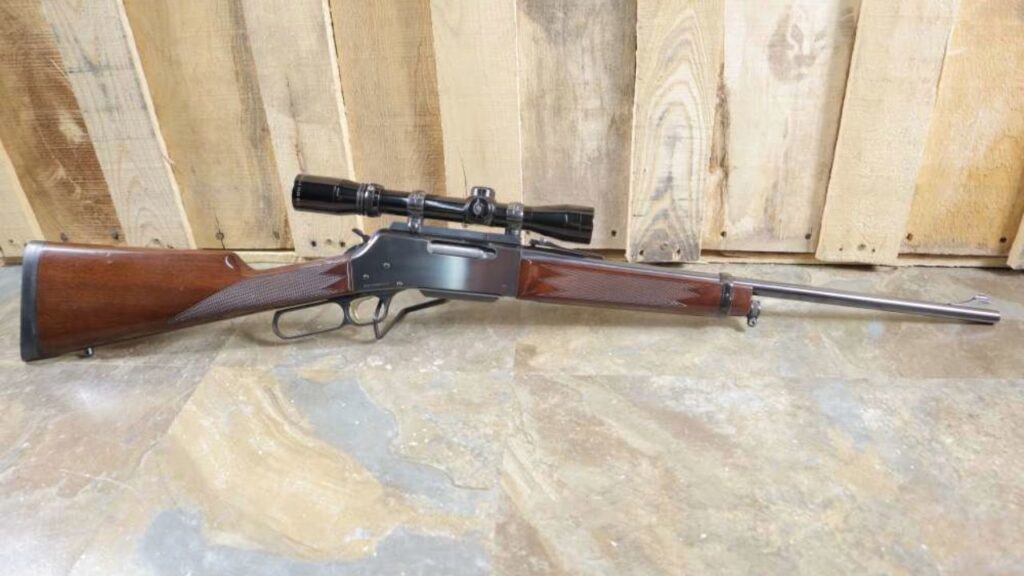
The Browning BLR is an elegant lever gun, but older models had quirks that made them tricky to shoot consistently. The trigger has noticeable take-up and creep, which throws timing off for shooters used to clean breaks. Add in the vertical bolt travel and you’ve got a rifle that feels more like a hybrid between lever and bolt—but with none of the rhythm of either.
Because the trigger group moves with the lever, maintaining proper finger placement can be awkward. Many shooters slap the trigger or shift their grip, resulting in fliers they can’t explain. It’s not that the BLR isn’t accurate—it’s that it demands an uncommonly steady hand and perfect muscle memory. Otherwise, even good shooters start second-guessing their form.
Winchester Model 100

The Winchester Model 100 was supposed to bring semi-auto convenience to the deer woods. Instead, it taught a generation of hunters how quickly a rifle can ruin consistency. The recoil impulse is sharp, the trigger is heavy, and the action has a distinct lag that throws off timing.
You can’t develop rhythm with a Model 100 the way you can with a good bolt-action. The long lock time and vague break make even experienced shooters flinch. Add to that its tendency to misfeed or stovepipe when dirty, and it becomes an exercise in frustration. The rifle’s balance and handling are excellent—but once you start fighting the trigger, even good mechanics crumble.
Weatherby Mark V (Ultra-Light Models)
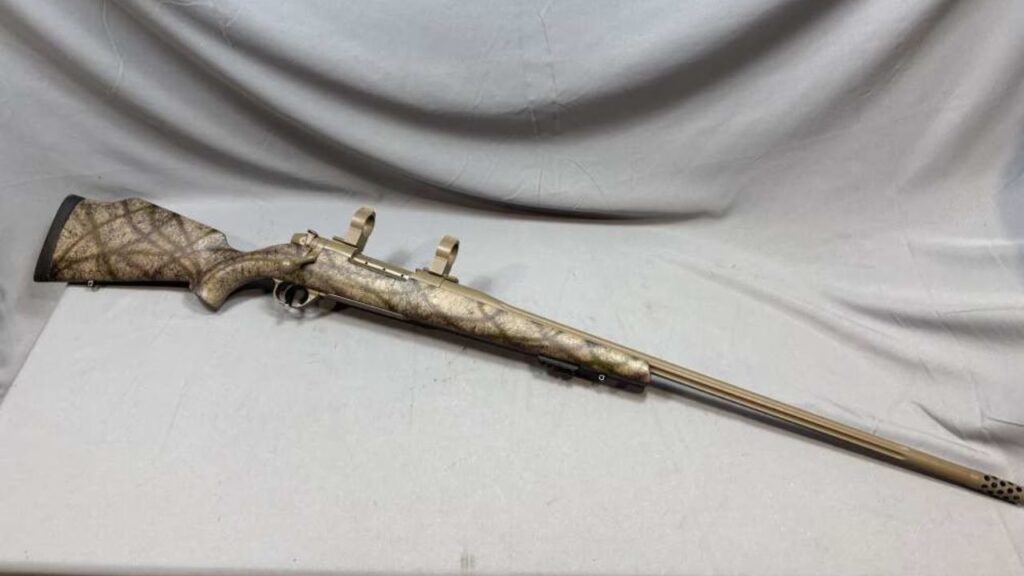
The Weatherby Mark V Ultra-Light rifles are gorgeous, accurate, and punishing to shoot. Their featherweight design makes them carry like a dream in the field—but on the bench, they’re brutal. Even moderate calibers feel like they’re trying to peel your shoulder off after a few rounds.
That kind of recoil doesn’t build confidence—it builds anticipation. Even seasoned shooters start flinching or jerking shots to avoid the hit. You’ll shoot fine for the first group, then start pulling low-left without realizing it. The rifle itself isn’t inaccurate—it’s the shooter developing recoil fatigue. In hunting scenarios, where your heart rate’s already up, those habits show fast.
Steyr Scout
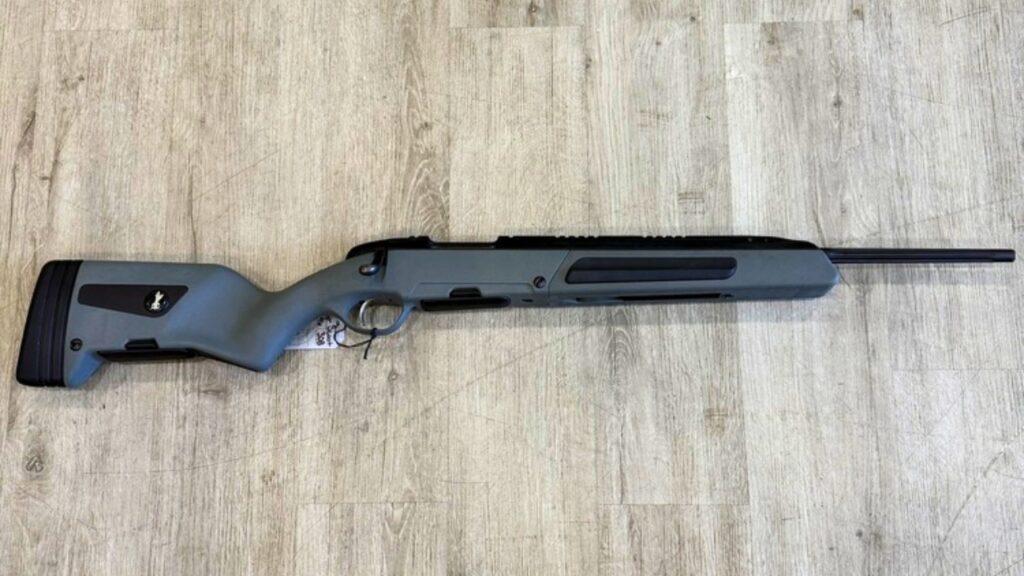
The Steyr Scout was forward-thinking but ergonomically awkward for most shooters. Its light weight, forward-mounted optic, and short overall length make it twitchy under recoil. You need perfect trigger discipline and cheek weld to stay consistent—but the rifle’s design almost guarantees you’ll shift slightly every shot.
Many shooters overcompensate by tightening their grip or pulling their shoulder too hard into the stock. That tension throws off follow-through and creates wide groups. The Scout rewards discipline but punishes anything less, which means it’s easy to lose confidence if you’re not fully dialed in. It’s one of those rifles that exposes flaws faster than it teaches skills.
Tikka T3 Lite in Magnums
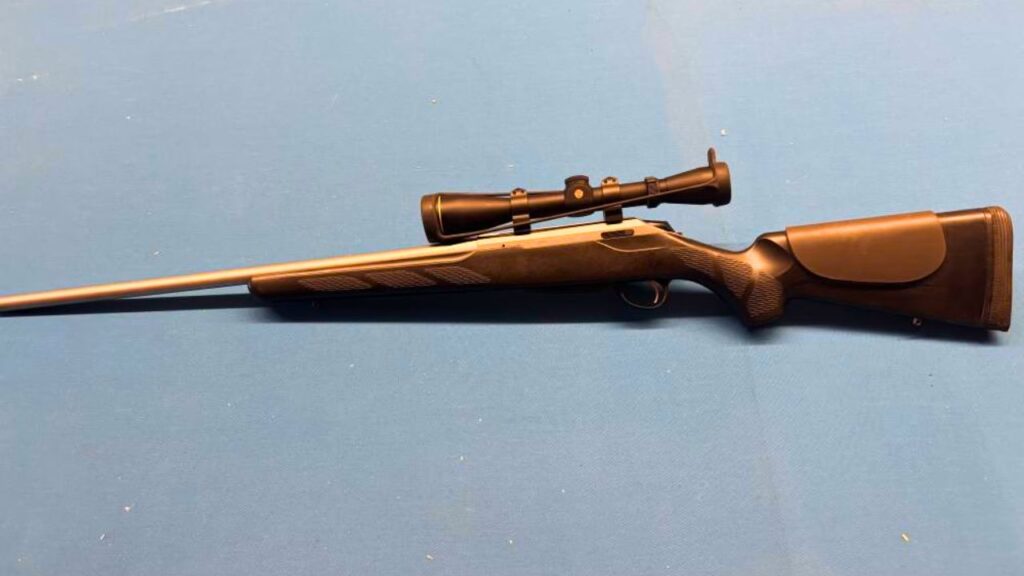
Tikka rifles are usually laser-accurate, but the T3 Lite chambered in hard-kicking calibers like .300 Win Mag or 7mm Rem Mag can turn a confident shooter into a flincher fast. The rifle’s light weight and sharp recoil make it nearly impossible to stay relaxed behind the trigger.
Even with the crisp Tikka trigger, you start anticipating the shot. On the bench, it’s miserable. In the field, it’s hard to recover for quick follow-ups. The accuracy potential is there, but the punishment to get it isn’t worth it for most shooters. It’s a rifle that teaches toughness—not marksmanship. Once that flinch sets in, it carries over to everything else you shoot.
Ruger Mini-14
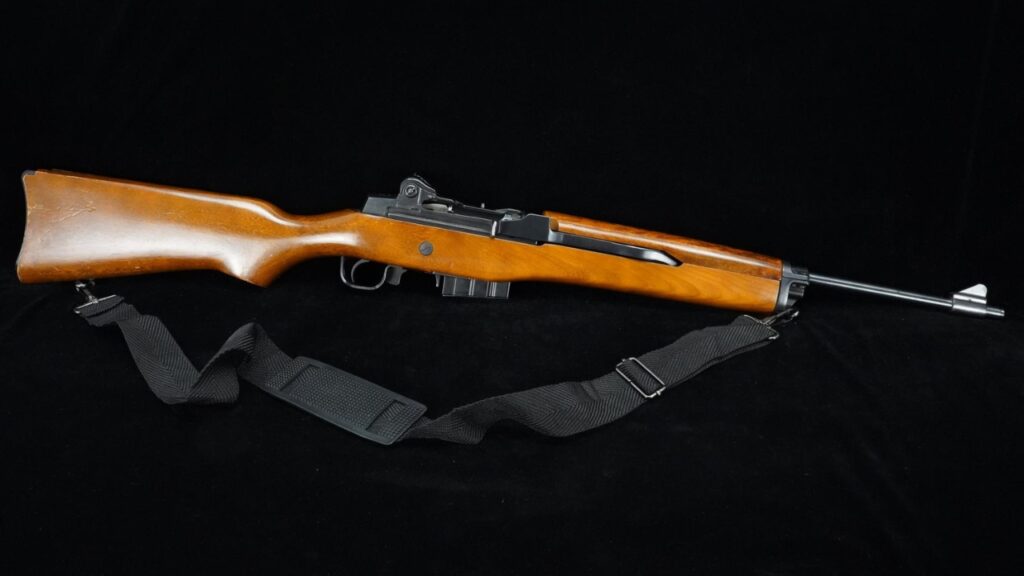
The Ruger Mini-14 is fun, reliable, and rugged—but it’s not a precision rifle. Its light barrel heats up fast, and groups start to spread after the first few shots. Shooters who don’t understand that think they’re getting sloppy when really, it’s the rifle walking under heat.
The trigger’s vague, the stock fit varies, and the sights aren’t exactly fine-tuned for target work. It’s a field gun, not a bench gun—but too many shooters treat it like one and end up chasing accuracy ghosts. The Mini-14 can make a good shooter question their fundamentals, even when they haven’t done anything wrong. It’s reliable, yes—but consistency isn’t its strong suit.
*This article was developed with AI-powered tools and has been carefully reviewed by our editors.