Photo credit: sootch00/Youtube
Handgun calibers get judged like sports teams. People pick a favorite, defend it too hard, and act like everything else is useless. One round is “too weak,” another is “too snappy,” another is “dead,” and another is “only for old guys.” The conversation gets loud fast.
But plenty of handgun calibers are better than their reputation. That doesn’t mean every one is the best choice for defense, carry, hunting, or range use. It means they still have real strengths when matched with the right gun, load, and purpose. These handgun calibers deserve more respect than they usually get.
.380 ACP
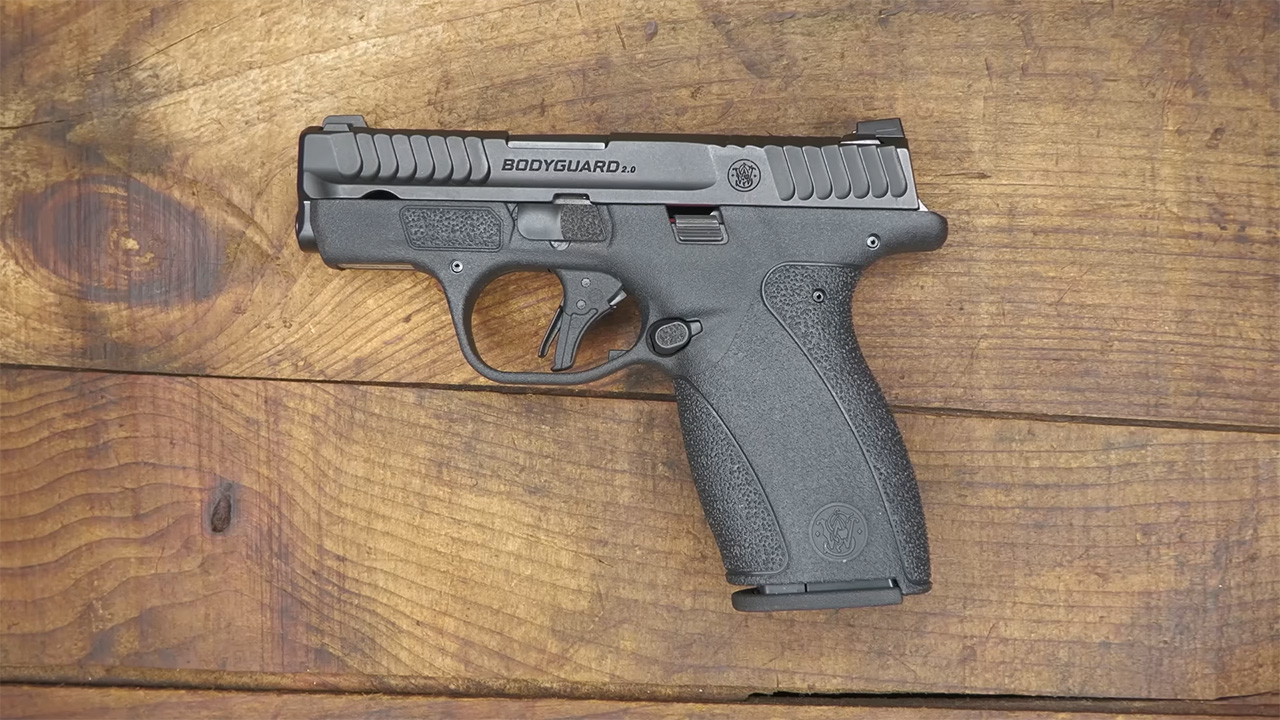
The .380 ACP gets dismissed because it does not match 9mm performance, and that criticism is fair as far as it goes. A lot of tiny .380 pistols are also unpleasant to shoot, which makes people blame the cartridge for problems caused by the platform.
But .380 ACP still deserves respect because it can be manageable, concealable, and practical in the right pistol. For recoil-sensitive shooters, older hands, deep concealment, or people who simply shoot it better than 9mm, it has a real place. A soft-shooting .380 that someone practices with regularly can be more useful than a snappy micro 9mm they avoid. It is not magic, but it is not useless either.
.38 Special
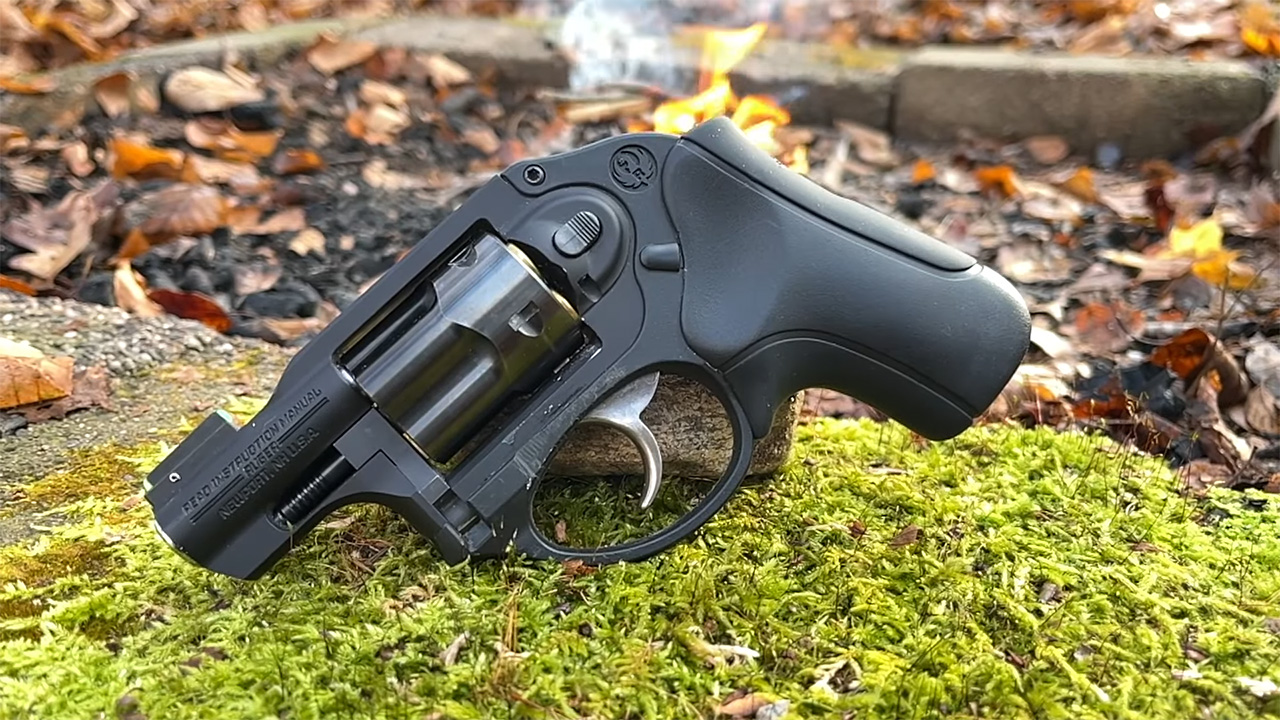
The .38 Special gets treated like an antique by people who only care about capacity and velocity. It is old, revolver-based, and mild compared with magnum loads. That makes some shooters dismiss it before they spend much time with it.
That is a mistake. In a medium-frame revolver, .38 Special is accurate, controllable, and excellent for building real trigger-control skills. In small revolvers, it is often far more realistic than .357 Magnum for actual practice. Wadcutters and quality defensive loads keep the cartridge useful, especially for shooters who value low recoil and precision. It may not be trendy, but it still does honest work.
.32 H&R Magnum

The .32 H&R Magnum has lived in the shadow of more famous revolver rounds for most of its life. It is not as common as .38 Special, not as powerful as .327 Federal Magnum, and not dramatic enough to get much attention. That is exactly why many shooters miss its strengths.
In compact revolvers, .32 H&R Magnum can offer low recoil, good accuracy, and sometimes an extra round compared with larger calibers in similar-size guns. That matters for people who struggle with small .38s or simply want faster follow-up shots. It is not a powerhouse, but it was never meant to be one. It deserves respect as a practical, shootable revolver cartridge.
.327 Federal Magnum

The .327 Federal Magnum deserves more respect because it offers a lot of performance in a small package. Many shooters ignore it because ammunition can be harder to find and because .357 Magnum has such a strong hold on the revolver world. Familiarity wins a lot of buying decisions.
But .327 Federal Magnum brings speed, flat shooting for a revolver round, and strong energy without the same recoil level many shooters get from full-power .357 loads. In some compact revolvers, it also allows six rounds where .357 versions may hold five. The ability to shoot milder .32-caliber cartridges in many .327 revolvers adds flexibility. It is not mainstream, but it is seriously underrated.
.44 Special
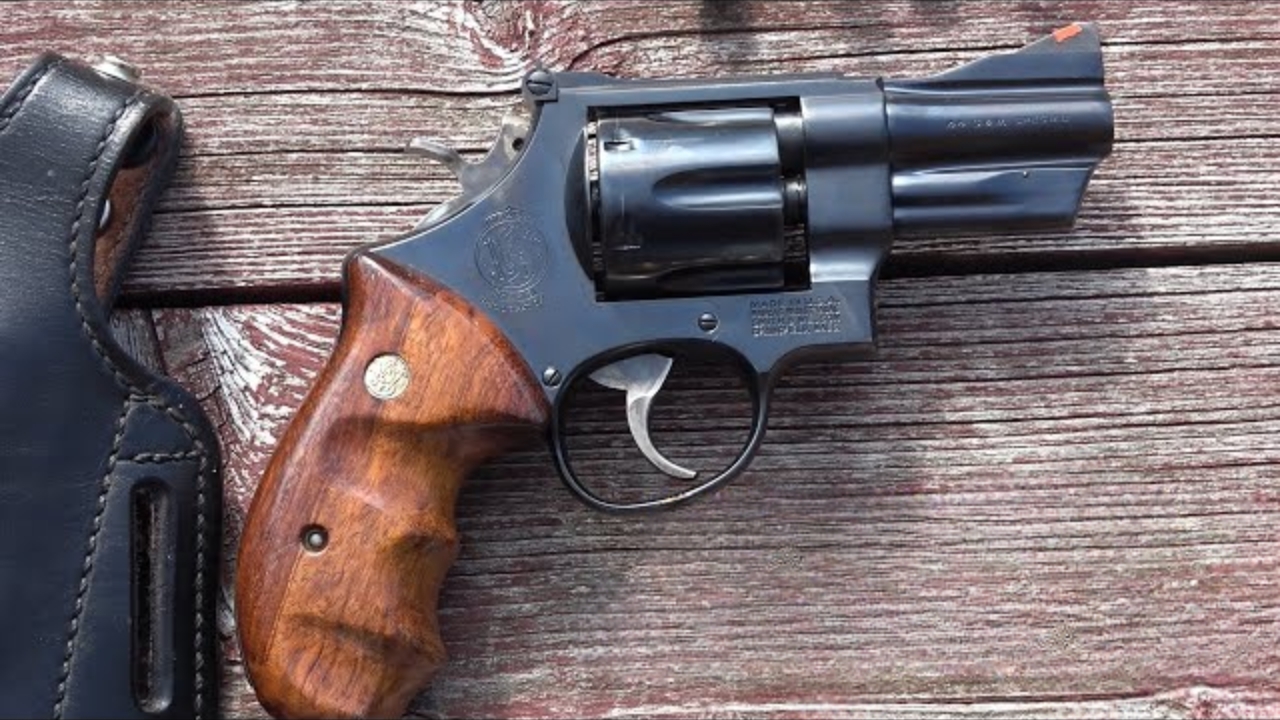
The .44 Special gets overlooked because .44 Magnum steals the spotlight. Shooters hear “.44” and immediately think of big recoil, big blast, and big hunting revolvers. The Special is quieter, slower, and less dramatic, so it gets treated like the tame little sibling.
That tame personality is the reason it works. In the right revolver, .44 Special is accurate, controllable, and capable without being punishing. It gives shooters a big-bore revolver experience that is much easier to live with than full-power magnum loads. For field carry, defensive revolvers, and handloaders who appreciate balance, .44 Special has a loyal following for good reason. It does not need magnum flash to be useful.
.41 Magnum

The .41 Magnum has never gotten the respect it deserves because it sits awkwardly between .357 Magnum and .44 Magnum. Shooters who want more power than .357 often jump straight to .44, while those who want less recoil stay with .357. That leaves .41 Magnum in the middle, which is not always a bad place to be.
For hunters and outdoorsmen who use it, .41 Magnum can be a fantastic revolver cartridge. It shoots flatter than many expect, penetrates well with proper bullets, and hits hard without quite the same recoil level as heavy .44 Magnum loads. The downside is availability. Guns and ammo are not as common. But capability was never the problem. The cartridge deserves more respect than the market gave it.
.40 S&W
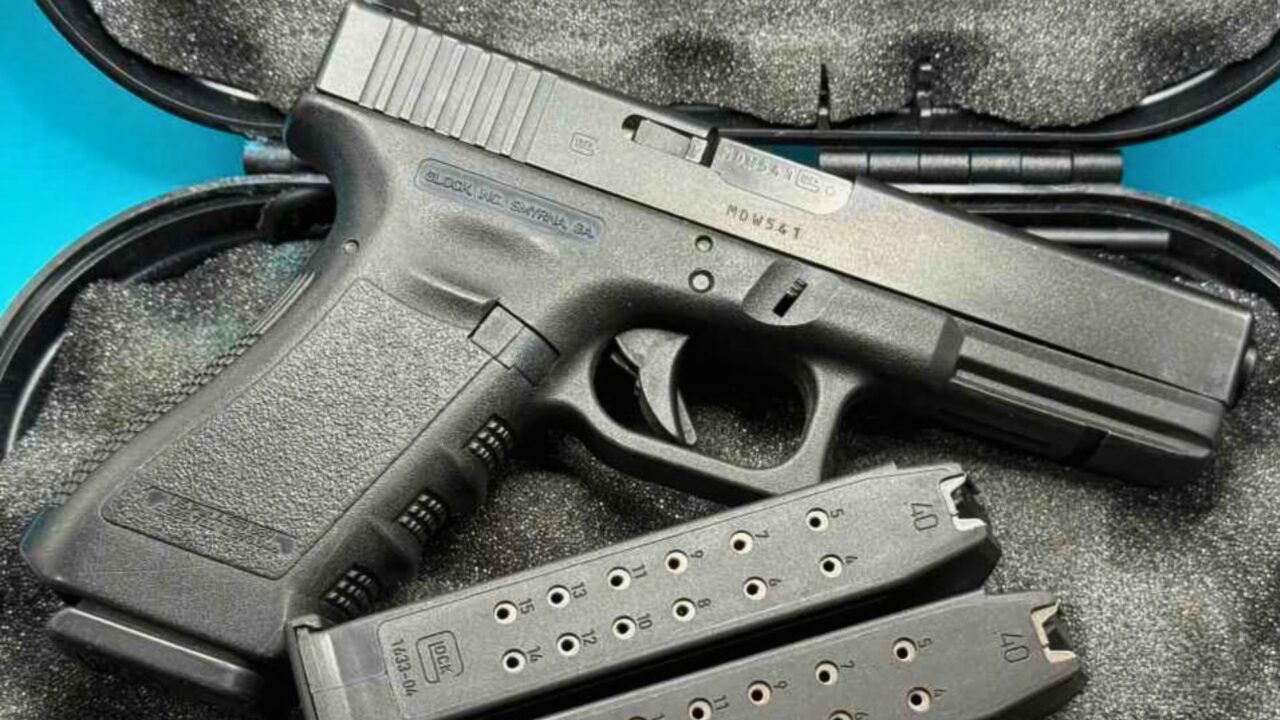
The .40 S&W took a beating once 9mm loads improved and shooters started prioritizing lower recoil, cheaper practice, and higher capacity. A lot of departments and civilians moved back to 9mm, and suddenly .40 became the cartridge everyone loved to mock.
That backlash went too far. .40 S&W is snappier than 9mm, and many shooters do perform better with 9mm. But .40 still offers more bullet weight and energy in many loads, and plenty of pistols chambered for it are available at good prices on the used market. In a full-size handgun with a trained shooter, it can still perform well. It did not become powerless just because the trend moved away.
.357 SIG

The .357 SIG deserves more respect because it did exactly what it was designed to do. It pushed 9mm bullets fast, offered a flatter trajectory, and gained a reputation for strong barrier performance. The problem was never that it lacked capability. The problem was cost, recoil, muzzle blast, and market support.
Those drawbacks are real. It is louder and snappier than 9mm, and ammunition is more expensive and less common. But in the right pistol, .357 SIG is accurate, fast, and confidence-inspiring. It may not make sense for everyone, especially high-volume shooters. Still, calling it a failed gimmick ignores the real performance that made loyal users stick with it.
10mm Auto
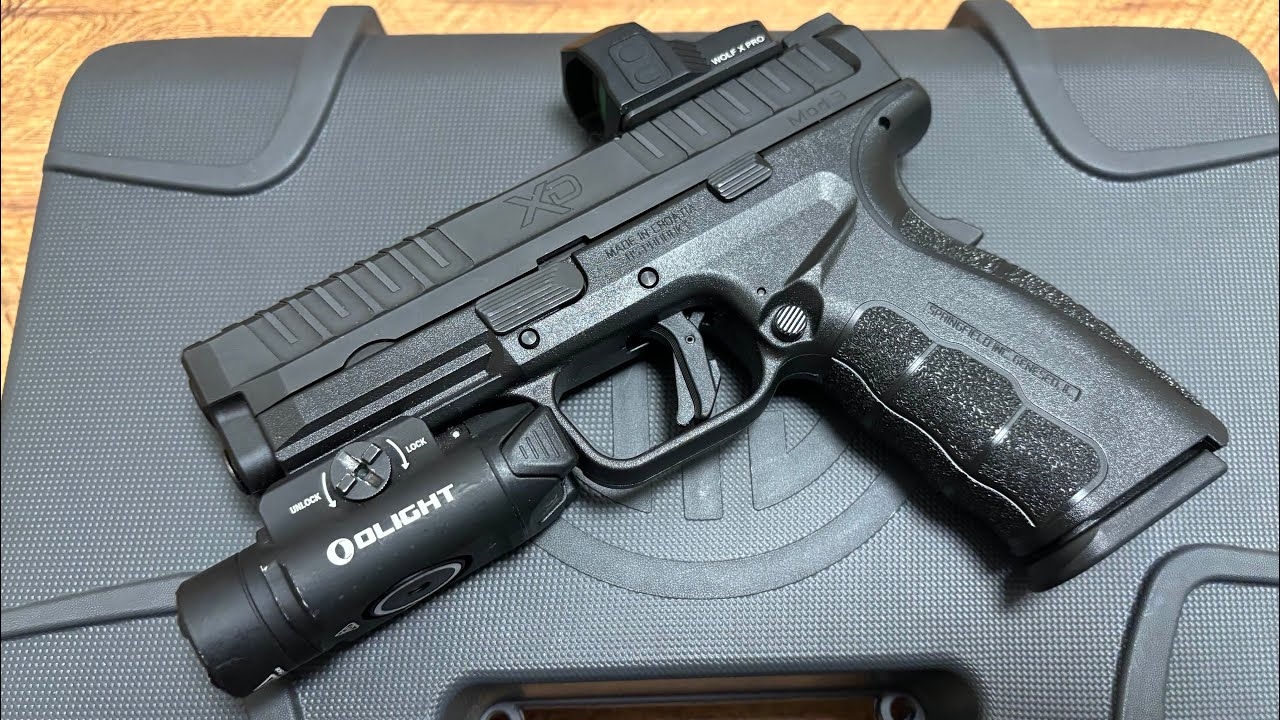
The 10mm Auto gets respect in some circles now, but it still gets misunderstood. Some shooters treat it like too much gun, while others expect every factory load to be full-power woods medicine. Neither view is quite right. The cartridge’s reputation has always been split between hype and skepticism.
A properly loaded 10mm can deliver serious performance from a semi-auto pistol. It makes sense for woods carry, hunting sidearm use, and shooters who want more authority than common defensive handgun rounds can offer. It also requires a pistol strong enough to handle it and a shooter willing to manage recoil. Loaded lightly, it loses some of its point. Loaded properly, it deserves every bit of respect it gets.
.45 Colt
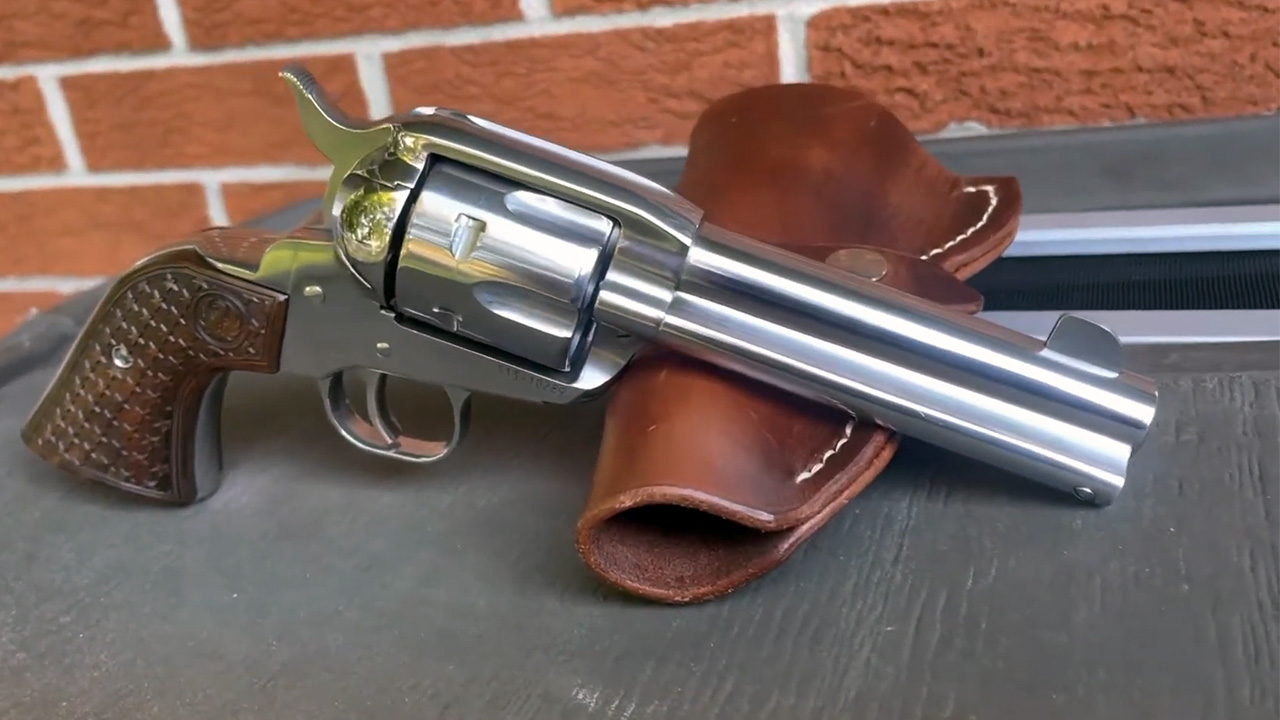
The .45 Colt deserves respect because it has more range than many shooters realize. Some see it only as mild cowboy-action ammunition. Others only talk about heavy loads in strong modern revolvers. Both views are incomplete.
Standard-pressure .45 Colt can be accurate, pleasant, and deeply enjoyable in single-action revolvers. In strong firearms rated for heavier loads, it can become a serious field and hunting cartridge. The key is knowing the gun and never mixing load expectations across old, replica, and modern heavy-duty platforms. Used correctly, .45 Colt is one of the most flexible big-bore handgun cartridges around.
9x18mm Makarov

The 9x18mm Makarov gets dismissed because it lives in the shadow of 9mm Luger. It is less powerful, less common, and tied mostly to surplus pistols. For modern defensive use, 9mm Luger is usually the easier and more practical choice.
Still, 9x18mm Makarov deserves more respect for what it is. In pistols like the Makarov PM and CZ 82, it can be reliable, accurate, and very shootable. It sits above many .380 ACP loads while remaining manageable in compact blowback pistols. Ammunition availability is not what it used to be, and it is not a mainstream recommendation now. But the cartridge is far more capable than its “not quite 9mm” reputation suggests.
.22 Magnum

The .22 Magnum gets dismissed because it is a rimfire, and rimfire ignition is a real concern for defensive reliability. That limitation matters. But some shooters take that criticism so far that they ignore every practical use the cartridge still has.
In revolvers especially, .22 Magnum can offer very low recoil, useful velocity from longer barrels, and more punch than .22 LR. It can be a practical choice for pest control, trail use, and shooters who cannot handle centerfire recoil well. It is not a replacement for larger defensive cartridges, and it should be judged honestly. But for people who need low recoil and easy shooting, it deserves a fairer look.
.45 GAP
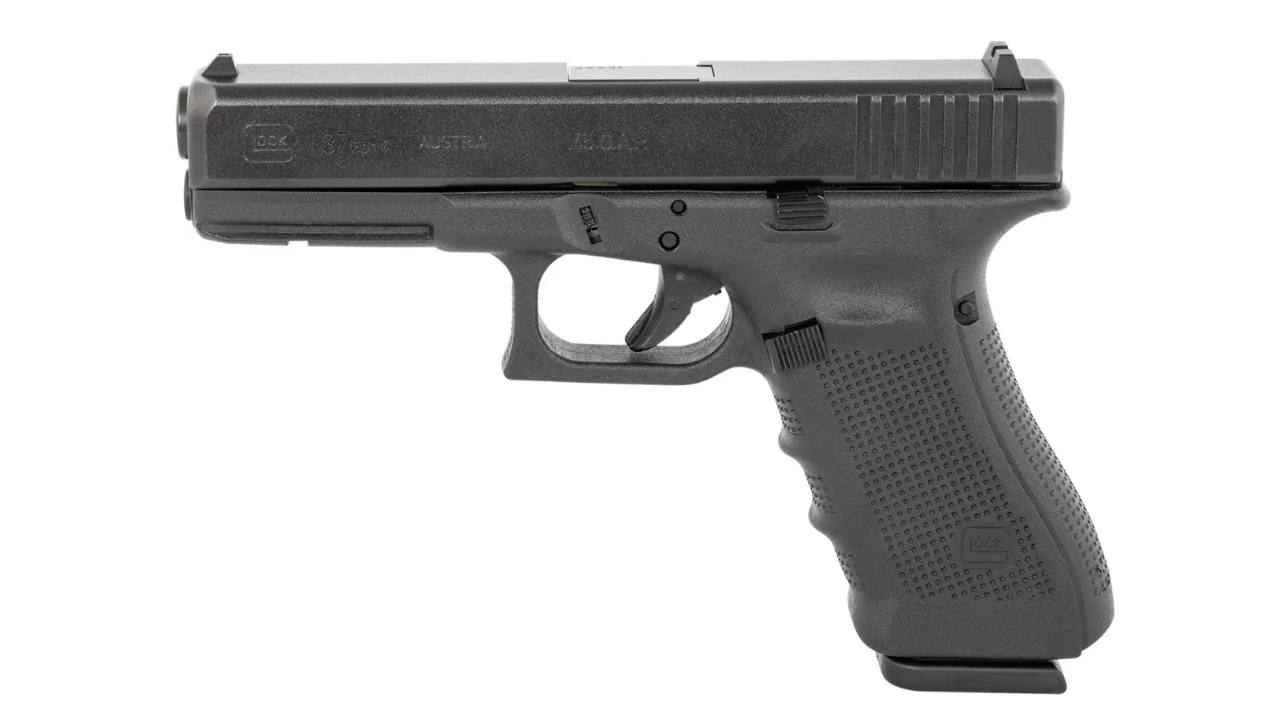
The .45 GAP is one of the easiest cartridges to mock because the market largely abandoned it. It was designed to deliver .45-style performance in a shorter cartridge that allowed smaller grip frames, but it never gained broad enough support to become a lasting mainstream option. Ammo availability is the problem now.
Still, the cartridge itself was not foolish. In pistols designed around it, .45 GAP gave shooters a big-bore option with a grip size that worked better for some hands than traditional .45 ACP double-stacks. Some law enforcement agencies used it for a time, and it performed its intended role. It is not a practical choice for most buyers today, but it deserves more respect than simply being called a dead oddball.
.25 ACP

The .25 ACP gets mocked harder than almost any handgun cartridge, and modern shooters have plenty of better defensive options. It is small, low-powered, and usually chambered in tiny pistols that are hard to shoot well. Nobody needs to pretend it is powerful.
But historically, .25 ACP made sense. It offered centerfire ignition in very small pocket pistols at a time when tiny rimfire semi-autos were less dependable. The cartridge existed to fill a specific role, not to impress anyone with power. Today, most people should choose something better if they can. But respect does not mean calling it ideal. It means understanding the problem it was built to solve.
.44 Magnum
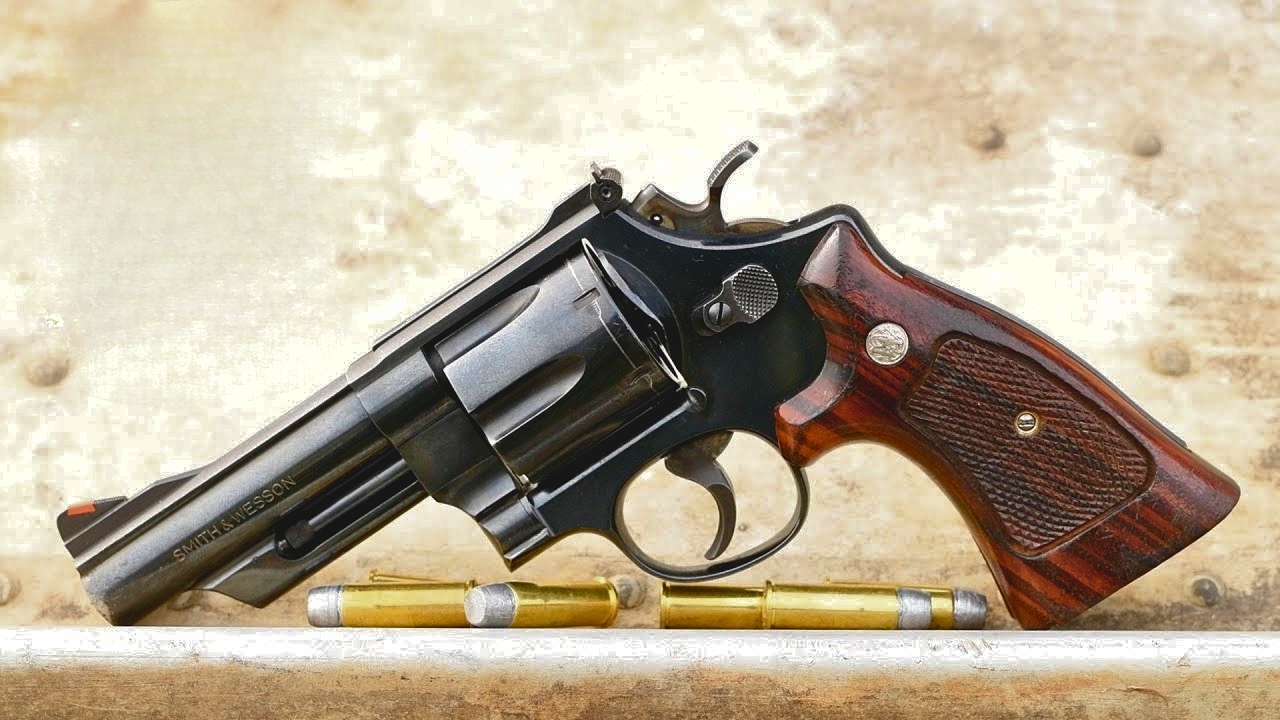
The .44 Magnum gets plenty of fame, but it still deserves more practical respect than it gets. Too many people treat it like either a Hollywood hand cannon or a recoil joke. That misses the cartridge’s real strength.
In the right revolver and with appropriate loads, .44 Magnum is a serious hunting and field cartridge. It can handle deer, hogs, black bear, and outdoors use where legal and appropriate. It also offers great flexibility because revolvers chambered for it can usually shoot .44 Special for easier practice. The recoil and blast are real, especially in lighter guns. But managed properly, .44 Magnum is not a novelty. It is a working cartridge with a long record.
Like The Avid Outdoorsman’s content? Be sure to follow us.
Here’s more from us: