Photo credit: The Arkansas Gun Guy/YouTube
Some pistol regrets do not show up at the gun counter. They show up after the first range trip, the first carry week, the first malfunction drill, or the first time a friend lets you shoot the gun you almost bought instead. That is when the little compromises start feeling bigger.
A pistol can be decent and still be the wrong choice. Maybe it was cheaper, smaller, prettier, newer, or louder online. Then real use makes you wish you had picked the boring option with better support, softer recoil, cleaner sights, better magazines, or a longer track record.
SIG Sauer P365 SAS

The SIG Sauer P365 SAS sounded like the smarter deep-carry version of an already great pistol. A smooth, snag-free profile made sense if you cared about clean draws and pocket-friendly concealment.
Then many buyers realized the regular P365, P365 XL, or P365 XMacro was easier to shoot well. The SAS sight system can be slower to pick up, especially if you are used to normal sights or a red dot. When a carry pistol makes aiming feel less natural, regret shows up fast.
Springfield Armory Hellcat
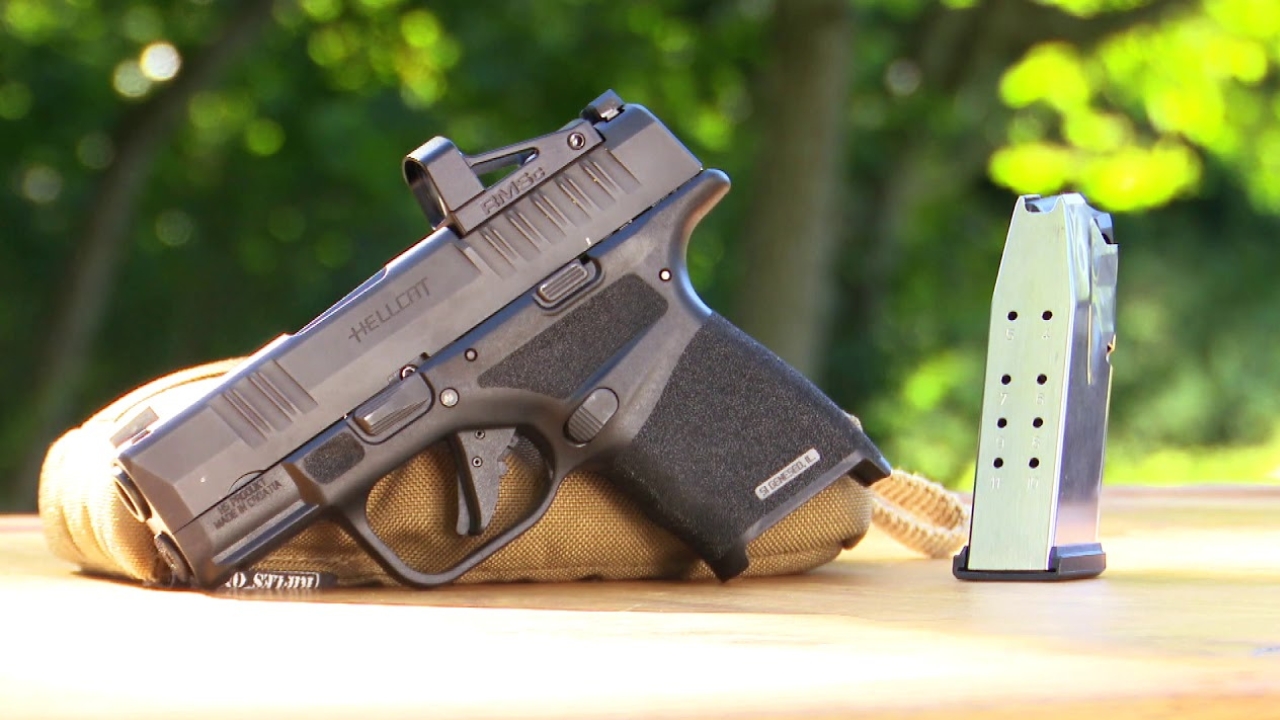
The Springfield Hellcat won plenty of buyers with capacity and size. On paper, it looked like the answer for anyone wanting a tiny pistol that still carried serious round count.
The problem is that small pistols reveal themselves quickly in practice. The Hellcat can feel snappy, cramped, and harder to run well than slightly larger options like the Hellcat Pro, Shield Plus, or P365 XL. Many buyers eventually realize they chose the smallest practical option instead of the best shooting option.
Kimber Micro 9

The Kimber Micro 9 looks like the kind of carry pistol people want to love. It is small, attractive, and has enough 1911 flavor to feel more interesting than a polymer compact.
Real use can make buyers wish they had chosen something plainer. Small 1911-style pistols can be picky, sharp, and less forgiving than boring striker-fired carry guns. A Shield Plus, Glock 43X, or P365 XL may not feel as classy, but they often make more sense after serious range time.
Glock 44

The Glock 44 tempted buyers who wanted a cheap-training Glock. That idea was strong: familiar controls, low recoil, cheaper ammo, and a rimfire pistol that could support centerfire practice.
The regret comes when owners compare it to proven rimfire pistols like the Ruger Mark IV or Browning Buck Mark. Those guns often feel more accurate, more satisfying, and more purpose-built as .22 pistols. The Glock 44 may be useful, but many buyers expected a rimfire version of Glock confidence and felt underwhelmed.
Taurus GX4
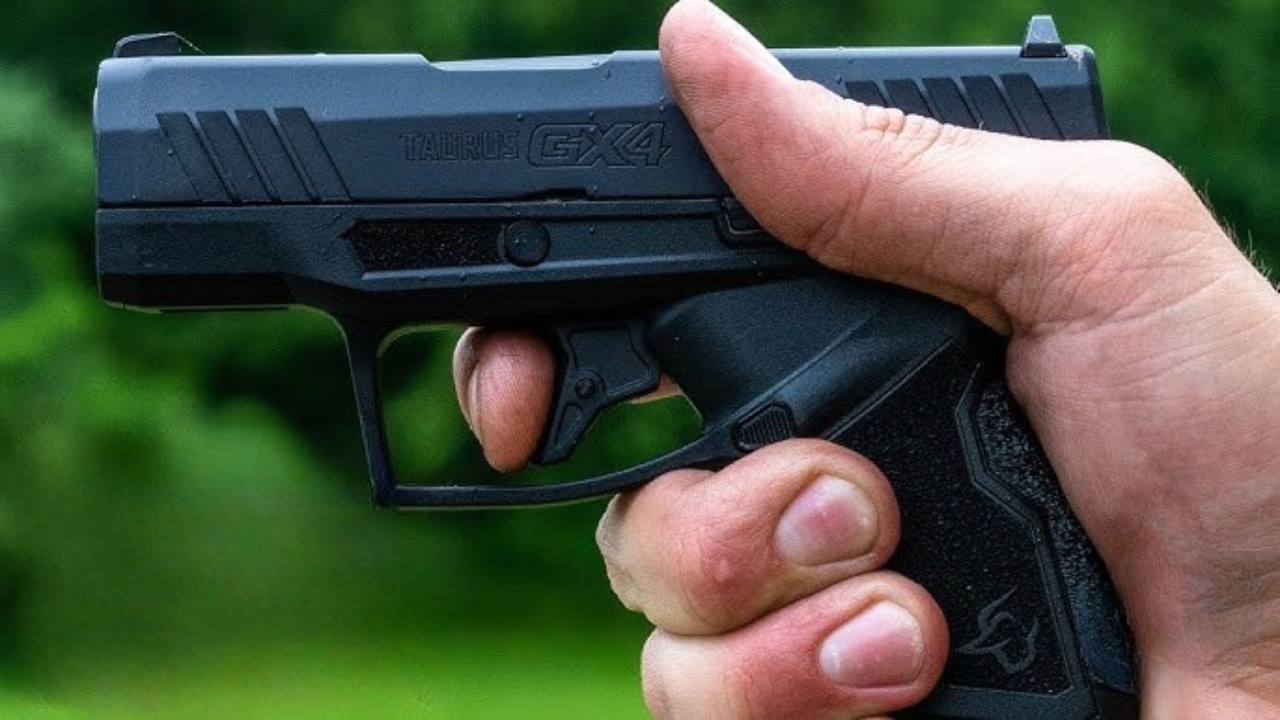
The Taurus GX4 gave budget-minded buyers a lot to consider. It was small, affordable, and competitive on capacity, which made it tempting against more expensive micro-compacts.
After trying it, some shooters wish they had spent more on the Shield Plus, P365, or Glock 43X. The GX4 can work, but the brand reputation, trigger feel, long-term confidence, and aftermarket support do not calm every buyer. Saving money up front does not feel as good if you keep wondering whether you should have bought the pistol with the stronger track record.
Springfield Armory XD-S
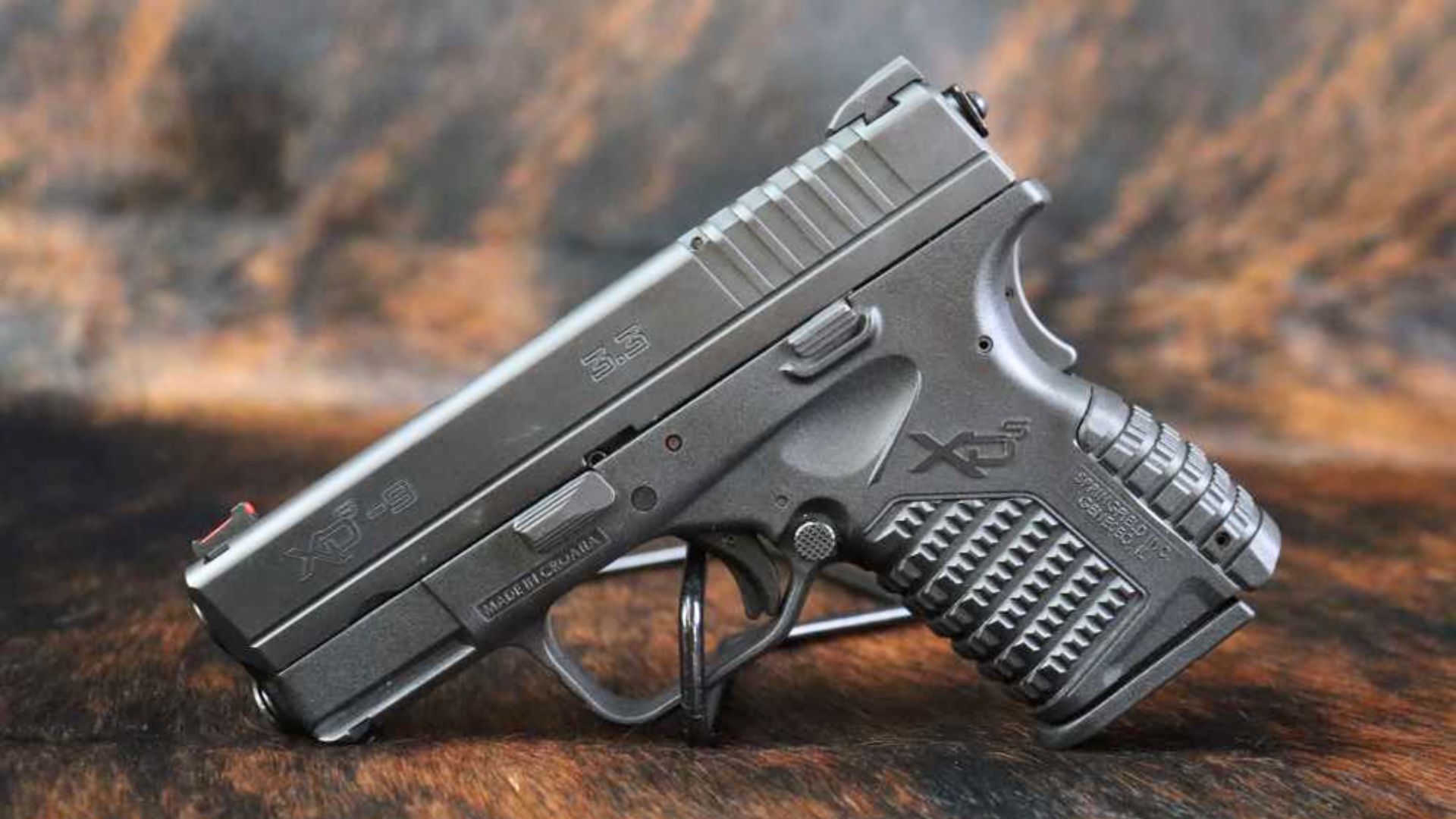
The Springfield XD-S had a strong moment when slim single-stack carry pistols were everywhere. The .45 ACP version especially pulled in buyers who wanted big-bore power in a small gun.
The regret comes from the tradeoff. Small .45 pistols can be rough, slow, and low-capacity. Even in 9mm, the XD-S now feels dated beside higher-capacity micro-compacts. Many owners eventually wish they had chosen a softer-shooting, easier-carrying, higher-capacity pistol instead of chasing caliber or old single-stack thinking.
Walther CCP
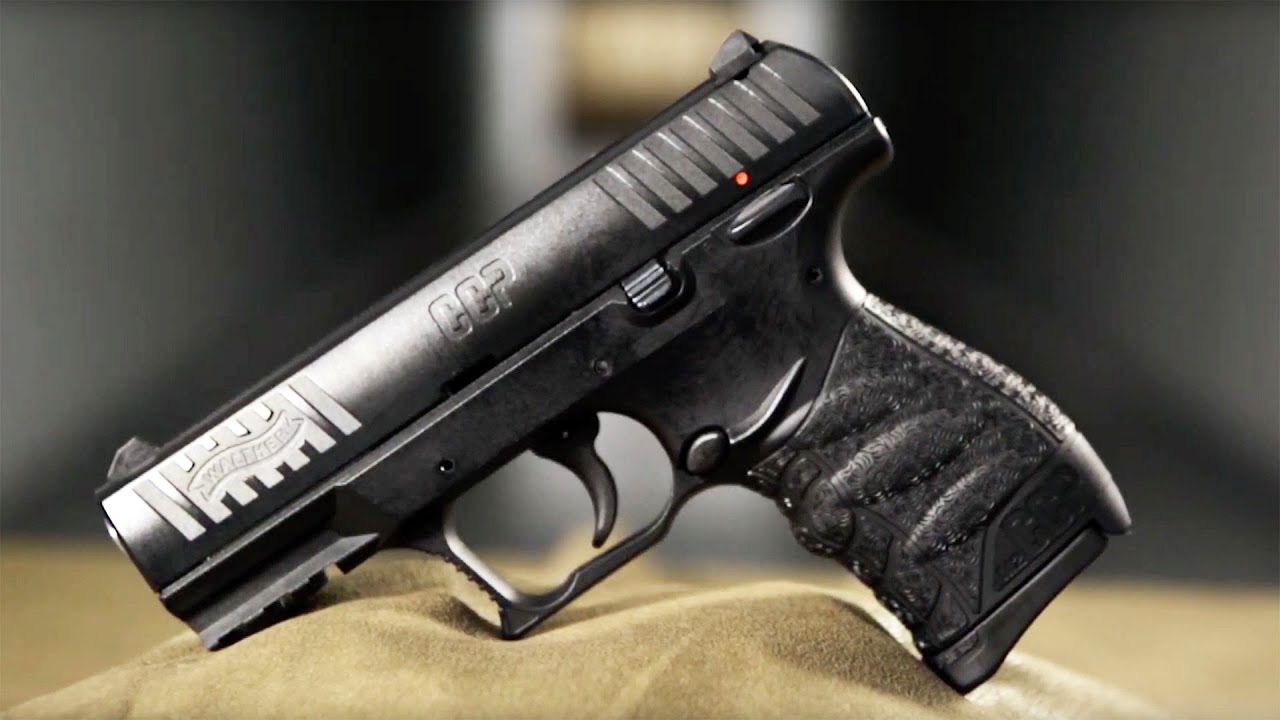
The Walther CCP sounded like a friendly compact pistol for people who wanted softer recoil and an easier slide. That pitch made sense, especially for shooters who struggled with stiff springs or snappy carry guns.
The ownership experience did not always match the promise. Early takedown complaints, heat concerns, and mixed confidence made some buyers wish they had picked a simpler compact. A Shield EZ, Glock 19, P365 XL, or M&P compact may not sound as clever, but easier ownership matters more than an interesting operating system.
Remington R51

The Remington R51 had enough promise to pull buyers away from safer choices. It was slim, different, and tied to a revived Remington idea that sounded like it might make a compact pistol softer and smarter.
Then reality hit hard. Reliability complaints and a rough launch damaged trust almost immediately. Buyers who chose it over a Glock 43, Shield, PPS, or other proven compact often learned the hard way that different is not always better. A carry pistol needs confidence first. The R51 gave too many owners doubt instead.
Kimber Solo

The Kimber Solo looked like a premium small 9mm at a time when many shooters wanted exactly that. It was sleek, compact, and carried a name that made buyers expect refinement.
The regret came from how picky the platform could be. A defensive pistol should not make you think too hard about ammunition, magazines, or whether today is the day it runs cleanly. Many buyers who chose the Solo over a Shield, Glock 43, or SIG P938 later wished they had taken the less glamorous but more dependable route.
Beretta APX Carry
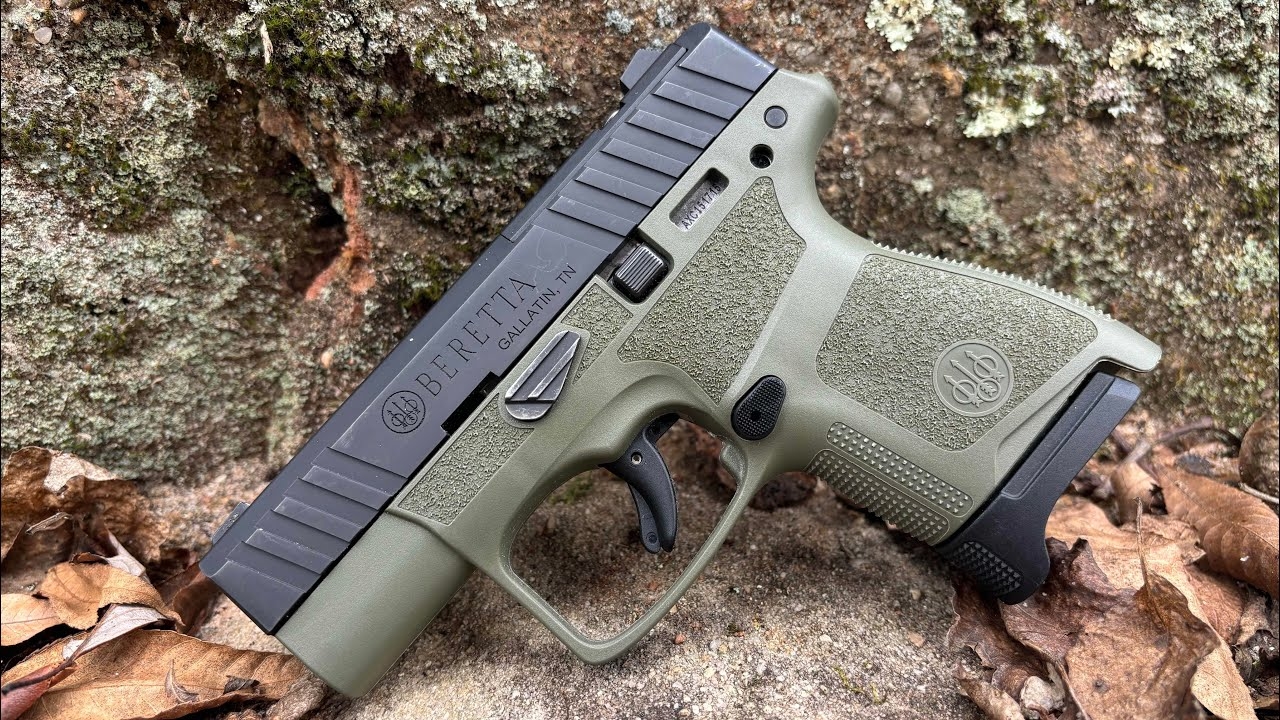
The Beretta APX Carry had a respected brand name behind it and a compact size that made it seem like a useful concealed-carry option. It looked like a simple way to get into the Beretta family without carrying a full-size pistol.
Compared with stronger carry choices, though, it often felt like a compromise. The trigger, grip feel, and overall shootability did not win everyone over. Many buyers eventually looked at the Shield Plus, P365, or Glock 43X and wondered why they did not start there.
KelTec PF-9
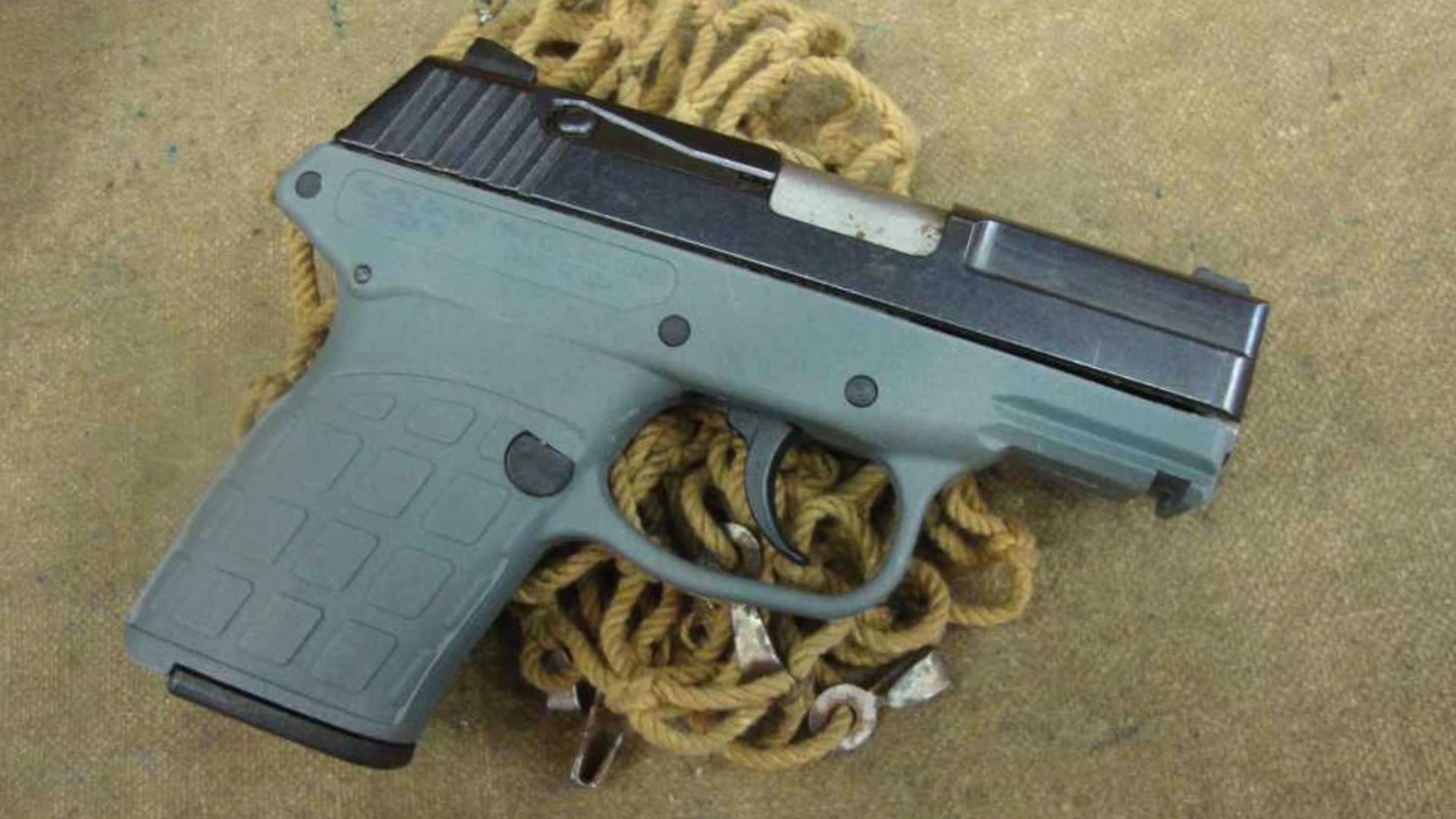
The KelTec PF-9 made sense when thin 9mm pistols were less common and budgets were tight. It was light, cheap, and easy to conceal, which gave it real appeal.
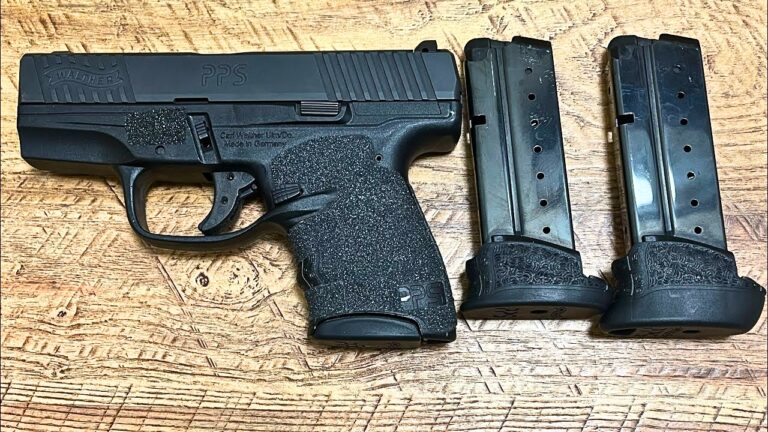
After shooting it, the regret could come quickly. The recoil is sharp, the feel is rough, and the pistol does not give much margin for sloppy grip or poor ammo. Buyers who later tried a Shield, PPS, or newer micro-compact often realized they had chosen affordability over confidence. A carry gun is a bad place to save the wrong money.
Smith & Wesson Bodyguard 380

The Smith & Wesson Bodyguard 380 looked like a practical pocket pistol. Small size, light weight, and laser-equipped versions gave it a strong sales-counter argument for deep concealment.
Range time often cooled that excitement. The long trigger, tiny sights, and demanding shootability made some buyers wish they had picked a Ruger LCP Max, SIG P238, Shield EZ, or a small 9mm instead. Pocket pistols are already difficult. When the trigger makes good shooting harder, the regret feels earned.
FN Five-seveN

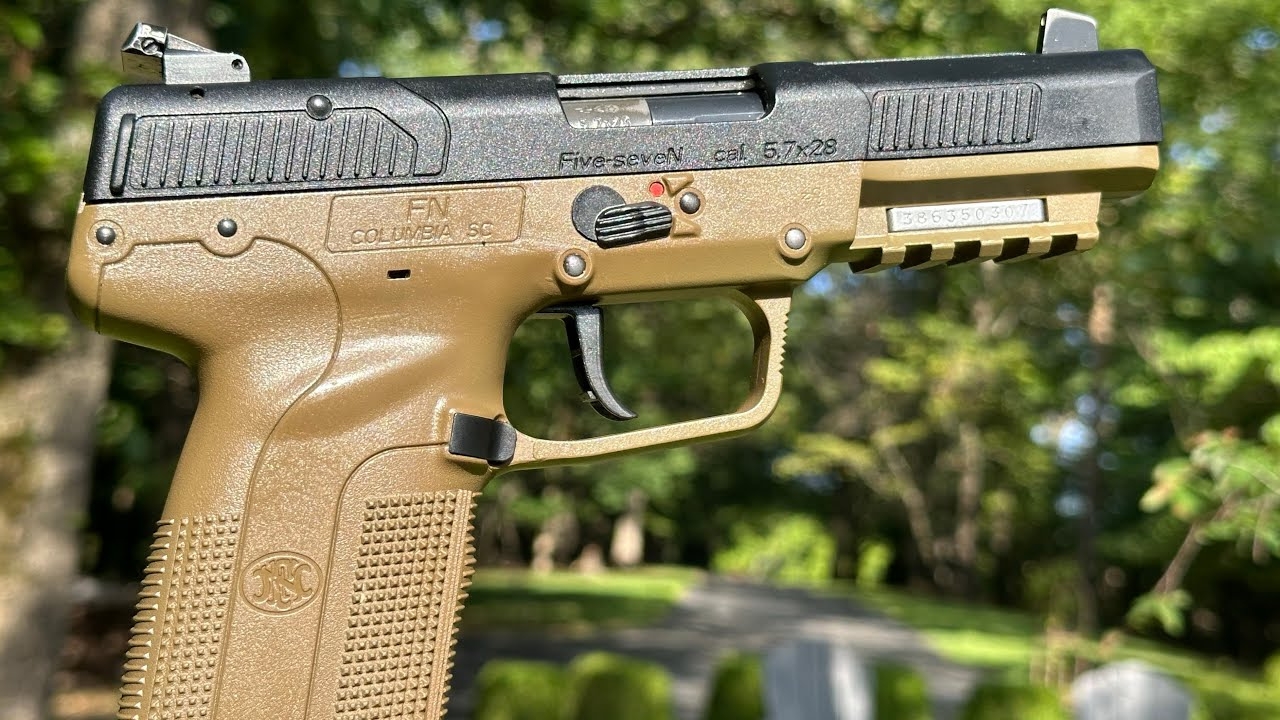
The FN Five-seveN pulled buyers in with capacity, low recoil, a futuristic cartridge, and a military-style reputation. It sounded like something far more interesting than another 9mm pistol.
The regret usually comes later, when ammunition cost, pistol price, and practical role all sink in. Many shooters realize they would have been better served by a quality 9mm, a good .22 trainer, or even a more conventional defensive pistol with cheaper support. The Five-seveN is cool, but cool does not always age into satisfaction.
Desert Eagle .50 AE

The Desert Eagle .50 AE is one of the easiest pistols to want before you own it. It has movie fame, huge power, and range-lane drama built into the name.
Then the owner has to feed it, clean it, store it, and decide when it actually makes sense to bring. It is heavy, expensive, and often more fun for other people to watch than for the owner to shoot regularly. Many buyers eventually wish they had chosen a high-quality 1911, revolver, or practical range pistol instead.
Hudson H9

The Hudson H9 pulled in shooters who wanted something genuinely new. Low bore axis, unusual styling, and a 1911-like trigger idea made it sound like a real advancement instead of another copycat pistol.
The regret came from the long-term ownership problem. The pistol was heavy, expensive, and tied to a company that disappeared. That makes parts, magazines, and service a real concern. Buyers who chose it over a proven CZ, SIG, Glock, or 1911 often ended up with an interesting pistol that became harder to support than enjoy.
Like The Avid Outdoorsman’s content? Subscribe to our newsletter so you never miss an article.
Here’s more from us: