Photo credit: DumDum/Youtube
You can baby a rifle and still have it let you down. Or you can run one hard for years—bounced around in a truck, hauled up and down ridges, soaked in a deer stand—and it just keeps stacking bullets where you aimed. The best rifles are like that. They were built to shoot straight, and somewhere along the way they earned a reputation for being nearly impossible to kill.
This isn’t a list of safe queens or “latest and greatest” hype guns. These are rifles that tend to stay zeroed, keep feeding, and keep working when the weather turns and the season gets busy. Some are expensive, some are plain, and a few are heavy. But if you’ve ever had a hunt go sideways because of gear, you’ll understand why these 20 keep showing up in camps and behind truck seats.
1. Ruger M77 Hawkeye

The Hawkeye is the kind of rifle that feels like it was built by people who actually hunt in bad weather. The controlled-round feed action is a confidence booster when you’re cycling fast on a follow-up shot and the rifle is canted at a weird angle.
It’s not the slickest bolt you’ll ever run, and it isn’t the lightest mountain rifle either. But the stock geometry points naturally, it handles recoil well, and it doesn’t seem to care if it spends a week in a damp case. If you want a “buy it once” hunting bolt gun, this one keeps earning that spot.
2. Winchester Model 70 (controlled-round feed)
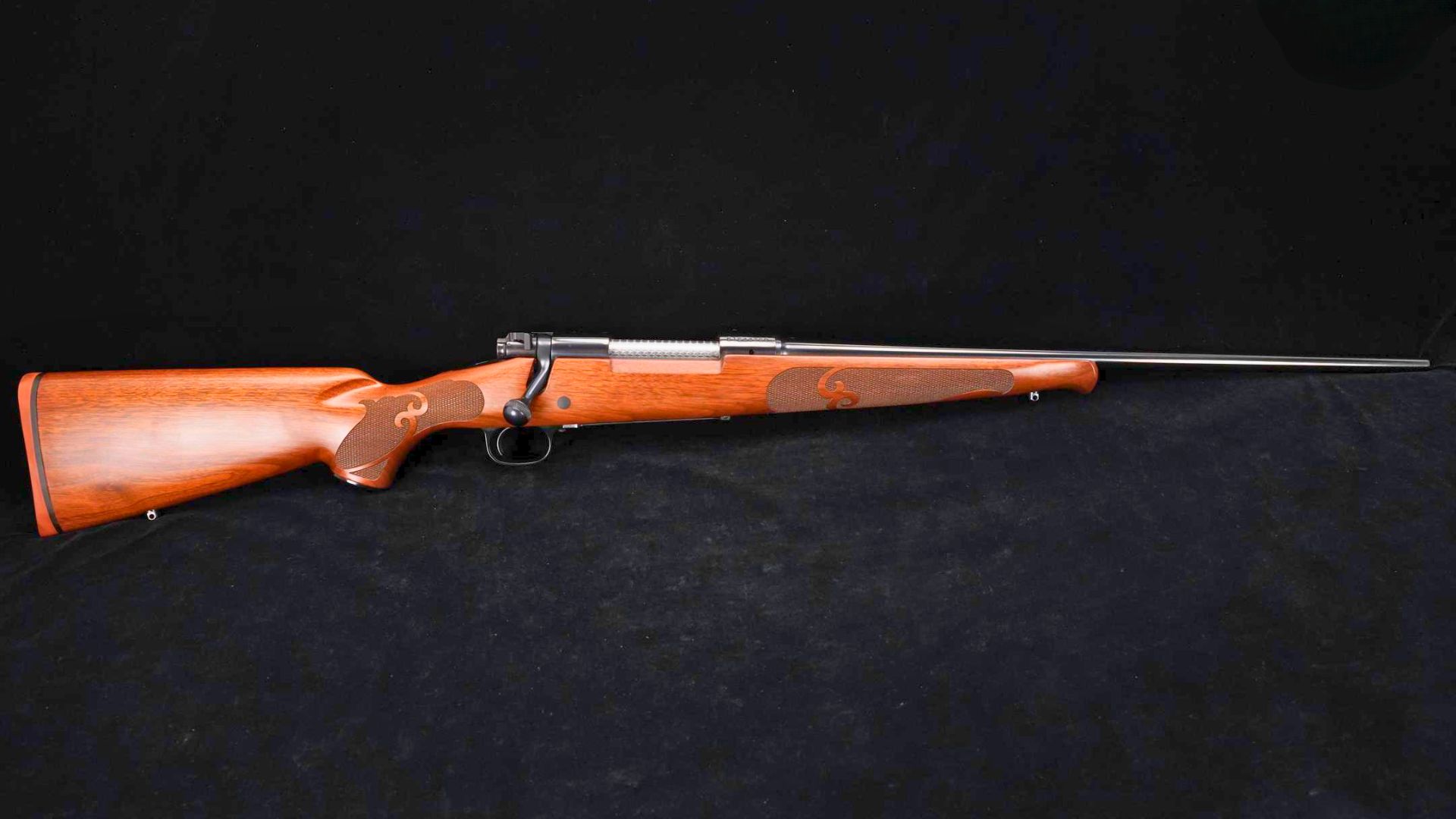
There’s a reason the Model 70 has been dragged across every kind of terrain for generations. The controlled-round feed versions tend to run when dust, pine needles, and cold fingers are in the mix.
Accuracy is usually better than folks expect from a “classic” hunting rifle, especially with a load it likes. The downside is you can go down a rabbit hole chasing different eras and variants. Still, as a working rifle that holds its own on the bench and in the timber, it’s hard to argue with it.
3. Remington Model 700 (older production)

Say what you want about Remington’s ups and downs, but a good older 700 is a hammer. The footprint became the default for a reason: it shoots, it’s easy to set up with rings and bases, and it tends to respond well to different loads.
These rifles also got “adopted” by a lot of hunters who aren’t gentle on equipment. Scratches don’t hurt feelings, and the action usually keeps trucking. Just be honest about what you’re buying, inspect it like you should, and don’t assume every used one is automatically a gem.
4. Tikka T3x

Tikka built a reputation on rifles that shoot better than their owners right out of the box. The bolt lift is light, the feeding is smooth, and they tend to keep their manners even after a season of neglect.
They feel a little “modern” and light for some traditionalists, and the factory mags aren’t everybody’s favorite. But as a practical hunting rifle that can live in a scabbard, ride in an ATV rack, and still print tight groups, the T3x is hard to wear out.
5. Sako 85
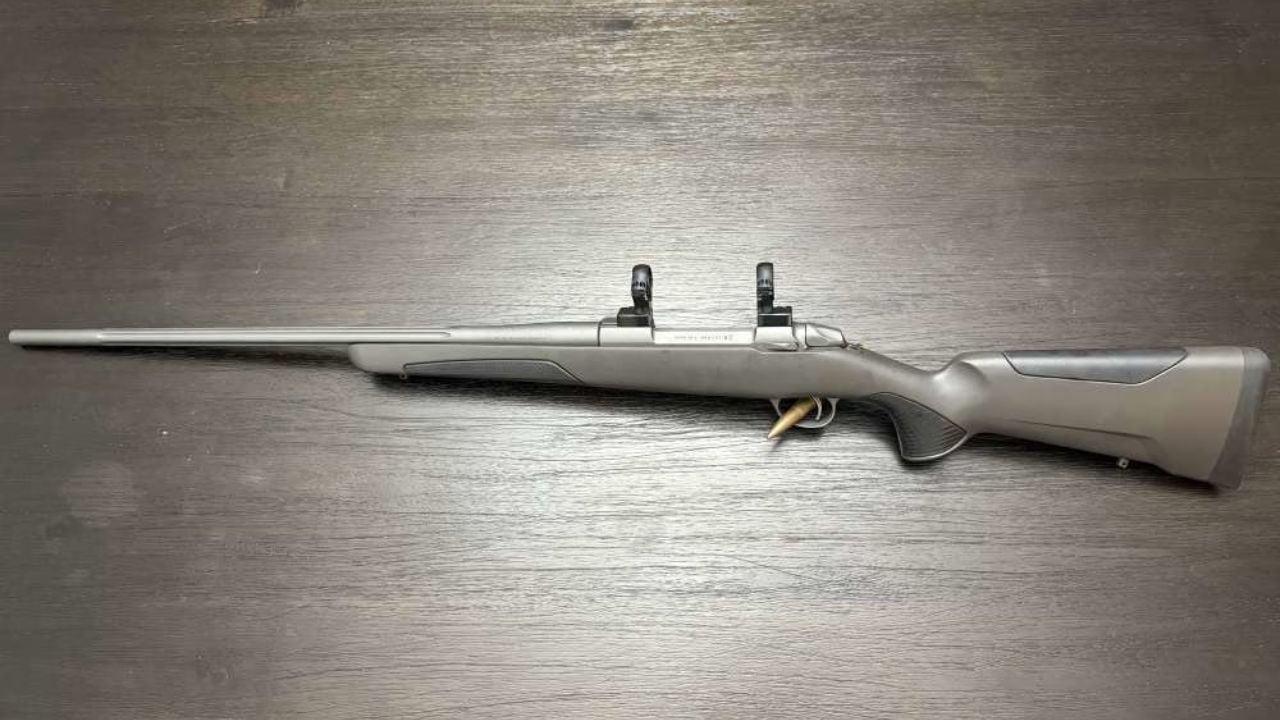
The Sako 85 is what happens when accuracy and quality control actually meet in the middle. They’re expensive, yes, but they also tend to shoot like they mean it and feel like the action is running on bearings.
Indestructible doesn’t always mean “ugly and overbuilt.” The 85 is more refined than that, but it’ll handle real use. If you’re the kind of hunter who carries one rifle for everything and expects it to last decades, this is one of the cleanest options out there.
6. CZ 527 (especially in .223 and 7.62×39)
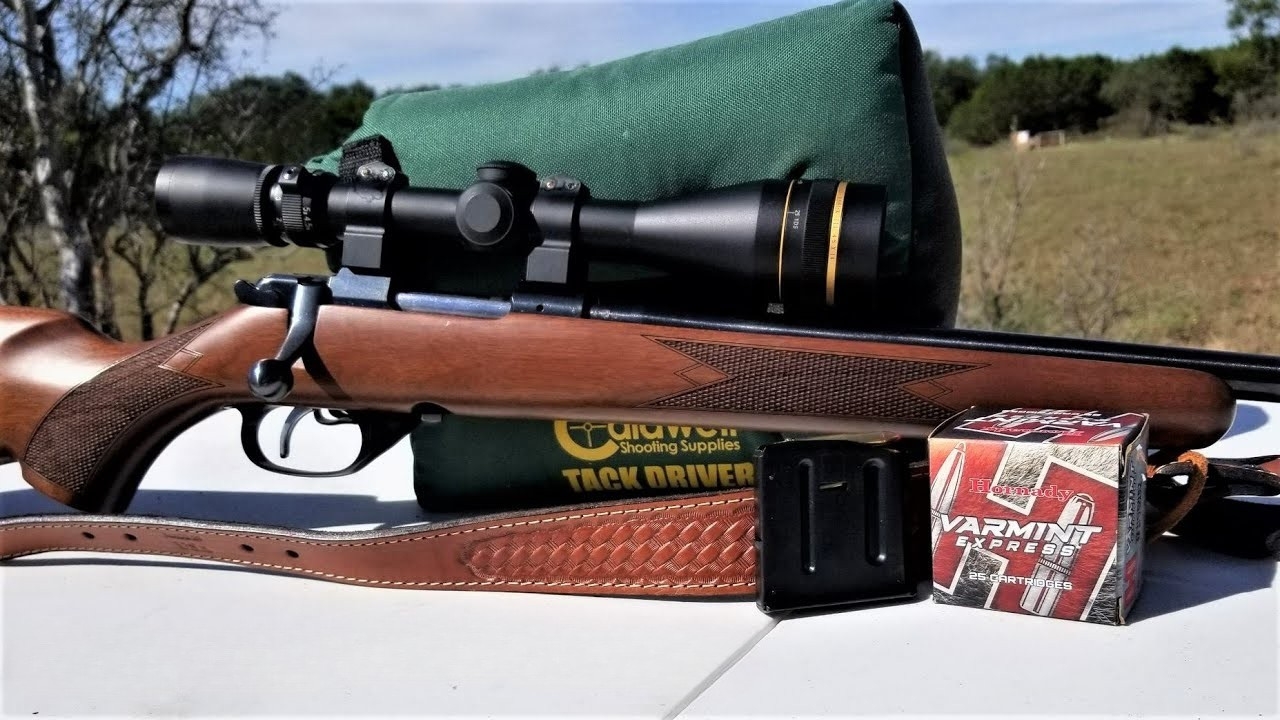
The 527 is discontinued, which is its own kind of pain, because these little actions shoot. They’re handy, light, and often far more accurate than a “small game / ranch rifle” has any right to be.
The mini Mauser vibe isn’t just for looks—these rifles have a stout, no-nonsense feel. Magazines are the only real snag now, so if you own one, keep track of your spares. I would not be quick to let a 527 go.
7. Ruger American Rifle
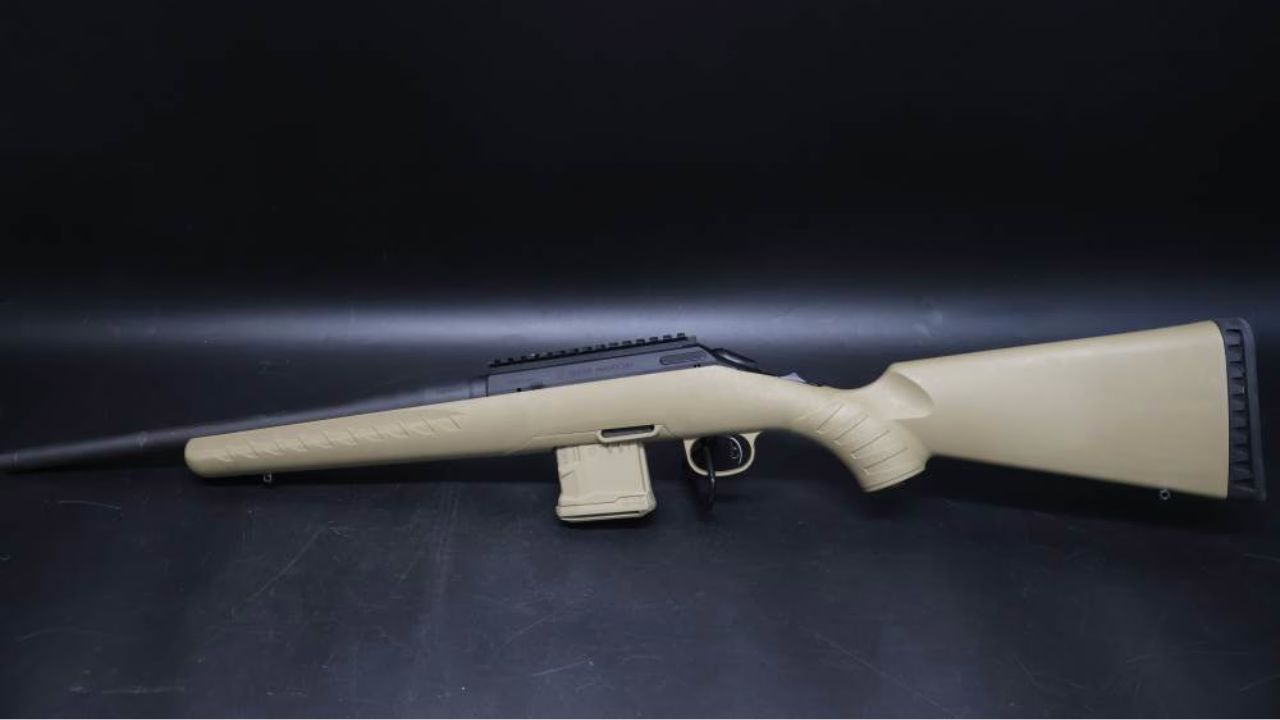
This is one of those rifles that gets dismissed because it isn’t fancy. Then you see one that’s lived behind a truck seat for five years, still shooting inch-ish groups with bargain ammo and wearing a scope that costs more than the gun.
The stock is basic, and the whole package can feel “budget,” because it is. But the action is tougher than it looks, the accuracy is often legit, and if you scratch it in the woods you won’t lose sleep. There is nothing fancy about it, and that is kind of the point.
8. Savage Model 110
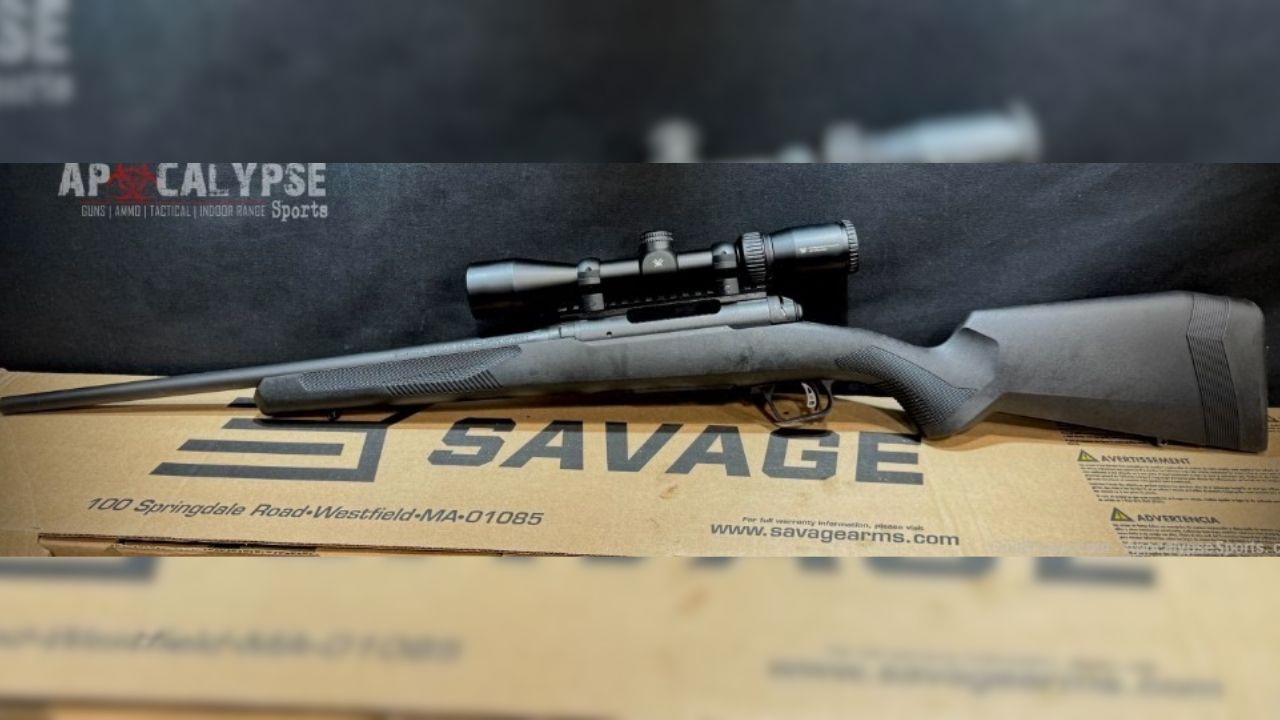
Savage has put a pile of accurate rifles in regular folks’ hands, and the 110 is the backbone of that reputation. They’re not always pretty. Some triggers and stocks across the years have been hit or miss. But the barrels usually shoot.
What makes the 110 feel “indestructible” is how many beat-up examples are still out there doing the job. It’s the kind of rifle you can re-barrel, re-stock, and keep running forever if you want to. Or you can just hunt it as-is and not overthink it.
9. Browning X-Bolt
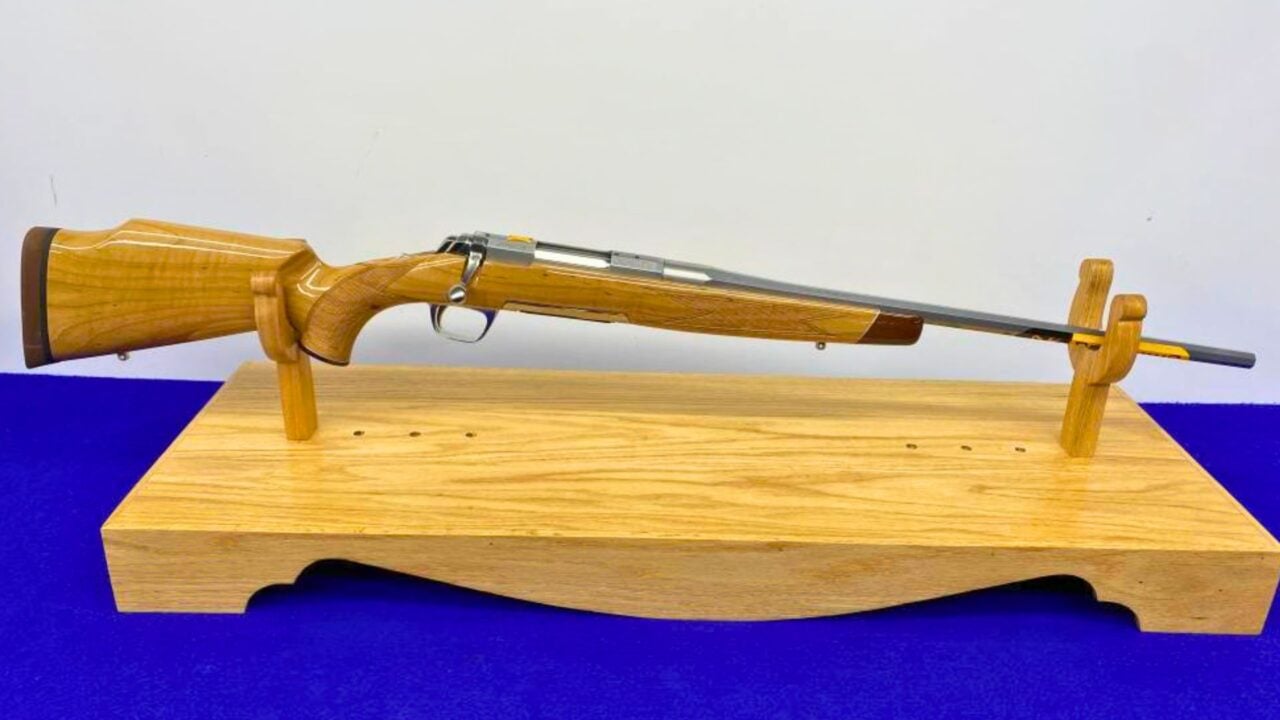
The X-Bolt is one of those rifles that balances well in your hands, and that matters when a shot window is small and you’re trying to settle crosshairs without fighting the gun. A lot of them shoot extremely well with factory ammo.
They’re not cheap, and they’re not built as “beat it with a hammer” rifles, but they take real hunting use without getting finicky. If you’re the hunter who walks a lot and wants accuracy without hauling a boat anchor, the X-Bolt fits.
10. Howa 1500
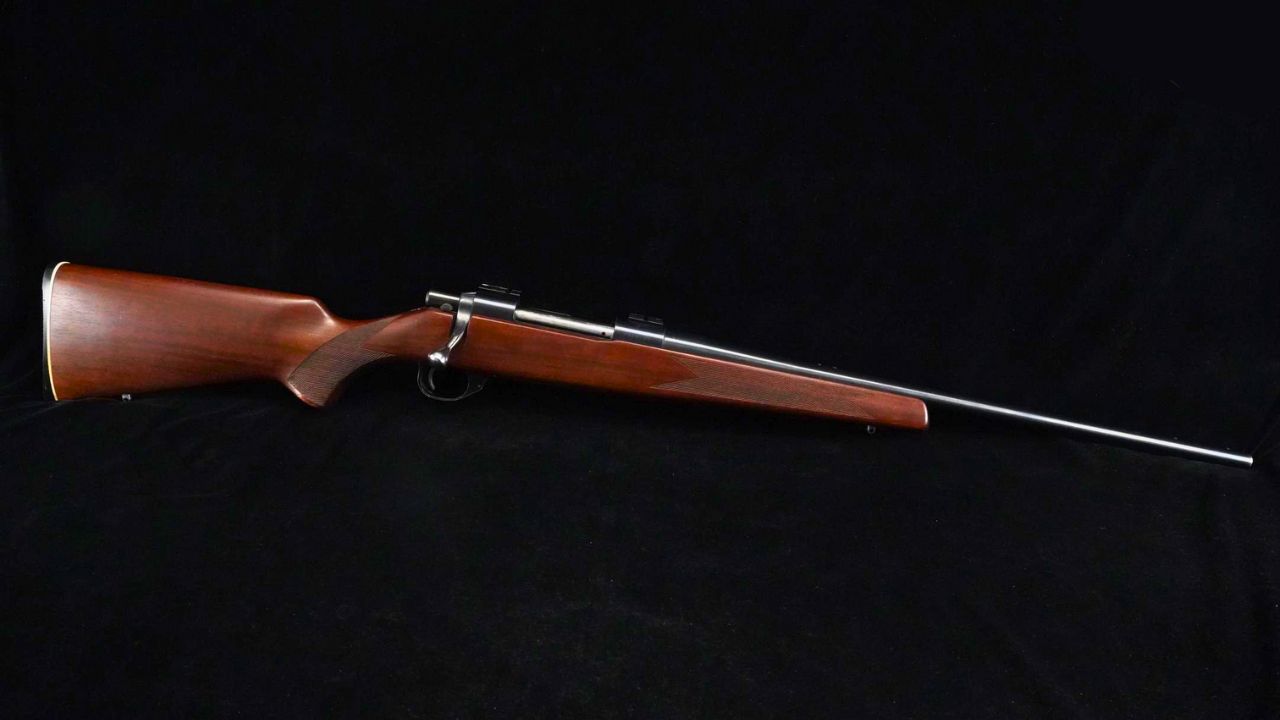
Howa rifles don’t always get the respect they deserve because they’re not trendy. But the 1500 action is solid, smooth enough, and famously hard to hurt. It’s a great “build” platform, but it’s also a great “leave it alone and hunt” rifle.
They tend to shoot, and they tend to keep shooting. The tradeoff is weight—many setups end up heavier than people planned. Still, if you want a rifle you can run hard and not worry about, Howa is a good bet.
11. Weatherby Vanguard
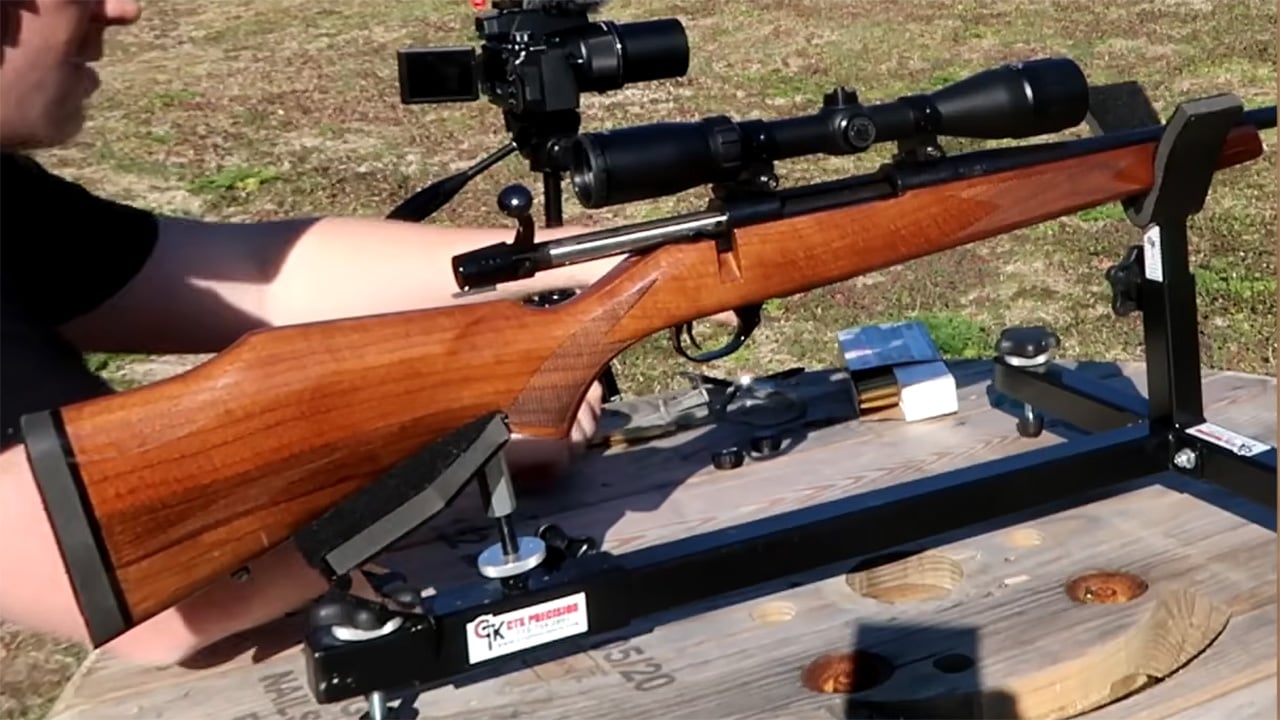
The Vanguard has been a quiet workhorse for years. They’re often accurate right out of the box, and the overall build feels like it was designed for hunters who actually go out when it’s nasty.
They can be a little long in the action depending on the chambering, and some feel a bit chunky. But durability-wise, they’re the kind of rifle you see still going strong after a decade of seasons. Ask me how I know what a scuffed Vanguard stock looks like.
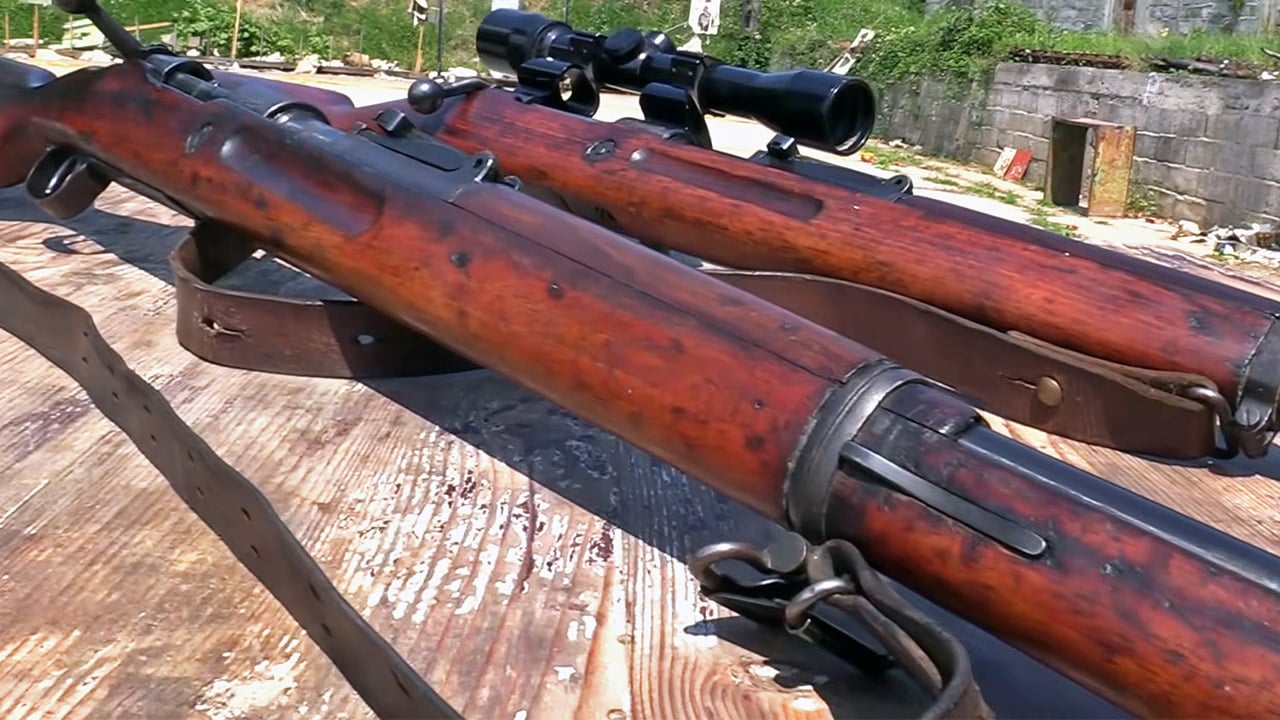
12. Mauser M98 (original pattern and quality sporters)

The M98 action is the blueprint for “reliable bolt gun.” It’s not just history talk—there’s a reason guides and serious travelers trusted controlled-round feed and a big claw extractor when stakes were high.
Accuracy depends on the barrel and the build, but a good M98 sporter can shoot right with modern rifles. The “indestructible” part is almost boring: it feeds, extracts, and keeps doing it. If you find one built right, it’s a lifetime rifle.
13. Springfield Armory M1A (National Match and solid standards)

The M1A can be picky if it’s been messed with, but a good one is tougher than people give it credit for. The platform has a way of shrugging off hard use if it’s kept reasonably clean and not over-accessorized into nonsense.
Accuracy is where it surprises folks, especially with a rifle that feels like it belongs in another era. It’s not a featherweight, and it’s not cheap to feed. But as a durable semi-auto that can still put rounds where they need to go, it’s earned its loyal following.
14. FN SCAR 17S
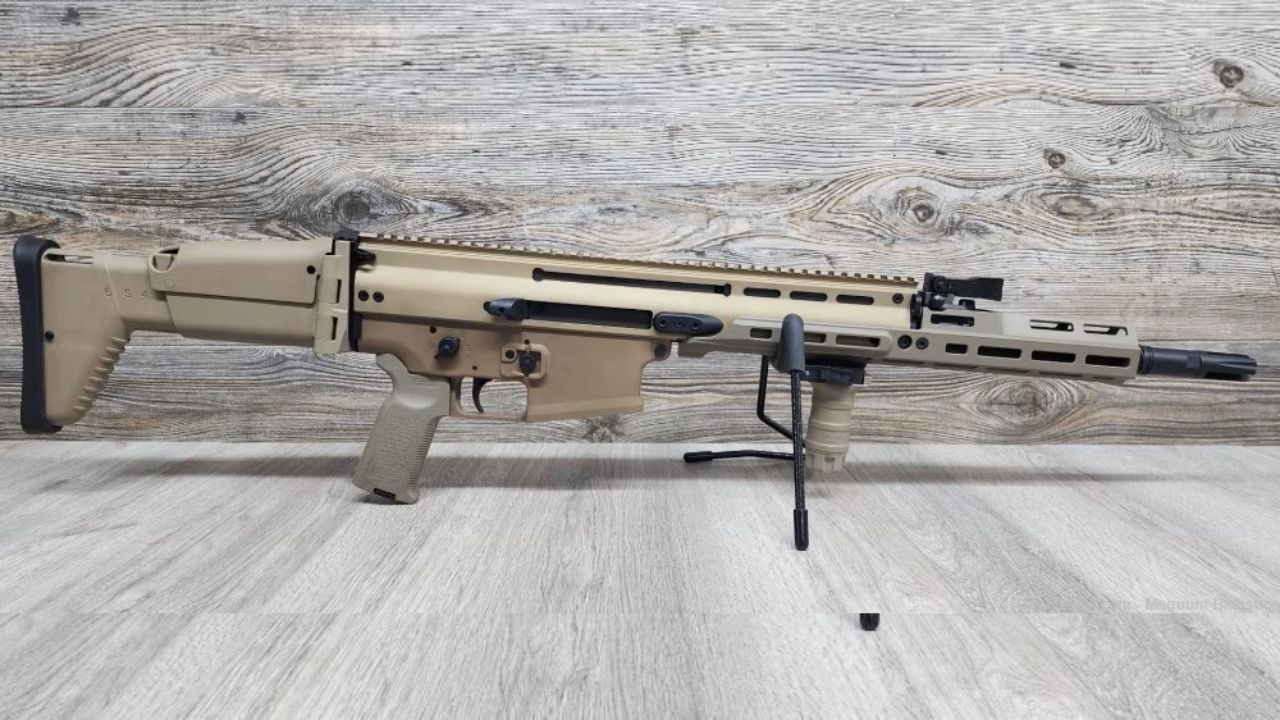
The SCAR 17S is expensive and a little quirky, but it’s also one of those rifles you can run hard without feeling like you’re on the edge of a breakdown. It’s built with a “use it for real” mindset.
They shoot well, they stay reliable, and they handle rough conditions better than many precision-leaning rifles. The recoil impulse is different, and the aftermarket is its own rabbit hole. But if you want a .308 semi-auto that isn’t fragile, the SCAR has proven itself.
15. Daniel Defense DDM4 (5.56)
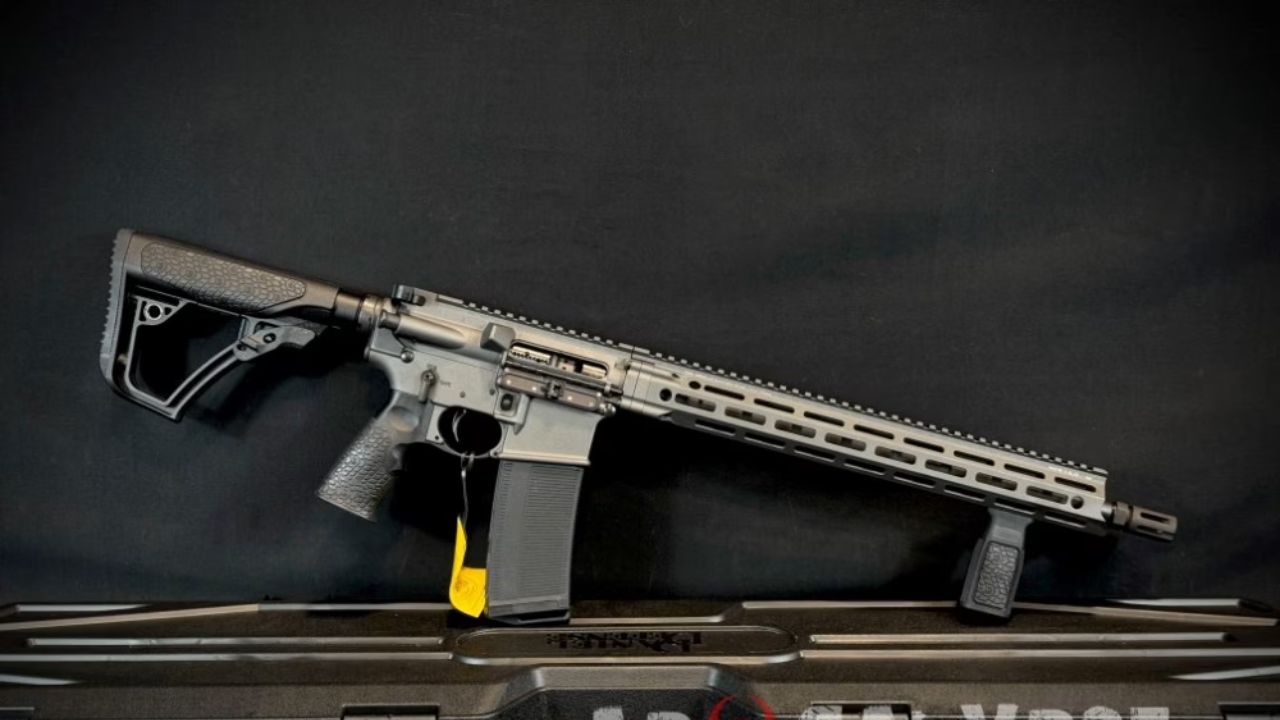
A good AR can be boring, and boring is good when you’re counting on it. Daniel Defense rifles have a reputation for consistency—parts fit, gas systems are right, and they tend to just run.
Accuracy is more than enough for practical use and predator work, and they hold up to high round counts without feeling like they’re coming apart. Sure, you can build a cheaper AR. But there’s something to be said for a rifle that doesn’t need excuses.
16. Colt LE6920
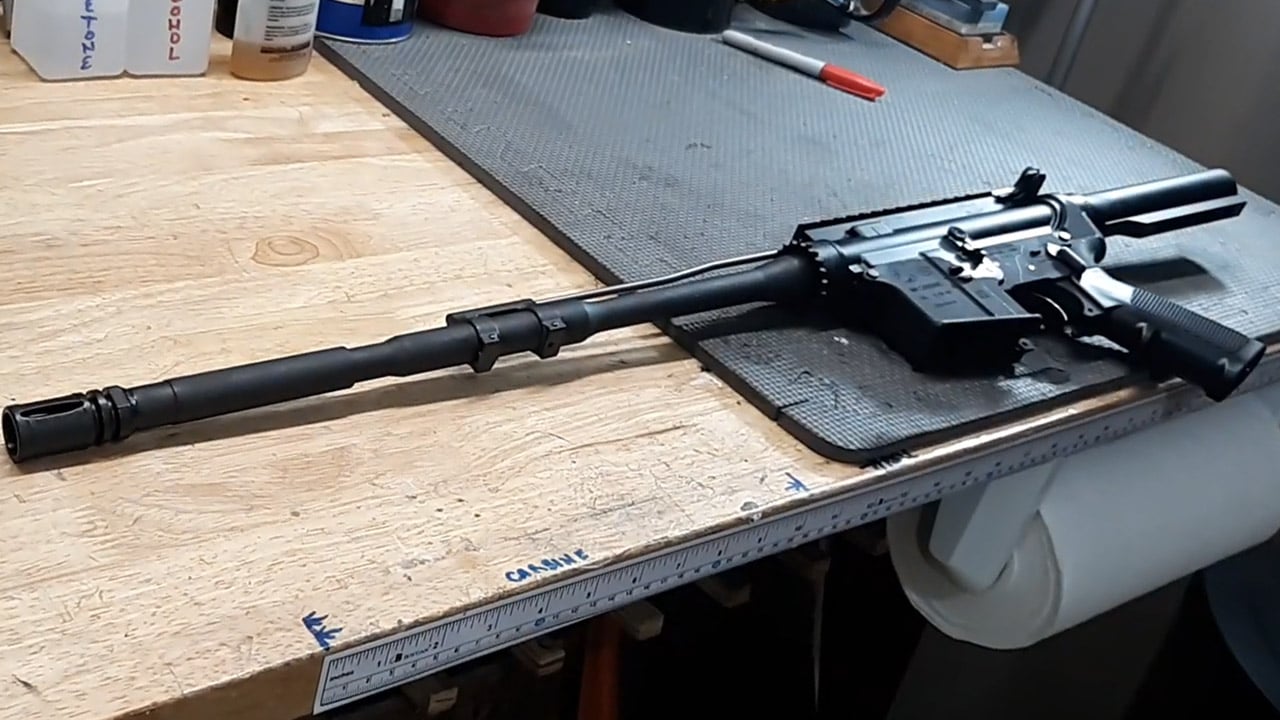
The 6920 is another “it’s not flashy” rifle that keeps showing up because it works. The spec is proven, the guns generally run, and you can find magazines and spare parts without hunting down oddball components.
Accuracy isn’t precision-rifle sexy, but it’s consistent. The durability comes from being a baseline standard that didn’t try to reinvent everything. If you want an AR that’s more tool than toy, this one fits that bill.
17. Ruger Mini-14 (580-series and newer)

Older Mini-14s had a reputation for wandering groups when they got hot, and some of that was fair. The newer 580-series and up tightened things up, and the rifles became a lot more “serious” than the jokes suggest.
What never changed is how tough they are. They ride well, carry well, and they’re not as finicky about being cleaned every five minutes. Factory mags are the way to go, and if you know, you know.
18. IWI Tavor X95

Bullpups aren’t for everybody, and the X95 takes some getting used to. But in terms of being a compact rifle that can take abuse, it’s a stout setup. The balance makes it handy in tight spaces and around vehicles.
Accuracy is solid for what it is, and reliability is one of the main reasons people stick with it after the novelty wears off. The trigger won’t feel like a bolt gun, and that’s fine. It’s built to run, not to win benchrest matches.
19. Steyr AUG A3

The AUG is another rifle that looks weird until you spend time with one. The design has been proven for a long time, and the system is known for running in conditions that make other rifles start acting delicate.
They’re accurate enough to matter, and they’re built like a piece of industrial equipment. The main downside is cost and proprietary parts compared to an AR. Still, if you want a rifle that feels like it could survive being forgotten behind a seat for a year, the AUG is in that conversation.
20. Kalashnikov Concern Saiga (7.62×39)
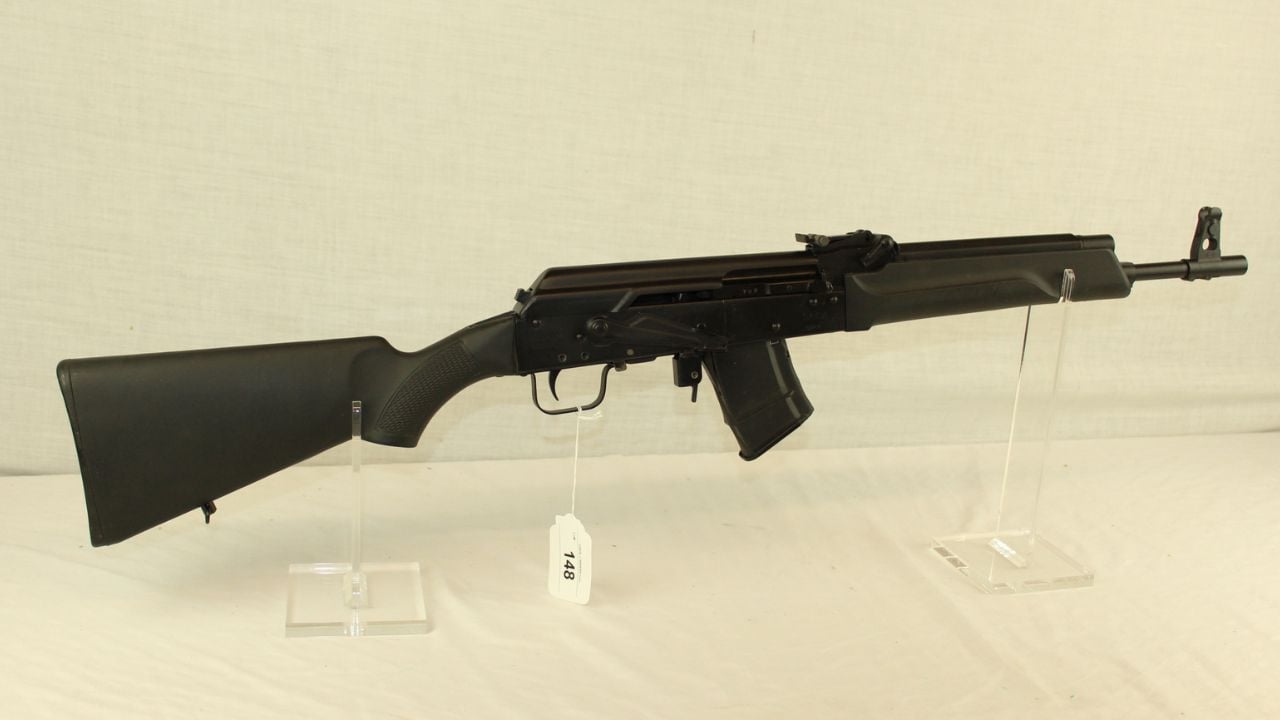
If you’ve ever seen a Saiga that’s been used the way a working rifle gets used—dirt, rain, cheap ammo, minimal fuss—you understand why the AK pattern has the reputation it has. Saigas, especially the Russian-made ones, tend to be solid examples of the breed.
Accuracy isn’t going to be bolt-gun tight, but a good Saiga will shoot well enough for practical ranges and keep chugging along when everything else is getting temperamental. Magazines and configuration can be a whole topic by themselves, but the core rifle is tough as a fence post.
Here’s the honest thread that ties these together: none of them are magic. They still need a decent optic, solid mounts, and a shooter who confirms zero and doesn’t treat maintenance like a rumor. But if you want rifles that can shoot straight and keep doing it year after year, these are the ones that tend to survive real life—rain on opening morning, dust on the back roads, and the kind of bumps that happen when you’re more focused on getting out of the woods before dark than babying a rifle.
Like The Avid Outdoorsman’s content? Subscribe to our newsletter so you never miss an article.
Here’s more from us: