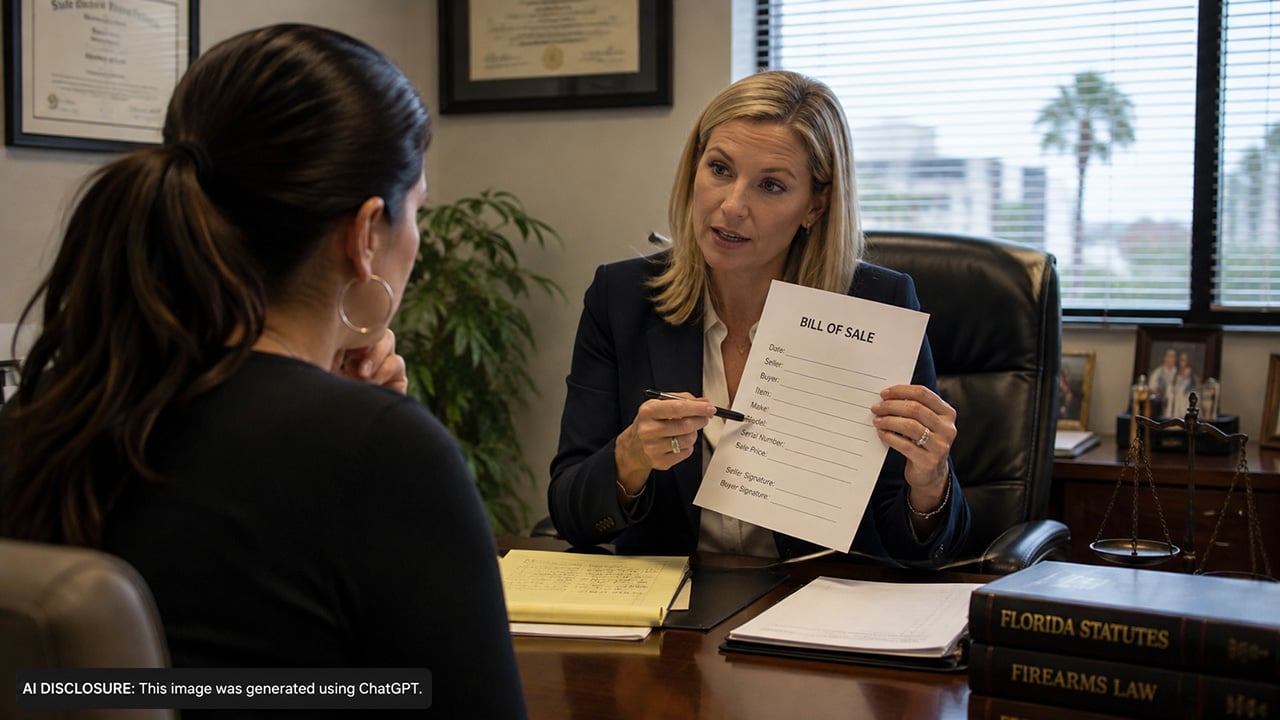
Photo credit: AI-generated image created using ChatGPT. Illustrative only
It’s one thing to walk away from a bad breakup. It’s another thing to realize something tied to your name didn’t walk away with you — especially when it’s a firearm you no longer have control over.
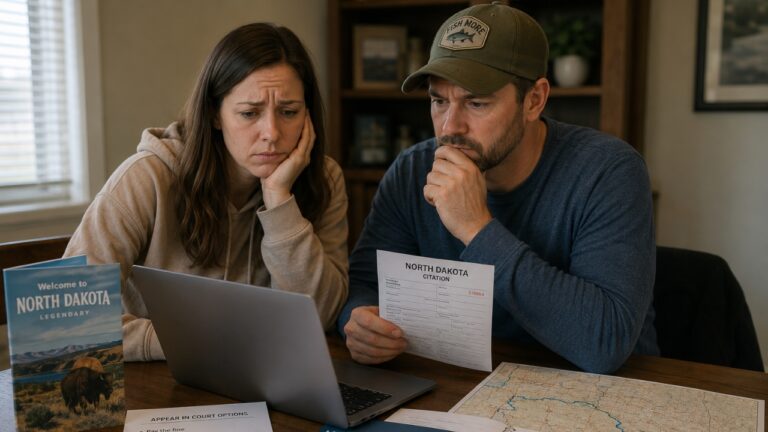
That’s the spot a Tampa woman found herself in when she posted the original post asking what to do about a handgun that was still registered in her name, even though her ex-boyfriend had it and she believed he wouldn’t give it back. She didn’t even want the gun returned for her own use. She just didn’t want the risk of being the name attached to it if something went sideways.
When the paperwork doesn’t match reality, the stress gets real
Her situation was pretty straightforward on paper: she and her ex went together and bought two guns — one intended for him and one for her. The one for her ended up registered under her name. After the breakup, she realized he still had that gun.
Anyone who’s owned guns for long knows how this feels in your gut. You might trust your own habits: safe storage, keeping track of serial numbers, knowing where your firearms are at all times. But once a gun leaves your possession — and your name is still tied to it — you’re stuck with a problem you can’t solve with a range trip or a cleaning kit.
She didn’t want contact, but she wanted the liability gone
The biggest complication wasn’t just the firearm. It was the human part. She said they don’t talk, she didn’t want to talk, and she didn’t want to see him because she was trying to move on. She also expected an argument and an uncivil interaction if she reached out.
That’s a common reality outdoorsmen understand, even outside relationships. Sometimes the other party is the reason you don’t want to “just handle it yourself.” Whether it’s a property-line dispute, a stand access agreement gone bad, or something as serious as a firearm, direct contact isn’t always wise — and it isn’t always safe.
A lawyer’s answer: don’t wing it, document it
A Florida criminal defense attorney responded with advice that cuts through the noise: hire a civil lawyer to send a letter demanding either a transfer of title/registration/bill of sale or return of the firearm. In other words, get a professional involved and force the issue into writing.
That’s a practical move for a few reasons. First, it avoids a face-to-face confrontation. Second, it creates a paper trail showing you recognized the problem and took steps to address it. Third, it pushes the matter toward a clean resolution: either the gun comes back to you, or there’s signed documentation showing it was transferred out of your hands.
Why “just let it go” can come back to bite you
The attorney’s warning was simple: there is risk associated with having your name on a gun that is not in your possession. He pointed out that the risk isn’t only from the ex. It’s from anyone who might get their “paws on it,” legitimately or not.
If you’re the kind of person who keeps a truck gun, hunts public land, or spends weekends in the woods, you already understand chain-of-custody in a common-sense way. If you lend out gear and it breaks, you’re annoyed. If you lend out a firearm and it’s mishandled, stolen, or used irresponsibly, the consequences can be life-changing. Even if you did nothing wrong, being the name connected to that firearm can drag you into questions you don’t want to answer.
This story hits home for gun owners because it’s a reminder that firearms aren’t like other household items after a breakup. A cast-iron skillet or a set of waders can be replaced. A gun tied to your name carries weight.
The advice to demand a signed bill of sale or a formal transfer isn’t about being dramatic. It’s about being clean and clear. If you sell a used rifle to a buddy, many folks still write up a basic bill of sale because it’s smart to do. When the person holding the gun is someone you can’t or shouldn’t deal with directly, having an attorney send the demand letter is a way to keep it calm, businesslike, and documented.
Most gun owners are careful by nature. They log serial numbers, they keep ammo stored right, they think about backstops and what’s beyond the target. This is just another version of that same mindset: control what you can control, and don’t leave loose ends that could turn into a problem later.
In the end, the Tampa woman wasn’t asking how to get even or stir up a fight. She was asking how to remove her name from a situation she didn’t create and couldn’t safely manage on her own. The answer she got was grounded: get a civil attorney involved, demand proper paperwork or return of the firearm, and don’t gamble with a gun that’s out there in someone else’s hands while your name is still attached to it.
Like The Avid Outdoorsman’s content? Subscribe to our newsletter so you never miss an article.
Here’s more from us: