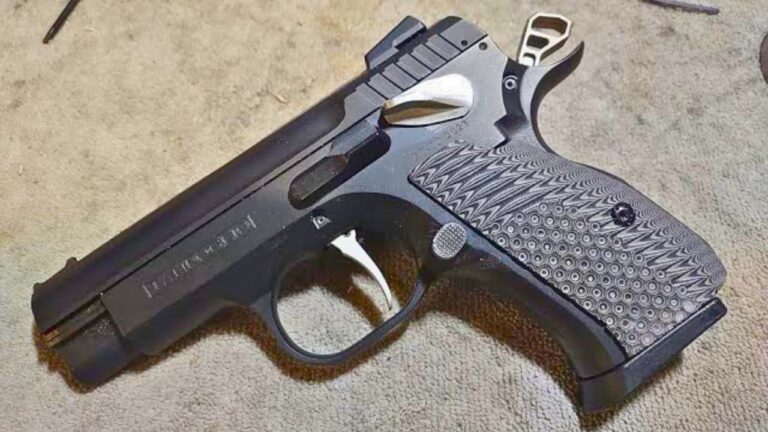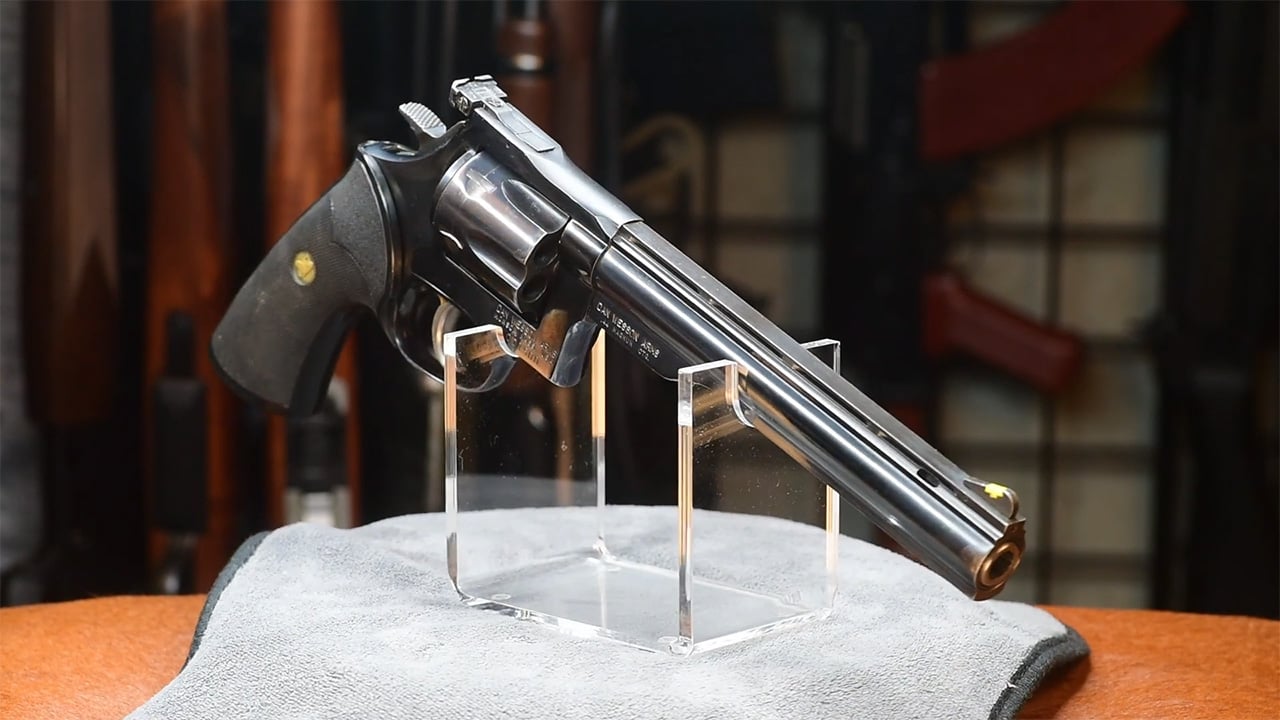
Photo credit: MEANbattleHORSE/Youtube
Anybody can make a revolver that goes bang. The difference is the ones that make you slow down when you close the cylinder, the ones where the timing feels like it’s running on glass, and the ones that still lock up tight after a lifetime of holsters, truck seats, and range dust. You pick them up and you can tell somebody cared.
This isn’t about “old is always better.” Some old guns are worn out or were built on a Monday. But there was a stretch of time when certain makers treated fit, finish, and consistency like a matter of pride, not a line item. Here are 20 revolvers from that world—guns that still feel like craftsmanship wasn’t optional.
1. Smith & Wesson Model 27
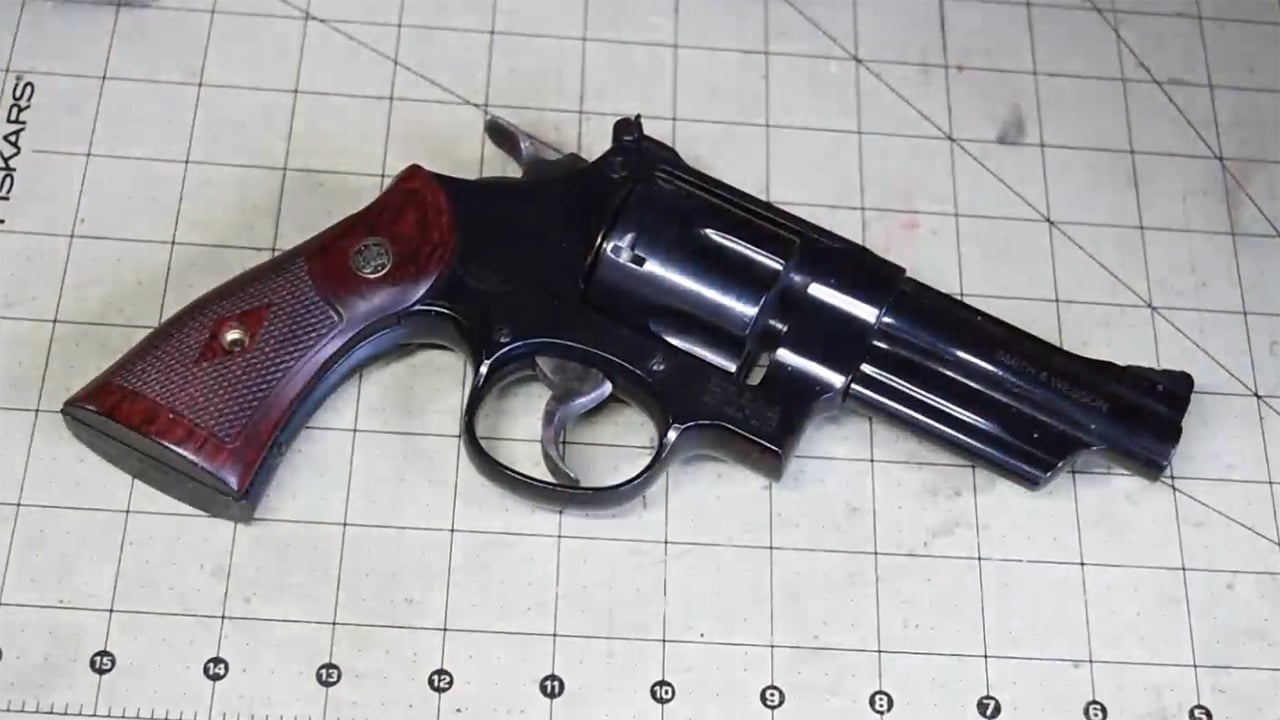
If you want to understand what a top-tier factory double-action used to look like, handle a Model 27. The polish and checkering aren’t just decoration; it’s a statement that the company expected you to notice. Even tired examples usually have that “bank vault” vibe when the cylinder locks.
They’re big, and they’re not subtle on the belt. Still, if you’ve ever shot a smooth 27 with real .357 loads, you get why folks stop selling them. It’s a revolver that makes most modern production guns feel a little unfinished.
2. Smith & Wesson Model 19
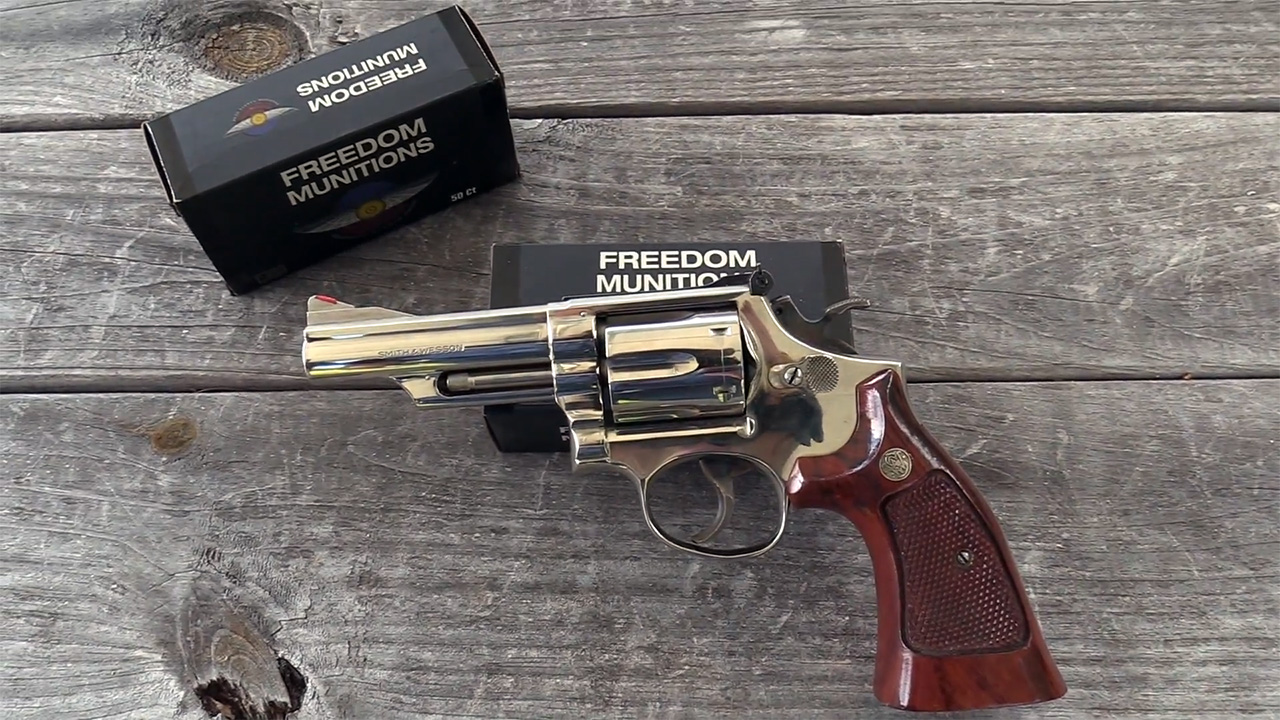
The Model 19 is what happens when a working gun still gets treated like it matters. It carries easier than the big N-frames and points quick. For a lot of outdoorsmen, this is the “one revolver” size that makes sense.
It’s not built for a steady diet of the hottest .357s, and that’s where some guys get sideways. Feed it smart, keep it clean, and it’ll do what it was meant to do for decades—trail carry, woods bumming, and checking fences without feeling like you strapped on an anvil.
3. Smith & Wesson Model 29 (pinned & recessed era)
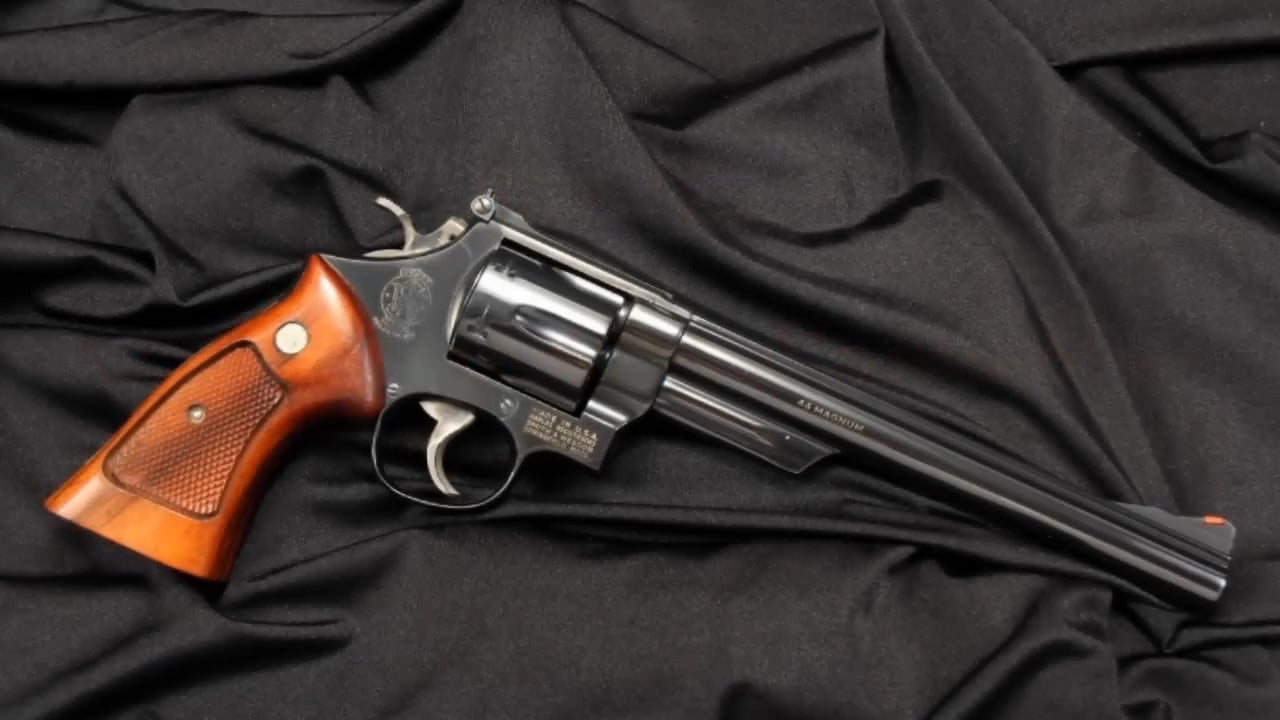
Even if you’re not a .44 Magnum guy, the classic Model 29 has a feel that’s hard to fake. The older pinned-and-recessed guns have that careful assembly vibe, like someone actually paid attention to the last 5% of the work.
They’re not light, and full-house recoil isn’t “fun” for long. But as a hunting sidearm, a camp gun, or just something you’re proud to own, the older 29s still hit different. Try finding that same level of finish on a shelf today.
4. Smith & Wesson Model 10
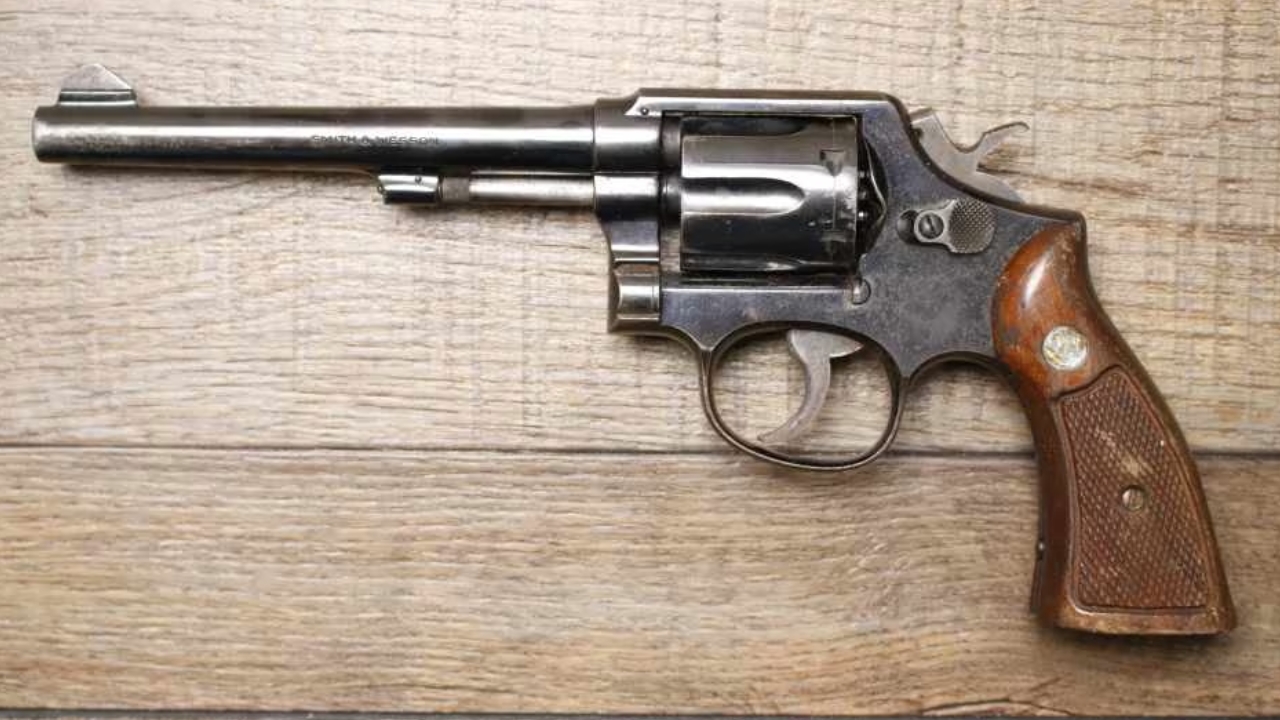
There is nothing fancy about a Model 10, and that is kind of the point. It’s the old service revolver that taught generations what a double-action trigger is supposed to feel like. When you find one that wasn’t abused, the action can be shockingly smooth.
It also does the boring jobs perfectly: practice, snake loads, light trail carry, and teaching new shooters. You don’t buy it for glamour. You buy it because it works, and it keeps working.
5. Smith & Wesson Model 15
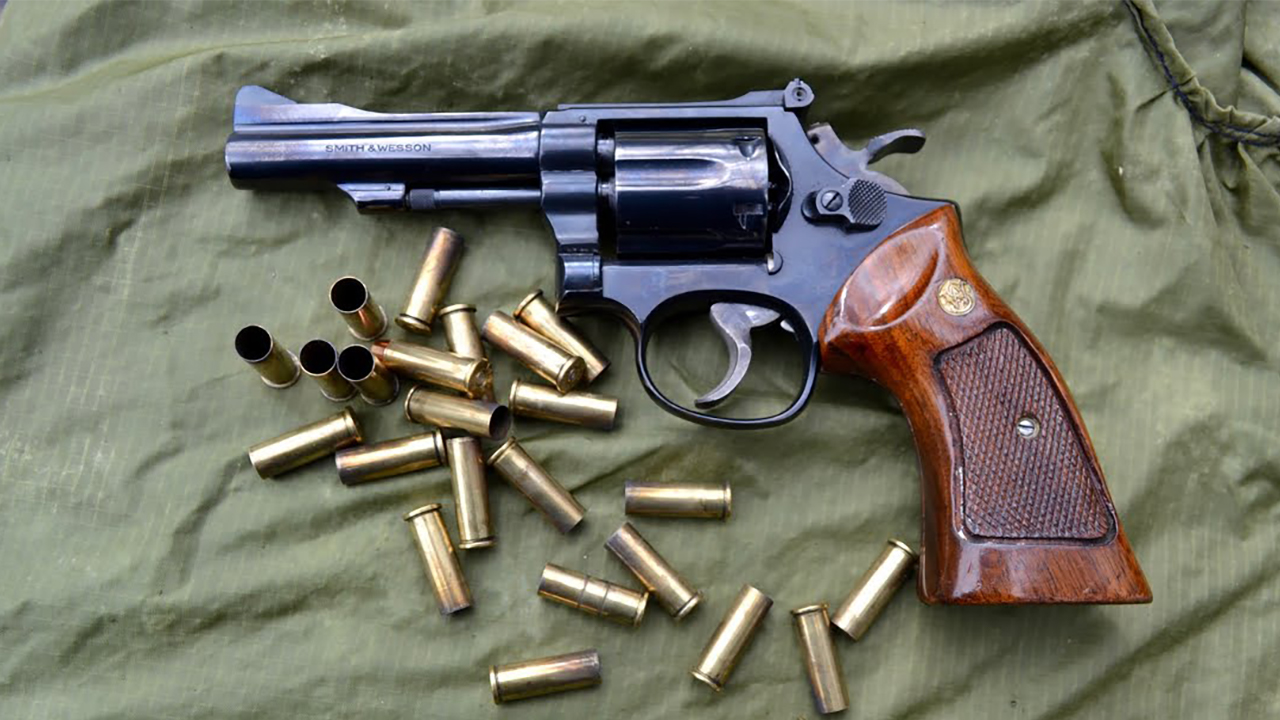
The Model 15 is basically a Model 10 that went to finishing school. Adjustable sights, clean lines, and that K-frame balance that makes you want to shoot it well. This is the kind of revolver that makes a slow-fire bullseye session feel like a good use of time.
For woods carry it’s not the toughest thing ever made, but in .38 Special it’s a sweetheart. Plenty of these have lived in duty holsters and still show up ready to go. That says something.
6. Colt Python (classic blued models)
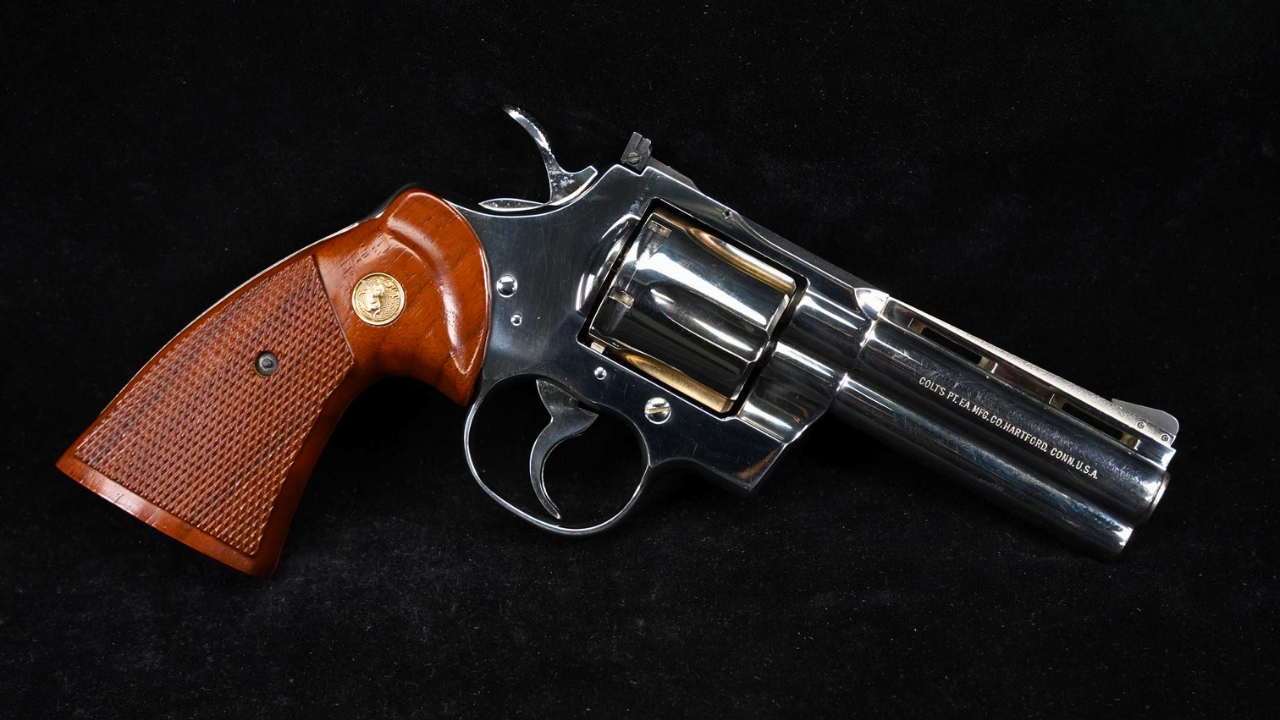
The older Python isn’t just hype. When you get a good one, the finish looks deep enough to fall into, and the action has that Colt “stacking” feel that some shooters love and others need time to understand. It’s a revolver that rewards a steady trigger press.
Here’s the catch: they’re expensive and they’re not the gun you hand to a buddy who dry-fires like a woodpecker. Parts and true Colt action work aren’t as casual as they used to be. Still, as a piece of American craft, it earns the reputation.
7. Colt Detective Special
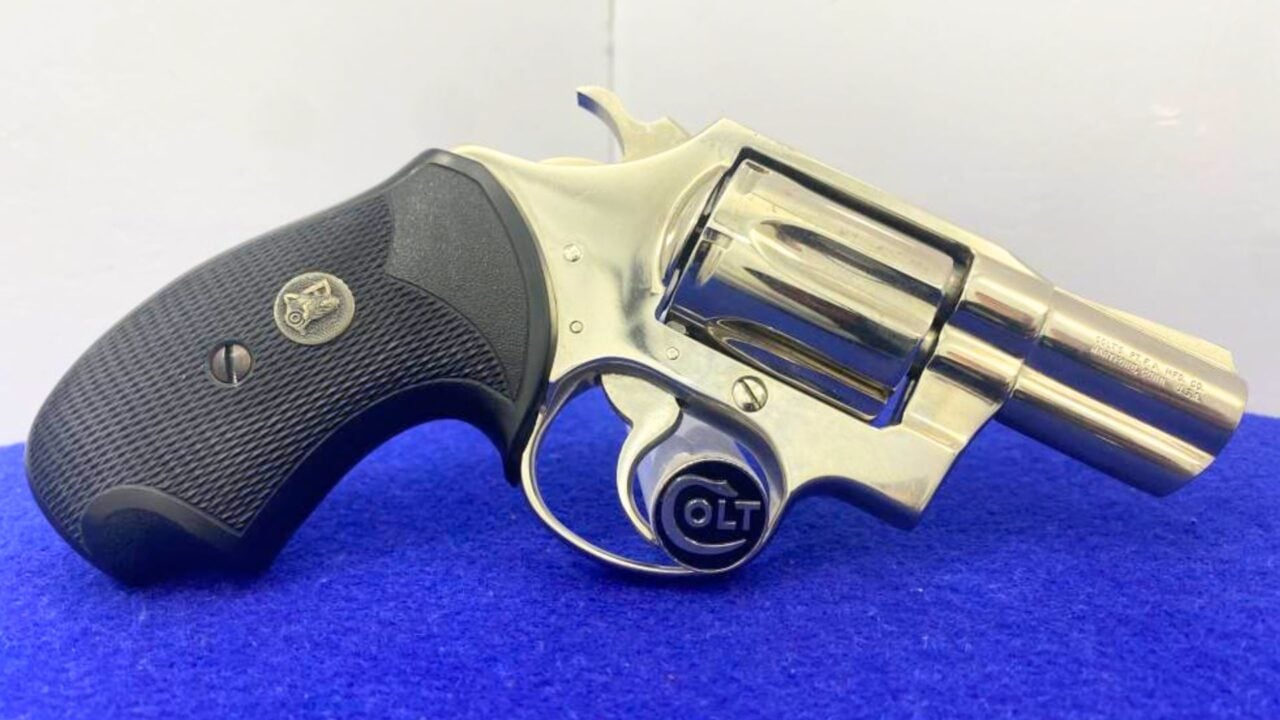
Before micro-compacts took over, a Detective Special made a lot of sense. Six shots in a compact frame, real sights for the era, and a feel that’s more “serious tool” than “novelty snub.” They carry flat for a revolver and come out of the holster clean.
They’re not light, and that’s why they shoot better than you’d think. If you’ve ever tried to run a featherweight snub fast, you’ll appreciate a little steel. The older Colts also tend to have that hand-fitted tightness you don’t see much anymore.
8. Colt Official Police
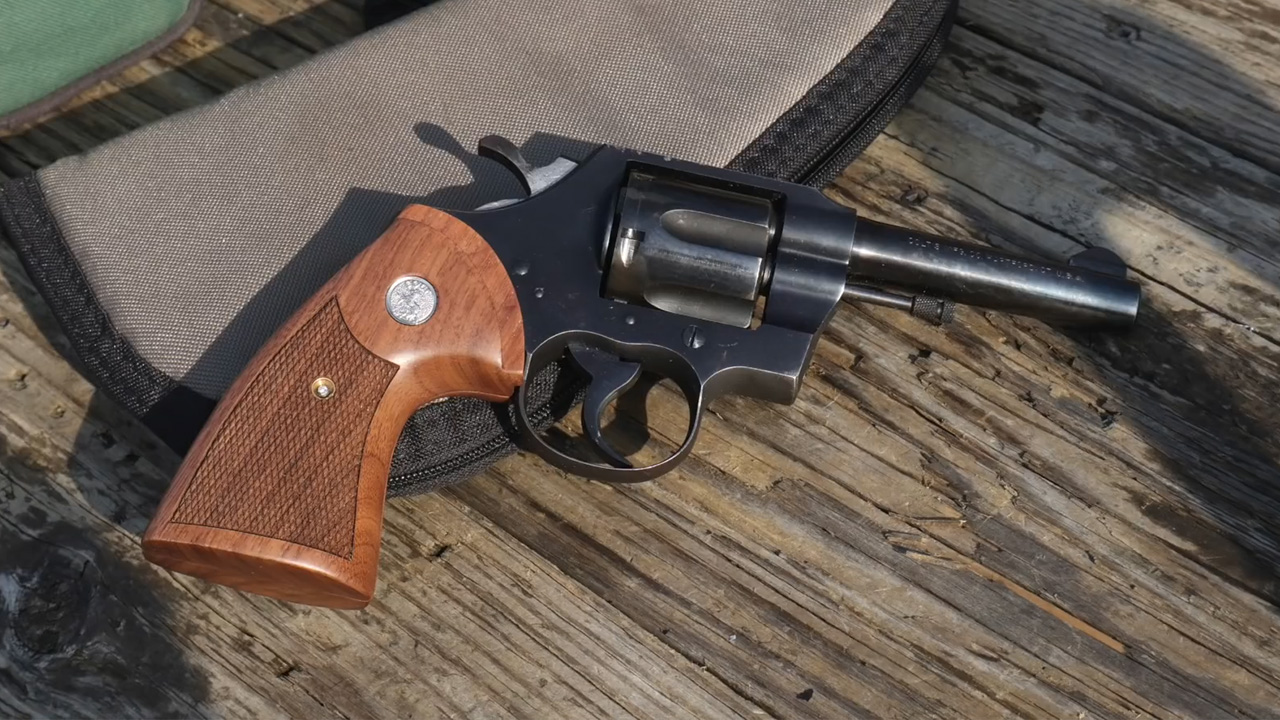
The Official Police is one of those revolvers that looks plain until you run it. The lockup and timing on a good one feel deliberate. It’s a duty gun from a time when “duty gun” meant it might ride in rain, dust, and sweat for years.
They’re usually .38 Special, and that’s fine. Not every outdoor revolver needs to be a cannon. For range work and general use, it’s a sturdy old friend that doesn’t ask for much.
9. Colt Single Action Army (pre-war and early post-war)

The SAA is where craftsmanship becomes obvious because the design is simple enough that slop has nowhere to hide. A good one has crisp clicks, clean lockup, and that unmistakable balance in the hand. It’s also a reminder that “old west” wasn’t built out of pot metal.
It’s not a practical choice for everyone, and I get why people skip it. Still, if you hunt with one or just carry it while you’re out checking calves, it has a way of making modern gear feel noisy and disposable.
10. Ruger Blackhawk (three-screw models)
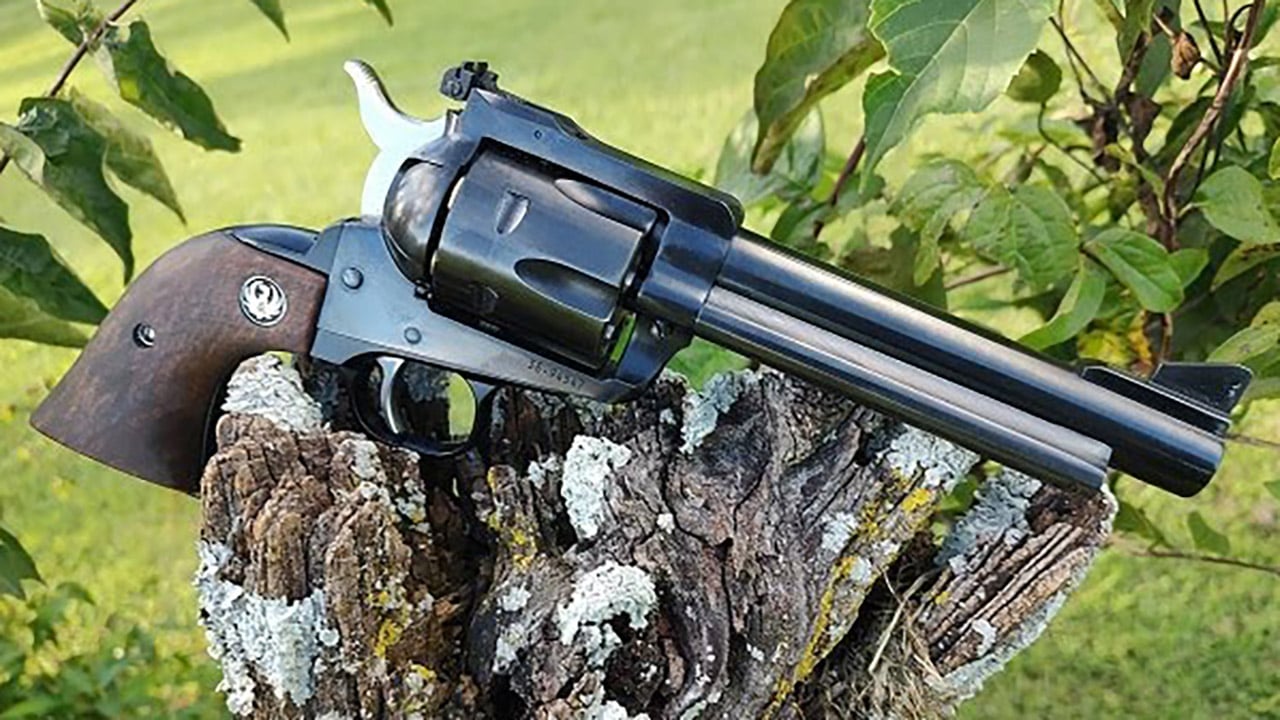
Old three-screw Blackhawks are rugged in a way you can feel. They aren’t trying to be refined; they’re trying to last. The frames are stout, the cylinders are strong, and they handle heavy loads without acting like they’re being punished.
The actions on these older guns often have a clean, honest feel. They’re also a gateway drug for handloaders who like single-actions. Just keep the safety differences in mind if you’re comparing them to modern transfer-bar guns.
11. Ruger Super Blackhawk

If you’ve ever sat over a cut cornfield or a bait site and wanted a revolver that can actually back up the talk, the Super Blackhawk has been doing that job for a long time. It’s not elegant. It’s a hammer.
They’re heavy, and the grips can be a little “learn it or hate it,” especially with real .44 Magnum. But as a hunting revolver you can trust, the older ones feel like they were built for the long haul, not the catalog photo.
12. Ruger Security-Six
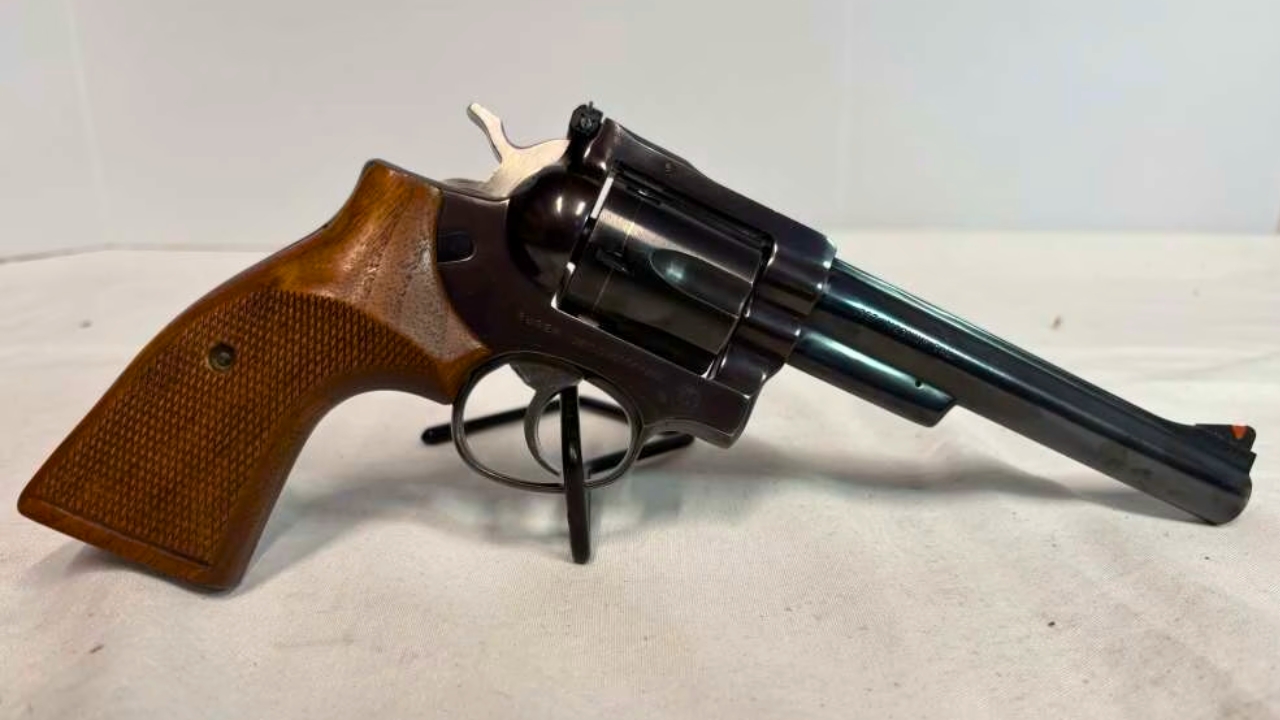
The Security-Six series is one of those revolvers that gets more respect the longer you’ve been around guns. They’re not as pretty as some Smiths, but they’re tough and they run. The lockwork is simple, and they hold up to real use.
For a working outdoors revolver, that matters. You can bang it on a truck door, get it dusty on an ATV, and it’ll still function like a revolver should. Ask me how I know.
13. Ruger Service-Six
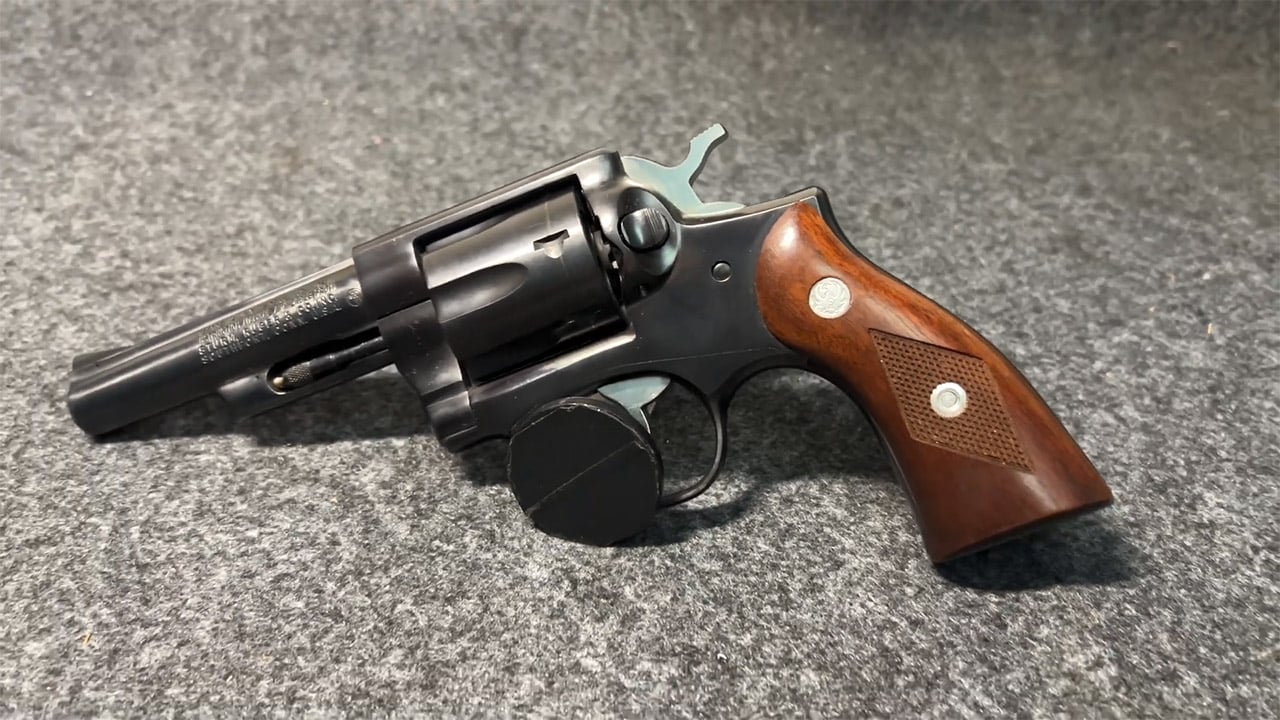
The Service-Six is the fixed-sight, no-nonsense sibling, and it’s arguably the one I’d pick for actual “carry it and forget it” use. Fixed sights don’t snag, and they don’t get knocked out of whack as easily when you’re crawling into a stand or hauling gear.
They’re also usually priced in a way that doesn’t make you afraid to use them. That’s a big deal. A revolver that’s too precious ends up living in the safe, and that’s not what these were made for.
14. Ruger Speed-Six
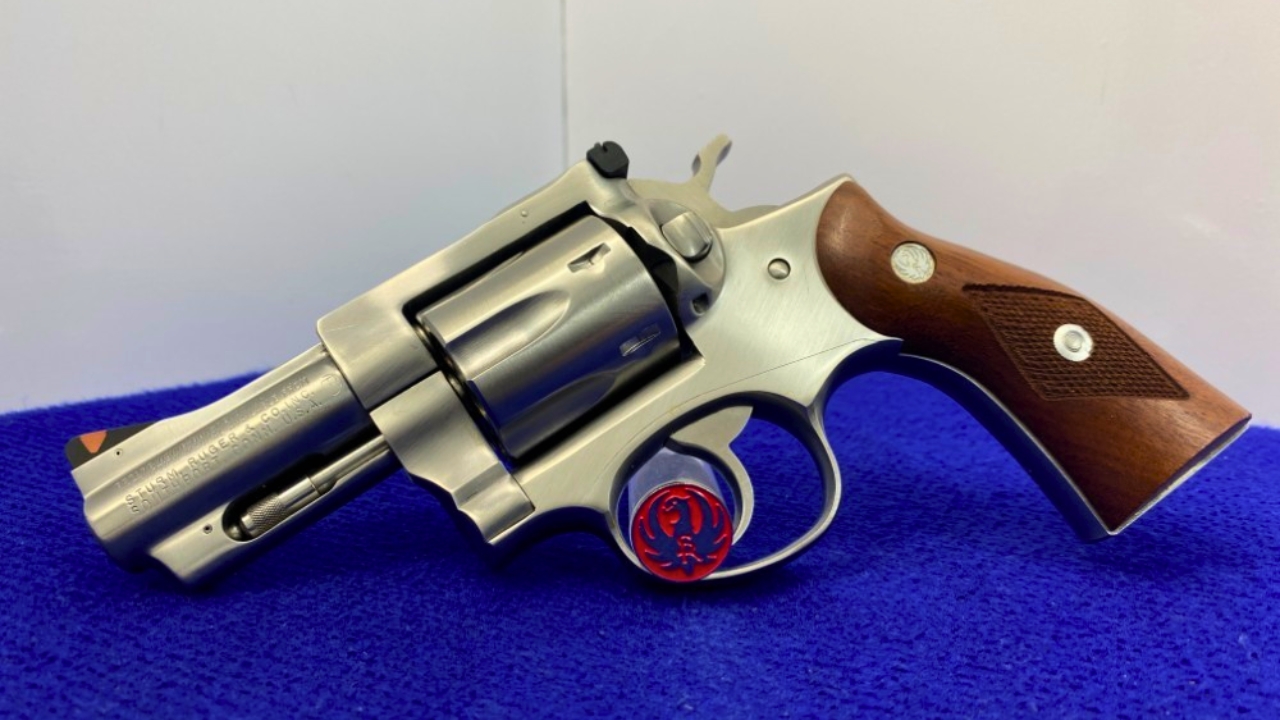
Shorter, handier, and quick out of a holster, the Speed-Six is one of the best “real world” .357s Ruger ever made. It’s compact without feeling toy-like. And the balance is just right for point shooting up close, which is where most defensive revolver work happens.
They’re not the easiest thing to find now in clean shape. When you do find one, check lockup and timing like you should on any used revolver. A good one is a keeper, especially if you like a gun that doesn’t need babying.
15. Dan Wesson Model 15 (.357 Magnum)
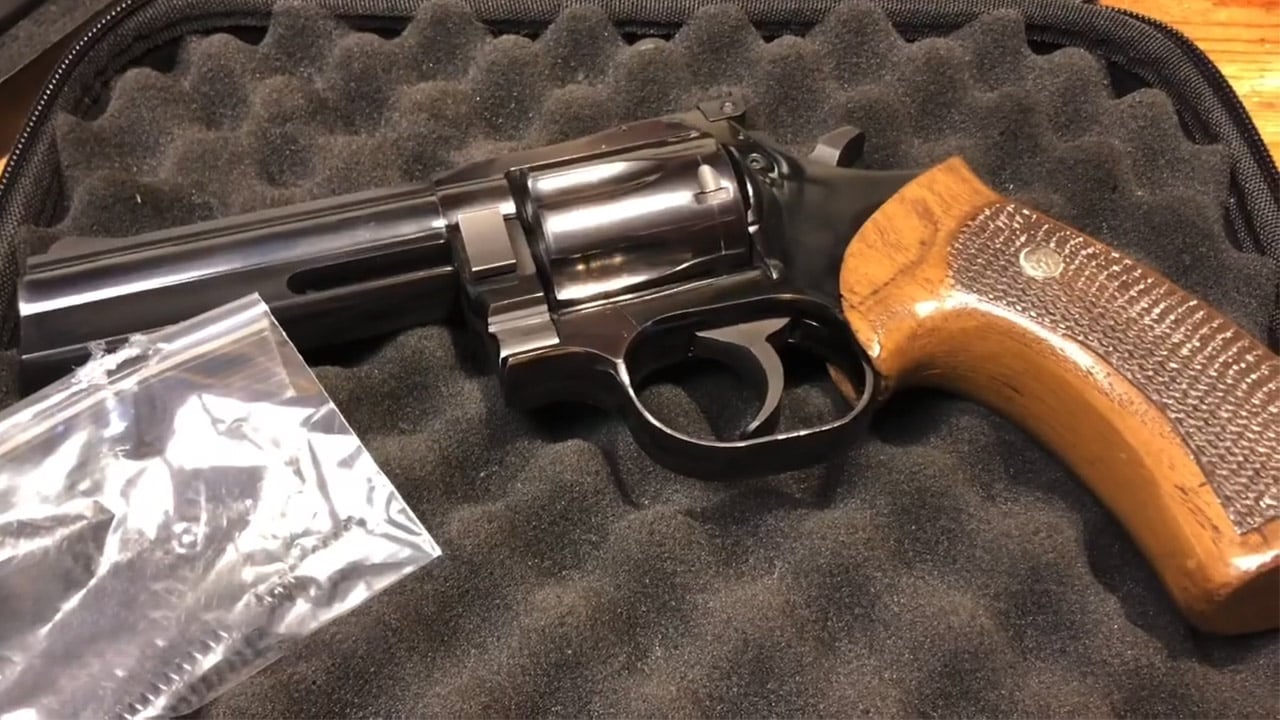
Dan Wesson revolvers don’t always get the romance, but the build quality is real. The interchangeable barrel system is the headline feature, but the bigger story is how tight and consistent these guns can be. They tend to shoot better than their price suggests.
They’re also a tinker-friendly revolver without being flimsy. If you’re the kind of shooter who actually tests loads and chases accuracy instead of just talking about it, a Model 15 can feel like a secret you’re not supposed to know.
16. Dan Wesson Model 44
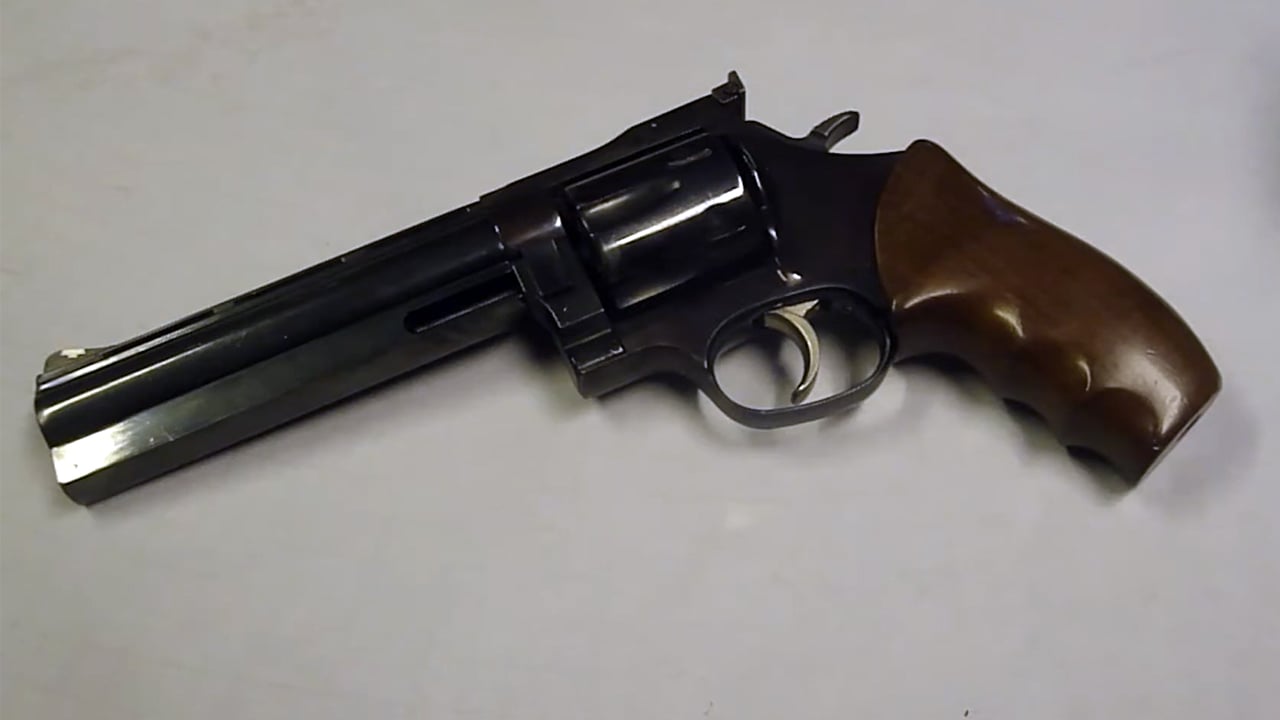
The Model 44 is what you buy when you want a .44 that’s more “precision tool” than “movie prop.” They have a solid, purposeful feel, and many of them will stack shots in a way that surprises folks who think revolvers are all about nostalgia.
They’re not as common on gun shop shelves, and accessories can be a scavenger hunt. Still, for a hunting revolver that was built with care, it belongs in the conversation.
17. Manurhin MR73

The MR73 is one of those revolvers that makes you reevaluate what “factory” means. The actions are famously smooth, the lockup is tight, and they’re built to handle hard use without getting loose. It’s a serious revolver for serious shooting.
They’re also expensive, and parts support isn’t as simple as walking into any shop. But if craftsmanship is the measuring stick, this one clears the bar. It feels like a target revolver that can still go to work.
18. Korth Combat (classic German builds)

Korth revolvers have that high-end, overbuilt feel that you usually only get from custom work. Tight tolerances, excellent triggers, and a general sense that nothing was rushed. They’re the kind of gun you hand to a shooter and watch their eyebrows go up.
Are they necessary? No. Are they impressive? Absolutely. Most outdoorsmen won’t buy one as a “truck gun,” and they shouldn’t. But as an example of craftsmanship done with zero apology, it fits right here.
19. Smith & Wesson Model 17 (K-22 Masterpiece)
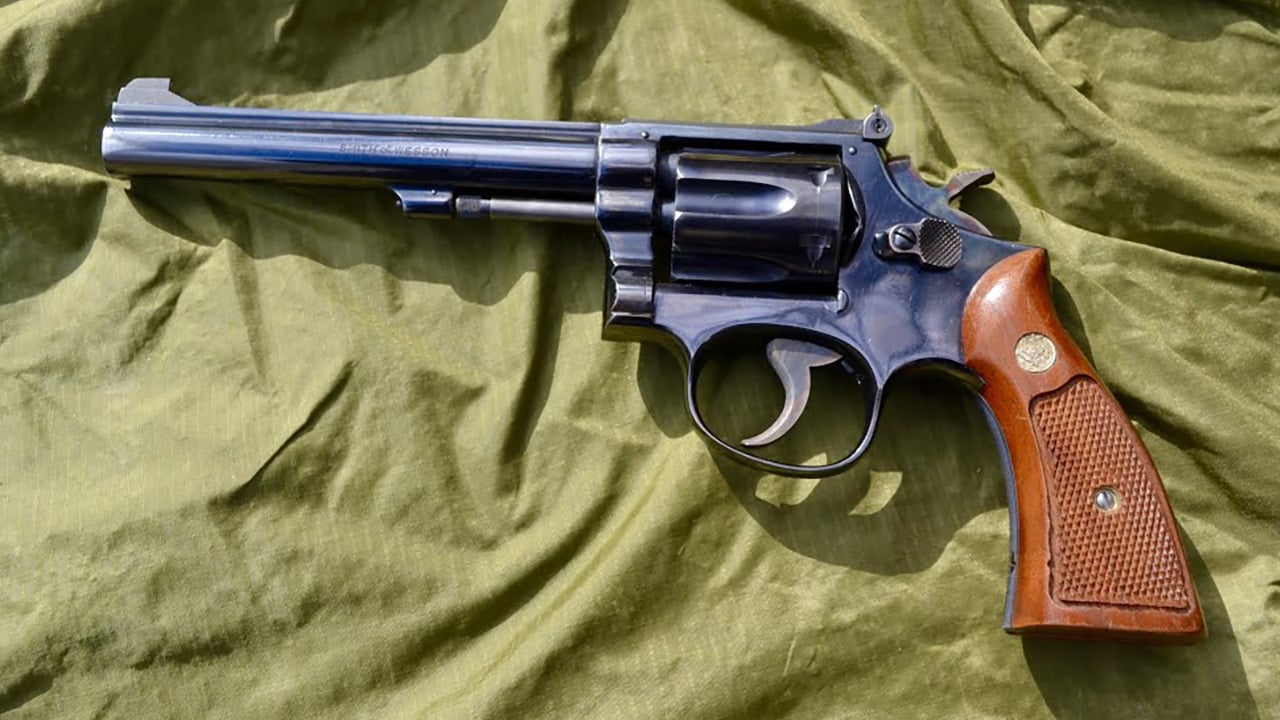
A good .22 revolver tells you a lot about how well a company can build a revolver, because you can’t hide behind recoil or noise. The Model 17 is a classic for a reason: great sights, great trigger, and accuracy that makes tin cans feel too easy.
It’s also a training tool that doesn’t get enough respect. If you can run a Model 17 well, you’ll usually shoot your centerfire revolvers better too. And it’s just plain enjoyable, which counts for something.
20. Smith & Wesson Model 36 (Chief’s Special)
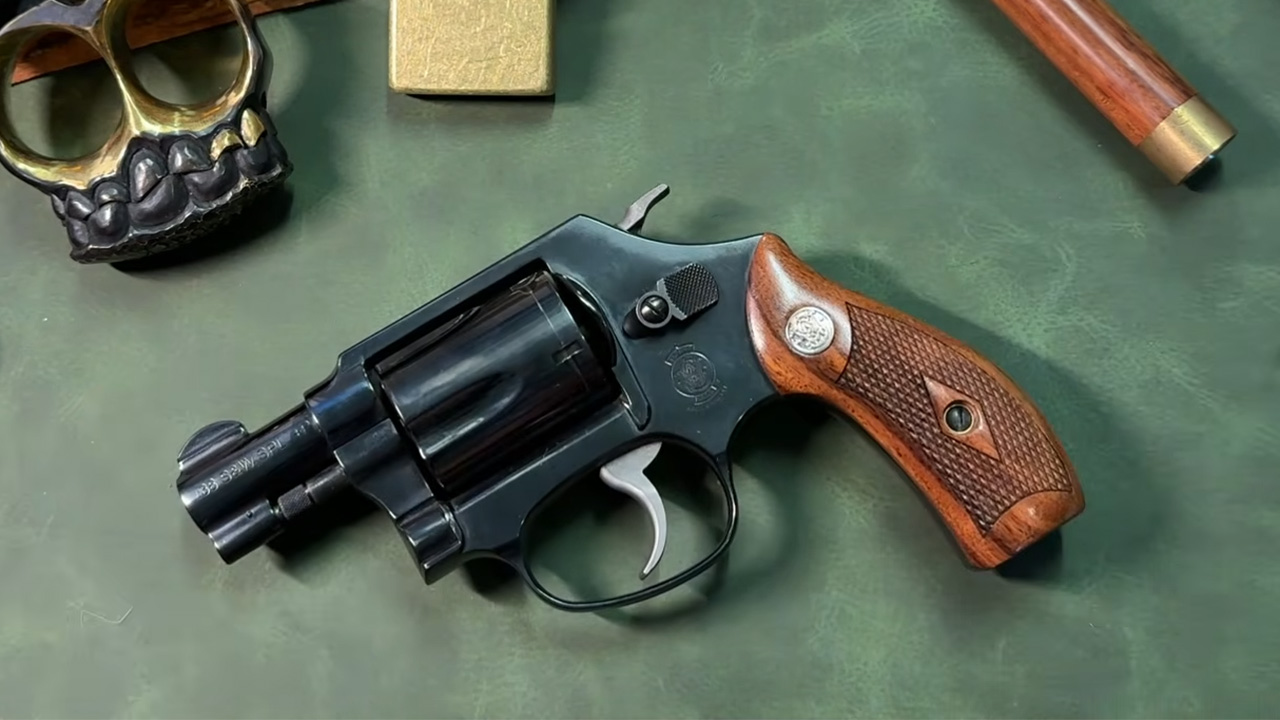
The old steel Model 36 is what a snub should feel like. It has enough weight to be shootable, enough size to get a real grip, and the kind of simple reliability that made J-frames a default choice for decades.
It’s not a modern high-capacity answer to everything, and it’s not supposed to be. For pocket carry around the property, a tackle box gun, or a “go check the barn” revolver, the older Chiefs Specials still make a lot of sense.
None of these are magic, and none of them replace practice. But when you pick up one of these well-built revolvers, you can feel the difference in the small things: the cylinder latch, the trigger return, the way the sights line up without you fighting the gun. That’s the kind of craftsmanship that’s hard to put a price on—until you try to replace it.
Like The Avid Outdoorsman’s content? Subscribe to our newsletter so you never miss an article.
Here’s more from us: