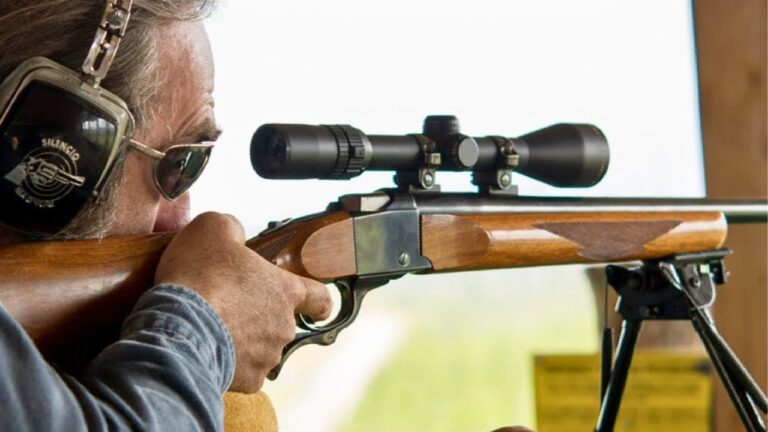
Photo credit: WHO_TEE_WHO/YouTube
Some rifles handle clean at the range but start falling apart once they hit the woods. It’s one thing to group tight off a bench, but when the stock starts flexing, screws back out, and the bolt feels like it’s been through a war halfway through the season, that’s a problem. Field use exposes the shortcuts. If you’re sick of tightening things every few trips or watching your groups wander for no clear reason, these rifles have a habit of showing their flaws when it matters most.
Marlin X7
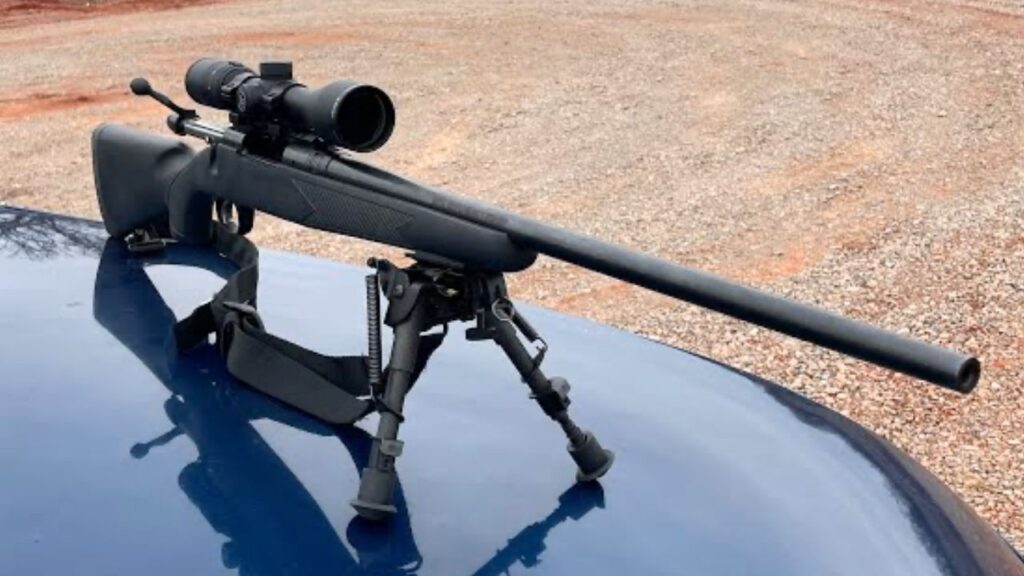
The X7 series was meant to compete in the budget bolt-action space, but it hasn’t aged well. The polymer stock flexes under pressure, and that alone throws off consistency. You’ll probably be re-torquing screws or re-zeroing more often than you’d like.
The action gets gritty fast, especially after a few dust-heavy hunts. Internal parts feel rushed, and the recoil lug bedding isn’t great. It’s not the worst rifle ever built, but you’ll be patching its weaknesses all season if you rely on it for serious field work.
Weatherby Vanguard Series 2 Synthetic
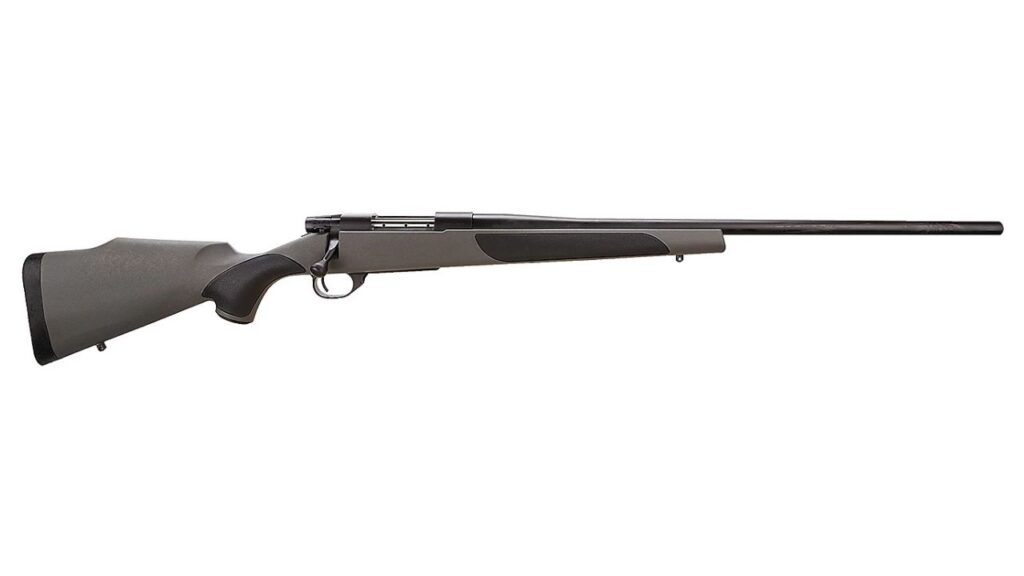
While the barrel and action on the Vanguard are decent, the synthetic stock drags it down. It’s got too much give, especially in cold weather, and that can lead to shifting zero after a couple dozen rounds or a rough hunt.
Mounting hardware has been known to back off unless you take the time to clean and lock everything in place. If you treat your gear rough or you’re hunting in tough terrain, this rifle doesn’t always keep up with the punishment.
CVA Cascade
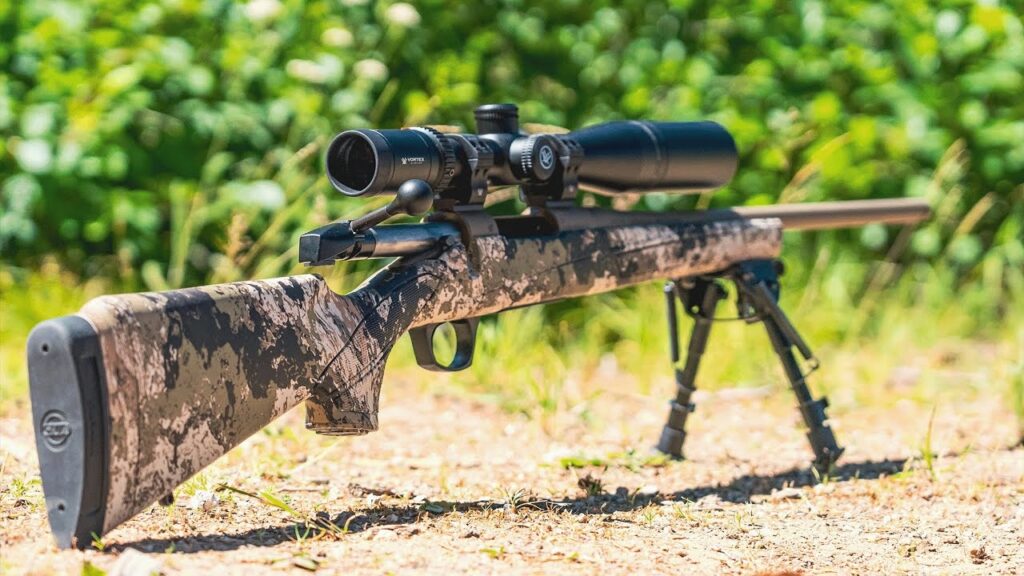
The CVA Cascade came out swinging with a lot of great features on paper. But in real-world use, it’s shown some weak spots. Several hunters have noticed bolt play increase over time, and the plastic magazine doesn’t hold up well to repeated use.
You also get occasional bedding inconsistencies that lead to wandering zero or strange point-of-impact shifts as the barrel heats up. It’s not unusable, but it takes more work to keep it dialed than most people expect from a modern bolt gun.
Browning A-Bolt III
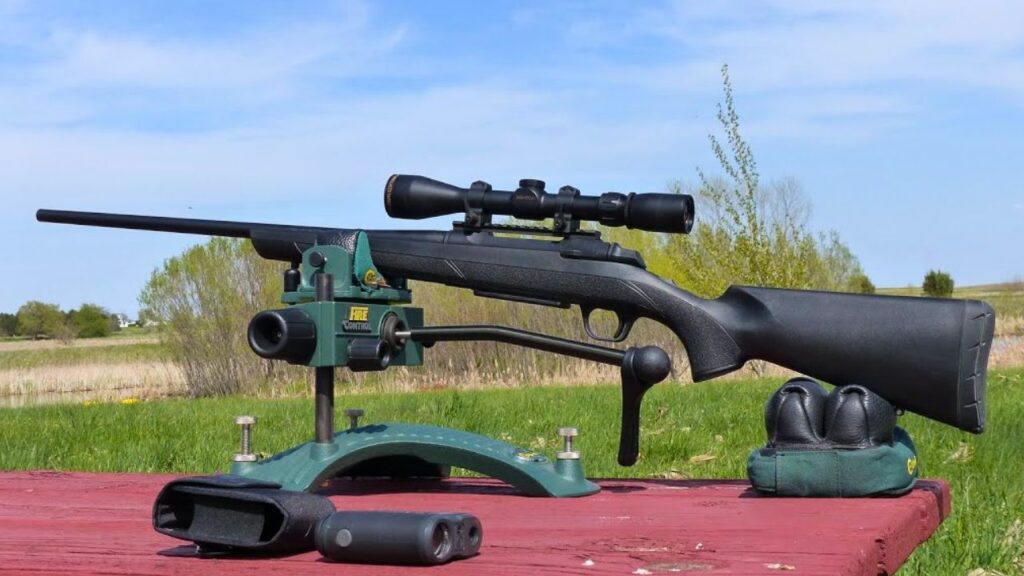
This isn’t your old A-Bolt. The A-Bolt III cut a lot of corners to hit a price point, and you can feel it. The stock is hollow and has a weird give to it, which throws off stability. Even the bolt feels less refined compared to earlier models.
Mounts and rings tend to loosen if you don’t prep them well, and the trigger group has had issues with inconsistency over longer-term use. It’ll shoot well early on, but don’t be surprised if things start to feel looser than they should by mid-season.
Howa 1500 Hogue
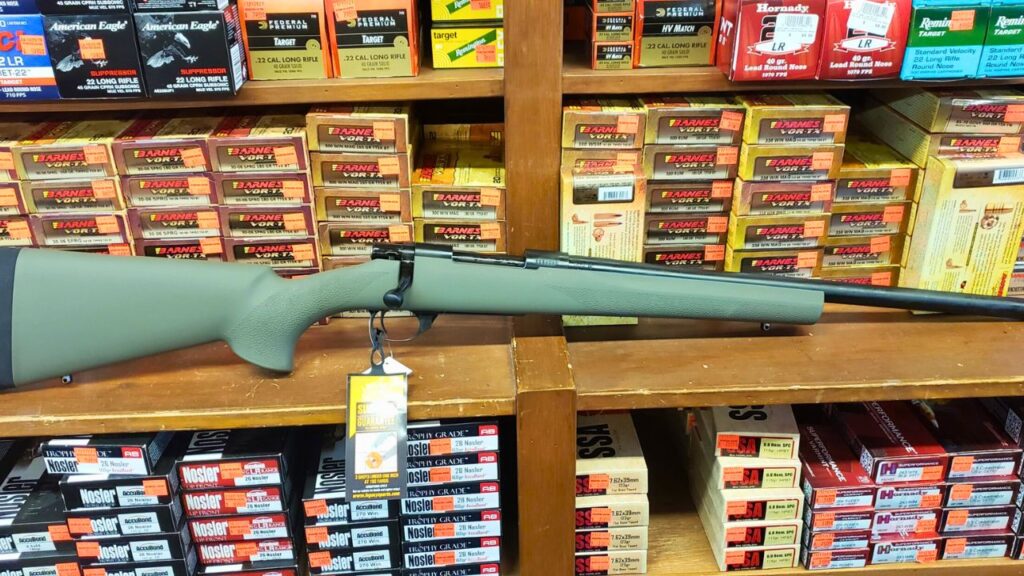
The Howa 1500 action is solid, but the Hogue overmolded stock creates issues. The rubberized exterior is comfortable, but it’s too soft where it matters. Flexing at the forend or grip area can throw off accuracy and make consistency a headache.
If you shoot from varied field positions—offhand, seated, prone—it starts to show its limitations. You can upgrade the stock and fix it, but out of the box, it’s not as solid as it seems when you first shoulder it.
Rossi R95
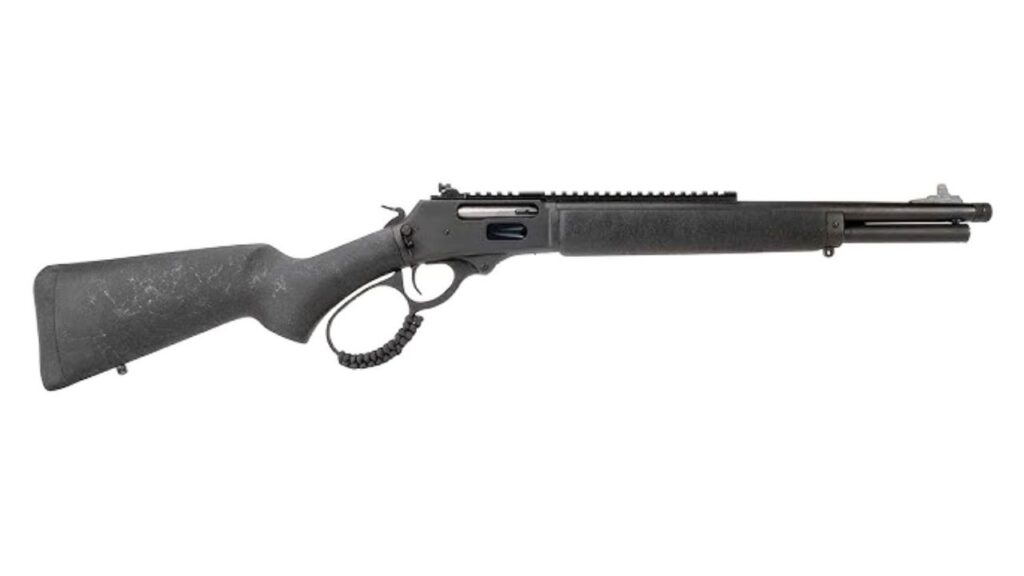
Rossi’s new lever-action rifles are affordable, but the quality control is hit-or-miss. Many report issues with screws backing out, loose-fitting stocks, and wear in the action that shows up far too early. The finish doesn’t hold up well either, especially in wet conditions.
Even minor field use tends to expose little issues that stack up over time. For the price, you get a usable rifle, but don’t expect it to stay snug and tuned without constant tweaks and attention.
Henry Long Ranger
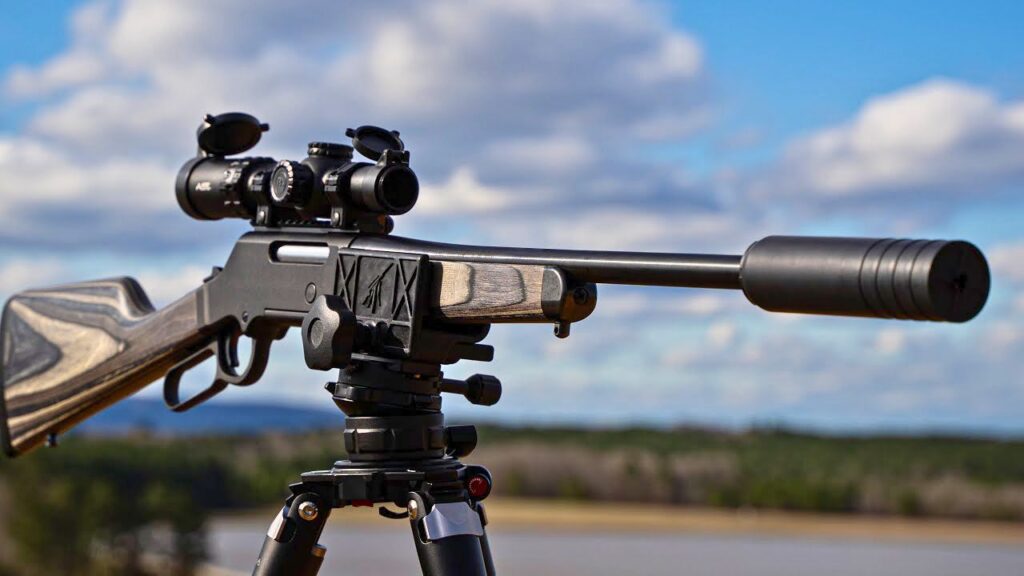
The Long Ranger is a great concept—lever-action meets scoped hunting rifle. But in practice, it’s shown some repeat issues. Scope bases have been known to work loose, and the internal action tolerances don’t always stay tight after heavy use.
You also deal with magazine seating problems and feed hang-ups, especially in colder weather. If you’re expecting this rifle to run like a bolt gun through a full hunting season, you might be let down halfway through.
Savage 110 Apex Hunter XP

Savage rifles can shoot well, but the Apex Hunter XP package comes with tradeoffs. The scope that ships with it doesn’t hold up to much abuse, and the mounting system is prone to loosening unless you rework it all before taking it afield.
The stock is lightweight to the point of being fragile, and recoil wears it in ways that can throw off accuracy over time. It’s affordable, sure—but that price comes with more upkeep than some are ready for in the field.
Remington Model Seven

The Model Seven is compact and handy, but it’s had its share of durability complaints. The action screws and scope base tend to back out after repeated firing, especially with heavier loads. The synthetic stock doesn’t always stay tight around the recoil lug, either.
It handles nicely, but after a full season of use, you’ll probably start to feel the slop in places that matter. If you’re not doing regular maintenance and checks, it’ll rattle apart faster than you’d think.
Winchester Model 70 Super Shadow
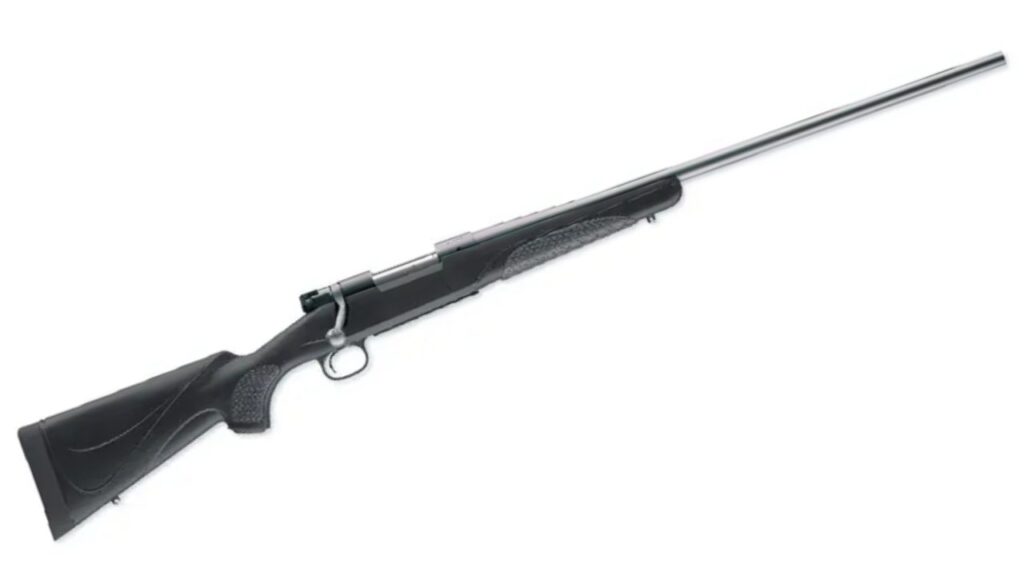
This version of the Model 70 was supposed to be lightweight and affordable, but the Super Shadow’s synthetic stock is overly flexible, especially around the barrel channel. That flex can impact barrel harmonics and accuracy after just a few hunts.
You also get the occasional issue with bolt fit and magazine seating, especially once the rifle’s had a few hundred rounds through it. Long-term durability doesn’t live up to the Model 70 name unless you upgrade the weak points yourself.
*This article was developed with AI-powered tools and has been carefully reviewed by our editors.