Photo credit: SPRINGFIELD ARMORY/YouTube
If you’ve been shooting long enough, you’ve probably run into a few semi-autos that wouldn’t cycle clean or couldn’t eat common ammo out of the box. Maybe it was a tight chamber, a weird feed ramp, or a recoil spring that was either too heavy or too light for the load. And while some of that can be fixed with a little tuning, it’s frustrating when you’ve already dropped serious cash on something you expected to run.
Here are a few pistols folks end up tweaking or replacing parts on just to get them working like they should’ve in the first place.
Kimber Micro 9
Kimber’s Micro 9 looks like a shrunken 1911 and handles like one too, which sounds great until you start shooting it.
It’s notorious for needing a break-in period—and not a short one. You might fight through 200 rounds before it starts running reliably. Kimber even mentions this in the manual, but that doesn’t make it any easier when you’re clearing failures every magazine.
Some folks swap the recoil spring, others polish the feed ramp. Either way, if you plan on carrying it, you’ll want to make sure it cycles clean before you trust it.
SIG Sauer P938

Another micro-1911-style pistol that feels great in the hand but can be finicky in operation.
The P938 tends to be ammo-sensitive, especially with hollow points. Some shooters report failure to return to battery until they swap out the factory recoil spring or polish internals. It’s also picky about magazines—aftermarket mags can make things worse.
If you’re willing to put in the work, it can be a solid carry option. But don’t expect flawless function right out of the box with every load.
Rock Island 1911s
These budget-friendly 1911s can shoot well for the money, but out of the gate, many of them need work.
Rough machining, gritty triggers, and sharp edges aren’t uncommon. You’ll often need to polish feed ramps, swap mags, or tune extractors to get them running reliably, especially with hollow points. Some even swap the barrel bushing or replace small internal parts right away.
If you’re handy with 1911s or know a gunsmith, it’s manageable. But for a first-time buyer, it can be more hassle than it’s worth.
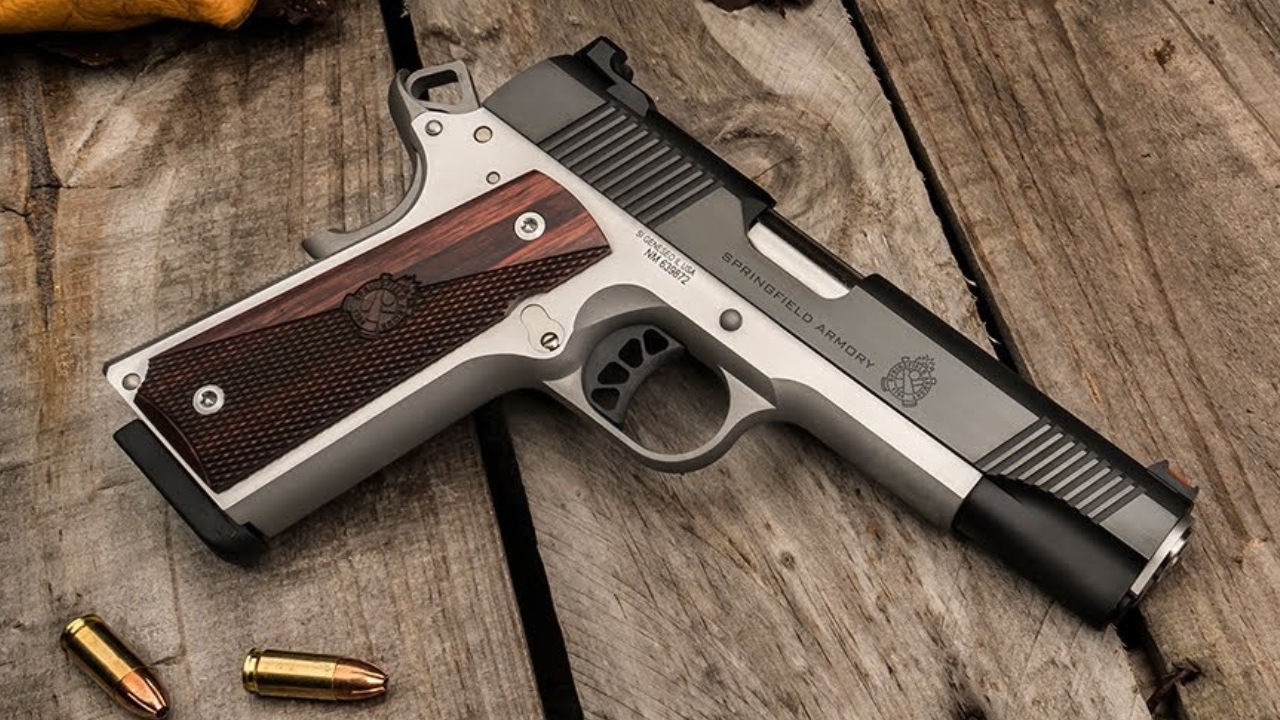
Springfield Armory Ronin

The Ronin is one of those 1911s that feels well-made but still trips up when you get to the range.
Some users run into feeding issues with certain bullet profiles, especially in 9mm versions. Swapping magazines and giving the feed ramp a polish tends to smooth things out, but it shouldn’t be necessary for a gun at this price point.
It’s often praised for fit and finish, but that doesn’t guarantee it’ll run without hiccups until it’s tuned up and run in.
CZ 2075 RAMI
The RAMI has a loyal following, but reliability has never been its strongest suit.
It’s small, heavy, and has an odd recoil impulse that some shooters find hard to control. Others report feeding issues or slide lock malfunctions until parts are adjusted. The grip design can also lead to shooter-induced malfunctions if you aren’t careful.
Once tuned and paired with the right ammo, it can be solid. But for many, that takes extra effort—and that effort isn’t always worth it.
Remington R51 (Gen 1)

The first generation of the R51 was a mess. Remington tried something different with its Pedersen-style action, but it wasn’t executed well.
Tolerances were off, parts were rough, and reliability was spotty at best. Even basic field-stripping confused people. It wouldn’t feed reliably and had ejection problems that frustrated even experienced shooters.
Remington pulled it and re-released a Gen 2 version, but the damage was done. If you find a Gen 1, leave it in the case unless you’re prepared to do some serious work.
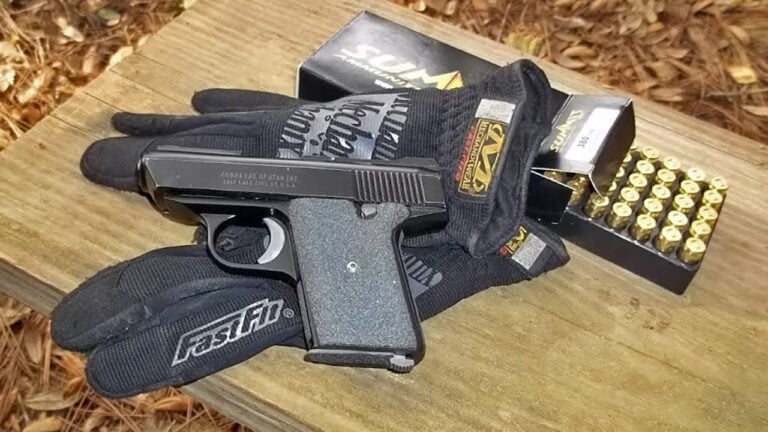
Colt Mustang Pocketlite
This little .380 has history behind it, but some of the newer ones don’t quite live up to the name.
Feed issues are common, especially with certain brands of hollow points. The tiny size doesn’t leave much margin for error, and if your grip isn’t consistent, you’ll get failures to eject. Some owners end up smoothing the ramp and swapping mags to get it running right.
It can be a great backup gun—but only after you spend some time fine-tuning it.
Taurus PT709 Slim

The Slim had potential. It’s thin, lightweight, and affordable—but those savings came at a cost.
The trigger was inconsistent, slide lock often failed, and it didn’t always cycle reliably. Some owners fixed it with spring kits or polished parts, while others just moved on to something more dependable.
Taurus discontinued it, but you’ll still find them floating around. If you grab one, be ready to tweak it before carrying.
Para-Ordnance Warthog
The Warthog was one of those double-stack .45s that sounded great in theory—lots of firepower in a compact 1911 package.
In practice, it didn’t feed well, especially when dirty. The short slide and high-pressure round made it easy to induce malfunctions. Many shooters ended up tuning the extractor or replacing the recoil spring to get it to cycle clean.
It can work well after tuning, but few folks want to put in the hours to make it dependable.
Kahr CM9

The CM9 is slim, affordable, and built with carry in mind—but that small size brings quirks.
The long trigger pull takes getting used to, and early models were picky with ammo. It usually takes 150–200 rounds before it smooths out, and even then, some users find it unreliable unless they stick to specific loads. A weak grip or poor stance will also cause failures.
It’s a decent option once you’ve sorted it out, but it’s not going to impress you right out of the gate.
Like The Avid Outdoorsman’s content? Subscribe to our newsletter so you never miss an article.
Here’s more from us:
*This article was developed with AI-powered tools and has been carefully reviewed by our editors.