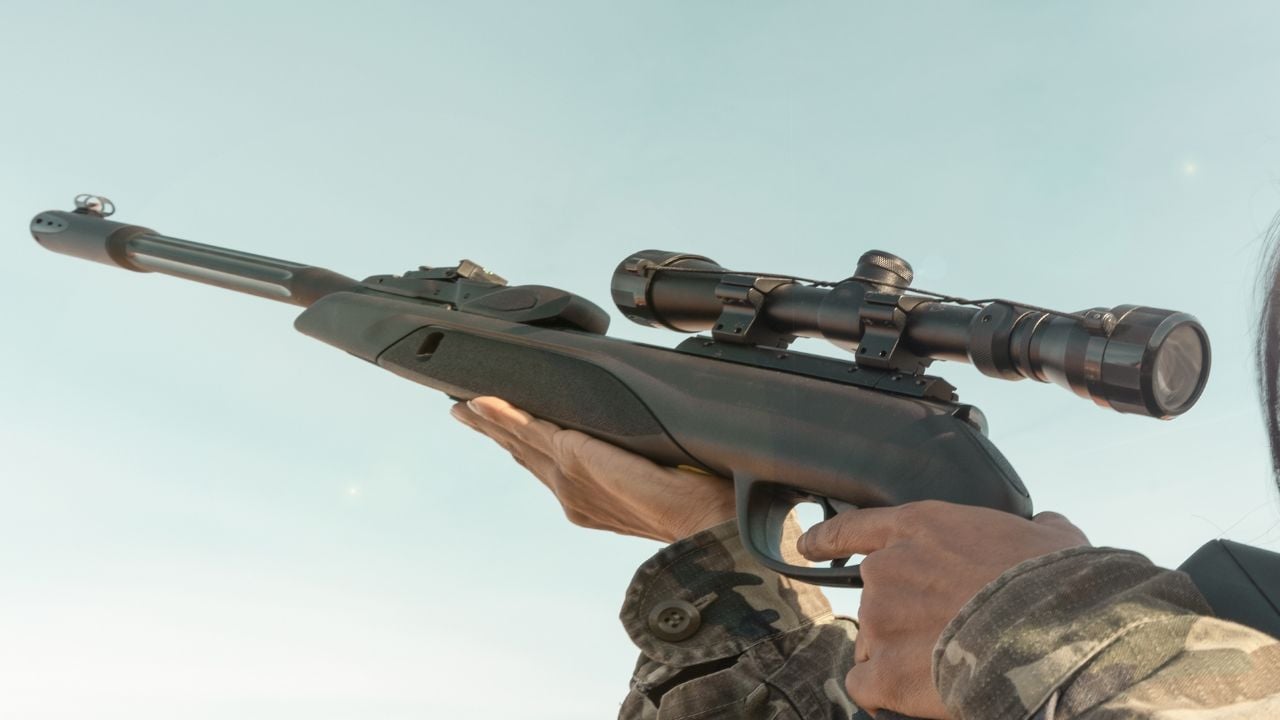
Photo credit: TANYARICO/ShutterStock.com
Anyone who’s spent time behind a rifle knows that the rifle itself isn’t always the weak link—it’s often the scope. A rifle can shoot well, but if your optic can’t hold zero, every shot feels like a guess. Some scopes are built with rugged internals that shrug off recoil and hard knocks, but others start wandering the moment they see real use. The frustrating part is that many of these scopes look fine on the surface. They mount up, they dial easily, and they even group well at first. But after a few shots—or worse, after a bump in the field—the point of impact starts shifting. If you’ve ever chased your shots around a target thinking it was your form, chances are the optic was walking all over the place. Let’s talk about the scopes that have earned a reputation for losing zero faster than the cheapest rifles they’re strapped to.
Tasco World Class
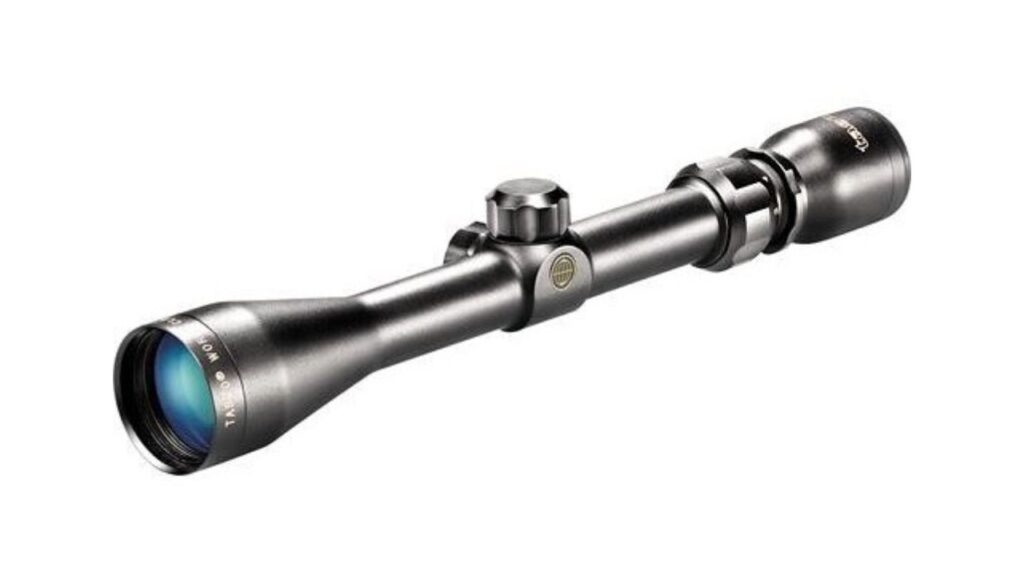
The Tasco World Class series has been around for decades, and plenty of hunters have had one at some point. The problem is that these scopes don’t hold up once you put them on anything that kicks. A .30-06 or even a .308 can shake them enough that the reticle starts wandering after just a few range trips. You’ll often notice shots stringing or landing in places that make no sense, only to find the zero has shifted.
The glass quality isn’t terrible for the price, which is why they sell, but durability in the field is where they fall apart. They might hang on for a .22 or a light .223, but mount one on a deer rifle and you’ll see how fast things unravel. If you’re chasing accuracy, this scope will leave you scratching your head and re-zeroing more than you’d ever want.
Barska Huntmaster
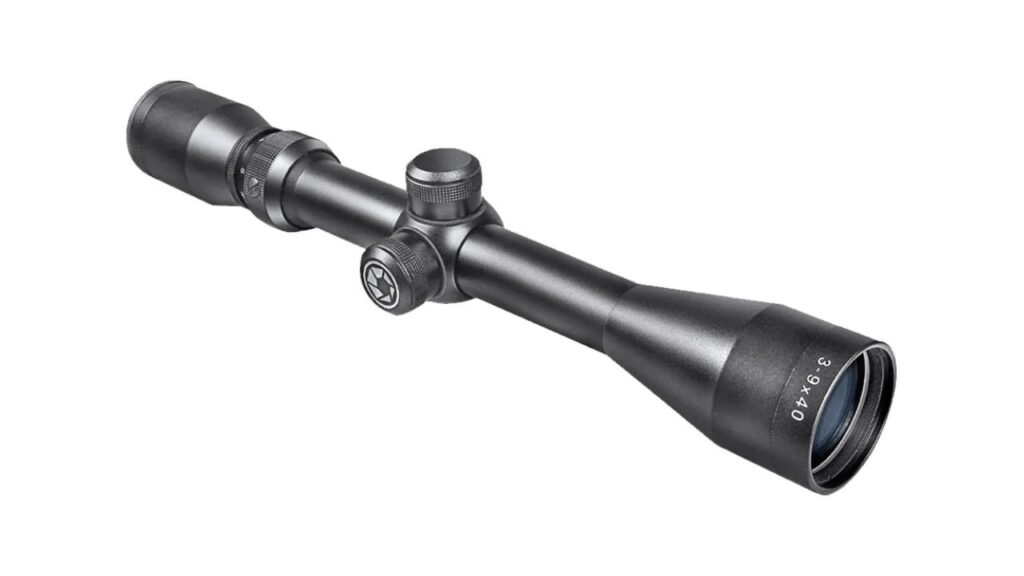
Barska has earned a reputation for making optics that look like a bargain but end up costing you in wasted ammo. The Huntmaster line is especially known for not holding zero. After a short stint on a medium-caliber rifle, it’s common to see shifts of several inches at 100 yards. That’s enough to ruin a hunt or make range time frustrating.
The turrets tend to feel mushy, and internal parts don’t seem to handle repeated recoil. Even minor bumps while carrying through brush can be enough to throw the zero off. Many shooters try these because of their low price, but they quickly learn that cheap glass usually equals unreliable tracking. On paper, they look like a solid budget scope. In practice, they make you question every shot you take after the first handful.
BSA Sweet Series
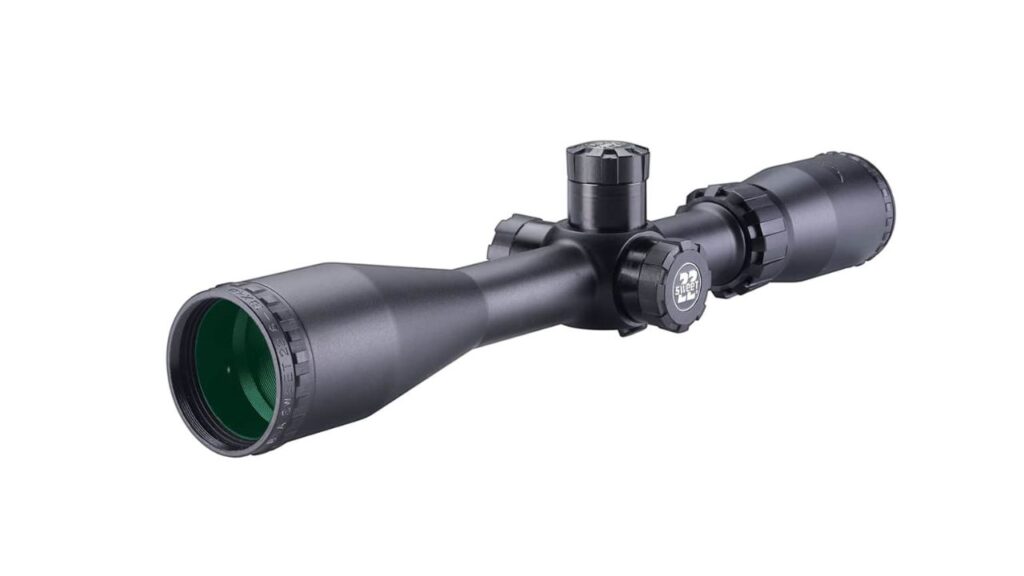
The BSA Sweet scopes are marketed toward hunters who want simple, caliber-specific adjustments, but reliability isn’t their strong suit. These scopes are notorious for losing zero when mounted on anything with noticeable recoil. Even rifles chambered in .243 or .270 have been enough to shake them loose.
The turrets often wander under vibration, and internal springs don’t hold steady tension. That means you might sight in at the range, pack up confident, and then discover a completely different point of impact when you’re in the woods. While they can work on rimfire rifles, their shortcomings become obvious once you step into centerfire territory. For anyone serious about consistent performance, these scopes usually end up back in the closet or traded off after a frustrating season.
NcStar Mark III
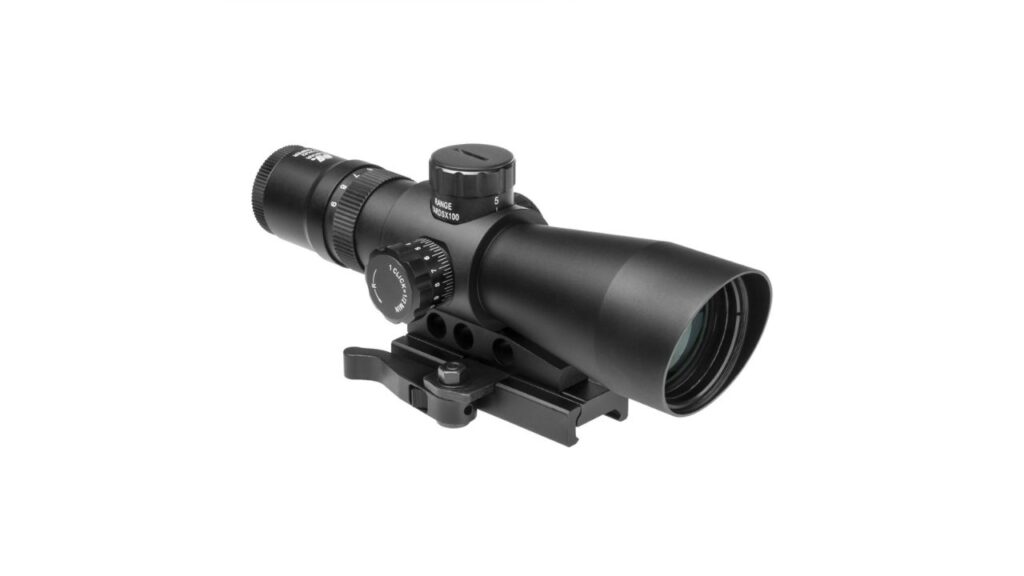
NcStar markets their Mark III line as tactical-ready, but it’s one of those optics that sounds better than it performs. Mounted on AR platforms or even lighter bolt actions, these scopes often fail to hold zero after repeated firing. Recoil and rough handling expose their weak internals quickly.
The adjustments don’t track cleanly, and it’s not unusual for the reticle to visibly drift over time. For shooters who want something tough enough for field carry, the Mark III usually doesn’t cut it. While they look the part with tactical styling, they’re not built to withstand hard use. They’re fine for casual plinking, but when it comes to serious accuracy, you’ll spend more time re-zeroing than actually shooting with confidence.
Simmons 8-Point
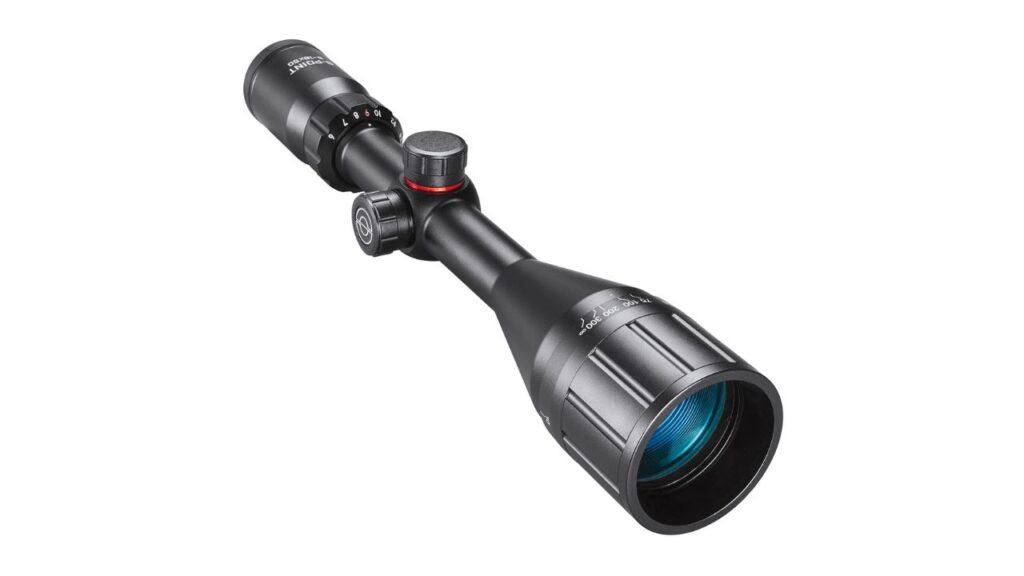
Simmons sells a lot of 8-Point scopes because of the low cost, but their ability to hold zero has always been suspect. Recoil from a hunting rifle can cause the reticle to walk, and after a few boxes of ammo, most shooters see noticeable shifts. It’s especially obvious when the first shot of the day lands nowhere near the group you had last time.
The adjustments are also inconsistent, which makes chasing zero an even bigger headache. They’ll usually do fine on rimfires or light varmint rifles, but once you go into deer rifle territory, reliability drops off quickly. For anyone who cares about confidence in the field, these scopes are often left behind after one or two bad experiences.
Leapers UTG BugBuster
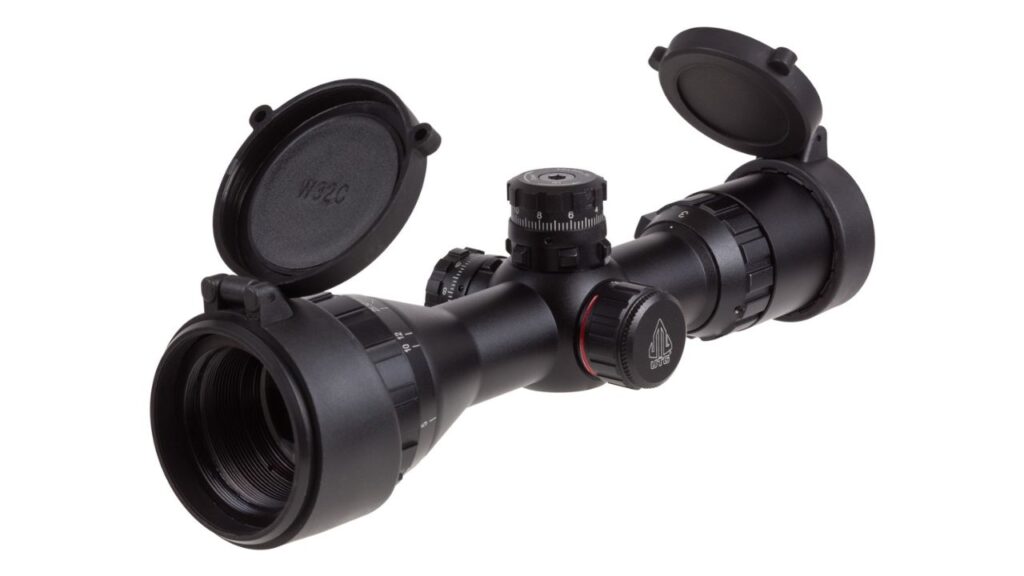
The BugBuster from UTG has a cult following among budget shooters, but the truth is that it doesn’t hold up to serious recoil. Designed more for air rifles and .22s, these scopes struggle when placed on centerfire rifles. Dust, recoil, and field knocks can all cause point-of-impact shifts.
On a .223 plinker, they may last long enough to seem worth the money, but step into a .308 or .30-06, and you’ll see the zero wander. While they’re compact and affordable, their construction isn’t up to the demands of hunting rifles that see real use. Many shooters eventually learn the hard way that scopes built for light recoil don’t translate into reliable performance on hunting platforms.
Monstrum Tactical
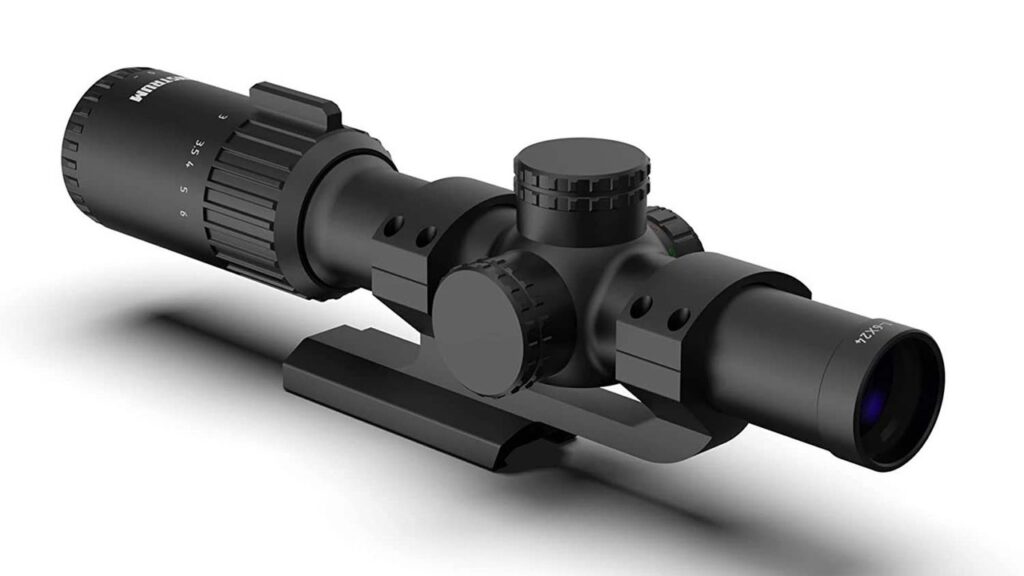
Monstrum’s tactical scopes promise a lot with features like illuminated reticles and long-range adjustments, but they often fail to keep zero when recoil and field use come into play. Many hunters and shooters have noted that even moderate calibers cause the zero to shift after limited use.
The issue usually comes from inconsistent internals and poor shock resistance. They’ll hold for a short while, but you’ll notice changes creep in over time. Even when carefully mounted, these scopes just don’t offer the rugged stability needed for rifles carried into rough country. While they can look appealing compared to higher-end tactical optics, they don’t deliver the consistency that accuracy-focused shooters demand.
Sightmark Core HX
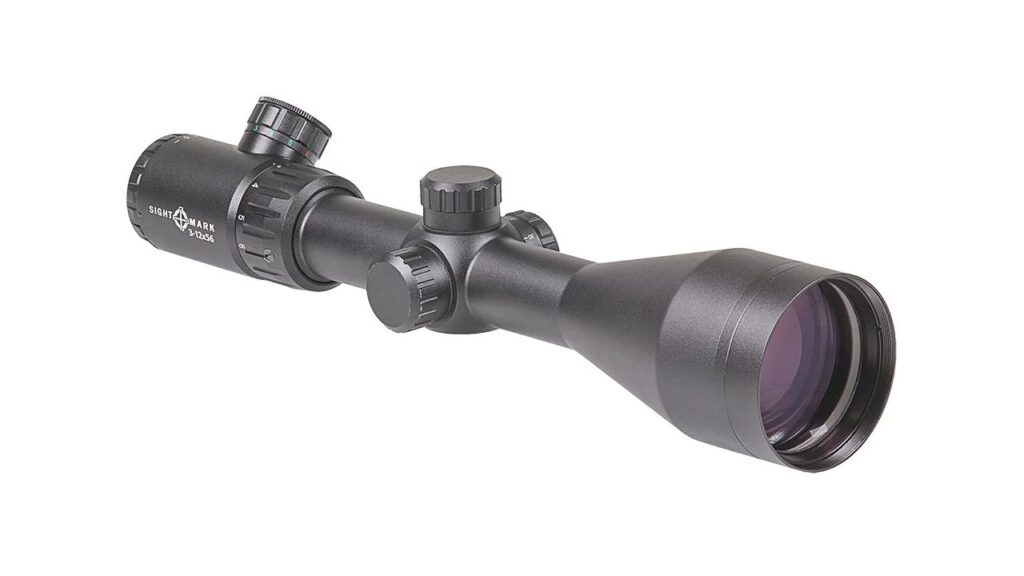
Sightmark’s Core HX hunting scopes aim at affordability, but many users report frustrations with zero retention. Mounted on rifles chambered in calibers like .270 or .30-06, these scopes often lose zero after a few hunting trips. Even light recoil calibers sometimes expose their weaknesses.
The turrets lack the firm clicks of higher-quality optics, and vibration can make them shift under use. While they work fine for casual range trips, serious hunters who expect reliable accuracy in the field are often disappointed. They look the part and carry features hunters want, but when it comes to repeatable point of impact, the Core HX frequently fails to live up to expectations.
TruGlo Tru-Brite
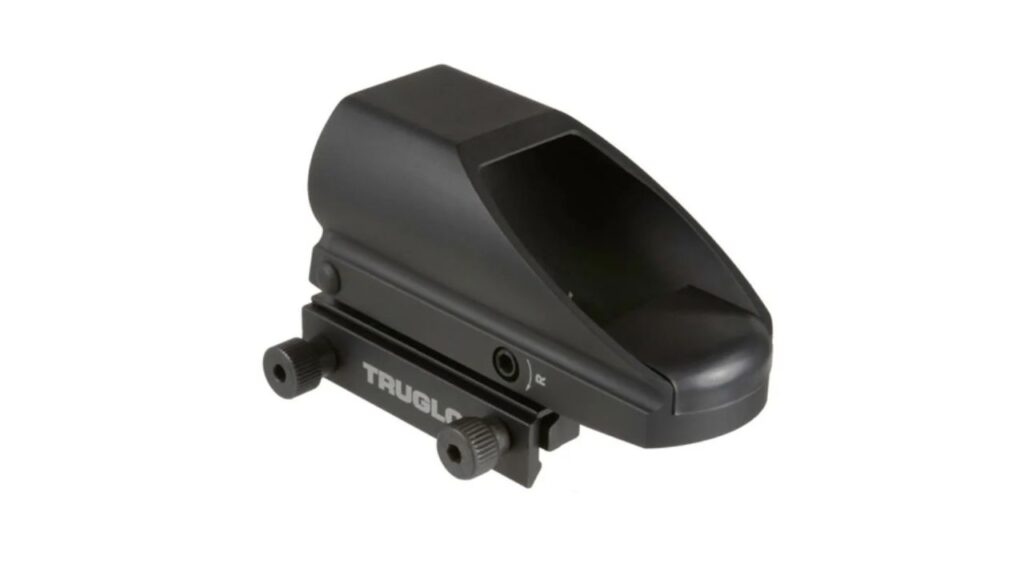
TruGlo is better known for sights than riflescopes, and the Tru-Brite series shows why. These scopes often fail to keep zero once mounted on centerfire rifles. Even on modest calibers like .243, the point of impact drifts with use. After a rough ride in a truck or a few days in the field, many hunters find themselves frustrated with wandering zeros.
The adjustments don’t track cleanly either, so re-zeroing becomes a chore. While they may appeal to hunters who want an affordable optic with bright glass, durability in terms of holding zero is the downfall. They’re serviceable for small-caliber rifles but not for serious use where consistency is everything.
KonusPro 275
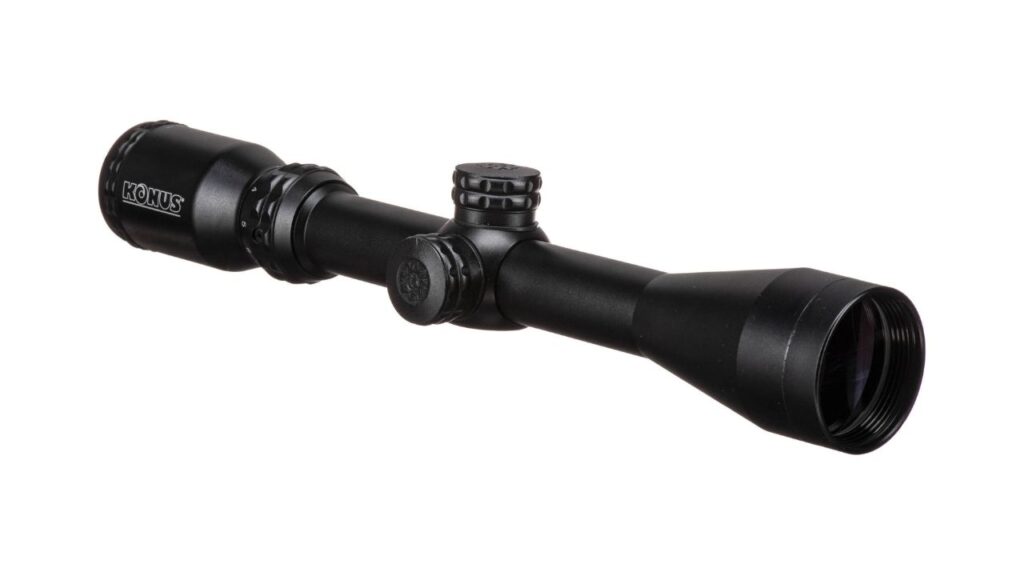
Konus markets the Pro 275 as a caliber-specific hunting scope, but real-world use shows it doesn’t stand up well to recoil or field conditions. Hunters have noted shifts in point of impact after only a few trips, even on mid-caliber rifles. Once dust, vibration, or bumps get involved, the zero tends to wander.
The turrets also feel loose, which doesn’t inspire confidence when trying to keep adjustments locked in. While it’s tempting to try because of the affordable price and the ballistic features, it ends up causing more frustration than it’s worth. You’ll find yourself second-guessing every shot because the optic simply doesn’t hold where you set it.
CenterPoint TAG Series
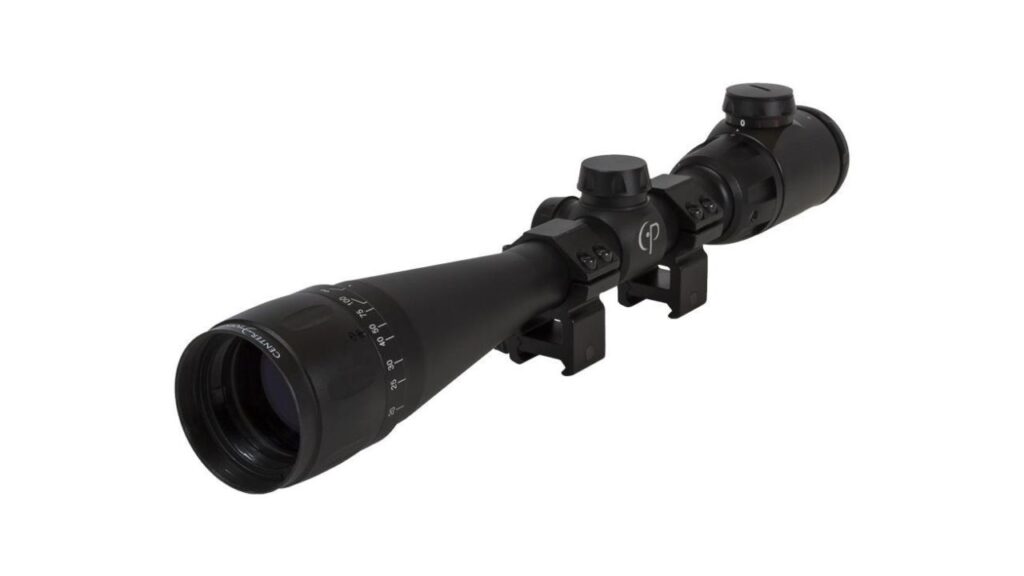
CenterPoint’s TAG line is common in big-box stores, but they don’t fare well when recoil starts shaking them. Hunters using them on deer rifles often report that zero shifts occur within a single season. These aren’t scopes designed to handle the long-term abuse of field conditions.
On air rifles or rimfires, they do fine, which is where many people end up using them after moving them off their hunting rifles. But once recoil, dust, and bumps enter the equation, the shortcomings show. They’re attractive because of price and availability, but in terms of reliability, they land firmly in the category of optics that lose zero far too quickly.
*This article was developed with AI-powered tools and has been carefully reviewed by our editors.