Photo credit: By Staffotografen Directie Voorlichting Ministerie van Defensie /Wikmedia Commons
Not every rifle marketed as a hunting option makes sense for deer season. Some rifles are too heavy, too awkward, or chambered in cartridges that bring more problems than solutions. You’ve probably seen hunters lugging around rifles better suited to target ranges or war zones than a morning in the deer stand. The truth is, balance, weight, caliber choice, and handling matter more in the woods than raw power or tactical appeal. When you’re climbing into a blind or still-hunting through thick brush, the wrong rifle will show its flaws fast. Here are rifles that simply don’t belong in deer country, either because they’re impractical, overkill, or make the hunt harder than it needs to be.
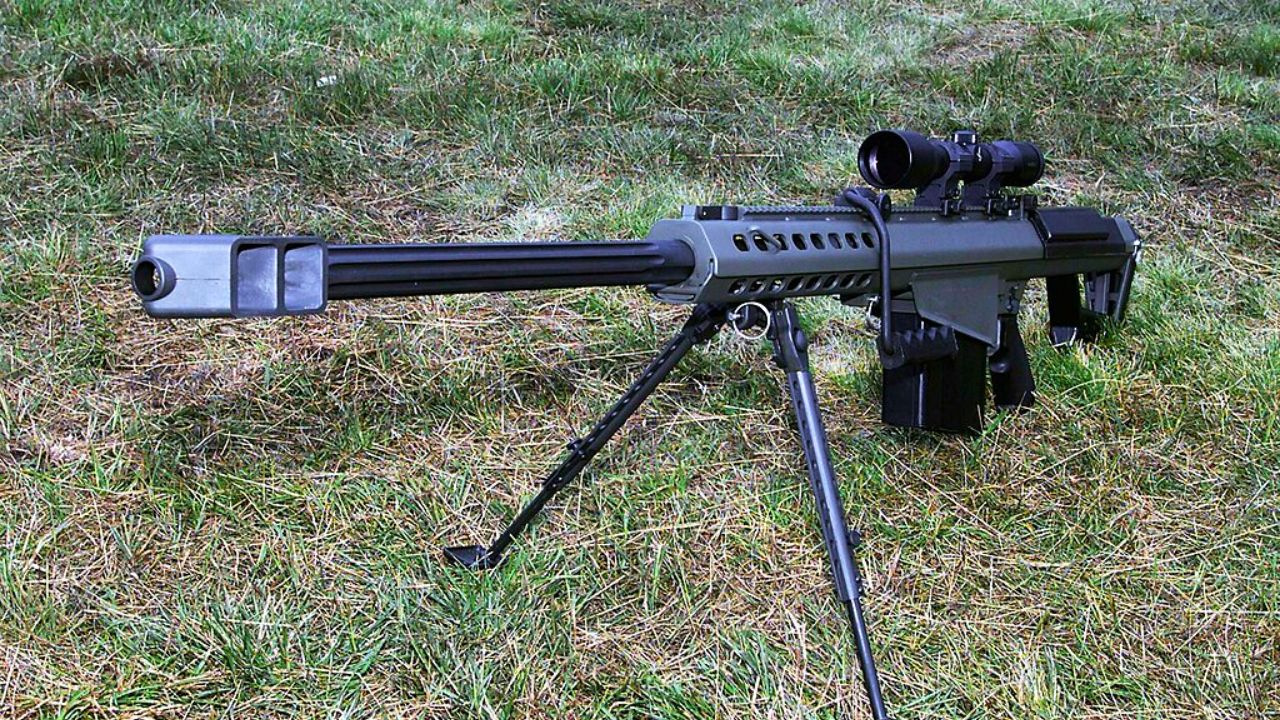
Barrett M82

The Barrett M82 is an iconic .50 BMG rifle, but dragging one into the deer woods is absurd. At over 30 pounds with a massive footprint, it’s a rifle designed for extreme military roles, not whitetail hunting. Climbing into a stand or trying to stalk through timber with this monster would wear you out long before you saw a deer.
The recoil and report are excessive, and the .50 BMG cartridge destroys far more meat than anyone would want. Beyond that, it’s completely impractical for the ranges you actually see in deer hunting. Even in open country, no deer requires a weapon built for disabling vehicles. The M82 belongs at the range or on the battlefield—not in a tree stand.
Ruger Precision Rifle

The Ruger Precision Rifle is excellent for long-range shooting, but its chassis design and heavy weight make it a poor choice for deer woods. With a long barrel and plenty of attachment points, the rifle tips the scales too high for comfort. When you’re hunting, the last thing you want is a rifle that feels like dead weight over several hours.
Accuracy is top-notch, but for whitetail hunting, you rarely need to push past 300 yards. Most deer are taken inside of 150. Hauling a rifle designed for thousand-yard steel into a blind doesn’t make sense. It’s awkward in tight quarters and slow to maneuver if you get a shot opportunity. It shines on the range, but it’s out of place in a deer camp.
Remington 700 Sendero

The Remington 700 Sendero is marketed as a precision hunting rifle, but in practice, its long, heavy barrel makes it clumsy in the woods. This rifle excels in open-country shooting or when set up on a bipod, but for still-hunting or climbing into a tree stand, its weight distribution becomes a problem.
Deer hunting requires rifles you can shoulder quickly and carry comfortably for hours. The Sendero tips too far toward the benchrest world. While accuracy is excellent, the handling is anything but. If you plan to hike a ridge or slip through thick brush, this rifle will feel like a burden, not a tool. For deer hunters, lighter-barreled 700s make far more sense.
Springfield M1A

The Springfield M1A in full-length configuration is a battle rifle first and foremost. It’s long, heavy, and chambered in .308 with more bulk than you need for whitetails. Carrying one through the woods is more exercise than hunting, and shouldering it in tight quarters like a blind is far from smooth.
Yes, it’s accurate enough and powerful enough, but the ergonomics and weight are simply wrong for deer season. Semi-autos have their place, but the M1A feels cumbersome when compared to lighter hunting rifles chambered in the same cartridge. It was never designed for deer hunting, and it shows in how awkward it feels in the field.
Savage 110 BA Stealth

The Savage 110 BA Stealth is built for precision shooting at extreme ranges. With its chassis system and long, heavy barrels, it’s the opposite of a handy deer rifle. Hauling one into the woods is like carrying a bench gun into the timber—it’s overbuilt for the job and punishing on your back.
Accuracy is incredible, but the weight and size are a nightmare when you’re climbing a stand ladder or moving through brush. A rifle like this belongs on a range mat or a prairie dog hunt, not in the whitetail woods. If your deer hunting involves normal ranges and long days of carrying, this rifle is out of place.
Barrett MRAD

The Barrett MRAD is a modular, multi-caliber precision rifle. It’s impressive, but it doesn’t belong anywhere near a deer blind. It’s heavy, awkward, and designed for tactical or long-range sniper roles. Its ergonomics don’t line up with what you need when hunting whitetails in tight cover.
The cartridges it often runs—like .300 Norma or .338 Lapua—are massive overkill for deer. The recoil, blast, and sheer weight make it impractical when lighter, purpose-built deer rifles exist in every gun rack. Suppressed or not, the MRAD is a burden to carry all day. For deer hunting, it’s an example of bringing the wrong tool for the job.
Remington 783 Heavy Barrel

While the Remington 783 is affordable and accurate, the heavy-barrel versions aren’t suited for deer hunting. Their weight distribution leans forward, making them clumsy to shoulder in the woods. For stand hunting you might manage, but for walking and still-hunting, they quickly wear you down.
Hunters need rifles that handle smoothly and balance well in tight situations. The 783 heavy barrel does neither once you attach a sling and hike a ridge. It’s better suited to target work or varmint hunting, where its barrel profile shines. In deer country, it feels like unnecessary baggage.
FN SCAR 20S

The FN SCAR 20S is another rifle that looks impressive but feels completely out of place in deer season. It’s long, heavy, and clearly built for designated marksman roles. Chambered in larger cartridges, it’s not only awkward to carry but also offers far more rifle than you need to kill a deer.
In tight blinds or thick woods, the rifle’s profile is unwieldy. It’s a fine gun for range shooting or tactical use, but deer hunters benefit from rifles that are light, handy, and quick to mount. The SCAR 20S misses that mark entirely.
Weatherby Mark V Accumark

Weatherby rifles are known for high velocity and flat shooting, but the Accumark’s size and weight make it less than ideal in the deer woods. It’s chambered for fast magnums that chew up barrels and deliver more recoil than most whitetail hunters want to deal with. Carrying one feels more like you’re preparing for elk on open plains than slipping through hardwoods after a deer.
The long barrel combined with the heavy build makes it cumbersome in blinds and harder to maneuver. While it’s an accurate and well-made rifle, it doesn’t fit the style of hunting most deer hunters practice. Lighter Weatherby options are better suited for the job.
Ruger Hawkeye Long Range Target

The Ruger Hawkeye Long Range Target is another rifle designed more for precision work than deer woods practicality. It’s heavy, long, and chambered in cartridges like 6.5 PRC and .300 Win Mag—more power than you need for most deer. While it shoots incredibly well from a bench, handling it in the woods is a different story.
You’ll feel the imbalance when trying to shoulder quickly, and carrying it over long hunts wears you down. The rifle simply wasn’t designed for the style of hunting whitetails demand. It’s perfect for open-country precision shooting, but not the stand or still-hunting you find in deer country.
Browning X-Bolt Max Long Range

The Browning X-Bolt Max Long Range is a precision rifle that doesn’t translate well into deer hunting scenarios. With its adjustable stock and long, heavy barrel, it feels like a target rifle more than a hunting tool. Accuracy is outstanding, but at the cost of practicality.
In the field, it’s slow to maneuver and heavy on the shoulder. If you’re sitting in a ground blind with wide-open lanes, maybe you could make it work. But in the hardwoods or climbing into a stand, you’ll feel the drawbacks immediately. For deer hunting, lighter X-Bolt models are a smarter choice.
Christensen Arms ELR

The Christensen Arms ELR is a carbon-fiber rifle designed for extreme long range, but it’s still too much rifle for deer hunting. Its chamberings lean toward magnums, its size is cumbersome, and its design is better suited to open plains or long-range competition. In the woods, it’s far more gun than you need.
While carbon fiber keeps weight down compared to steel, the ELR is still awkward to handle in close quarters. For deer, where most shots are 50 to 200 yards, this rifle offers no practical advantage. It’s impressive, but it doesn’t belong in the woods when purpose-built deer rifles do the job better.
*This article was developed with AI-powered tools and has been carefully reviewed by our editors.