
Photo credit: JackT/YouTube
Some shotguns look good on paper and even feel solid in hand—but that doesn’t mean they’ll run right when it counts. A lot of folks find out the hard way that certain models are picky with ammo, slow to break in, or just plain unreliable after a few boxes. Cycling issues kill confidence fast, and in a home defense or hunting scenario, that’s the last thing you want. These are the shotguns that talk a big game—until the action locks up and leaves you guessing.
Mossberg 930

The 930 has a strong reputation in some circles, but it’s not without flaws. Right out of the box, many owners experience failure to eject or failure to feed, especially with lighter loads. Break-in periods seem to vary wildly depending on the specific gun.
While the platform itself has potential, the gas system can be finicky and requires regular deep cleaning to stay reliable. That’s fine if you’re meticulous, but it’s frustrating if you’re expecting consistent performance without babysitting it every few hundred rounds.
Remington V3

Remington had high hopes with the V3, and while it delivers in some ways, cycling issues crop up more often than they should. The gas-operated system works well with heavier loads but tends to stumble on light target shells.
There are also reports of the action hanging up mid-cycle or locking back unexpectedly. It’s not necessarily a deal-breaker for range time, but it’s not something you want to deal with in a pinch. For a gun that was supposed to clean up Remington’s image, it still leaves some shooters disappointed.
Stoeger M3500

The M3500 is praised for its affordability and versatility, but it’s notorious for being ammo picky. If you’re not running full-power loads, don’t be surprised if you run into short-stroking or outright failure to cycle.
The inertia-driven system doesn’t always play nice with lighter birdshot, especially before the gun is fully broken in. And even then, it’s hit or miss depending on the batch. For the price, you get a lot of gun—but you’re also taking your chances if reliability is a top priority.
TriStar Viper G2

This one gets recommended a lot as a solid mid-tier option, but owners often run into inconsistent cycling. The gas system tends to gum up quickly, and once it does, the Viper starts coughing and dragging through each shell.
While it runs decently with heavy field loads, lighter shells tend to jam or stovepipe unless the gun is cleaned constantly. For a semi-auto, that’s a lot of upkeep for the average shooter, especially if they were hoping for an easy, no-fuss setup.
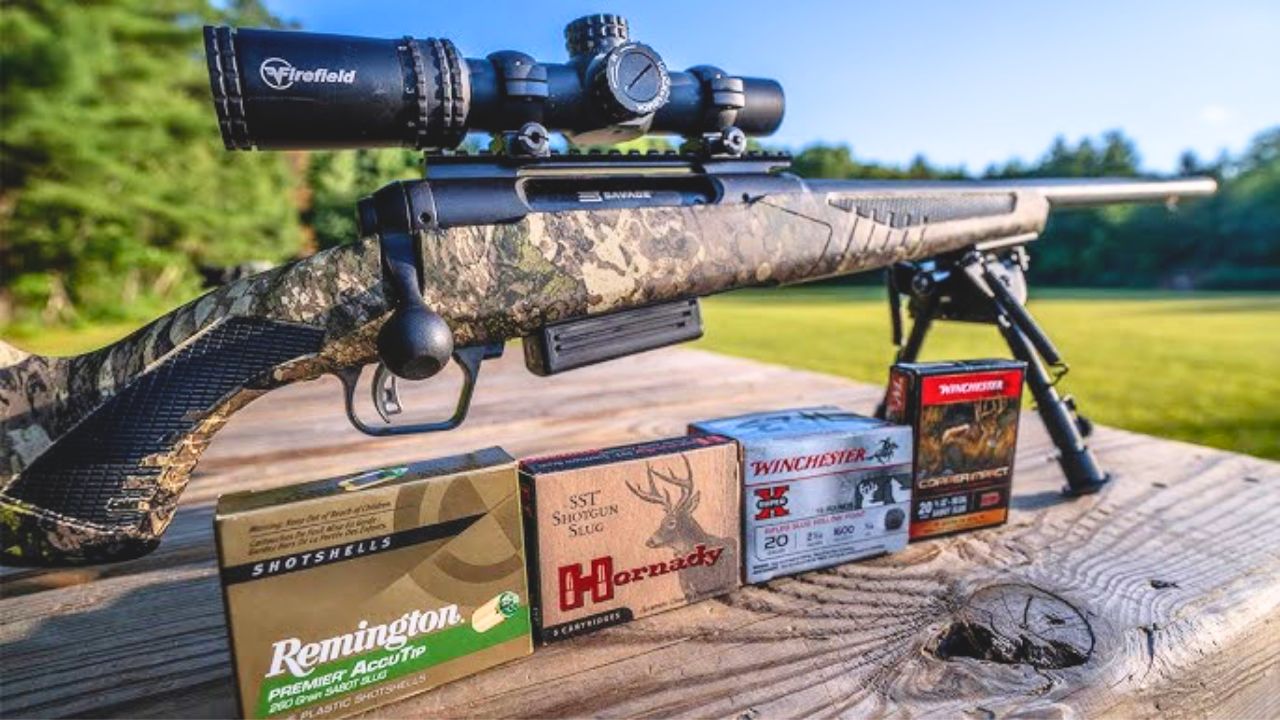
Savage 212 Slug Gun

This bolt-action slug gun isn’t technically a semi-auto, but cycling issues still show up here. Feeding from the magazine can be a nightmare, with shells catching on the lip or nose-diving before they chamber cleanly.
Even when you get the right rhythm, the action doesn’t always run smoothly, and ejecting spent shells sometimes takes extra force. It’s great for accuracy, but not if you’re expecting a quick follow-up shot. You’ll find yourself fighting the mechanics more than the recoil.
Escort AimGuard

Escort’s AimGuard is a budget shotgun that shows its price point in reliability. Cycling issues pop up regularly, even when using standard 2¾” shells. Many owners report stovepipes, double feeds, and action lock-ups right out of the box.
It might look good sitting on the rack, but once you start shooting, problems become hard to ignore. Cleaning helps, but even then, the action feels rough and inconsistent. If you’re relying on it for defense, you better have a backup plan ready.
Winchester SX4

The SX4 came out with big expectations, and while it improved on the SX3 in some areas, cycling can still be an issue. Light target loads in particular don’t always run well unless the gun is squeaky clean and broken in.
Even then, the action can feel sluggish or fail to lock completely if the ammo isn’t ideal. Some users also report occasional bolt hang-ups mid-cycle. It’s not a constant problem, but it’s enough to make you second-guess its place in a serious-use lineup.
Charles Daly 601

This semi-auto looks like a good value on the surface, but it’s plagued by cycling inconsistencies. The bolt often fails to fully cycle, and shell ejection can be hit or miss depending on the brand and load type.
Fit and finish tend to vary, which adds to the unreliability across different units. It’s one of those shotguns where you might get lucky—or you might spend hours trying to make it run consistently. Either way, it doesn’t inspire much long-term confidence.
Hatfield SAS

Sold through big box stores, the Hatfield SAS draws buyers in with a low price and decent feel, but cycling problems start early. Even with high-brass shells, some users report bolt hang-ups or shells failing to eject cleanly.
Gas system inconsistencies and poor machining show up fast after a few outings. You might get it running better with some modifications, but at that point, you’re sinking time and money into a gun that was supposed to be a quick win.
CZ 712

The CZ 712 has a strong following, and with good reason—it’s well-balanced and smooth when it works. But the cycling can get unpredictable, especially with low-recoil loads. Gas system tuning is a must if you want it to run reliably across the board.
The action can get sluggish if you don’t keep up with maintenance, and ejector issues have been reported. It’s not a terrible shotgun by any means, but it’s not a “grab and go” option either. You have to stay on top of it if you want consistency.
*This article was developed with AI-powered tools and has been carefully reviewed by our editors.


