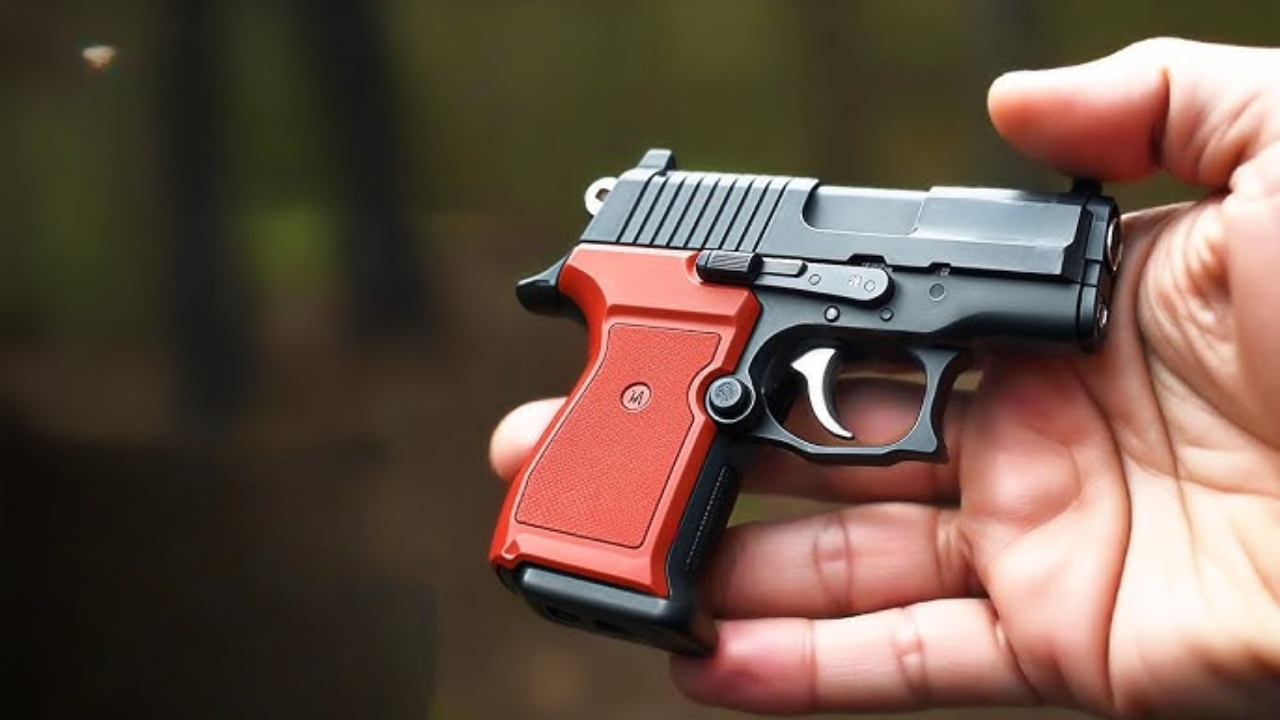
Photo credit: Fred Hart/YouTube
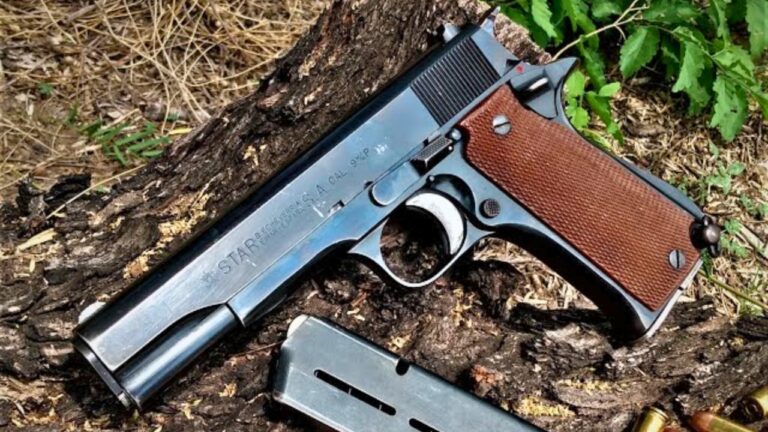
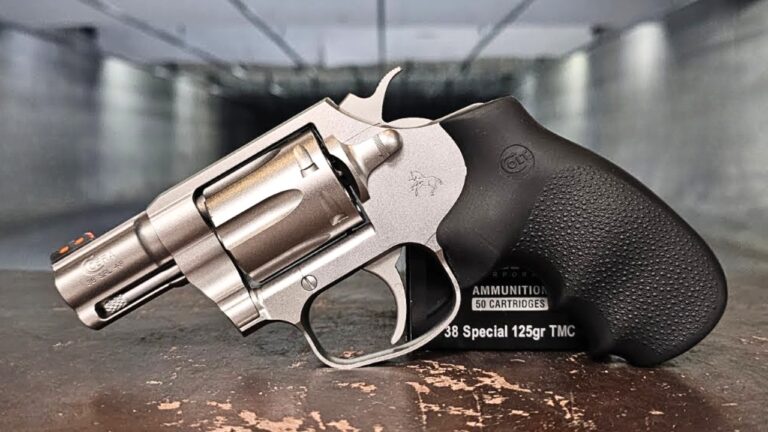
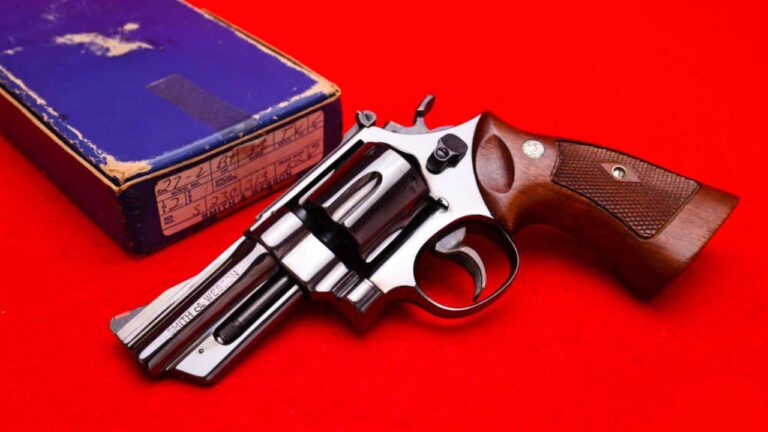
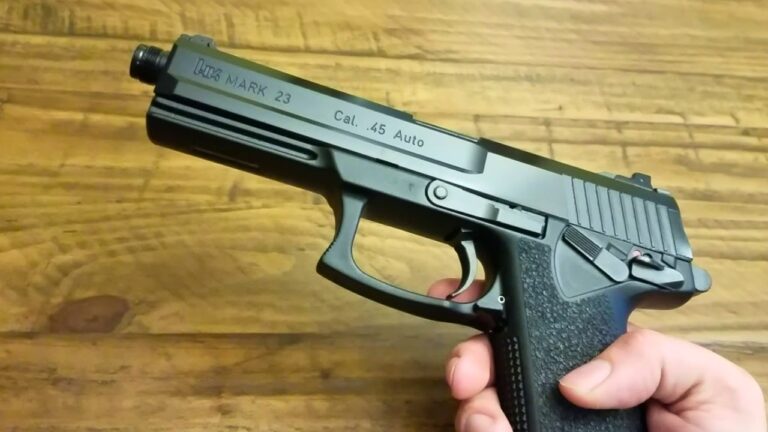
A lot of folks carry pocket pistols because they’re convenient—and that’s fair. They’re light, easy to conceal, and often the only thing that fits with certain outfits or carry methods. But when it comes to being your only firearm, that’s where the debate starts. Can a pocket pistol really be the one tool you rely on for everything from daily carry to home defense?
Let’s break down where they shine, where they fall short, and what you might want to think about before making a pocket pistol your main squeeze.
They’re Easy to Carry, So You’ll Actually Carry It

The best gun in the world doesn’t help if it’s sitting in your safe. Pocket pistols win big here—they slip into a pocket or waistband and go unnoticed. That means you’re way more likely to have it on you when you actually need it.
For folks who don’t want to dress around a gun, this matters. If carrying a bigger pistol feels like a chore, there’s a good chance it gets left behind. A small gun that’s always with you beats a full-size you never take.
Limited Capacity Can Be a Real Drawback

Most pocket pistols are chambered in .380 ACP or 9mm and hold anywhere from 6 to 10 rounds. That’s not a lot if things go sideways. In a defensive situation, having to reload—or worse, running dry—could be a problem.
It’s not just about how many rounds you have, either. Smaller mags usually mean more frequent reloads during practice, and that can wear on you. If you’re not comfortable with a low-cap setup, it might not be the best solo option.
Accuracy Suffers at Distance

Short barrels and minimal sights don’t do you any favors when you’re aiming past 10 yards. Pocket pistols are designed for up-close encounters, not precision work. And let’s be honest, they’re harder to shoot well than larger guns.
If your only gun can’t handle a 25-yard shot with any confidence, you’re giving up some flexibility. For home defense or a threat outside of arm’s reach, that might not cut it.
Recoil Can Be Surprisingly Snappy

Just because it’s small doesn’t mean it’s easy to shoot. Pocket pistols often have sharp recoil, especially when chambered in 9mm. There’s not much grip to hang onto, and the light weight doesn’t soak up much.
If you’re recoil-sensitive or still building confidence, this can mess with your accuracy and follow-up shots. A gun that’s tough to control won’t help much in a high-stress situation.
They’re Slower to Draw Under Stress
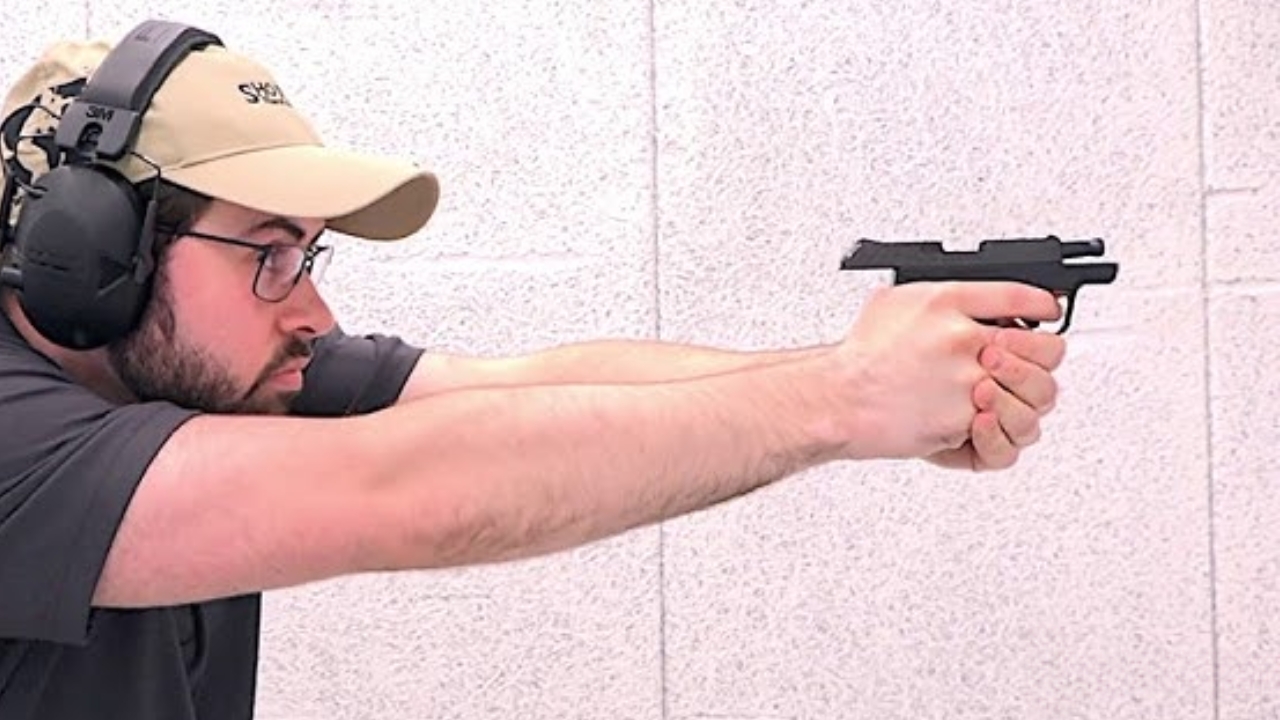
Drawing from a pocket or deep concealment isn’t as fast as pulling from a solid outside-the-waistband holster. In a surprise encounter, every fraction of a second counts. Pocket carry often trades speed for concealment.
And that’s if everything goes smoothly. Sitting down? Wearing tight pants? That little pistol could be a lot harder to reach when you need it most.
Trigger Quality Is Often Lacking

Let’s face it—most pocket pistols aren’t known for having great triggers. They’re often heavy, long, or just plain gritty. That makes precise shooting harder, especially under pressure.
When your only gun has a trigger that fights you every step of the way, it can throw off your training, your confidence, and your accuracy. That’s not ideal when your life might depend on it.
They’re Not Ideal for Home Defense

Small guns aren’t great in home defense roles. You want something with more capacity, better accuracy, and easier handling—especially in low light. A pocket pistol might work in a pinch, but it wouldn’t be anyone’s first choice.
Plus, you’re often dealing with barriers like walls or doors. You want penetration that can stop a threat, not just irritate one. A compact or full-size pistol will usually do that job better.
Practice Isn’t Always Fun or Cheap
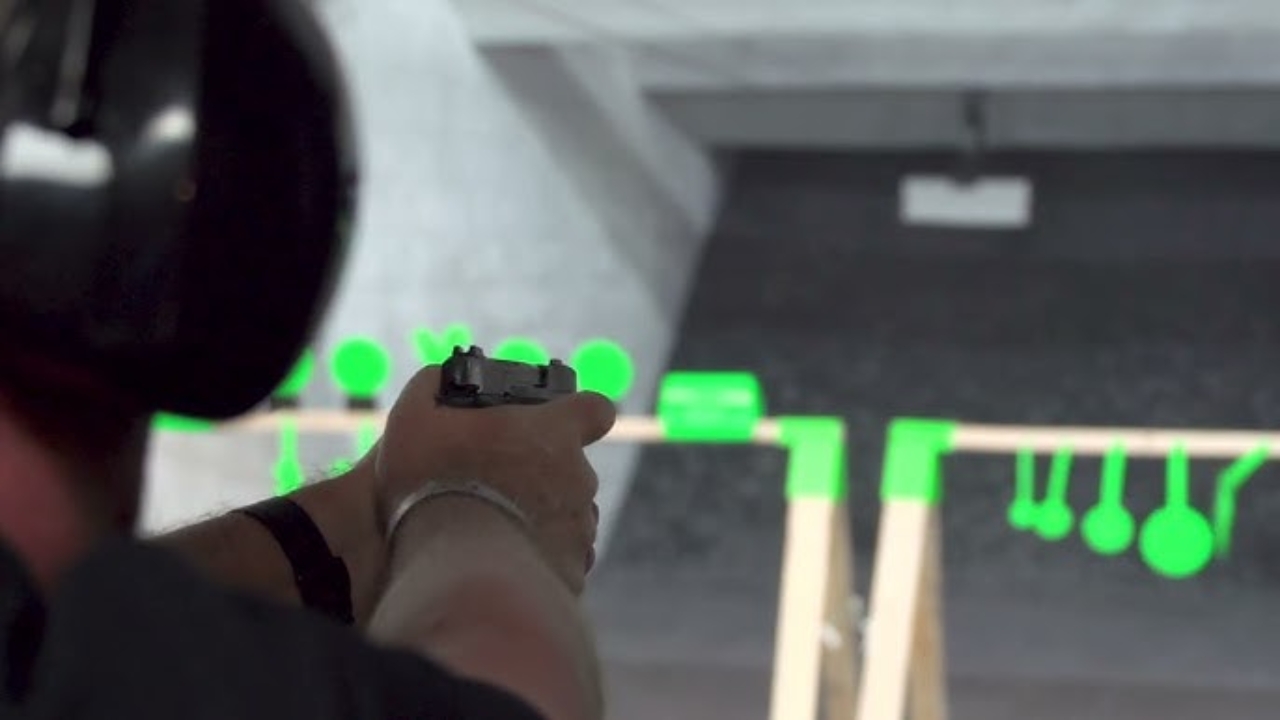
Pocket pistols aren’t range-friendly. They’re loud, snappy, and often not fun to shoot for more than a box or two. That means people don’t train with them as much—which isn’t great if it’s your only gun.
And depending on the caliber, ammo can get pricey, too. Some of the more compact .380s are picky eaters, and cheap rounds can cause more malfunctions than they’re worth.
Reliability Can Be Hit or Miss

Not all pocket pistols are created equal. Some of them run flawlessly. Others? Not so much. Limp-wristing, ammo sensitivity, and mechanical quirks pop up more often than you’d like.
If you’re banking on one gun to do it all, you better test it thoroughly. Put it through the wringer and make sure it’ll fire when you need it—not just on the clean, well-lit range.
You Might Just Outgrow It

For a first carry gun, pocket pistols are common picks. But a lot of folks find they want something more after a while. Whether it’s better shootability, more rounds, or a better grip, it’s common to move on.
That doesn’t mean pocket pistols are bad. But if you’re serious about carrying or shooting long-term, it’s worth thinking ahead. You might not want to stop at just that one tiny gun.
*This article was developed with AI-powered tools and has been carefully reviewed by our editors.