Photo credit: Bobbfwed – CC BY-SA 3.0, /Wikimedia Commons
Every shooter has tried to save money by running bargain-bin ammo, and with some pistols, it’s a gamble you always lose. The problem isn’t just dirty powder or light loads—it’s that certain sidearms are built around tighter tolerances, heavier recoil springs, or designs that demand consistency to function. When you feed them cheap or underpowered rounds, failures to feed, stovepipes, and short-stroking become routine. It’s frustrating when you’ve spent good money on a pistol and expect it to run no matter what, only to find it choking on ammo that your buddy’s beater gun chews through without issue. Here are some of the most common offenders—sidearms that simply don’t tolerate budget loads.
Kimber 1911s
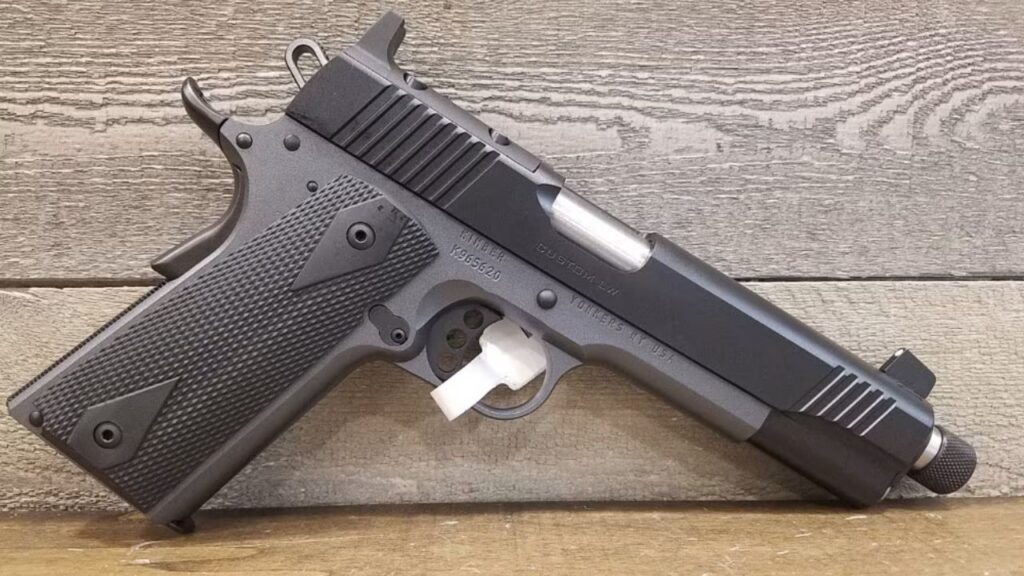
Kimber 1911s are known for their tight tolerances and polished fit, which can make them excellent shooters with premium ammunition. The flip side is that these same traits often leave them finicky with cheap ammo. Budget rounds, especially steel-cased or lightly loaded FMJs, frequently cause feeding issues in Kimbers. The stiff recoil springs and tight chambers don’t leave much room for error, so light loads won’t cycle the slide completely.
Hunters and range-goers who try to cut corners on ammo often end up frustrated. The gun may run flawlessly with high-quality defensive loads, but switch to bulk pack ammo and you’ll likely see jams. If you own a Kimber 1911, you almost have to budget for better ammunition to keep it reliable. It’s a classic example of a pistol that demands consistency over savings.
SIG Sauer P938
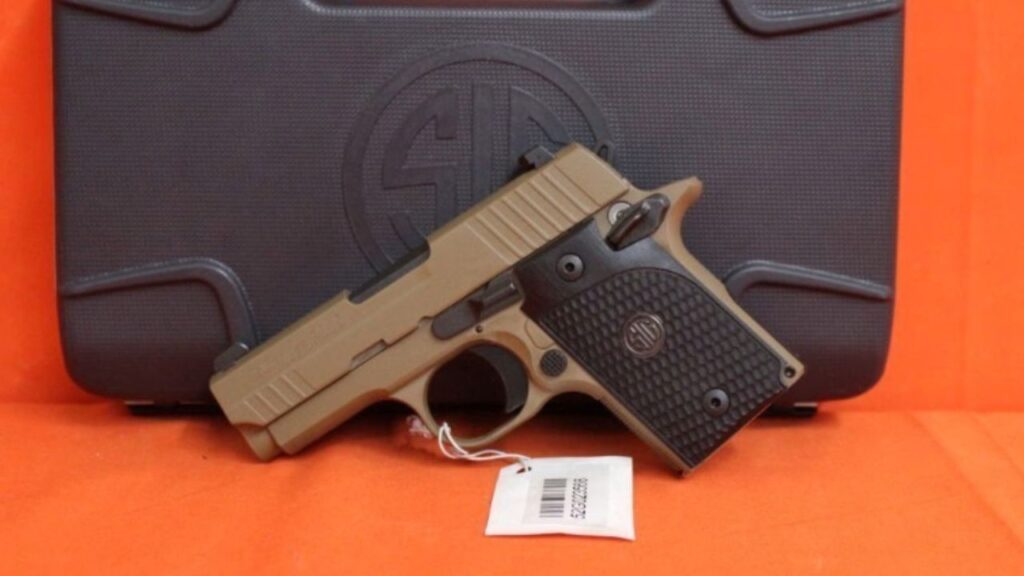
The SIG Sauer P938 is a compact 9mm pistol designed for concealed carry, but its small frame and short slide make it less forgiving with cheap ammunition. The reduced slide mass means it needs consistent recoil energy to cycle properly, and low-powered rounds often fall short. This leads to stovepipes, failures to eject, or slides not returning fully into battery.
Shooters often notice that premium hollow points and NATO-spec loads run without issue, while lighter range ammo causes constant hiccups. The P938 is a well-built pistol, but it was never intended to be a “run anything” platform. If you’re planning to carry one, it’s worth sticking with higher-pressure loads and avoiding bargain boxes that seem attractive in price but cost you in reliability.
Springfield EMP
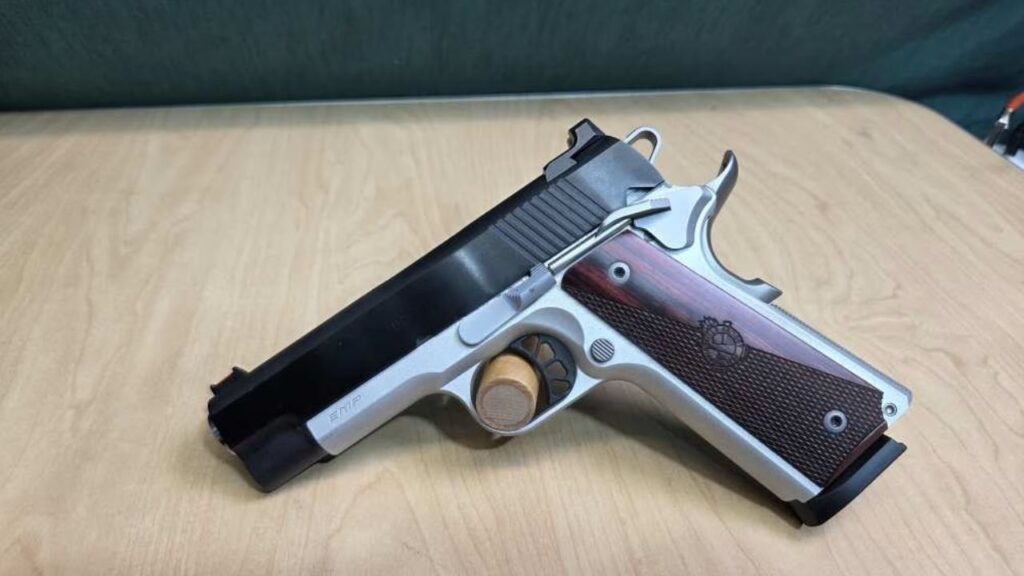
The Springfield EMP is essentially a scaled-down 1911 in 9mm or .40, designed to be more compact while keeping the same ergonomics. Because of this downsizing, it runs on a unique operating system that is more sensitive to ammo quality than a standard full-size 1911. When fed cheap, underpowered loads, the EMP often struggles with feeding or fully cycling.
Owners who use quality defensive or mid-range ammo usually report smooth performance, but those who try steel-cased or budget rounds find reliability quickly takes a hit. It’s a pistol designed for carry, not blasting through cases of the cheapest range ammo. If you want flawless function from the EMP, you’ll need to keep your ammo selection on the higher end.
Walther P22
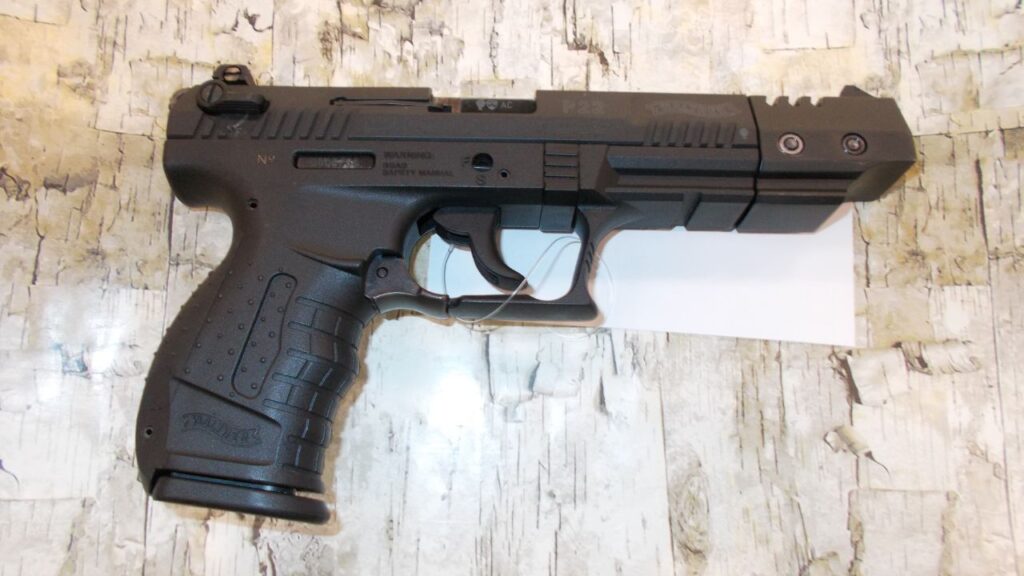
The Walther P22 is a rimfire pistol chambered in .22 LR, and while it’s a fun gun, it’s notorious for being picky with ammo. The blowback design relies heavily on consistent energy to function, and cheap .22 LR rounds are often loaded light or have unreliable primers. This combination leads to frequent failures to feed, stovepipes, and incomplete cycling.
Shooters who stick to higher-velocity .22 LR, such as CCI Mini-Mags, usually get much better results. But when bulk pack ammo goes in, the gun often sputters. While this may be somewhat expected for a rimfire pistol, the P22’s sensitivity is more noticeable than many of its competitors. If you want a reliable range experience, the P22 is not the gun to trust with the cheapest ammo you can find.
Desert Eagle
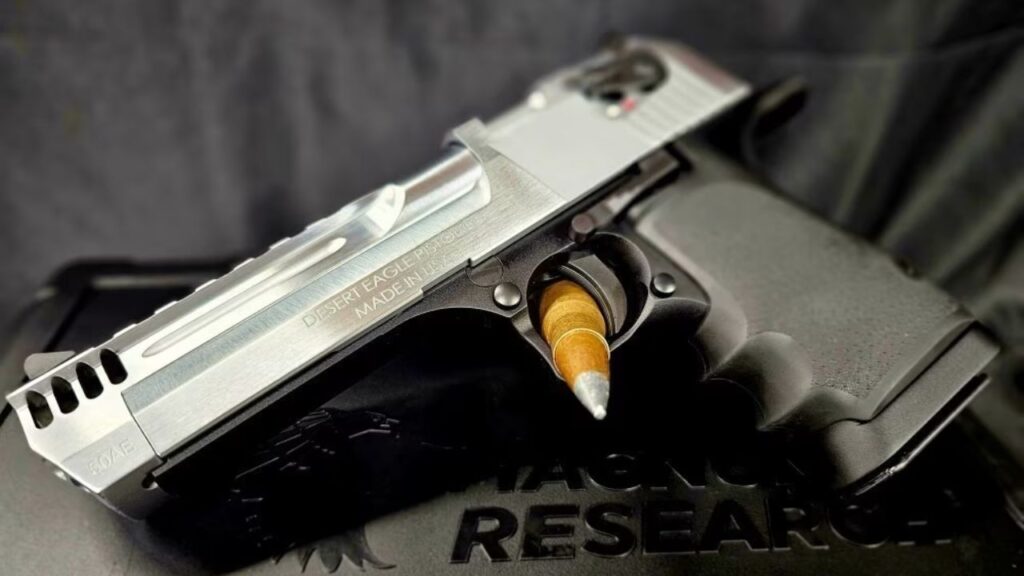
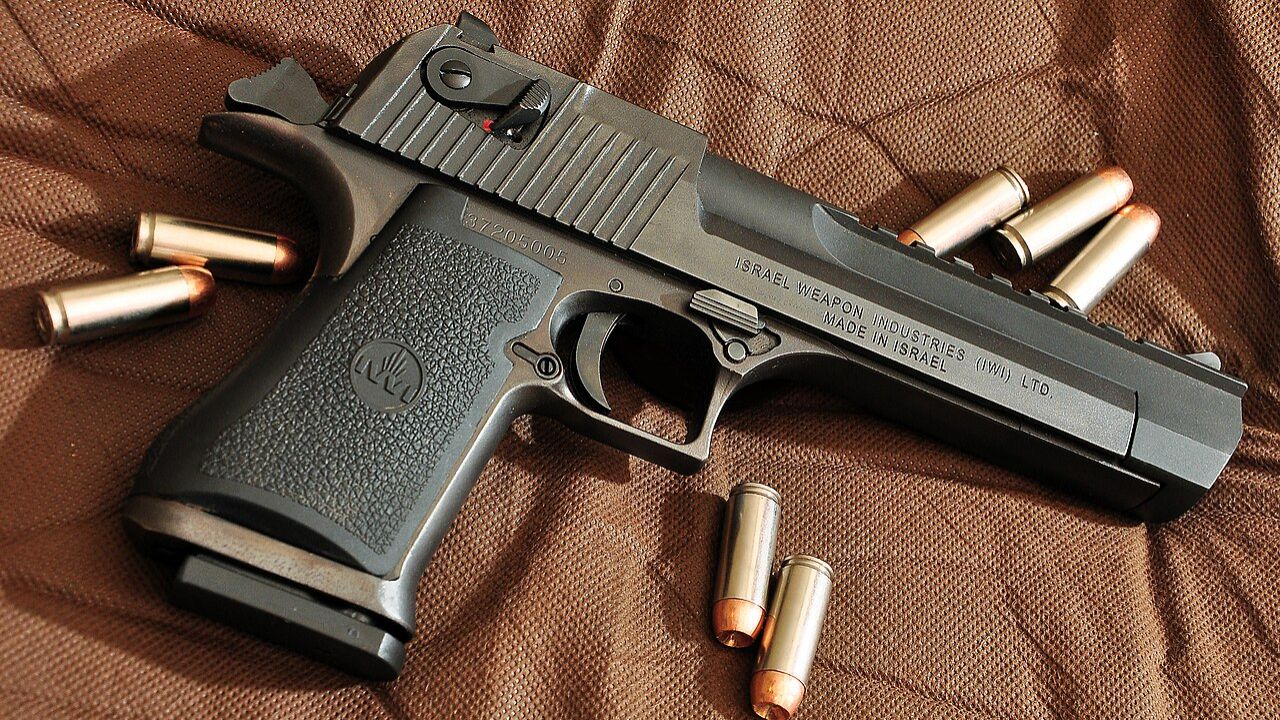
The Desert Eagle is iconic for its size and chamberings like .50 AE, but it’s one of the least forgiving pistols when it comes to ammo quality. Its gas-operated system requires full-power loads to cycle, and anything less causes failures to feed or jams. Cheap ammo, especially steel-cased or reduced loads, simply won’t generate the energy needed to keep this massive handgun running.
Owners quickly learn that the Desert Eagle isn’t a casual range gun where you burn through cheap ammo. It demands heavy, consistent loads, and those come with a price tag. If you try to feed it bargain rounds, you’ll end up with a jammed slide and frustration. For this gun, premium ammo isn’t optional—it’s a requirement for reliable function.
CZ 2075 RAMI
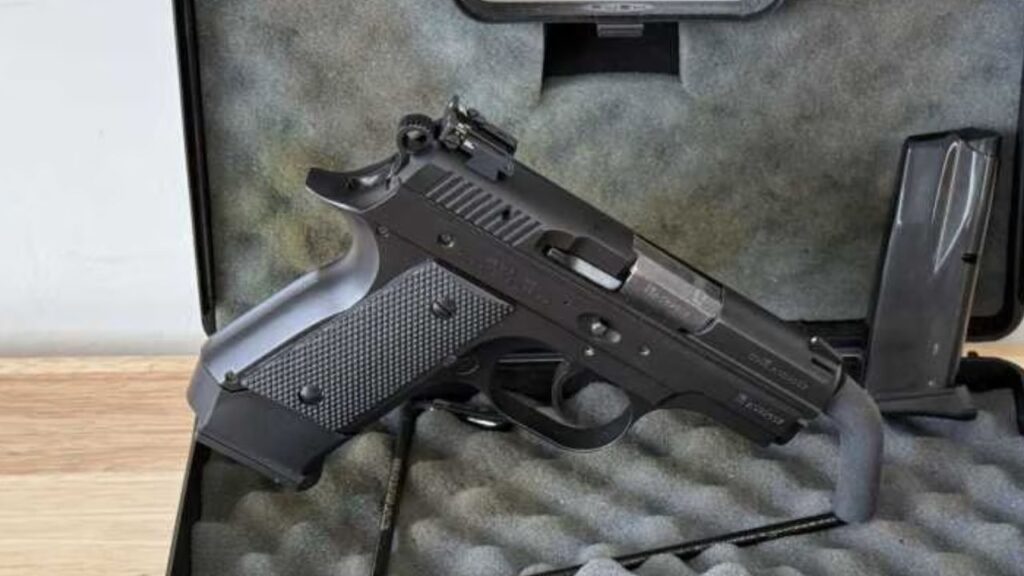
The CZ 2075 RAMI is a compact double-stack pistol that has a reputation for being finicky with certain types of ammo. Its short slide and heavier springs mean it needs consistent recoil impulse to operate. Cheap or lightly loaded ammunition often causes it to short-stroke, resulting in failures to feed or extract.
Shooters who run high-quality ammo find the RAMI to be reliable and accurate, but the moment you switch to bargain-bin rounds, reliability goes downhill. This makes it less than ideal if you’re looking for a pistol that can run on anything. While it’s a solid defensive gun with the right loads, it’s not forgiving when you try to save money at the range.
Heckler & Koch USP Compact .40
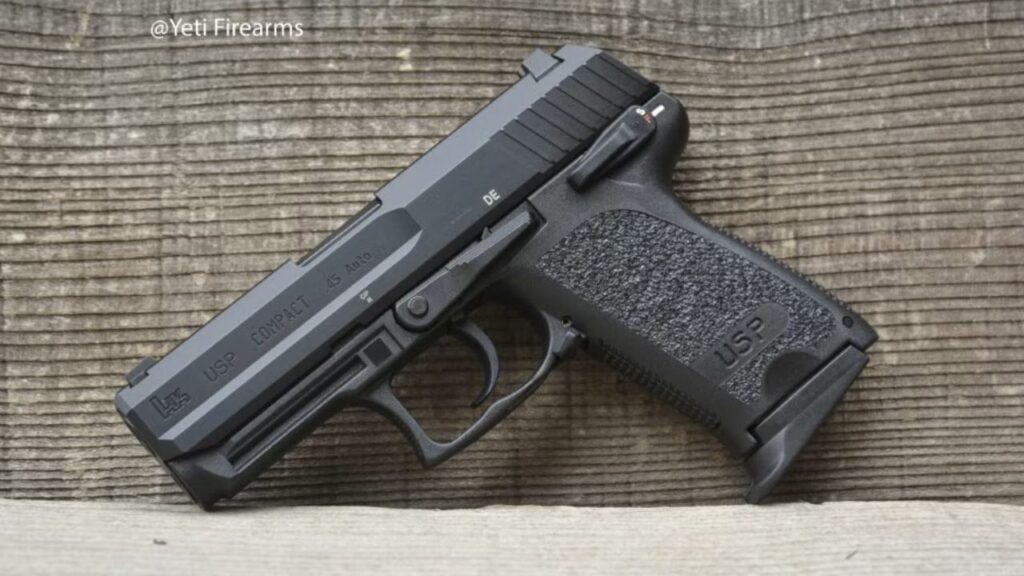
The HK USP Compact in .40 S&W is built like a tank, but its recoil system was designed around hotter loads. Cheap, underpowered .40 rounds often cause cycling problems, particularly failures to eject. The pistol’s heavy slide and recoil spring simply don’t play well with bargain ammo, and users often report frustration when trying to shoot lighter, inexpensive rounds.
When fed with premium defensive loads or full-power practice ammo, the USP Compact shines. But if you expect it to handle the cheapest range fodder, you’ll likely be disappointed. It’s a reliable pistol when you give it what it was built for, but its tolerance for low-quality ammo is low compared to some other sidearms.
Beretta 84FS Cheetah
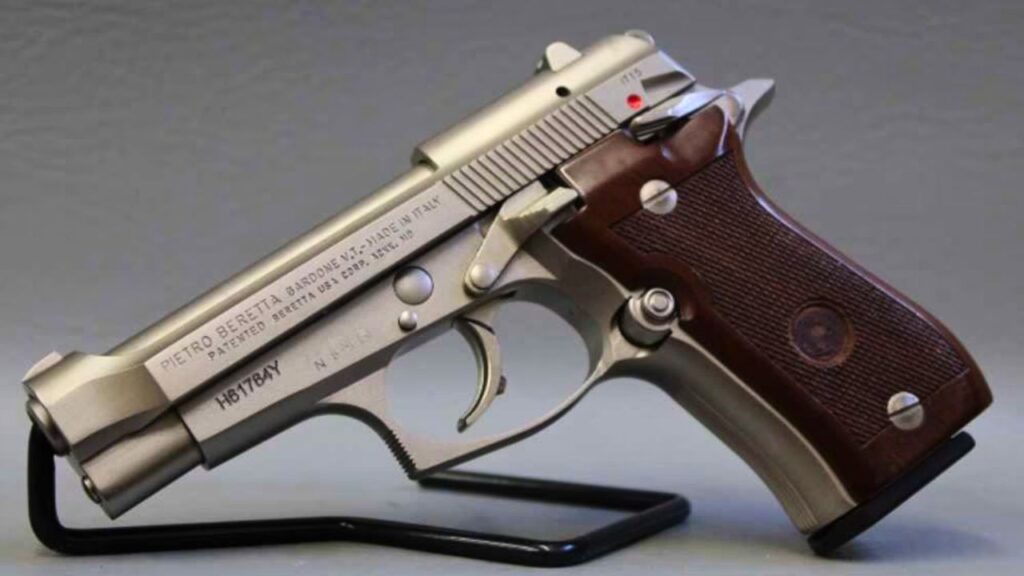
The Beretta 84FS Cheetah is a classic .380 ACP pistol with a strong following, but its reliability suffers when you feed it cheap ammunition. The straight blowback design makes it more sensitive to inconsistent loads, and light rounds often fail to cycle the slide completely. This leads to jams that frustrate shooters who hoped to save money on bulk ammo.
High-quality .380 loads tend to run smoothly, but bargain rounds create reliability issues. Owners who know the gun well typically accept that the Cheetah requires better ammunition than many of its peers. If you want a .380 that runs on anything, this isn’t it—but with quality ammo, it’s a solid sidearm.
Colt Mustang

The Colt Mustang is a small .380 pistol that inherits some of the same reliability issues seen in other compact blowback designs. Because of its small size and light slide, it relies heavily on consistent ammunition performance. Cheap, lightly loaded rounds often fail to cycle properly, leaving shooters with failures to feed or eject.
This makes the Mustang a gun that demands higher-quality ammo despite its small caliber. It’s reliable when fed premium defensive rounds, but if you try to save money at the range, expect malfunctions. While it remains a popular choice for concealed carry, the Mustang’s appetite for better ammunition is something every owner quickly learns.
Taurus PT92
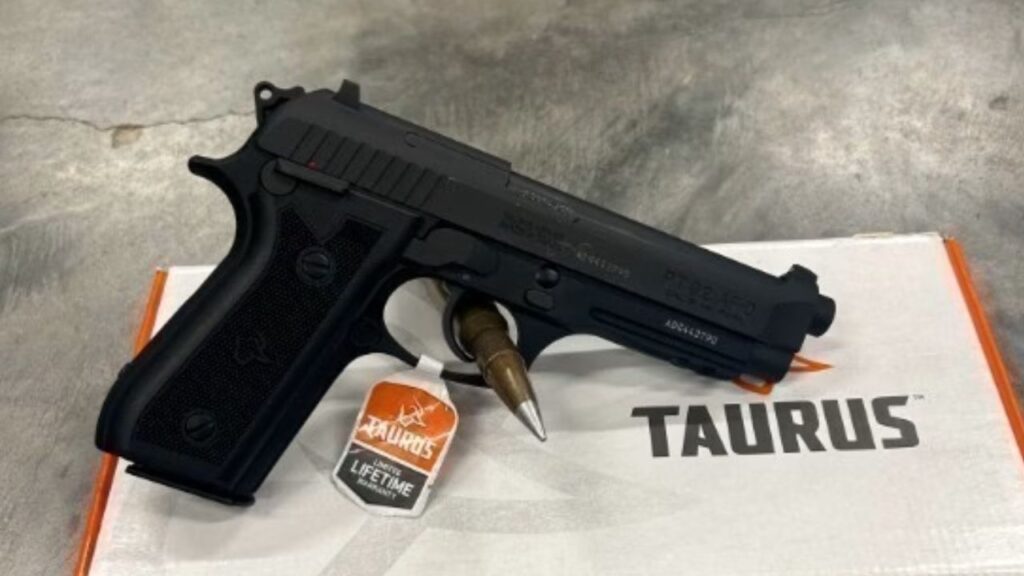
The Taurus PT92, patterned after the Beretta 92, is a full-size 9mm pistol that surprisingly struggles with cheap ammunition. While many 9mm pistols eat bulk ammo without complaint, the PT92 often has issues with light loads and steel-cased rounds. Failures to extract and stovepipes are common complaints when using bargain rounds.
When paired with good-quality brass-cased ammo, the PT92 runs much more reliably. But its sensitivity to cheap ammo makes it stand out in a caliber where reliability is usually a given. If you plan to shoot a PT92 regularly, you’ll want to stick with mid- to higher-grade ammunition to avoid unnecessary headaches at the range.
Rock Island Armory 1911s
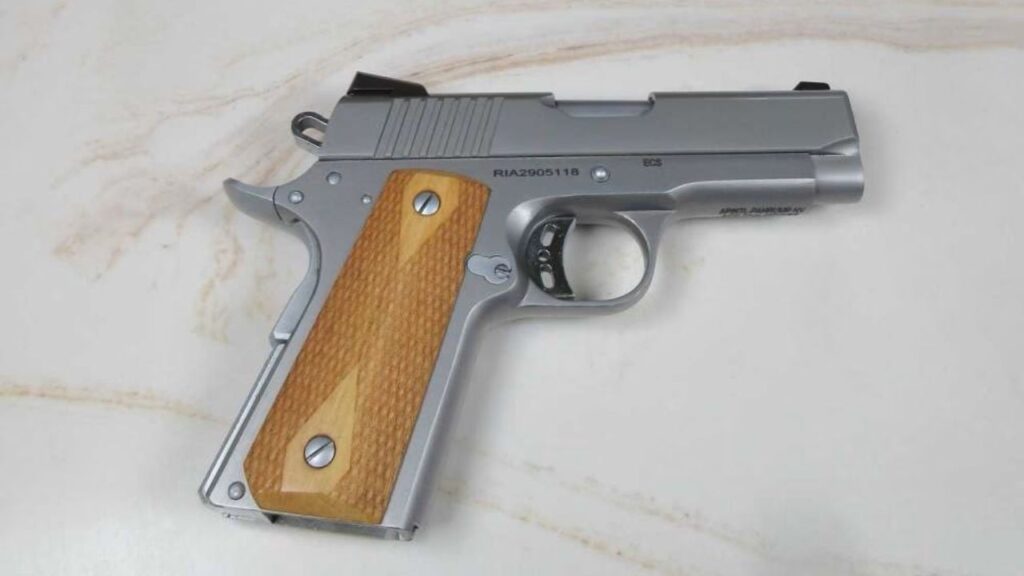
Rock Island Armory 1911s are well-regarded as budget-friendly 1911s, but they often struggle with cheap ammunition. Their chambers and feed ramps sometimes require polishing to handle certain loads, and low-quality ammo highlights those shortcomings. Users frequently report failures to feed or eject when using bargain-bin rounds, especially steel-cased ammo.
Despite this, RIA 1911s can be solid performers when properly broken in and paired with better-quality ammo. They’re a reminder that not all pistols are built to run on anything. If you’re looking to save money, you’ll likely spend more time clearing malfunctions than enjoying your time at the range.
Browning Hi-Power
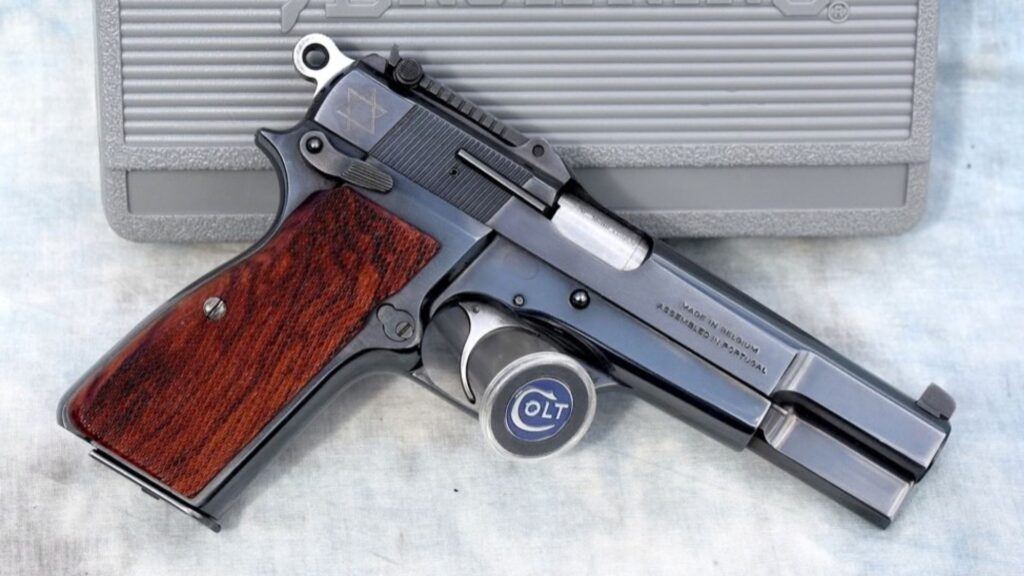
The Browning Hi-Power is a legendary pistol, but it doesn’t have the same tolerance for cheap ammo that modern 9mms often display. Its older design and tighter tolerances make it more sensitive to inconsistent loads. Lightly loaded or poor-quality ammo frequently causes failures to feed or extract.
With NATO-spec or higher-pressure rounds, the Hi-Power is smooth and reliable. But when you try to run it on bargain ammo, the shortcomings show up quickly. It’s a classic design that rewards shooters who stick with good ammunition, but it’s not the best option if you want a sidearm that can run on anything you put in it.
*This article was developed with AI-powered tools and has been carefully reviewed by our editors.