
Photo credit: SCPotter1948/Pixabay.com
Deer get blamed for just about every thin stand, clipped bean, and hammered clover patch, and sometimes that blame is fair. But they are not always the animal doing the worst damage. In row-crop research and wildlife-damage guidance, raccoons, groundhogs, voles, birds, geese, hogs, and burrowing animals show up over and over as serious crop wreckers, depending on what is planted and when the damage hits. On a small food plot, that same pressure can feel even worse because there is less acreage to absorb it. A little damage in a big ag field can be an annoyance. The same damage in a one-acre plot can wipe out the whole point of planting it.
That is what makes some of these critters so frustrating. A few of them eat the crop. A few dig up seed before it ever emerges. A few root up the soil, flood the plot, or tear up the stand from below. And a couple of them leave such weird sign behind that people blame deer simply because deer are the first thing they think of. If you are trying to grow soybeans, corn, peas, clover, alfalfa, brassicas, or anything else that wildlife loves, these are 15 animals that can ruin your work a whole lot faster than most hunters expect.
Feral hogs

Feral hogs are the obvious heavyweight here because they do not just feed, they destroy. USDA APHIS says feral swine damage natural resources by rooting, wallowing, degrading water quality, and reducing forest regeneration, while Georgia and Clemson extension materials both describe them as causing extensive damage to crops, habitat, and the environment. That same rooting behavior is exactly why a food plot can go from green and healthy to looking like somebody disked it with bad intentions in one night.
The part that makes hogs worse than deer is the way they tear up the whole setup. Deer browse. Hogs browse, root, wallow, trample, and keep coming back in groups. A deer can thin a stand. A sounder can turn a good-looking plot into bare dirt and mud before you get back on the property. That is why hog country forces people to think about plots differently. You are not just planting for attraction. You are defending an investment from an animal that acts like a rototiller with teeth.
Raccoons

Raccoons are easy to underestimate because they do not usually broadcast their damage the way hogs do. But Iowa State found raccoons were responsible for 87% of documented corn damage in one crop-depredation dataset, and Purdue’s work on corn and soybean depredation says raccoons caused substantial amounts of damage once corn hit reproductive stages. That is a loud signal for anyone planting corn strips or screening cover tied to a food plot.
What makes raccoons such a pain is how wasteful they can be. They do not just nibble a little. They strip husks, knock stalks around, dirty cobs, and leave a mess that invites even more feeding by other animals. On a modest food plot, especially one tucked near cover or water, a few raccoons can absolutely punish corn once it starts getting sweet. A lot of guys see that mess and think deer at first, but raccoon sign in corn is its own ugly category.
Groundhogs

Groundhogs do not always get talked about in the food-plot world, but they should. Iowa State found groundhogs accounted for 38% of documented soybean damage in its study, and multiple extension sources say groundhogs cause costly and extensive damage to soybeans, alfalfa, beans, peas, squash, and other crops. That is a big deal when a lot of food plots are built around soybeans, peas, and alfalfa-based attraction.
The reason groundhogs can feel worse than deer is concentration. They are not roaming through for a quick bite. They are often living right there, feeding hard, and repeating the damage every day. On small plots, especially near brushy edges, old fencerows, or banks, one or two groundhogs can mow down more than people realize. And unlike deer, they also bring burrows into the equation, which can add erosion and equipment headaches on top of the feeding damage.
Rabbits
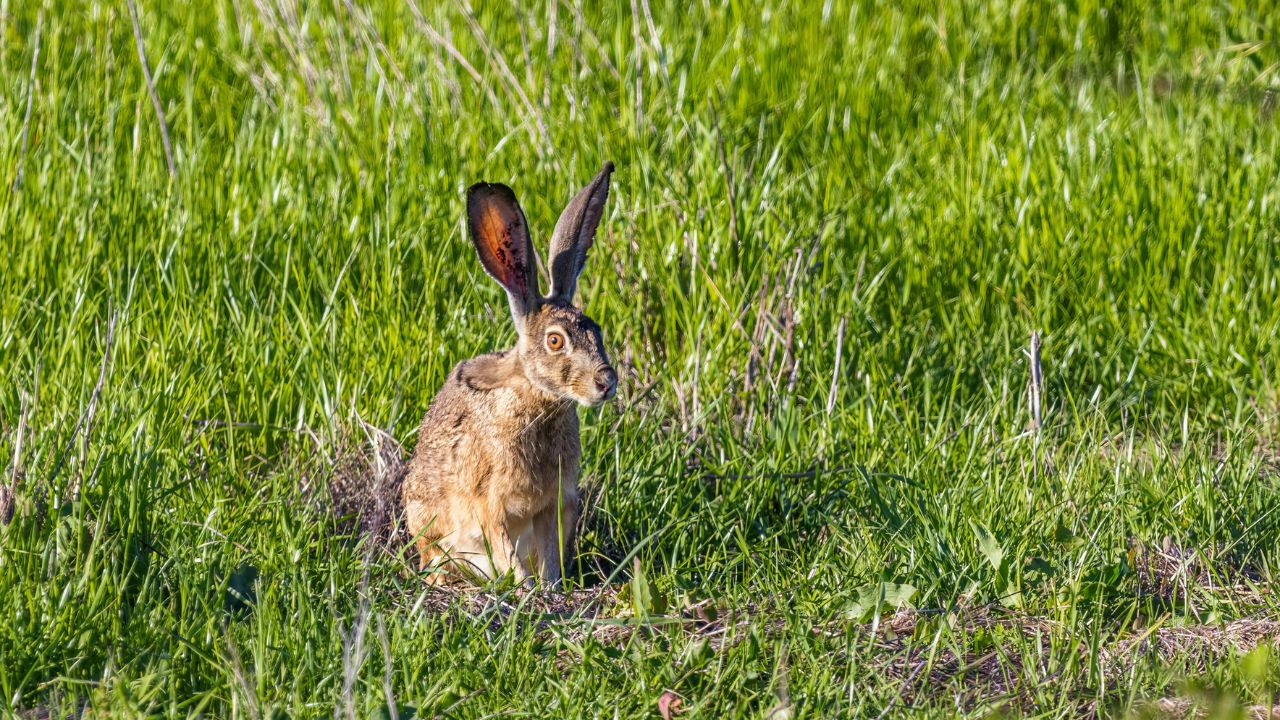
Rabbits are one of those plot wreckers that get shrugged off until a new stand starts disappearing. Wisconsin and Missouri extension both note that rabbits can do a lot of damage to crops, vegetables, trees, and shrubs, and Nebraska guidance specifically warns that clover and alfalfa can attract more rabbits and lead to further damage. That matters because clover and alfalfa are two of the most common plot plantings out there.
What makes rabbits so aggravating is timing. On a mature stand, their feeding may blend into the normal wear and tear. On a fresh planting or tender regrowth, they can clip plants off so low and so steadily that the plot never really gets going. Deer usually get the blame because people see hoofprints nearby and stop looking. But if the plot is getting nipped tight, especially around cover, rabbits can absolutely be part of why it never turns the corner.
Voles
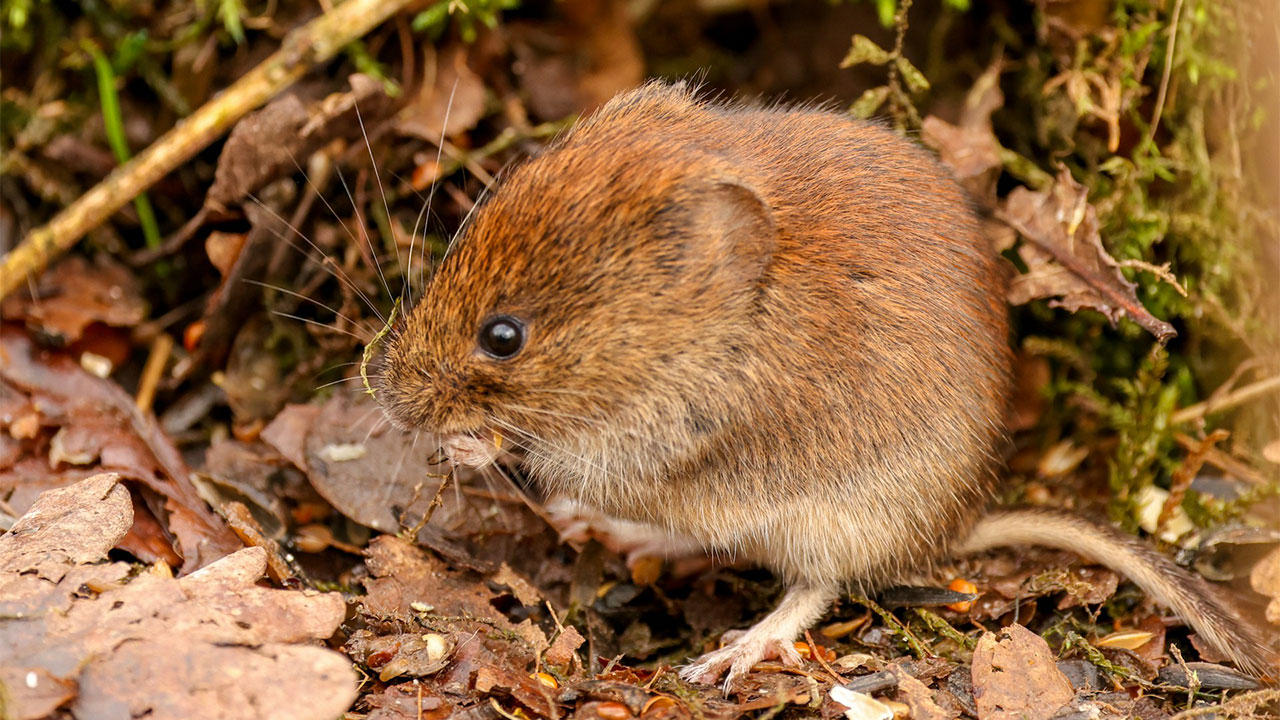
Voles are one of the nastiest food plot problems because they work where you are not looking. Missouri Extension says voles in no-till corn and soybeans can reduce stands by up to 100%, and other vole guidance notes serious damage to roots, bark, and young plantings. That kind of below-the-surface feeding is brutal because by the time you notice the stand thinning, the damage has often been happening for a while.
They are especially bad news in heavy residue, field edges, grassy borders, and places where cover stays thick and undisturbed. Deer are visible. Voles are not. A deer-hammered plot at least leaves obvious browsing sign. A vole problem leaves you standing there wondering why rows are missing, why seedlings never took, or why a stand is fading in strange patches. On small soybean or corn plots, that hidden pressure can be worse than deer because it attacks the stand before the plot ever has a chance to produce.
Pocket gophers
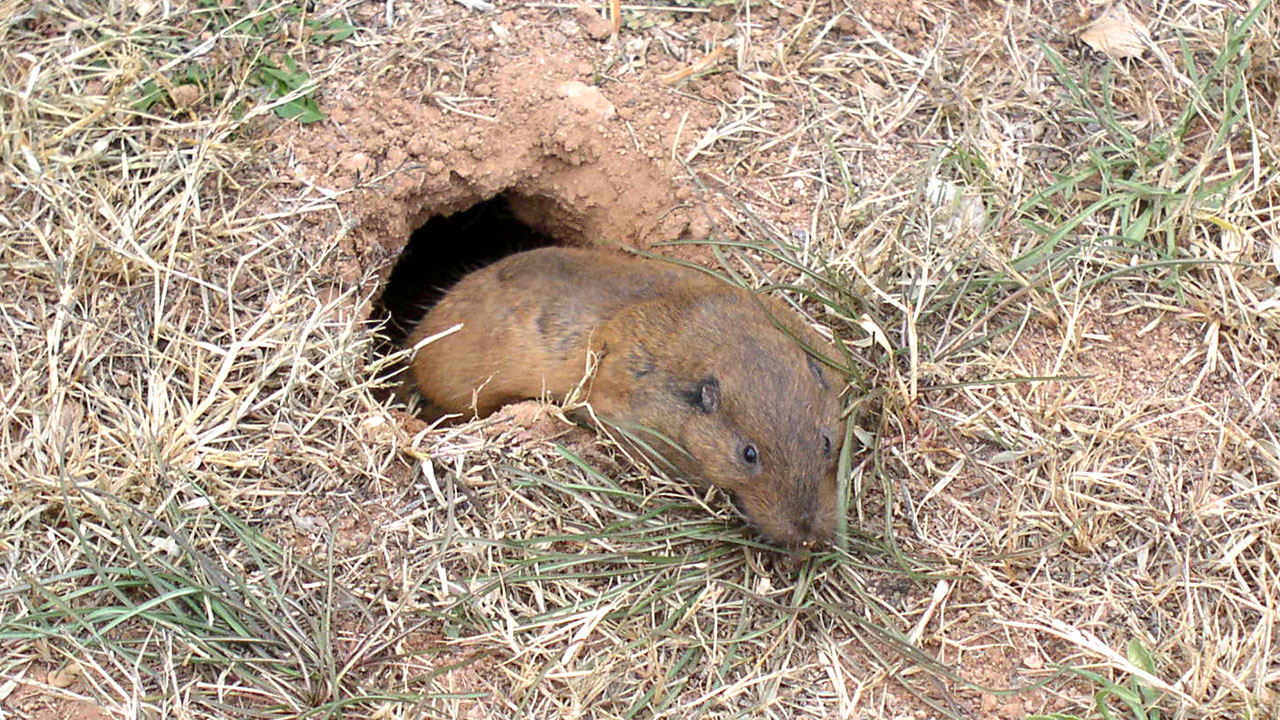
Pocket gophers are a western and plains-region nightmare if you plant alfalfa or any root-heavy forage. UC IPM says pocket gopher damage tends to be greatest in alfalfa and often centers on the roots and crown, causing serious stand decline and shortening field life. Oklahoma State and Utah State say the same thing in different words: gophers kill or weaken plants by feeding below ground, and in some alfalfa country they are among the most economically damaging vertebrate pests around.
That below-ground angle is what makes them worse than deer in the right plot. Deer browse leaves and stems you can regrow from. Pocket gophers attack the part of the plant that keeps the whole stand alive. In a clover-heavy plot, they may not be your top problem, but in alfalfa or perennial forage they can quietly gut the stand from underneath and bury more plants with mounds while they are at it. When plots start thinning for no obvious reason, that kind of hidden root damage needs to be on the list.
Blackbirds
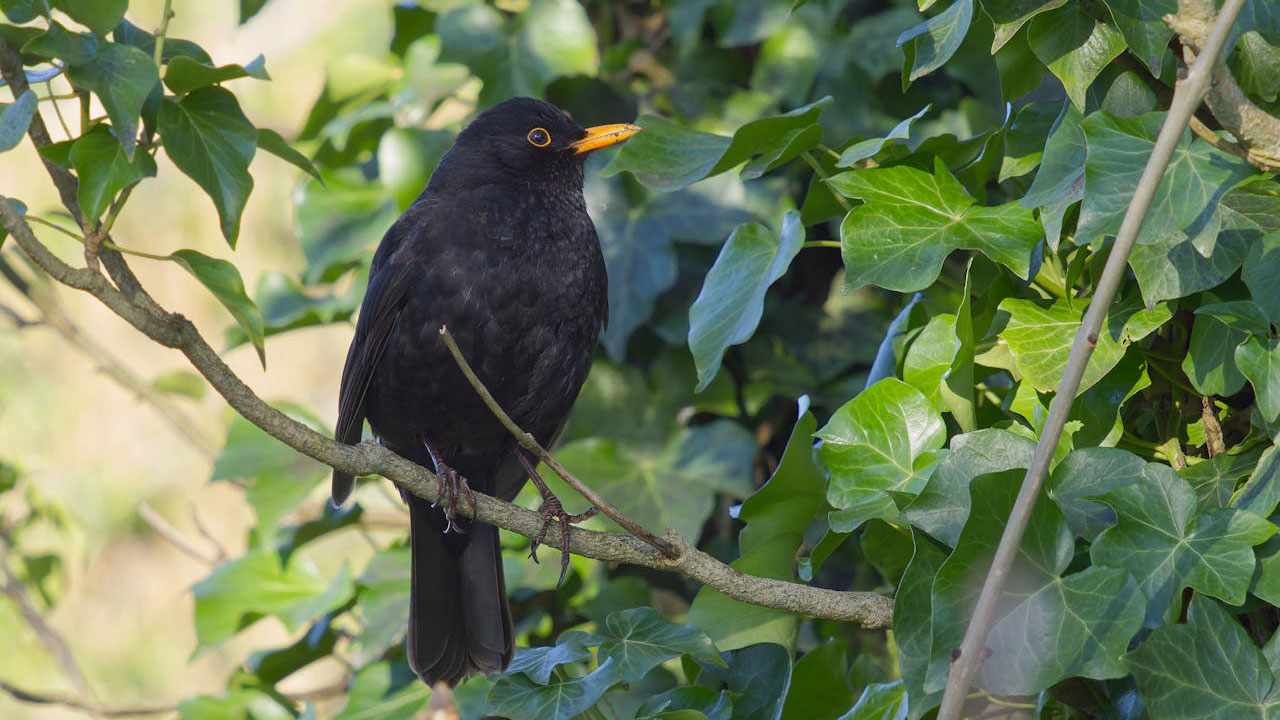
Blackbirds are a bigger plot problem than a lot of hunters want to admit, especially in corn, sorghum, sunflower, and any planted grain they can hit at the right stage. USDA’s National Wildlife Research Center says blackbirds cause more than $15 million to $25 million in annual damage to ripening corn and significant additional losses in seeded corn, sunflower, rice, and other crops. Purdue and older blackbird guidance also note heavy feeding on developing kernels during milk and dough stages.
On a small food plot, birds do not need to wipe out acres to ruin the result. If you planted a limited block of corn or grain sorghum for late-season attraction, a concentrated flock can chew through the best part of the payoff in a hurry. Deer usually take heat for “empty” ears or poor grain hold, but blackbirds can hit a plot fast once the timing is right. And because they often come in numbers, the damage feels way bigger than the size of each bird would suggest.
Crows and grackles
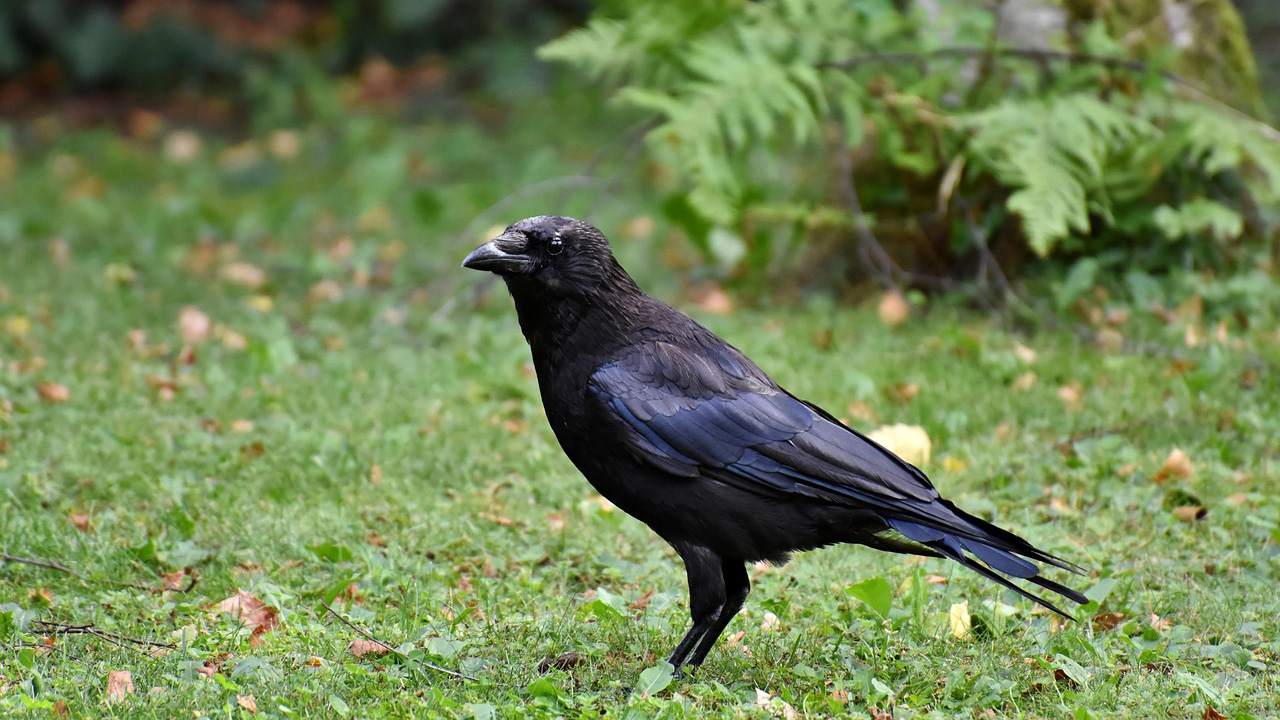
Crows and grackles deserve their own spot because they are repeat offenders in corn and seeded crops. Purdue says blackbirds, grackles, and crows often feed on developing ears after pollination, while Nebraska CropWatch notes that squirrels and small mammals are not the only seed diggers early in corn and bird damage can hit before or after emergence depending on the crop stage. Cornell also notes that bird damage affects more than mature sweet corn and can include direct-seeded crops.
That is what makes them so aggravating in plots. They can hurt you on the front end by pecking or pulling seed, and then hurt you again on the back end by feeding on developing grain. Deer are usually one kind of pressure. Crows and grackles can be two or three different headaches depending on when they key in. If you have a small corn plot along timber, a roost, or any kind of regular bird traffic, they can make that planting feel like a bad idea in a hurry.
Squirrels

Squirrels are one of those plot raiders that get overlooked because people associate them more with mast than with planted forage. But Purdue’s crop-damage guide and Nebraska CropWatch both note squirrel damage to corn, including seeds dug up before or during emergence and later damage to ears, especially near woods. The Internet Center for Wildlife Damage Management also says squirrel damage in corn often shows up as plucked seedlings, eaten kernels, and scattered pieces on the ground.
That matters because a lot of food plots are exactly where squirrels thrive: along timber, close to den trees, and surrounded by edge habitat. On a big ag field, squirrel damage may stay localized. On a little quarter-acre or half-acre corn strip in the woods, localized damage can be most of the plot. A guy can blame poor germination or deer browse when the real issue is squirrels digging up seed or hammering ears near cover.
Canada geese
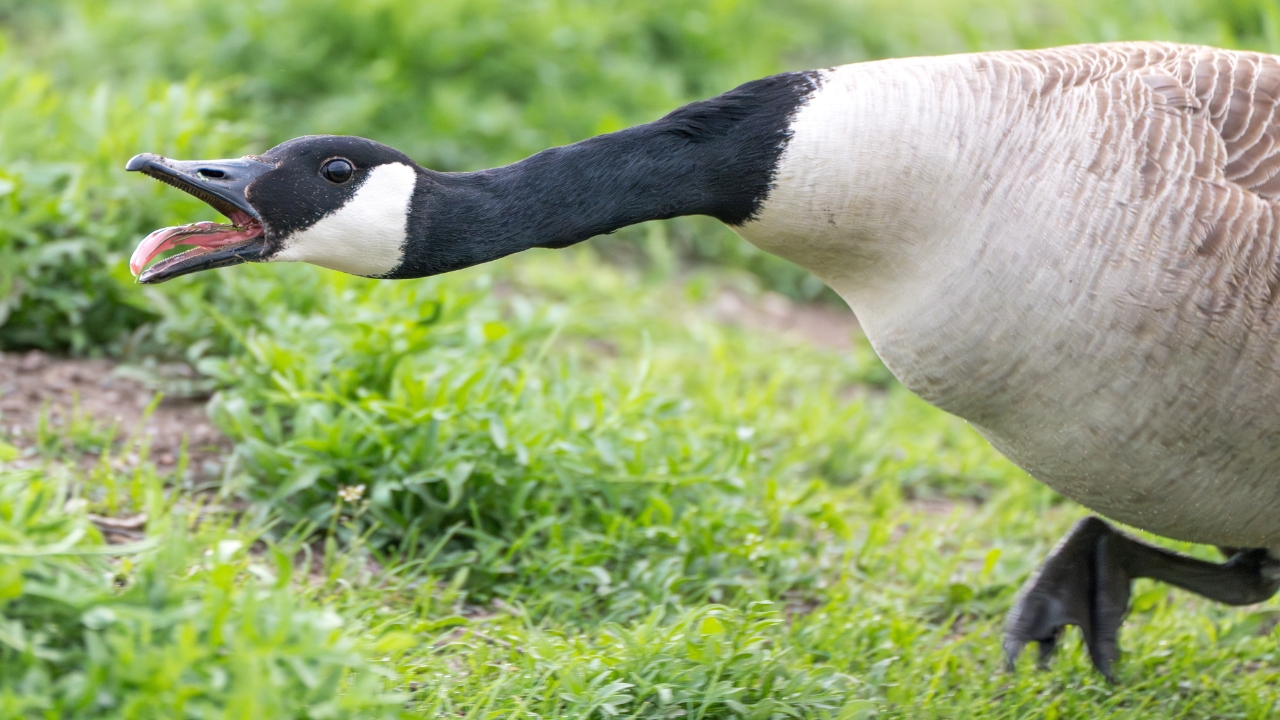
Canada geese look like a nuisance more than a serious crop threat until they decide your planting is the buffet. USDA’s geese damage material says Canada geese and snow geese grazing on winter wheat and rye can reduce vegetative and grain yields, and geese also cause serious damage to sprouting soybeans in spring and standing corn in autumn. Illinois Extension notes feeding damage is usually most noticeable in newly seeded areas, which is exactly when food plots are most vulnerable.
The reason they can be worse than deer is simple: numbers and timing. A few deer browsing a rye plot can usually be tolerated because that is partly the point. A flock of geese landing on a young planting can shear it down, foul it up, and keep coming back. Around ponds, sloughs, or any open water, geese can make small grain or bean plots a whole lot harder to establish than people expect.
Sandhill cranes
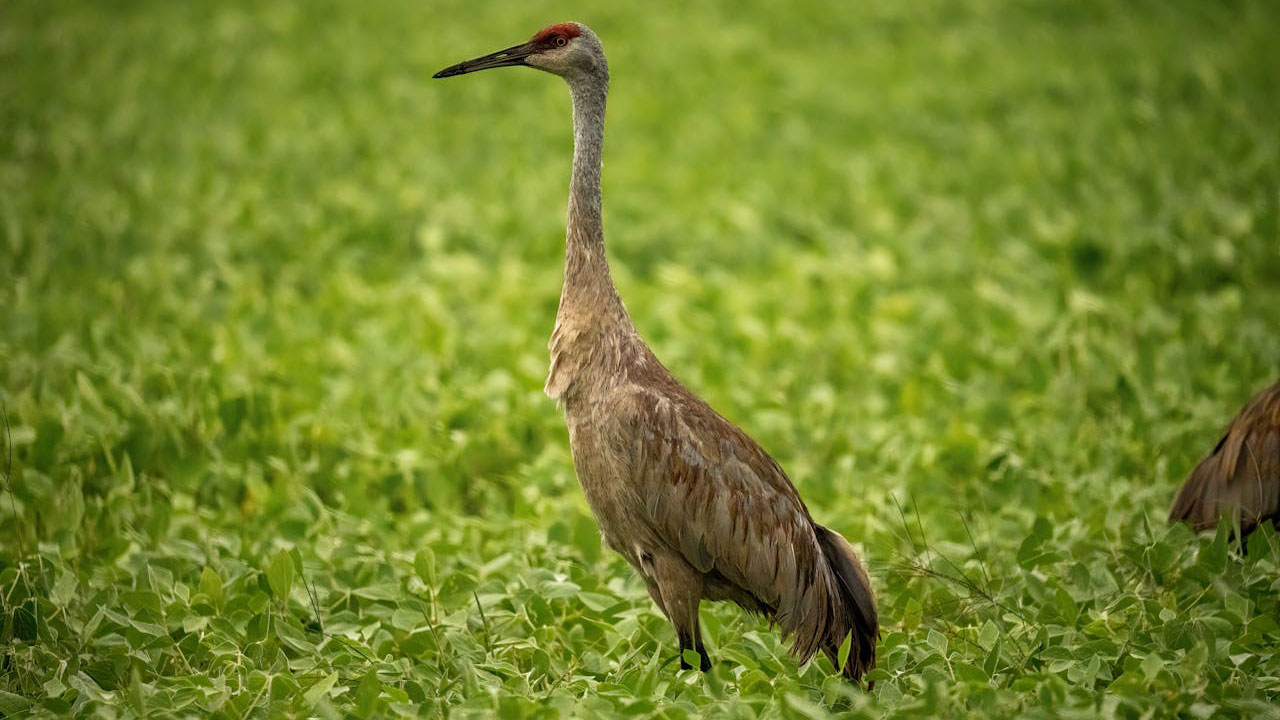
Sandhill cranes are not a universal food plot problem, but where they overlap with planted fields, they can be a real one. Wisconsin wildlife-damage guidance says large flocks feeding on planted fields can do severe enough damage to force a farmer to replant an entire crop, and Michigan State has specifically grouped crane damage with deer damage in its crop-protection education. That is not light pressure. That is real stand loss.
For food plots, cranes matter most on freshly planted corn and similar seeds in open country. If they key in on a planting while the seed is vulnerable, the plot can get hit before it has a chance to establish. Deer usually become the story once green growth appears. Cranes can hurt you before you even get there. In the right flyway or staging area, they are a lot more than just a cool bird to hear at daylight.
Beavers
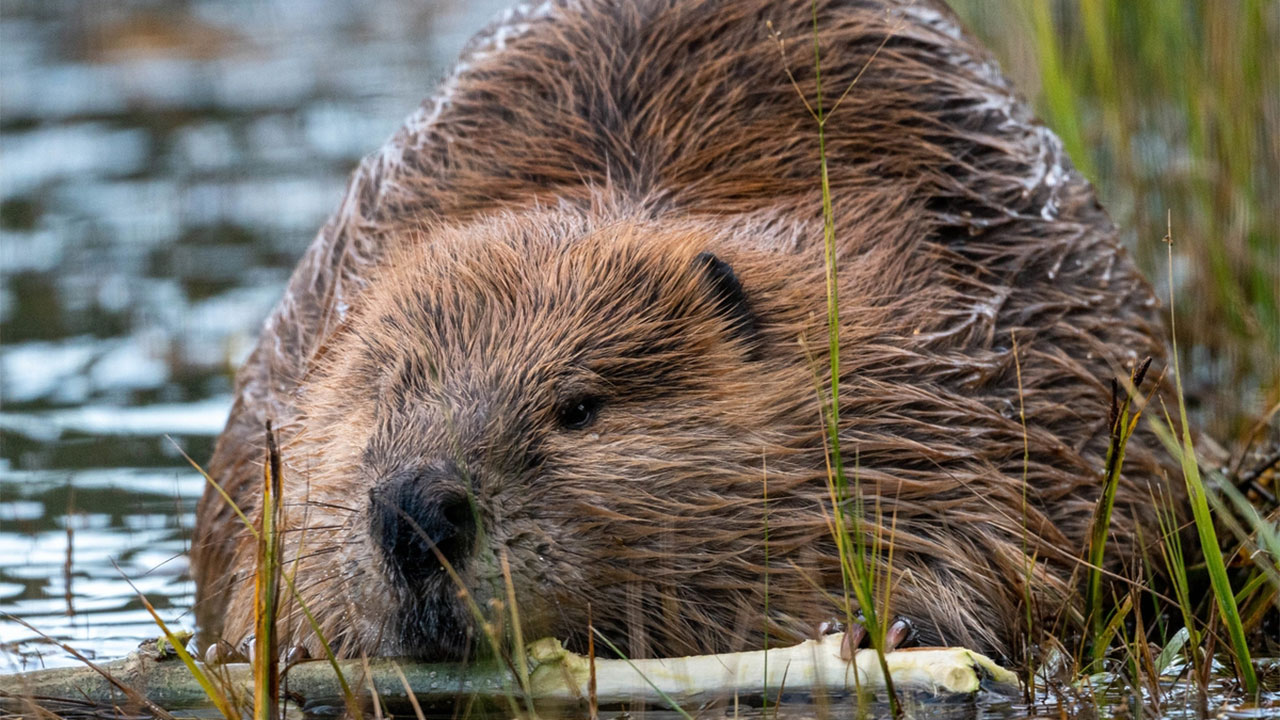
Beavers are not the first critter most people think about when a food plot fails, but they absolutely belong on this list for bottomland plots and any planting tied to creeks, drains, sloughs, or impoundments. APHIS and several extension sources say beavers damage crops both by feeding and by flooding through dam-building. Nebraska Extension says flooding from beavers can remove pastures and crops from production, while Arkansas guidance says beavers also feed on agricultural crops such as corn and soybeans.
That is what makes them such a plot killer. Deer do not usually drown your soybeans. Beavers can. If you are planting along a low creek bottom or a wet edge and water starts backing up where it never used to, a beaver problem can wipe out the whole stand faster than any browsing animal on the property. It is a different kind of destruction, but it counts all the same when the plot is under water or rotting out.
Armadillos
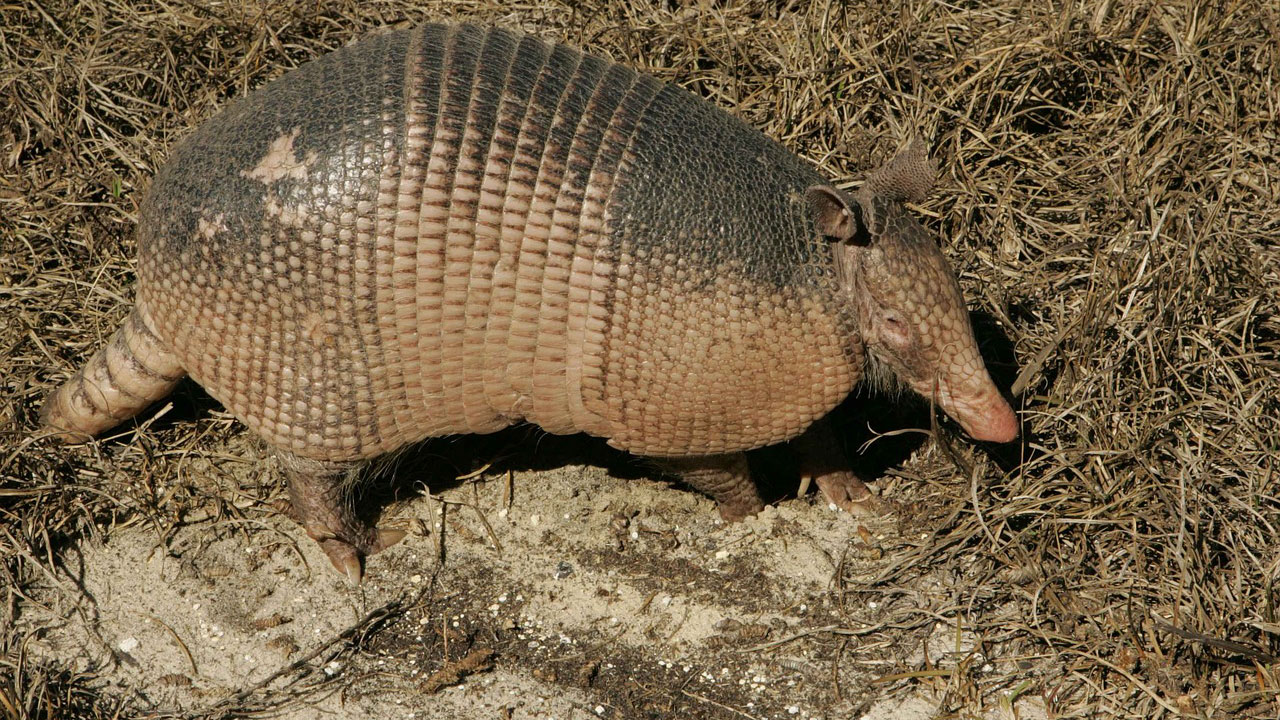
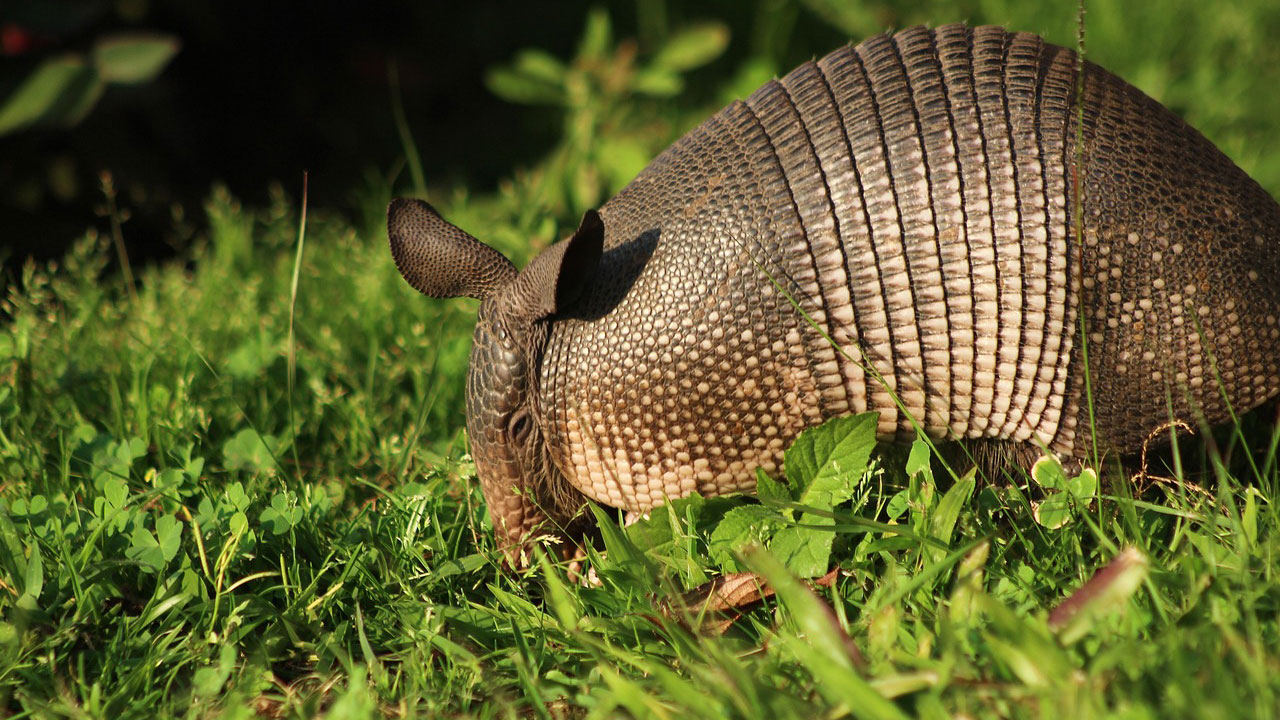
Armadillos are more of a southern plot nuisance than a true forage consumer, but they can still tear up a small planting enough to matter. Oklahoma State says armadillo damage shows up as multiple shallow holes and rooting similar to pigs, while Georgia extension notes extensive digging in lawns, gardens, orchards, and other ground where they are searching for invertebrates. That kind of constant excavation can absolutely beat up a small, freshly worked plot or clover stand.
The problem with armadillos is not usually that they are eating your soybeans leaf by leaf. It is that they treat soft ground like a buffet line for bugs and grubs and leave the plot pocked up afterward. In a big field, that may be tolerable. In a little hunting plot where seed-soil contact and clean emergence matter, it can be enough to set the whole planting back. They are not the worst offender here, but they can still make a good-looking plot look rough in a hurry.
Nutria
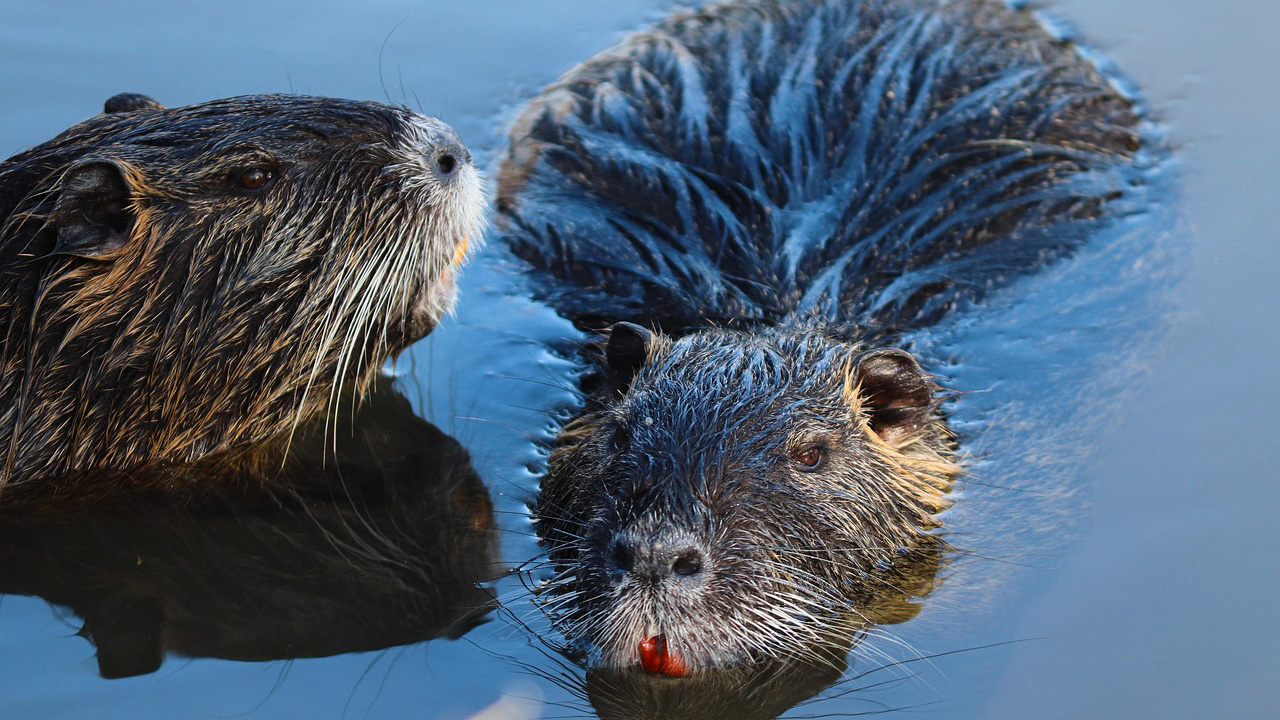
If you plant near marsh, canal edges, wet ditches, or low southern ground, nutria can be a much bigger problem than a lot of deer hunters realize. USDA APHIS says nutria cause extensive damage to wetlands and agricultural crops, while Louisiana and Texas A&M materials note they destroy vegetation and crops in wetland-adjacent areas. Older Maryland testimony on nutria control also tied them to damage in soybeans and corn where ag ground met marshland.
That makes nutria a very real plot threat in the right country. If your “food plot” is basically a moist-soil setup, a marsh edge opening, or a low coastal planting, nutria can chew it down and tear up the wet ground around it in a way deer never will. They are regional, no question, but in that region they deserve a lot more suspicion than they usually get from food-plot guys.
Muskrats
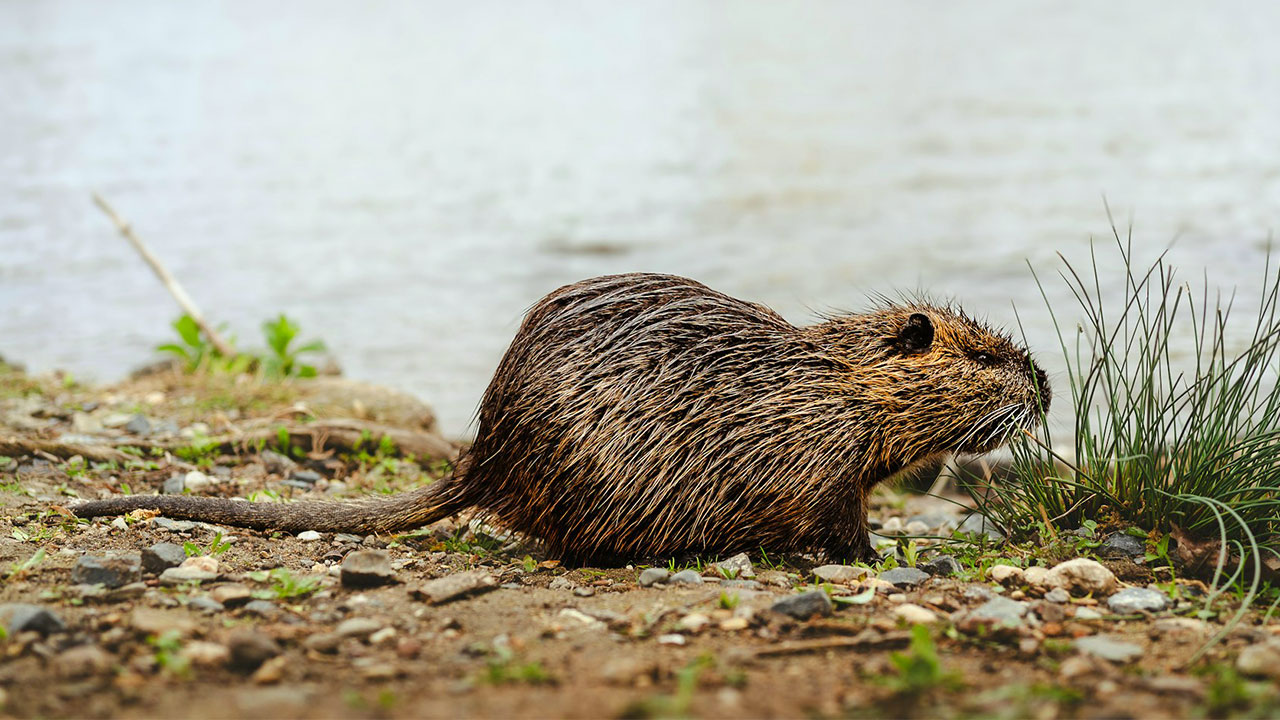
Muskrats are another regional one, but they can still do more plot damage than people expect around wet edges. Kentucky extension says muskrats can become a nuisance to farmers and gardeners when they feed on crops and vegetables. They are not usually the first animal you think of in a food plot discussion, but if you are working around water-control structures, dikes, pond edges, or moist-soil areas, they can turn from background wildlife into a real management headache.
The reason they matter is similar to beavers and nutria, though usually on a smaller scale. They are tied to wet ground, burrowing, and feeding where many water-adjacent plots are already vulnerable. A muskrat problem will not explain every failed plot, but in low spots and near levees or impoundments, it can be one more thing that ruins establishment while deer get blamed for the aftermath.
Like The Avid Outdoorsman’s content? Subscribe to our newsletter so you never miss an article.
Here’s more from us:


