
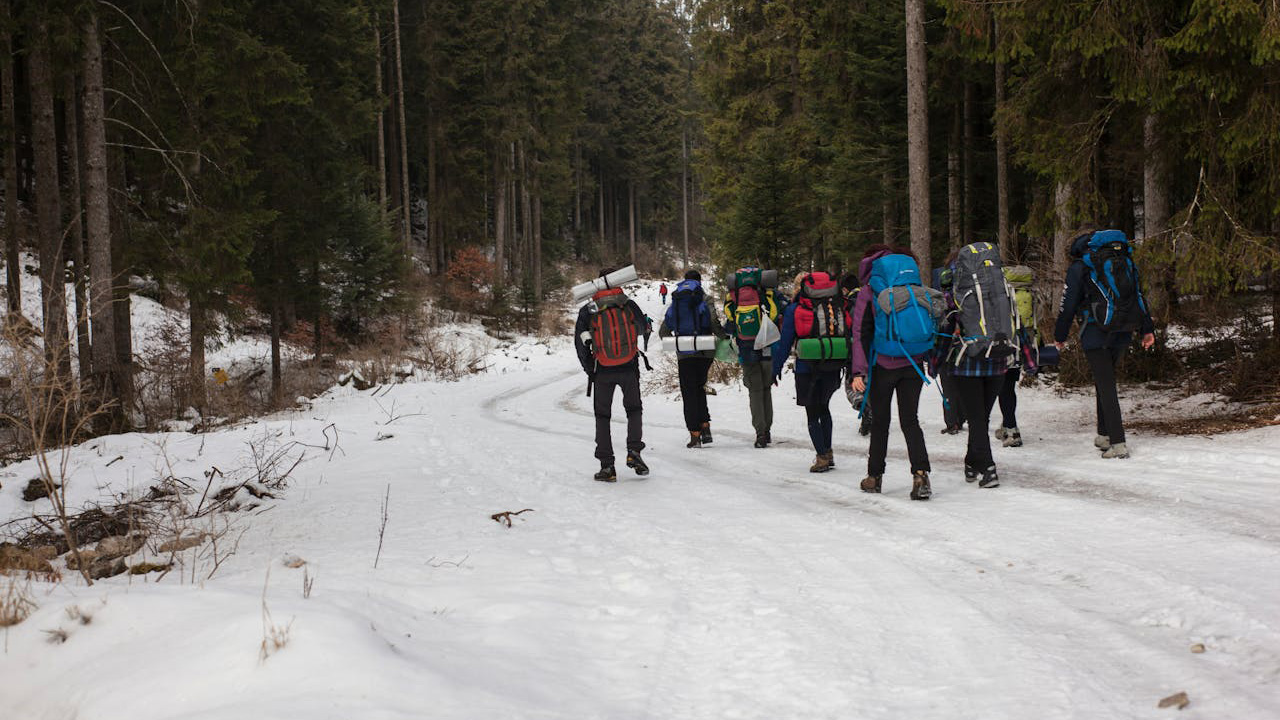
Photo credit: Francesco Paggiaro/Pexels.com
Winter doesn’t care if you’re tough. It cares if you’re prepared. Cold-weather rescues almost always come back to the same handful of mistakes: bad layering, bad decisions, and bad planning. Hypothermia gets people because it builds quietly and wrecks your judgment while you’re still telling yourself you’re “fine.” Wind and wet make it worse, and exhaustion finishes the job. Add in short daylight, dead phone batteries, traction issues, and people pushing past turnaround times, and you’ve got a rescue recipe. If you spend time outdoors in winter—hunting, hiking, shed hunting, snowshoeing, climbing—these are the mistakes to stop making. Most of them are boring. That’s why they keep happening.
Skipping the weather check and wind forecast
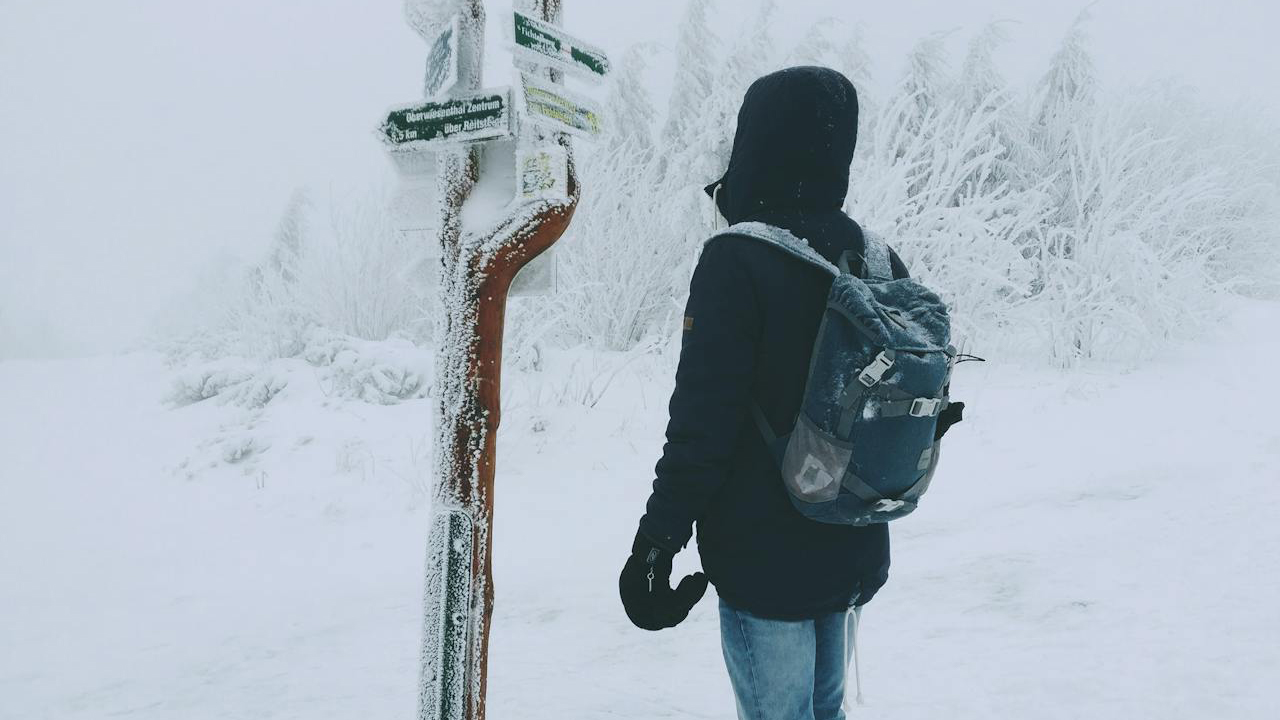
People glance at the temperature and think they’re good, then get smoked by wind, incoming storms, or a forecast shift they never saw coming. Winter weather doesn’t have to be extreme to be dangerous. Wind chill changes the whole game, and storms don’t care if you’re “almost back to the truck.” National park guidance on hypothermia is blunt about how quickly conditions can turn a normal day into a life-threatening one. The biggest problem isn’t just getting cold—it’s getting cold and making worse decisions because your brain is slowing down. If you don’t check wind, precip, and timing, you’re guessing. In winter, guessing is how you end up stranded above treeline, off-route in whiteout, or trying to hike out in darkness with frozen hands. Check the forecast, check the wind, check the “when does it change,” and plan your turnaround time around that.
Wearing cotton layers like it’s no big deal
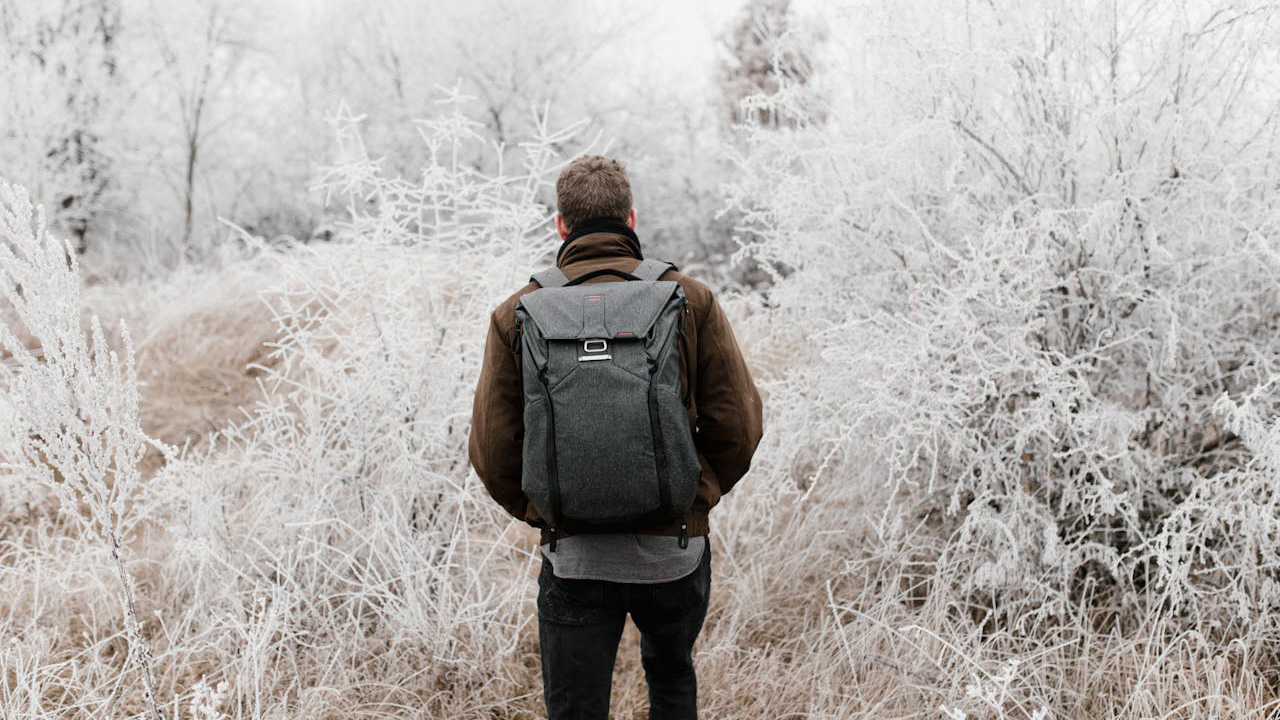
Cotton kills is a cliché because it’s true. Cotton holds moisture, loses insulation when wet, and turns sweat into a cold sponge against your skin. NPS and Forest Service winter safety guidance hammer the same message: wet, wind, and exhaustion are a nasty combo for hypothermia, and clothing choice matters. You don’t need some fancy fashion system. You need basics that work: synthetic or wool base layers, insulating mid-layers, and a shell that blocks wind and sheds moisture. If you start your day in a cotton hoodie and jeans because “it’s not that cold,” you’re setting yourself up to get chilled the second you sweat or the second weather turns. The worst part is cotton feels fine right up until it doesn’t, and once you’re cold-soaked, getting warm again is hard without a shelter and dry layers.
Overdressing early, sweating hard, then freezing when you stop
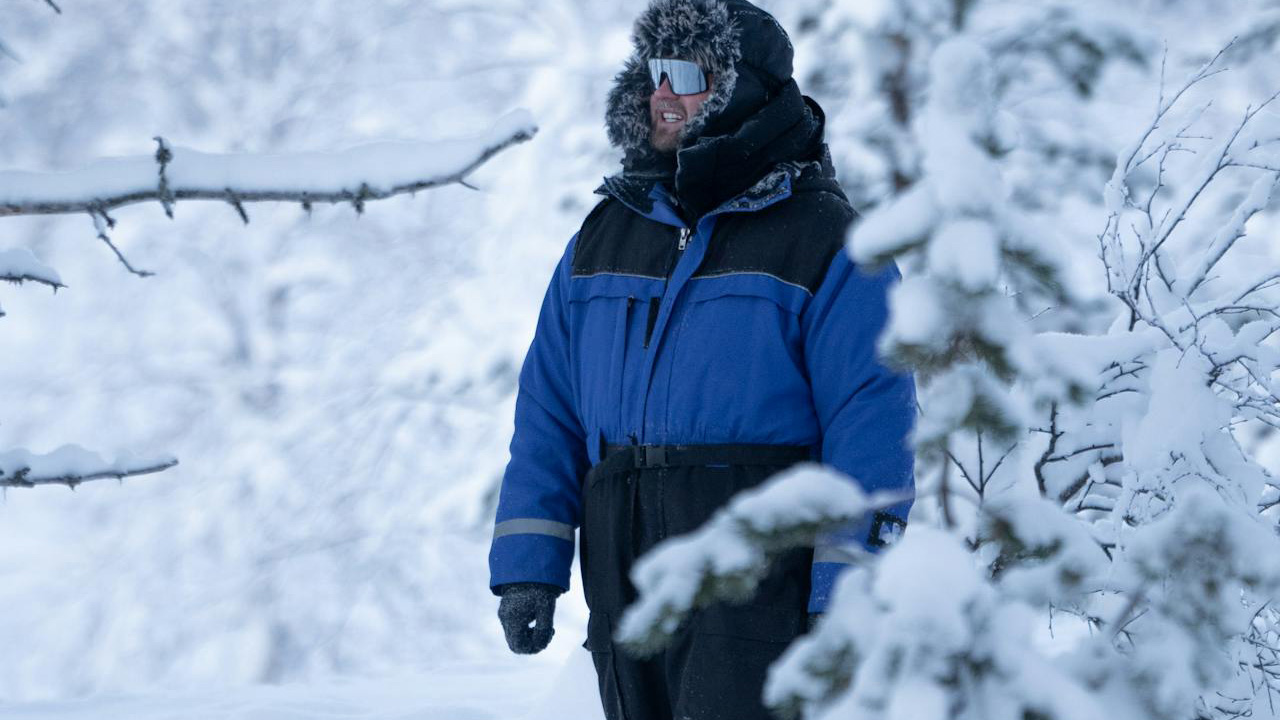
This one gets strong hikers and hunters all the time. You start cold, so you bundle up. Then you climb or break trail and sweat like crazy. Then you stop to glass, snack, or check the map—and that sweat starts stealing heat fast. Mayo Clinic even points out that sweating plus wet clothing speeds heat loss in cold conditions. Forest Service guidance also calls out wet and exhaustion as major hypothermia drivers. The fix is simple and annoying: start slightly cool, vent early, and manage layers like it’s your job. Open zips, ditch a hat on climbs, swap gloves when they’re wet, and throw on insulation immediately when you stop moving. If you wait until you feel cold, you waited too long. The “sweat then stop” mistake is one of the fastest ways to go from feeling strong to shivering and making dumb choices.
Not bringing a real shell layer for wind and wet
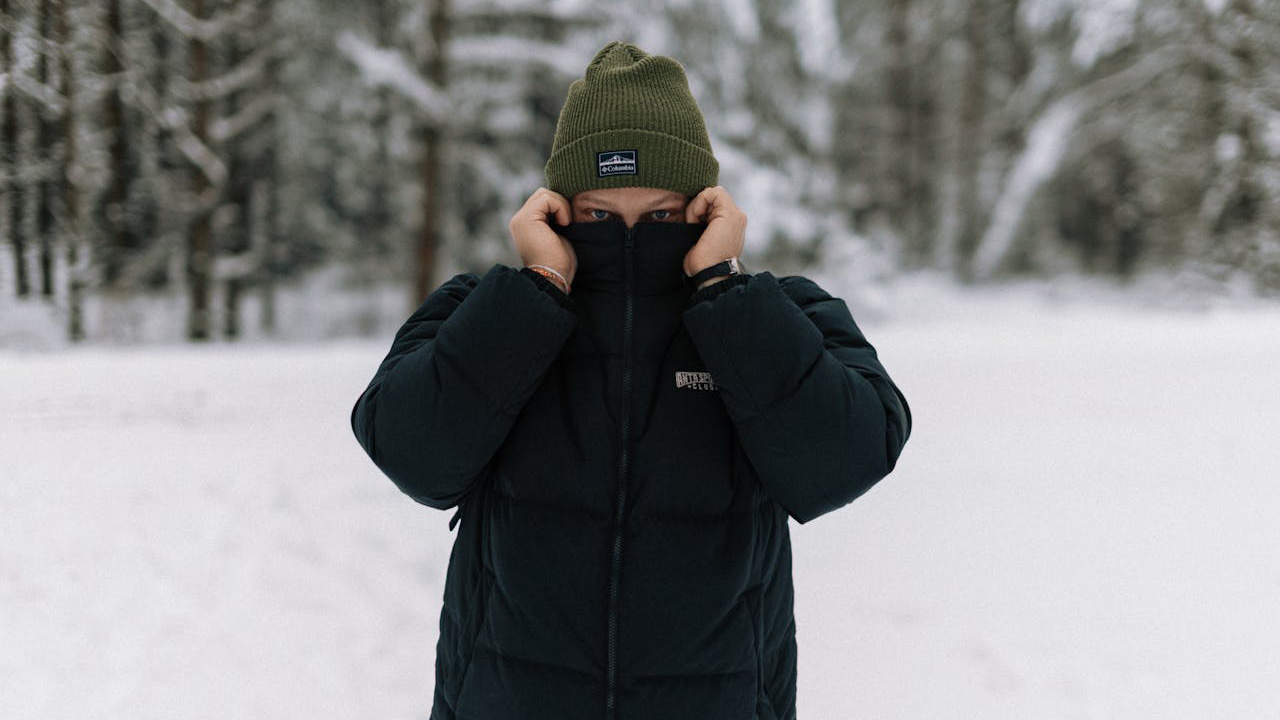
People pack a puffy and think they’re covered, then wind slices right through and turns a mild day into a problem. Wind and wet are classic accelerants for hypothermia, and outdoor safety guidance calls them out repeatedly. A shell doesn’t need to be expensive. It needs to block wind and keep precipitation off your insulation. Without it, your warm layers get compromised fast, especially if you’re brushing through snow-loaded timber or getting hit with sleet. This also matters for hunters because you’re often stationary. Standing still in wind without a shell is basically donating heat to the mountains. A good winter kit is layers plus a windproof/water-resistant barrier. If you’re “saving weight” by leaving the shell, you’re saving the wrong ounces. The shell is the difference between staying functional and shivering yourself into a bad decision.
Not packing extra gloves, socks, and a dry layer
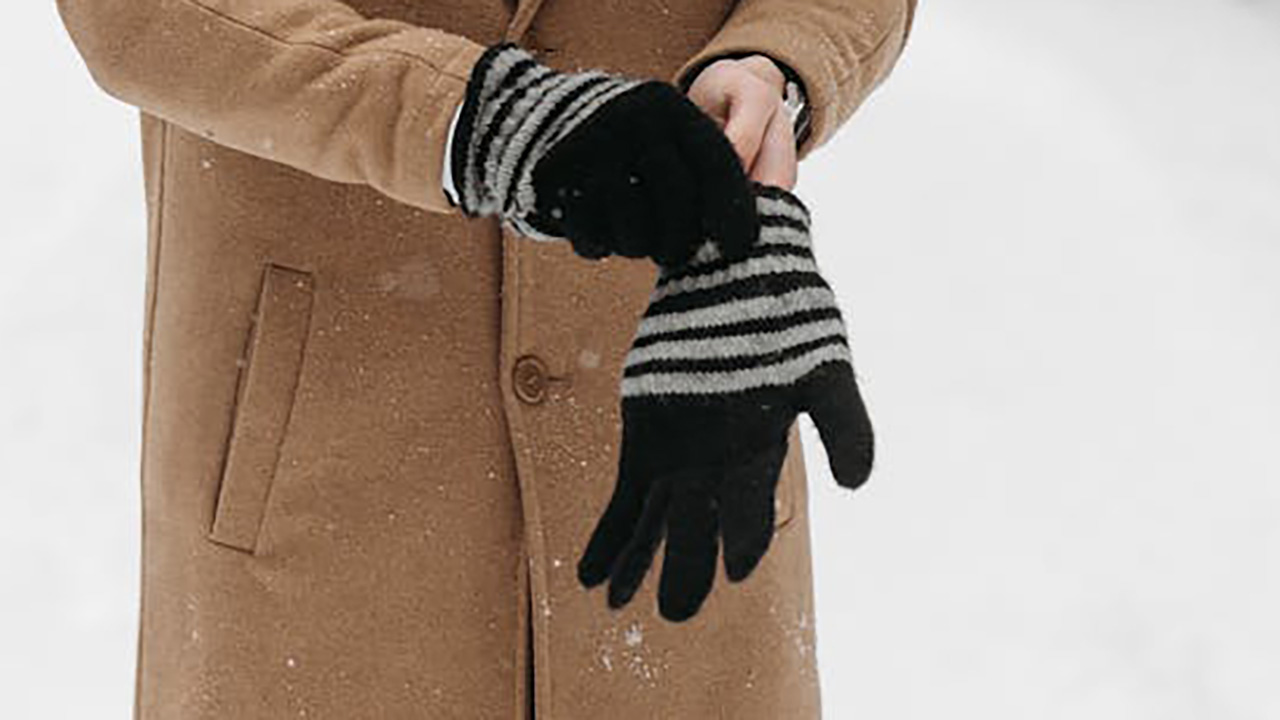
Cold injuries aren’t always dramatic. They’re slow and stupid: wet gloves turn into numb hands, numb hands turn into clumsy mistakes, and suddenly you can’t buckle a pack or light a stove. CDC and other safety sources note hypothermia can impair thinking and movement—so once you’re cold, you’re less capable of fixing the problem. Extra gloves and socks are cheap insurance. Same with a dry base layer or at least a warm hat and spare liner gloves. If you fall in snow, kneel in wet ground, or just sweat a lot, having dry options can keep the situation from escalating. A lot of rescues start as “we’re fine, just cold,” then become “we can’t warm up.” Extra dry gear is how you prevent that slide. Especially if you’re hunting from a blind, glassing for long periods, or dealing with wet snow, backups matter.
Ignoring daylight and getting caught out after dark
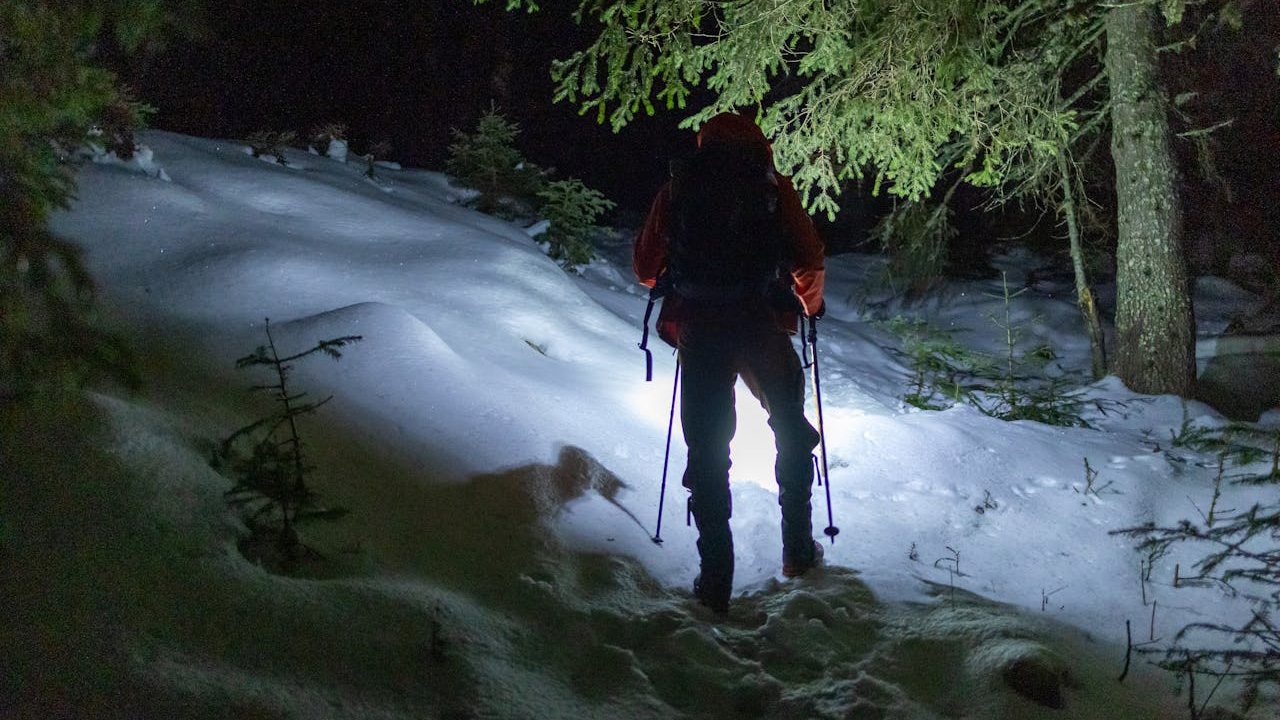
Winter daylight is short, and darkness hits fast in timber and valleys. Getting caught out late turns a mild problem into a big one because temps drop, navigation gets harder, and mistakes multiply. This is where people also learn the hard way that phones die faster in the cold and screens aren’t great for navigation when you’re wearing gloves. Hypothermia risk climbs when you’re exposed longer and fatigue sets in. The fix: plan backwards from sunset, set a hard turnaround time, and carry a headlamp even if you “won’t need it.” If you’re hunting, assume you’ll be walking out in the dark at least once. Don’t make that the day you skipped lighting because it was “just a quick sit.” Darkness isn’t scary—it’s just unforgiving when you’re cold, tired, and off-route.
Leaving traction at home and trying to “be careful”
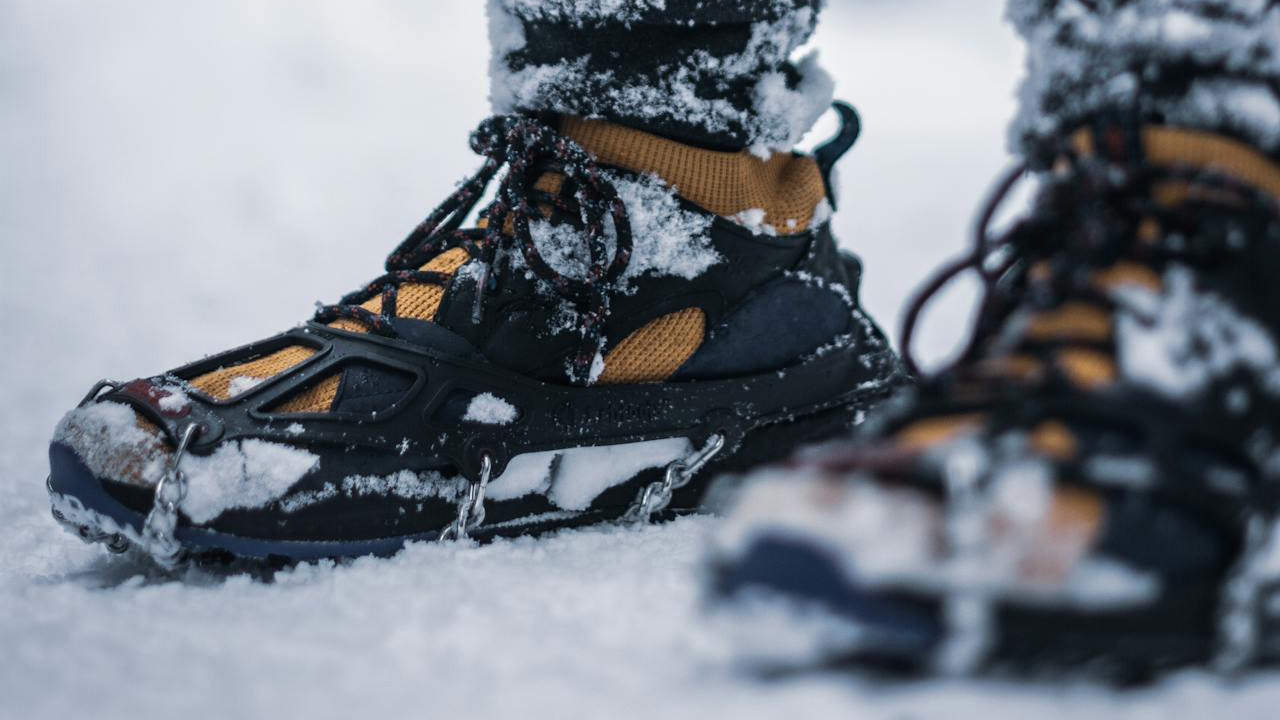
A ton of winter rescues start with a slip, not a storm. Ice, hardpack, and steep frozen trails turn small mistakes into injuries fast. “I’ll just take it slow” is not a traction plan. Microspikes, crampons (when appropriate), and even trekking poles prevent falls that can end your day in one second. Once someone gets hurt in cold conditions, exposure becomes a second emergency layered on top of the first. If you’re hunting in snowy country, traction is also about leaving quietly and safely before dawn, and getting back to the truck without skating down a ridge like a newborn deer. The best winter gear is the gear that keeps you upright. It’s not glamorous, but it’s the difference between “good story” and “SAR call.”
Trusting your phone as your only navigation
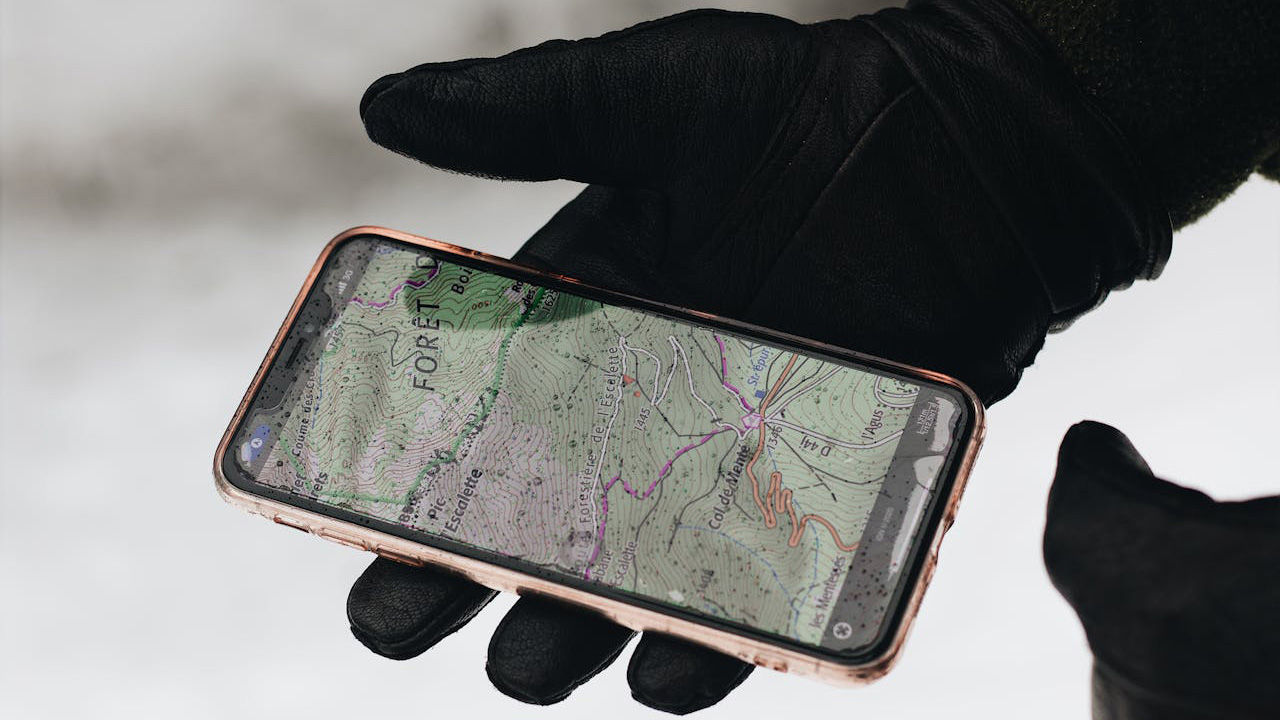
Phones are great until they aren’t. Cold drains batteries fast, screens get laggy, and if you drop it or it gets wet, you’ve got nothing. People also over-trust GPS and stop paying attention to terrain and exit routes. When weather or darkness hits, that’s how folks get turned around two ridges over and can’t explain where they are. Hypothermia is dangerous partly because it affects clear thinking, which makes navigation errors more likely. Carry a paper map and know how to use it, or at least have an offline map plus a backup battery kept warm. And if you’re in serious country, a compass isn’t “old school,” it’s redundancy. Winter is a bad time to learn you don’t actually know how to get out without a glowing rectangle.
Failing to eat and drink because you “don’t feel thirsty”
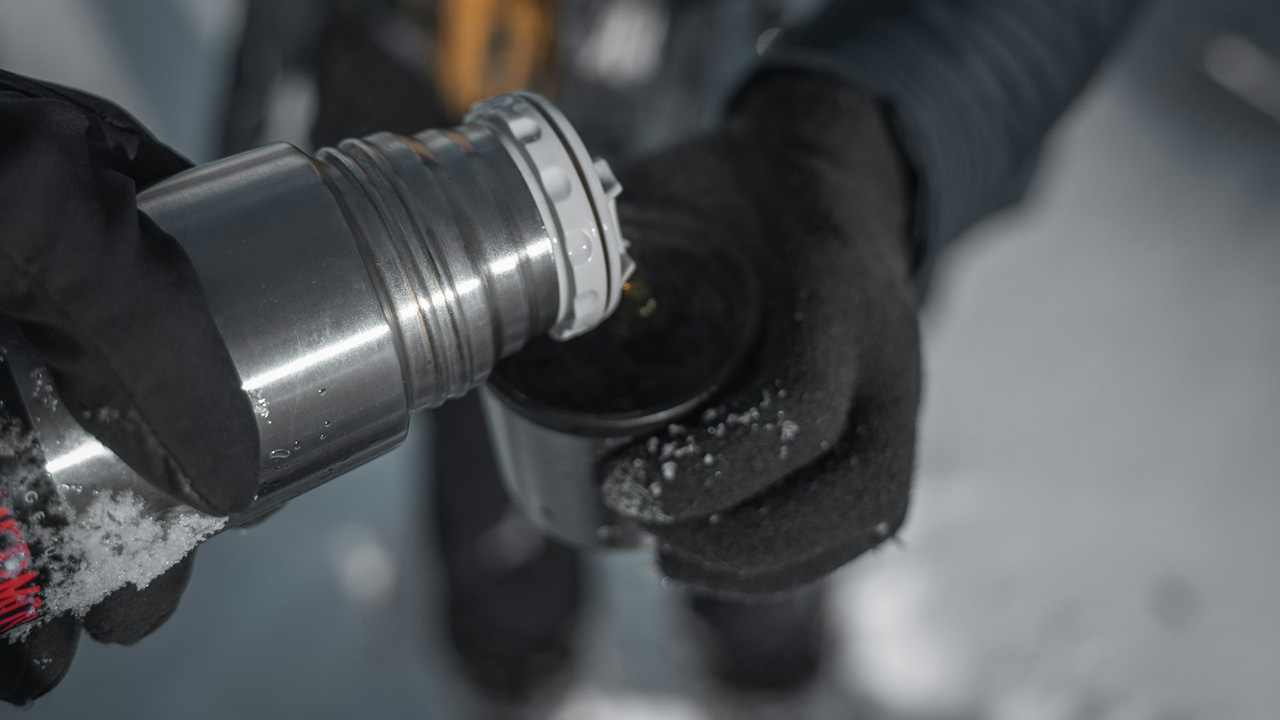
Cold suppresses thirst, but dehydration still happens, and it makes you colder and more fatigued. Add in the fact that your body is burning calories just to stay warm, and you can hit a wall faster than you expect. Safety and medical sources talk about fatigue and inadequate nutrition as factors that worsen hypothermia risk. If you’re hunting, you already know the vibe: you don’t want to move, you don’t want to unzip layers, so you skip water. Then you crash. The fix is proactive: drink regularly, eat high-energy snacks before you feel depleted, and don’t let “we’re almost done” turn into an hour-long grind with no fuel. Winter performance is a constant maintenance game—small inputs all day keep you warm and sharp.
Pushing past a turnaround time because of ego or sunk cost
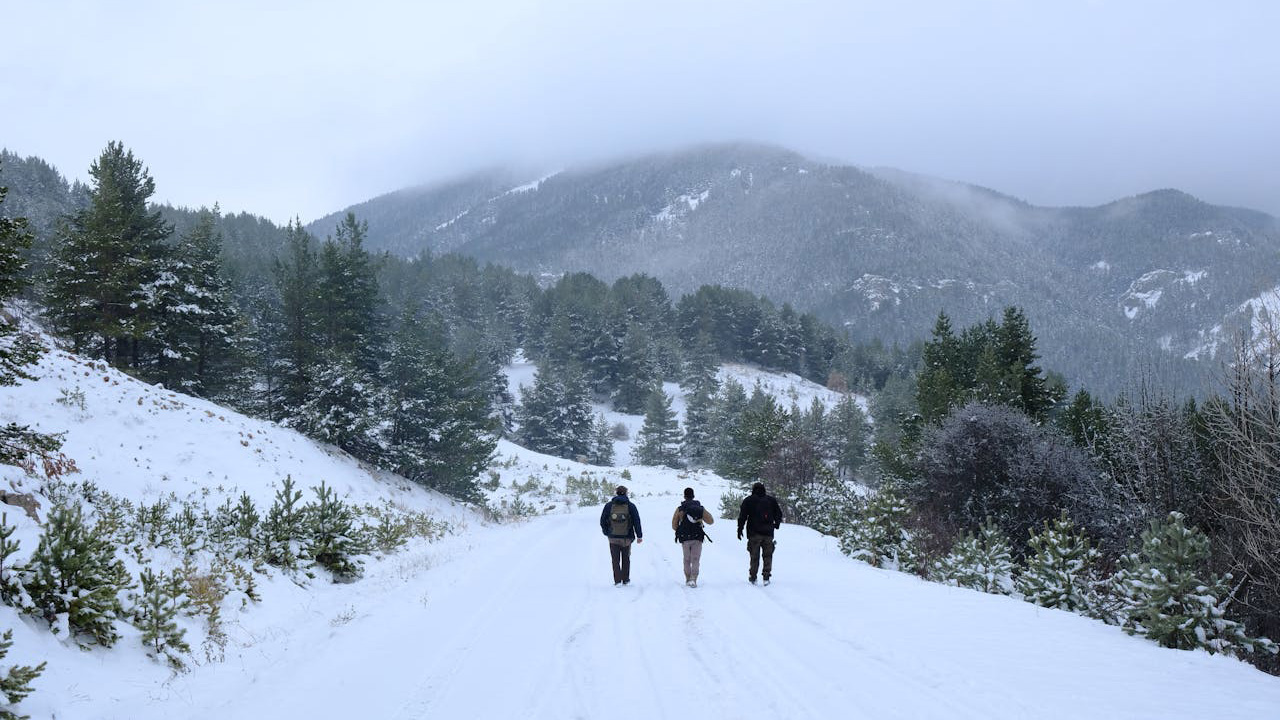
This is the quiet killer: “We came all this way.” “We’re close.” “It’ll be fine.” Cold-weather incidents in climbing and hiking reports routinely include failure to turn back as a factor, especially when weather and fatigue stack up. Once you’re behind schedule, everything gets harder: temps drop, light fades, and people get sloppy. If you want a simple rule: set a turnaround time before you leave, and obey it even if it ruins your plan. You can always come back. SAR doesn’t want to come get you because you refused to accept reality. The strongest outdoor skill isn’t toughness—it’s discipline. Winter rewards the people who make boring, smart calls early, not the people who gamble late.
Going solo without a real backup plan
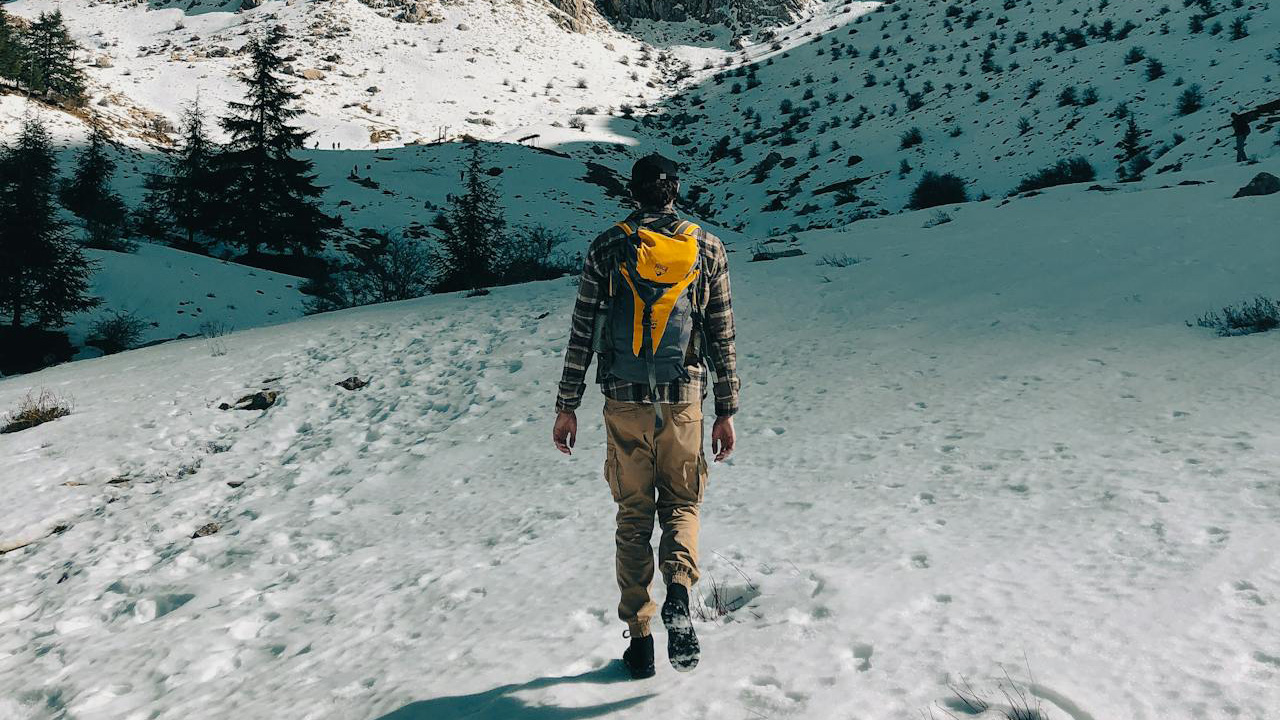
Solo winter travel can be done, but you need to treat it like a higher-risk activity. A twisted ankle in summer is annoying. In winter, it can be life-threatening if you can’t keep moving and can’t get warm. Rescue stories often involve delays due to storms and terrain, and that means you may need to self-manage longer than you’d like. If you’re alone, you need redundancy: extra insulation, a way to make shelter, a way to signal, and a plan someone else knows. Tell somebody where you’re going and when you’ll be back. Carry a device that can call for help when there’s no service if you’re in real backcountry. Winter is not the time to be prideful about “I don’t need anyone.” If you choose solo, choose it responsibly.
Not carrying emergency shelter and fire capability
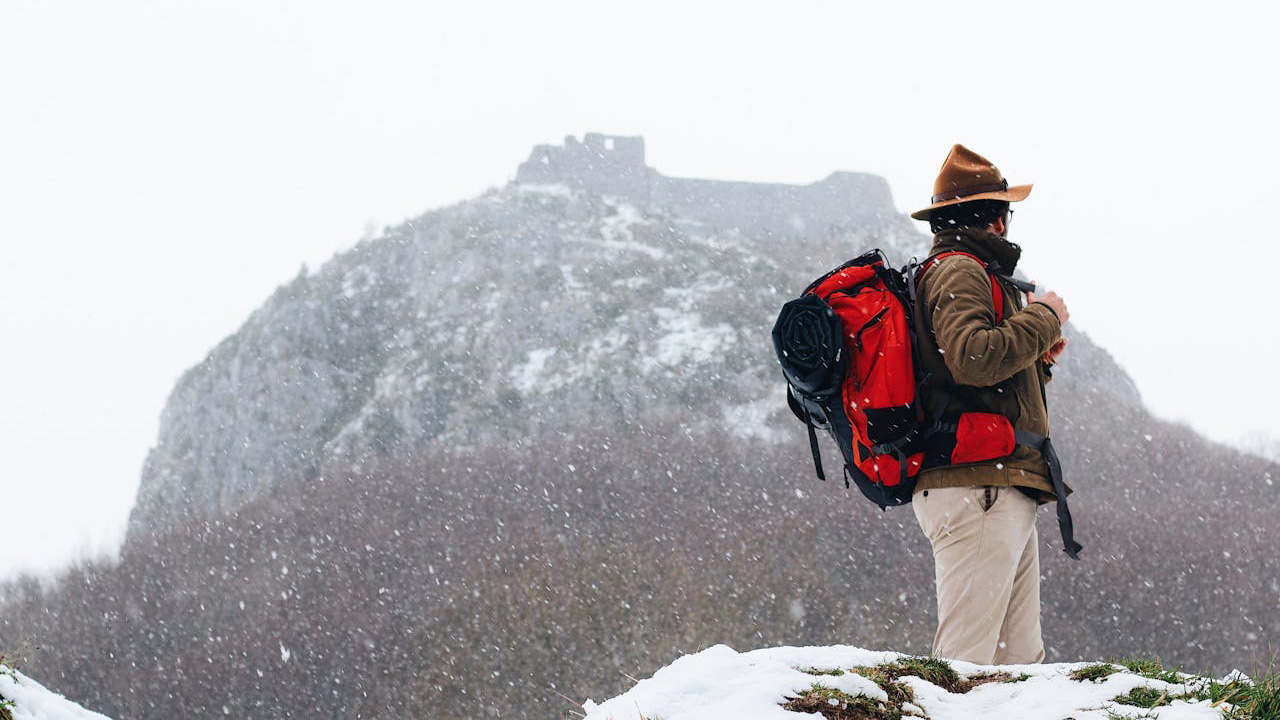
A tiny emergency bivy, a tarp, a space blanket—something—can turn “we’re cold” into “we can survive this.” Hypothermia is progressive, and once someone is chilled, they may not be able to think clearly or move well enough to fix it. That’s why shelter matters: it buys time. Fire capability matters too, but it has to be realistic: reliable ignition, dry tinder, and a plan that works in wet snow and wind. People assume they’ll just “walk out,” then an injury or whiteout changes the plan. A minimalist shelter kit weighs almost nothing compared to the consequences of not having one. If you’re hunting deep or hiking far, an emergency shelter is a standard part of the winter loadout, not an optional accessory.
Underestimating avalanche terrain and skipping rescue gear
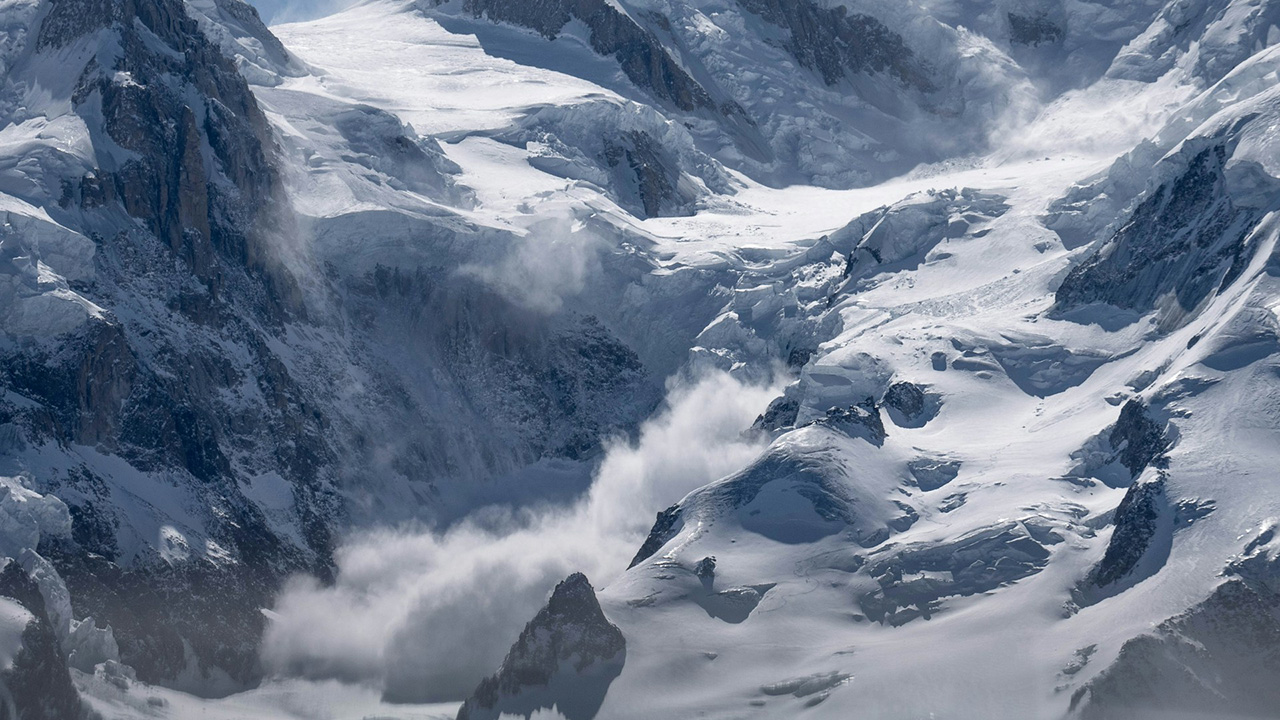
If you’re traveling in or under avalanche terrain, ignorance is not protection. Avalanche education sources stress carrying rescue gear and knowing how to use it, plus recognizing red flags and choosing terrain wisely. The classic mistake is “we’re not doing anything extreme.” You don’t have to be doing extreme stuff to be in avalanche terrain. People get caught on slopes they didn’t respect, or below slopes they didn’t evaluate. If you don’t know how to read the terrain, check the forecast, and make conservative choices, stay out of avalanche zones. And if you do go, bring the basics—beacon, probe, shovel—and practice. Gear you don’t know how to use is just extra weight.
Crossing ice because it “looks solid”
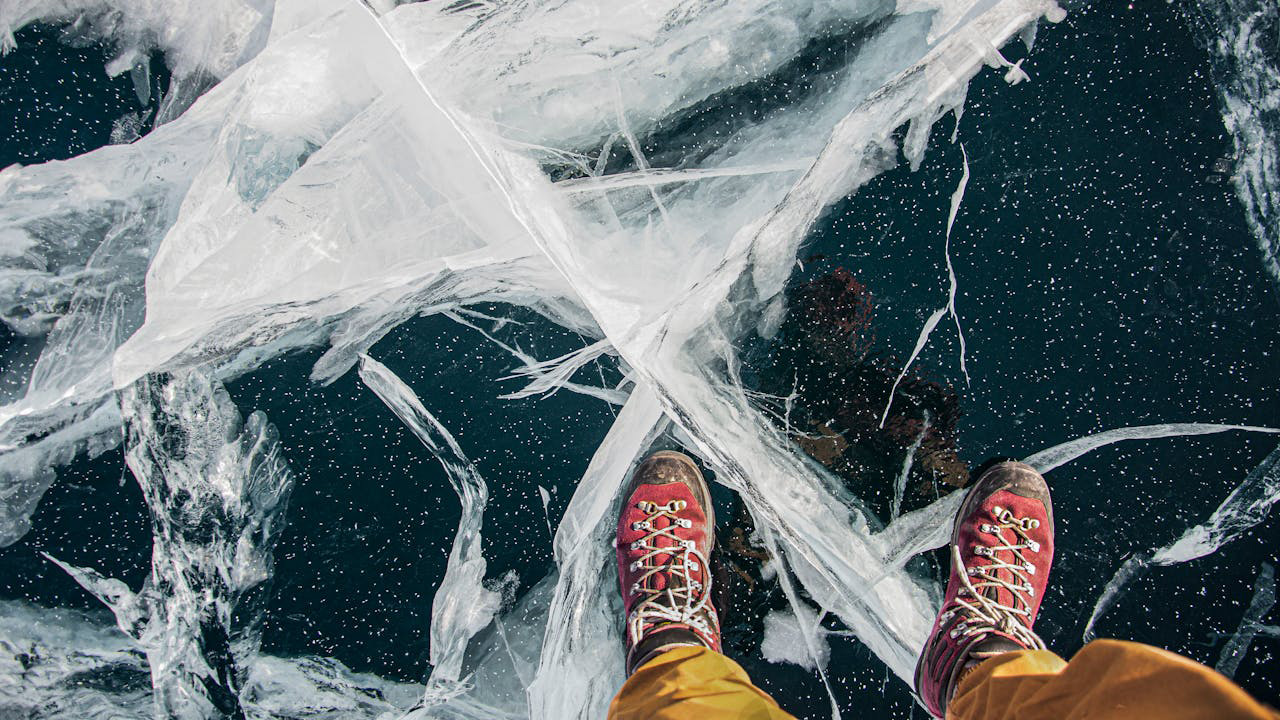
Ice is a liar. Temperature swings, moving water, springs, and snow cover can make ice thickness unpredictable. People see tracks, assume it’s safe, and then go through. In winter, immersion is one of the fastest ways to lose heat and trigger hypothermia. Even if you get out, wet clothing plus wind can wreck you fast. If you’re going to cross ice, you need knowledge and caution: avoid moving water, know thickness guidelines from local authorities, and have a plan if something goes wrong. A lot of hunters take shortcuts across ponds and creeks because it saves time. That’s a bad trade. Walk around, or cross where it’s known and safe. Winter doesn’t hand out bonus points for speed.
Drinking alcohol to “warm up”
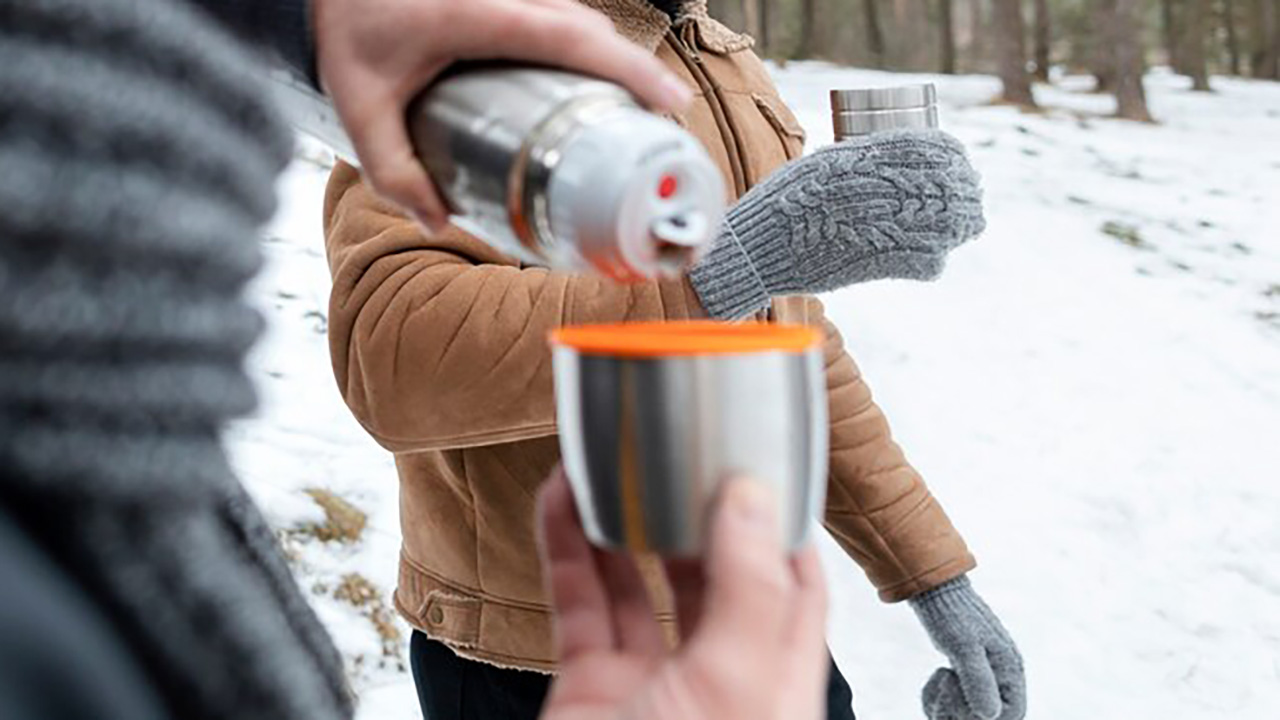
Alcohol makes people feel warm because it dilates blood vessels near the skin, but that can increase heat loss and mess with judgment. CDC notes alcohol use as a risk factor for hypothermia, especially for people outdoors for long periods. In the backcountry, alcohol also increases the odds of dumb decisions: pushing later, missing route cues, underdressing, or not noticing early warning signs. If you’re at a cabin with a stove, sure, live your life. If you’re outside in real cold and you might need to hike out, handle weapons, or navigate, alcohol is a liability. Winter safety is about staying sharp and staying dry. Booze works against both. The “one sip to warm up” myth has put a lot of people in bad situations.
Like The Avid Outdoorsman’s content? Subscribe to our newsletter so you never miss an article.
Here’s more from us:


