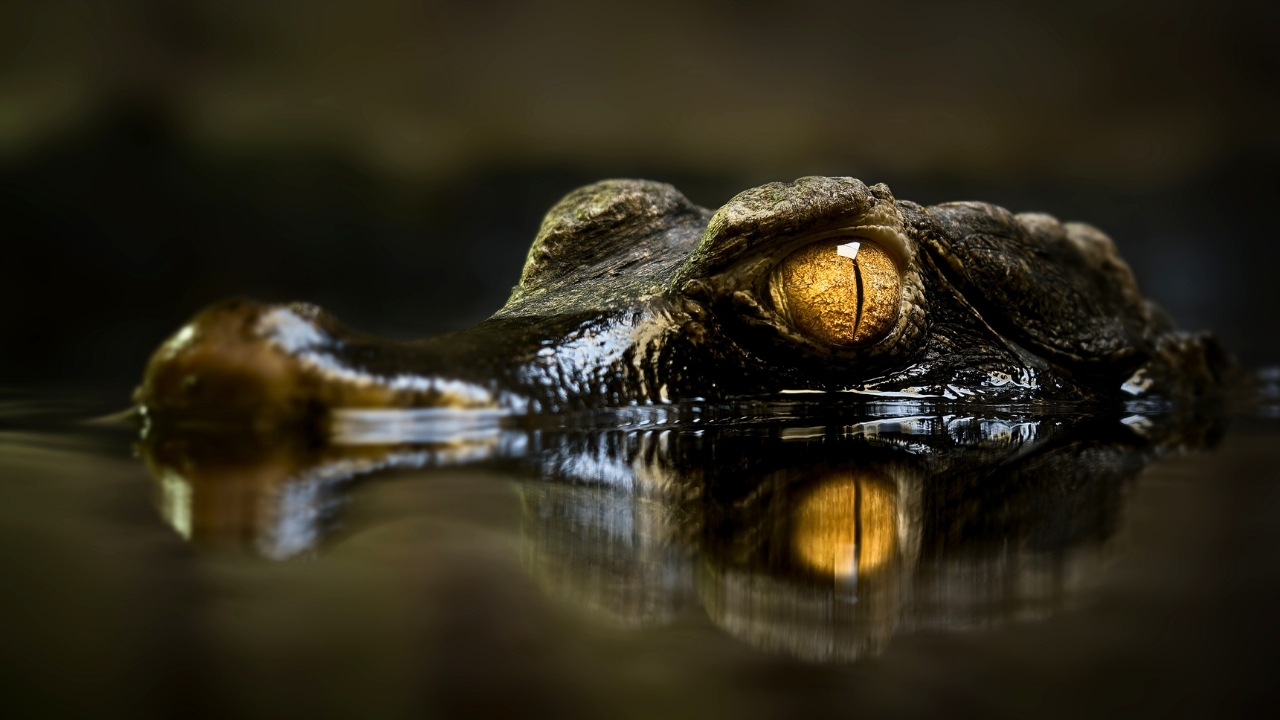
Photo credit: mutinamatyas_photo/Shutterstock.com
When people talk about the Amazon, they picture jaguars and tree frogs, but the real danger usually rides with the water. Rivers, flooded forest, and oxbow lakes are packed with animals that bite, sting, constrict, or hit hard enough to put you in real trouble. Some kill with venom or sheer power. Others “only” maim, but that’s not much comfort if you’re days from a clinic. This list focuses on things you’re likely to meet in or right along the water’s edge, backed by what biologists, river guides, and long-time locals flag as serious threats.
1. Green anaconda
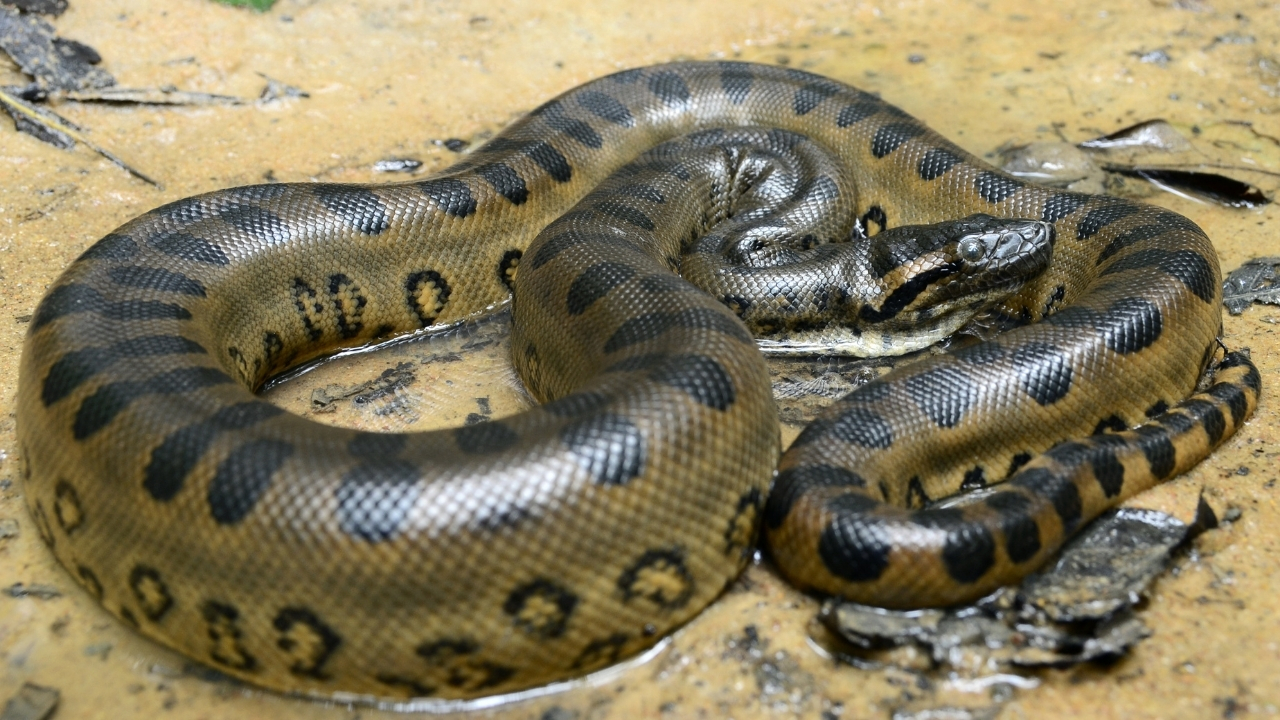
The green anaconda is the heavyweight of the Amazon’s waters—massive, muscular, and perfectly at home in murky creeks and flooded forest. These snakes can top 20 feet and several hundred pounds, using ambush tactics to grab caimans, capybaras, and even tapirs. They coil and constrict until circulation and breathing stop, then take their time swallowing the meal. People aren’t normal prey, but a human thrashing in the wrong channel can look like food or a threat. Most realistic risk is getting grabbed in shallow water or stepping too close to a coiled snake you never saw in the weeds.
2. Black caiman
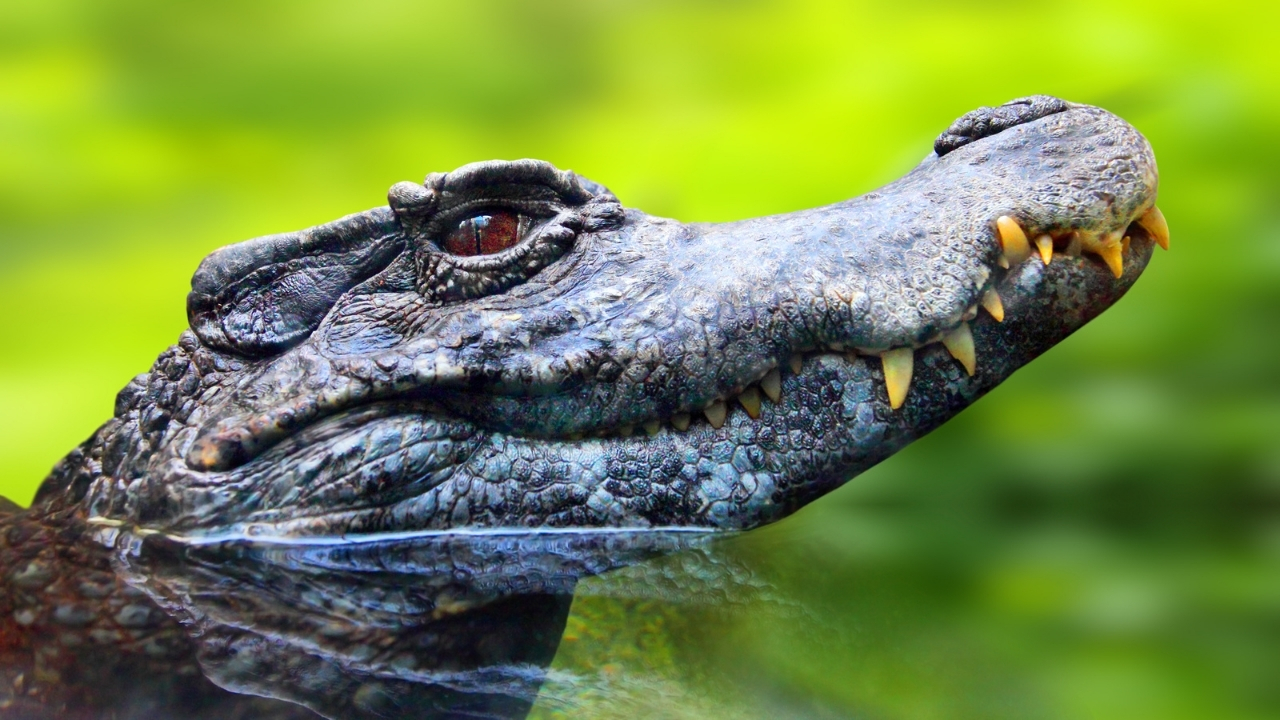
Black caimans are the top reptile predator in much of the Amazon basin. Big males can push 15 feet, with jaws built to crush bone and drag large mammals straight under. They hunt mostly at night along river margins, using those eyeshine reflections you see in every spotlight photo. Attacks on people aren’t an everyday thing, but they do happen, especially where fishing camps, villages, or river travel put people in the water at dark. The danger is simple: if a big caiman gets a full grip on you, the fight is wildly one-sided, and the nearest hospital might be a boat ride away.
3. Red-bellied piranha
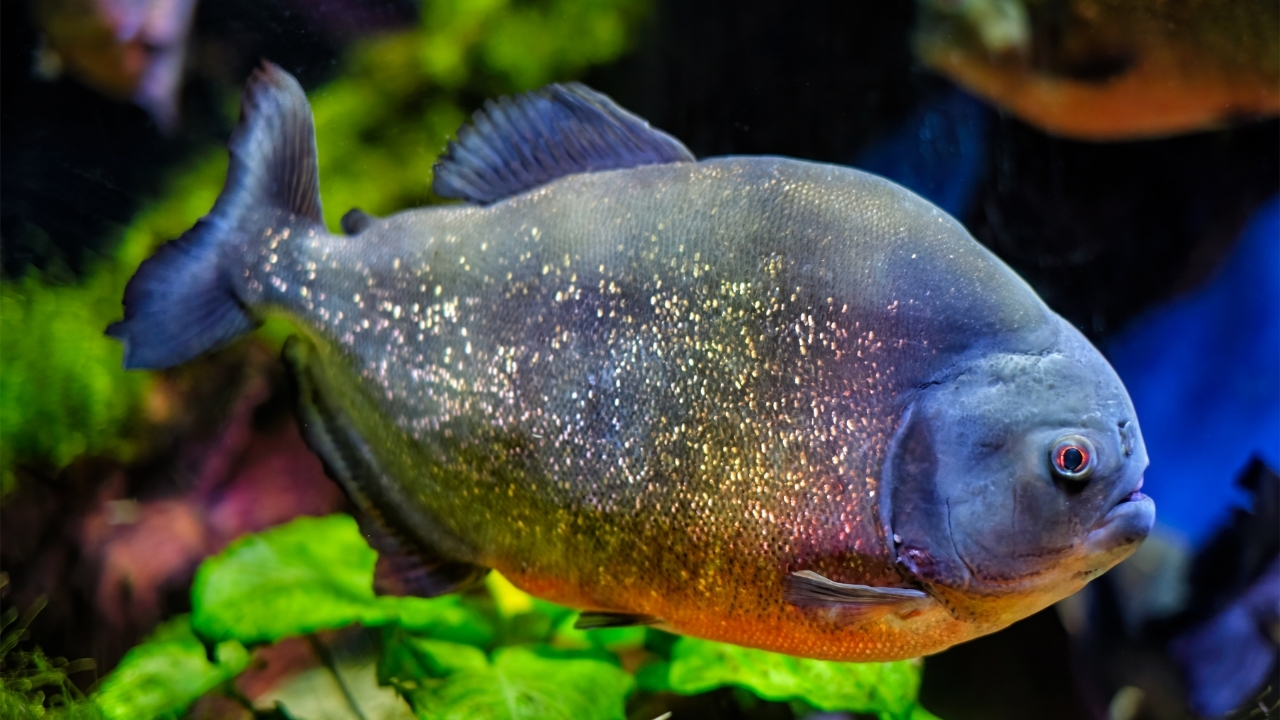
Piranhas get more myth than they deserve, but that doesn’t mean they’re harmless. Red-bellied piranhas run in schools and carry dense, razor-edged teeth built to shear flesh fast. They scavenge more than they attack, but low water, injured animals, and blood in the water crank their aggression up. Most bite incidents on people are single nips to hands or feet, not full-blown frenzies. Still, if you’ve got an open wound, are splashing around in a crowded swimming hole, or fall in near a carcass, you’re stacking the odds against yourself. They don’t need long to turn a bad situation worse.
4. Bull shark

Bull sharks are the reason “ocean rules” don’t fully apply at the Amazon’s mouth. They tolerate freshwater and occasionally push upriver, which means a shark built for coastal ambush can show up in water that looks like normal river. They’re stocky, aggressive, and comfortable in murky, shallow channels—exactly where people wade, fish, and swim. Encounters this far upriver are rare, but when they happen, they carry the same risk profile as bull sharks anywhere else: heavy bite force, repeated strikes, and a good chance of serious blood loss before you ever see what hit you.
5. Electric eel
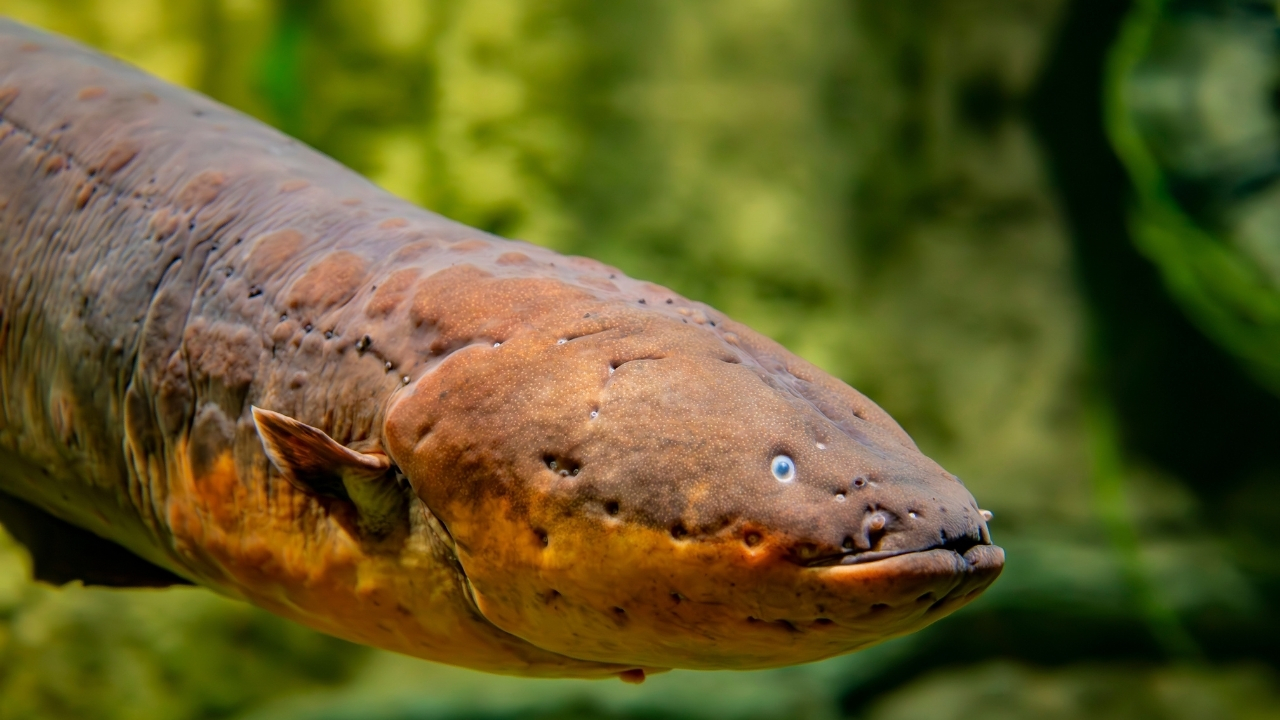
Electric eels aren’t true eels; they’re knifefish with a battery pack inside. They can deliver multiple discharges up to several hundred volts, strong enough to stun large animals and have been implicated in human drownings. Most of the time they save the big hits for defense, not hunting, but the risk to people is obvious. Take a full jolt while you’re chest-deep in a muddy creek and your muscles seize; if you go under, it doesn’t take long to inhale enough water to black out. Guides in some regions treat them with more respect than piranhas for exactly that reason.
6. Freshwater stingrays
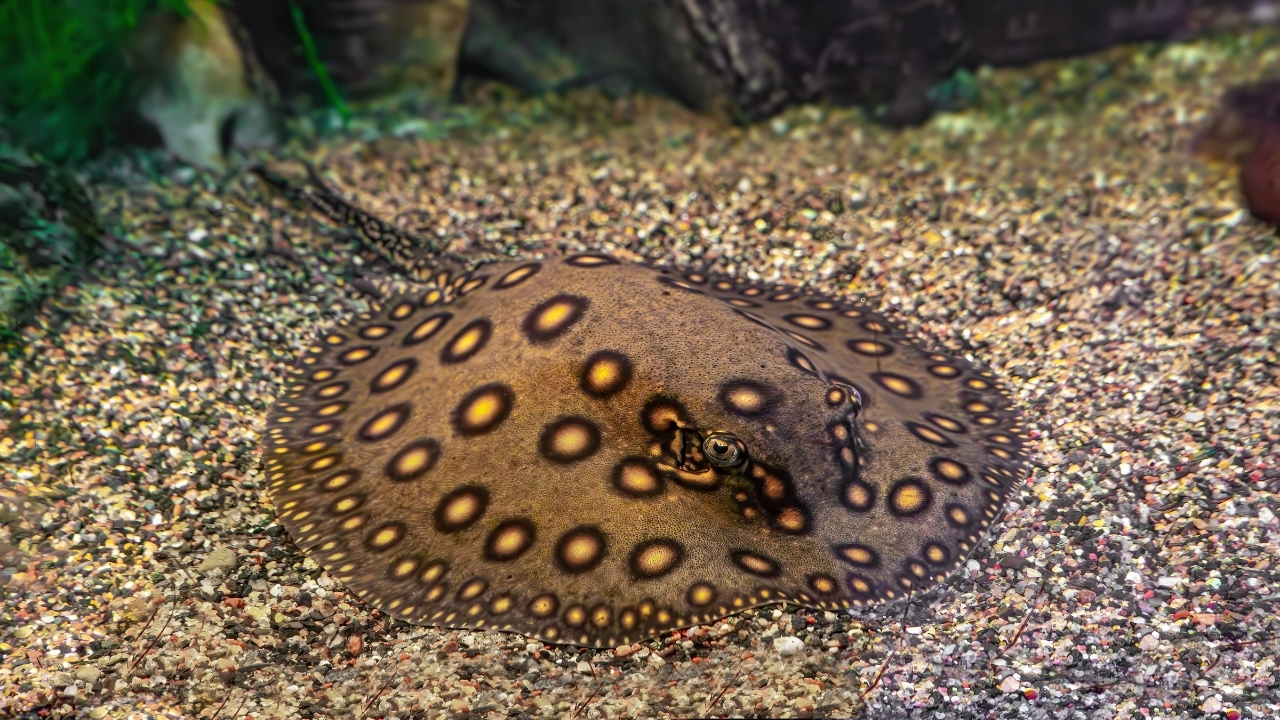
Amazon stingrays (Potamotrygon species) are the critters local folks actually fear day-to-day. They bury in sand or silt with only eyes showing, then drive a venomous spine into anything that steps on them. The sting is brutally painful and can cause tissue damage, infection, and, in bad cases, long-term disability. People wading barefoot or in flimsy sandals are the usual victims. It’s not a glamorous threat—you don’t get TV shows about “ray attacks”—but talk to anyone who’s spent a week limping around a river village after one sting, and they’ll tell you this is the hazard you plan around first.
7. Candiru (vampire catfish)
Candiru are tiny parasitic catfish with a reputation that outruns the hard data, but they’re still worth respecting. These transparent fish specialize in slipping into the gill chambers of larger fish and latching onto blood vessels with backward-facing spines. Documented attacks on humans are extremely rare and often debated, but when they do happen, removal usually means surgery. Real-world risk is low for normal river use, yet the cost of being one of the unlucky cases is high enough that most locals follow the same rule: don’t pee in the water, and don’t treat the candiru stories as pure campfire fiction.
8. Giant otter

Giant otters look playful in photos, but they’re apex predators in their own niche—fast, coordinated, and packing serious teeth. Groups hunt fish and small caimans, and they’ll defend dens and pups with a level of aggression that surprises newcomers. Most encounters stay at the loud, bluff-charge level, but they have put people in the hospital when boats or swimmers pushed too close. The danger jumps when someone corners one on land or tries to treat them like friendly mascots. Think of them as a river wolf pack with flippers: smart, social, and fully capable of turning defense into a real fight.
9. Arapaima (pirarucu)
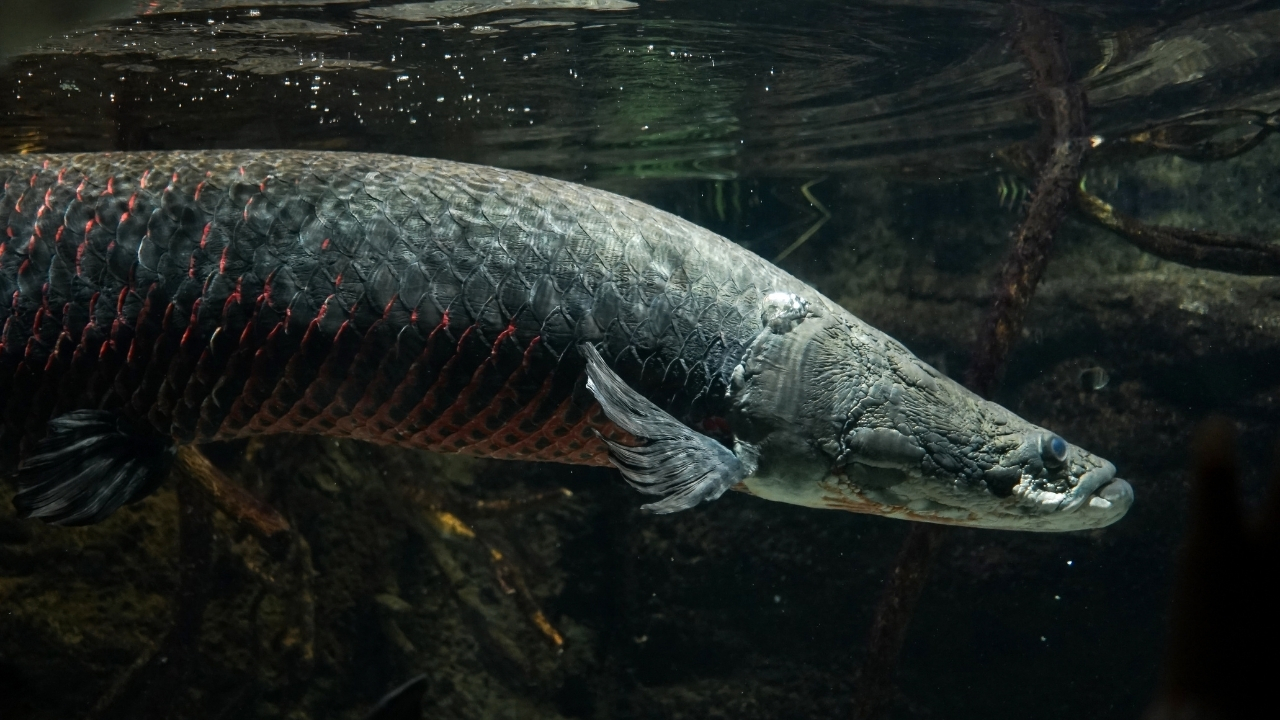
Arapaima are massive, air-breathing fish that can hit seven to ten feet and several hundred pounds, with armor-like scales. They’re not out there hunting people, but they can injure you by accident. A big arapaima launched at the surface to grab air or chase prey can smack a boat hard enough to knock someone overboard or break bones. Fishermen hauling them in on handlines or nets deal with thrashing bodies that can pulp fingers and arms. As with a lot of “dangerous” fish, the odds of being killed are low, but a bad interaction can ruin a remote trip in one hit.
10. Piraiba (giant catfish)
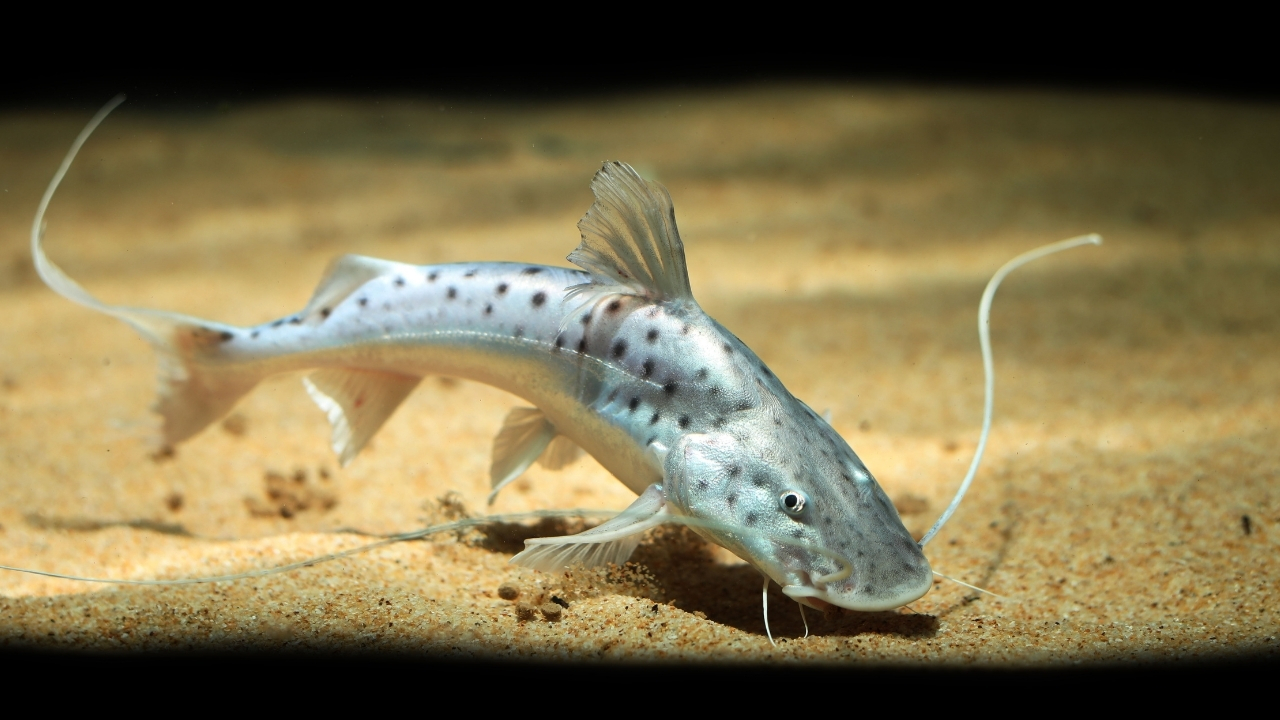
Piraiba are the Amazon’s giant catfish, capable of topping six feet and well over 200 pounds, with huge heads and mouths built to inhale prey. They’ve been blamed in local stories for dragging hooked anglers or careless bathers under, and while a lot of that is probably stretched, the physics are real. Hook a fish that outweighs you in current, and you’ve created a direct connection between your body and a moving boulder. Most risk comes from boats and lines: feet snared in loops, people leaning over too far on a hit, or hands pinned between fish and gunwale.
11. Redtail catfish
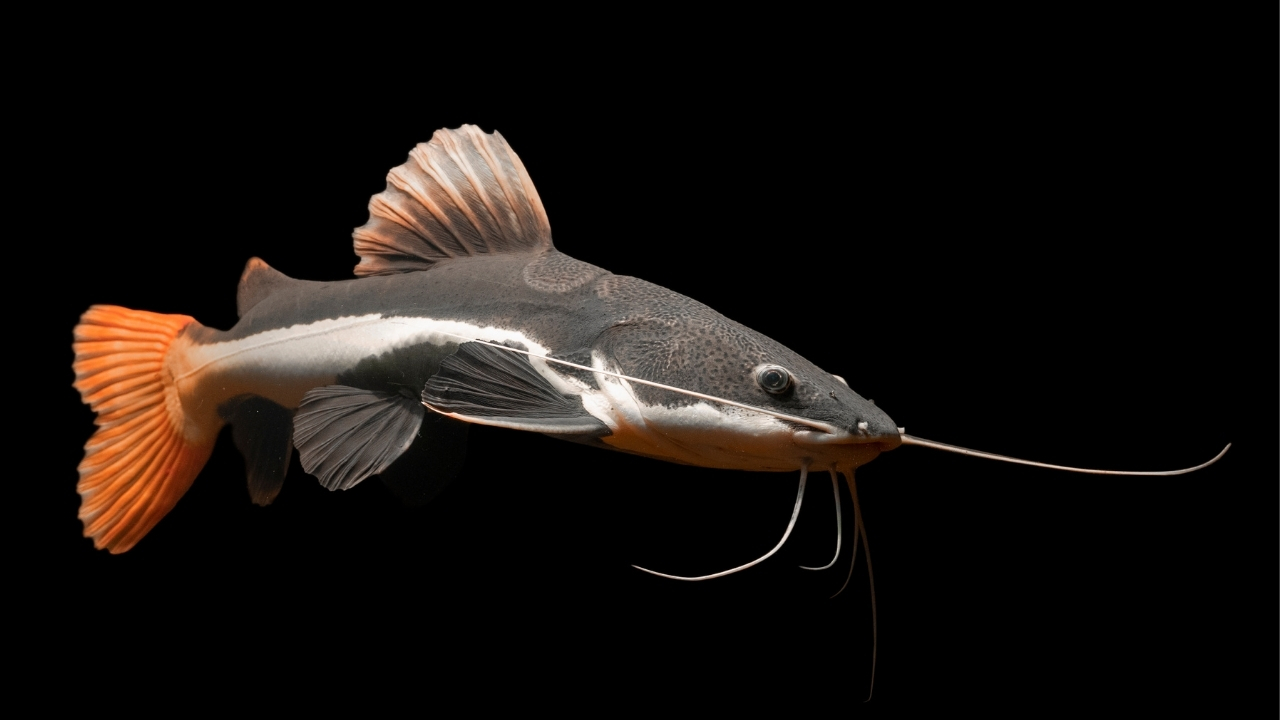
Redtail catfish aren’t as enormous as piraiba, but they’re still big, powerful predators that throw their weight around. Sport anglers target them because they fight hard, which is exactly why they can be dangerous. A strong run can rip rods from hands, yank anglers off balance in small boats, or drive hooks deep into skin when tension suddenly shifts. Their spines can also puncture badly if you grab them wrong. The real threat is more “industrial injury” than predation—big muscles, heavy gear, and moving water conspiring against you. Treat them like you’d treat any large, thrashing fish in tight quarters: with full respect.
12. Wolf fish (trahira)
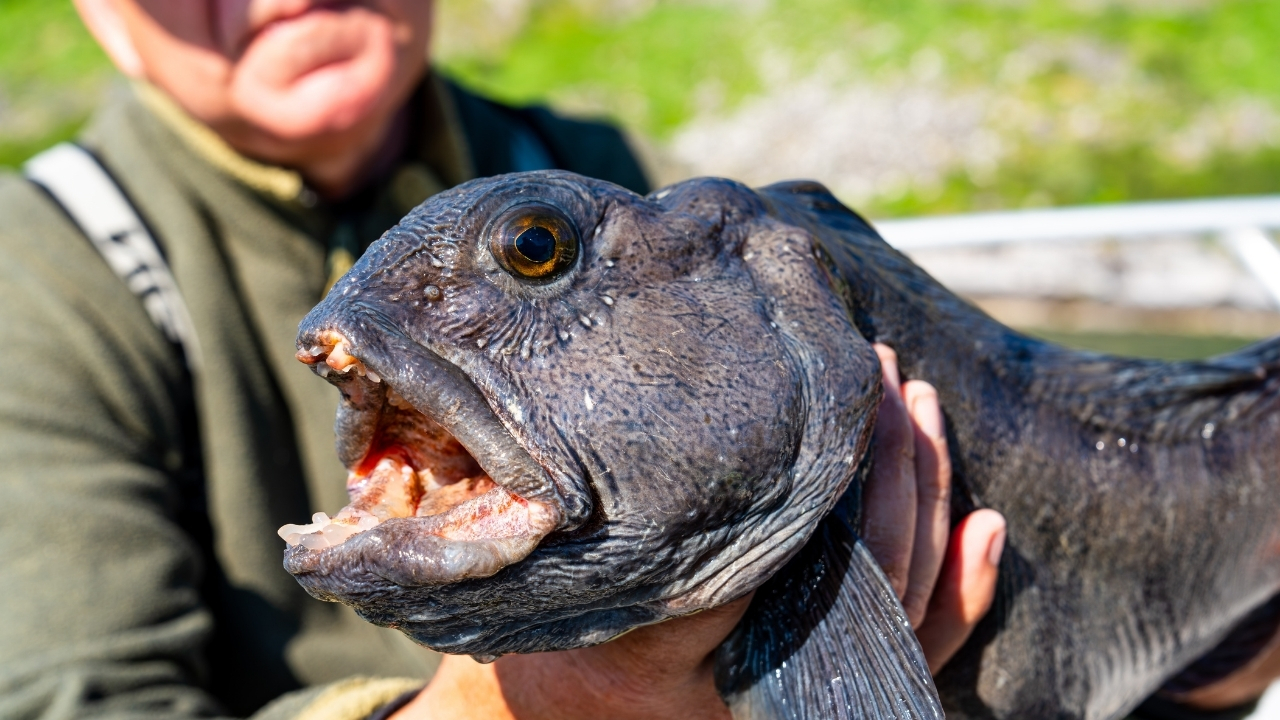
Wolf fish are ambush predators with thick bodies and serious jaws, hanging in slack water and structure until something edible wanders past. They’re not man-eaters, but their bite can shred fingers or hands if you lip them like a bass or try to free a hook bare-handed. Anglers who handle them carelessly are the usual victims. Local accounts talk about nasty lacerations, infections, and long healing times more than outright life-threatening injuries. Still, in a remote camp with limited first-aid options, one deep bite across knuckles can end your trip. In Amazon waters, small mistakes often matter more than the headline monsters.
13. Amazonian giant centipede
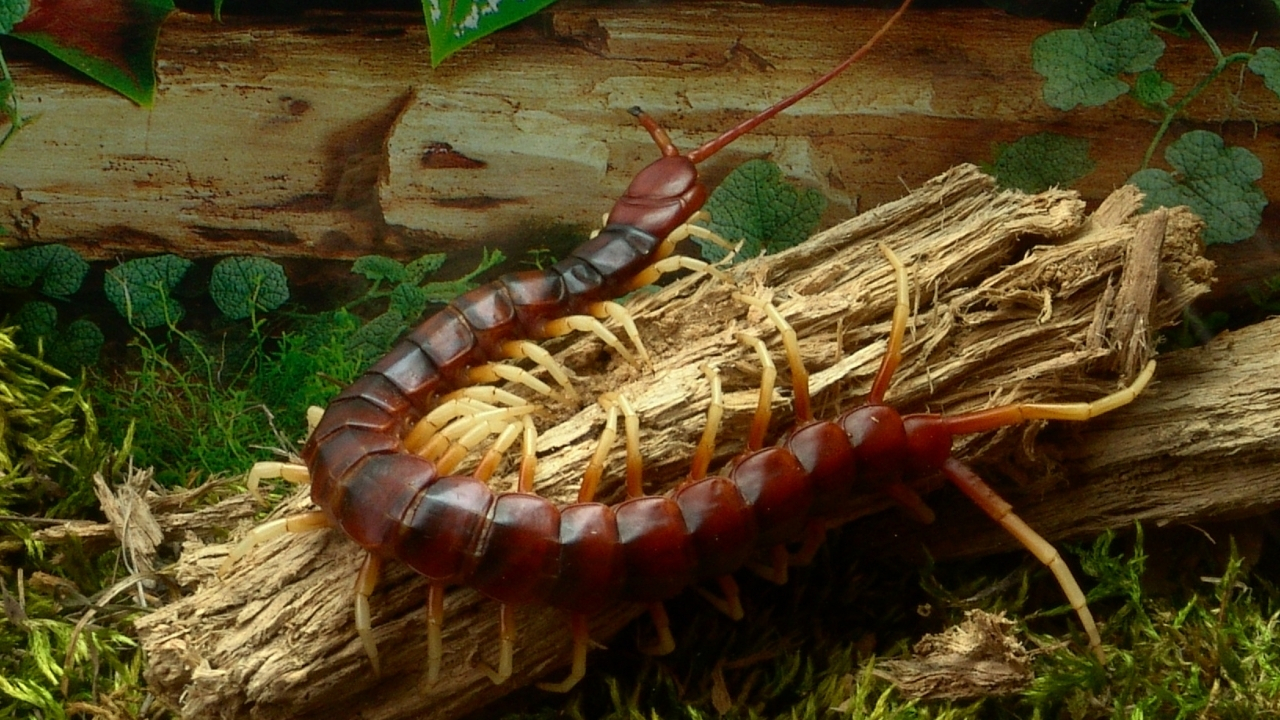
The Amazonian giant centipede isn’t a swimmer, but it’s common around riverbanks, camps, and driftwood where people sit, sleep, and reach without looking. These centipedes can approach a foot long and deliver venom strong enough to kill small animals and make humans pretty miserable—intense pain, swelling, fever, and weakness are all on the menu. Accidental bites happen when someone rolls onto one in a hammock, slides a hand into a shoe, or grabs a log. The centipede doesn’t care that you’re on a “river trip.” To it, you’re just something big that pinned it in place, and the only answer is fangs.
14. Brazilian wandering spider
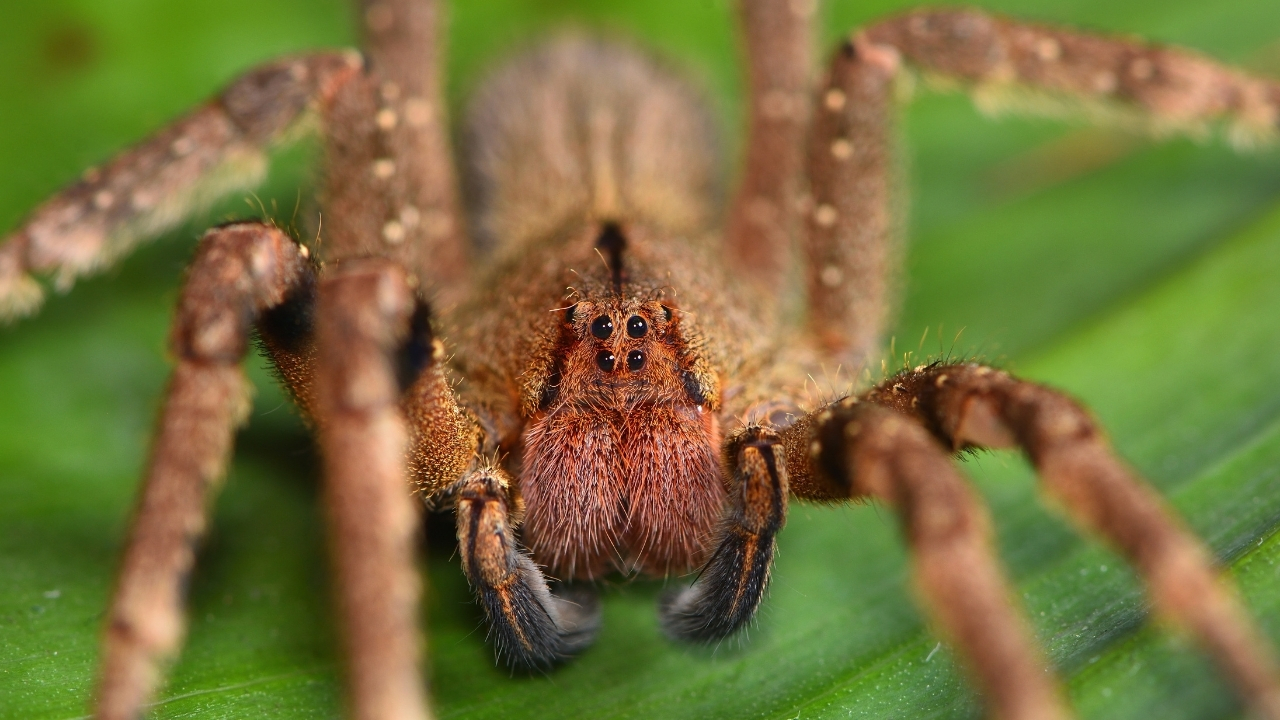
Brazilian wandering spiders haul a scary reputation for a reason: potent venom, defensive attitude, and a habit of roaming instead of sitting in webs. They’re forest-floor and vegetation hunters, but anyone camping close to the water can cross paths with them in gear, clothing, or boats. Most bites aren’t fatal with modern treatment, yet they can cause serious pain, systemic symptoms, and a memorable trip to whatever clinic you can reach. The lesson is basic: in Amazon camps, you shake out boots, check sleeping bags, and don’t grab anything in the dark you haven’t seen first.
15. Bullet ant
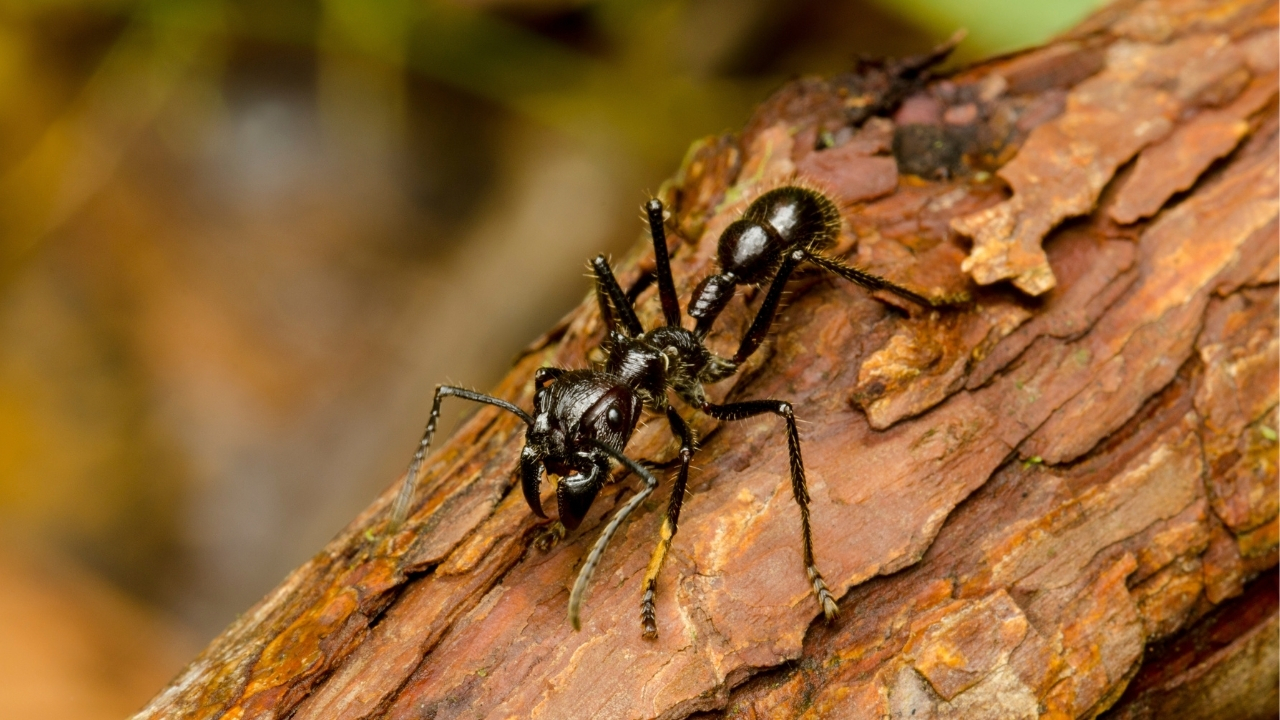
Bullet ants live in trees and along trunks in lowland rainforest, often right above or beside the trails and landing spots people use. Their sting ranks as one of the most painful insect hits on the planet, with pain that can last 24 hours or more. You’re not likely to die from a bullet ant, but stack a few stings on top of dehydration, infection, or a long paddle out and you’ve got a genuine medical problem. Fishermen, loggers, and travelers brushing against nest trees are common targets. In Amazon country, “not usually fatal” still isn’t something you want clinging to your ankle.
Like The Avid Outdoorsman’s content? Subscribe to our newsletter so you never miss an article.
Here’s more from us: