Photo credit: Jason Tome/Youtube
A rifle doesn’t have to be new to be useful. It doesn’t need a chassis stock, oversized bolt knob, wild finish, or cartridge that sounds like it was named in a lab. Plenty of older hunting designs still work because they were built around real needs: carry well, feed reliably, shoot straight, and make sense in the country where they’re used.
Some designs stick around because nostalgia keeps them alive. Others stick around because they still flat-out work. These rifles prove old hunting ideas aren’t done yet.
Winchester Model 94
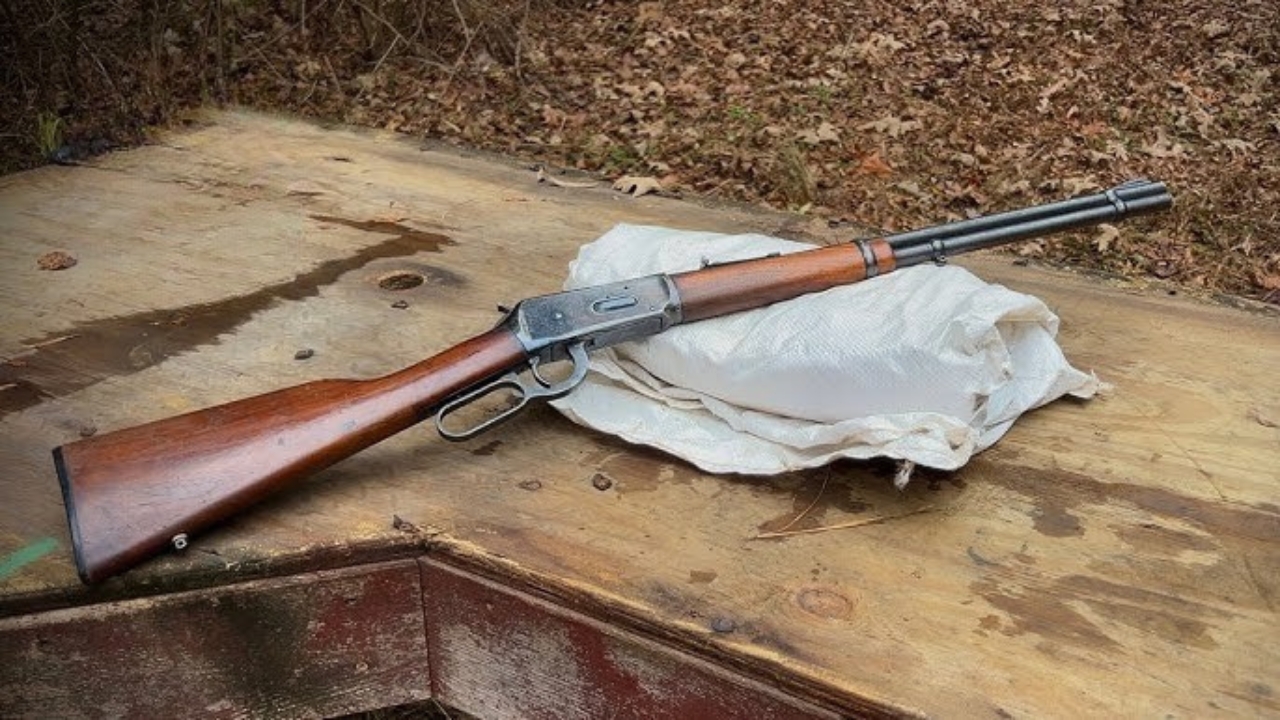
The Winchester Model 94 is one of the clearest examples of an old hunting design that still has a job. It’s light, quick, and easy to carry in thick woods. In .30-30 Winchester, it has put more deer in freezers than plenty of newer cartridges ever will.
No, it isn’t a long-range rifle. That’s never been the point. The Model 94 shines where shots are close, cover is tight, and a rifle needs to come to the shoulder fast. It carries beautifully, points naturally, and gives hunters enough power for normal woods distances. Modern rifles may beat it on paper, but paper doesn’t matter much when a buck steps out at 60 yards.
Marlin 336

The Marlin 336 proves the classic lever-action deer rifle still has plenty of life left. Its solid-top receiver and side ejection make scope mounting easier than on some older lever designs, which helped it stay practical as hunters’ eyesight and preferences changed. That alone kept it relevant for generations.
In .30-30 Winchester or .35 Remington, the 336 remains one of the most useful timber rifles around. It isn’t trying to be sleek, futuristic, or flashy. It’s handy, reliable, and built for the distances where many hunters actually shoot deer. A good 336 reminds you that old designs survive when they match real hunting conditions instead of chasing imagined ones.
Savage Model 99

The Savage Model 99 was ahead of its time in ways that still matter. It gave hunters lever-action handling with a stronger action and a magazine system that could use pointed bullets in many versions. That made it more versatile than traditional tube-fed lever guns.
The 99 still feels useful because it sits in a sweet spot between old-school handling and more modern cartridge performance. Chamberings like .300 Savage, .250-3000 Savage, and .308 Winchester gave hunters real reach in a rifle that carried quickly. It’s more complex than a basic lever gun, and used condition matters, but the design still proves old doesn’t always mean outdated.
Remington Model 7600
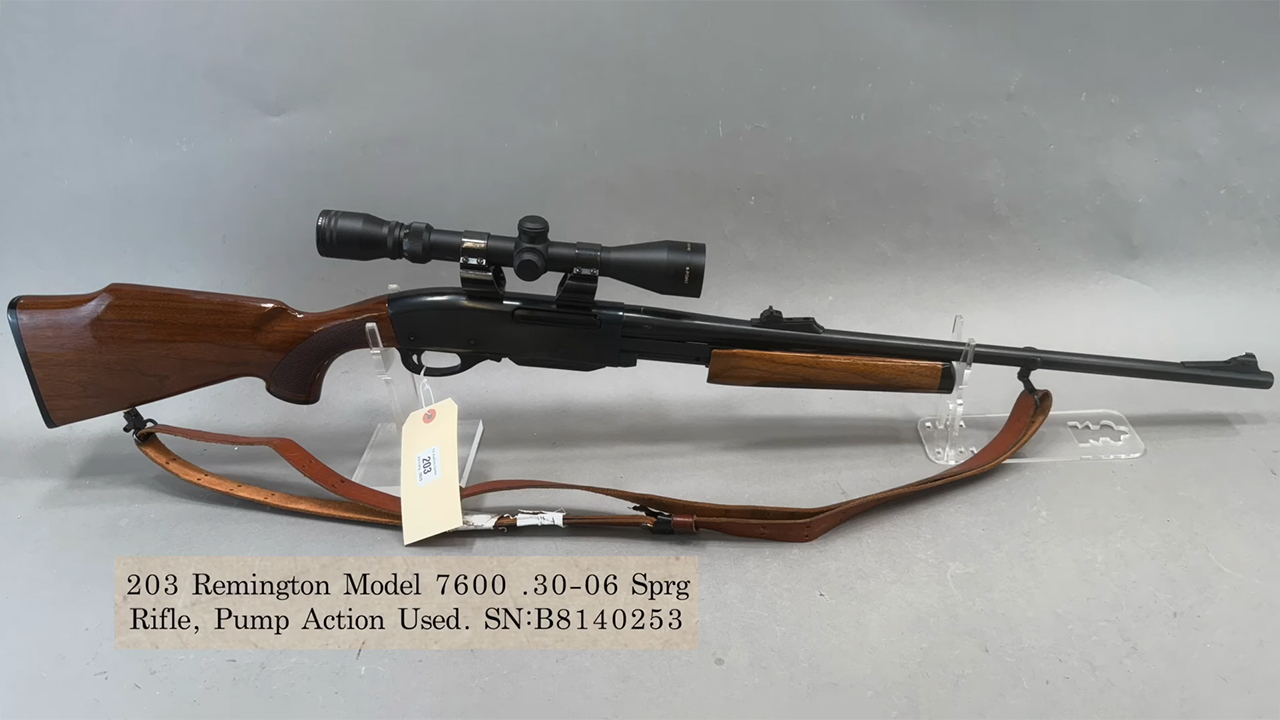
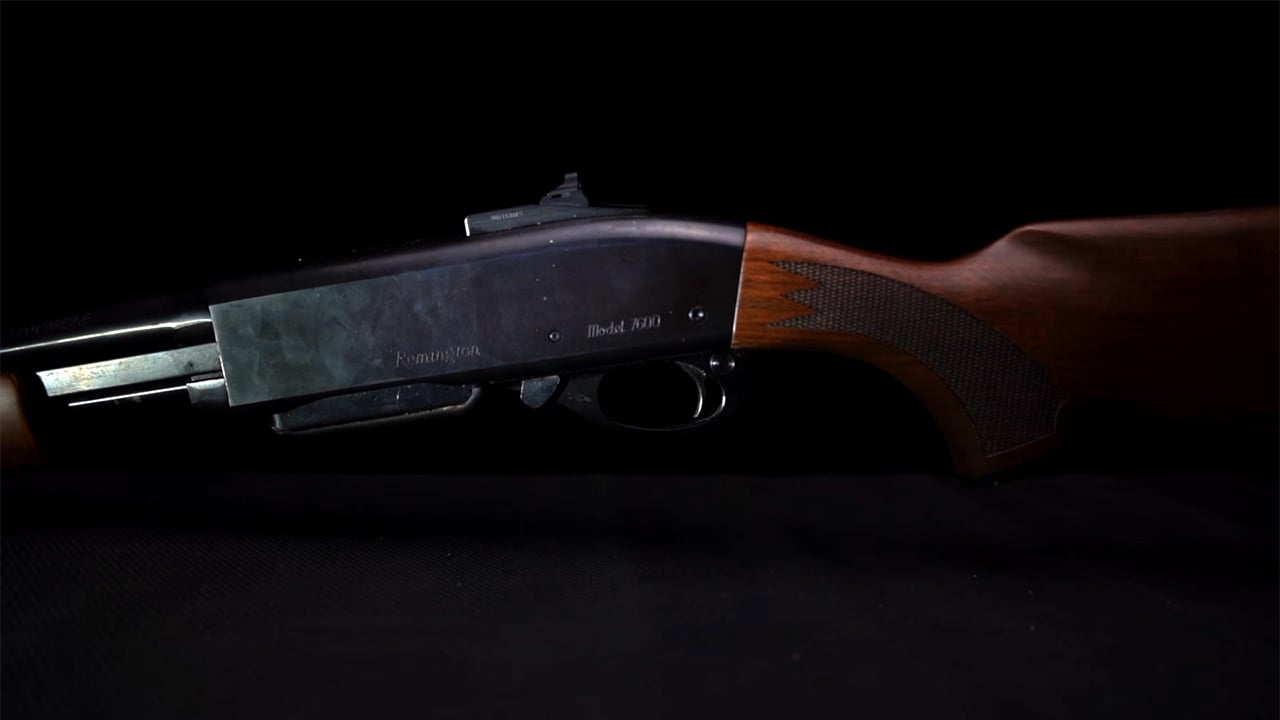
The Remington Model 7600 keeps proving that a pump-action centerfire rifle still makes sense in the right country. Hunters who grew up running pump shotguns often feel at home with it immediately. That matters during deer drives, thick-cover hunts, and quick follow-up situations.
The 7600 gives hunters serious rifle chamberings with fast cycling and familiar handling. It may not have the benchrest reputation of a good bolt-action, but it was never built mainly for bench shooting. It was built for real woods hunting where things happen fast. In places where moving deer and close windows are part of the hunt, the old pump-rifle idea still works.
Ruger No. 1
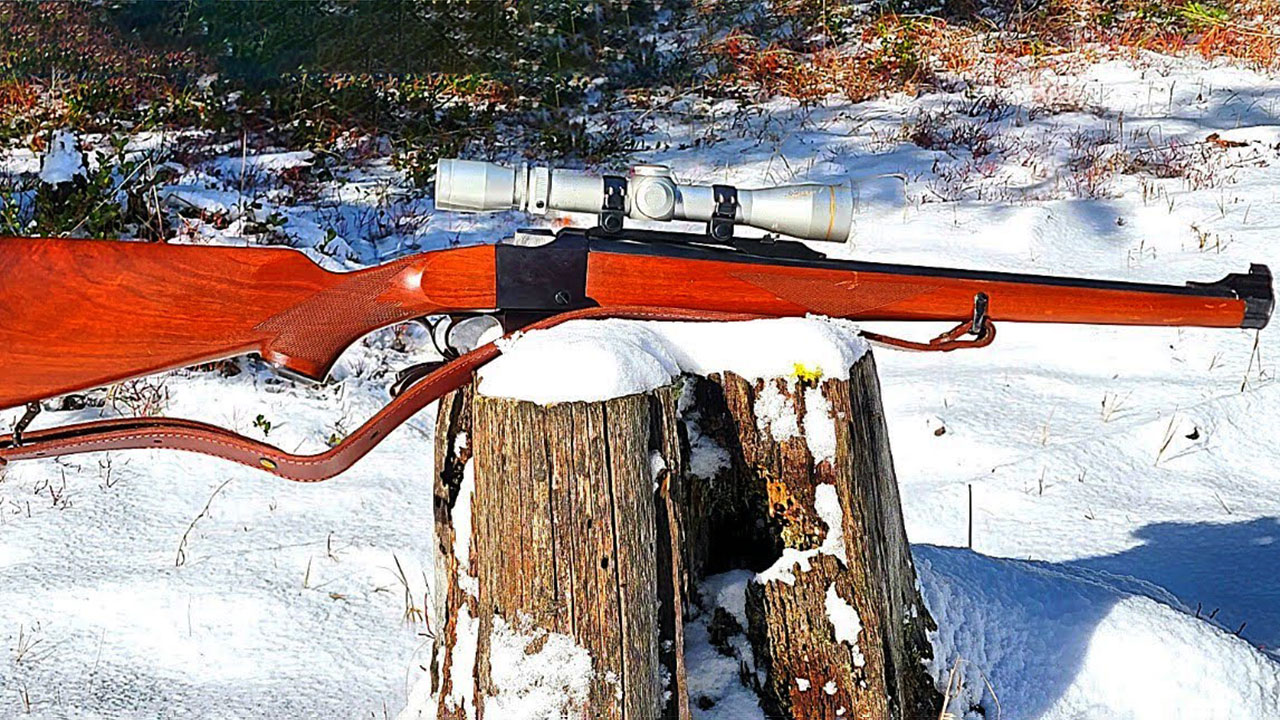
The Ruger No. 1 proves a single-shot hunting rifle still has a place, even in a world obsessed with capacity and speed. It’s a falling-block rifle with a strong action, compact overall length, and a slower, more deliberate style of shooting. That turns some hunters away, but it’s exactly what others like.
The No. 1 forces a hunter to value the first shot. That’s not a bad lesson. It has been chambered in everything from mild deer rounds to serious big-game cartridges, and the short action lets it carry a full-length barrel without feeling overly long. It’s not the most practical rifle for every hunt, but it still has real field value for hunters who know their limits.
Browning BLR
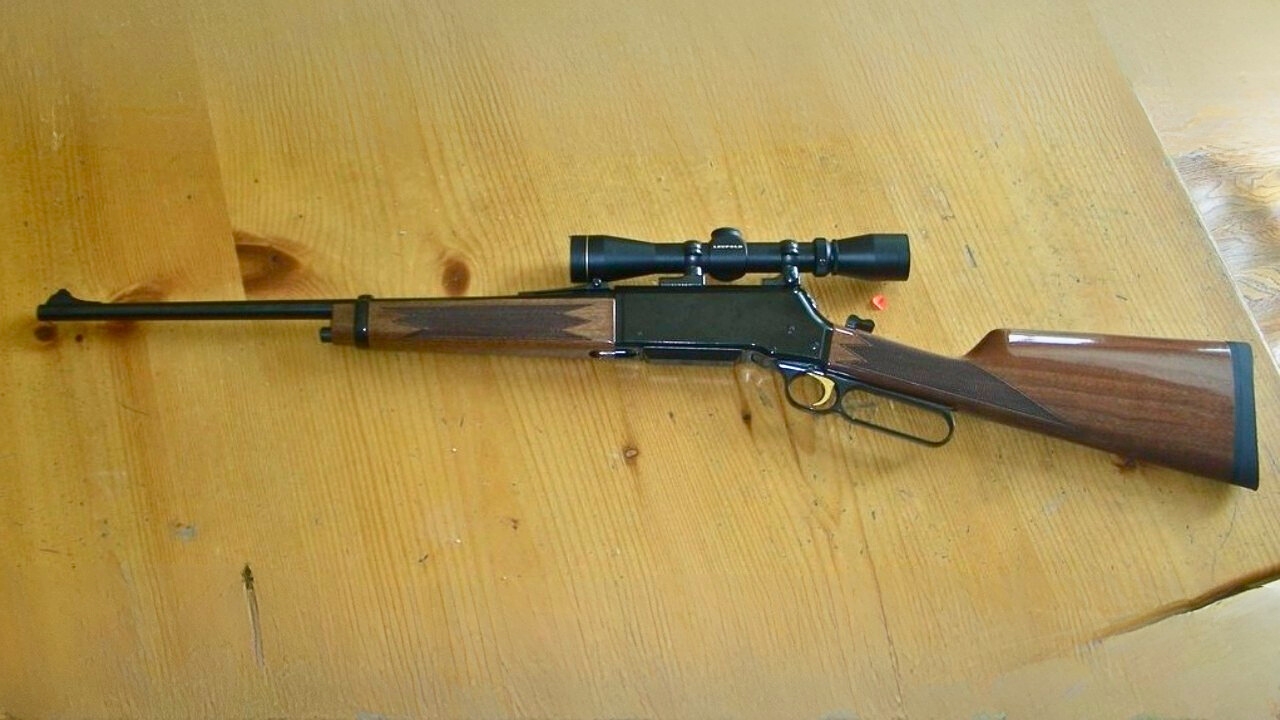
The Browning BLR is an older idea with a smarter twist. It keeps the quick handling and familiar feel of a lever-action but uses a rotating bolt and detachable magazine so it can handle modern pointed-bullet cartridges. That gives it a practical edge over more traditional tube-fed designs.
For hunters who like lever guns but want cartridges like .243 Winchester, .308 Winchester, or 7mm-08 Remington, the BLR still makes sense. It’s more mechanically complex than a Marlin or Winchester lever-action, but the complexity serves a real purpose. The design proves that lever-action rifles didn’t have to stop evolving just because bolt-actions became dominant.
Winchester Model 88
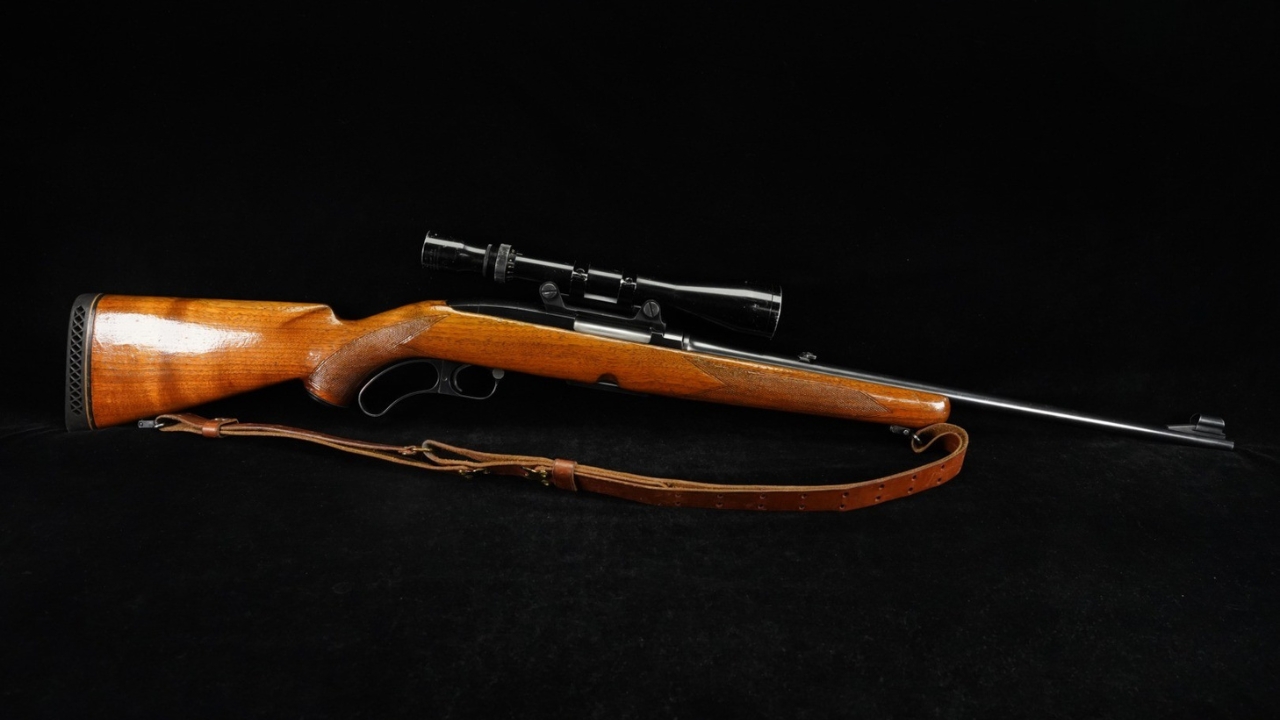
The Winchester Model 88 is another rifle that shows old lever-action thinking still had room to grow. It used a rotating bolt and detachable magazine, allowing pointed bullets and modern hunting cartridges in a sleek lever-action package. It never became as common as simpler designs, but it earned a loyal following.
The Model 88 still feels useful because it handles fast without giving up too much ballistic performance. A hunter can carry it like a lever gun but shoot cartridges better suited to open fields and mixed terrain. It has quirks, and condition matters on used rifles, but the concept remains strong. It was an old hunting idea pushed forward in a smart way.
Mannlicher-Schoenauer Carbine
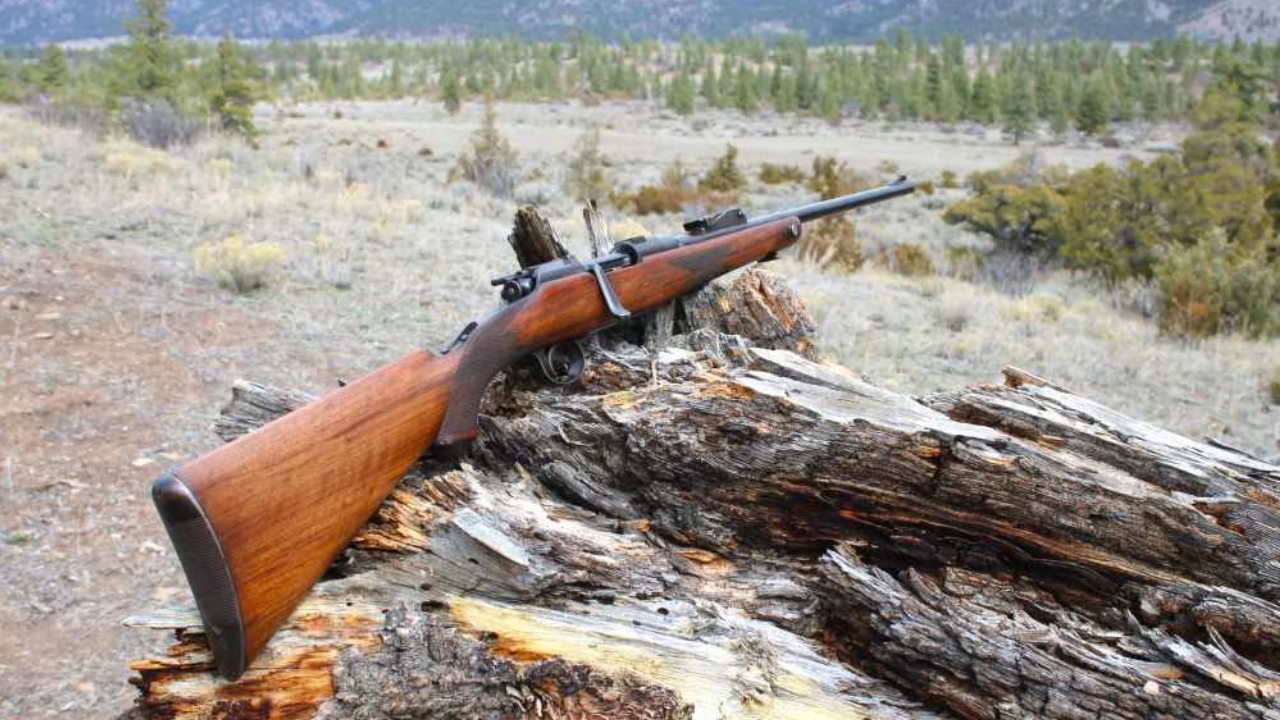
The Mannlicher-Schoenauer Carbine proves that smooth feeding and excellent handling never go out of style. Its rotary magazine and slick action made it one of the most refined sporting rifles of its time. It doesn’t look like a modern American deer rifle, and that’s part of the appeal.
These rifles carry beautifully and point naturally, especially in carbine form. They were built for hunters who valued balance, quick shooting, and mechanical smoothness. Parts and collector concerns make them less practical as rough everyday rifles now, but the design still teaches a lesson. A hunting rifle that handles well in the field can stay relevant long after newer specs pass it by.
Mauser 98 Sporter

The Mauser 98 sporter may be one of the most proven hunting rifle ideas ever built. The military action was strong, reliable, and trusted all over the world, and when converted into sporters, it became the foundation for countless big-game rifles. Controlled-round feed and a large claw extractor still mean something to hunters.
Not every sporterized Mauser is equal. Some were built beautifully, while others were hacked together. But a good Mauser sporter still feels like a serious hunting rifle. It feeds with authority, handles rough conditions, and carries a reputation built on real-world use. Modern rifles may be lighter and more accurate out of the box, but the Mauser design still has work left in it.
Lee-Enfield Sporter
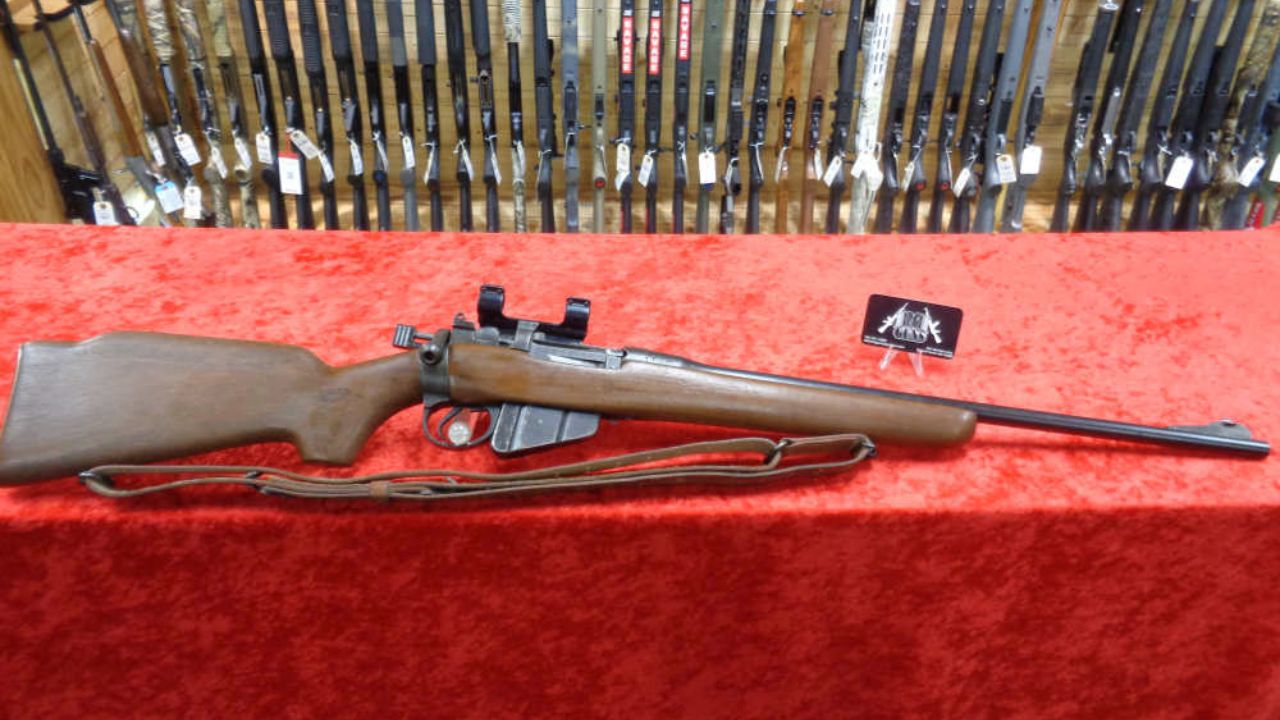
The Lee-Enfield sporter is one of those old hunting designs that proves usefulness can outlast beauty. Many military Enfields were cut down, restocked, and carried by hunters who needed affordable rifles with fast actions. Some sporters were crude, but the underlying rifle had real strengths.
The Enfield action cycles quickly, the magazine capacity is generous, and cartridges like .303 British have taken plenty of game. These rifles aren’t as polished as purpose-built sporting rifles, and condition varies wildly. But in the hands of hunters who understand them, they can still work. The design proves an old service rifle can become a practical hunting tool when expectations stay realistic.
Remington Model 700 BDL

The Remington 700 BDL isn’t ancient, but it represents a classic hunting-rifle formula that still works: bolt-action reliability, walnut stock, blued steel, hinged floorplate, and a familiar American sporter profile. Newer rifles may be lighter and cheaper, but many don’t feel as complete.
A good 700 BDL still has a place because it offers accuracy, parts support, and traditional field handling. The action has been the basis for endless hunting rifles and custom builds, which says plenty. Not every production era is equal, so used buyers should inspect carefully. But the design itself remains useful. A classic bolt-action sporter still handles most hunting needs without pretending to be something else.
Winchester Model 70
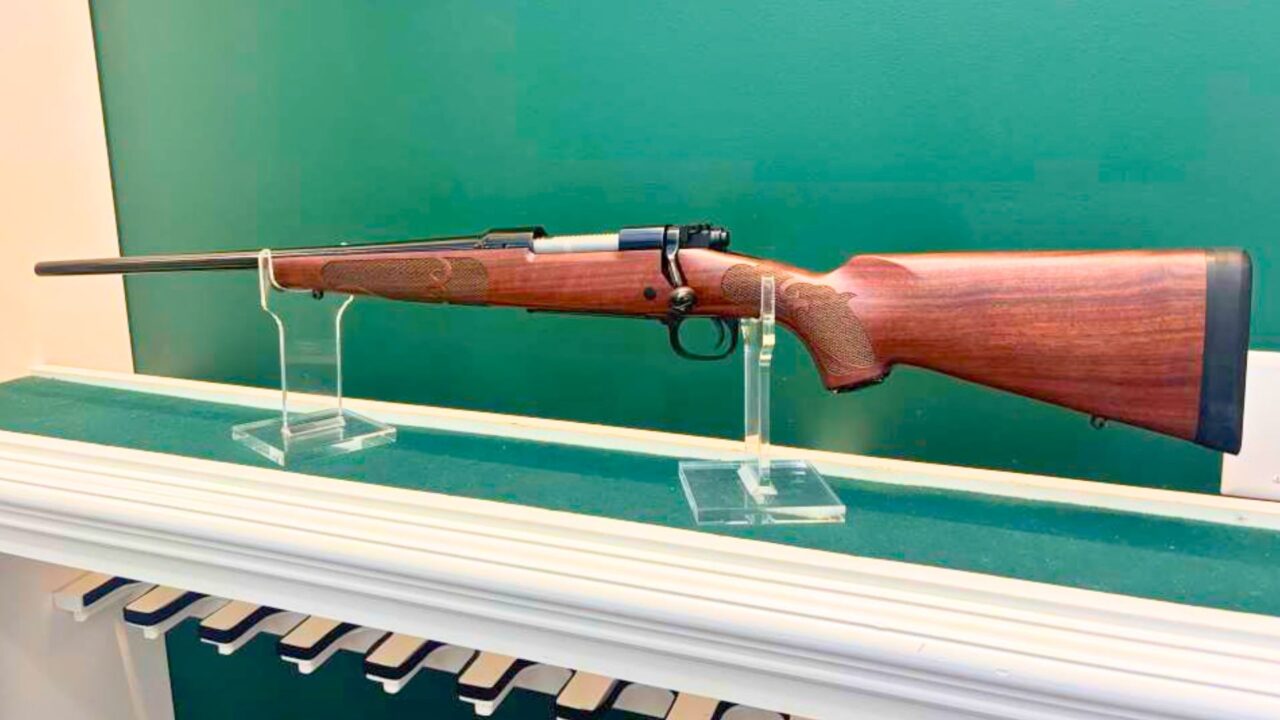
The Winchester Model 70 proves old hunting designs survive when the details are right. The three-position safety, controlled-round-feed action on classic versions, strong extractor, and traditional stock lines all helped build its reputation as a serious hunting rifle. Those ideas still matter.
A Model 70 doesn’t need to be trendy to inspire confidence. It feeds cleanly, carries well, and gives hunters a familiar system that works in rough country. Modern versions have changed over time, but the basic appeal remains. Hunters still trust the Model 70 because it feels built around field use first. That’s the kind of design that doesn’t age out easily.
Marlin 1895

The Marlin 1895 shows that a big-bore lever gun still has real hunting value. In .45-70 Government, it offers heavy close-range power in a short, handy rifle. That matters for thick woods, hogs, black bear, and places where shots are close but authority matters.
This is not a flat-shooting western rifle, and it doesn’t need to be. The 1895 works because it carries smaller than its power suggests and cycles faster than most bolt guns. It has enough old-school simplicity to feel familiar and enough punch to stay relevant. Modern rifles may offer better long-range numbers, but the 1895 still owns its close-cover lane.
Browning BAR
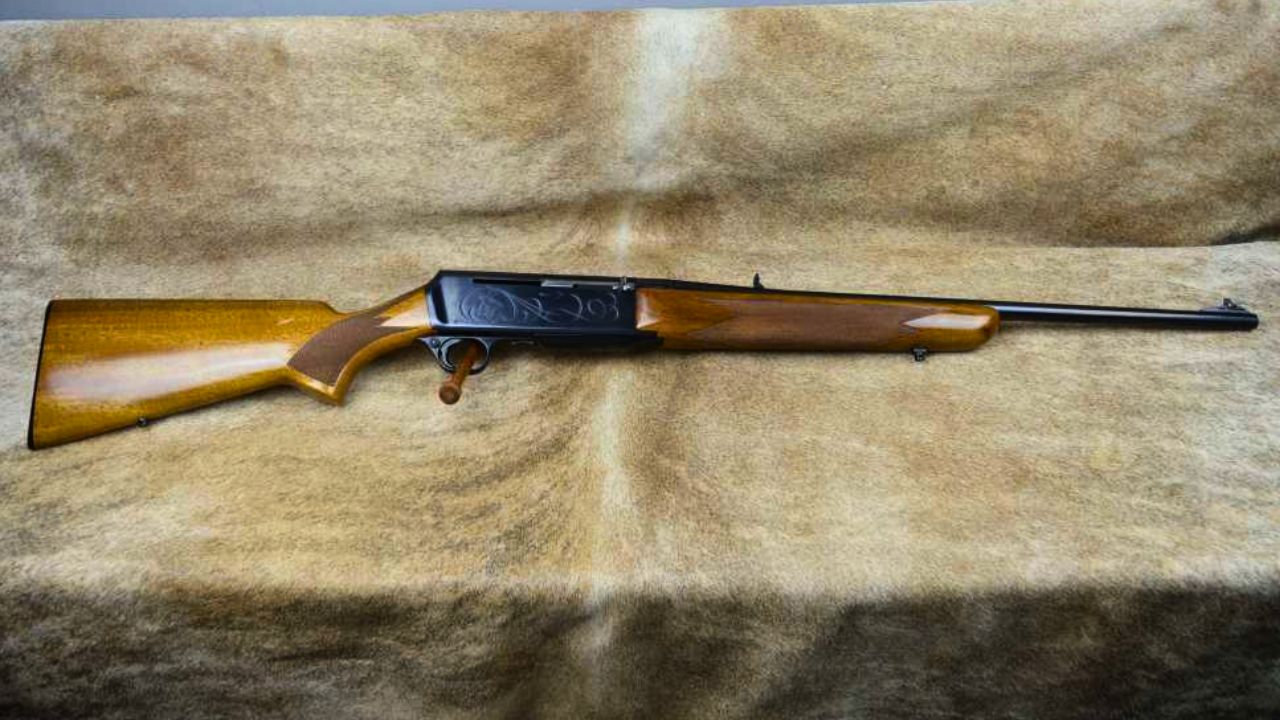
The Browning BAR keeps proving that the sporting semi-auto hunting rifle still has a role. It gives hunters quick follow-up shots in real hunting chamberings while still feeling like a field rifle instead of a tactical platform. That distinction matters to a lot of deer and hog hunters.
The BAR is especially useful where animals move fast or multiple shots may be needed quickly. It’s heavier and more mechanically involved than a bolt-action, but the tradeoff is speed and soft-shooting confidence. Hunters who use them well understand the appeal. The old semi-auto hunting rifle idea still works when it’s built around the field instead of the firing line.
Henry Long Ranger
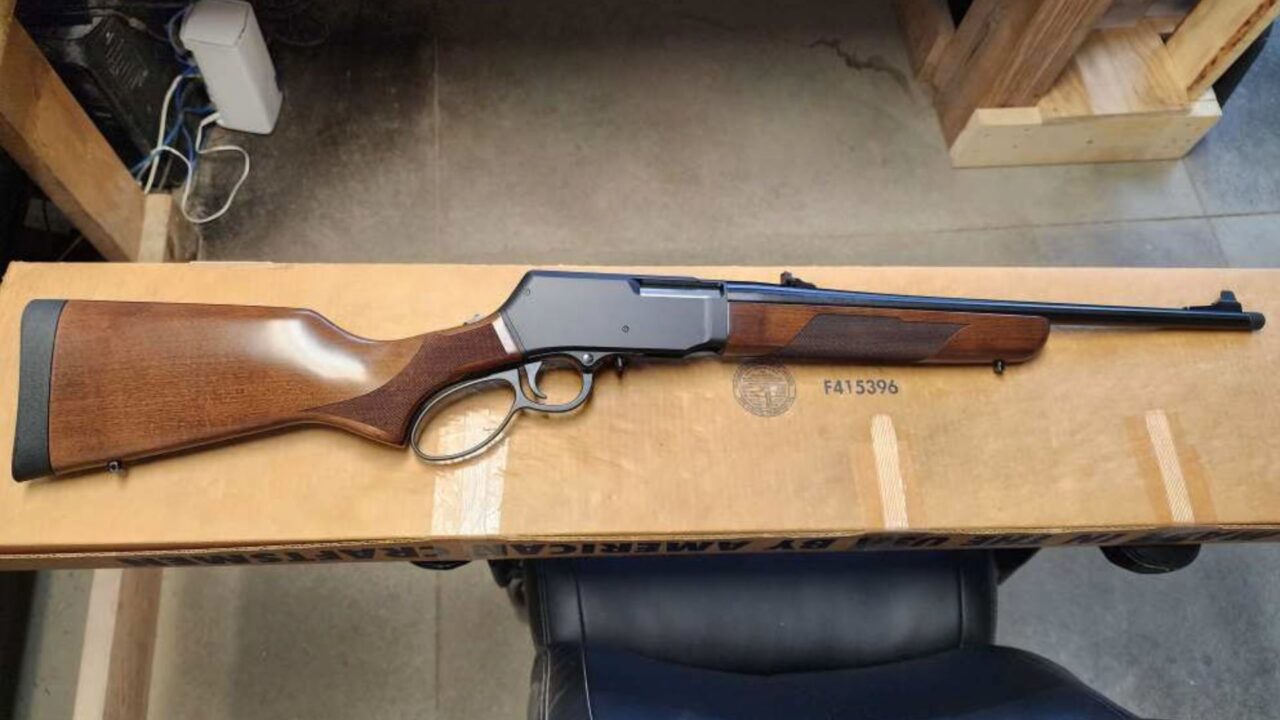
The Henry Long Ranger proves old hunting designs can still be updated without losing the point. It keeps the lever-action feel but uses a geared action and detachable magazine so it can chamber modern pointed-bullet cartridges like .243 Winchester, .308 Winchester, and 6.5 Creedmoor.
That makes it useful for hunters who like lever guns but need more reach than traditional tube-fed rifles offer. It isn’t trying to replace every bolt-action. It’s giving lever-action hunters another option. That’s why the design works. It takes an old idea and makes it practical for more country without turning it into something unrecognizable.
Like The Avid Outdoorsman’s content? Subscribe to our newsletter so you never miss an article.
Here’s more from us: