Photo credit: MaxShutter/Shutterstock.com
Some rifles make you dread maintenance—not because they’re hard to clean, but because you know something’s getting stripped before you’re done. Soft receiver threads, cheap screws, or poor metal heat-treating turn a five-minute job into a full-blown project. You start carefully, use the right torque, and still feel that sickening “give” as a screw spins free. These rifles aren’t bad shooters, but they’ve earned reputations for fast-wearing hardware that won’t hold up over years of takedowns and cleanings. Once those threads go, you’re reaching for a helicoil or the gunsmith’s number. If you’ve owned one of these, you know the sound that ruins your day—the one that says your rifle’s had enough screwdriver torque for a lifetime.
Remington 783
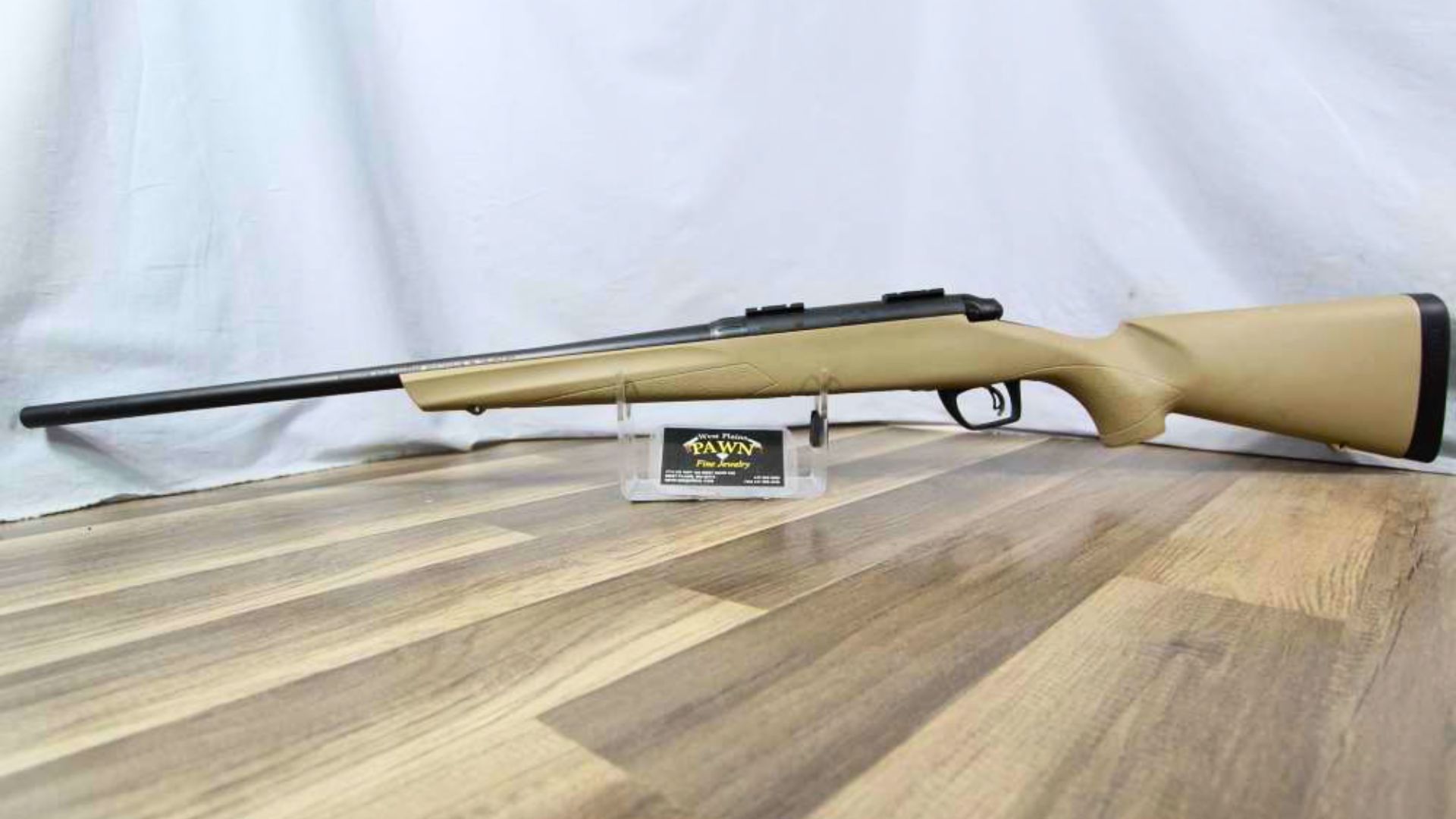
The Remington 783 is a solid budget rifle that shoots surprisingly well for the price, but its screws are notoriously soft. Many owners have stripped action screw heads or receiver threads while doing routine maintenance. The problem stems from cheap hardware and shallow thread engagement, which don’t tolerate repeated tightening.
Even when using a proper torque wrench, it doesn’t take much to pull threads out of the receiver or deform the screws. Once that happens, the rifle loses its bedding pressure and accuracy goes with it. If you own a 783, upgrading to quality aftermarket screws is almost mandatory before your first detailed cleaning.
Savage Axis
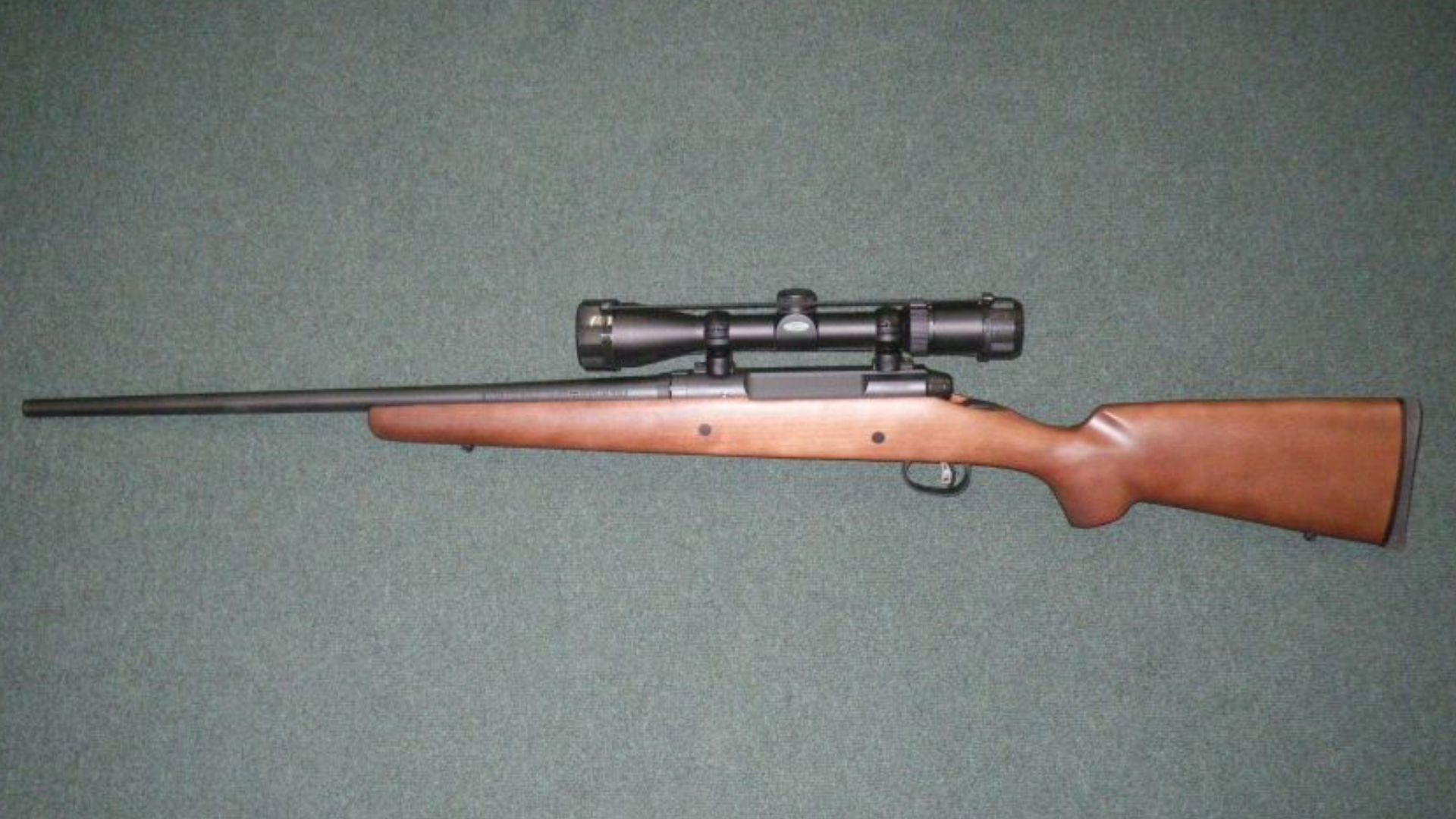
The Savage Axis earned a reputation for value, but the stock hardware is as soft as it comes. The action screws, base screws, and even trigger-guard fasteners have been known to strip after just a few cleanings. Many owners end up replacing them within a year.
The problem is compounded by the rifle’s polymer stock, which flexes under pressure and encourages overtightening. Once the threads pull out, your torque settings mean nothing. The Axis can shoot well when it’s tight and true—but every disassembly risks losing that consistency. If you plan to clean it often, steel replacements are worth the few extra dollars.
Mossberg Patriot
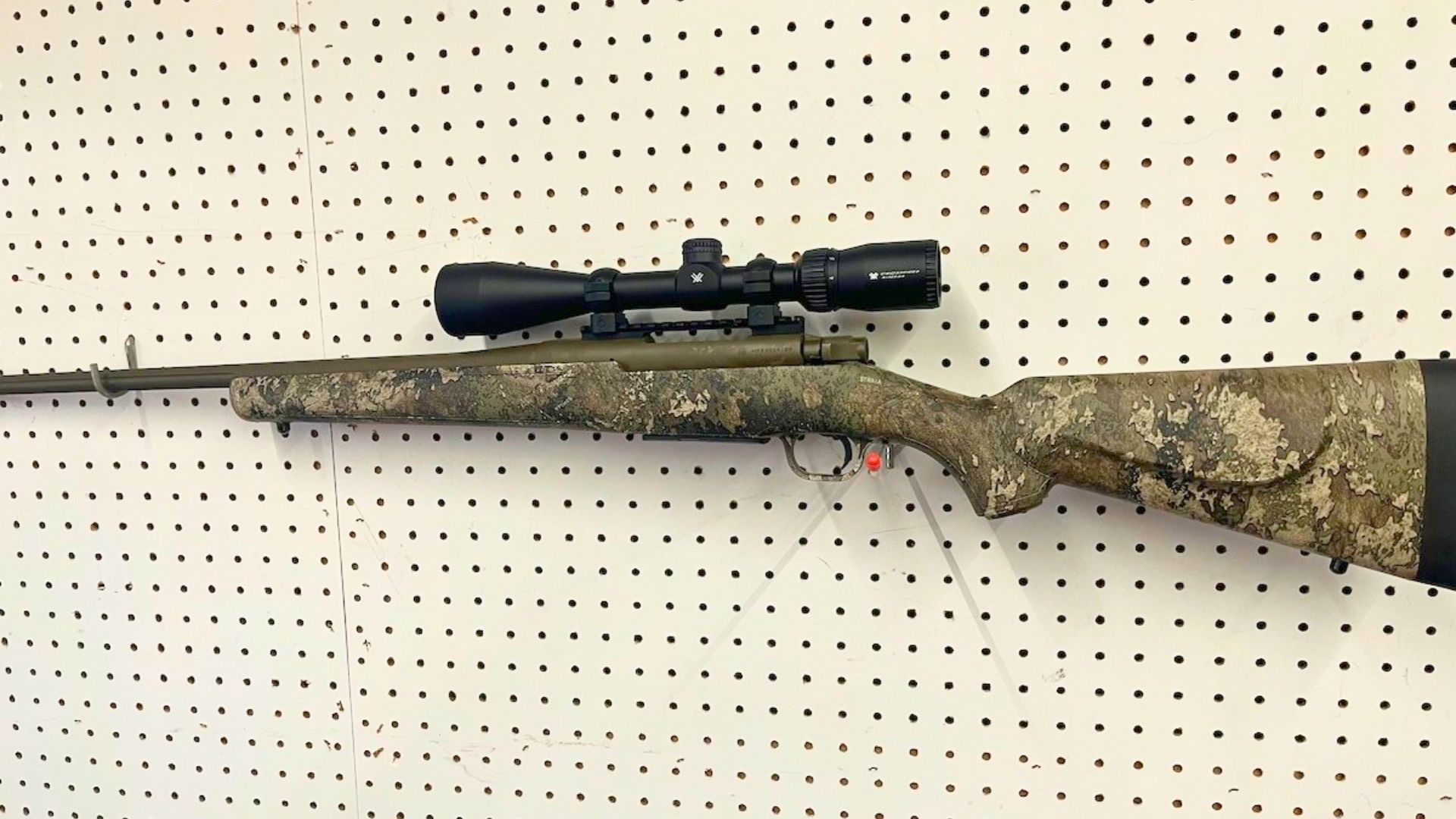
The Mossberg Patriot is light, accurate, and affordable—but its hardware doesn’t hold up to frequent disassembly. The action screws tend to strip their heads, and the receiver threads themselves can pull if you over-torque them by even a few inch-pounds.
It’s not uncommon for Patriot owners to find loose bases or guard screws after just a few range trips. Once that happens, the rifle starts losing zero and stock fitment. You can fix it with better screws and careful torque control, but out of the box, this rifle doesn’t handle frequent cleanings gracefully.
Ruger American

The Ruger American is one of the best values in the hunting world, but its combination of polymer stock and soft receiver hardware makes it vulnerable. The rear action screw, in particular, tends to strip its threads if removed and reinstalled too often.
Part of the issue lies in the bedding block system, which doesn’t distribute tension evenly when over-torqued. Once those threads pull, you’re in for a permanent accuracy problem. The rifle can still perform, but it’ll never feel tight again. If you own one, resist the urge to “snug” the screws past spec—it’s a one-way ticket to stripped metal.
Remington 770
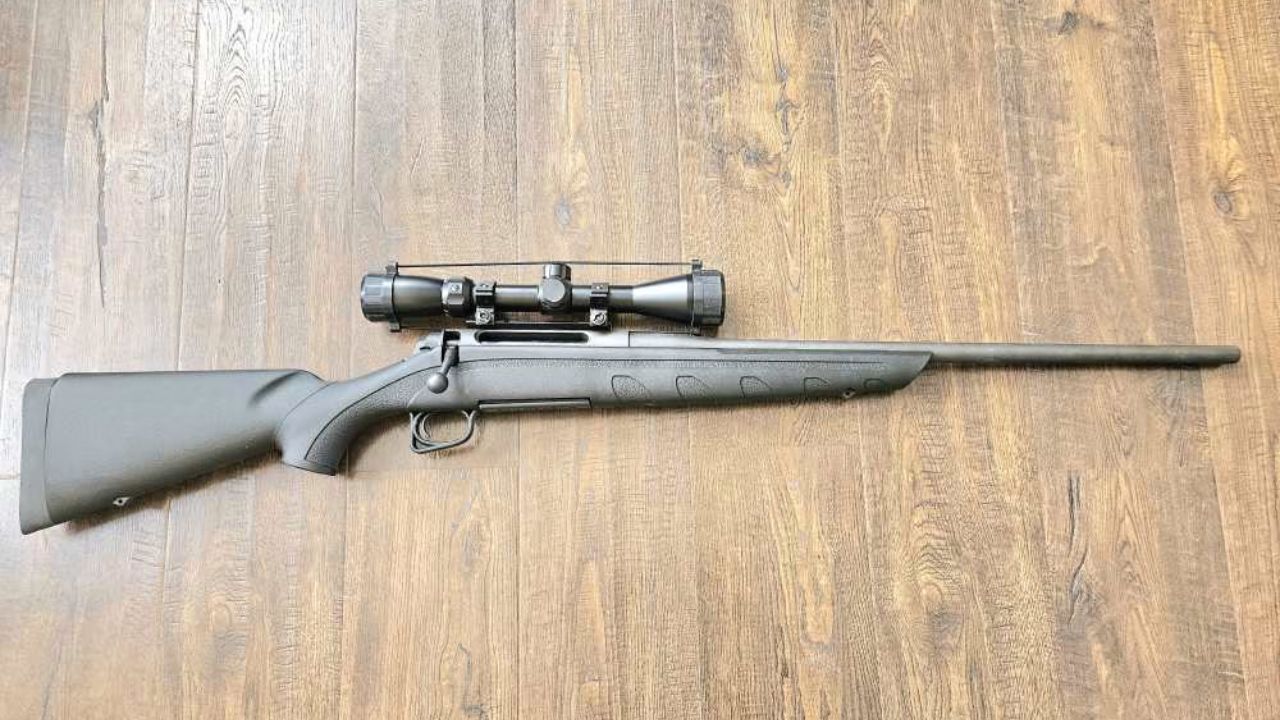
The Remington 770 was never known for durability, and its screws are a perfect example. Between the pot-metal receiver and soft hardware, this rifle strips faster than anything in its class. Even careful cleaning can end with one of the scope base screws spinning uselessly.
Once the threads in the receiver go, there’s little you can do without professional repair. Most owners who’ve worked on one agree—torque wrenches don’t help when the threads are softer than the screwdriver. It’s a rifle that proves why cutting corners on materials never pays off.
Savage 110 (early budget models)

Older budget versions of the Savage 110 used hardware that wore quickly. The screw heads were prone to rounding, and the stock inletting allowed for uneven pressure during reassembly. After a few cleanings, many owners found themselves chasing stripped holes and misaligned bedding.
The rifles still shot straight once repaired, but the factory screws didn’t age well. Replacing them with hardened stainless hardware fixed most issues—but too many rifles were already damaged before owners realized the problem. It’s one of those guns that works great as long as you leave it together.
Marlin X7

The Marlin X7 was an accurate and underrated bolt-action, but it suffered from weak screw heads and soft threads in its aluminum trigger guard and receiver. After a few disassemblies, the screws began to deform, making future torqueing unreliable.
Owners often found the front action screw in particular would strip easily, causing the bedding tension to shift every time it was cleaned. Once the threads were compromised, groups opened up noticeably. The rifle itself could shoot well—but maintenance was always a gamble.
Remington Model 710
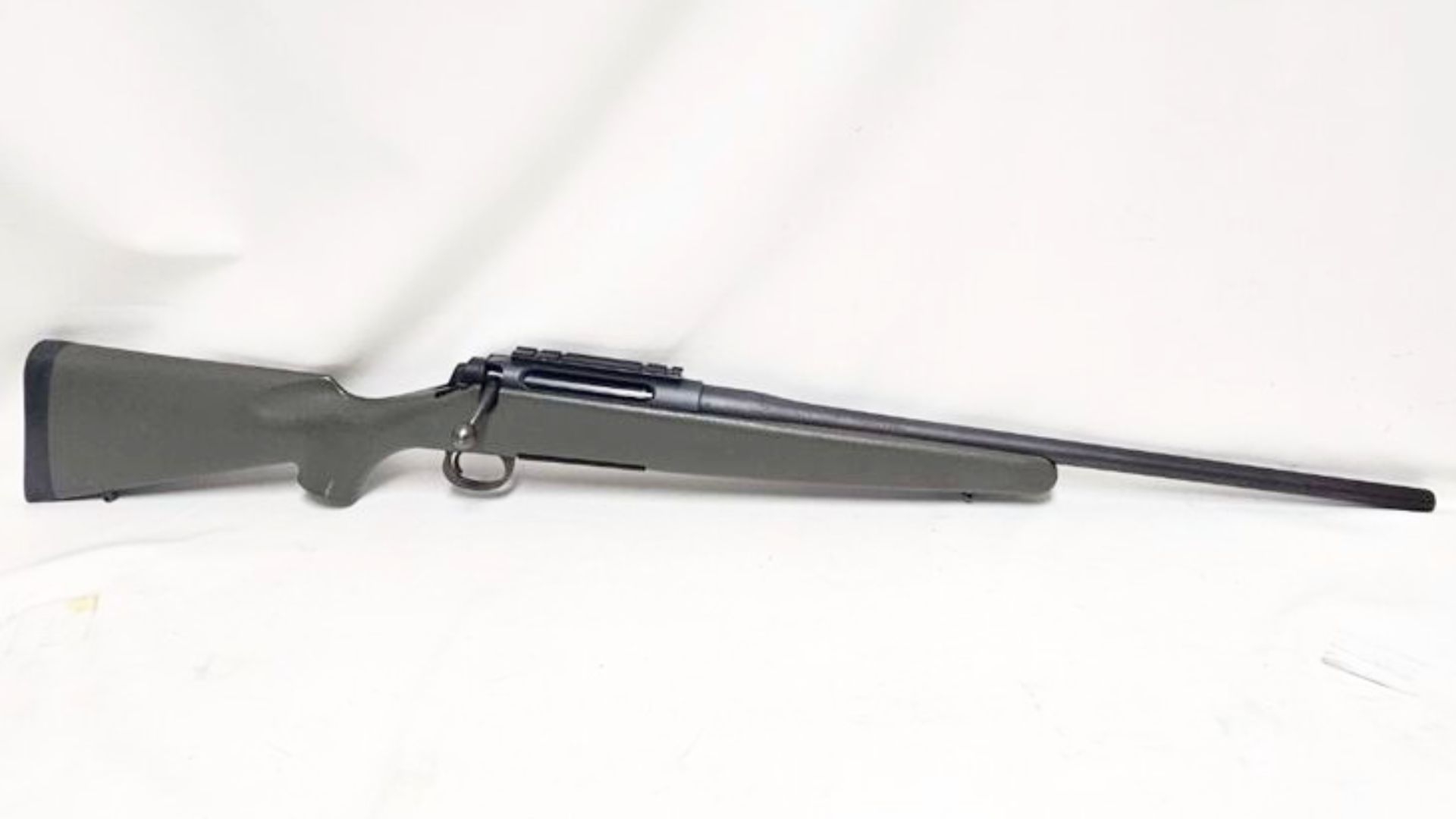
The 710 was one of Remington’s more infamous rifles, and part of that reputation comes from its fragile fasteners. Its receiver threads strip easily, and the action screws are soft enough to deform after a few turns of a driver. Cleaning this rifle often meant finding new hardware afterward.
Even when torqued correctly, repeated disassembly tends to loosen the fit of the stock-to-action connection. Accuracy fades with every stripped thread, and it’s rarely recoverable without repair. The 710 was built for affordability, not longevity, and the screws tell that story best.
Winchester XPR

The Winchester XPR is a fine hunting rifle, but the small base screws used for its scope mounts are known weak points. They can strip under normal torque if the driver isn’t perfectly fitted. Once damaged, they’re nearly impossible to remove cleanly.
The action screws also tend to lose bite after repeated maintenance cycles, especially in rifles that see a lot of field use. The steel quality isn’t bad—it’s the shallow thread engagement that makes it vulnerable. If you own one, treat the screws like glass.
Weatherby Vanguard Synthetic

The synthetic-stock Vanguards are excellent shooters, but the action screw heads are notorious for soft metal. Over time, they begin to round off even with correct tools, and the polymer bedding area doesn’t support over-torquing. Once the screws start to slip, it’s hard to maintain proper pressure on the action.
While the steel in the barrel and receiver is high quality, the small hardware parts don’t match that standard. Frequent cleaning only accelerates wear. For a rifle that’s otherwise built to last, it’s a weak spot that surprises many Weatherby owners.
Mossberg ATR

The Mossberg ATR was an affordable bolt-action that never hid its budget roots. Its hardware is easily stripped—both at the head and in the receiver threads. Even mild torque can pull the screws or deform their slots, especially after repeated cleaning sessions.
Many ATR owners ended up swapping the entire hardware set just to make the rifle maintainable. Once stripped, those screws rarely held zero pressure again, leading to wandering accuracy. It’s a rifle that teaches a painful lesson: cheap steel and frequent cleaning don’t mix.
Like The Avid Outdoorsman’s content? Be sure to follow us.
Here’s more from us:
The worst deer rifles money can buy
Sidearms That Belong in the Safe — Not Your Belt
*This article was developed with AI-powered tools and has been carefully reviewed by our editors.